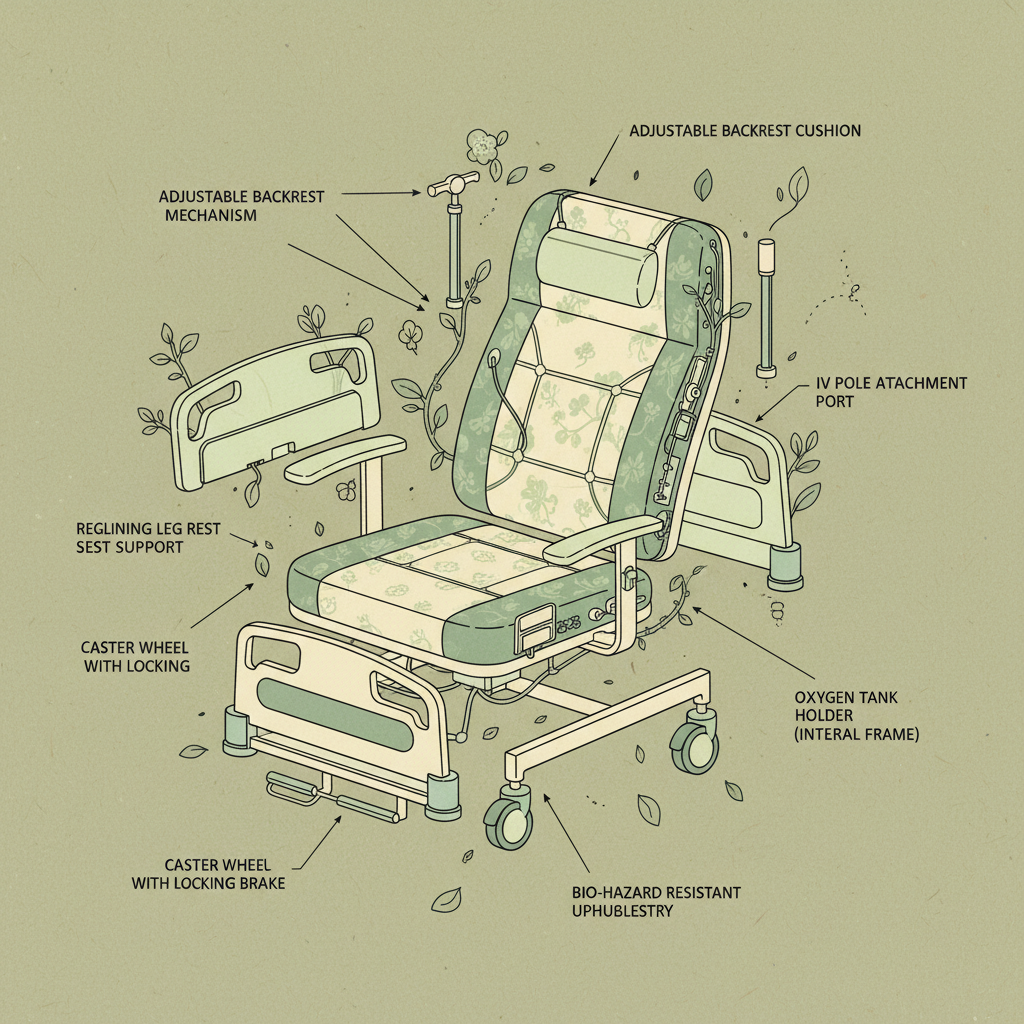
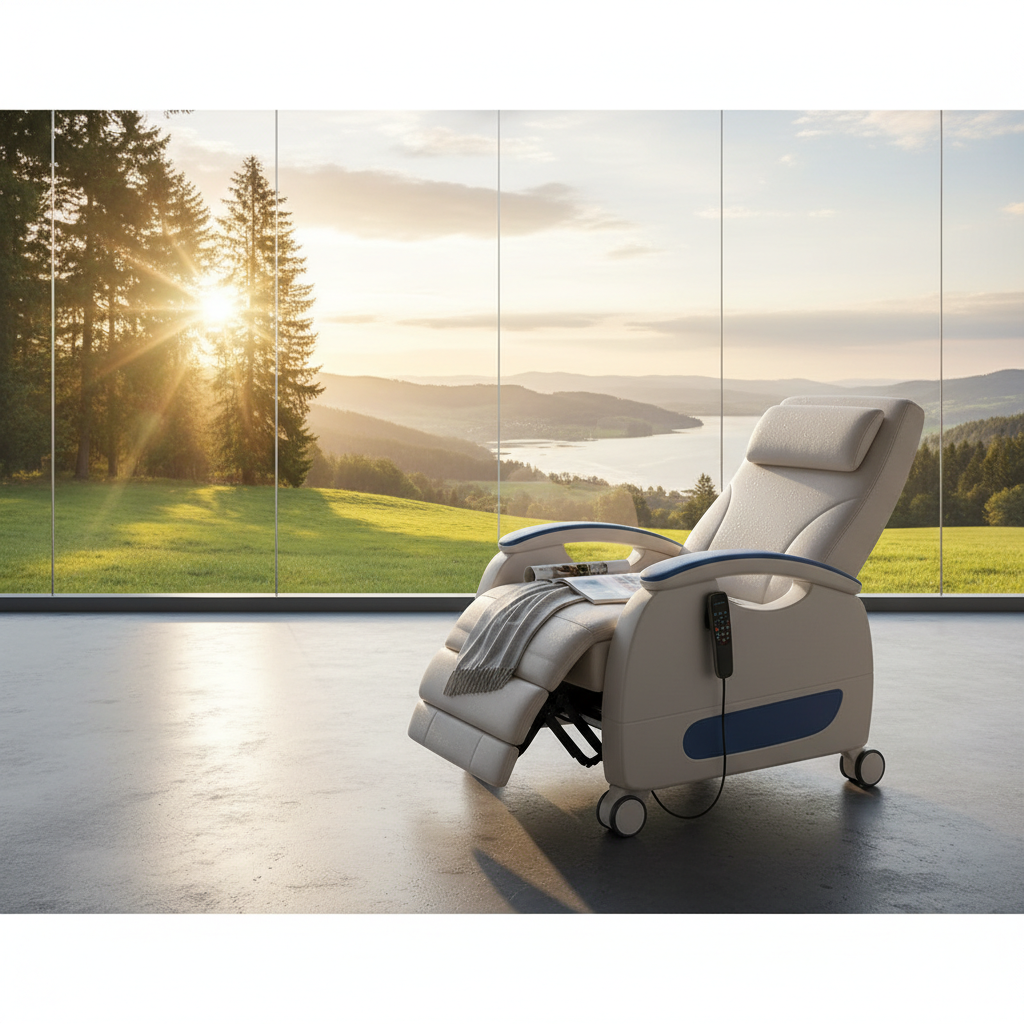
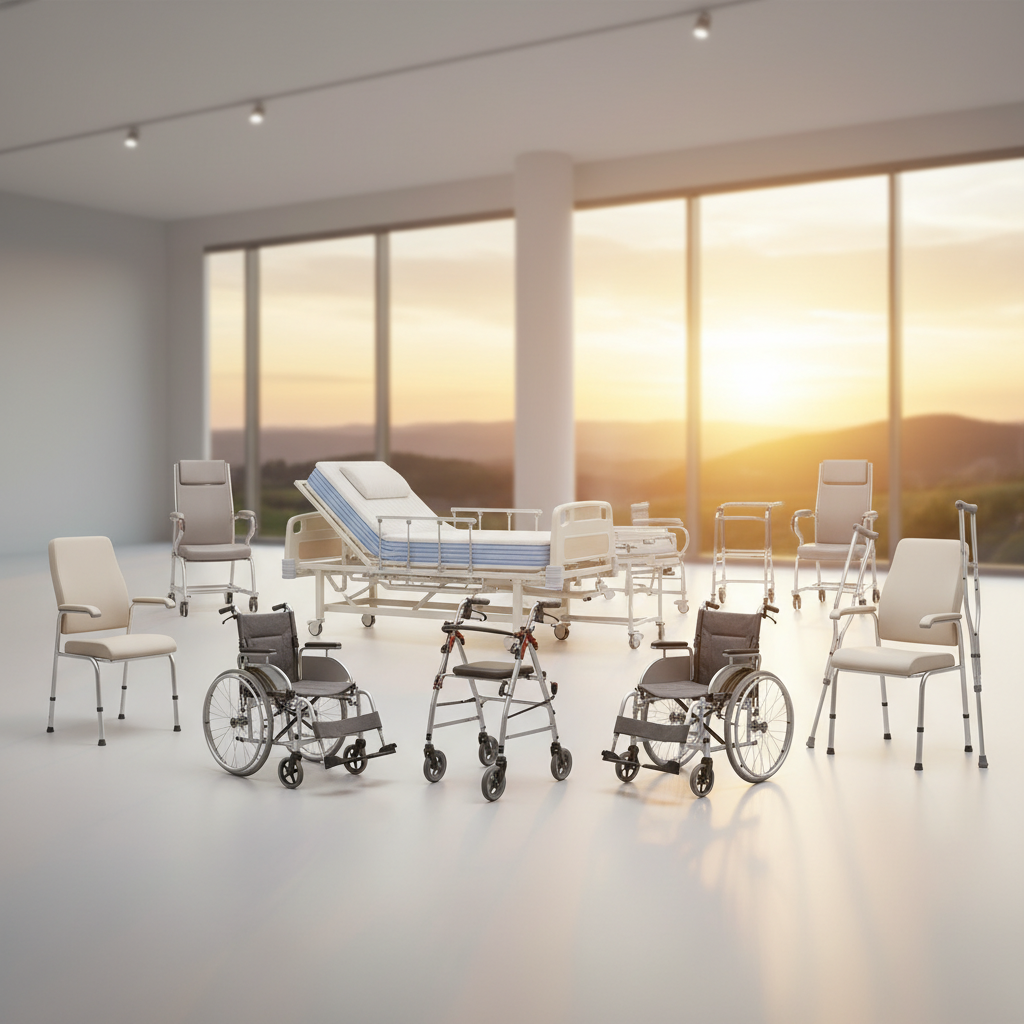
To be honest, the whole hospital chair scene... it’s changed a lot lately. Everyone’s chasing ‘smart’ now, right? Motorized adjustments, built-in sensors, even chairs that weigh you automatically. It’s a bit much, if you ask me. I’ve been crawling around construction sites for fifteen years, and I’ve seen plenty of tech that promised the world and delivered…well, headaches. But people want what they want. And frankly, the demand for better chairs – chairs that actually help patients and staff, not just look fancy – is only growing.
What’s really interesting is how everyone is trying to jump on the modular bandwagon. Pre-fab everything. It sounds good on paper, easier to ship, faster to assemble. But have you noticed how quickly those cheap connectors start to loosen? You spend all this money on a fancy chair, then it’s wobbling because someone skimped on a ten-cent bolt. That's frustrating.
And it’s not just the connectors. The whole ‘easy assembly’ thing… it assumes the people putting it together actually read the instructions. I’ve lost count of the times I’ve shown up to a site and found chairs assembled backwards. Seriously.
The Changing Landscape of Hospital Chairs
I encountered this at a new wing of a hospital in Shanghai last time. They’d gone all-in on these high-tech chairs, and the nurses were complaining they were more work. Too many buttons, too many settings. Patients were getting confused, and the nurses were spending more time explaining the chair than actually caring for the patient. It’s a reminder that sometimes, simple is better. Seriously.
Anyway, I think the biggest trend we’re seeing is a move towards more ergonomic designs, which is good. It’s about time. Doctors and nurses are on their feet all day; they deserve a chair that supports their back and doesn’t leave them aching at the end of a shift. But ergonomic doesn't mean complicated.
Design Pitfalls: Avoiding the Wobble
Look, a chair needs to be sturdy. It sounds obvious, but you wouldn’t believe how many designs I see that prioritize aesthetics over functionality. Thin legs, flimsy frames… they look nice in the showroom, but they won’t hold up to real-world use. Strangely, a lot of designers haven't actually sat in their chairs for more than five minutes.
The weight capacity is another thing. People don’t always think about this, but hospital chairs need to accommodate a wide range of body types. You need a chair that can comfortably and safely support a larger patient. And don’t just rely on the manufacturer’s specs – test it yourself.
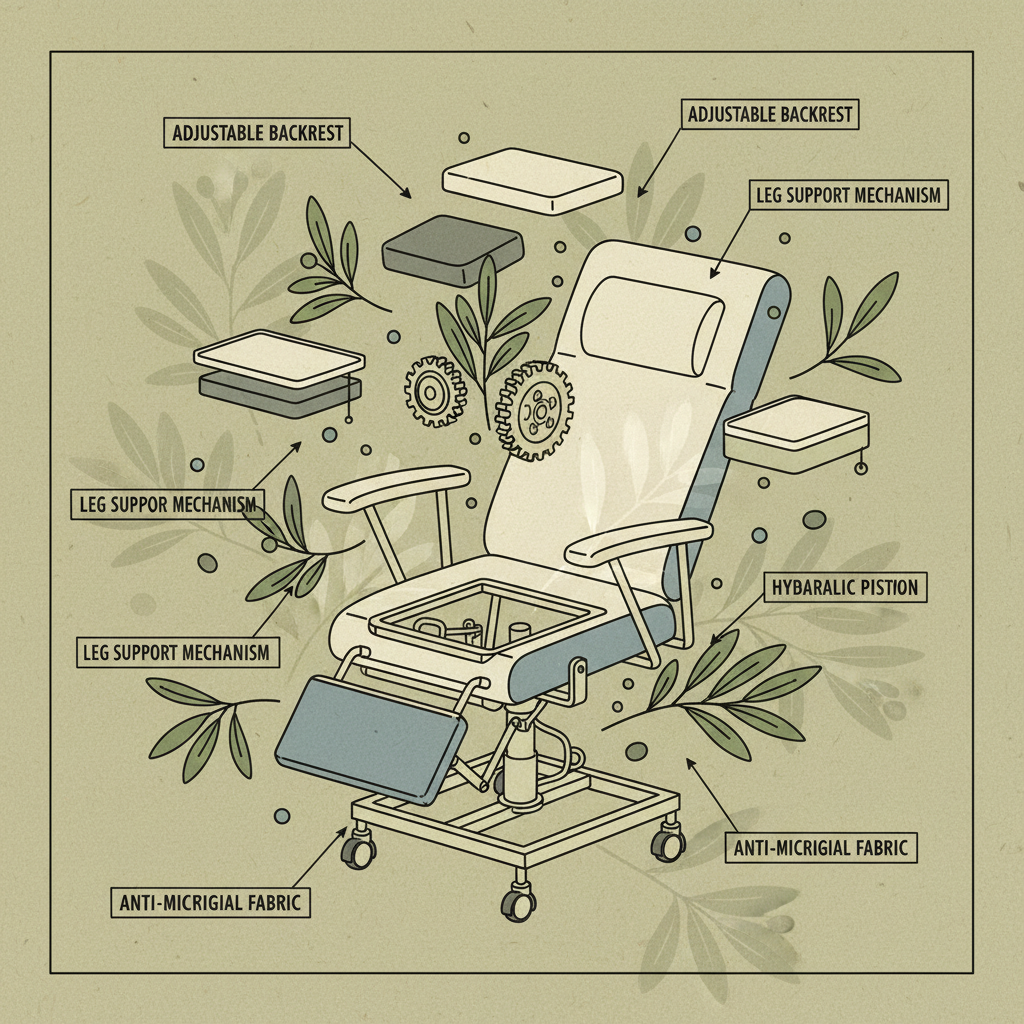
And the arms? Essential. Especially for elderly or disabled patients. They need something to help them sit down and stand up. Too low, and they strain their backs. Too high, and they’re useless. There’s a sweet spot, and finding it requires actually talking to the people who will be using the chair.
Material Choices: Beyond the Spec Sheet
We mostly see steel frames, that’s standard. But the quality of the steel varies wildly. You get what you pay for. The cheap stuff bends, rusts, and creaks. The good stuff…well, it doesn't. You can feel the difference just by tapping it. I like a good powder coating too – adds a layer of protection and makes it easier to clean.
Upholstery is another big one. Vinyl is popular because it’s easy to disinfect, which is crucial in a hospital setting. But it can get sticky and uncomfortable in hot weather. Fabric is more breathable, but it’s harder to keep clean. There’s a new antimicrobial fabric coming out that looks promising, but it’s expensive. You’ve got to weigh the pros and cons. It has a slight rubbery smell initially, but fades quickly.
The foam… don’t even get me started. Too soft, and it compresses quickly. Too firm, and it’s like sitting on a rock. You need a medium-density foam that provides good support without being uncomfortable. I’ve seen some chairs use memory foam, which is nice, but it tends to retain heat.
Real-World Testing: Beyond the Lab
Lab tests are fine, but they don’t tell you everything. You need to see how a chair holds up to actual use. I like to take prototypes to hospitals and let the staff beat them up. Seriously. Have them roll them around, adjust them, spill things on them… see what breaks.
Hospital Chair Durability Testing Results
How They're Actually Used
You’d think people would use these chairs for sitting, right? But I’ve seen them used as step stools, as temporary storage, even as makeshift barricades. One hospital was using them to prop open doors! You have to design for the unexpected.
And the cleaning staff? They’re the real MVPs. They’re the ones who have to disinfect these chairs multiple times a day. So, easy-to-clean surfaces are a must.
The Upsides and Downsides
Look, a good hospital chair can make a real difference. It can improve patient comfort, reduce nurse fatigue, and even help prevent falls. Those are all big wins. But they’re not cheap. And the more features you add, the more things can go wrong.
The biggest downside, in my opinion, is the complexity. All those adjustments and settings… they can be overwhelming. Sometimes, a simple, well-made chair is all you need.
Plus, let’s be real, a lot of these fancy chairs end up being replaced after a few years because a part breaks or a mechanism fails. It’s a waste of money.
Customization and Specific Needs
Customization is key. Every hospital is different. Some need bariatric chairs, others need pediatric chairs. Some need chairs with specific infection control features. Last month, that small boss in Shenzhen who makes smart home devices insisted on changing the interface to on a batch of chairs for a private hospital – and the result was a delayed shipment because the hospital wanted USB-A for compatibility with their existing equipment. It was a mess.
But having the flexibility to tailor the chair to the specific needs of the hospital is a huge advantage. And it’s not just about the physical features. It’s about the color, the fabric, even the logo. It’s about creating a chair that fits seamlessly into the hospital’s environment.
I once worked on a project where the hospital wanted chairs that matched their brand colors exactly. It was a pain to source the right fabric, but the hospital was thrilled. It showed them we were listening.
Key Attributes of Hospital Chair Customization
| Feature |
Complexity |
Cost Impact |
Lead Time |
| Upholstery Color/Material |
Low |
Minor |
1-2 weeks |
| Armrest Adjustment |
Medium |
Moderate |
2-4 weeks |
| Frame Material Upgrade |
High |
Significant |
4-6 weeks |
| Integrated Monitoring Systems |
Very High |
Major |
6-8 weeks |
| Bariatric Capacity Reinforcement |
Medium-High |
Moderate-Significant |
3-5 weeks |
| Custom Logo Branding |
Low |
Minor |
1-2 weeks |
FAQS
Honestly, it's skimping on the frame. They see a pretty upholstery and forget that the chair needs to withstand years of heavy use. A flimsy frame will bend and break, and then you're replacing chairs every year instead of every ten. You’ve got to look underneath. Always.
It’s important, no doubt about it. Hospitals are breeding grounds for bacteria. But it’s not a magic bullet. You still need to clean the chairs regularly. The fabric just buys you a little extra time and peace of mind. Plus, some of those antimicrobial treatments can affect the feel of the fabric, making it stiffer.
They look good in the brochure, but I'm skeptical. More moving parts mean more things that can break. And the nurses I talk to are often overwhelmed by all the controls. Simple and reliable is usually better. Unless you're dealing with a specific patient need, I'd steer clear.
Get a sample and put it through its paces! Let your staff use it, abuse it even. Roll it around, spill things on it, try to break it. See how it holds up. Don’t just rely on the manufacturer’s specs. Real-world testing is crucial.
There’s some interesting work being done with recycled plastics, which is good for sustainability. But the biggest advancements are happening in foam technology. They’re developing foams that are more comfortable, more durable, and more resistant to compression. It's still early days, but it's promising.
Critical. You need to account for patients of all sizes. Underestimating the weight capacity can lead to chair failure and, more importantly, patient injury. Always err on the side of caution and choose a chair with a generous weight capacity.
Conclusion
So, where does all this leave us? Hospital chairs aren’t glamorous, but they’re essential. They impact patient comfort, nurse efficiency, and overall hospital safety. The trend towards smarter, more customizable chairs is good, but it’s important to prioritize durability, simplicity, and real-world testing. Don’t get caught up in the hype; focus on what actually matters.
Ultimately, whether this thing works or not, the worker will know the moment he tightens the screw. It’s about getting down and dirty, understanding the materials, and knowing what will hold up over time. And, of course, listening to the people who actually use the chairs every day. Visit our website at www.cnboxin.com to learn more about our range of hospital chairs and how we can help you find the perfect fit for your needs.