0%

Table of Contents

Look, I've been on more construction sites than I've had hot dinners. And let me tell you, keeping a hospital running smoothly isn’t just about doctors and nurses. It’s about logistics. Specifically, getting clean linen where it needs to be, when it needs to be. That's where a good linen trolley for hospital becomes absolutely critical. It's not glamorous work, but a stalled linen supply chain impacts patient care, and that's a big deal. We're talking about infection control, efficiency, and frankly, making everyone’s job a little easier.

You think about the sheer volume of linen a modern hospital goes through - sheets, towels, gowns, everything. It’s a constant cycle of collection, transport, laundering, and redistribution. Without a robust system, you've got staff wasting valuable time, potential cross-contamination issues, and a generally chaotic environment. I've seen hospitals trying to make do with makeshift solutions - converted carts, overloaded wheelchairs...it’s a mess. A properly designed linen trolley for hospital isn’t just a piece of equipment; it’s a foundational element of hospital operations.

I've seen firsthand the headaches these things can cause when they aren’t up to snuff. Cheap trolleys fall apart, are hard to maneuver, and become a safety hazard. Investing in quality upfront saves a ton of trouble – and money – down the line. Believe me, dealing with a broken trolley in a busy hallway is not how anyone wants to spend their day.
Essential Hospital Linen Trolleys for Efficient Healthcare Logistics

The Importance of a Robust linen trolley for hospital System

Essential Hospital Linen Trolleys for Efficient Healthcare Logistics

You've got to think about the whole system, not just the trolley itself. It's about the flow of linen from dirty utility rooms to the laundry, then back to clean storage, and finally to the wards. A well-planned route, combined with the right linen trolley for hospital, minimizes bottlenecks and maximizes efficiency. I've seen operations where a poorly chosen trolley created a traffic jam in a key corridor, impacting deliveries and ultimately patient care.

We're talking about a significant logistical undertaking, especially in large hospitals. The World Health Organization emphasizes the importance of infection prevention and control, and a key component of that is proper linen handling. A flawed system can lead to contamination risks, increased labor costs, and a frustrated staff. It's a simple thing – a trolley – but it has a huge impact on the bigger picture.

Defining the linen trolley for hospital: More Than Just a Cart

Let's be clear: a linen trolley for hospital isn’t just a wheeled cart. It's a specifically designed piece of equipment, built to withstand the rigors of a hospital environment. Think about it - constant use, frequent cleaning, and being bumped into by everything from crash carts to hurried staff. They need to be durable, easy to maneuver, and, crucially, hygienic.

It’s directly connected to modern infection control protocols. Hospitals are acutely aware of HAIs (Healthcare-Associated Infections), and the trolley plays a role in minimizing the spread. Features like smooth, non-porous surfaces, sealed compartments, and easy-to-clean designs are critical. It’s also about ergonomics – staff are pushing these things around all day, so comfort and ease of use are paramount.

Ultimately, it's about supporting the core mission of the hospital: providing quality patient care. A well-functioning linen service, supported by reliable trolleys, contributes to a cleaner, safer, and more efficient healthcare environment. It's a small piece of the puzzle, but a vital one.

Key Factors in Selecting a Hospital Linen Trolley

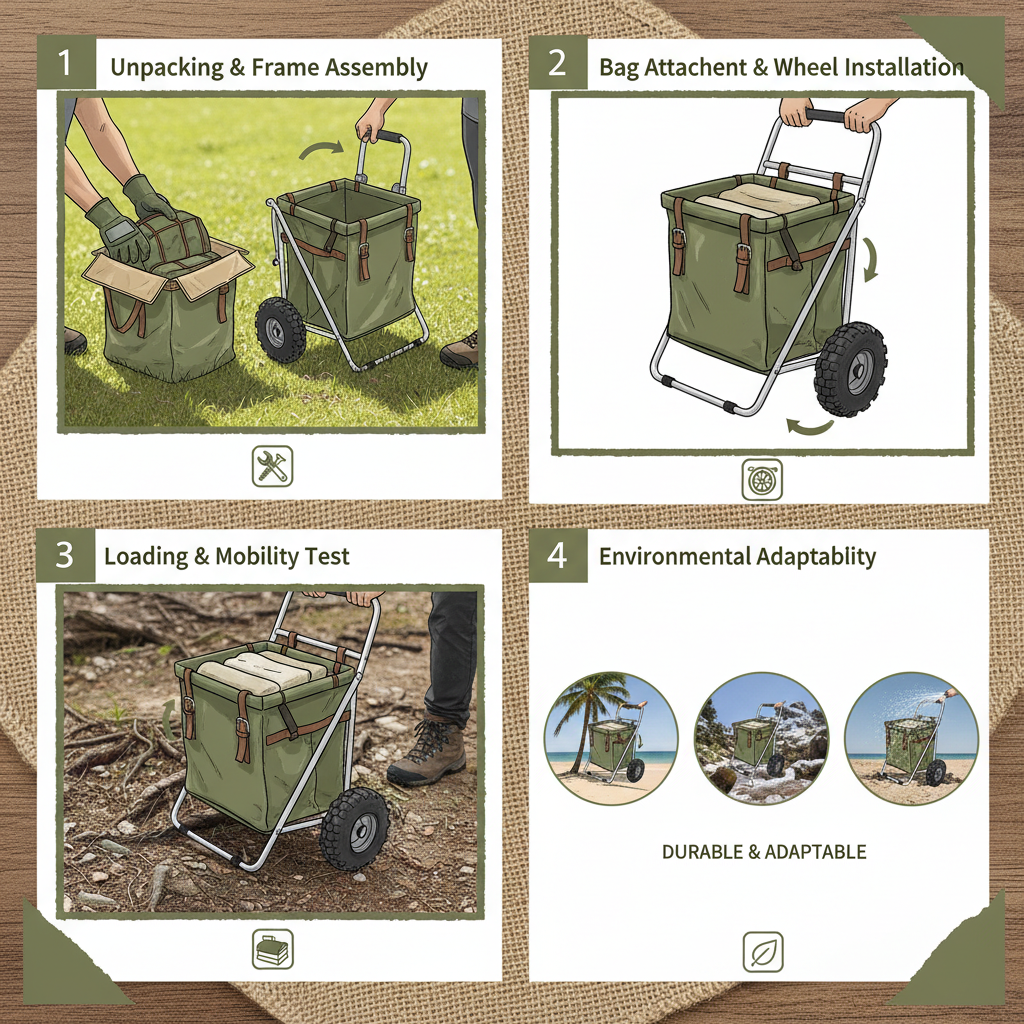
Durability is number one, no question. I've seen flimsy trolleys buckle under the weight of a full load. You want stainless steel frames, heavy-duty casters, and robust construction. It needs to withstand daily abuse and still look good doing it.

Maneuverability is huge. Hospitals are tight spaces. You need trolleys that can easily navigate narrow corridors, elevators, and crowded hallways. Swivel casters with locking mechanisms are essential. Nobody wants a runaway linen trolley!

Capacity matters. You need to consider the volume of linen your hospital processes. Trolleys come in various sizes and configurations. Choosing the right size minimizes trips and improves efficiency. And finally, hygiene. Smooth, non-porous surfaces that are easy to disinfect are critical for infection control.

Global Applications and Diverse Hospital Needs

This isn’t just a problem in North America or Europe. Hospitals everywhere – from rural clinics in developing countries to state-of-the-art facilities in Japan – face the challenge of managing linen efficiently. The principles are the same: minimize contamination, maximize efficiency, and protect staff.

In post-disaster relief operations, a mobile and durable linen trolley for hospital can be invaluable. You need to quickly establish a clean linen supply in a chaotic environment. Similarly, in remote industrial zones or temporary medical camps, a reliable trolley is essential for maintaining basic hygiene standards.

Different hospital types also have different needs. A large teaching hospital will have a much higher linen turnover than a small rural clinic. Pediatric wards may require smaller trolleys for easier handling. Operating rooms demand the highest levels of hygiene and may need specialized trolleys designed for sterile applications.

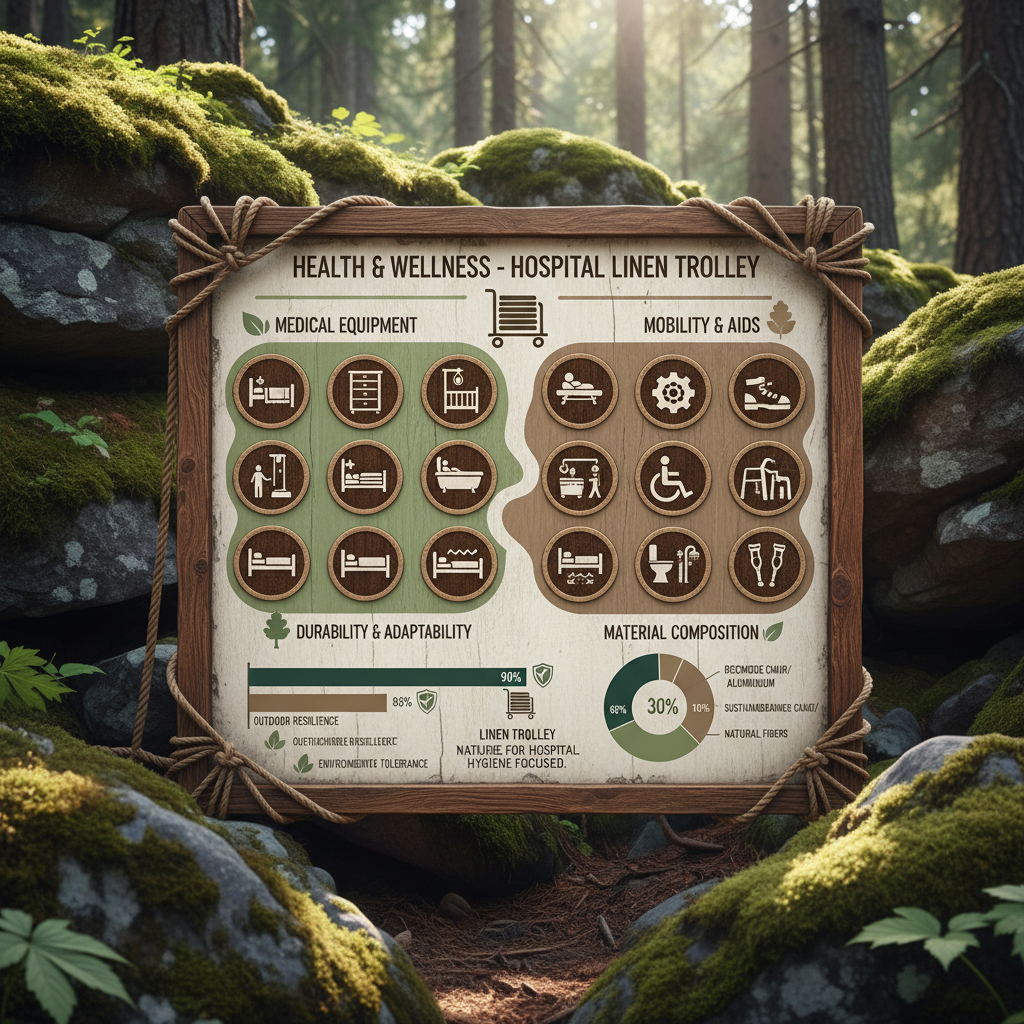
linen trolley for hospital Importance by Hospital Department


Advantages of Investing in Quality Linen Trolleys

Cost savings are a big one. A durable trolley lasts longer, reducing replacement costs. Reduced labor costs come from faster, more efficient linen transport. And minimizing contamination risks can prevent costly infections.

Sustainability is also increasingly important. Choosing trolleys made from recycled materials and with a long lifespan reduces environmental impact. It's not just about the bottom line; it's about responsible healthcare practices.

Future Trends and Innovations in Linen Handling

We're starting to see more automation in linen handling, with conveyor systems and robotic trolleys being piloted in some hospitals. Smart trolleys with RFID tracking are also emerging, allowing for real-time monitoring of linen location and status.

The focus on infection control will continue to drive innovation. Expect to see trolleys with built-in UV-C disinfection systems or antimicrobial coatings. And, of course, the trend towards sustainability will lead to more eco-friendly materials and designs.

Digital integration is key. Linen management systems that connect to the trolleys, providing data on usage, location, and maintenance needs will become increasingly common.

Challenges and Solutions in Hospital Linen Logistics

Space constraints are a constant challenge in hospitals. Finding room for linen storage and maneuvering trolleys can be difficult. The solution? Compact, modular trolleys that can be easily stored and configured.

Staff training is also crucial. Proper use and maintenance of trolleys are essential for maximizing their lifespan and ensuring hygiene. Regular training sessions can address these issues.

And finally, cost is always a factor. Hospitals need to balance the upfront cost of quality trolleys with the long-term benefits of reduced maintenance, increased efficiency, and improved patient safety.

Summary of Common linen trolley for hospital Challenges and Solutions

Challenge Impact on Hospital Operations Potential Solution Implementation Cost (1-10)
Limited Space in Corridors Impeded traffic flow, delayed deliveries Compact, maneuverable trolley designs 4
High Linen Volume Increased workload for staff, potential for overflow Larger capacity trolleys or multiple trolleys 6
Inadequate Hygiene Risk of healthcare-associated infections Trolleys with smooth, disinfectable surfaces 5
Staff Fatigue Reduced efficiency, increased errors Ergonomically designed trolleys with easy-to-use features 3
Frequent Trolley Breakdowns Disrupted linen service, increased maintenance costs Durable trolleys made from high-quality materials 7
Lack of Tracking Difficulty locating linen, potential for loss Smart trolleys with RFID or barcode tracking 8

FAQS

What are the key features to look for in a hospital linen trolley?

When you're looking for a linen trolley, durability is paramount. You need a steel frame, robust casters, and materials that can withstand constant cleaning. Maneuverability is also crucial – it needs to navigate tight corridors easily. Finally, hygiene features like smooth, non-porous surfaces are essential to prevent the spread of infection. Think about capacity too, choosing a size appropriate for your hospital’s volume. Don't skimp on quality; it pays off in the long run.

How do I clean and disinfect a linen trolley effectively?

Regular cleaning and disinfection are vital! Use a hospital-grade disinfectant approved for use on the trolley’s materials. Wipe down all surfaces, including the frame, casters, and any compartments, after each use. Pay special attention to areas that may have come into contact with soiled linen. Be sure to follow the manufacturer's instructions for the disinfectant and allow adequate drying time. Proper cleaning minimizes the risk of cross-contamination.

What is the typical lifespan of a quality hospital linen trolley?

A well-built linen trolley for hospital should last anywhere from 5 to 10 years, sometimes even longer, with proper maintenance. Regular inspections and prompt repairs of any damage can extend its lifespan. Factors like the frequency of use, the weight of the loads, and the cleaning regimen all play a role. Investing in a higher-quality trolley upfront often results in a longer lifespan and lower long-term costs.

How much weight can a typical hospital linen trolley safely handle?

Weight capacity varies depending on the model, but a good hospital linen trolley should be able to safely handle between 200 and 400 pounds. Always check the manufacturer’s specifications for the specific trolley you’re considering. Overloading can damage the trolley and create a safety hazard. Distribute the weight evenly to prevent tipping or instability. Remember, staff are pushing these things around, so safety is paramount.

Are there different types of linen trolleys for different hospital departments?

Absolutely. Surgical suites often require trolleys with specialized features like sterile barriers and designated compartments for different types of linen. Pediatric wards may benefit from smaller, more maneuverable trolleys. ICUs may require trolleys with enhanced hygiene features. Consider the specific needs of each department when selecting trolleys to ensure optimal efficiency and infection control. It's not a one-size-fits-all situation.

What is the best way to store linen trolleys when not in use?

Designated storage areas are key. Ensure the area is clean, dry, and well-ventilated. Trolleys should be stored in a way that allows for easy access and prevents them from obstructing walkways or emergency exits. If space is limited, consider using compact, stackable trolleys. Proper storage protects the trolleys from damage and keeps them readily available when needed.

Conclusion

Ultimately, a well-chosen linen trolley for hospital is far more than just a piece of equipment. It's a critical component of a hospital's logistical infrastructure, impacting efficiency, infection control, and staff well-being. Investing in quality, considering the specific needs of your facility, and prioritizing proper maintenance will yield significant long-term benefits.

Don't underestimate the power of seemingly small details. A smoothly running linen service, supported by reliable trolleys, contributes to a safer, cleaner, and more efficient healthcare environment. If you're looking to upgrade your linen handling system, or simply ensure you have the right equipment in place, visit our website at www.cnboxin.com to explore our range of hospital linen trolleys.


James Anderson

James Anderson

James Anderson is a R&D Engineer specializing in material science and product testing at Boxin. He holds a PhD in Materials Engineering and has 4 years of experience in researching and implementing new materials to enhance the durability and safety of our rehabilitation equipment. James focuses on rigorous stress testing
Previous The Vital Role of the Single Hospital Bed in Modern Healthcare Systems
Next The Vital Role of Hospital Recliner Bed Chairs in Patient Care and Recovery