The demand for efficient and reliable healthcare infrastructure is growing globally, driven by aging populations and increasing access to medical services. At the heart of this need is the humble, yet vital, single hospital bed. We’re not talking about the beds themselves, but the entire system – its design, durability, logistical footprint, and ability to rapidly deploy in crises. I’ve spent years on construction sites, in emergency response zones, and working alongside hospital engineers; the difference a quality single hospital bed makes isn't just patient comfort, it’s about streamlining workflows, maximizing space, and ultimately, saving lives. The complexities of sourcing, transporting, and assembling these beds, especially in challenging environments, are considerable and drive innovation.
From field hospitals in disaster zones to augmenting capacity in overwhelmed urban centers, the need for quickly deployable and robust healthcare solutions is paramount. We're seeing a shift away from purely static hospital infrastructure to more adaptable models. The single hospital bed, when considered as part of a broader, scalable system, becomes a critical component in building that adaptability. It's about more than just a place to rest; it's about creating a functional healthcare unit wherever it’s needed. Supply chain disruptions during the recent pandemic highlighted just how fragile these systems can be, and how crucial resilient solutions like well-designed single hospital beds truly are.
It's easy to think of a hospital bed as a simple item, but it’s a surprisingly sophisticated piece of equipment. The materials used, the mechanisms for adjustment, the safety features – it all matters, especially when you're dealing with vulnerable patients in less-than-ideal conditions. I've seen firsthand what happens when cost-cutting compromises quality, and it’s never worth the risk. We need to focus on delivering reliable, efficient, and easily maintainable solutions; the single hospital bed is a foundational element of that.
The Global Significance of the Single Hospital Bed
The World Health Organization estimates that billions of people globally lack access to basic healthcare services. This isn’t just about a shortage of doctors and nurses; it’s also about the physical infrastructure needed to deliver that care. A fundamental component is the single hospital bed. The ability to rapidly expand capacity during public health emergencies – as we saw with COVID-19 – and to provide adequate care in resource-limited settings necessitates a reliable supply of these beds. According to the UN’s Sustainable Development Goals, ensuring healthy lives and promoting well-being for all is a key priority, and the single hospital bed plays a critical, often overlooked, role in achieving this.
I’ve been on site at temporary hospitals built from the ground up in a matter of weeks. The speed and efficiency of deployment hinge on how easily these beds can be set up, maintained, and moved. It's not just about providing a place to sleep; it’s about creating a functional, safe, and hygienic environment for patients and healthcare workers.
Defining the Single Hospital Bed
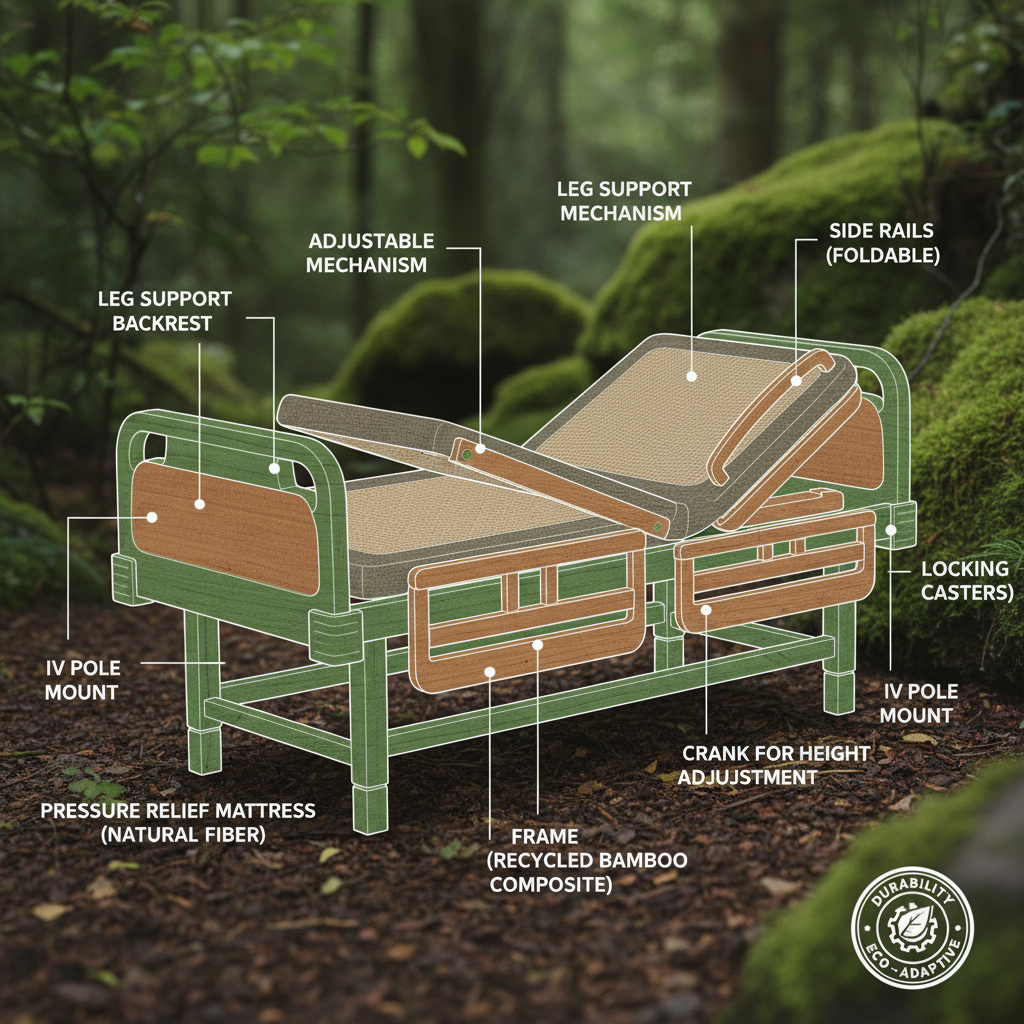
A single hospital bed, at its most basic, is a specialized bed designed for patients receiving medical treatment. However, it’s far more than just a mattress and frame. Modern hospital beds incorporate adjustable features – height, head and foot elevation, side rails – to facilitate patient care and ensure safety. They're often constructed from materials designed for easy cleaning and disinfection, and increasingly, incorporate integrated monitoring systems and communication technologies.
The distinction between a ‘hospital bed’ and a regular bed isn't merely comfort; it’s about functionality and adherence to strict safety standards. These beds must meet rigorous testing requirements to ensure they can support patient weight, withstand repeated use, and function reliably under demanding conditions. It's a matter of patient safety and the efficiency of medical personnel.
Looking beyond the physical bed itself, the ‘single hospital bed’ encompasses the entire system: the mattress, the linens, the accessories like IV poles and bedside tables, and the logistical considerations of transportation and storage. It’s a holistic concept that requires careful planning and execution.
Key Factors Influencing Single Hospital Bed Design
Durability is paramount. I've seen beds that fall apart after just a few months of use, and that’s unacceptable. The materials used – steel, aluminum alloys, reinforced polymers – must be able to withstand constant use, cleaning, and transportation. The welding needs to be solid, the mechanisms robust, and the finish resistant to corrosion and abrasion.
Scalability is also critical. Hospitals need to be able to quickly expand or contract their capacity based on demand. A modular system of single hospital beds, easily assembled and configured, is essential for responding to emergencies or seasonal fluctuations in patient numbers. Being able to quickly set up entire wards, or reconfigure existing spaces, can be a life-saver.
Cost-efficiency is, of course, a factor, but not at the expense of quality or safety. We need to find the sweet spot between affordability and performance. This often involves optimizing the design, streamlining the manufacturing process, and leveraging economies of scale. A well-designed bed that lasts for years is far more cost-effective than a cheaper bed that needs to be replaced frequently.
Global Applications and Deployment Scenarios
In post-disaster relief operations, the rapid deployment of single hospital beds is often the first step towards providing medical care to affected populations. Organizations like the Red Cross and Doctors Without Borders rely on these beds to set up field hospitals in areas devastated by earthquakes, floods, or conflicts. I’ve worked with teams deploying these beds in incredibly challenging conditions – often with limited infrastructure and logistical support.
In remote industrial zones – mining camps, oil rigs, construction sites – single hospital beds are essential for providing on-site medical care to workers. These locations often lack access to traditional hospital facilities, making it crucial to have a well-equipped medical bay with the necessary beds and equipment. The beds need to be rugged enough to withstand the harsh conditions and easy to maintain with limited resources.
Even in developed countries, single hospital beds are used to augment capacity during peak seasons or public health emergencies. Pop-up hospitals, converted convention centers, and temporary overflow wards all rely on these beds to provide additional space for patients. The ability to quickly and efficiently set up these facilities is vital for managing surges in demand.
Single Hospital Bed Deployment Effectiveness by Method
Advantages and Long-Term Value Proposition
The tangible benefits of investing in high-quality single hospital beds are numerous. Reduced maintenance costs, increased patient safety, and improved workflow efficiency all contribute to a lower total cost of ownership. But beyond the financial aspects, there’s a significant social impact. Providing patients with comfortable and safe beds can reduce anxiety, promote faster healing, and improve overall well-being.
From an emotional standpoint, knowing that patients are receiving care in a dignified and supportive environment is crucial. A well-designed hospital bed isn't just a piece of equipment; it’s a symbol of compassion and commitment to patient care. From a logical perspective, a reliable and durable bed minimizes disruptions to clinical workflows, allowing healthcare professionals to focus on what matters most: treating patients.
Future Trends and Innovations in Hospital Bed Technology
We’re seeing a growing trend towards ‘smart’ hospital beds equipped with integrated sensors that monitor patient vital signs – heart rate, respiratory rate, movement – and transmit data to healthcare professionals. This allows for early detection of potential problems and more proactive intervention. The integration of telehealth technologies will also play a role, enabling remote monitoring and virtual consultations.
Sustainable materials are also gaining traction. Manufacturers are exploring the use of recycled plastics, bio-based polymers, and other environmentally friendly materials to reduce the environmental impact of hospital bed production. The focus on reducing waste and promoting circular economy principles is becoming increasingly important.
Challenges and Solutions in Single Hospital Bed Implementation
One of the biggest challenges is ensuring consistent quality control across different manufacturers and suppliers. Variations in materials, construction, and testing procedures can lead to inconsistencies in performance and safety. Implementing rigorous quality assurance programs and standardized testing protocols is essential.
Another challenge is the logistics of transporting and deploying large numbers of beds, especially in remote or disaster-stricken areas. Optimizing packaging, streamlining shipping processes, and collaborating with local logistics partners are crucial for ensuring timely delivery.
Finally, ongoing maintenance and repair can be a challenge, particularly in resource-limited settings. Providing training to local technicians, establishing a reliable supply of spare parts, and developing remote diagnostic capabilities are all important steps towards ensuring the long-term sustainability of these systems.
Overview of Single Hospital Bed Implementation Challenges and Mitigation Strategies
| Challenge Area |
Impact on Implementation |
Mitigation Strategy |
Implementation Priority (1-5) |
| Quality Control |
Inconsistent performance, safety risks |
Rigorous testing, standardized protocols |
5 |
| Logistics & Transport |
Delayed deployment, increased costs |
Optimized packaging, local partnerships |
4 |
| Maintenance & Repair |
Reduced lifespan, increased downtime |
Technician training, spare parts supply |
4 |
| Cost Constraints |
Compromised quality, limited scalability |
Value engineering, long-term cost analysis |
3 |
| Regulatory Compliance |
Legal issues, deployment delays |
Certification, adherence to standards |
5 |
| Training of Personnel |
Incorrect usage, potential for damage |
Comprehensive training modules, on-site support |
3 |
FAQS
When evaluating single hospital beds, prioritize features like reliable side rails with locking mechanisms to prevent falls, a robust braking system to ensure stability during adjustments, and materials that are easily disinfected to minimize the risk of infection. Look for beds that meet relevant safety standards (e.g., IEC 60601-1) and have been tested for weight capacity and structural integrity. Remember, a small investment in safety features can prevent serious injuries and improve patient outcomes.
The weight capacity is critically important. Always choose a bed that exceeds the anticipated weight of your patient population. Underestimating this can lead to bed failure and potentially severe injury. Consider not just the patient’s current weight, but also factors like potential weight gain during recovery or the need to accommodate specialized equipment. Most beds have a clearly stated weight limit, so verify this before making a purchase.
With proper maintenance and care, a high-quality single hospital bed can last for 8-12 years, or even longer. Regular inspections, lubrication of moving parts, and timely replacement of worn components are essential. Choosing a bed constructed from durable materials and with a robust design will significantly extend its lifespan. Invest in preventative maintenance to avoid costly repairs and ensure continued reliability.
Ease of cleaning is paramount for infection control. Look for beds with smooth, non-porous surfaces that can be easily wiped down with disinfectant. Avoid beds with intricate designs or crevices where bacteria can accumulate. Materials should be resistant to common cleaning agents. Regular, thorough cleaning and disinfection are essential for maintaining a safe and hygienic environment.
Electrically adjustable beds offer significant benefits for both patients and caregivers. They allow for easy adjustment of height, head and foot elevation, and other features, reducing strain on both parties. This can promote patient comfort, facilitate nursing care, and prevent musculoskeletal injuries. However, ensure the electrical components meet safety standards and have backup power options in case of outages.
Yes, increasingly manufacturers are offering single hospital beds made from recycled materials or with bio-based components. Look for beds that are designed for disassembly and recycling at the end of their lifespan. Consider the environmental impact of the entire supply chain, from material sourcing to manufacturing and transportation. Choosing a sustainable option reduces your environmental footprint and supports responsible manufacturing practices.
Conclusion
The single hospital bed, while often overlooked, is a fundamental component of a functioning healthcare system. From rapid disaster response to ensuring comfort and safety in everyday clinical settings, its importance cannot be overstated. Investing in quality, durable, and adaptable beds isn’t just a cost-effective decision, it's a commitment to patient well-being and the resilience of our healthcare infrastructure.
Looking ahead, we can expect to see continued innovation in hospital bed technology – smarter beds with integrated monitoring systems, more sustainable materials, and improved designs for ease of use and maintenance. By prioritizing quality, safety, and sustainability, we can ensure that single hospital beds continue to play a vital role in delivering accessible and effective healthcare for generations to come. For reliable single hospital bed solutions, visit our website: www.cnboxin.com