The need for specialized healthcare solutions within the home is continually growing, driven by factors like aging populations, increased prevalence of chronic illnesses, and a desire for greater patient comfort and independence. An adjustable bed for patients at home represents a crucial aspect of this shift, offering not just comfort but significant therapeutic benefits and improved quality of life for those requiring long-term or palliative care. Understanding the nuances of these beds – from their features and benefits to their practical applications – is becoming increasingly important for healthcare professionals, caregivers, and individuals alike.
Globally, the demand for home healthcare is surging. The World Health Organization (WHO) projects a substantial increase in the number of older adults requiring long-term care in the coming decades. This, coupled with economic pressures on healthcare systems, is driving a move towards providing more care in the home setting. Adjustable beds for patients at home directly address this need by providing a cost-effective and personalized care solution, reducing the strain on hospitals and improving patient outcomes.
The increasing focus on patient-centered care, alongside advancements in medical technology, has fueled innovation in home healthcare equipment. An adjustable bed for patients at home is no longer simply a convenience; it's an integral part of a comprehensive care plan, designed to promote healing, prevent complications, and enhance the overall well-being of individuals recovering from illness or managing chronic conditions.
The Core Principles of Adjustable Bed Design
The design of an effective adjustable bed for patients at home centers around promoting patient comfort and facilitating recovery. Key principles include the ability to adjust head and foot elevation independently, providing customized support for various medical conditions. This adjustability directly impacts pressure point relief, improving circulation and reducing the risk of bedsores.
Beyond basic adjustability, modern designs incorporate features like zero-gravity positioning, which minimizes strain on the spine and heart, and integrated massage functions to further enhance comfort and promote relaxation. The overall goal is to create a therapeutic environment within the home, contributing to a faster and more complete recovery for the patient.
The Global Landscape of Home Healthcare
The global home healthcare market is experiencing exponential growth, driven by demographic shifts and evolving healthcare models. According to a report by Grand View Research, the global home healthcare market size was valued at USD 308.4 billion in 2022 and is expected to grow at a compound annual growth rate (CAGR) of 7.9% from 2023 to 2030. This growth is particularly pronounced in developed countries with aging populations, but emerging economies are also seeing increased demand.
This shift towards home-based care is not only driven by patient preference but also by economic factors. Providing care in the home is often more cost-effective than hospital-based care, reducing healthcare costs for both individuals and governments. Adjustable beds for patients at home contribute to this cost-effectiveness by reducing the need for frequent hospital readmissions and minimizing the risk of complications.
Furthermore, advances in telehealth and remote patient monitoring are enabling healthcare providers to deliver more comprehensive care in the home setting, further fueling the demand for specialized equipment like adjustable beds. The convergence of these factors highlights the crucial role of adjustable bed for patients at home in the future of healthcare.
Defining Adjustable Beds for Patient Use
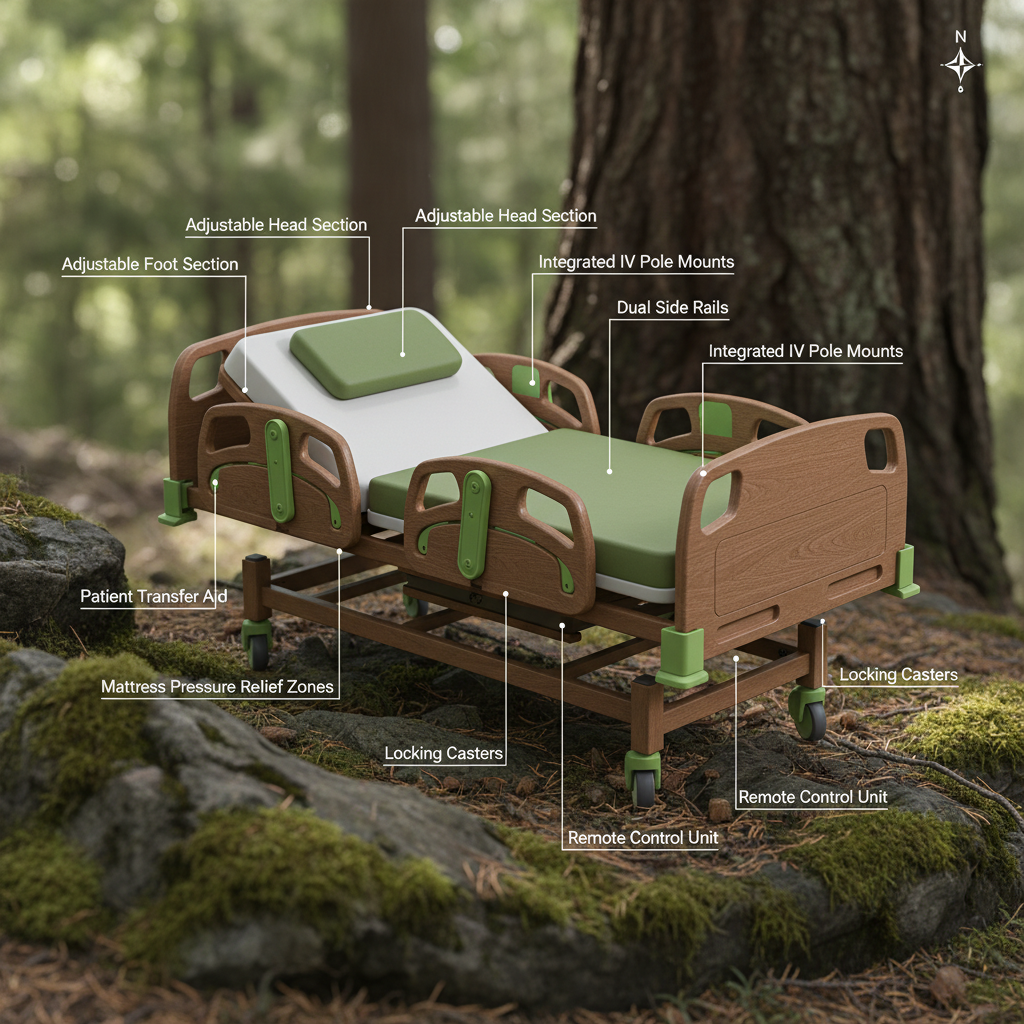
An adjustable bed for patients at home is a bed designed with motorized or manual mechanisms that allow the head and foot sections to be elevated or lowered. This functionality distinguishes it from traditional stationary beds, offering a range of positioning options tailored to the specific needs of the patient. These beds are often equipped with side rails, integrated controls, and durable, easy-to-clean surfaces.
The core connection to modern healthcare lies in their ability to address a variety of medical needs. They’re vital for patients recovering from surgery, managing chronic respiratory conditions, dealing with limited mobility, or requiring palliative care. The adjustability aids in alleviating pressure, improving circulation, and facilitating easier breathing and eating.
These beds aren’t solely for hospital-level care; they also improve the quality of life for individuals with everyday aches and pains, or those who simply prefer reading or watching television in a more comfortable position. The expanding market reflects a growing recognition of the therapeutic and lifestyle benefits they provide.
Key Features and Components
Several key features define a high-quality adjustable bed for patients at home. Firstly, the motor system – both the power and reliability of the motors and the smoothness of the adjustment mechanism – are paramount. Secondly, the frame construction, typically steel, needs to be robust enough to support the patient’s weight and withstand repeated adjustments.
Further, the mattress compatibility is crucial. Not all mattresses are suitable for adjustable beds; a flexible mattress designed to bend with the frame is essential. Other components include user-friendly controls (wired or wireless), safety features like emergency stop buttons, and optional accessories like bed rails and massage functions.
Feature Importance for Adjustable Beds
Real-World Applications and Case Studies
Adjustable beds for patients at home are utilized across a broad spectrum of healthcare settings. In post-operative recovery, elevating the head of the bed can aid in reducing edema and improving breathing. For patients with chronic obstructive pulmonary disease (COPD), elevating the upper body can significantly ease respiratory distress.
In palliative care, these beds provide comfort and dignity to patients facing life-limiting illnesses, allowing them to maintain a more comfortable position and reducing pain. Hospitals frequently deploy adjustable beds for patients requiring extended stays and complex medical management.
The Benefits of Investing in an Adjustable Bed
The benefits of an adjustable bed for patients at home extend beyond immediate comfort. Long-term, they can contribute to improved health outcomes, reduced healthcare costs, and enhanced quality of life. Preventing pressure sores, for example, can significantly decrease the risk of hospital readmissions.
The increased independence and control offered by these beds also foster a sense of dignity and well-being for patients. Furthermore, the potential for reduced pain and improved sleep quality contributes to a more positive overall experience, benefiting both the patient and their caregivers.
From a practical standpoint, they reduce the physical strain on caregivers assisting with positioning and movement, lowering the risk of caregiver injury. This holistic approach to care – encompassing physical, emotional, and logistical benefits – makes them a valuable investment for individuals and healthcare providers alike.
Future Innovations and Considerations
The future of adjustable bed for patients at home technology is poised for significant advancements. Integration with smart home systems and remote monitoring devices will allow for personalized adjustments based on real-time patient data, optimizing comfort and therapeutic outcomes.
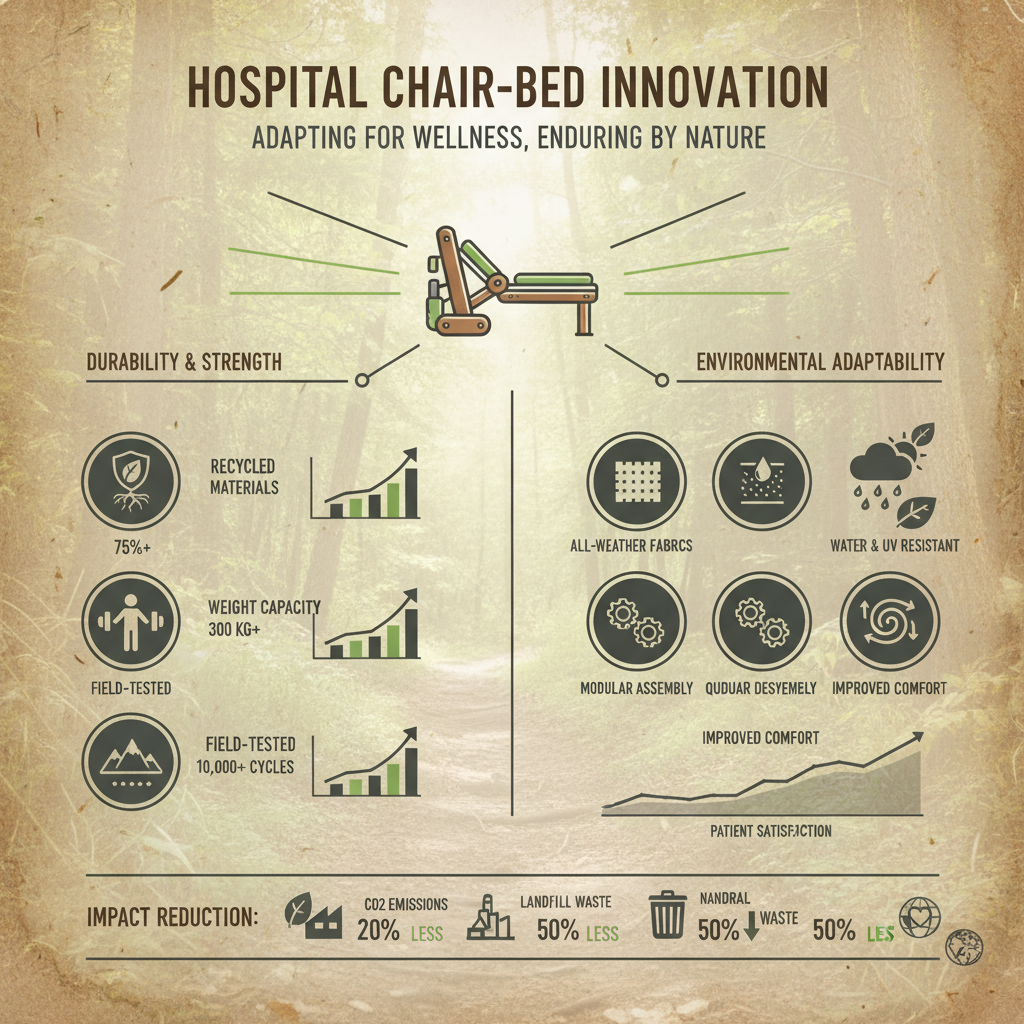
Materials science is also playing a role, with the development of more breathable and pressure-relieving mattress materials. Sustainability is increasingly becoming a focus, with manufacturers exploring eco-friendly materials and energy-efficient motor systems.
Furthermore, advancements in artificial intelligence (AI) could enable beds to automatically adjust positioning based on patient movements and physiological signals, providing a truly responsive and personalized care experience. These innovations promise to further enhance the benefits and accessibility of adjustable beds for patients at home.
Summary of Future Trends in Adjustable Bed Technology
| Technology Area |
Current Status |
Expected Developments |
Potential Impact |
| Smart Home Integration |
Basic control via smartphone apps |
Seamless integration with voice assistants and health monitoring devices |
Enhanced personalization and remote monitoring capabilities |
| Material Science |
Memory foam and latex mattresses are common |
Development of breathable, pressure-relieving, and antimicrobial materials |
Improved comfort, hygiene, and reduced risk of pressure ulcers |
| Motor Technology |
Electric motors with limited positioning options |
Quieter, more energy-efficient motors with wider range of motion |
Increased convenience, reduced energy consumption, and greater adjustability |
| AI and Machine Learning |
Limited AI features currently available |
AI-powered automatic positioning based on patient data and movements |
Proactive pressure relief, optimized comfort, and reduced caregiver burden |
| Sustainability |
Traditional manufacturing processes with environmental impact |
Use of recycled materials and energy-efficient production methods |
Reduced carbon footprint and environmentally responsible manufacturing |
| Remote Patient Monitoring |
Basic monitoring of bed usage |
Integrated sensors for monitoring vital signs and sleep patterns |
Early detection of health issues and proactive intervention |
FAQS
The lifespan of an adjustable bed typically ranges from 5 to 10 years, depending on the quality of the materials, the frequency of use, and how well it's maintained. Higher-end models with robust motors and frames tend to last longer. Regular cleaning and adherence to the manufacturer’s weight limits can significantly extend its life. Look for warranties that cover motor and frame defects as an indicator of quality.
Insurance coverage for adjustable beds varies greatly depending on your insurance plan and medical necessity. Generally, insurance will cover the cost of an adjustable bed if it's deemed medically necessary by a physician – for example, to treat or prevent pressure ulcers, or to manage a specific medical condition like sleep apnea or GERD. A letter of medical necessity from your doctor is typically required for reimbursement.
A flexible mattress is essential for an adjustable bed. Memory foam, latex, and some hybrid mattresses are good choices as they can conform to the bed’s contours without damaging the internal mechanism. Avoid traditional innerspring mattresses, as they are too rigid and may not function correctly with the adjustable frame. Ensure the mattress is compatible with the bed’s specifications.
Weight capacity varies depending on the model, but most adjustable beds can safely support between 300 and 850 pounds. It’s crucial to check the manufacturer's specifications and adhere to the weight limit to avoid damaging the bed and compromising its functionality. Exceeding the weight limit can void the warranty and create a safety hazard.
Essential safety features include an emergency stop button to immediately halt the bed’s movement, a power outage backup system to allow for manual adjustment, and side rails to prevent falls. Consider models with anti-pinch technology to prevent injury. Regularly inspect the bed for any loose parts or damaged components.
Assembly difficulty varies depending on the model. Some beds are designed for easy, tool-free assembly, while others require more extensive setup. Most manufacturers provide detailed instructions and online support videos. If you are not comfortable assembling it yourself, professional assembly services are often available. Consider the assembly complexity when making your purchase decision.
Conclusion
In conclusion, the adjustable bed for patients at home represents a significant advancement in healthcare and patient care. From enhancing comfort and promoting healing to improving quality of life and reducing healthcare costs, the benefits are far-reaching. Understanding the core principles, features, and applications of these beds is crucial for healthcare professionals, caregivers, and individuals seeking to optimize their well-being.
Looking ahead, continued innovation in materials, technology, and design promises to further enhance the functionality and accessibility of adjustable beds. By embracing these advancements, we can create a more comfortable, supportive, and empowering care experience for individuals in need, fostering independence and dignity in the comfort of their own homes. Visit our website at www.cnboxin.com to learn more about our range of adjustable bed solutions.