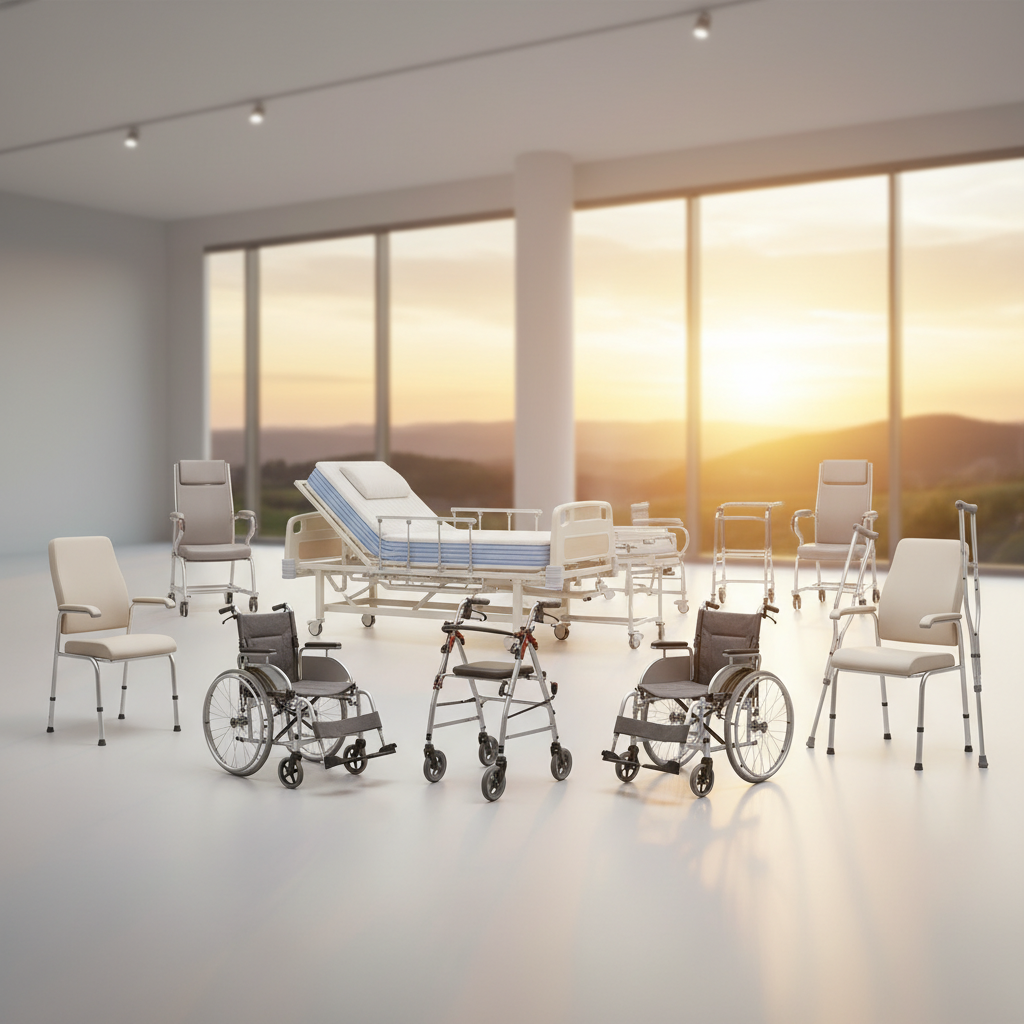
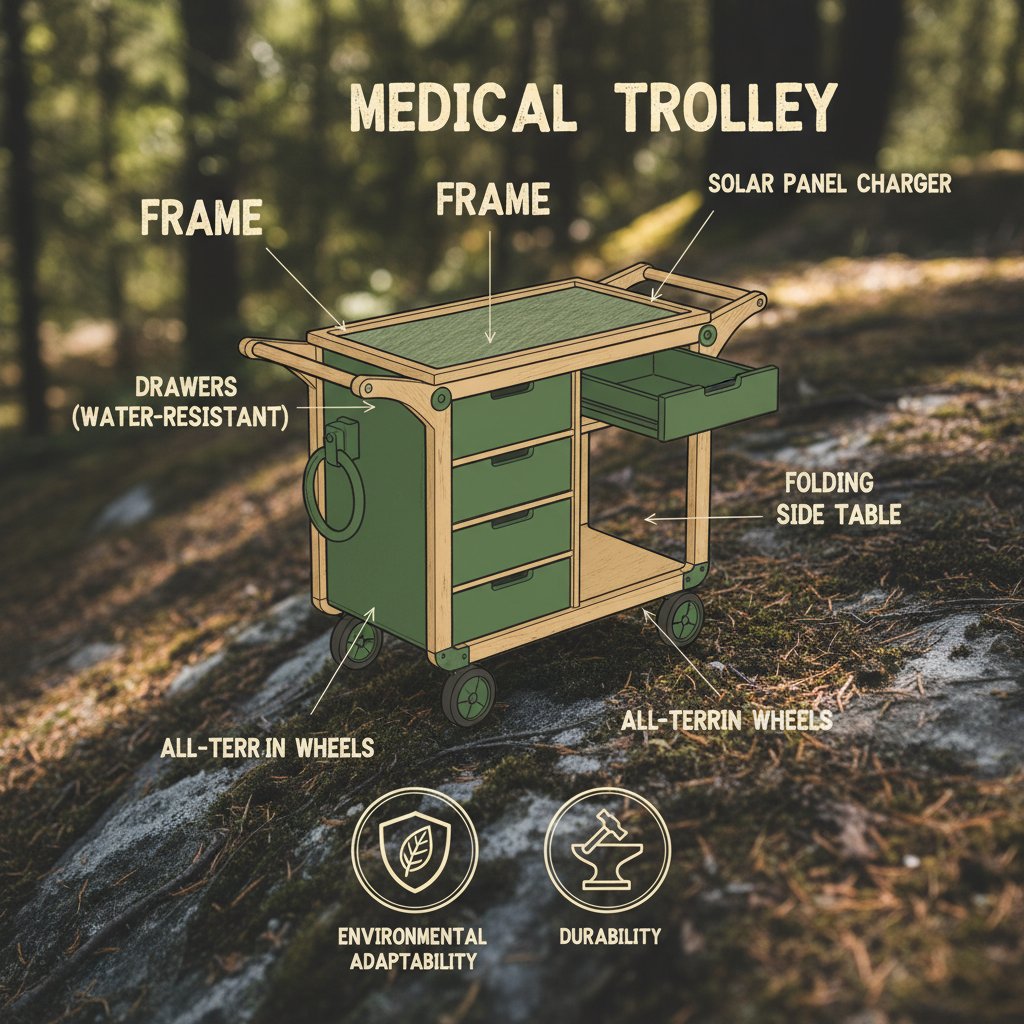
The global healthcare landscape is constantly evolving, demanding cost-effective solutions without compromising patient care. Cheap hospital beds are a critical component of this evolving landscape, addressing the need for accessible and affordable healthcare infrastructure worldwide. They represent a vital resource, particularly in regions with limited resources and growing populations.
The demand for cheap hospital beds isn’t solely driven by economic factors. Disaster relief, temporary medical facilities, and rapidly expanding healthcare systems all necessitate readily available and affordable bedding solutions. Understanding the nuances of these beds – their construction, functionality, and suitability for various applications – is paramount for healthcare providers and organizations.
Furthermore, the rise in aging populations globally increases the need for long-term care facilities and home healthcare solutions. This creates an even greater demand for affordable, reliable hospital beds to meet the growing needs of patients requiring extended medical support. Investing in quality, yet cheap hospital beds, is therefore crucial for maintaining comprehensive healthcare access.
The Importance of Affordable Hospital Beds
Access to adequate medical facilities, including comfortable and functional hospital beds, is a fundamental aspect of healthcare. Cheap hospital beds play a vital role in bridging the gap between healthcare demand and accessibility, especially in resource-constrained settings. They allow healthcare providers to maximize their budgets and allocate resources to other critical areas of patient care.
The availability of affordable hospital beds directly impacts patient outcomes. Properly designed beds contribute to patient comfort, reduce the risk of pressure ulcers, and facilitate efficient nursing care, ultimately contributing to faster recovery times and improved overall well-being.
Defining Cheap Hospital Beds
The term “cheap hospital beds” doesn't necessarily equate to low quality. Instead, it refers to hospital beds offered at a more accessible price point, typically achieved through efficient manufacturing processes, optimized material selection, and streamlined designs. These beds still adhere to essential safety and functionality standards, providing a reliable and effective solution for patient care.
These beds can range from basic manual models to more advanced semi-electric options, offering features such as adjustable backrests and leg rests. The key distinction lies in the prioritization of core functionality over premium features, resulting in a cost-effective product without compromising essential performance.
In today’s healthcare environment, 'cheap' is synonymous with 'value'. Cheap hospital beds provide an essential service, allowing facilities to extend their reach and serve a larger patient population without incurring prohibitive costs. They are a practical solution for facilities focused on delivering quality care within budgetary constraints.
Core Components and Considerations
When evaluating cheap hospital beds, several core components and considerations are crucial. Firstly, the frame material is key – robust steel construction provides durability and stability, ensuring the bed can withstand regular use and patient weight. Secondly, the mattress platform should be designed for proper support and ventilation.
Beyond the frame, consider the functionality of the bed. Manual beds rely on cranks for adjustment, while semi-electric beds utilize electric motors for backrest and legrest adjustments. The type of side rails – fixed, folding, or full-length – impacts patient safety and caregiver access. Finally, the casters (wheels) should be lockable for secure positioning.
It’s important to understand the bed’s weight capacity and its compliance with relevant safety standards (such as ISO or CE certifications). These factors directly contribute to patient safety and the longevity of the bed itself. Choosing a bed that balances affordability with essential features and quality construction is key.
Global Applications and Use Cases
Cheap hospital beds find applications in a diverse range of settings globally. In developing nations, they provide essential infrastructure for under-resourced hospitals and clinics, significantly improving access to healthcare services. In post-disaster relief operations, these beds offer immediate accommodation for injured individuals, establishing temporary medical facilities quickly.
Moreover, they are commonly used in long-term care facilities, nursing homes, and rehabilitation centers, providing comfortable and adjustable bedding for patients requiring extended medical support. They are also essential in field hospitals deployed by humanitarian organizations responding to crises worldwide.
Even in developed countries, cheap hospital beds are utilized in satellite clinics, temporary overflow facilities during peak seasons, and as a cost-effective solution for non-critical care units. Their versatility and affordability make them a valuable asset in a variety of healthcare settings.
cheap hospital beds Usage by Application
Advantages and Long-Term Value
The benefits of investing in cheap hospital beds extend beyond initial cost savings. They offer a sustainable solution for healthcare facilities facing budgetary constraints, allowing them to provide essential care to a wider patient base. The long-term cost-effectiveness is a key advantage, reducing the financial burden on healthcare systems.
Furthermore, these beds can enhance patient safety through features like adjustable positions, promoting comfort and reducing the risk of pressure sores. Their durability and ease of maintenance contribute to a longer lifespan, minimizing replacement costs. The resulting improvements in patient care contribute to a positive reputation and increased patient satisfaction.
Future Trends and Innovations
The future of cheap hospital beds is likely to be shaped by advancements in materials science and manufacturing technologies. Expect to see the increased use of lighter, yet more durable, materials such as advanced polymers and composite materials, reducing overall weight and improving portability.
Smart bed technology, incorporating sensors for monitoring patient vital signs and adjusting bed positions automatically, may become more accessible and integrated into more affordable models. The emphasis on hygiene and infection control will drive innovations in antimicrobial coatings and easily cleanable surfaces.
Finally, a growing focus on sustainable manufacturing practices will lead to the development of eco-friendly cheap hospital beds using recycled materials and energy-efficient production processes.
Challenges and Solutions
One common challenge associated with cheap hospital beds is maintaining quality and durability while minimizing costs. This can sometimes lead to the use of lower-grade materials or simplified designs. However, this can be mitigated through rigorous quality control processes and strategic sourcing of materials.
Another challenge is ensuring compatibility with existing healthcare infrastructure and protocols. Standardization of bed dimensions and features can help address this issue. Providing comprehensive training to healthcare staff on the proper use and maintenance of these beds is also crucial.
Finally, addressing concerns about patient safety requires careful attention to design and manufacturing standards, ensuring that beds meet or exceed relevant regulatory requirements. Implementing robust testing procedures and obtaining certifications can build trust and confidence in the product’s safety and reliability.
Core Performance Indicators of cheap hospital beds
| Material Quality |
Adjustability Features |
Durability & Lifespan |
Cost-Effectiveness |
| Steel Frame with Powder Coating |
Manual Backrest & Leg Rest Adjustment |
5-7 Years with Proper Maintenance |
High – Low Initial Investment |
| Aluminum Alloy Frame |
Semi-Electric Backrest & Leg Rest |
7-10 Years with Regular Servicing |
Medium – Good Value for Features |
| Carbon Steel with Anti-Rust Treatment |
Full Electric Adjustability |
8-12 Years with Routine Checks |
Moderate – Premium Features |
| High-Strength Plastic Composite |
Limited Manual Adjustability |
3-5 Years – Ideal for Temporary Use |
Very High – Lowest Initial Cost |
| Reinforced Steel with Epoxy Coating |
Trendelenburg & Reverse Trendelenburg |
9-15 Years with Proactive Maintenance |
Good – Specialized Functionality |
| Lightweight Alloy with Corrosion Resistance |
Basic Height Adjustment Only |
4-6 Years – Suitable for Short-Term Needs |
Excellent – Minimal Investment |
FAQS
Manual cheap hospital beds rely on cranks for adjustment, offering a more affordable option. Electric models utilize motors, providing easier operation, especially for patients with limited mobility. The choice depends on patient needs, caregiver availability, and budget constraints. Electric beds generally require more maintenance but enhance patient comfort and reduce strain on caregivers.
Look for beds with certifications like ISO 9001 or CE marking, indicating they meet international quality and safety standards. Check the weight capacity to ensure it can accommodate the patient. Inspect side rails for secure locking mechanisms and ensure casters have reliable brakes. Always verify the bed complies with local healthcare regulations.
The lifespan of a cheap hospital bed varies depending on the materials, usage, and maintenance. Generally, a well-maintained manual bed can last 5-7 years, while a semi-electric model may last 7-10 years. Regular inspection and preventative maintenance are crucial for maximizing lifespan.
Steel frames are generally the most durable and affordable option for cheap hospital beds. Look for frames with powder coating to prevent rust and corrosion. Aluminum alloy frames are lighter but may be slightly more expensive. Ensure the frame is robust enough to support the patient’s weight safely and reliably.
The mattress is crucial for patient comfort and pressure ulcer prevention. Choose a mattress specifically designed for hospital beds, offering adequate support and ventilation. Consider features like pressure redistribution and moisture-wicking properties. The mattress should fit the bed frame properly for optimal safety and comfort.
Regular maintenance includes inspecting and tightening screws, lubricating moving parts, cleaning surfaces, and checking the functionality of side rails and casters. For electric beds, inspect cords and electrical components. Following the manufacturer's maintenance guidelines will extend the bed's lifespan and ensure safe operation.
Conclusion
In conclusion, cheap hospital beds represent a vital component of accessible healthcare worldwide. They bridge the gap between affordability and quality, offering a practical solution for facilities facing budgetary constraints. Understanding their core components, applications, and future trends is essential for making informed decisions.
Investing in these beds is not simply a cost-saving measure; it’s an investment in patient well-being and the sustainability of healthcare systems. By prioritizing quality, safety, and innovation, we can ensure that everyone has access to comfortable and reliable medical care. Visit our website at www.cnboxin.com to explore our range of affordable hospital bed solutions.