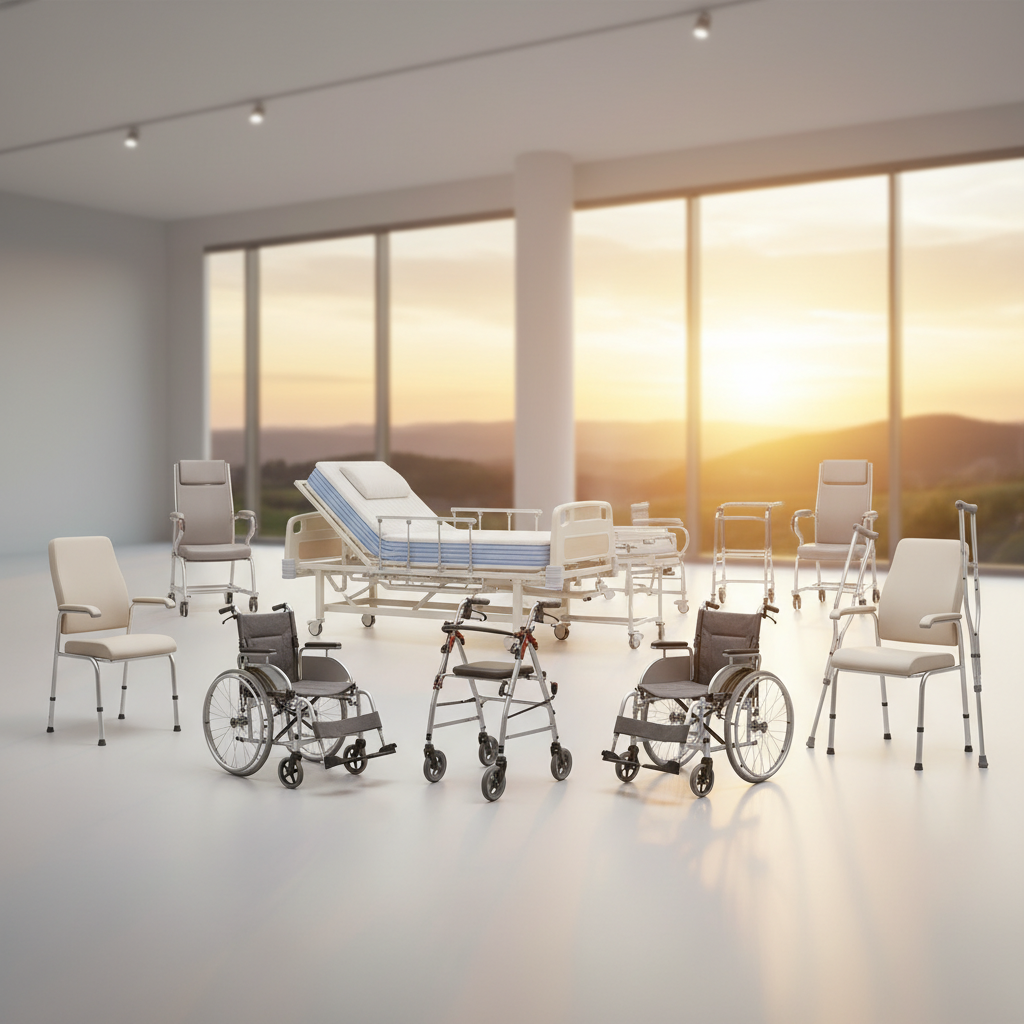
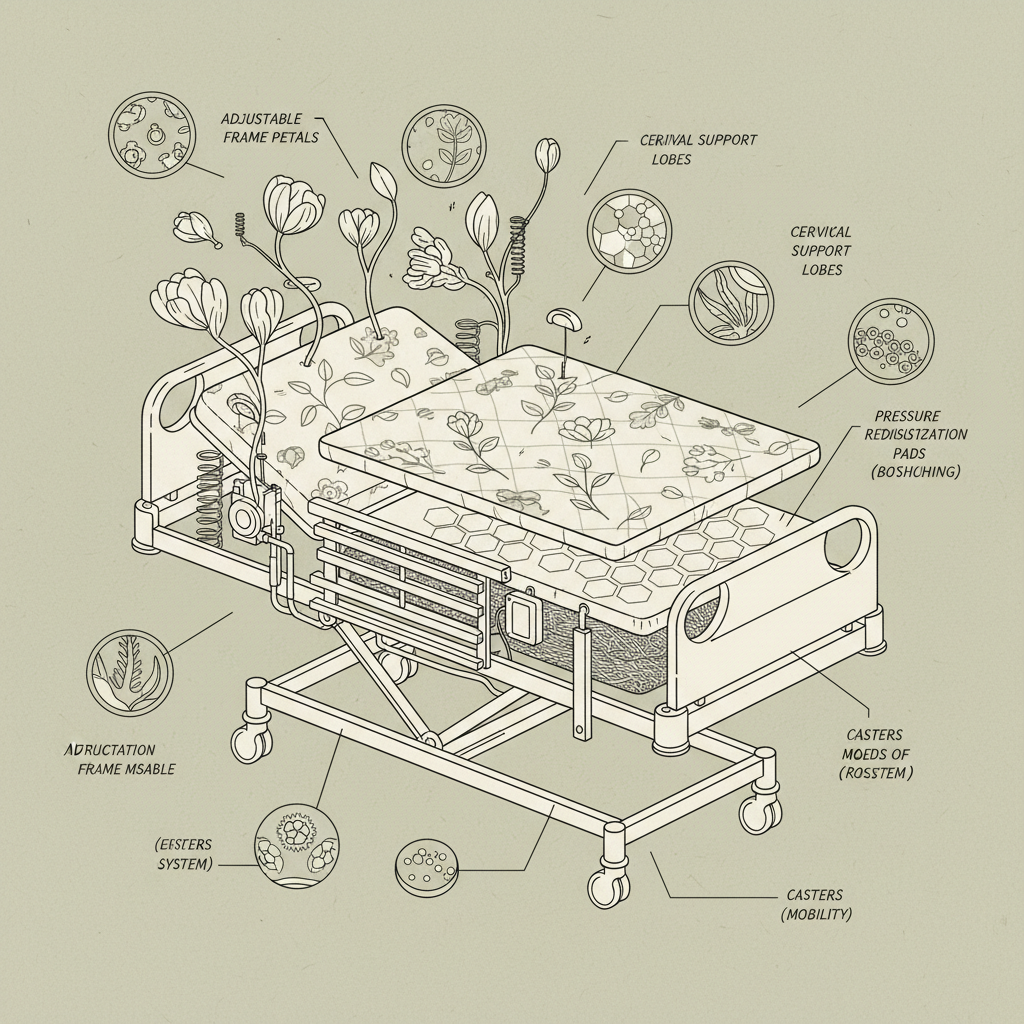
The comfort and well-being of patients, whether in a hospital setting or recovering at home, are paramount. Increasingly, individuals require specialized seating that transcends standard furniture, leading to a rising demand for high-quality hospital chairs for home. These chairs aren't simply about aesthetics; they're vital components in patient care, providing support, promoting proper posture, and easing discomfort during prolonged periods of rest or activity. The global market for healthcare furniture is expanding rapidly, fueled by an aging population and increasing prevalence of chronic illnesses.
This demand extends beyond hospitals to private residences, rehabilitation centers, and long-term care facilities. The ability to provide comfortable and supportive seating within a home environment is crucial for patients transitioning from hospital care, allowing them to maintain independence and improve their quality of life. Hospital chairs for home cater to specific medical needs, differing greatly from typical living room chairs in their functionality and design. Understanding the nuances of these chairs, their features, and applications is becoming increasingly important.
The growth of the home healthcare market, driven by cost containment strategies and a preference for in-home care, significantly elevates the need for appropriate and accessible furniture solutions. This includes specialized chairs designed to accommodate various physical limitations and ensure patient safety and comfort. Investing in the right hospital chairs for home is an investment in patient recovery and overall well-being.
The Evolution and Significance of Hospital Chairs for Home
Historically, seating for patients was often limited to standard hospital beds or rudimentary chairs, lacking the specialized support needed for extended periods of rest or rehabilitation. The evolution of hospital chairs for home reflects a growing understanding of the importance of ergonomic design and patient-centered care. Early models focused on basic functionality, but contemporary chairs incorporate advanced features like adjustable height, reclining mechanisms, and pressure-relieving cushions.
The significance of these advancements lies in their ability to prevent pressure ulcers, improve circulation, and promote overall comfort, particularly for individuals with limited mobility. This evolution is inextricably linked to advancements in medical knowledge and a greater emphasis on preventative healthcare strategies.
Defining Hospital Chairs for Home: Core Characteristics
Hospital chairs for home differ significantly from standard seating due to their specialized design and functionality. These chairs are engineered to provide optimal support and comfort for individuals with medical conditions or physical limitations. Core characteristics include adjustable features, such as height, backrest angle, and armrests, allowing for personalized customization.
Durable construction using high-quality materials like steel, aluminum, and antimicrobial fabrics is essential for ensuring longevity and hygiene. Many models also feature integrated safety mechanisms, such as locking brakes and reinforced frames, to prevent accidental movement or falls. The focus is always on safety, comfort, and functionality, prioritizing the needs of the patient.
Importantly, these chairs aren’t merely replacements for living room furniture; they’re therapeutic tools designed to aid in recovery, prevent complications, and enhance the quality of life for those requiring specialized seating solutions. They must also be easy to clean and maintain, contributing to a hygienic home healthcare environment.
Key Factors Influencing the Selection of Hospital Chairs for Home
Selecting the appropriate hospital chairs for home involves considering several key factors. First and foremost is the patient’s specific medical condition and physical limitations. Conditions like pressure ulcers, spinal injuries, or arthritis require chairs with specific features, such as pressure-relieving cushions or adjustable support.
Another crucial factor is the available space within the home. Compact designs are ideal for smaller living areas, while larger chairs may be necessary for individuals requiring more substantial support. The chair’s weight capacity and maneuverability also play a role, particularly for caregivers who may need to move the chair frequently. Budget is also a consideration, with prices varying depending on the features and quality of the chair.
Finally, ease of cleaning and maintenance is important, as maintaining a hygienic environment is essential for preventing infections and ensuring patient safety. Antimicrobial fabrics and easily wipeable surfaces are highly desirable features. A thorough assessment of these factors will ensure the selection of a chair that meets the patient’s individual needs and promotes their overall well-being.
Global Applications and Diverse Use Cases
The application of hospital chairs for home extends far beyond individual residences. These chairs are utilized in a variety of healthcare settings, including rehabilitation centers, long-term care facilities, and assisted living communities. In post-operative care, they provide comfortable and supportive seating for patients transitioning from hospital beds to more active recovery.
Furthermore, these chairs are increasingly employed in outpatient clinics and doctor’s offices, offering patients a comfortable and dignified seating option during consultations and examinations. In remote or underserved areas with limited access to healthcare facilities, these chairs can play a crucial role in providing basic medical support and enhancing patient comfort.
Comparative Analysis of hospital chairs for home Features
Advantages and Long-Term Value Proposition
The advantages of investing in high-quality hospital chairs for home are multifaceted. Tangible benefits include reduced healthcare costs associated with pressure ulcer prevention and improved patient outcomes. The ergonomic design of these chairs promotes proper posture, reducing strain on the spine and joints, and enhancing overall comfort.
Beyond the physical benefits, these chairs contribute to a patient's emotional well-being by fostering a sense of dignity and independence. The ability to comfortably relax or engage in activities within their own home environment can significantly improve their quality of life. This long-term value proposition makes them a worthwhile investment for both patients and healthcare providers.
Future Trends and Innovations in Hospital Chair Design
The future of hospital chairs for home is poised for significant innovation. Smart chair technology, incorporating sensors and data analytics, will enable real-time monitoring of patient posture and pressure distribution, providing valuable insights for caregivers. Materials science advancements will lead to the development of even more comfortable and durable fabrics with enhanced antimicrobial properties.
Furthermore, personalized chair designs, tailored to individual patient needs and preferences, will become increasingly common. Integration with telehealth platforms will allow remote monitoring and adjustment of chair settings, optimizing patient comfort and support. Sustainability and eco-friendly materials will also be a key focus, aligning with growing environmental concerns.
Addressing Challenges and Optimizing Hospital Chair Solutions
Despite the numerous benefits, several challenges remain in optimizing hospital chairs for home solutions. Cost can be a significant barrier, particularly for individuals with limited financial resources. Accessibility and availability of specialized chairs in certain regions may also be limited.
Furthermore, ensuring proper chair fitting and user education is crucial for maximizing benefits and preventing misuse. Collaboration between healthcare professionals, manufacturers, and patients is essential for developing innovative solutions that address these challenges. Investment in research and development, coupled with streamlined distribution networks, will pave the way for more affordable, accessible, and effective chair solutions.
Addressing these issues will require a concerted effort from all stakeholders to ensure that everyone has access to the comfort and support they deserve.
Summary of Key Considerations for Optimizing Hospital Chair Solutions
| Patient Needs Assessment |
Cost-Effectiveness Analysis |
Accessibility & Distribution |
User Education & Support |
| Thorough evaluation of patient’s medical condition, physical limitations, and comfort preferences. |
Comparative analysis of chair features, durability, and long-term maintenance costs. |
Streamlining distribution channels to ensure wider availability in underserved areas. |
Providing comprehensive training on proper chair usage, adjustments, and safety features. |
| Identifying specific support requirements, such as pressure relief, postural correction, or mobility assistance. |
Considering the total cost of ownership, including initial purchase price, maintenance, and potential repairs. |
Exploring partnerships with healthcare providers and community organizations to facilitate access. |
Developing user-friendly manuals and online resources with clear instructions and troubleshooting tips. |
| Incorporating patient feedback into the chair selection process to ensure satisfaction and adherence. |
Evaluating the potential for long-term cost savings through improved patient outcomes and reduced hospital readmissions. |
Leveraging telehealth platforms to provide remote chair fitting and adjustments. |
Offering ongoing support and assistance to patients and caregivers to address any concerns or challenges. |
| Assessing the patient's home environment to ensure adequate space and accessibility. |
Comparing the cost of hospital chairs for home to alternative seating options. |
Establishing local repair and maintenance services to ensure timely support. |
Providing regular check-ins with patients to monitor their comfort and identify any potential issues. |
| Considering the patient’s aesthetic preferences to enhance their sense of comfort and well-being. |
Negotiating with manufacturers to secure favorable pricing and financing options. |
Utilizing mobile healthcare units to deliver chairs and provide on-site assessments. |
Creating a community forum where patients and caregivers can share experiences and support each other. |
| Documenting all assessment findings and chair selections to ensure continuity of care. |
Evaluating the environmental impact of chair materials and manufacturing processes. |
Promoting awareness of the benefits of hospital chairs for home among healthcare professionals and the public. |
Continuously monitoring patient feedback and making improvements to chair designs and support services. |
FAQS
Hospital chairs for home are specifically designed with patient comfort and medical needs in mind, differing from standard chairs in several ways. They typically offer adjustable height and backrest angles, enhanced cushioning for pressure relief, and robust construction for durability and stability. Many also incorporate features like armrests, footrests, and antimicrobial fabrics to promote hygiene and prevent infections. Ultimately, they’re engineered to support recovery and enhance the quality of life for individuals with mobility limitations.
Choosing the correct size and fit is critical for maximizing comfort and support. Measure the patient’s height and weight and consider their specific physical limitations. Ensure the chair’s seat height allows their feet to rest flat on the floor with their knees bent at a 90-degree angle. The backrest should provide adequate lumbar support, and the armrests should be adjustable to accommodate their preferred arm position. Consulting with a healthcare professional or assistive technology specialist can provide personalized recommendations.
Regular cleaning and maintenance are essential for preventing the spread of infections. Wipe down the chair’s surfaces with a disinfectant cleaner after each use. For chairs with fabric upholstery, follow the manufacturer’s instructions for cleaning, which may involve spot cleaning or professional laundering. Inspect the chair regularly for any signs of damage or wear and tear, and address any issues promptly. Proper maintenance will prolong the chair’s lifespan and ensure a hygienic environment.
Prioritize safety when selecting a hospital chair for home. Look for features like locking brakes to prevent accidental movement, a stable and reinforced frame to support the patient’s weight, and non-slip feet to prevent the chair from sliding. Adjustable armrests and footrests can help maintain proper posture and prevent falls. Consider features like side rails for added support and security, particularly for individuals with limited mobility. Always ensure the chair meets relevant safety standards.
Coverage varies depending on your insurance plan and individual circumstances. Some insurance providers may cover the cost of a hospital chair for home if it's deemed medically necessary and prescribed by a healthcare professional. You may need to provide documentation to support your claim. Explore financial assistance programs offered by government agencies, non-profit organizations, or medical equipment suppliers. Contact your insurance provider and local resources to determine your eligibility.
To maximize the lifespan of your hospital chair for home, follow the manufacturer’s instructions for care and maintenance. Avoid exceeding the chair’s weight capacity. Regularly inspect and tighten any loose screws or bolts. Protect the chair from excessive moisture and direct sunlight. Use appropriate cleaning solutions and avoid abrasive cleaners. Properly store the chair when not in use to prevent damage. With proper care, your chair can provide years of reliable support.
Conclusion
In conclusion, hospital chairs for home represent a significant advancement in patient care, offering specialized support, enhancing comfort, and promoting overall well-being. From their historical evolution to the innovative features of modern designs, these chairs address critical needs for individuals recovering at home or managing chronic conditions. Investing in a high-quality hospital chair is an investment in health, independence, and quality of life.
Looking ahead, continued innovation in materials, technology, and design will further enhance the functionality and accessibility of these vital healthcare solutions. By addressing current challenges and embracing future trends, we can ensure that everyone has access to the comfortable and supportive seating they deserve. Visit our website at www.cnboxin.com to explore our comprehensive range of hospital chairs for home and discover the perfect solution for your needs.