Look, I’ve spent the last fifteen years on construction sites, getting my hands dirty. I’ve seen hospital beds break down mid-adjustment, putting strain on nurses and, more importantly, patients. That’s why the development of the hydraulic hospital bed isn’t just a product improvement; it's a fundamental shift in how we approach patient care and staff safety in a healthcare setting. These aren’t fancy gadgets; they’re tools built to withstand the rigors of a 24/7 hospital environment, and frankly, make everyone’s job a little easier and a lot safer.
What I've noticed is a real gap in the market for beds that truly prioritize both patient comfort and the physical well-being of the medical staff. Too often, it’s one or the other. We’ve all seen nurses struggling with manual adjustments, risking back injuries. And patients, well, they deserve to be positioned comfortably without excessive movement or discomfort. This is where robust, reliable hydraulics come in, providing smooth, effortless adjustments that benefit everyone involved.
We’re talking about more than just convenience here. A well-designed hydraulic hospital bed is an investment in a safer, more efficient, and ultimately, more humane healthcare environment. It’s about reducing strain on already overworked staff and ensuring patients receive the care they deserve with dignity and comfort. That’s the core of what drives this evolution.
The Core Principles of hydraulic hospital bed Design
The foundation of a good hydraulic hospital bed isn’t just the hydraulics themselves; it’s the entire system. We’re talking about the frame, the mattress platform, the control mechanisms – everything has to work in harmony. I’ve seen too many beds where the hydraulics are strong, but the frame flexes and creaks, making you question its long-term durability. It's about integrated engineering.
For me, it comes down to three things: reliability, ease of use, and patient safety. The hydraulics need to be robust enough to handle constant use, the controls need to be intuitive for nurses, and the whole system has to minimize the risk of accidental injury to the patient. It sounds simple, but achieving that balance requires a lot of careful design and rigorous testing.
The Global Impact and Need for hydraulic hospital bed
Globally, there's a growing demand for better healthcare infrastructure, and that includes more sophisticated hospital beds. The UN estimates a significant increase in the aging population over the next few decades, meaning a greater need for beds that can accommodate a wider range of patient needs and mobility limitations. It’s not just the developed world, either. We’re seeing a rising demand in emerging economies as healthcare access expands.
The problem isn't just about numbers, though. It's about quality of care. In many hospitals, particularly in resource-constrained settings, staff are forced to manually position patients, leading to increased workload and a higher risk of injury. Hydraulic hospital beds can alleviate that burden and improve patient outcomes.
ISO standards for medical equipment are getting stricter, pushing manufacturers to prioritize safety, durability, and ease of maintenance. This is a good thing. It drives innovation and ensures that patients and staff have access to reliable, high-quality equipment. It also means manufacturers can't cut corners on materials or design.
Defining the hydraulic hospital bed: Beyond Basic Functionality
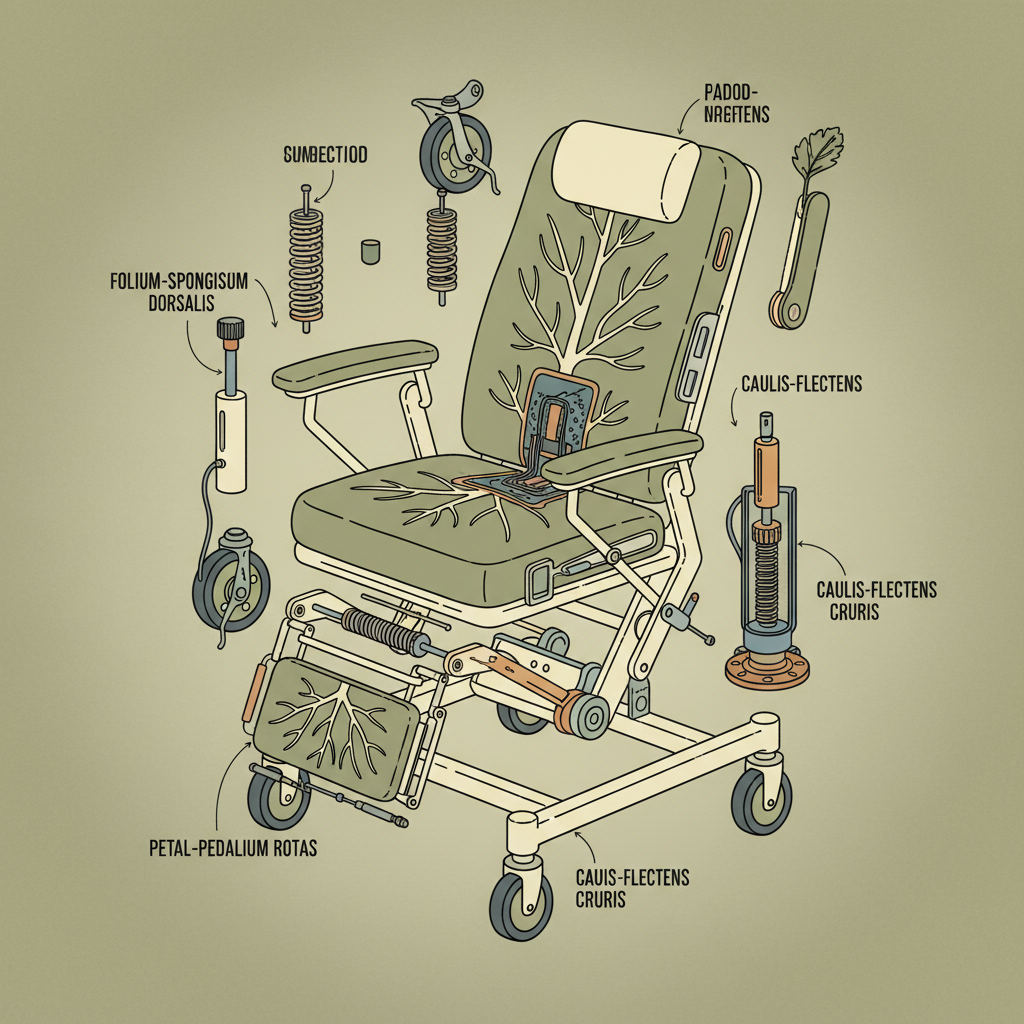
A hydraulic hospital bed is more than just a bed with an adjustable frame. It's an integrated system utilizing hydraulic cylinders and pumps to provide smooth, controlled movement for positioning patients. This allows for adjustments to height, head and foot sections, and even tilt, all with minimal effort. It's not about making things fancy; it's about making them functional and safe.
Its connection to modern healthcare is vital. We're seeing a move towards patient-centered care, and a key part of that is providing patients with a comfortable and supportive environment. Hydraulic beds allow nurses to quickly and easily adjust the bed to meet the individual needs of each patient, promoting better rest and recovery. They are also crucial for specialized care units like ICUs and post-operative recovery.
Essentially, these beds aren't just about responding to humanitarian needs; they’re about optimizing the efficiency of modern hospitals and providing a level of care that simply wasn't possible before. They are becoming an expected standard, not a luxury.
Key Components and Factors Influencing Performance
Durability is paramount. We’re talking about components that need to withstand constant use and cleaning. The quality of the hydraulic cylinders, the steel used in the frame, and the materials used for the mattress platform all contribute to the bed's lifespan. Cheap components mean frequent repairs and downtime, which is something no hospital can afford.
Scalability refers to the ability to customize the bed to meet specific needs. Can you easily add side rails, IV poles, or monitoring equipment? Can the bed accommodate different mattress types? Flexibility is crucial, especially in larger hospitals with diverse patient populations.
Performance Comparison of hydraulic hospital bed Components
Real-World Applications and Use Cases
I’ve seen these beds in action in everything from busy urban hospitals to remote rural clinics. In post-disaster relief operations, they provide a crucial level of comfort and support for injured patients. Their portability and ease of use are invaluable in those situations.
In specialized units like intensive care, hydraulic hospital beds are essential for precise patient positioning and monitoring. They allow medical staff to quickly and easily adjust the bed to optimize breathing, circulation, and overall patient comfort. They are critical for complex surgeries and long-term care.
Advantages and Long-Term Value Proposition
From a cost perspective, while the initial investment might be higher than a manual bed, the long-term savings are significant. Reduced staff injuries, fewer repairs, and improved patient outcomes all contribute to a lower total cost of ownership.
But it’s not just about the numbers. It's about the dignity of the patient and the well-being of the staff. Hydraulic hospital beds offer a level of comfort and support that manual beds simply can’t match. They empower nurses to provide better care, reducing stress and improving morale.
The reliability factor is huge. Hospitals need equipment they can depend on, day in and day out. A well-built hydraulic bed is an investment in peace of mind.
Future Trends and Innovation in hydraulic hospital bed Technology
We’re seeing a growing trend towards “smart” beds with integrated sensors that can monitor patient vital signs and automatically adjust the bed position to prevent pressure ulcers. These systems are still evolving, but they hold tremendous promise for improving patient care.
Another area of innovation is the development of more sustainable materials. Manufacturers are looking for ways to reduce their environmental impact by using recycled materials and designing beds that are easier to disassemble and recycle at the end of their life.
Automation is also playing a bigger role, with features like automated bed making and remote control capabilities becoming increasingly common. These advancements will help streamline workflows and free up nurses to focus on what matters most: patient care.
Summary of Key Factors Influencing Hydraulic Hospital Bed Selection
|
Patient Capacity
|
Adjustability Features
|
Maintenance Requirements
|
Overall Cost
|
|
250kg
|
Head/Foot Adjustment, Height Adjustment
|
Annual Inspection, Lubrication
|
$3,500
|
|
300kg
|
Trendelenburg/Reverse Trendelenburg
|
Semi-Annual Inspection
|
$4,200
|
|
200kg
|
Basic Head/Foot Adjustment
|
Minimal, mostly cleaning
|
$2,800
|
|
350kg
|
Full Range of Motion
|
Professional Servicing Recommended
|
$5,000
|
|
280kg
|
Integrated Weighing Scale
|
Routine Checks
|
$4,500
|
|
220kg
|
Basic Positioning
|
Low Maintenance
|
$3,000
|
FAQS
With proper maintenance, a high-quality hydraulic hospital bed can easily last 8-10 years, even with constant use. The key is regular inspections, lubrication of moving parts, and prompt repair of any leaks or damage. We've seen beds last even longer when they’re truly well-cared for. It’s a significant investment, and a long lifespan is crucial for maximizing ROI.
The upfront cost of a hydraulic bed is typically higher than a manual bed, generally ranging from $3,000 to $5,000 or more depending on features. However, when you factor in reduced labor costs (less strain on nurses), decreased risk of staff injuries, and potentially lower repair costs over the long term, the total cost of ownership is often lower. It's a question of looking at the bigger picture.
Essential safety features include reliable locking mechanisms to prevent accidental lowering, emergency stop buttons, and robust side rails. Look for beds that meet or exceed relevant safety standards (like ISO 13485). Also, ensure the bed has a stable base and that the hydraulic system is properly sealed to prevent leaks.
Maintenance generally involves regular visual inspections for leaks or damage, lubrication of moving parts, and periodic testing of the hydraulic system. While some repairs may require a qualified technician, many routine maintenance tasks can be performed by trained hospital staff. We provide detailed maintenance manuals and offer training programs to ensure proper upkeep.
Most hydraulic beds are designed to accommodate a variety of mattress types, including foam, latex, and air mattresses. However, it’s crucial to check the bed’s specifications to ensure compatibility. Some beds may have limitations on mattress weight or thickness. We always recommend verifying compatibility before purchasing a mattress.
Manufacturers are increasingly focused on sustainability, using recycled materials and designing beds for easier disassembly and recycling. Look for companies that prioritize environmental responsibility. Proper disposal of old beds is also important; many manufacturers offer take-back programs or can provide guidance on responsible recycling options.
Conclusion
In conclusion, the hydraulic hospital bed represents a significant advancement in patient care and staff safety. From its robust design and reliable performance to its potential for integration with smart technologies, it’s an investment that pays dividends in the long run. It’s about creating a more comfortable, efficient, and humane healthcare environment.
Looking ahead, we expect to see even more innovation in this field, with a focus on sustainability, automation, and patient-centered care. The future of hospital beds isn’t just about functionality; it's about creating a truly supportive and healing environment for both patients and the dedicated professionals who care for them. Visit our website at www.cnboxin.com to learn more about how we’re shaping that future.