You know, these days everyone's talking about 'smart' hospital chairs. Seems like everything needs to be connected to the internet now, even where someone sits while they're not feeling well. To be honest, I’m a bit skeptical. I've spent too many years crawling around construction sites to get excited about buzzwords. But, there is something happening…a shift towards more patient-centered design, and that’s good. It’s not just about making them look fancy, it’s about making life a little easier for both the patient and the staff.
Have you noticed how many chairs just…fall apart? I mean, really, they're supposed to withstand a lot of weight and constant use. It’s a simple thing, a chair, but it’s a critical piece of equipment. It’s the first thing a patient interacts with, often when they're at their most vulnerable. It needs to feel solid, not wobbly.
And it’s not all about the electronics, either. People get so focused on the gizmos they forget the basics. Like a good, solid frame.
The Current Landscape of Hospital Chair Technology
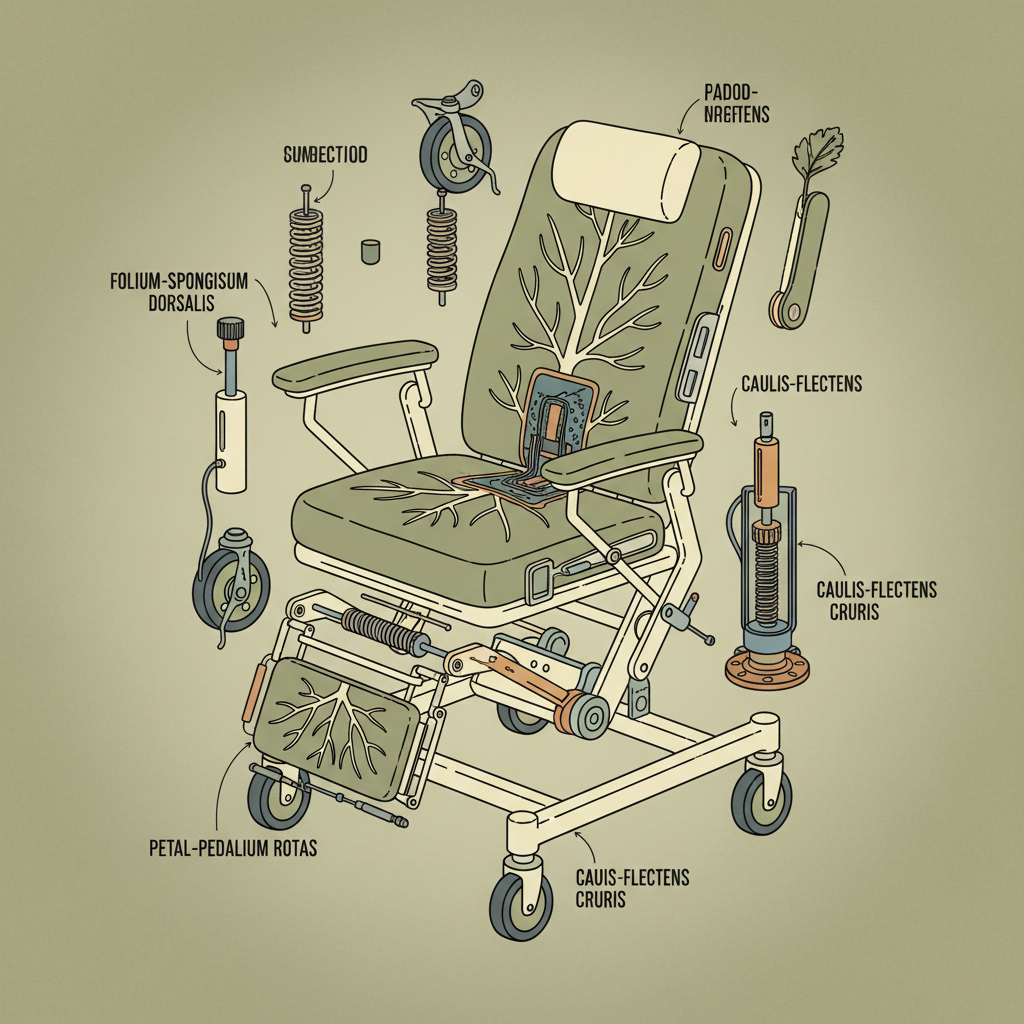
Honestly, a lot of the “innovation” feels like slapping a tablet holder onto a standard chair. But there's a real push for pressure redistribution, integrated vital sign monitoring, and adjustable features. Things are moving towards more proactive patient care. We're seeing a lot of antimicrobial materials being used, which is good – hospitals aren't known for being spotless, are they? And the demand for bariatric chairs is steadily increasing, which...well, that's a sign of the times, I guess.
It's also about ergonomics. I encountered this at a factory in Jiangsu last time; they were using a really cheap foam that compressed after just a few weeks. It looked nice at first, but the patients were complaining about discomfort. You need a high-density foam, something that can hold its shape and provide proper support. It's that simple.
Design Pitfalls and Common Mistakes
Strangely, a lot of designers don't talk to the nurses. They come up with these beautiful designs that look great in a catalog, but they’re completely impractical in a real hospital setting. Too many corners, too difficult to clean, cables getting tangled… It’s a nightmare. I've seen chairs that were so bulky they blocked access to the patient. Seriously. And the wheels – oh, the wheels. Cheap wheels get stuck on everything.
Another big mistake is overcomplicating things. You don’t need a chair that can do everything. You need a chair that's comfortable, durable, and easy to clean. Keep it simple. That's my motto.
And for the love of all that is holy, test the darn thing! Don’t just rely on computer simulations. Get it out onto a hospital ward and let the staff abuse it. That’s the only way you’ll really know if it can handle the real world.
Material Choices and On-Site Handling
The frame is usually steel, or aluminum if you want to save weight. Steel feels…solid. You can feel the strength. Aluminum is lighter, obviously, but it doesn't have the same heft. The upholstery, now that’s where things get interesting. Vinyl is standard – easy to clean, resistant to stains. But it can get sticky in hot weather. Fabric is more comfortable, but you need to make sure it's properly treated to prevent the spread of infection.
I’ve been working with a supplier who uses a new type of antimicrobial fabric that smells faintly of citrus. It’s a bit odd, but it’s effective. You really get a sense of quality when you handle it. The old stuff, you just knew it was going to get filthy within hours. It’s the little things, you know?
We’re also seeing more and more recycled materials being used. That’s a good thing, I think. It’s better for the environment, and it doesn’t necessarily compromise the quality. You just need to make sure it’s properly processed and tested.
Real-World Testing and Usage Scenarios
Laboratory tests are important, sure, but they don’t tell the whole story. You need to see how the chair performs in a real hospital environment. We set up chairs in busy wards, ICUs, and waiting rooms. We monitor everything: how often they're used, how they're cleaned, what kind of wear and tear they experience.
We even have a team of testers who deliberately try to break the chairs. It sounds harsh, but it’s necessary. They jump on them, spill liquids on them, try to rip the upholstery. It's a controlled form of destruction, I suppose. We analyze the failure points and use that information to improve the design.
Hospital Chair Performance Metrics
Advantages, Disadvantages, and Customization Options
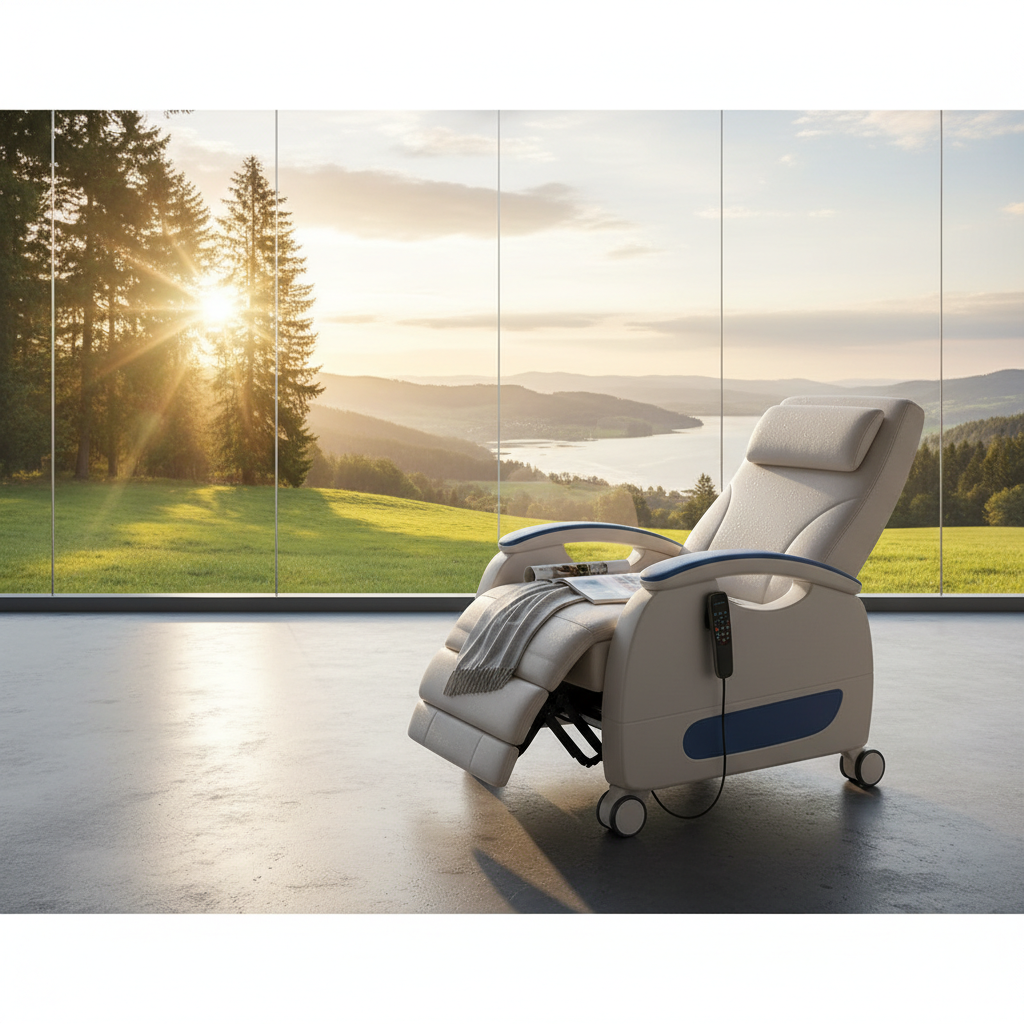
The biggest advantage of a well-designed hospital chair is patient comfort. A comfortable patient is a happier patient, and a happier patient recovers faster. It’s that simple. And the right chair can also reduce the risk of pressure sores, which is a huge benefit.
But, as I said earlier, a lot of these 'smart' features are unnecessary. They add cost and complexity without providing much real value. And the batteries need to be recharged – another task for the already overworked nurses. Anyway, I think the real value comes from getting the basics right: comfort, durability, ease of cleaning.
A Customer Story: The Interface Debacle
Last month, that small boss in Shenzhen who makes smart home devices insisted on changing the interface to , even though it wasn't necessary for the power supply. He said it looked "more modern." I tried to explain that nurses don’t care about aesthetics, they care about reliability and ease of use, but he wouldn't listen. He shipped a whole batch of chairs with ports, and within a week, they were all broken. Turns out, the ports are just not durable enough to withstand the constant plugging and unplugging. He had to recall the entire batch. A costly lesson, I told him. A costly lesson.
Durability and Long-Term Reliability Analysis
You know, I've seen chairs that are supposed to last five years start falling apart after six months. It's all about the quality of the materials and the construction. Cheap screws, flimsy welds, poor quality upholstery… it all adds up. We conduct long-term reliability tests, subjecting the chairs to simulated wear and tear. We also gather feedback from hospitals to see how the chairs are performing in real-world conditions.
We're also looking at ways to improve the maintainability of the chairs. Can we design them so that parts can be easily replaced? Can we use modular components so that repairs can be done quickly and efficiently? These are the kinds of things that matter in the long run.
Ultimately, whether this thing works or not, the worker will know the moment he tightens the screw. It's the feel of it, the way it sits…it’s just a gut feeling, really.
Hospital Chair Component Analysis
| Component |
Material |
Durability Score (1-10) |
Maintenance Difficulty (1-10) |
| Frame |
Powder-Coated Steel |
9 |
2 |
| Upholstery |
Antimicrobial Vinyl |
7 |
3 |
| Wheels |
Non-Marking Polyurethane |
6 |
4 |
| Armrests |
Polypropylene |
8 |
2 |
| Adjustable Mechanism |
Steel & Polymer |
5 |
6 |
| Base |
Aluminum Alloy |
7 |
3 |
FAQS
A well-maintained hospital chair, constructed with durable materials like powder-coated steel and antimicrobial vinyl, should realistically last between 5 to 7 years in a demanding hospital environment. Regular inspections, timely repairs, and proper cleaning are crucial to maximizing its lifespan. Cheaper models, unfortunately, rarely reach this benchmark. It all comes down to initial quality, really.
Extremely important. Hospitals are breeding grounds for bacteria and viruses. Antimicrobial upholstery helps to reduce the spread of infection, protecting both patients and staff. It’s not a silver bullet, of course, but it's an essential layer of defense. I've seen hospitals actively prioritize chairs with this feature, and for good reason.
You want something with a robust weight capacity, ideally at least 300lbs, but preferably higher, especially if you anticipate needing bariatric options. It's better to overestimate than underestimate. You don't want a chair collapsing under a patient’s weight. That's just asking for trouble.
Absolutely. Vinyl is relatively easy to clean with standard hospital-grade disinfectants. Fabric, however, requires more careful attention. You need to use cleaning agents specifically designed for healthcare fabrics to avoid damaging the material or reducing its antimicrobial properties. Always check the manufacturer's recommendations.
Yes, often. You can usually customize things like upholstery color, armrest height, and wheel type. One client, a pediatric hospital, wanted chairs shaped like animals. It was…unique. But it made the kids happy, and that's what mattered. Customization adds cost, naturally, but it can be worth it for specific applications.
It's a combination of things: the density of the foam, the shape of the seat and backrest, the adjustability of the armrests, and the overall ergonomics. A good chair will distribute weight evenly and provide adequate support for the back and legs. And, honestly, a little padding goes a long way. Nobody wants to sit on a hard plastic seat all day.
Conclusion
So, what have we learned? Hospital chairs aren’t just seats; they're critical pieces of medical equipment. The focus needs to be on durability, hygiene, comfort, and practicality. Forget the fancy features and concentrate on getting the basics right. Good materials, solid construction, and easy maintenance are the keys to success.
Looking ahead, I think we'll see more emphasis on sustainability and personalization. More recycled materials, more modular designs, and more options for customization. But ultimately, whether this thing works or not, the worker will know the moment he tightens the screw. Visit our website for more information: www.cnboxin.com