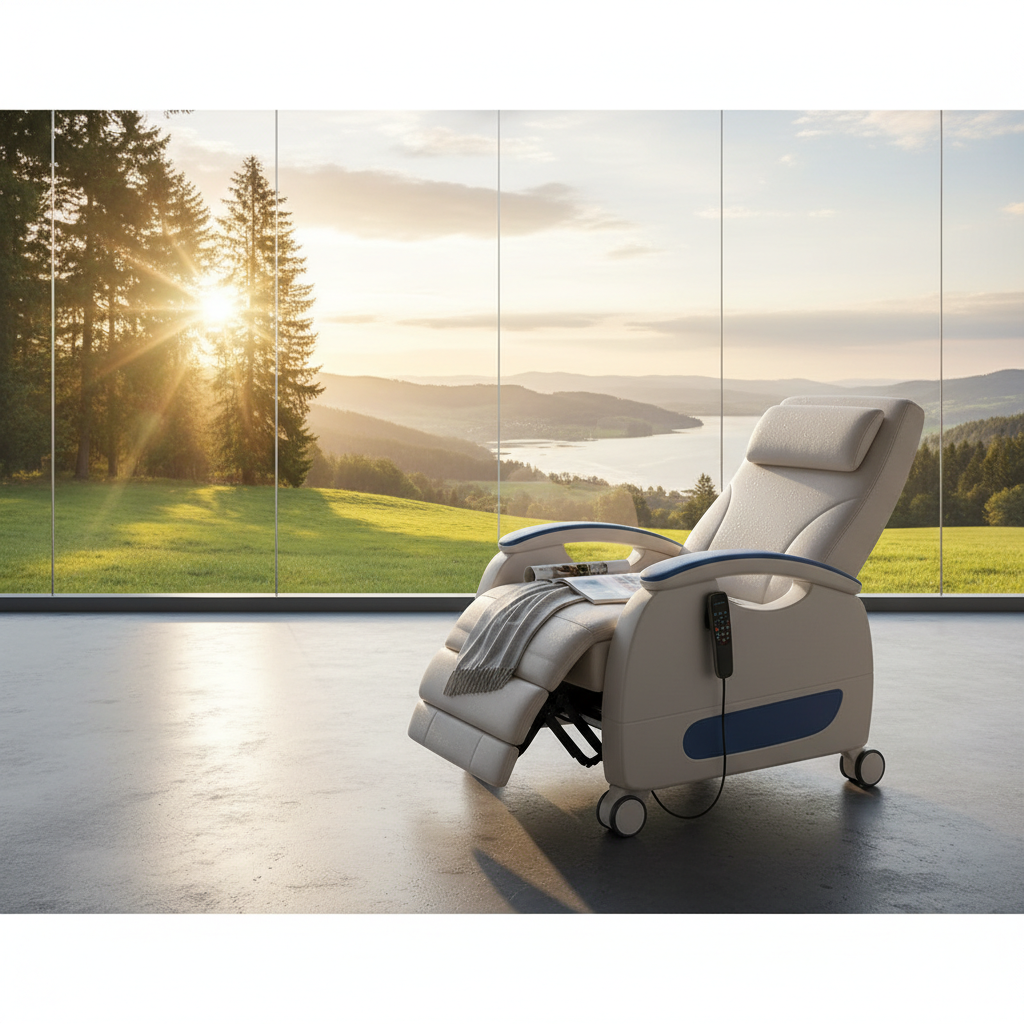
The hospital recliner chair is an indispensable piece of equipment in modern healthcare facilities, extending beyond simple patient comfort to significantly impacting recovery and well-being. These specialized chairs are designed to provide adjustable support, promoting proper posture and reducing pressure points, which are critical for patients undergoing extended treatments or recovering from illness or surgery. The importance of a well-designed hospital recliner chair lies in its ability to enhance both the physical and psychological state of patients, contributing to a more positive healthcare experience.
Globally, the demand for high-quality hospital recliner chairs is steadily increasing, driven by factors such as an aging population, advancements in medical treatments requiring longer hospital stays, and a growing emphasis on patient-centered care. The United Nations projects a substantial increase in the global population over 65 years old, further amplifying the need for specialized healthcare furniture like these chairs. ISO standards continually evolve to prioritize patient safety and comfort, influencing the design and manufacturing of these essential medical devices.
Essentially, a hospital recliner chair is a medically-focused seating solution engineered for patient support, comfort, and therapeutic benefit within a clinical setting. Its adjustable features cater to diverse patient needs, facilitating procedures, promoting rest, and aiding in rehabilitation. The increasing sophistication of these chairs reflects the ongoing evolution of healthcare itself, seeking to blend medical efficacy with patient dignity and overall well-being.
Definition & Meaning of Hospital Recliner Chair
A hospital recliner chair is a specialized seating system designed for use in healthcare environments. It differs significantly from standard recliners through its focus on ergonomic support, infection control, and ease of cleaning. It typically includes features like adjustable height, backrest and leg rest positioning, and durable, antimicrobial upholstery.
The connection to modern industry and humanitarian needs is direct. In hospitals, these chairs assist patients during chemotherapy, dialysis, and other long-duration treatments, enhancing comfort and facilitating medical access. In disaster relief or temporary medical facilities, portable and easily sanitized hospital recliner chairs provide essential support for those awaiting care. This integration makes them a crucial component of effective healthcare delivery, whether in established facilities or emergency situations.
Global Relevance & Industry Context
The global market for hospital furniture, including hospital recliner chair, is experiencing consistent growth. According to a report by Grand View Research, the global hospital furniture market size was valued at USD 12.13 billion in 2022 and is expected to expand at a compound annual growth rate (CAGR) of 6.5% from 2023 to 2030. This growth is fuelled by increasing healthcare expenditure, rising geriatric populations, and the demand for patient-centric care.
The ISO 13485 standard for medical devices quality management systems significantly influences the manufacturing of hospital recliner chairs, ensuring adherence to safety and performance criteria. The World Health Organization emphasizes the importance of comfortable and supportive seating in healthcare settings for promoting patient recovery.
A major challenge addressed by quality hospital recliner chairs is the prevention of pressure ulcers, also known as bedsores. These can significantly prolong hospital stays and increase healthcare costs. Well-designed chairs redistribute pressure, improving circulation and reducing the risk of these complications, ultimately optimizing patient outcomes and reducing the burden on healthcare systems.
Core Components and Key Factors
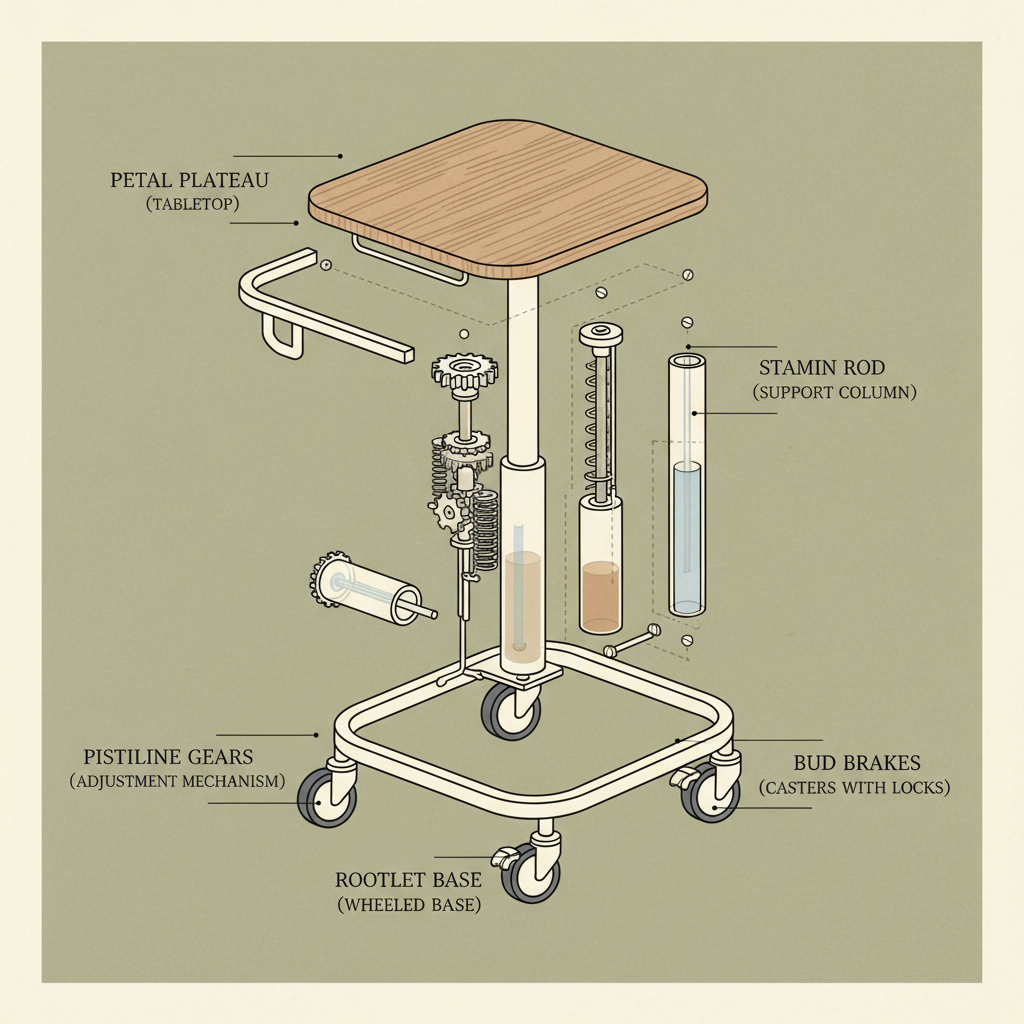
Several core components contribute to the functionality and effectiveness of a hospital recliner chair. These include the frame (typically steel or aluminum for durability), the cushioning material (high-density foam for support and comfort), the upholstery (antimicrobial and easy-to-clean materials), and the adjustment mechanisms (electric or manual controls for positioning).
Key factors to consider when evaluating a hospital recliner chair are its weight capacity, adjustability options, infection control features, ease of maintenance, and ergonomic design. Durability is paramount, as these chairs undergo constant use. Scalability, referring to the ability to adapt the chair's settings to individual patient needs, is also crucial. Cost efficiency, balancing initial investment with long-term durability and reduced maintenance costs, is a vital consideration for healthcare facilities.
Furthermore, patient safety features like locking mechanisms to prevent unintended movement and side rails for assistance are essential. The chair's dimensions and maneuverability are also important, especially in crowded hospital environments. Finally, aesthetic design, while secondary to functionality, can contribute to a more welcoming and calming atmosphere for patients.
Applications and Use Cases
Hospital recliner chairs find broad application across a wide spectrum of healthcare settings. They are essential in oncology departments during chemotherapy infusions, providing comfort and support during lengthy treatments. Dialysis centers utilize these chairs to enhance patient comfort and facilitate access for medical staff. Cardiac care units employ them for patients requiring close monitoring and frequent positioning adjustments.
Beyond acute care, they are also widely used in rehabilitation centers, assisting patients in regaining strength and mobility. In post-surgical recovery areas, hospital recliner chairs offer crucial support and promote healing. In post-disaster relief operations, portable and sanitizable versions provide vital support for injured individuals awaiting medical attention.
Hospital Recliner Chair Feature Performance
Advantages and Long-Term Value
The advantages of investing in high-quality hospital recliner chairs are multi-faceted. Tangible benefits include reduced healthcare costs through the prevention of pressure ulcers and improved patient outcomes. The enhanced comfort provided can also lead to shorter hospital stays and faster recovery times. Sustainability is addressed through durable designs that minimize replacement frequency.
Beyond the purely practical, a focus on patient dignity and psychological well-being are crucial. Providing a comfortable and supportive chair demonstrates respect for the patient's experience, fostering trust and potentially improving adherence to treatment plans. The innovation in materials and design reflects a commitment to quality healthcare.
Future Trends & Innovations
Several exciting trends are shaping the future of hospital recliner chairs. Integration of smart technology, such as sensors to monitor patient vital signs and adjust chair positioning automatically, is gaining traction. The development of antimicrobial materials with enhanced efficacy is an ongoing area of research.
Sustainability is becoming increasingly important, with manufacturers exploring the use of recycled materials and designing chairs for easier disassembly and recycling. Advancements in ergonomics and biomechanics are leading to chairs that provide even more targeted support and pressure relief.
Challenges & Solutions
A common challenge is balancing cost with quality and functionality. Healthcare facilities often face budgetary constraints, making it difficult to invest in the most advanced chairs. One solution is to explore leasing options or prioritize features based on specific departmental needs.
Another challenge is maintaining infection control. Even with antimicrobial materials, thorough cleaning and disinfection protocols are essential. Utilizing chairs with easily removable and washable upholstery can mitigate this risk. The long-term durability of adjustment mechanisms also presents a challenge. Selecting chairs with robust designs and readily available replacement parts can address this issue.
Finally, ensuring accessibility for patients with diverse physical limitations is crucial. Chairs should be adjustable to accommodate a wide range of body types and needs, offering features like adjustable armrests and footrests.
Summary of Key Considerations for Hospital Recliner Chair Selection
| Category |
Key Metric |
Importance Level (1-5) |
Potential Solutions |
| Durability |
Frame Material Strength |
5 |
Steel or reinforced aluminum frames |
| Comfort |
Cushion Density & Support |
5 |
High-density foam with ergonomic contouring |
| Infection Control |
Upholstery Antimicrobial Rating |
4 |
Antimicrobial vinyl or fabric; easily sanitized surfaces |
| Adjustability |
Range of Motion & Control Types |
4 |
Electric or manual adjustments for backrest, leg rest, and height |
| Cost-Effectiveness |
Lifecycle Cost Analysis |
3 |
Consider long-term durability and maintenance costs |
| Accessibility |
Weight Capacity & Dimensions |
3 |
Adjustable armrests, footrests, and wider seat options |
FAQS
Hospital recliner chairs are specifically engineered for healthcare settings and differ significantly from standard recliners. They prioritize features like antimicrobial upholstery for infection control, enhanced adjustability for patient positioning during medical procedures, and robust construction to withstand frequent use and rigorous cleaning. Standard recliners prioritize comfort for home use, lacking these specialized features crucial for a clinical environment.
Weight capacity is a critical factor. Hospital recliner chairs must accommodate a wide range of patient sizes, and exceeding the weight limit can compromise the chair’s structural integrity and pose a safety risk. It’s essential to select a chair with a weight capacity that comfortably exceeds the anticipated needs of your patient population, factoring in potential fluctuations in weight during treatment.
Antimicrobial vinyl and polyurethane are the most commonly recommended materials for infection control. These surfaces inhibit the growth of bacteria and are easy to clean and disinfect. Seamless construction is also beneficial as it minimizes areas where microorganisms can accumulate. Regularly following proper cleaning and disinfection protocols is equally crucial.
Adjustable features such as height, backrest inclination, and leg rest positioning are vital for patient comfort and support. They allow caregivers to optimize patient positioning for various medical procedures, like administering IV fluids, and reduce pressure points to prevent pressure ulcers. Proper positioning also aids in respiratory function and overall patient well-being.
Yes, accessibility is paramount. Chairs should be easily accessible to patients with limited mobility, offering features like adjustable armrests, wider seat widths, and lower heights. Consider chairs with swivel bases or integrated transfer assists for easier ingress and egress. The chair's overall maneuverability within the healthcare setting is also a key accessibility factor.
With proper maintenance, a high-quality hospital recliner chair can have a lifespan of 5-10 years or more. Regular cleaning, inspection of adjustment mechanisms, and prompt repair of any damage are crucial. Selecting a chair with a durable frame and robust construction will contribute to its longevity and minimize the need for early replacement.
Conclusion
In conclusion, the hospital recliner chair is far more than a simple seating device. It represents a critical intersection of patient comfort, medical efficacy, and infection control within the healthcare landscape. Its core components, ranging from durable frames to antimicrobial upholstery, contribute to improved patient outcomes and a more dignified healthcare experience. The ongoing evolution of this essential equipment reflects a broader commitment to patient-centered care and continuous innovation.
Looking ahead, we can expect to see increased integration of smart technologies, a greater emphasis on sustainability, and a continued focus on enhancing both the ergonomic design and infection control features of hospital recliner chairs. Healthcare facilities should prioritize careful selection based on their specific needs and invest in high-quality chairs that will provide long-term value and contribute to a positive patient experience. Visit our website at hospital recliner chair to explore our range of solutions.