Welcome to our websites!

Welcome to our websites!
The concept of a ‘furniture hospital’ – a dedicated facility for the repair, refurbishment, and repurposing of furniture – is gaining global traction. This isn’t merely about extending the lifespan of individual pieces; it's a response to the growing global waste crisis, resource scarcity, and a rising demand for sustainable consumption. Understanding the principles and practices of a furniture hospital is becoming increasingly vital for businesses, communities, and governments alike.
Globally, furniture waste represents a significant portion of landfill content. According to the UN Environment Programme, household waste is a major contributor to pollution, and furniture, often bulky and difficult to recycle, exacerbates this problem. The World Bank estimates that waste generation will continue to increase, demanding innovative solutions like the furniture hospital model. ISO 14000 standards further drive the need for environmentally conscious practices within the furniture industry, highlighting the relevance of repair and reuse.
A furniture hospital operates on the principles of the circular economy, shifting away from the traditional ‘take-make-dispose’ model. It's a service-oriented approach focused on restoring furniture to its original functionality and aesthetic appeal, preventing it from ending up in landfills. This proactive approach not only reduces waste but also provides affordable furniture options for communities and contributes to local employment opportunities.
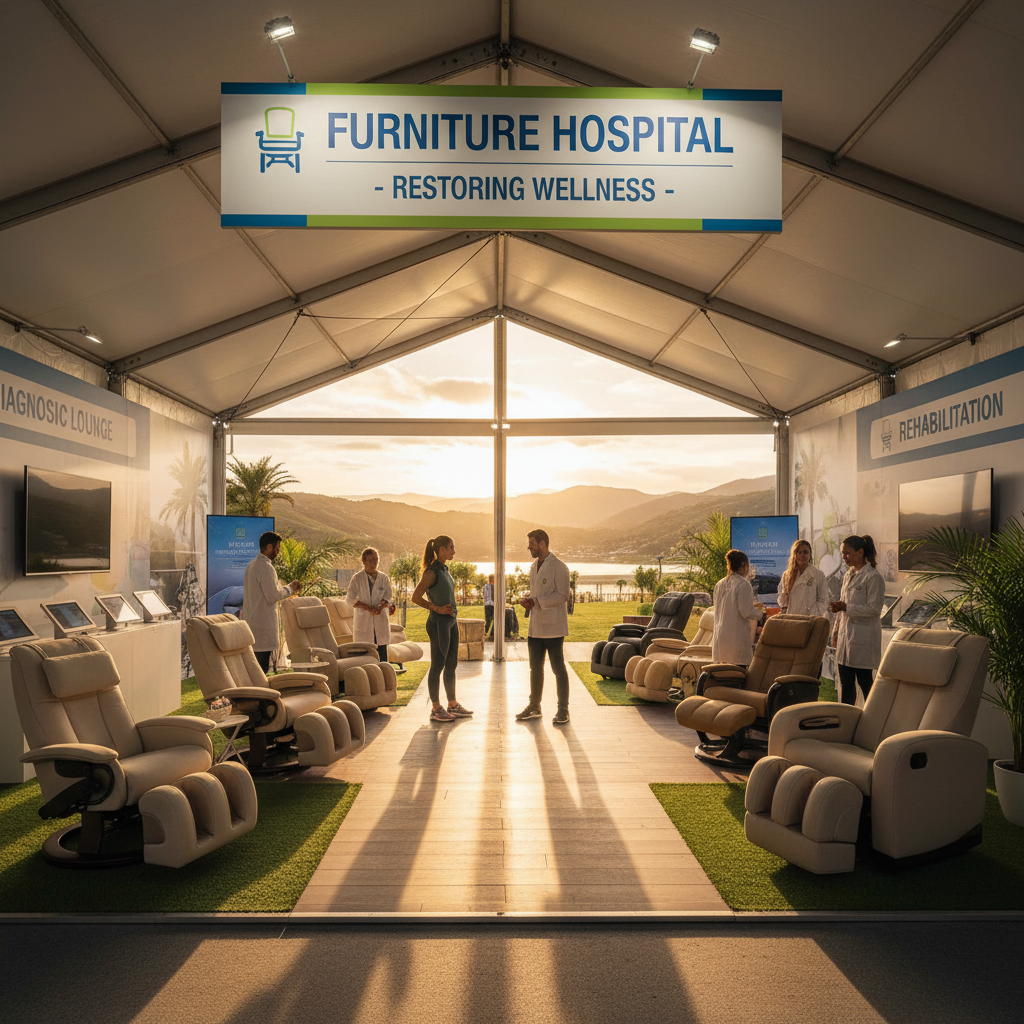
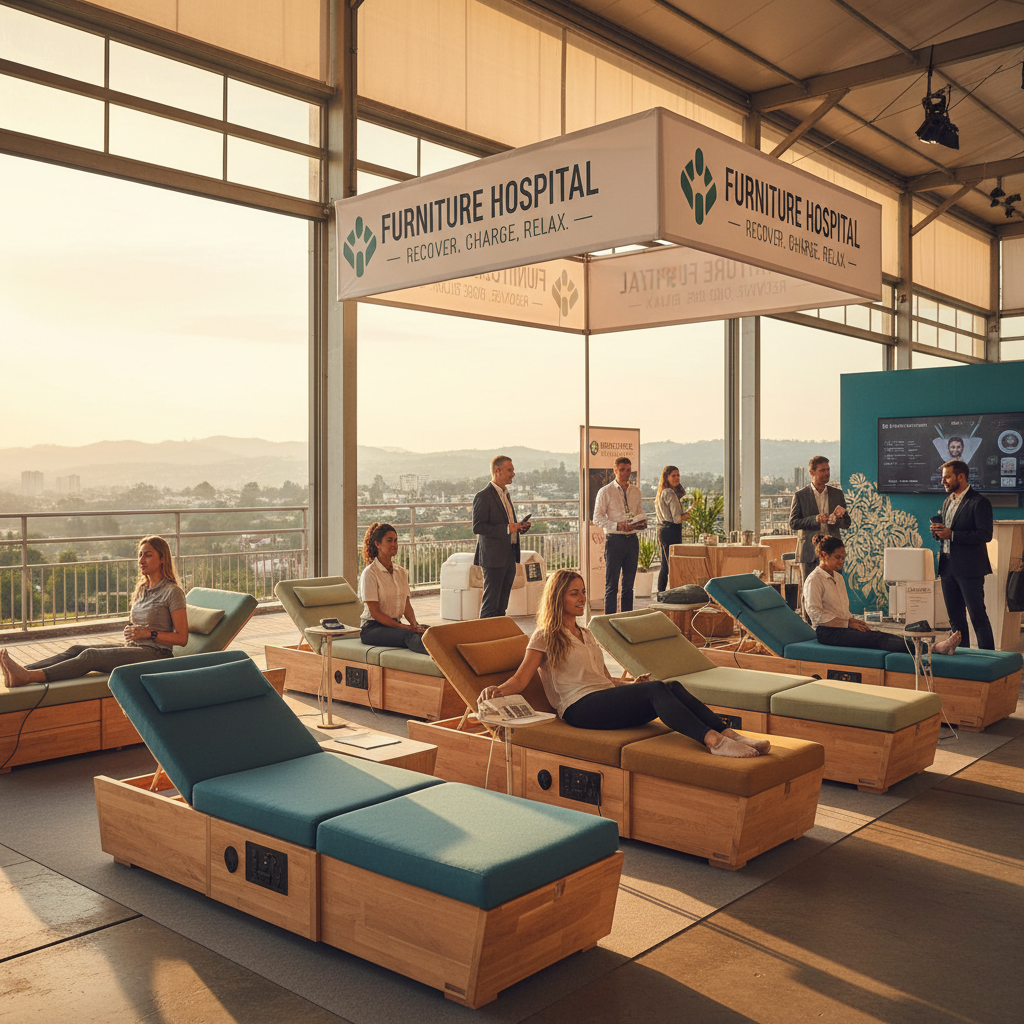
The rise of the ‘furniture hospital’ concept isn’t accidental; it’s a direct response to a growing global awareness of unsustainable consumption patterns. The furniture industry, traditionally reliant on resource extraction and linear production models, is facing increasing scrutiny. Consumers are demanding more ethical and environmentally friendly options, and governments are implementing stricter regulations regarding waste management.
This shift is driving demand for repair, refurbishment, and repurposing services. Traditional disposal methods are becoming increasingly expensive and environmentally damaging, while the cost of new furniture continues to rise. A furniture hospital offers a viable alternative, extending the life of existing products and reducing the need for new production. This model aligns with the principles of the circular economy, aiming to minimize waste and maximize resource utilization.
Furthermore, the social impact of a furniture hospital cannot be overlooked. Creating jobs in skilled repair and restoration, providing affordable furniture to low-income communities, and promoting a culture of sustainability are all significant benefits. Organizations like furniture hospital are pioneering this approach, demonstrating its feasibility and positive impact.
Most furniture hospitals can handle a wide variety of furniture, including wooden pieces, upholstered items, metal furniture, and even some plastic components. Common repairs include structural repairs, upholstery replacement, refinishing, scratch removal, and hardware replacement. The scope of services offered will vary depending on the hospital’s specialization and equipment.
Absolutely. Repairing furniture significantly reduces the environmental impact compared to manufacturing new pieces. It conserves resources, minimizes waste sent to landfills, and reduces the energy consumption associated with production and transportation. Repair also avoids the carbon footprint of creating new materials.
The repair time varies greatly depending on the extent of the damage and the complexity of the repair. Minor repairs, like scratch removal or tightening joints, may take just a few hours. More extensive repairs, such as upholstery replacement or structural rebuilds, can take several days or even weeks.
Costs vary widely depending on the repair needed, the materials used, and the labor involved. Simple repairs may cost as little as $50, while more complex restorations can exceed several hundred dollars. It's generally more affordable than replacing the furniture entirely, and a quote will always be provided upfront.
Many furniture hospitals do offer pick-up and delivery services, especially for larger items. However, this service may come with an additional fee. It's best to check with the specific furniture hospital to confirm their pick-up and delivery policies and associated costs.
Yes, many furniture hospitals specialize in repurposing and redesigning furniture. They can transform old pieces into new, functional items, giving them a new lease on life. This often involves creative modifications, upholstery changes, or adding new features. furniture hospital excels in innovative repurposing.
In conclusion, the furniture hospital model represents a significant step towards a more sustainable and circular economy. By prioritizing repair, refurbishment, and repurposing, we can reduce waste, conserve resources, and create a more responsible approach to furniture consumption. The benefits extend beyond environmental considerations, encompassing economic opportunities, community development, and increased accessibility to affordable furniture.
Looking ahead, the continued growth of furniture hospitals will require collaboration between businesses, governments, and consumers. Investing in training programs, promoting awareness of the benefits of repair, and incentivizing sustainable practices are all crucial steps. By embracing the furniture hospital concept, we can build a more resilient and environmentally conscious future. Visit our website at www.cnboxin.com to learn more.