The hospital sofa bed is a crucial piece of furniture within healthcare facilities, going beyond simply providing a seating or sleeping area. It represents a commitment to patient comfort, efficient space utilization, and adaptability in dynamic hospital environments. Its design and functionality are evolving to meet the increasingly complex needs of modern healthcare, balancing ergonomics, hygiene, and durability. Understanding the nuances of these specialized beds is vital for hospital administrators, healthcare professionals, and patients alike.
Globally, the demand for hospital sofa beds is driven by factors such as an aging population, increasing rates of chronic diseases, and a growing emphasis on patient-centered care. According to the World Health Organization, the global population aged 60 years and over is projected to reach 2.1 billion by 2050. This demographic shift necessitates enhanced healthcare infrastructure, including comfortable and adaptable furniture like hospital sofa beds. Furthermore, ISO standards for medical devices emphasize safety and performance, impacting the design and manufacturing processes.
The rising costs associated with healthcare continue to place pressure on hospitals to optimize resource allocation. A well-chosen hospital sofa bed can contribute to this efficiency by serving multiple functions – providing seating for visitors, transforming into a temporary bed for patients or staff, and facilitating a more welcoming and therapeutic environment. This addresses a critical challenge within healthcare systems worldwide: balancing quality of care with cost containment.
Definition & Meaning
A hospital sofa bed, at its core, is a multi-functional piece of furniture designed for use in healthcare settings. Unlike standard sofa beds, hospital models prioritize patient comfort, hygiene, and safety. They often feature adjustable positions, durable and easy-to-clean upholstery, and robust frames capable of supporting various weights and movements. They effectively bridge the gap between a comfortable seating area for visitors and a convenient, temporary bed for patients, accompanying family members, or even staff on overnight shifts.
Its connection to modern industry and humanitarian needs lies in its adaptability. In a world facing increasing pressure on healthcare resources, the hospital sofa bed represents an efficient use of space and a cost-effective solution for providing both seating and sleeping accommodations. In humanitarian crises, these beds can offer a degree of dignity and comfort to displaced individuals or those receiving emergency medical care, especially when dedicated bed space is limited. The emphasis on durability and hygiene also makes them suitable for challenging environments.
The evolution of the hospital sofa bed reflects advancements in materials science, ergonomic design, and infection control protocols. Early models were often bulky and lacked adjustability. Today, manufacturers are incorporating features like antimicrobial fabrics, electric adjustments, and memory foam mattresses to enhance patient wellbeing and reduce the risk of healthcare-associated infections, highlighting the continued relevance and improvement of this essential piece of equipment.
Key Factors or Core Components
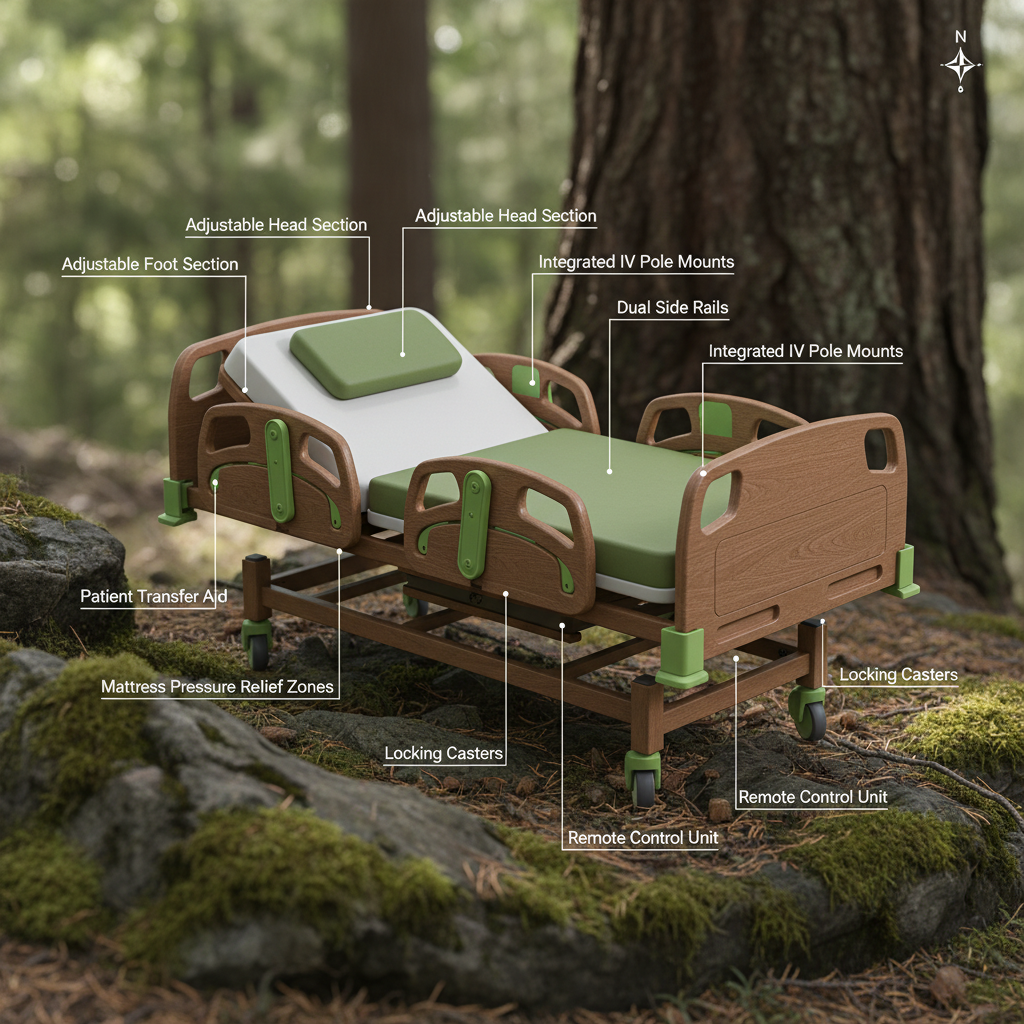
Several core components determine the quality and functionality of a hospital sofa bed. Durability is paramount, as these beds experience heavy use and require resistance to wear and tear. This often translates into robust steel frames and high-quality upholstery. Hygiene is equally critical, driving the demand for materials that are easily disinfected and resistant to bacteria and fluids. Antimicrobial fabrics and seamless designs are increasingly common. hospital sofa bed manufacturers must prioritize these elements.
Adjustability is another key factor, enabling healthcare providers to customize the bed’s position for optimal patient comfort and care. Features such as adjustable backrests, headrests, and footrests are essential. Ergonomics play a crucial role in preventing pressure sores and promoting proper body alignment. Finally, Safety features, including locking mechanisms and smooth, reliable adjustments, are vital to prevent accidental injuries.
Global Applications & Use Cases
Hospital sofa beds are utilized across a wide spectrum of healthcare facilities globally. In hospitals, they're found in patient rooms, waiting areas, and staff lounges, offering versatile seating and sleeping solutions. Specialty clinics, such as oncology centers and rehabilitation facilities, frequently employ them to provide comfort for patients undergoing long treatments. Emergency departments use them for short-term patient accommodation during peak periods.
Beyond traditional hospitals, these beds are also utilized in long-term care facilities and nursing homes, where they provide comfort and convenience for residents and visiting family members. In remote industrial zones or offshore medical facilities, they are essential for providing medical support to workers. In post-disaster relief operations, quick-deploying hospital sofa beds can provide much-needed rest and recuperation space for both patients and aid workers.
Specific examples include their integration into mobile medical units providing healthcare in underserved communities in Africa, and their use in temporary hospitals established during major sporting events to handle emergency medical needs. The adaptability of the hospital sofa bed makes it a valuable asset in a diverse range of healthcare scenarios worldwide.
Advantages & Long-Term Value
The advantages of investing in quality hospital sofa beds are numerous and extend beyond immediate comfort. Cost efficiency is a significant benefit; a single unit can fulfill the functions of multiple pieces of furniture, reducing overall procurement costs. Sustainability is enhanced through durable construction and the potential for long-term use, minimizing the need for frequent replacements. Social impact is realized through improved patient comfort and a more welcoming healthcare environment, fostering a sense of dignity and wellbeing.
From a logistical standpoint, the convenience and adaptability of hospital sofa beds offer considerable value. They streamline operations, allowing for flexible use of space and efficient resource allocation. The emotional benefits for patients and their families are equally important. Providing a comfortable place to rest and recover contributes to a more positive healthcare experience, building trust and fostering a stronger patient-provider relationship.
Hospital Sofa Bed Quality Ratings
Future Trends & Innovations
The future of hospital sofa beds is poised for significant innovation. We can anticipate greater integration of smart technologies, such as sensors that monitor patient vital signs and automatically adjust bed positioning for optimal comfort. The development of new antimicrobial materials, including self-disinfecting surfaces, will further enhance hygiene and infection control.
The incorporation of sustainable materials and manufacturing processes is also gaining traction, aligning with the growing global emphasis on environmental responsibility. Digital transformation will play a role in streamlining bed maintenance and tracking usage patterns, allowing for more efficient resource management. The trend towards personalized healthcare will drive demand for highly customizable hospital sofa beds tailored to individual patient needs.
Challenges & Solutions
One common challenge is the balance between cost and quality. Hospitals often face budgetary constraints, making it difficult to invest in high-end hospital sofa beds with all the latest features. Another challenge is ensuring compatibility with existing healthcare infrastructure and workflows. Seamless integration with electronic health records and other systems is crucial.
Solutions include exploring value-based procurement models that prioritize long-term cost savings over upfront price. Manufacturers can also offer modular designs that allow hospitals to customize beds to their specific needs. Investing in robust training programs for healthcare staff on proper bed operation and maintenance is essential for maximizing their lifespan and effectiveness.
FAQ: Frequently Asked Questions About hospital sofa bed
A well-maintained, high-quality hospital sofa bed constructed with durable materials like steel frames and antimicrobial upholstery can typically last between 7-10 years, even with heavy daily use. Regular inspections, cleaning, and prompt repairs of minor issues are crucial for maximizing lifespan. The initial investment in a robust model often outweighs the cost of frequent replacements.
Hospital sofa beds are designed with hygiene in mind. Most feature seamless upholstery and materials that withstand frequent cleaning with hospital-grade disinfectants. Look for models with antimicrobial fabrics that inhibit the growth of bacteria. Smooth surfaces and minimal crevices facilitate thorough cleaning, reducing the risk of healthcare-associated infections.
Weight capacity is a crucial safety consideration. Most standard hospital sofa beds can accommodate patients weighing up to 300-350 pounds (136-159 kg). However, bariatric models are available with higher weight capacities, often exceeding 500 pounds (227 kg). Always choose a bed that comfortably exceeds the anticipated weight of the patients who will be using it.
Yes, many hospital sofa beds now offer electronic adjustments for backrest, headrest, and footrest positioning. These adjustments can be controlled via a handheld remote or integrated into the hospital’s nurse call system. Electronic adjustments enhance patient comfort and independence, and also ease the workload for healthcare staff.
Standard sofa beds prioritize comfort and aesthetics for residential use. Hospital sofa beds prioritize durability, hygiene, safety, and adjustability for a healthcare setting. Hospital models often feature antimicrobial fabrics, reinforced frames, and adjustable positions not found in standard sofa beds. They also undergo rigorous testing to meet healthcare safety standards.
Space is often limited in patient rooms. Consider a compact hospital sofa bed design that maximizes functionality without taking up excessive floor space. Look for models that easily convert between seating and sleeping positions and may feature built-in storage. Wall-mounted or folding designs are also good options for small rooms.
Conclusion
In conclusion, the hospital sofa bed is a far more sophisticated and vital piece of healthcare furniture than its simple name suggests. It embodies a confluence of design, functionality, and patient-centered care, contributing to improved comfort, efficient space utilization, and a more positive healthcare experience. Its ability to adapt to diverse environments and evolving healthcare needs positions it as an indispensable asset for hospitals and healthcare facilities worldwide.
Looking ahead, continued innovation in materials, technology, and design will further enhance the capabilities of hospital sofa beds, addressing emerging challenges and improving patient outcomes. Investing in high-quality, thoughtfully designed hospital sofa beds is not merely a matter of furnishing a space; it is an investment in the wellbeing of patients, the efficiency of healthcare providers, and the future of healthcare itself. Visit our website to explore our range of hospital sofa beds: www.cnboxin.com