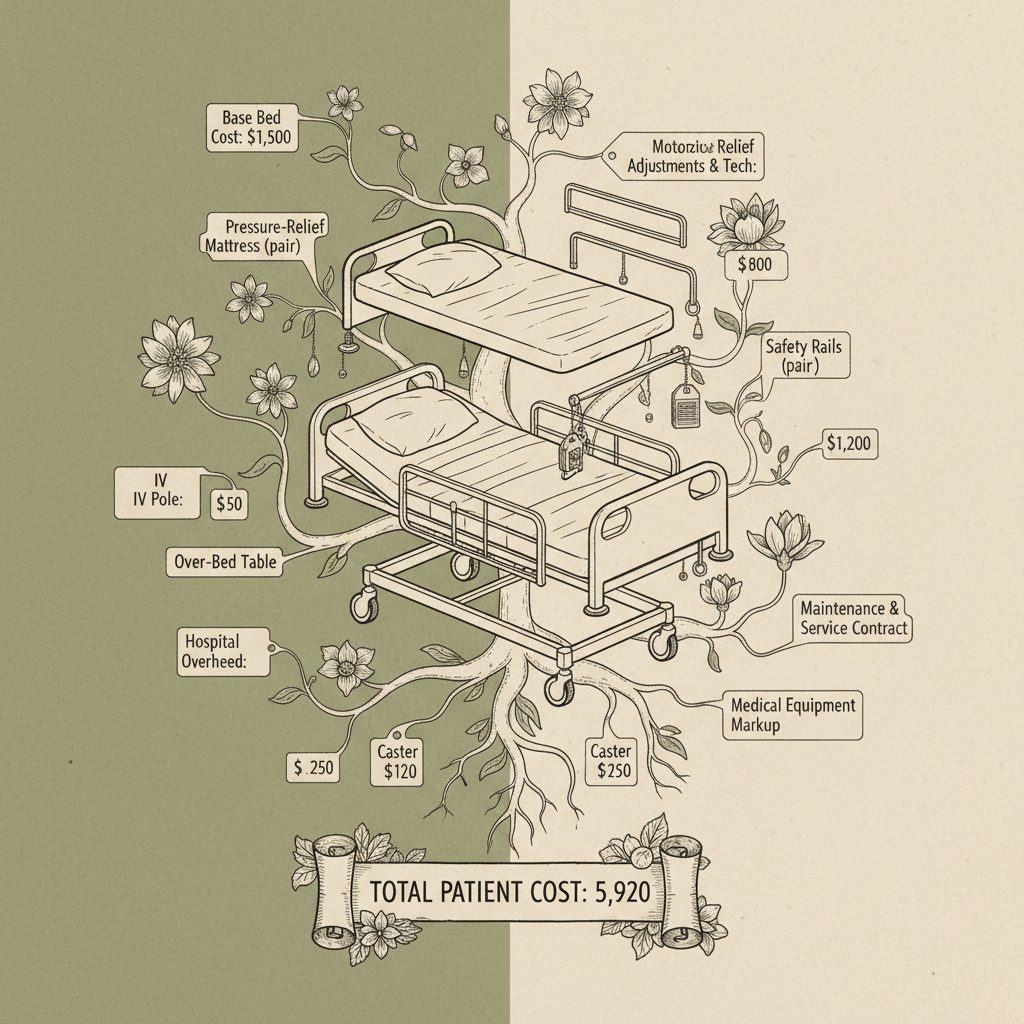
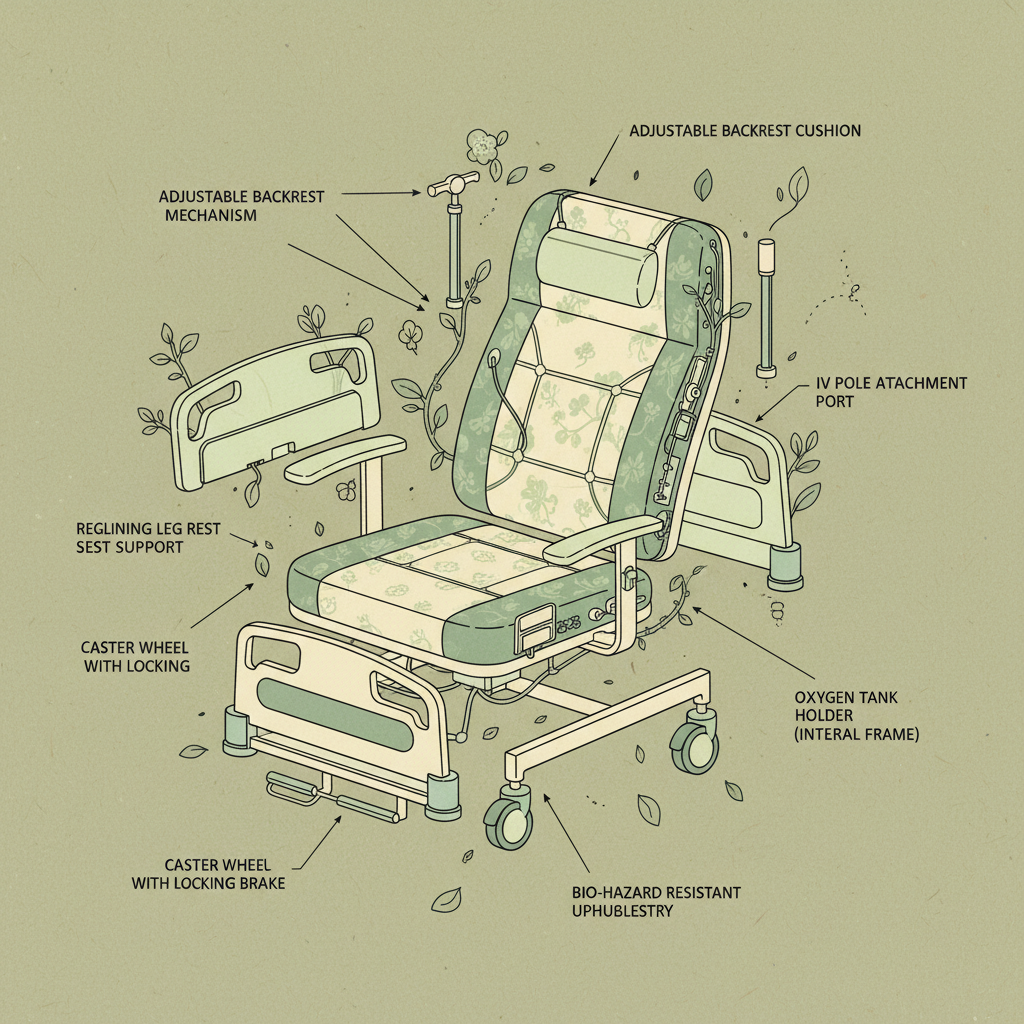
Hospital over the bed tables are crucial components within healthcare facilities, offering patients a convenient and safe surface for meals, work, or personal items while in a hospital bed. Their design prioritizes functionality and hygiene, impacting patient comfort and recovery. Understanding the features and benefits of these tables is essential for healthcare professionals, facility managers, and anyone involved in patient care.
Globally, the demand for efficient and patient-centric healthcare solutions is continuously increasing. With aging populations and the rising incidence of chronic illnesses, hospitals are facing increasing pressure to optimize space and enhance the patient experience. The hospital over the bed table plays a significant role in addressing these challenges, offering a flexible and adaptable solution that caters to individual patient needs.
The importance of these tables extends beyond simple convenience. They contribute to a more dignified and independent patient experience, promoting well-being and potentially aiding in faster recovery times. Furthermore, properly designed hospital over the bed tables enhance the efficiency of nursing staff by providing a dedicated space for patient activities, reducing clutter and improving workflow.
Defining the Core Attributes of hospital over the bed table
A hospital over the bed table is a mobile, adjustable table designed to fit over a hospital bed, providing patients with a convenient surface for eating, reading, writing, or using electronic devices. These tables typically feature adjustable height and tilt, allowing for customized positioning to suit individual patient needs and comfort.
Modern hospital over the bed tables are often constructed from durable, easy-to-clean materials to maintain hygiene and withstand frequent use. They are an integral part of creating a patient-centered environment, offering a sense of normalcy and control during a hospital stay.
The Historical Development of hospital over the bed table
Early iterations of hospital bedside tables were often simple, fixed-height structures that lacked the adjustability features we see today. These rudimentary tables served a basic function but didn't adequately address the diverse needs of patients. As healthcare evolved, recognizing the importance of patient comfort and independence led to innovations in bedside table design.
The mid-20th century witnessed the introduction of adjustable height and tilt mechanisms, marking a significant advancement. This allowed caregivers to better position the table for individual patients, improving accessibility and comfort. The development of new materials, like stainless steel and durable plastics, further enhanced the hygiene and longevity of these tables.
More recently, technological advancements have led to the integration of features like integrated power outlets and USB ports, catering to the growing reliance on electronic devices during hospital stays. Continuous improvement in design reflects a commitment to enhancing the patient experience and optimizing healthcare delivery.
Key Design Considerations for hospital over the bed table
When designing a hospital over the bed table, several key factors must be considered. Stability is paramount; the table must be securely positioned to prevent accidental tipping or movement. The height and tilt adjustability range must be adequate to accommodate patients of varying sizes and needs.
Hygiene is also critical. Surfaces should be smooth, non-porous, and easy to disinfect. The table's design should minimize areas where germs can accumulate. Furthermore, materials must be resistant to common healthcare disinfectants and cleaning agents. Considering the ergonomic needs of both patients and healthcare staff is also essential to promote efficiency and comfort.
Finally, portability and ease of maneuverability are vital. The table should be lightweight enough for staff to easily move, yet robust enough to support the weight of patient belongings. A thoughtfully designed locking mechanism is essential to ensure the table remains securely in place when needed.
Assessing the Durability and Cost Efficiency of hospital over the bed table
Durability is a critical factor when evaluating a hospital over the bed table, as these tables are subject to constant use and rigorous cleaning. Tables constructed from high-quality materials like stainless steel or heavy-duty plastics will generally offer a longer lifespan and require less frequent replacement.
Cost efficiency isn’t solely about the initial purchase price; it’s about the total cost of ownership. While cheaper tables may seem appealing initially, they may require more frequent repairs or replacements, ultimately costing more in the long run. Investing in a durable, well-made table can provide significant savings over its lifespan.
Comparative Durability of hospital over the bed table Materials
Global Applications of hospital over the bed table in Healthcare Settings
Hospital over the bed tables are universally employed across a vast range of healthcare settings, including acute care hospitals, long-term care facilities, rehabilitation centers, and even outpatient clinics. Their versatility makes them indispensable for accommodating diverse patient populations and treatment needs.
In developed nations, these tables are often integrated with advanced features such as electronic height adjustment and integrated power systems. In contrast, developing countries may prioritize affordability and ease of cleaning, opting for simpler, more robust designs. Regardless of the setting, the fundamental purpose remains the same: to provide patients with a convenient and comfortable surface for their personal belongings and activities.
Long-Term Value and Advantages of hospital over the bed table
The long-term value of a hospital over the bed table extends beyond its immediate functionality. A well-designed table contributes to improved patient satisfaction, potentially leading to better health outcomes. Increased patient comfort and a sense of control can reduce anxiety and promote a more positive hospital experience.
From a practical perspective, these tables enhance the efficiency of nursing staff by providing a designated space for patient activities, reducing clutter, and streamlining workflow. Investing in quality hospital over the bed tables demonstrates a commitment to patient care and a proactive approach to creating a healing environment.
Future Innovations and Challenges in hospital over the bed table Technology
Future innovations in hospital over the bed table design are likely to focus on increased integration with smart healthcare technologies. We can anticipate tables with built-in sensors that monitor patient vitals or provide interactive entertainment options. Furthermore, antimicrobial surfaces and self-cleaning technologies are likely to become increasingly prevalent.
However, challenges remain. Maintaining affordability while incorporating advanced features is a key consideration. Ensuring that these tables are accessible to patients with disabilities and adaptable to diverse hospital environments is also crucial. Balancing innovation with practicality and cost-effectiveness will be essential for the continued evolution of hospital over the bed table.
Sustainability is another growing concern. Manufacturers are increasingly exploring the use of recycled materials and eco-friendly manufacturing processes to minimize the environmental impact of these products.
FAQS
Most standard hospital over the bed tables are designed to support a weight capacity of between 40 and 60 pounds. It's crucial to check the manufacturer's specifications before use to ensure the table can safely accommodate the intended load. Exceeding the weight capacity could compromise the table’s stability and pose a safety hazard.
Hospital over the bed tables are designed with hygiene in mind. They generally feature smooth, non-porous surfaces that are easily wiped down with standard healthcare disinfectants. Look for tables constructed from materials like stainless steel or antimicrobial plastics for optimal cleanability. Regular cleaning is essential to prevent the spread of infection.
The vast majority of modern hospital over the bed tables offer both height and tilt adjustability. This allows caregivers to customize the table’s position to suit individual patient needs and ensure comfort during meals, reading, or other activities. Adjustment mechanisms can be manual or electric, depending on the table model.
Common materials used in the construction of hospital over the bed tables include stainless steel, high-density polyethylene (HDPE) plastic, aluminum, and powder-coated steel. Stainless steel is known for its durability and hygiene, while HDPE plastic is lightweight and easy to clean. Aluminum provides a balance of strength and weight, and powder coating offers a durable and corrosion-resistant finish.
Most hospital over the bed tables feature a locking mechanism that securely attaches the table to the bed frame. It’s crucial to ensure this locking mechanism is properly engaged before allowing a patient to use the table. Regularly inspect the locking mechanism to ensure it’s functioning correctly. Always follow the manufacturer’s instructions for proper installation and use.
Many modern hospital over the bed tables are designed to accommodate electronic devices such as laptops, tablets, and smartphones. Some models include integrated power outlets and USB charging ports for convenient device charging. When using electronic devices on the table, ensure they are properly secured to prevent them from falling.
Conclusion
In conclusion, hospital over the bed tables are indispensable components of modern healthcare environments. Their ability to enhance patient comfort, improve workflow efficiency, and contribute to a more dignified hospital experience makes them a valuable investment for healthcare facilities worldwide. Understanding the key design considerations, materials, and innovations surrounding these tables is crucial for optimizing patient care.
Looking forward, continued advancements in materials, smart technology integration, and sustainability will shape the future of hospital over the bed table design. By prioritizing patient needs and embracing innovation, we can further elevate the role of these tables in creating a healing and supportive healthcare environment. For a range of high-quality hospital over the bed tables, visit our website: www.cnboxin.com.