0%

Table of Contents

The modern hospital environment demands efficiency, safety, and patient comfort. Central to these requirements is the often-overlooked, yet critical, piece of equipment: the bed table in hospital. These tables aren't simply surfaces for meals; they are integral to patient care, providing a workspace for medical staff, a platform for personal belongings, and a sense of independence for those undergoing treatment. Understanding their design, function, and evolving innovations is paramount to optimizing healthcare delivery.

Globally, the healthcare sector faces increasing pressure from aging populations, rising chronic disease rates, and the need for cost-effective solutions. The demand for efficient hospital layouts and patient-centered care is higher than ever. According to the World Health Organization (WHO), access to quality healthcare is a fundamental human right, and tools like the bed table in hospital contribute significantly to fulfilling this right by improving patient experience and facilitating effective medical interventions.

The proliferation of healthcare facilities worldwide, particularly in developing nations, further underscores the importance of adaptable and affordable medical equipment. A well-designed bed table in hospital, therefore, isn’t merely a convenience; it's a component of a broader strategy to deliver accessible and high-quality healthcare to all.

Optimizing Patient Care with the Modern Hospital Bed Table in Hospital

The Importance of Bed Table in Hospital

Optimizing Patient Care with the Modern Hospital Bed Table in Hospital

The significance of a bed table in hospital extends beyond its simple function. It’s a critical component of patient care, enhancing both the physical and psychological well-being of those hospitalized. A well-positioned and appropriately equipped bed table can significantly improve a patient’s ability to eat, read, work, or simply maintain a sense of normalcy during their stay.

Moreover, these tables are invaluable to medical staff, providing a convenient surface for administering medication, charting observations, and organizing essential supplies. In a busy hospital environment, the efficiency gains offered by a readily accessible bed table in hospital contribute to a smoother workflow and improved patient outcomes.

Defining the Bed Table in Hospital

A bed table in hospital is a mobile, adjustable table designed for use alongside a hospital bed. It typically features a laminate or stainless steel surface, adjustable height, and often includes features like tilt mechanisms, safety edges, and storage compartments. Its primary purpose is to provide a convenient and stable surface for patients and healthcare professionals.

Unlike standard furniture, a hospital bed table is specifically engineered to withstand the rigorous demands of a medical setting. They are designed for easy cleaning and disinfection, critical for maintaining a hygienic environment and preventing the spread of infection. Modern designs often prioritize ergonomics and patient safety, minimizing the risk of injury.

The evolution of the bed table in hospital reflects broader trends in healthcare – a move towards patient-centered care, improved ergonomics for staff, and a greater emphasis on infection control. They are a tangible example of how thoughtful design can significantly impact the quality of care provided.

Key Factors in Bed Table in Hospital Design

Several key factors influence the design and functionality of a modern bed table in hospital. Firstly, Durability is paramount. These tables must withstand constant use, cleaning, and potential impacts, requiring robust construction and high-quality materials. Secondly, Adjustability is crucial, allowing the table to accommodate different patient heights, bed types, and medical procedures.

Hygiene is another critical consideration. Surfaces must be easily cleanable and resistant to bacterial growth. Stainless steel and specialized laminates are commonly used for their antimicrobial properties. Furthermore, Stability is essential to prevent accidental spills or falls, requiring a solid base and secure locking mechanisms. Finally, Ergonomics play a significant role, ensuring comfort for both patients and healthcare staff.

The interplay between these factors determines the overall effectiveness of a bed table in hospital. A poorly designed table might be difficult to clean, unstable, or uncomfortable, hindering its intended purpose and potentially compromising patient safety. Careful consideration of these elements is vital during the selection and implementation process.

Practical Applications and Use Cases

The applications of a bed table in hospital are remarkably diverse. In general medical wards, they provide a surface for meals, reading, writing, and personal care activities. In intensive care units (ICUs), they serve as a platform for monitoring equipment, medication administration, and temporary storage of medical supplies.

In rehabilitation facilities, bed tables in hospital support therapeutic exercises and activities, aiding patients in regaining their independence. They are also commonly used in post-operative care, providing a space for patients to recover and regain their strength. Across various healthcare settings, they significantly enhance the patient experience.

Bed Table in Hospital Feature Ratings


Advantages and Long-Term Value

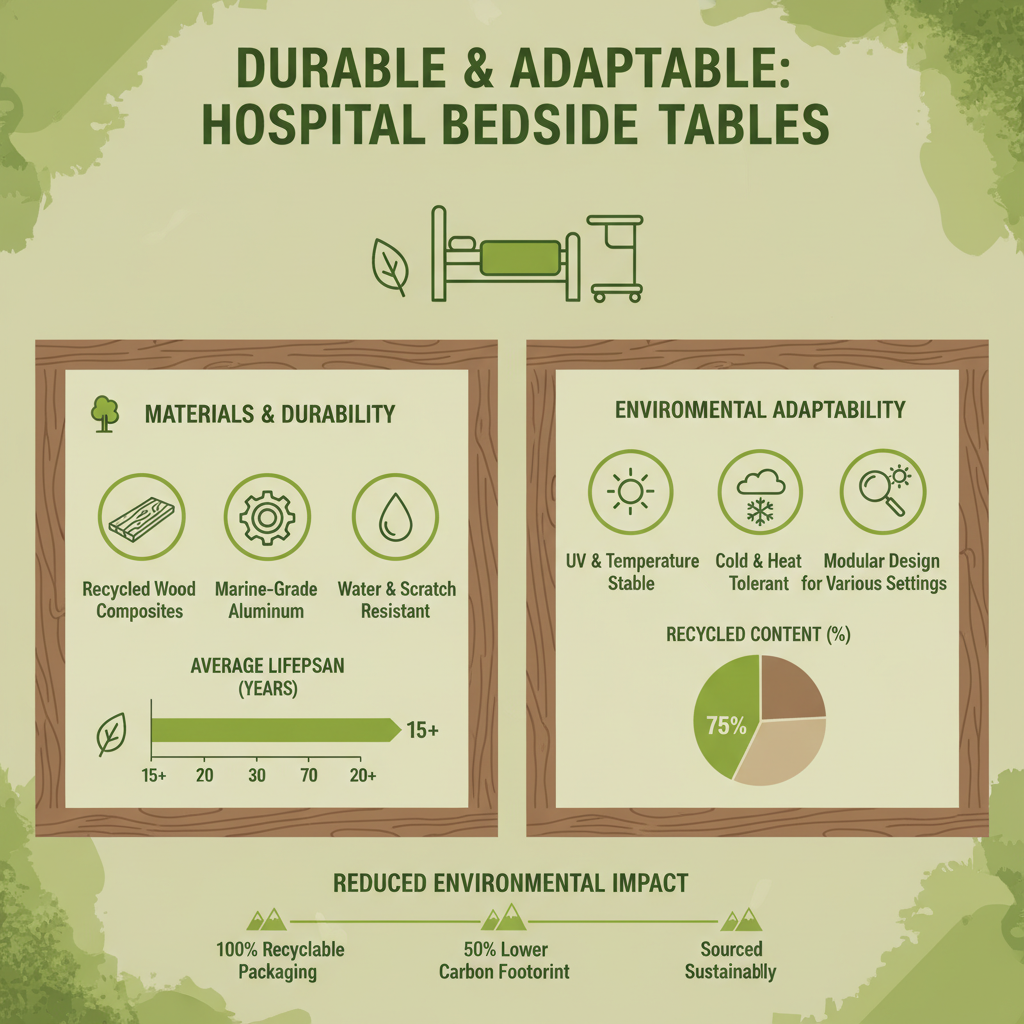
Investing in high-quality bed tables in hospital offers a multitude of advantages. From a cost perspective, durable models reduce the need for frequent replacements, leading to long-term savings. From a sustainability standpoint, durable products lessen the environmental impact associated with manufacturing and disposal.

However, the benefits extend beyond the purely pragmatic. The improved patient experience fostered by a comfortable and functional bed table promotes a sense of dignity and well-being. A well-designed table can also contribute to a safer environment, reducing the risk of falls and injuries. Ultimately, it’s an investment in patient care and staff efficiency.

Future Trends and Innovations

The future of the bed table in hospital is poised for significant innovation. We can expect to see greater integration of technology, such as built-in charging ports for mobile devices, adjustable lighting, and even interactive displays for entertainment and communication.

Furthermore, there is a growing emphasis on antimicrobial materials and designs that facilitate even more thorough cleaning and disinfection. The development of smart bed tables, equipped with sensors to monitor patient vital signs and alert medical staff to potential issues, is also on the horizon.

Challenges and Solutions

Despite their importance, several challenges remain in the realm of bed table in hospital design and implementation. Cost can be a barrier for some healthcare facilities, particularly in resource-constrained settings. Ensuring consistent quality and durability across different manufacturers is also a concern.

To address these challenges, collaborative efforts between manufacturers, healthcare providers, and regulatory bodies are essential. Standardizing design criteria, promoting the use of sustainable materials, and exploring innovative financing models can help to make high-quality bed tables accessible to all.

Finally, prioritizing user feedback – from both patients and healthcare professionals – is crucial for continuous improvement and ensuring that bed tables truly meet the needs of the modern healthcare environment.

Key Comparison of Bed Table in Hospital Features

Material Quality Adjustability Range Cleaning Efficiency Price Point (1-10)
Stainless Steel 60-90 Degrees Excellent 8
Laminate 45-75 Degrees Good 6
ABS Plastic 30-60 Degrees Fair 4
Aluminum Alloy 70-100 Degrees Very Good 7
Powder-Coated Steel 50-80 Degrees Good 5
High-Density Polyethylene 40-65 Degrees Average 3

FAQS

What are the key features to look for when purchasing a bed table in hospital?

When selecting a bed table in hospital, prioritize adjustability (height and tilt), stability, ease of cleaning and disinfection, and the quality of materials. Consider features like locking mechanisms to prevent accidental movement, smooth surfaces for hygiene, and a weight capacity suitable for the intended use. Also, look for models that meet relevant safety standards and certifications, ensuring patient and staff safety.

How often should hospital bed tables be cleaned and disinfected?

Hospital bed tables should be cleaned and disinfected after each patient use, and at least daily as part of routine environmental cleaning protocols. Use hospital-grade disinfectants that are effective against common healthcare-associated pathogens. Pay particular attention to surfaces that patients frequently touch, such as the tabletop and any adjustment controls. Adhering to strict cleaning schedules is crucial for preventing the spread of infection.

What is the typical lifespan of a bed table in hospital?

The lifespan of a bed table in hospital varies depending on the quality of construction, frequency of use, and maintenance practices. High-quality models made from durable materials like stainless steel can last for 5-10 years or even longer with proper care. Regular inspections and timely repairs can extend the lifespan, while cheaper models may require replacement more frequently.

Are there weight limits for items placed on a bed table in hospital?

Yes, all bed tables in hospital have a specified weight limit, which should be clearly indicated by the manufacturer. Exceeding this limit can compromise the table's stability and potentially lead to accidents. It's essential to avoid placing heavy objects or equipment on the table that exceed its capacity. Consider the intended use and weight of items when choosing a bed table.

What are some ways to ensure a bed table is safe for patients with limited mobility?

To ensure safety for patients with limited mobility, choose a bed table with secure locking mechanisms to prevent accidental movement. The table should be adjustable to the appropriate height for the patient, minimizing strain and discomfort. Rounded edges and a smooth surface can help prevent injuries. Always ensure the table is positioned within the patient's reach without requiring excessive stretching.

Are there environmentally friendly options for bed tables in hospital?

Yes, there's a growing trend towards environmentally friendly options. Look for bed tables made from recycled materials or sustainable resources. Manufacturers are also incorporating eco-friendly manufacturing processes to reduce their environmental impact. Choosing durable products that last longer also contributes to sustainability by reducing waste and the need for frequent replacements.

Conclusion

In conclusion, the bed table in hospital, though often an understated component of the healthcare environment, plays a vital role in patient care, staff efficiency, and overall hospital functionality. Its significance extends beyond its simple purpose, encompassing patient comfort, safety, and dignity. A thoughtful approach to design, material selection, and implementation can yield substantial long-term benefits.

As healthcare continues to evolve, driven by technological advancements and a growing emphasis on patient-centered care, the bed table in hospital will undoubtedly undergo further innovation. Investing in high-quality, adaptable, and sustainable models will be crucial for meeting the evolving needs of healthcare facilities and improving the lives of patients and caregivers alike. Visit our website to explore a range of solutions tailored to your specific needs: bed table in hospital.


Robert Chen

Robert Chen

Robert Chen serves as Boxin's Quality Assurance Manager, overseeing all aspects of product quality and regulatory compliance. Holding a Bachelor’s degree in Biomedical Engineering and certified in ISO 13485, Robert ensures that all products meet the stringent requirements of international standards, including CE (MDR) certification. He is responsible for the
Previous Optimizing Patient Care with the Modern Bedside Table in Hospital
Next Optimizing Patient Care with the Essential Hospital Over the Bed Table