Selecting the right hospital chairs for patients is a critical decision that directly impacts patient recovery rates, safety, and the overall efficiency of healthcare delivery. In a modern clinical environment, a chair is not merely a piece of furniture but a specialized medical tool designed to support physiological needs while preventing secondary complications like pressure sores or muscle atrophy.
Globally, the demand for high-quality patient seating has surged as healthcare systems shift toward patient-centric care and geriatric medicine. By integrating ergonomic engineering with medical-grade materials, these chairs facilitate easier transfers, improve posture during treatment, and provide essential comfort to those enduring long-term hospitalization or intensive outpatient procedures.
Understanding the nuances of patient seating—from manual commode chairs to luxury ICU recliners—allows facility managers and procurement officers to optimize their space and resources. Investing in professional-grade hospital chairs for patients ensures that dignity is preserved and the burden on nursing staff is significantly reduced through better mobility and stability.
Global Context of Patient Seating Solutions
The global healthcare landscape is currently facing an unprecedented challenge: an aging population coupled with a rise in chronic respiratory and cardiovascular diseases. According to data trends aligned with ISO medical device standards, the necessity for specialized hospital chairs for patients has evolved from simple support to active therapeutic intervention. In many developed nations, the transition from bed-bound recovery to early mobilization is now a clinical mandate to reduce deep vein thrombosis (DVT) and pneumonia.
However, many facilities still struggle with outdated equipment that does not meet modern ergonomic or hygiene standards. This gap leads to increased caregiver burnout and higher risks of patient falls. By implementing standardized, high-stability seating solutions, hospitals can bridge the gap between intensive care and full rehabilitation, ensuring a seamless transition that prioritizes patient safety and operational flow.
Defining Specialized Hospital Chairs for Patients
In professional medical terms, hospital chairs for patients are engineered seating systems designed to accommodate individuals with limited mobility, acute injuries, or chronic health conditions. Unlike standard commercial furniture, these chairs are constructed from non-porous, antimicrobial materials that can withstand rigorous chemical sterilization protocols without degrading.
These solutions encompass a wide spectrum of functionality, ranging from basic waiting area seating to complex multifunctional chairs that integrate commode features, shower capabilities, and adjustable reclining angles. The primary goal is to provide a stable environment that supports the spine and pelvis while allowing medical staff easy access to the patient for examinations or emergency interventions.
From a humanitarian perspective, the design of these chairs focuses on preserving the dignity of the patient. By providing a secure way to sit up, eat, or move between rooms, these chairs reduce the psychological feeling of helplessness often associated with long-term bed rest, contributing positively to the patient's mental health and recovery speed.
Core Components of High-Performance Medical Chairs
Durability is the cornerstone of any professional-grade hospital chairs for patients. Using reinforced steel frames and heavy-duty castors, these chairs are built to support diverse weight capacities while remaining maneuverable. The integration of high-density foam and pressure-relieving fabrics prevents skin breakdown, which is critical for patients with limited sensation.
Ergonomic adjustability is another vital factor. Modern patient chairs often feature adjustable height, tilt-in-space mechanisms, and removable armrests. These features allow caregivers to customize the seating position to assist with breathing, digestion, or the safe transfer of the patient from a hospital bed to a chair, minimizing the risk of musculoskeletal injuries for the staff.
Hygiene and infection control are non-negotiable in a clinical setting. The use of seamless welding and medical-grade vinyl ensures that fluids cannot seep into the frame or upholstery. This scalability in design allows the same chair model to be used across various departments, from the emergency room to the long-term care wing, maintaining a consistent standard of cleanliness.
Practical Applications Across Clinical Departments
The application of hospital chairs for patients varies significantly depending on the clinical objective. In dialysis centers, chairs are designed for long-duration comfort with full reclining capabilities to manage hypotension. In contrast, in outpatient clinics, the focus shifts to ease of ingress and egress, ensuring that elderly patients can sit and stand with minimal effort.
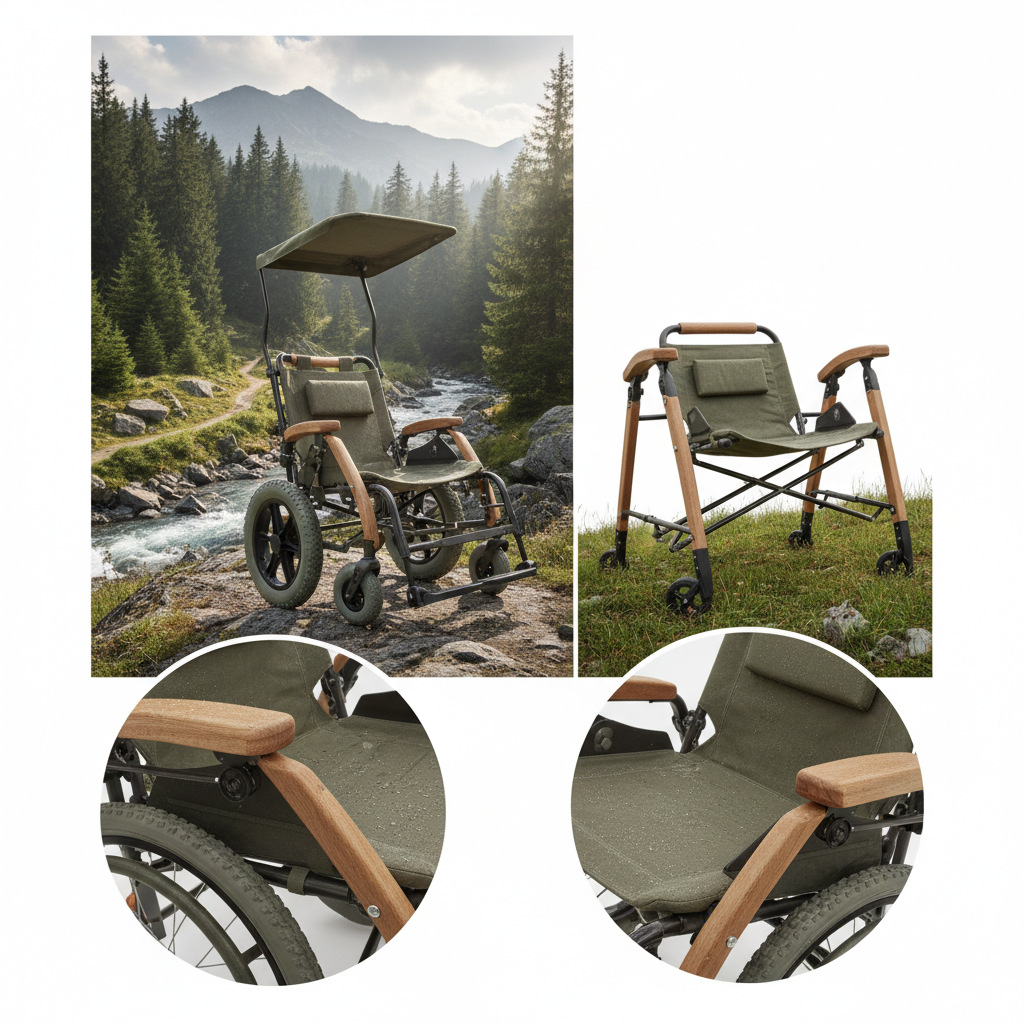
Beyond traditional hospitals, these solutions are indispensable in post-disaster relief operations and remote field clinics. In these high-stress environments, portable and foldable patient chairs allow medical teams to triage patients quickly and provide stable seating for those awaiting transport, proving that reliability in furniture can be a lifesaver in crisis management.
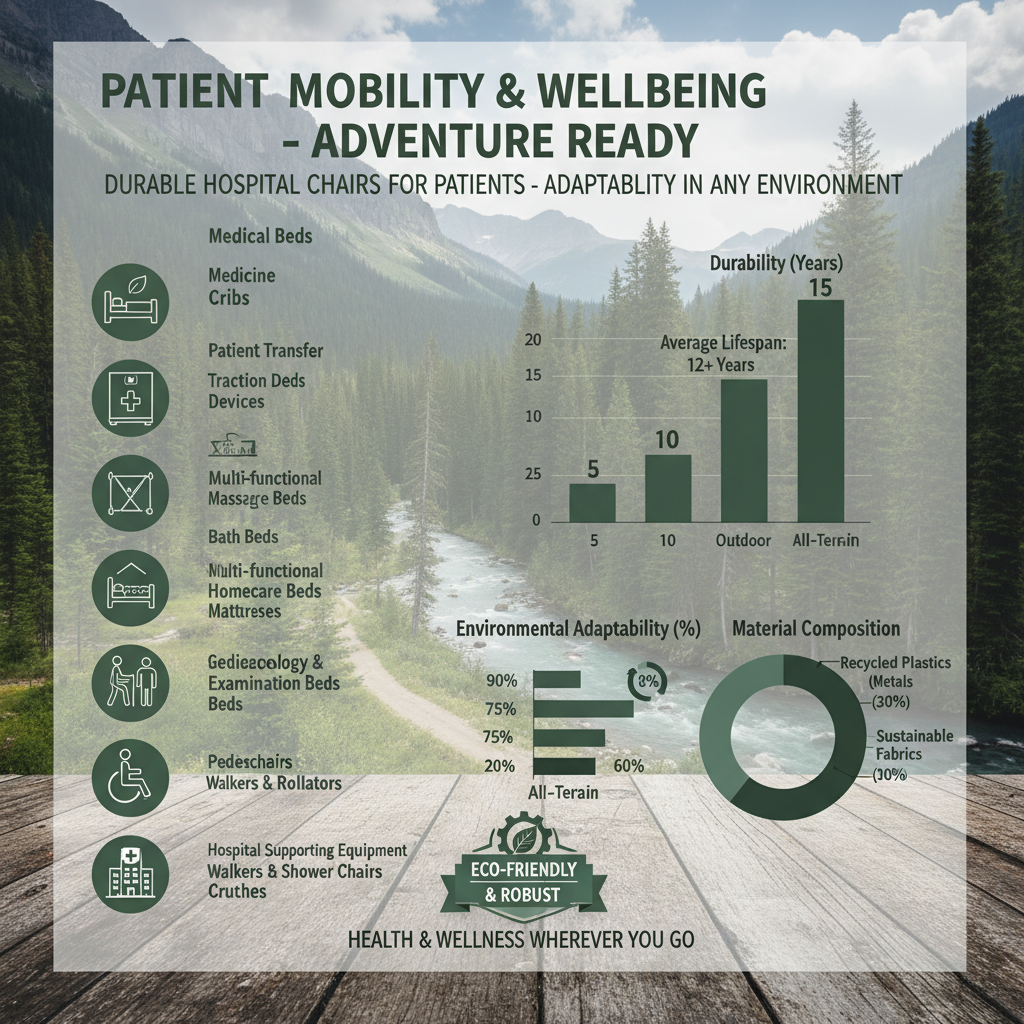
Comparison of Patient Seating Efficiency by Type
Long-Term Value and Clinical Advantages
Investing in high-quality hospital chairs for patients delivers tangible economic and clinical returns. By reducing the incidence of pressure ulcers and falls, hospitals can significantly lower the cost of extended care and avoid potential litigation. Furthermore, the use of durable materials ensures a longer product lifecycle, reducing the frequency of replacements and minimizing medical waste.
From a social and emotional perspective, the right chair restores a sense of autonomy to the patient. Being able to sit up for a meal or a conversation with family members provides a psychological boost that is often overlooked but essential for holistic healing. This blend of safety, innovation, and trust creates a therapeutic environment that empowers patients and supports the professional goals of the healthcare team.
Future Trends in Ergonomic Patient Furniture
The future of hospital chairs for patients is being shaped by digital transformation and sustainable materials. We are seeing the emergence of "smart chairs" integrated with pressure-sensing technology that alerts nurses when a patient has been in one position for too long, automatically suggesting a tilt or shift to prevent bedsores.
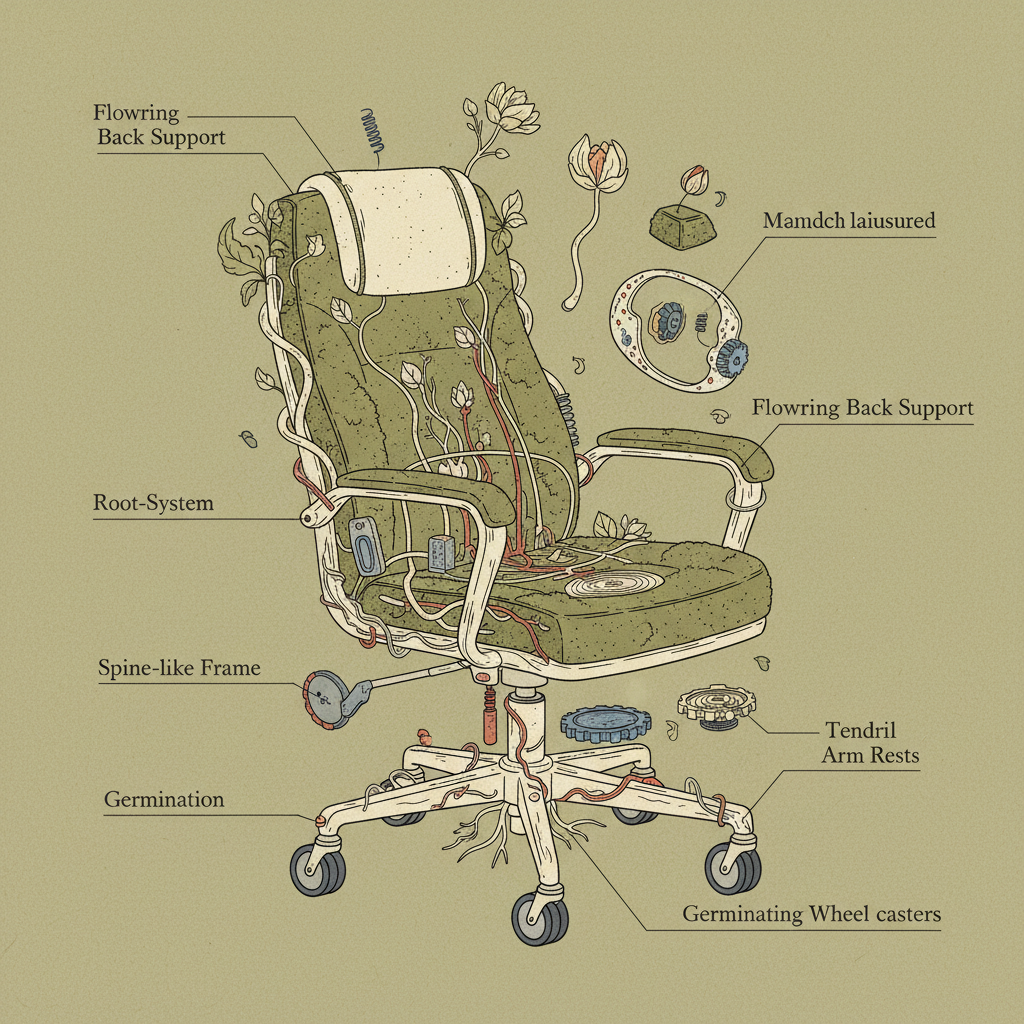
Sustainability is also becoming a primary driver. Manufacturers are moving toward biodegradable polymers and recycled aluminum for frames, aligning with global green energy policies. These eco-friendly materials do not compromise strength but significantly reduce the carbon footprint of medical furniture production.
Automation is further refining the patient experience. Power-assisted lift mechanisms are being refined to allow patients with minimal strength to transition from sitting to standing independently, leveraging lightweight actuators and intuitive controls to enhance mobility and reduce dependence on caregivers.
Overcoming Challenges in Seating Implementation
One of the most common challenges in implementing hospital chairs for patients is the lack of standardization across different facility wings. Often, chairs are purchased based on the lowest cost rather than clinical fit, leading to equipment that is either too bulky for narrow hallways or insufficient for bariatric patients.
To overcome this, procurement experts suggest a "tiered seating strategy" where furniture is selected based on specific patient acuity levels. By categorizing needs into mobility-assisted, therapeutic-support, and basic-comfort tiers, hospitals can ensure that the right tool is available for the right patient at the right time.
Additionally, staff training is often neglected. Even the most advanced chair is ineffective if the nursing staff is not trained on the safe operation of its reclining or lifting mechanisms. Implementing mandatory certification for equipment use ensures that the technology is used to its full potential while maintaining strict safety standards.
Analysis of Patient Seating Solutions by Clinical Need
| Chair Category |
Primary Clinical Goal |
Key Material Feature |
Stability Rating (1-10) |
| Commode/Shower Chair |
Hygiene & Sanitation |
Waterproof PVC/Steel |
9 |
| Reclining Patient Chair |
Long-term Comfort |
High-Density Foam |
8 |
| Bariatric Support Chair |
Weight Distribution |
Reinforced Alloy Frame |
10 |
| Transfer/Wheel Chair |
Rapid Mobility |
Anti-static Castors |
7 |
| Outpatient Waiting Chair |
Short-term Stability |
Easy-clean Vinyl |
6 |
| ICU Multifunction Chair |
Critical Care Support |
Antimicrobial Fabric |
10 |
FAQS
Medical-grade chairs are engineered with infection control as a priority, using non-porous, antimicrobial materials that can withstand harsh chemical disinfectants. They also feature ergonomic supports designed to prevent pressure sores and include safety mechanisms like locking castors and reinforced frames to accommodate patients with varying levels of mobility and weight, which standard chairs lack.
When selecting for bariatric patients, focus on the "Weight Capacity" and "Frame Reinforcement" specifications. Look for chairs with wider seating areas, reinforced steel or alloy frames, and high-stability bases. It is essential to ensure the chair's center of gravity is low to prevent tipping and that the armrests are sturdy enough to support the patient during standing transitions.
Yes, significantly. Chairs with adjustable heights, tilt-in-space functions, and removable armrests reduce the need for caregivers to bend or lift patients manually. By utilizing the mechanical advantage of these chairs, nurses can facilitate safer transfers, which lowers the risk of lower back strain and other musculoskeletal injuries common in the healthcare profession.
Regular maintenance includes checking the integrity of the castors and brakes, inspecting the upholstery for tears that could harbor bacteria, and lubricating moving joints. It is also critical to use only approved cleaning agents that do not degrade the antimicrobial coating of the vinyl or the structural integrity of the metal frame.
Absolutely. For patients with respiratory distress, chairs that allow for an upright, forward-leaning position or a specific semi-Fowler's angle are preferred. This helps in optimizing lung expansion. Many specialized hospital chairs for patients in ICU settings offer precise angle adjustments to facilitate better breathing and drainage.
Hospitals can look for manufacturers that use recycled aluminum or medical-grade bio-plastics that meet ISO certifications for strength and hygiene. By choosing modular designs where only the upholstery or specific parts can be replaced rather than the entire chair, facilities can reduce waste while maintaining the highest standards of patient care.
Conclusion
In summary, the strategic implementation of hospital chairs for patients is a vital component of modern healthcare infrastructure. By balancing ergonomic precision, material durability, and infection control, these seating solutions do more than provide a place to sit—they actively contribute to patient safety, caregiver wellbeing, and clinical efficiency. From the basic utility of a commode chair to the advanced support of an ICU recliner, the right equipment ensures that the journey toward recovery is supported by stability and dignity.
Looking forward, the integration of smart sensors and sustainable materials will further redefine the role of patient furniture, turning seating into a data-driven tool for preventative care. We encourage healthcare administrators and procurement specialists to prioritize clinical fit and ergonomic standards over short-term cost savings to ensure the best possible outcomes for their patients. For high-quality, medical-grade seating and equipment, visit our website: www.cnboxin.com.