Selecting the right hospital bed suppliers is a critical decision for healthcare administrators and procurement officers worldwide. The bed is not merely a piece of furniture but a sophisticated medical device that directly influences patient recovery rates, pressure sore prevention, and the ergonomic safety of nursing staff. In an era of aging populations and increasing healthcare demands, the synergy between high-quality manufacturing and clinical needs has never been more vital.
Across the global medical landscape, the role of hospital bed suppliers has evolved from simple equipment provision to providing integrated patient-care solutions. From basic 1-function beds for general wards to complex 5-function luxury ICU beds, these suppliers must adhere to stringent ISO and medical-grade standards to ensure safety and reliability. The challenge lies in balancing cutting-edge technological integration with cost-effectiveness and ease of maintenance.
Understanding the nuances of the supply chain allows medical facilities to optimize their operational efficiency and enhance the dignity of patient care. By partnering with reputable hospital bed suppliers, institutions can ensure they have access to the latest innovations in anti-bedsore air mattresses, rehabilitation equipment, and multifunctional home care beds, ultimately leading to better clinical outcomes and reduced long-term healthcare costs.
The Global Significance of Hospital Bed Suppliers
The impact of hospital bed suppliers extends far beyond the walls of a single clinic. According to global health trends, the surge in chronic diseases and an aging demographic have placed unprecedented pressure on healthcare infrastructure. Suppliers are now tasked with providing scalable solutions that can adapt to sudden surges in patient volume, such as during pandemic responses or natural disasters, where rapid deployment of medical beds is a matter of life and death.
Furthermore, the globalization of medical standards ensures that whether a bed is deployed in a high-tech urban center or a remote rural clinic, it meets a baseline of safety and ergonomics. By integrating advanced materials and precision engineering, these suppliers help reduce the physical strain on caregivers, thereby addressing the global shortage of nursing staff by making patient handling more efficient and less hazardous.
Defining the Role of Modern Hospital Bed Suppliers
In simple terms, hospital bed suppliers are specialized manufacturers and distributors that provide the critical infrastructure required for patient immobilization, recovery, and therapeutic intervention. They do not just sell "beds"; they provide medical-grade platforms designed for specific clinical needs, ranging from manual 1-function beds for short-term stays to sophisticated 5-function electric beds for intensive care units (ICU).
The connection to modern humanitarian needs is profound. In many developing regions, the arrival of reliable equipment from certified suppliers transforms the quality of care. By providing affordable yet durable options—such as manual wheelchairs, bedside lockers, and basic hospital beds—these suppliers enable hospitals to provide a dignified recovery environment for patients who would otherwise lack basic support.
Moreover, the modern supplier acts as a consultant. They help facilities determine the optimal mix of equipment, such as pairing a Luxury ICU Hospital Bed with an Anti Bedsore Air Mattress to prevent decubitus ulcers in long-term immobile patients. This holistic approach ensures that the technology matches the patient's clinical pathway, optimizing both recovery time and resource allocation.
Core Components of Quality Bed Procurement
When evaluating hospital bed suppliers, durability is the primary benchmark. A hospital bed must withstand constant cleaning with harsh disinfectants and the mechanical stress of frequent position adjustments. High-grade stainless steel and medical-grade plastics are essential to prevent corrosion and ensure the longevity of the frame and castors.
Scalability and versatility are equally important. Leading suppliers offer a modular range of products—from examination beds and gynecological beds to specialized traction devices. This allows a healthcare facility to standardize its procurement process, ensuring that accessories like side rails, headboards, and footboards are interchangeable across different bed models.
Finally, cost-efficiency must be balanced with clinical efficacy. While high-end 5-function beds offer superior patient positioning, many wards benefit more from a fleet of reliable 2 or 3-function beds. Expert suppliers provide a tiered product strategy, ensuring that the facility maximizes its budget without compromising on the essential safety features required for patient care.
Performance Metrics for Evaluating Suppliers
To ensure a sustainable partnership, healthcare providers use specific performance metrics to compare different hospital bed suppliers. These metrics typically include the "Mean Time Between Failures" (MTBF) for electric actuators, the ease of sterilization of the mattress materials, and the responsiveness of the after-sales technical support team.
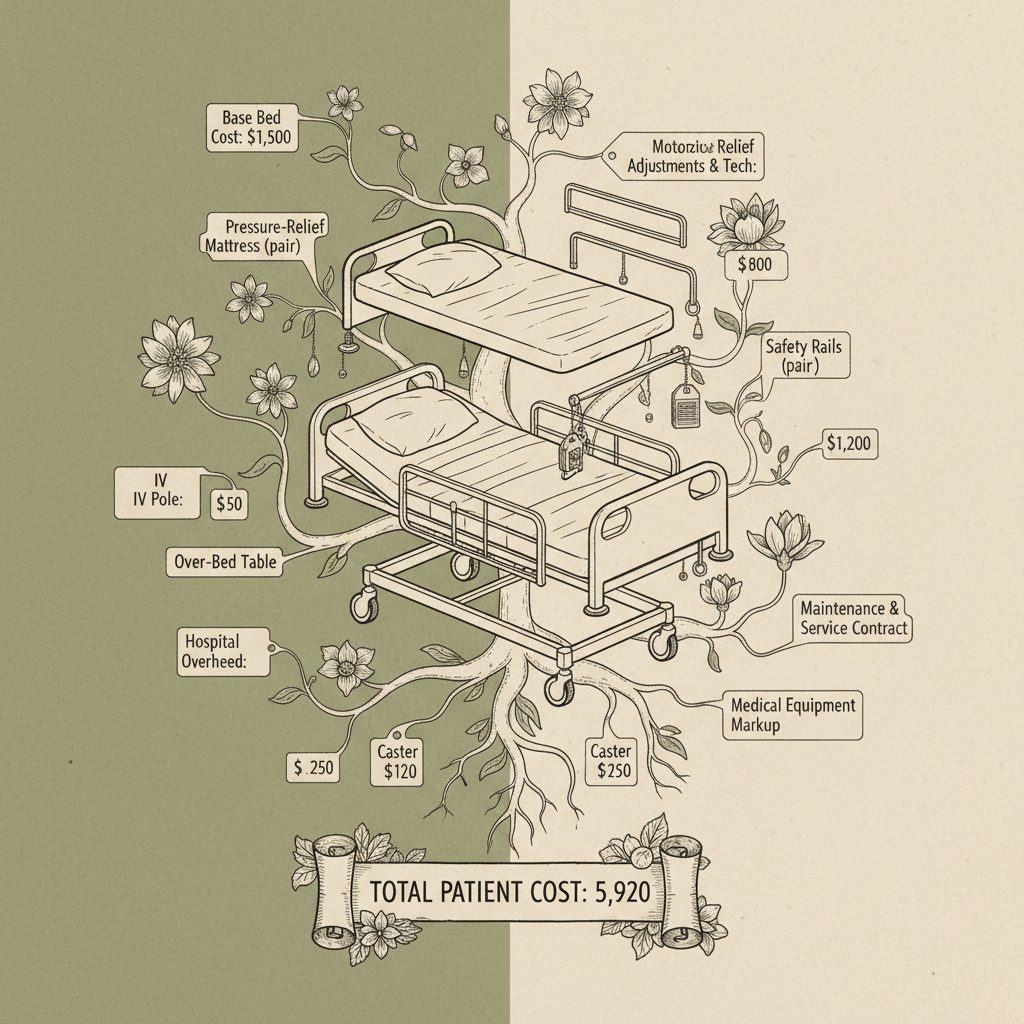
By quantifying these factors, hospitals can move away from simply choosing the lowest bidder and instead focus on the "Total Cost of Ownership." This includes the initial purchase price, the cost of replacement parts like castors or side rails, and the impact of bed downtime on patient throughput.
Comparative Performance Ratings of Hospital Bed Suppliers Methods
Global Applications and Specialized Use Cases
The application of products from hospital bed suppliers varies significantly by environment. In acute care hospitals, the focus is on rapid patient transfer and high-functionality beds that allow for precise Trendelenburg and reverse Trendelenburg positioning. In contrast, long-term care facilities prioritize anti-bedsore air mattresses and bedside lockers to create a more home-like yet clinical environment for elderly patients.
In post-disaster relief operations, the need shifts toward portability and rapid assembly. Suppliers provide lightweight stretchers, portable dining tables, and manual wheelchairs that can be shipped in bulk and deployed in temporary field hospitals. These scenarios highlight the importance of suppliers who can provide a comprehensive ecosystem of "Supporting Hospital Equipment Series" rather than just standalone products.
Long-term Value and Patient Safety Advantages
The long-term value provided by premium hospital bed suppliers is measured in patient outcomes. For instance, the use of high-quality patient transfer devices and proper side rails significantly reduces the incidence of patient falls, which are a major cause of hospital-acquired injuries and increased insurance liabilities for healthcare providers.
From an emotional perspective, the quality of the bed affects the dignity of the patient. A bed that allows a patient to sit up independently using a 3-function mechanism restores a sense of autonomy. When combined with an ergonomic mattress and clean, modern aesthetics, the environment shifts from one of "sickness" to one of "healing," which is clinically proven to lower patient stress and accelerate recovery.
Furthermore, the integration of ergonomic designs for caregivers—such as height-adjustable beds—prevents chronic back injuries among nurses. This creates a sustainable workplace environment, reducing staff turnover and ensuring that the quality of care remains consistent over time.
Future Innovations in Hospital Bed Technology
The next generation of products from hospital bed suppliers is leaning heavily toward digital transformation and "Smart Beds." We are seeing the integration of embedded sensors that monitor patient weight, respiratory rate, and movement patterns in real-time. This data is fed directly into the hospital's Electronic Health Record (EHR) system, allowing for proactive intervention before a patient develops a pressure ulcer or attempts to leave the bed unsafely.
Sustainability is also becoming a core driver. Future manufacturing will focus on recyclable medical-grade polymers and energy-efficient actuators for electric beds. The shift toward "Green Hospitals" means that suppliers are now being evaluated on the carbon footprint of their logistics and the end-of-life recyclability of their stainless steel components.
Additionally, the rise of home-based healthcare is driving the demand for "Multifunctional Home Care Nursing Beds" that blend medical efficacy with home furniture aesthetics. This trend allows patients to recover in the comfort of their homes without sacrificing the safety and positioning capabilities of a professional hospital bed.
Comparison of Bed Technology Tiers and Clinical Application
|
Bed Type / Tier
|
Primary Functionality
|
Clinical Use Case
|
Safety Rating (1-10)
|
| Manual 1-Function |
Basic Backrest Adjustment |
General Wards / Short Stay |
7.2 |
| Electric 3-Function |
Height, Back, and Knee Adj. |
Medical-Surgical Units |
8.5 |
| Luxury ICU 5-Function |
Full Positioning + Trendelenburg |
Intensive Care / Critical Care |
9.8 |
| Home Care Nursing Bed |
Comfort-focused Electric Adj. |
Long-term Home Recovery |
8.0 |
| Examination Bed |
Fixed Surface / Basic Tilt |
Outpatient Clinics |
7.5 |
| Operating Bed |
Multi-axis Surgical Positioning |
Operating Theater |
9.5 |
FAQS
The choice depends on the patient's clinical needs. A 3-function bed (usually adjusting height, backrest, and knee) is sufficient for general recovery. A 5-function bed adds Trendelenburg and reverse Trendelenburg positions, which are essential for ICU patients to manage blood pressure, treat shock, or facilitate specific surgical recoveries. Consult your medical staff to determine if these specialized angles are required for your patient demographic.
You should prioritize suppliers with ISO 13485 (Medical Devices Quality Management) and CE or FDA certification. These ensure that the beds are manufactured under strict safety guidelines, using biocompatible materials and fail-safe electronic components. Additionally, check if the supplier provides warranty documentation for their electric actuators and structural frames to ensure long-term reliability.
While most air mattresses are designed to fit standard hospital bed frames, compatibility can vary based on the bed's dimensions and the type of side rails used. Reputable suppliers typically offer bundled solutions where the mattress is specifically tailored to the bed's contours. Always verify the mattress dimensions and the pressure-relief mechanism (static vs. alternating pressure) to ensure it matches the patient's risk level.
Focus on "Total Cost of Ownership" rather than the initial purchase price. Choose suppliers who offer standardized parts (like universal castors and side rails) to simplify maintenance. Investing in higher-grade materials initially reduces the frequency of replacements. Additionally, purchasing "Supporting Hospital Equipment Series" from a single supplier can often lead to volume discounts and streamlined after-sales service.
A standard hospital bed is designed for acute clinical environments with a focus on rapid adjustment and high-intensity use. A nursing bed (or home care bed) is designed for long-term use, often featuring a more aesthetic "home-like" design while maintaining essential medical functions like height adjustment and backrest elevation. Nursing beds prioritize comfort and integration into a residential bedroom environment.
Partner with suppliers who have experience in international logistics and provide comprehensive documentation, including Certificates of Origin and Packing Lists. Many professional suppliers offer DDP (Delivered Duty Paid) shipping options, handling the customs clearance and taxes on your behalf. Ensure that the shipping crates are medical-grade and moisture-proof to prevent damage during sea freight.
Conclusion
Selecting the right hospital bed suppliers is a strategic investment that bridges the gap between medical technology and patient wellbeing. By focusing on durability, clinical functionality, and the total cost of ownership, healthcare providers can ensure a safe, dignified, and efficient recovery environment. From the basic utility of manual beds to the high-tech capabilities of Luxury ICU beds and smart mattresses, the quality of these tools directly impacts the efficiency of caregivers and the recovery speed of patients.
As the industry moves toward smart integration and sustainable manufacturing, the role of the supplier will shift further toward being a partner in healthcare innovation. We recommend that facilities conduct thorough audits of supplier certifications and prioritize those who offer a holistic ecosystem of supporting equipment. For high-quality, reliable medical furniture and hospital bed solutions, we invite you to explore our professional range. Visit our website: www.cnboxin.com