Hospital waiting chairs are more than just seating; they’re a critical component of the patient experience and operational efficiency within healthcare facilities. Globally, hospitals and clinics are constantly seeking ways to optimize patient flow, reduce stress, and maintain hygiene standards. Effective hospital waiting chair solutions contribute directly to these goals, enhancing the overall quality of care and reflecting positively on the institution’s commitment to patient well-being. The demand for durable, comfortable, and easily sanitized waiting chairs is consistently high, driving innovation in materials, design, and functionality.
The healthcare industry faces ongoing challenges related to capacity, infection control, and patient comfort. A well-designed waiting area, equipped with appropriate hospital waiting chair options, can mitigate these challenges. The growing aging population worldwide further amplifies the need for accessible and ergonomic seating solutions within healthcare settings. Data from the World Health Organization (WHO) highlights the increasing prevalence of chronic diseases requiring frequent medical attention, leading to higher patient volumes and prolonged waiting times – underlining the necessity for comfortable and supportive waiting areas.
Investing in quality hospital waiting chairs isn’t merely about aesthetics; it's an investment in patient satisfaction, staff productivity, and overall institutional reputation. Choosing the right chairs addresses practical needs like durability and hygiene while simultaneously contributing to a more welcoming and reassuring environment for individuals already experiencing stress or anxiety related to their health. This underscores the growing importance of holistic healthcare design principles.
Introduction to Hospital Waiting Chairs
Hospital waiting chairs play a vital, often underestimated, role in the healthcare ecosystem. They aren’t simply furniture; they represent a point of contact – often the first impression – a patient has with a medical facility. A comfortable and well-maintained waiting area can significantly reduce patient anxiety and create a more positive healthcare experience. Selecting the appropriate hospital waiting chair goes beyond aesthetics; it's about functionality, durability, and adherence to stringent hygiene standards.
The design and implementation of effective waiting areas, centered around the selection of high-quality hospital waiting chair options, requires a careful consideration of various factors, including patient demographics, waiting times, space constraints, and the overall facility aesthetic. Innovations in materials and design are constantly emerging to address these needs and improve the patient experience.
Defining Hospital Waiting Chairs
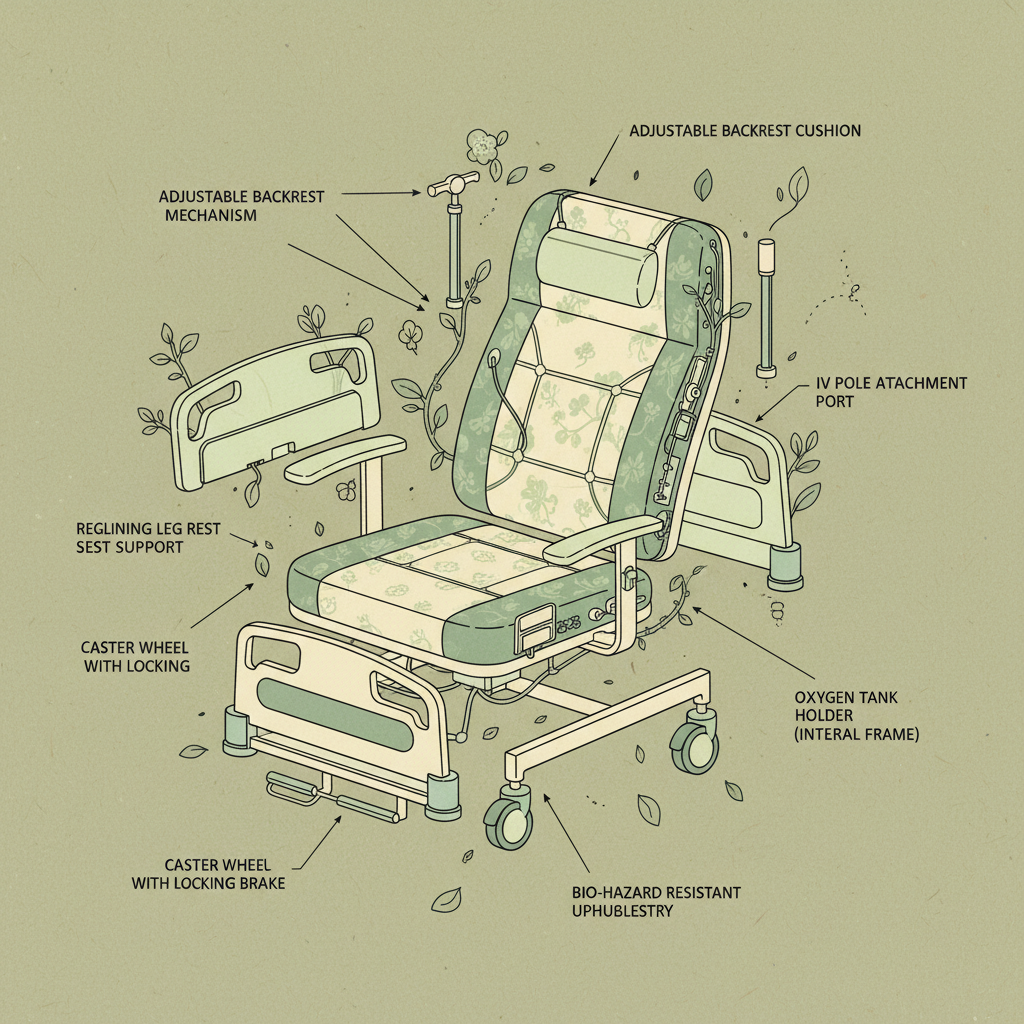
A hospital waiting chair is specifically designed seating intended for use in healthcare facilities – hospitals, clinics, doctor’s offices, and rehabilitation centers – to accommodate patients, visitors, and accompanying individuals awaiting medical attention or consultation. Unlike standard public seating, hospital waiting chairs prioritize features such as durability, ease of cleaning, infection control, and patient comfort, often incorporating ergonomic designs to support individuals with mobility limitations or medical conditions.
These chairs represent a bridge between functional necessity and patient-centered care. In a modern healthcare setting, they're an integral part of creating a calming and supportive environment. The evolution of these chairs reflects advancements in material science, infection control protocols, and a growing understanding of the psychological impact of waiting areas on patient well-being.
The connection to modern industry stems from a demand for specialized furniture that meets the unique requirements of the healthcare environment. This has led to collaborations between furniture manufacturers, healthcare professionals, and designers to develop seating solutions that are both practical and aesthetically pleasing, offering significant benefits to both patients and healthcare providers.
Key Factors in Hospital Waiting Chair Selection
Selecting the right hospital waiting chair requires considering several key factors. First and foremost is Durability. Hospital chairs endure high traffic and frequent use, demanding robust construction using high-quality materials like steel frames and antimicrobial upholstery. Secondly, Hygiene & Infection Control is crucial; chairs must be easily cleanable and resistant to the spread of germs and bacteria, often incorporating antimicrobial coatings.
Comfort & Ergonomics are paramount to minimize patient discomfort during potentially long wait times. Ergonomic designs that support proper posture and offer adequate cushioning are essential. Accessibility is another vital consideration, ensuring chairs accommodate individuals with disabilities, including those using wheelchairs or walkers, adhering to ADA guidelines.
Finally, Aesthetics & Design play a role in creating a welcoming and calming environment. The chair’s style and color should complement the overall interior design of the waiting area, contributing to a positive patient experience. Cost-Effectiveness must also be considered, balancing quality and features with budgetary constraints.
Global Applications and Use Cases
Hospital waiting chairs are ubiquitous in healthcare facilities worldwide. In North America and Europe, hospitals prioritize ergonomic designs and antimicrobial materials due to stringent healthcare regulations and a focus on patient comfort. In developing countries, the focus often shifts toward affordability and durability, with simpler designs made from robust materials to withstand heavy use and limited maintenance.
These chairs are found not only in traditional hospital waiting rooms but also in specialized areas like oncology centers, dialysis clinics, and rehabilitation facilities. In remote areas with limited access to healthcare, mobile clinics utilize portable hospital waiting chair options to provide temporary seating during outreach programs. They are also increasingly common in urgent care centers and private medical practices.
In post-disaster relief operations, temporary healthcare facilities often rely on quickly deployable seating solutions, including lightweight and stackable hospital waiting chairs, to provide basic comfort for those seeking medical assistance. Across the globe, architects and healthcare administrators recognize the value of thoughtfully selected waiting room furniture in fostering a healing environment.
Hospital Waiting Chair Feature Importance Ratings
Advantages and Long-Term Value
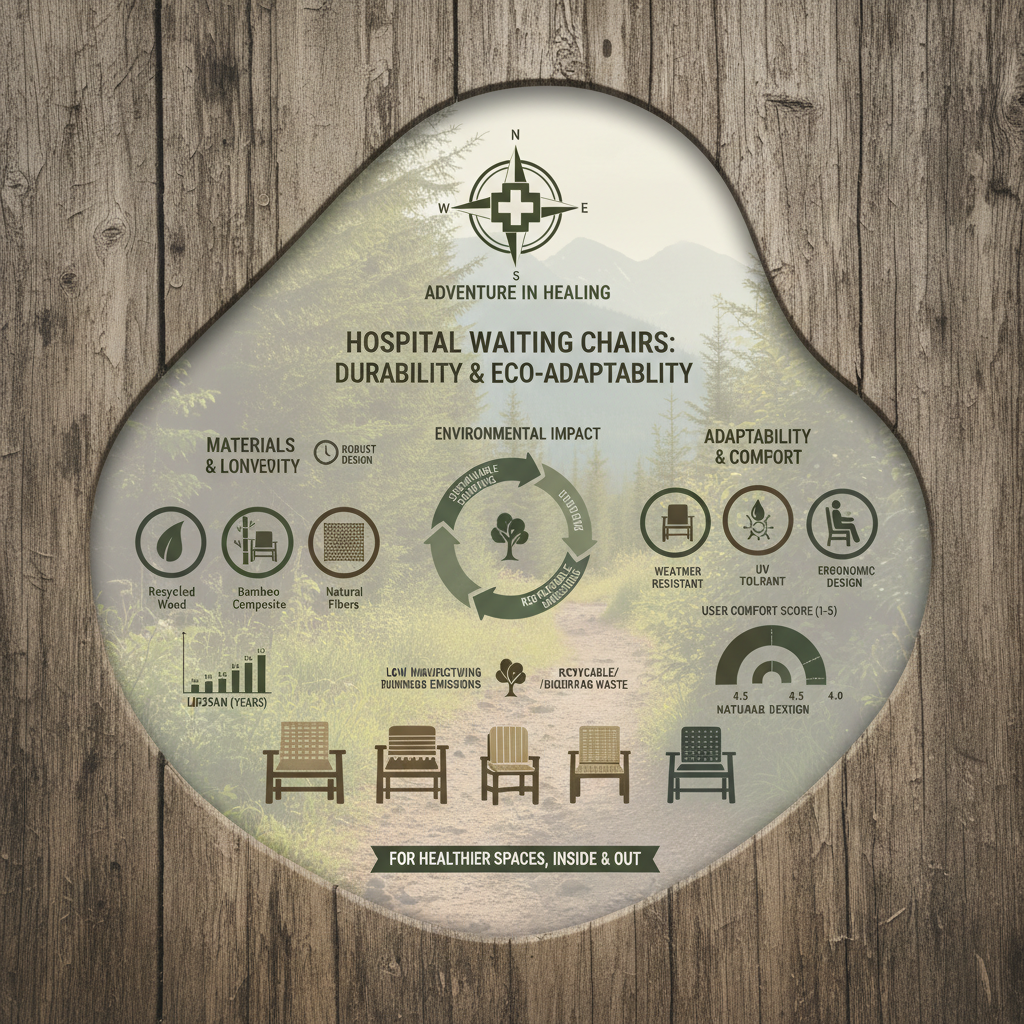
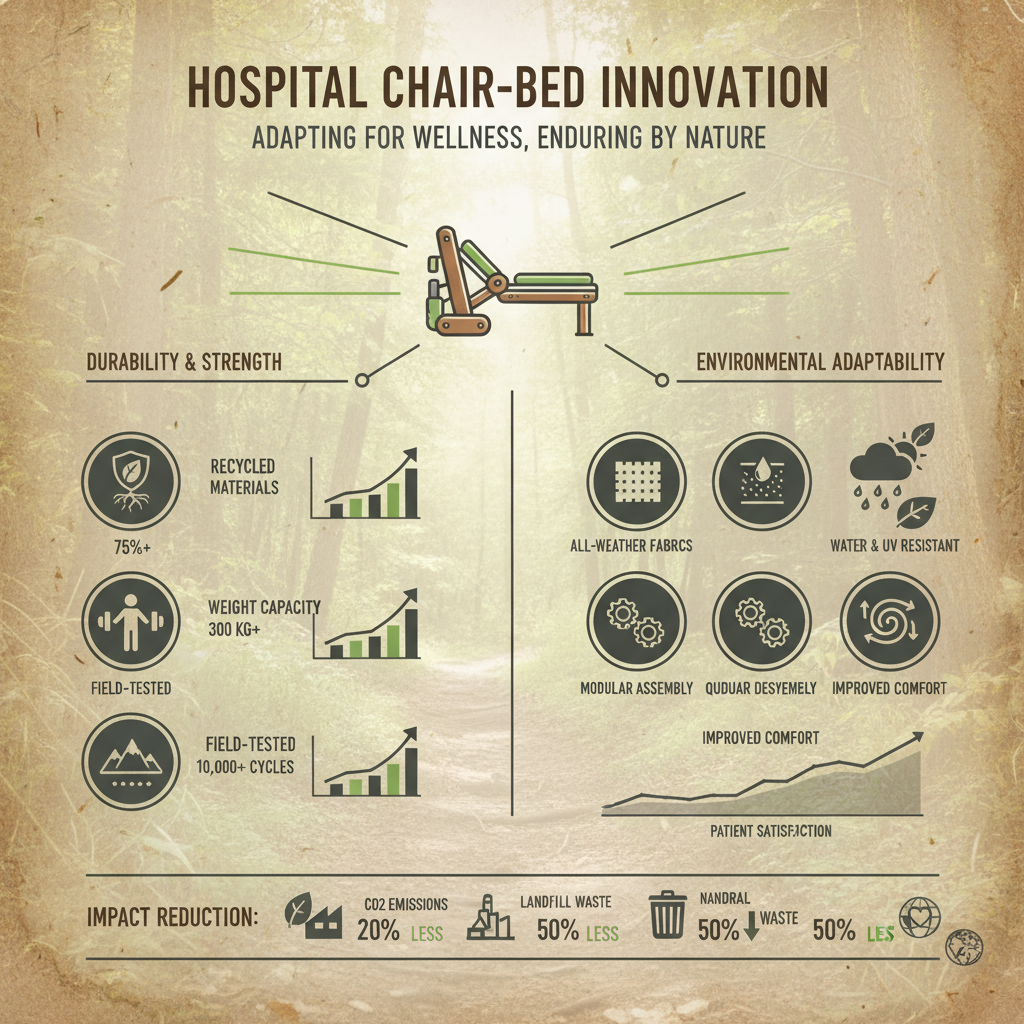
The benefits of investing in quality hospital waiting chairs extend far beyond initial cost. Tangible benefits include reduced maintenance costs due to durable materials, improved infection control leading to fewer healthcare-associated infections, and increased patient satisfaction resulting in a more positive brand reputation. Sustainability is also a factor, with many manufacturers offering chairs made from recycled materials.
The long-term value lies in creating a more welcoming and supportive environment for patients and visitors. Comfortable and accessible seating promotes a sense of dignity and respect, reducing anxiety and stress. This ultimately fosters trust in the healthcare provider and enhances the overall patient experience. Furthermore, optimized waiting areas can improve staff efficiency by reducing patient complaints and facilitating smoother traffic flow.
Future Trends and Innovations
The future of hospital waiting chair design is poised for innovation. We’re seeing a growing trend towards smart furniture incorporating features like integrated charging ports, antimicrobial UV-C sanitization technology, and adjustable ergonomic supports. Sustainable materials, such as recycled plastics and bio-based polymers, are gaining traction as manufacturers prioritize environmental responsibility.
Digital integration is also emerging, with potential for chairs equipped with sensors to monitor occupancy levels and provide real-time data for space management. Furthermore, advancements in virtual reality and augmented reality could lead to the development of immersive waiting experiences designed to distract and soothe patients during longer waits.
Challenges and Solutions
Common challenges associated with hospital waiting chairs include balancing cost with quality, addressing the diverse needs of patients with varying mobility levels, and maintaining stringent hygiene standards. Another challenge is minimizing noise levels within waiting areas.
Solutions involve collaborating with specialized furniture manufacturers who understand the unique demands of healthcare environments. Implementing modular seating systems allows for flexible configurations to accommodate different patient volumes and accessibility requirements. Utilizing sound-absorbing materials in upholstery and flooring can mitigate noise pollution. Regular cleaning and disinfection protocols, coupled with antimicrobial chair materials, are essential for infection control.
Finally, proactive maintenance programs can extend the lifespan of chairs and reduce long-term costs, ensuring that healthcare facilities continue to provide comfortable and safe waiting areas for their patients.
Summary of Key Considerations for Hospital Waiting Chair Maintenance
| Maintenance Frequency |
Cleaning Protocols |
Inspection Focus Areas |
Repair/Replacement Indicators |
| Daily |
Surface Disinfection with approved healthcare-grade cleaners |
Upholstery integrity, frame stability |
Visible stains, minor tears, loose screws |
| Weekly |
Deep cleaning of seams and crevices |
Armrests, legs, and base for wear and tear |
Wobbly legs, damaged armrests, significant upholstery damage |
| Monthly |
Antimicrobial treatment application (if applicable) |
Hardware tightness, overall structural integrity |
Broken frames, irreversible upholstery damage, safety hazards |
| Quarterly |
Professional upholstery cleaning |
Detailed inspection of all components |
Recurring issues, significant deterioration of materials |
| Annually |
Comprehensive assessment of chair condition |
Evaluation of overall chair performance |
End of life assessment and potential replacement planning |
| As Needed |
Immediate cleaning for spills or contamination |
Addressing any reported issues or damages |
Prompt repair or replacement to ensure patient safety and comfort |
FAQS
For optimal infection control, hospital waiting chairs should feature upholstery made from materials like vinyl or polyurethane, as they are non-porous and easily disinfected. Antimicrobial treatments can also be applied to these materials to further inhibit the growth of bacteria and viruses. Avoid fabrics that are difficult to clean and prone to absorbing fluids. Proper and frequent cleaning with healthcare-grade disinfectants is crucial regardless of the material chosen.
Ergonomics is extremely important in hospital waiting chair design. Patients often experience prolonged waiting times and may be dealing with pre-existing conditions or pain. Chairs should provide adequate lumbar support, comfortable cushioning, and appropriate seat height to promote good posture and minimize discomfort. Consideration should also be given to armrests and the ease of getting in and out of the chair for individuals with mobility limitations.
Yes, the Americans with Disabilities Act (ADA) provides guidelines for accessible seating in healthcare facilities. These guidelines cover aspects such as seat height, armrest height, clear floor space, and the provision of accessible chairs for individuals using wheelchairs. It's crucial to ensure that a sufficient number of chairs meet ADA requirements to accommodate patients with disabilities.
A high-quality hospital waiting chair, with proper maintenance, typically has a lifespan of 5-10 years. However, this can vary depending on the frequency of use, the quality of materials, and the effectiveness of cleaning and maintenance protocols. Regular inspections and prompt repairs can help extend the lifespan of the chairs and maximize their value.
To ensure sustainability, look for chairs made from recycled materials, such as recycled plastics or metals. Choose manufacturers who prioritize environmentally friendly production processes and responsible sourcing of materials. Consider chairs with durable frames that can be easily repaired rather than replaced, and opt for upholstery materials with low volatile organic compound (VOC) emissions.
Regular cleaning is essential. Use healthcare-grade disinfectants approved for use on the specific upholstery material. Follow the manufacturer’s instructions for cleaning and disinfection. Avoid harsh chemicals or abrasive cleaners that could damage the material. Regularly inspect chairs for stains or damage and address them promptly. Establish a routine cleaning schedule to maintain a hygienic environment.
Conclusion
In conclusion, hospital waiting chairs are a critical yet often overlooked element of effective healthcare facility design. They impact patient comfort, infection control, operational efficiency, and overall patient experience. Selecting chairs that prioritize durability, hygiene, ergonomics, and accessibility is essential. By embracing innovation and considering future trends in materials and design, healthcare facilities can create waiting areas that promote healing, reduce anxiety, and enhance the quality of care.
Investing in high-quality hospital waiting chairs is not simply an expense; it's a strategic investment in patient well-being and institutional reputation. Continuous evaluation of waiting area needs, coupled with proactive maintenance and a commitment to sustainable practices, will ensure that these vital seating solutions continue to serve healthcare facilities and their patients effectively for years to come. Visit our website at www.cnboxin.com to explore our range of hospital waiting chair options.