Welcome to our websites!

Welcome to our websites!
The global need for accessible and reliable healthcare infrastructure drives the demand for medical beds, impacting everything from hospital budgets to patient care quality. Understanding the nuances of medical bed price is crucial for healthcare providers, policymakers, and aid organizations alike. This knowledge allows for informed procurement decisions, optimized resource allocation, and ultimately, better patient outcomes. The medical bed price landscape is complex, influenced by factors ranging from material costs to technological advancements, and understanding these dynamics is essential.
The global market for medical beds is substantial and growing, estimated to reach billions of dollars in the coming years. Factors such as an aging population, increasing prevalence of chronic diseases, and expanding healthcare access in developing countries contribute to this growth. Fluctuations in medical bed price can significantly affect healthcare budgets, particularly in resource-constrained settings. This makes efficient procurement and a thorough understanding of the market vital for sustainability.
Beyond traditional hospitals, the demand for specialized medical beds extends to long-term care facilities, rehabilitation centers, and even home healthcare. The medical bed price varies significantly depending on features and functionalities. Navigating this complex landscape requires a comprehensive understanding of available options, quality standards, and long-term cost considerations.

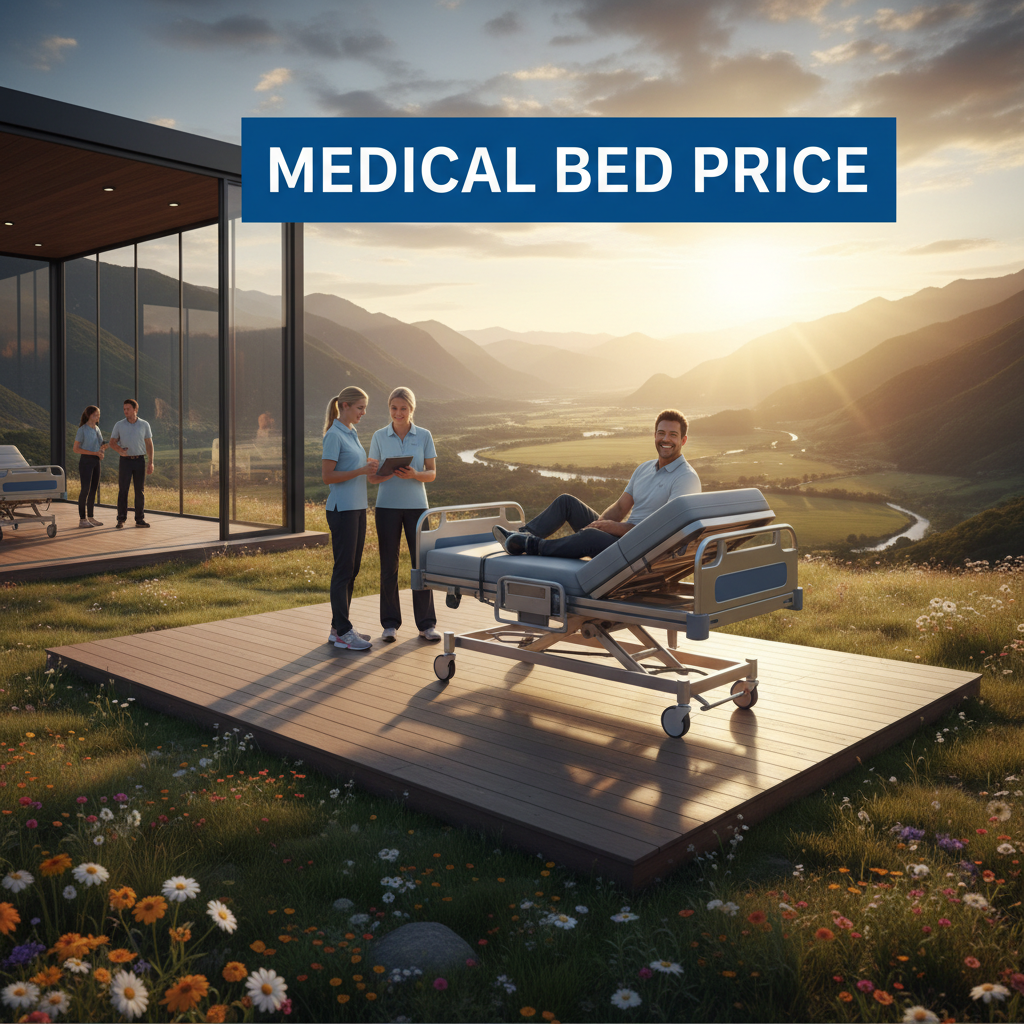
The medical bed price isn't simply a number; it reflects a confluence of factors – manufacturing costs, material quality, features, and supplier competition. Accurate price assessment is crucial for healthcare facilities aiming to optimize budgets without compromising patient safety or comfort. A well-considered investment in medical beds contributes to a positive patient experience and efficient healthcare delivery.
Fluctuations in global supply chains, geopolitical events, and raw material costs directly impact the medical bed price. Healthcare institutions must stay informed about these dynamics to anticipate potential price increases and adjust their procurement strategies accordingly. Proactive planning and diversified sourcing can help mitigate risk and ensure cost-effectiveness.
Investing in high-quality medical beds offers numerous advantages. Durable construction and reliable performance reduce the need for frequent repairs and replacements, lowering the total cost of ownership over the bed's lifespan. Improved patient comfort and safety can lead to faster recovery times and reduced risk of complications.
From a sustainability perspective, selecting beds made from eco-friendly materials and designed for longevity minimizes environmental impact. The long-term value extends beyond financial considerations to encompass improved patient care, enhanced staff efficiency, and a positive reputation for the healthcare facility. The right medical bed price point will bring positive results.
The future of medical bed technology is focused on integration with smart healthcare systems, advanced sensor technology, and enhanced patient monitoring capabilities. We're seeing the development of beds that can automatically adjust to patient needs, detect early warning signs of deterioration, and even transmit data to healthcare providers in real-time.
Sustainable materials and eco-friendly manufacturing processes are gaining prominence, driven by increasing environmental awareness. Expect to see more beds made from recycled materials or bio-based polymers. Furthermore, the integration of artificial intelligence (AI) and machine learning (ML) will enable predictive maintenance and personalized patient support.
One of the primary challenges is the wide price variation and the difficulty in comparing different models based on features and quality. Healthcare facilities often struggle to determine the best value for their investment. Another challenge is ensuring interoperability with existing hospital systems and electronic health records.
To address these challenges, standardized pricing guidelines and transparent product specifications are needed. Adopting open communication protocols and data exchange standards will facilitate interoperability. Investing in training and education for healthcare staff on the proper use and maintenance of advanced medical bed technology is also crucial.
Furthermore, exploring innovative financing models, such as leasing or subscription services, can make advanced medical beds more accessible to healthcare facilities with limited budgets. Collaborative partnerships between manufacturers, healthcare providers, and research institutions can drive innovation and improve patient care.
Several factors contribute to medical bed price, including the materials used (steel, aluminum, etc.), the level of adjustability (manual, semi-electric, fully electric), integrated features (side rails, head/footboards), and specialized functionalities like ICU capabilities. Brand reputation, warranty, and after-sales service also play a role.
The total cost of ownership includes not just the initial purchase price but also ongoing expenses like maintenance, repairs, replacement parts, and potential upgrades over the bed's lifespan. A cheaper bed initially might cost more in the long run if it requires frequent repairs or has a shorter lifespan.
Higher-end medical beds offer enhanced patient comfort, improved safety features, and often integrate with smart healthcare systems. These features can lead to faster recovery times, reduced risk of complications, and increased staff efficiency. They also tend to be more durable and require less maintenance.
Yes, there's a growing trend towards using sustainable materials, such as recycled metals and bio-based polymers, in medical bed construction. These eco-friendly options may come at a slightly higher initial cost but contribute to a reduced environmental footprint and align with sustainability goals.
Technology is revolutionizing medical beds with features like integrated sensors, AI-powered monitoring, and automated adjustments. These advancements will likely increase the initial price but offer significant benefits in terms of patient care, data collection, and predictive maintenance, ultimately lowering the total cost of ownership.
Healthcare facilities can negotiate better prices by requesting quotes from multiple suppliers, leveraging volume discounts, and considering bundled packages. Establishing long-term relationships with reputable manufacturers and exploring financing options like leasing can also help reduce costs.
In conclusion, understanding the factors influencing medical bed price is paramount for healthcare facilities striving to optimize budgets while maintaining high-quality patient care. From materials and features to technology and sustainability, numerous elements contribute to the overall cost. Considering the total cost of ownership, exploring innovative financing options, and staying abreast of future trends are essential for making informed decisions.
As healthcare continues to evolve, advancements in medical bed technology will undoubtedly drive both innovation and increased complexity. Proactive planning, collaborative partnerships, and a commitment to patient-centered care will be key to navigating this landscape effectively. For more information and competitive pricing on medical beds, visit our website: www.cnboxin.com