Welcome to our websites!


Wooden Hospital Furniture – Durable, Sustainable, Patient-Friendly Healthcare Solutions
The Growing Importance of Wooden Hospital Furniture in Healthcare Environments
Wooden hospital furniture isn't just a niche product; it’s gradually becoming a vital component in modern healthcare settings worldwide. In an era when sustainability, patient comfort, and efficient facility management all intersect, understanding how wooden furniture fits into this mix matters more than ever. At its best, it blends natural aesthetics with durability and hygiene – all crucial in hospitals. This article dives into the relevance of these wooden fixtures, why they are gaining traction globally, and what their future looks like in hospitals and clinics everywhere.
Why Wooden Hospital Furniture Matters Globally
Globally, healthcare infrastructure is undergoing rapid transformation. The World Health Organization estimates that at least 40% of health facilities lack basic provisions like clean water and adequate equipment, which extends often to hospital furniture quality.1 Wooden hospital furniture addresses several critical challenges simultaneously: offering warmth and humanization in sterile environments, supporting sustainable construction goals outlined by the UN’s Sustainable Development Goals (SDG 3 for health and well-being, SDG 12 for responsible consumption), and meeting logistical needs for resilience in low- and middle-income countries.
However, a problem remains—most hospitals rely heavily on metal or plastic furnishings because they’re perceived as easier to sanitize and cheaper upfront. Yet wooden furniture’s potential goes deeper than aesthetics or tradition; it may offer better environmental footprints, tactile comfort, and adaptability. Understanding these benefits within global health contexts can influence supply chains and operational practices worldwide.
Mini takeaway: Wooden hospital furniture is more than decor—it's a strategic solution merging sustainability, patient care, and durability in healthcare settings worldwide.
Understanding Wooden Hospital Furniture: What Is It?
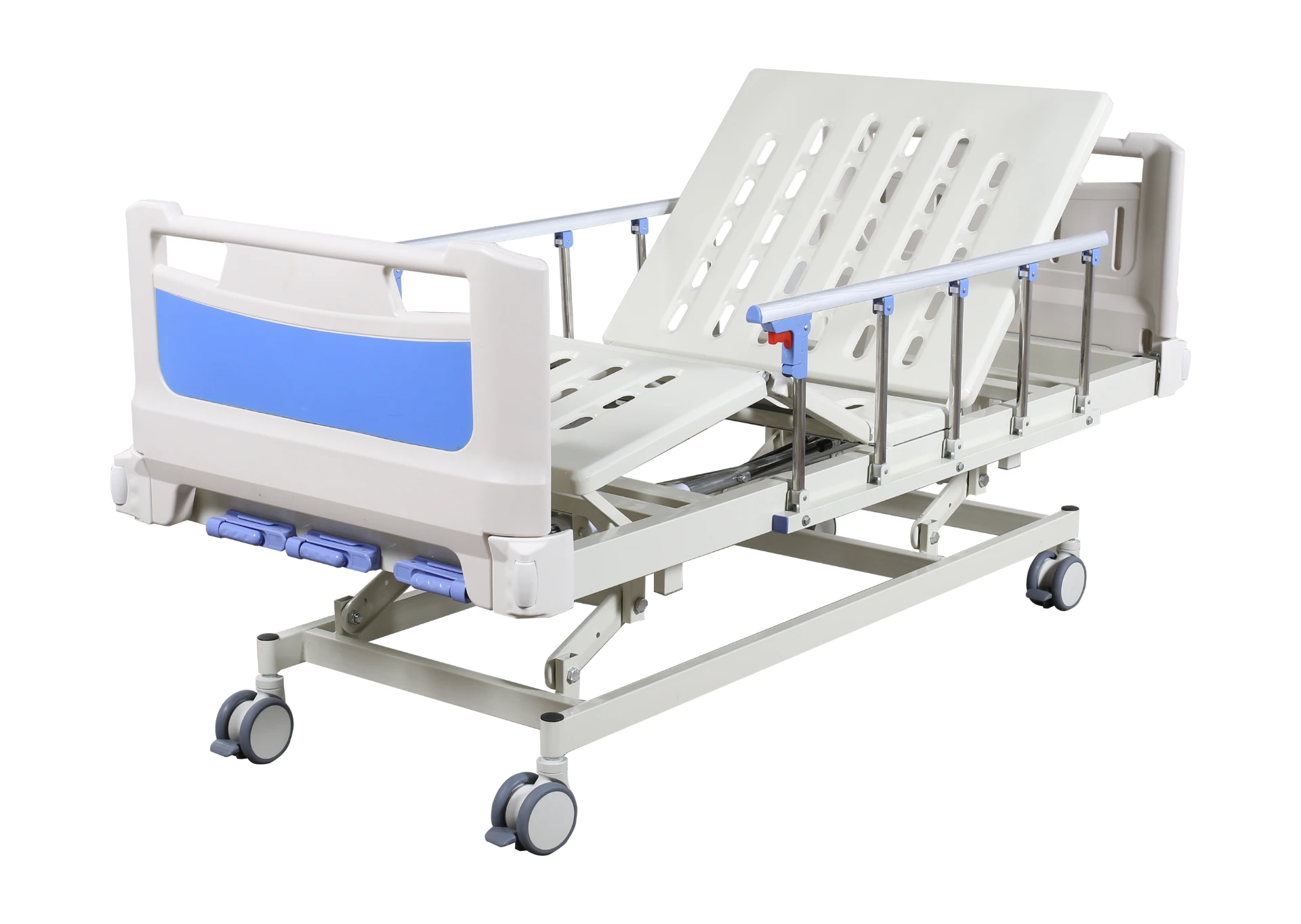
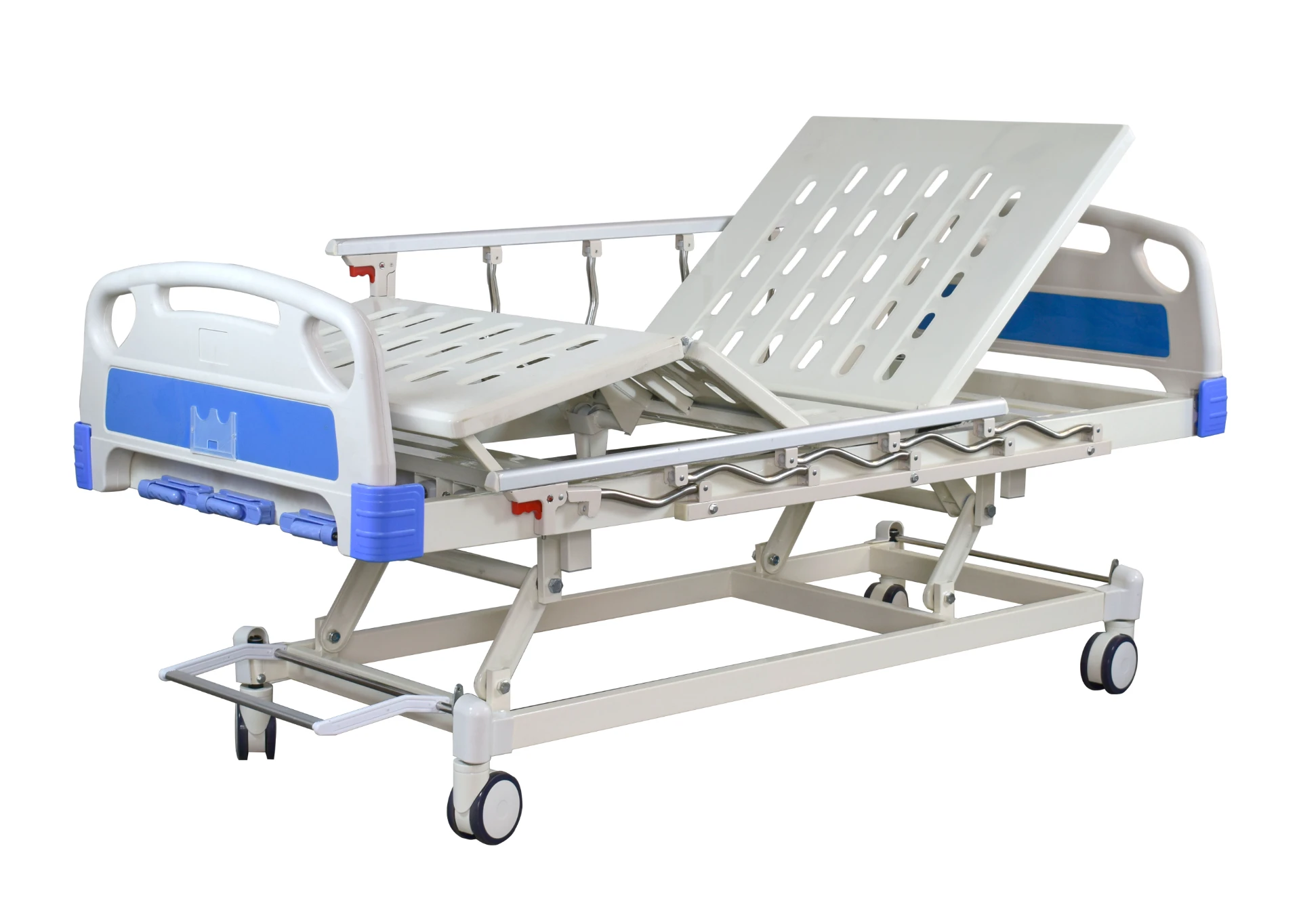
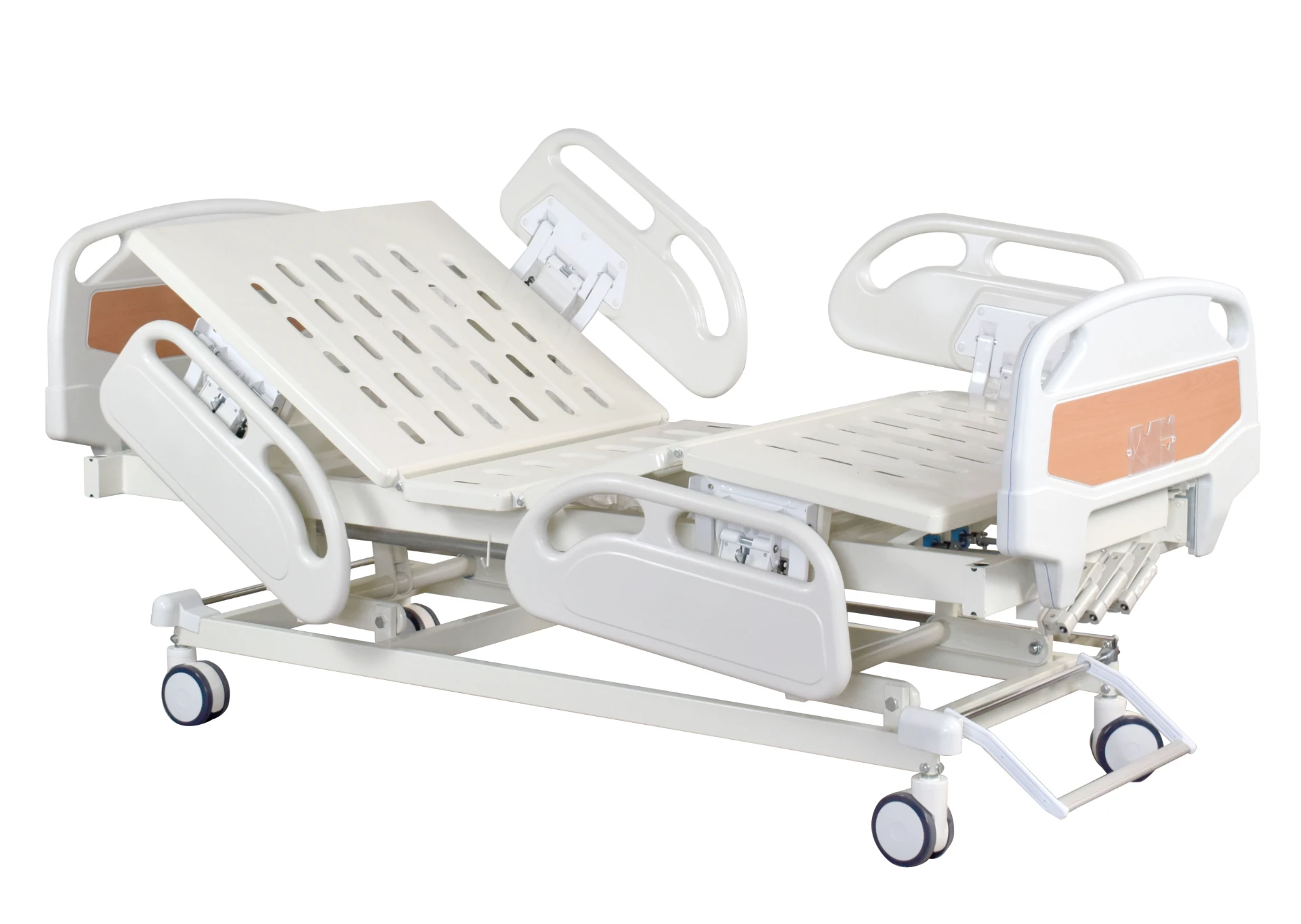
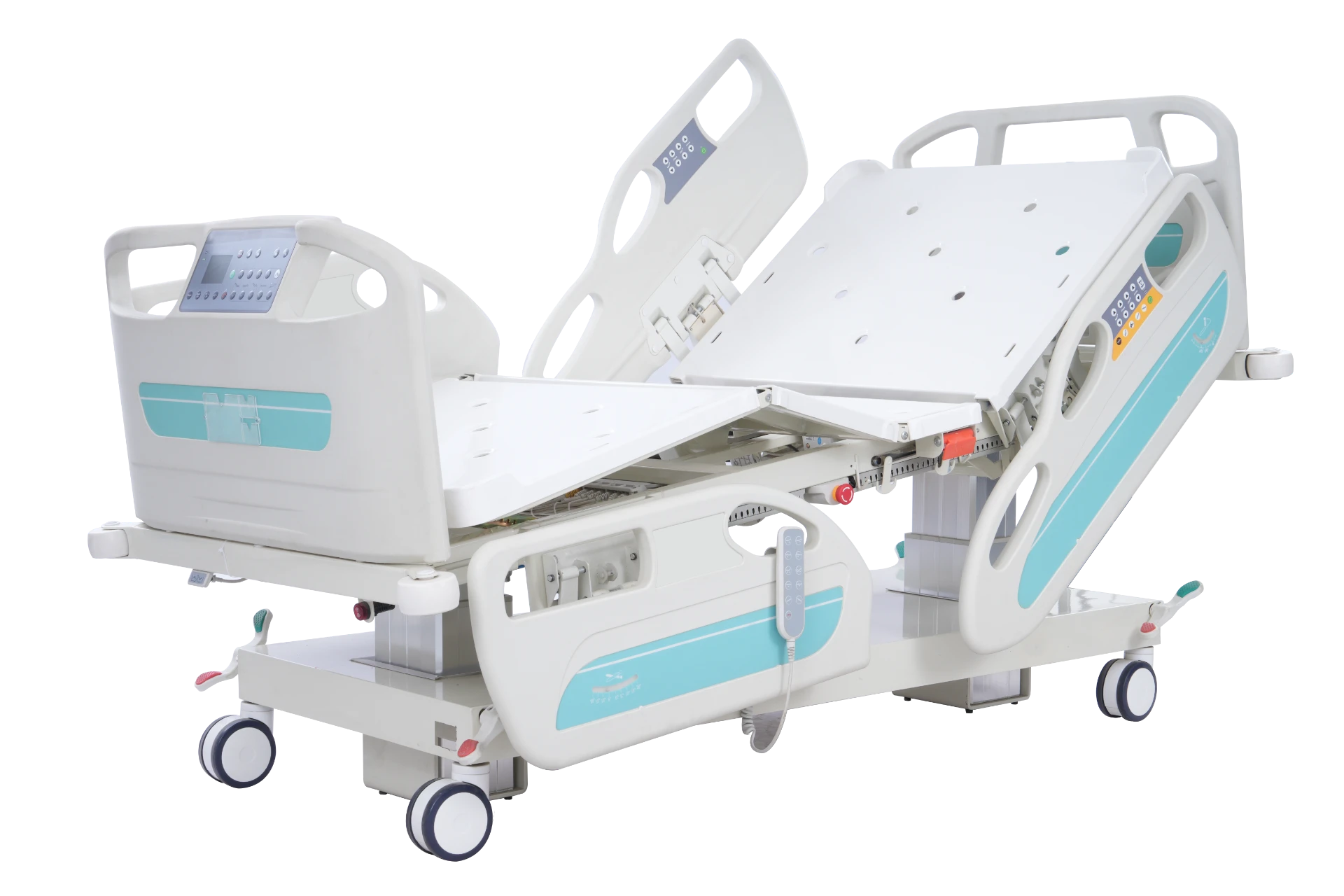
Put simply, wooden hospital furniture refers to medical-grade seating, beds, tables, cabinets, and storage units constructed primarily from treated and certified wood. This furniture is specifically designed to meet healthcare standards emphasizing sterility, safety, and ergonomics. Unlike typical wood products, these pieces undergo treatments to resist bacteria and moisture, sometimes combined with UV-protective finishes suitable for demanding hospital environments.
Today, wooden hospital furniture plays a role in both high-tech hospital wards and humanitarian relief camps, exemplifying its versatility. The industry is adapting to increased demand for materials that feel more inviting to patients — think: warmer textures, less intimidating spaces — while maintaining strict hygiene norms. It's a crossroads of tradition and modern health science.
Mini takeaway: It’s not just "wooden furniture." It’s purpose-built, specialized equipment designed to meet stringent hospital requirements.
Core Components of Wooden Hospital Furniture
Durability and Hygiene
Durability is non-negotiable in hospital settings where furniture faces constant cleaning regimes and heavy daily use. Wood species like beech, maple, and eucalyptus are popular due to their natural strength combined with antimicrobial treatments. The surface finish often uses non-toxic sealants to help repel moisture and pathogens.
Ergonomics and Comfort
Proper posture support through ergonomic design is critical. Wooden chairs, beds, and workstations get sculpted with patient and caregiver comfort in mind, reducing fatigue and supporting recovery. Wood’s natural ‘give’ makes it feel less clinical compared to metal or plastic, which helps with psychological comfort.
Sustainability
Hospitals worldwide seek to reduce their carbon footprint. Wood is renewable and biodegradable, especially when sourced from certified forests (like FSC or PEFC). This contrasts with synthetic materials reliant on petrochemicals.
Customization & Scalability
Facilities differ widely. Wooden furniture can be custom-made easily or mass-produced, providing scalable solutions from rural clinics to large urban hospitals. This flexibility is a plus in crisis zones or expanding infrastructure.
Cost Efficiency
Initial costs can be comparable or slightly higher than plastic/metal but wooden furniture usually lasts longer with proper care. Lifecycle costs, including maintenance and replacement, favor wood over time.
Mini takeaway: The blend of durability, hygiene, ergonomics, sustainability, and customization makes wooden hospital furniture a multifaceted asset.
How Wooden Hospital Furniture Is Used Across the Globe
From Scandinavian hospitals embracing biophilic design to post-disaster medical camps in Southeast Asia, wooden hospital furniture finds many applications:
- In developed countries: It supports patient-centric designs emphasizing well-being and aesthetic harmony. Scandinavian and Japanese hospitals often equip waiting areas and patient rooms with wooden furnishings.
- In emerging markets: Durable wooden furniture replaces plastics where supply chains falter, with NGOs deploying wooden beds and cabinets during humanitarian emergencies (e.g., earthquake zones in Nepal or refugee camps in Lebanon).
- Industrial zones and remote areas: Wood furniture tolerates temperature fluctuations better than metal, ideal for mining medical centers or rural health posts.
Mini takeaway: The adaptability of wooden hospital furniture makes it well-suited to diverse environments, balancing function and emotion globally.
Advantages of Wooden Hospital Furniture: More Than Looks
Logically, wooden hospital furniture offers:
- Cost savings: Lower lifecycle costs from durable materials and easier repair.
- Sustainability: Wood’s carbon sequestration and renewability align with green building codes.
- Patient dignity: Warm materials reduce institutional coldness, fostering calm and mental wellness.
- Trust and reputation: Facilities that invest in quality furnishings signal commitment to care quality.
Emotionally, these furnishings help recreate a ‘sense of normalcy’ in stressful environments. This can make a patient’s hospital experience less alien and more humane.
Product Specifications at a Glance
| Feature | Typical Value/Description |
|---|---|
| Material | FSC-certified Beech, Maple, or Eucalyptus |
| Antimicrobial treatment | Non-toxic UV-cured sealants and moisture resistant |
| Weight capacity | Up to 250 kg on beds and seating |
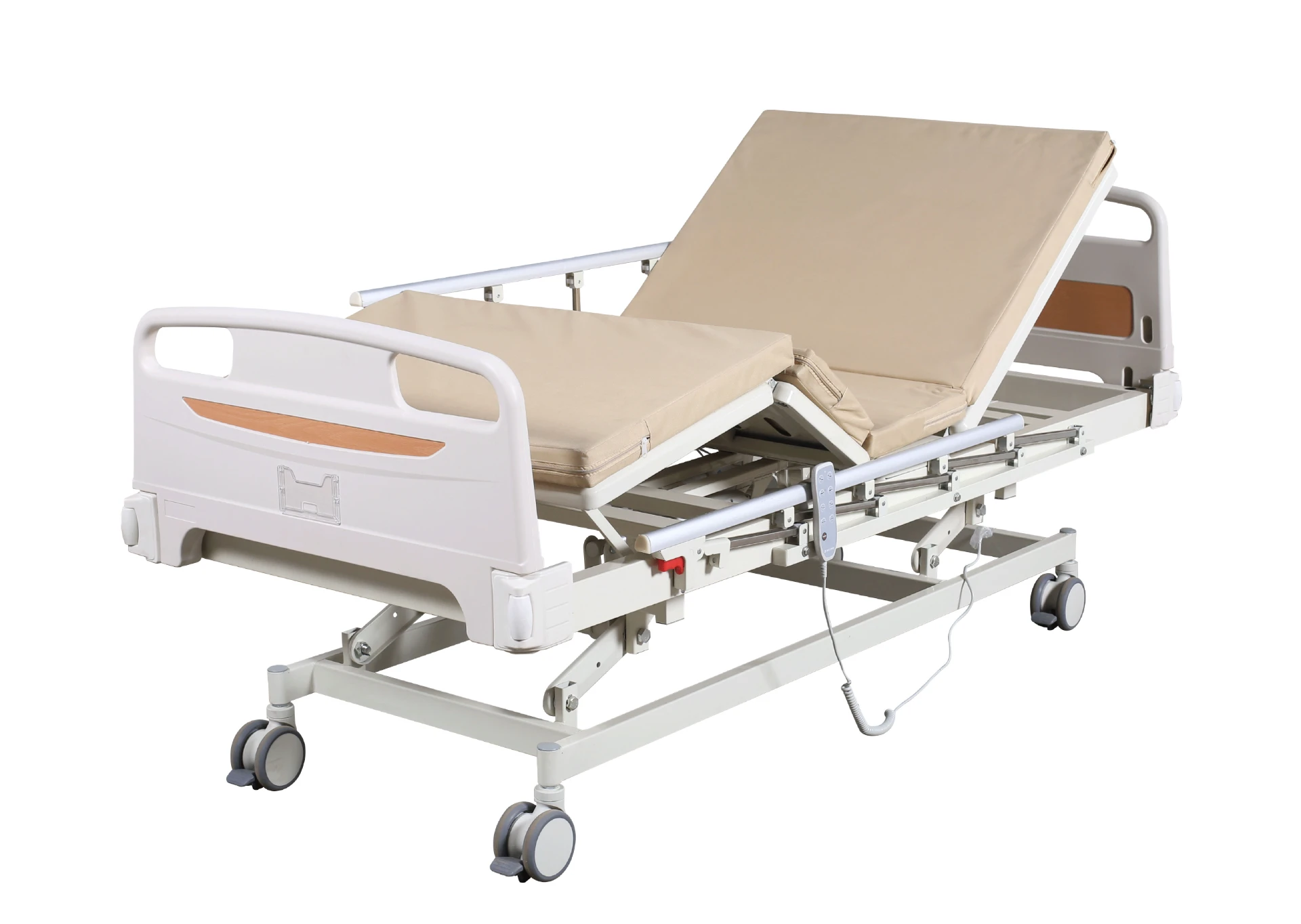
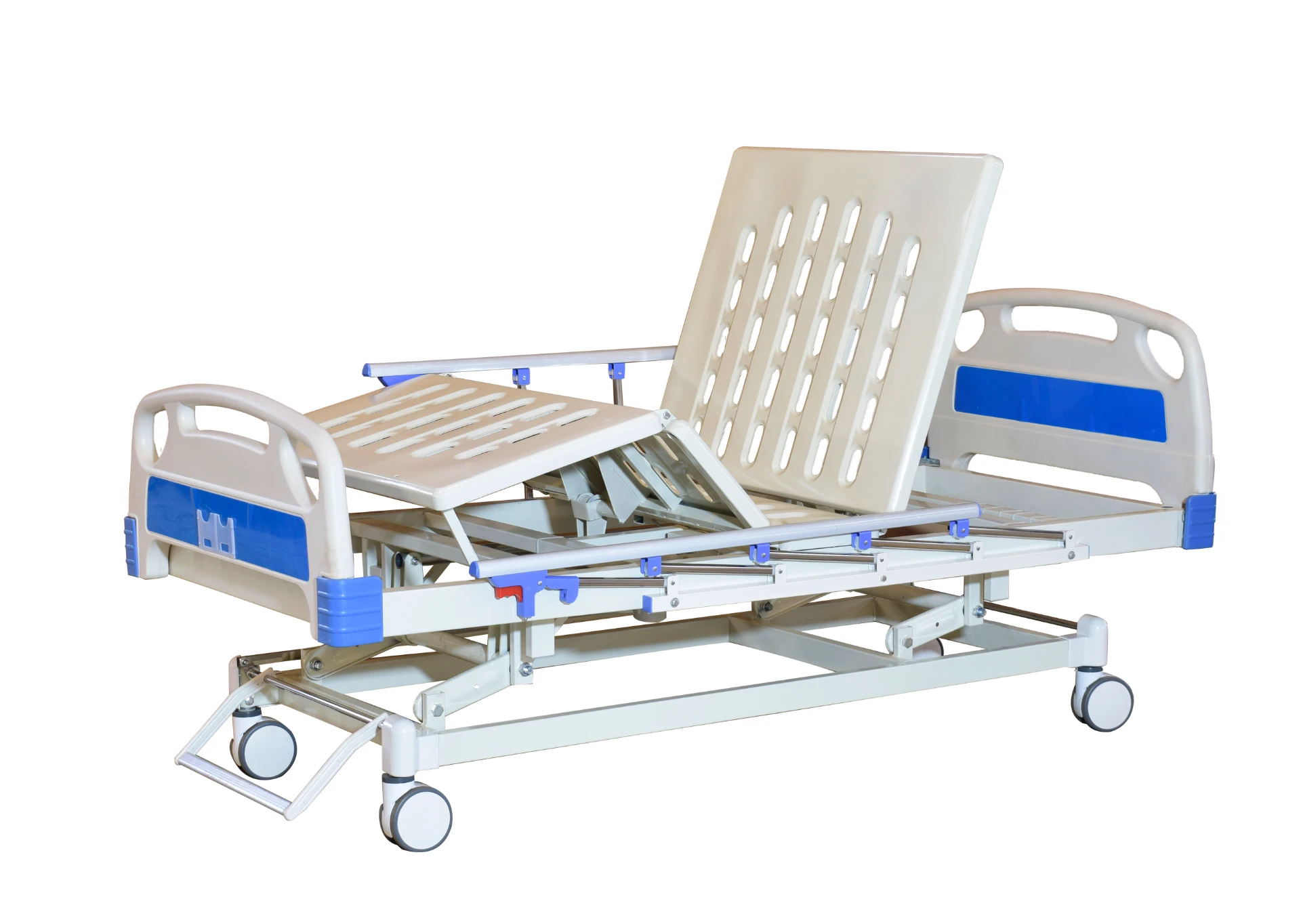
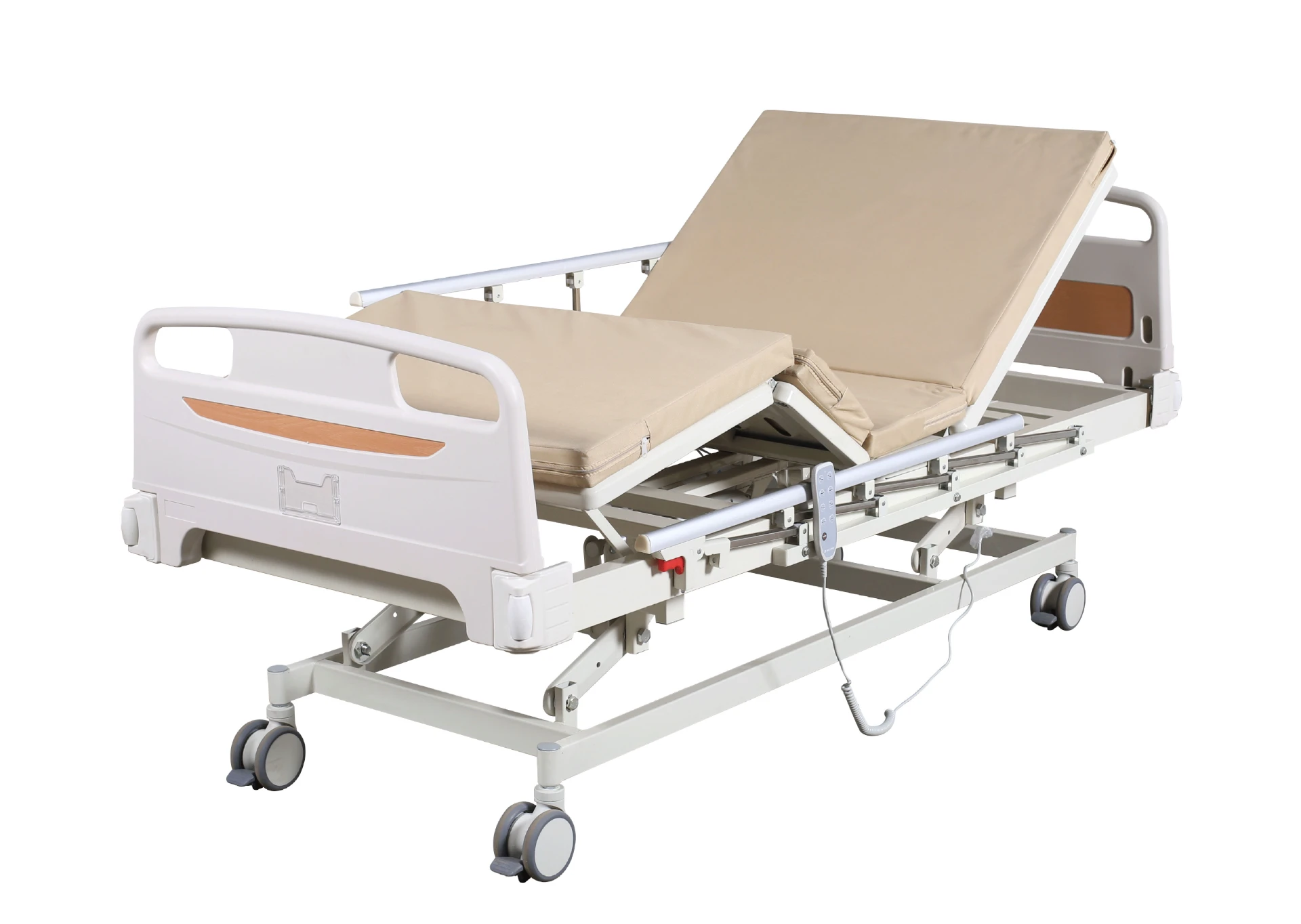
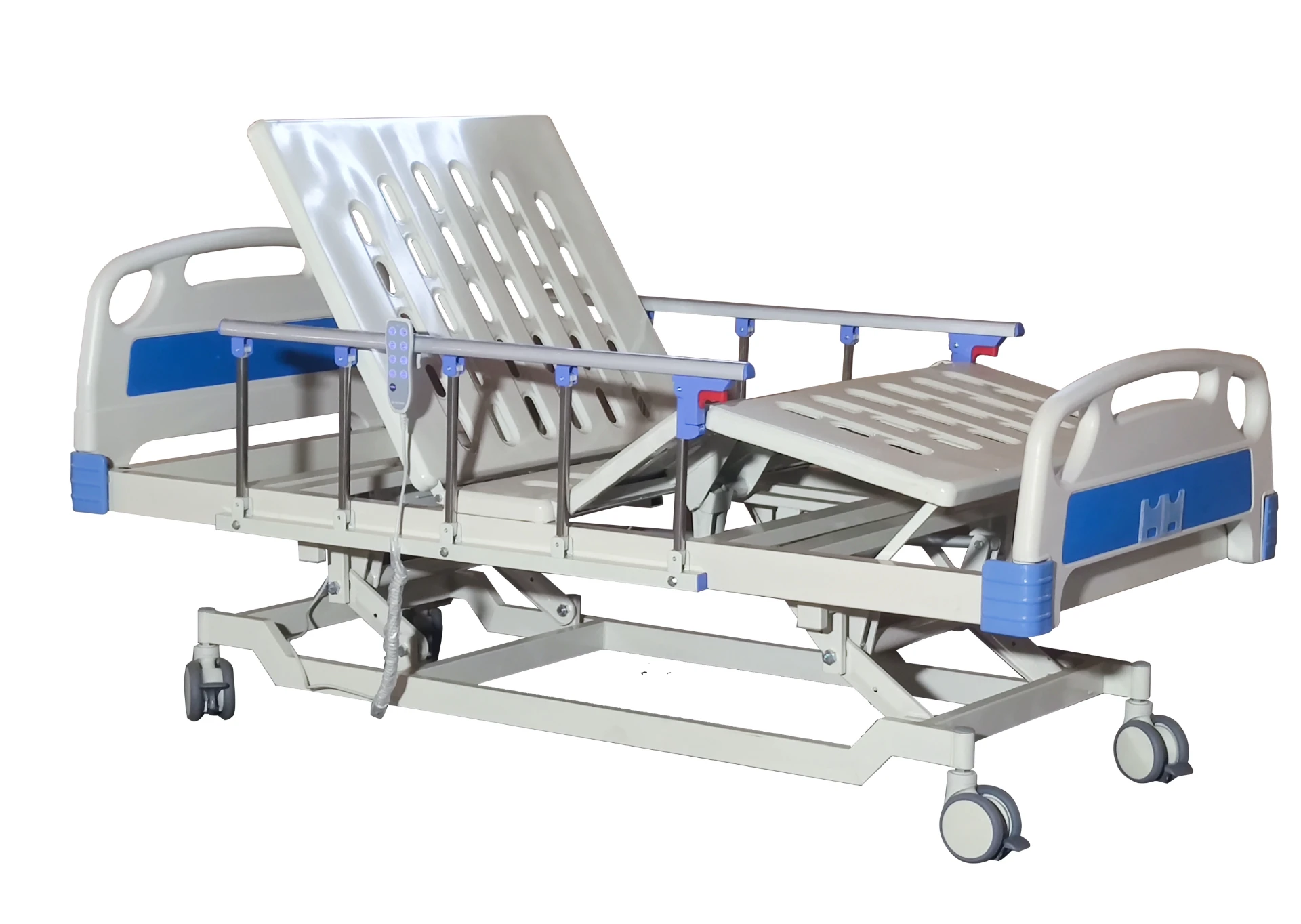
| Dimensions (Example: Hospital Bed) | Length 210 cm × Width 95 cm × Height 50 cm adjustable |
| Lifespan | 10+ years with routine maintenance |
| Compliance | ISO 14001 Environmental, ISO 9001 Quality |
Vendor Comparison: Choosing the Right Supplier
| Vendor | Product Range | Sustainability Certification | Global Shipping | Price Range (USD) |
|---|---|---|---|---|
| CNBoxin | Hospital beds, chairs, cabinetry, bedside units | FSC, ISO 9001, ISO 14001 | Yes, worldwide | $$$ Moderate |
| HealWood Medical | Specialized patient chairs & bedside tables | FSC Certified | Regional (Europe & Asia) | $$ Low to Moderate |
| EcoMed Furnishings | Full hospital furniture lines focusing on eco materials | FSC, GreenGuard | Worldwide | $$$$ Premium |
Looking Ahead: Trends and Innovations in Wooden Hospital Furniture
Two primary trends are shaping the future:
- Digital Integration: Embedding sensors in wooden hospital beds to track patient vitals or bed occupancy — a surprising but growing fusion of wood craftsmanship with smart tech.
- Eco-innovation: Using reclaimed or bamboo-based materials treated with novel bio-friendly finishes, cutting down on chemical use and boosting circular economy efforts.
Also, governments and health organizations are pushing for greener healthcare buildings, meaning wooden hospital furniture will increasingly be in demand as part of certification programs like LEED or WELL Building Standard.
Challenges and Solutions
Often, wooden hospital furniture faces misconceptions regarding hygiene — many still believe metal or plastic are more sterile. Proper certification and surface treatments, however, debunk this myth. The challenge lies in educating procurement officers and hospital managers. Another concern is moisture susceptibility in humid climates; advanced lacquer and UV coating technologies help address this well today.
Additionally, supply chain inconsistencies, especially for sustainable wood, remain a hurdle in some regions. Partnering with certified vendors like wooden hospital furniture suppliers ensures quality and traceability.
FAQ: Common Questions About Wooden Hospital Furniture
1. How does wooden hospital furniture compare to metal in terms of hygiene?
Wooden furniture treated with antimicrobial sealants can be just as hygienic as metal when regularly cleaned. The key is adherence to hospital cleaning protocols and selecting certified materials.
2. Is wooden hospital furniture suitable for high-traffic emergency departments?
Yes. High-quality woods like beech, combined with reinforced construction and surface treatments, offer durability suitable for busy wards. Regular maintenance extends lifespan.
3. Can wooden hospital furniture be customized for different healthcare settings?
Absolutely. Wood's versatility enables fabrication of bespoke sizes, shapes, and ergonomic features to suit everything from pediatric wards to elder care facilities.
4. What about the environmental impact of wooden hospital furniture?
When sourced from FSC-certified suppliers and sustainably harvested forests, wooden furniture reduces carbon footprint and promotes responsible forestry, aligning with global sustainability goals.
Final Thoughts and Next Steps
Wooden hospital furniture is quietly revolutionizing healthcare environments by delivering on multiple fronts: patient comfort, environmental responsibility, durability, and cost-effectiveness. As healthcare providers seek to create more healing, humane spaces, embracing thoughtfully designed wooden furnishings seems not just a trend — but a necessity.
Interested in exploring high-quality wooden hospital furniture options? Visit our website to see product lines and get expert consultation tailored for your facilities.
References
-
Ultimate Guide to Choosing Extra Wide Waiting Room ChairsNewsApr.16,2026
-
Guide to Choosing Professional Waiting Room Chairs Wipeable SeatingNewsApr.09,2026
-
Enhance Your Space with Comfortable Wide Waiting Room ChairsNewsApr.07,2026
-
Selecting the Ideal Brown Waiting Room Chairs for a Welcoming SpaceNewsApr.04,2026
-
Choosing Comfortable Patient Waiting Room Chairs for Healthcare FacilitiesNewsMar.31,2026
-
Finding the Best Deals on Affordable and Cheap Reception Chairs for Your BusinessNewsMar.28,2026
-
Enhance Your Business Reception with Comfortable Blue Reception ChairsNewsMar.26,2026