Welcome to our websites!


Revolving Bed for Patients - Enhancing Patient Care & Safety Globally
Understanding the Revolving Bed for Patients: A Game Changer in Healthcare
When you think of medical innovations, things like robotic surgery or telemedicine might pop up. But sometimes, it’s the simpler, more practical tools that quietly change outcomes—like the revolving bed for patients. This nifty piece of equipment isn’t just a fancy hospital bed; it addresses some serious challenges faced by patients worldwide, especially those with limited mobility or chronic conditions. In an increasingly aging global population (did you know that, according to the UN, by 2050 one in six people worldwide will be over 65?), it's clear that optimized patient care solutions like these are crucial.
The Global Context: Why Revolving Beds Matter More Than Ever
Around the world, health systems are under mounting pressure. With an estimated 1 billion people living with some kind of disability (per WHO stats), nursing care demands are evolving rapidly. Additionally, in many developing countries and remote regions, healthcare infrastructure can be limited. The need for adaptive, versatile beds that help reduce caregiver strain and improve patient comfort is no longer a luxury but a necessity.
The revolving bed for patients tackles a significant issue: how to minimize physical stress on patients during movement and repositioning, while also reducing caregiver injury risk. This doesn’t just improve care quality—it optimizes workflow and safety, which is a huge deal when you consider staff shortages almost everywhere.
What Exactly Is a Revolving Bed for Patients?
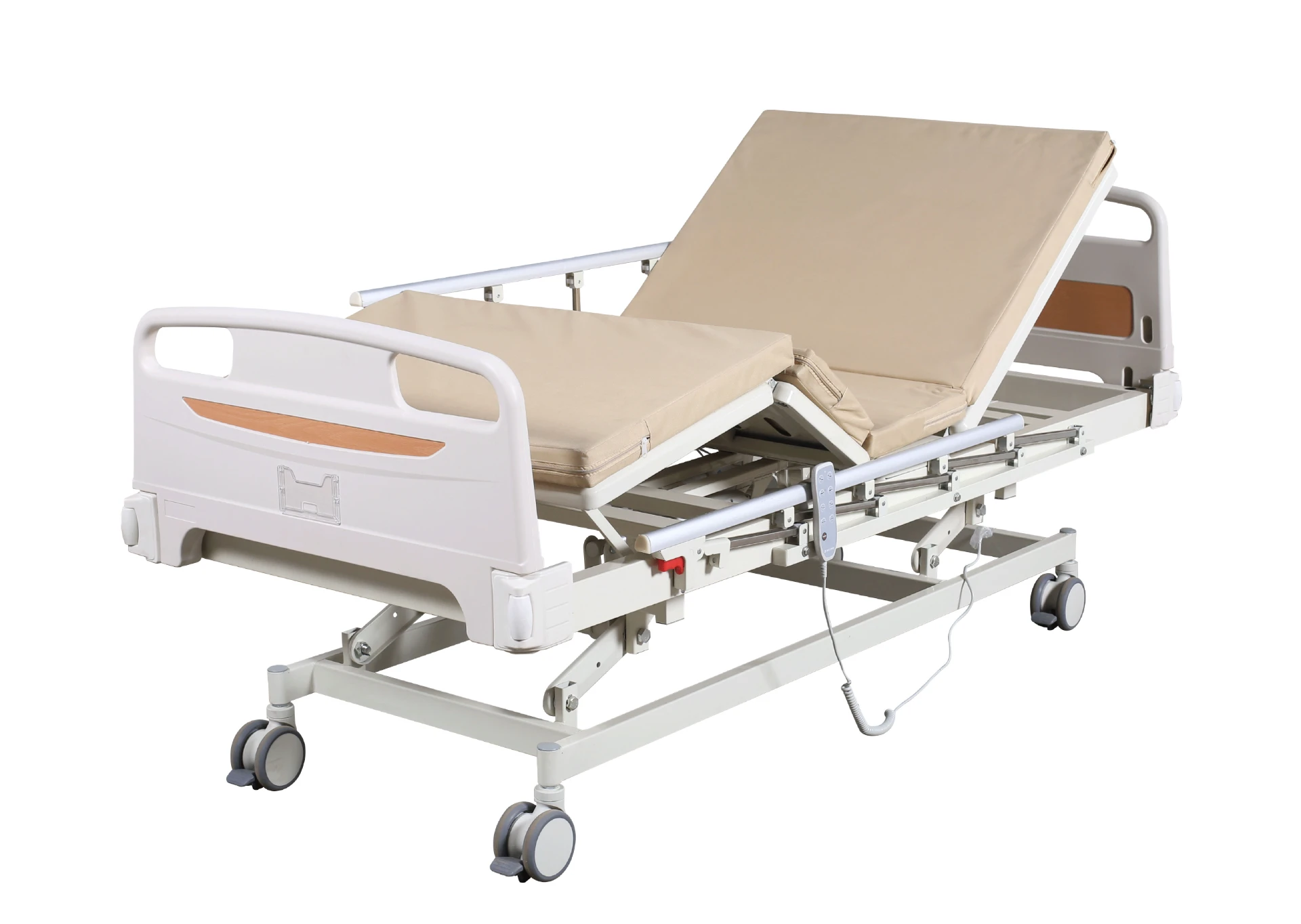
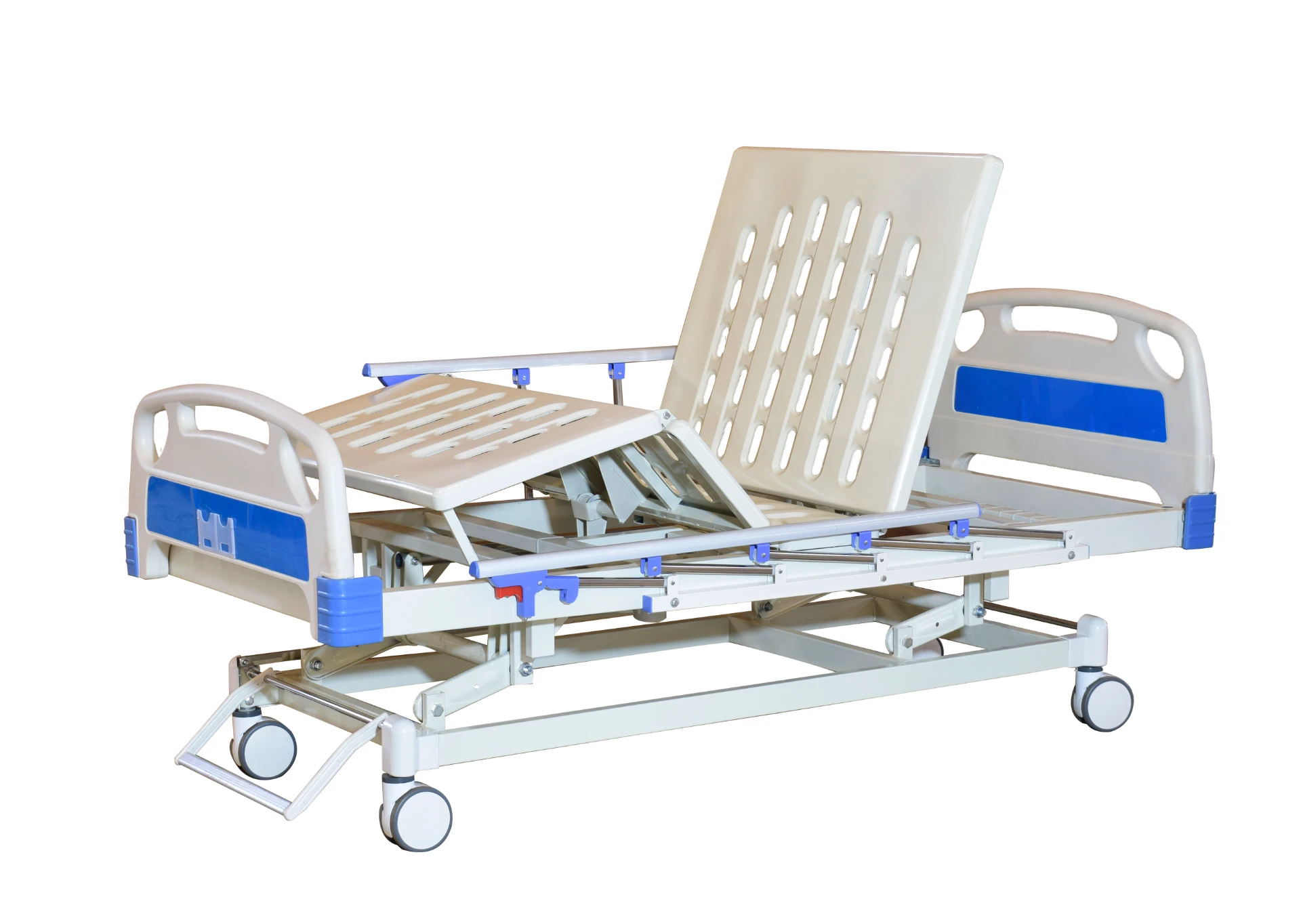
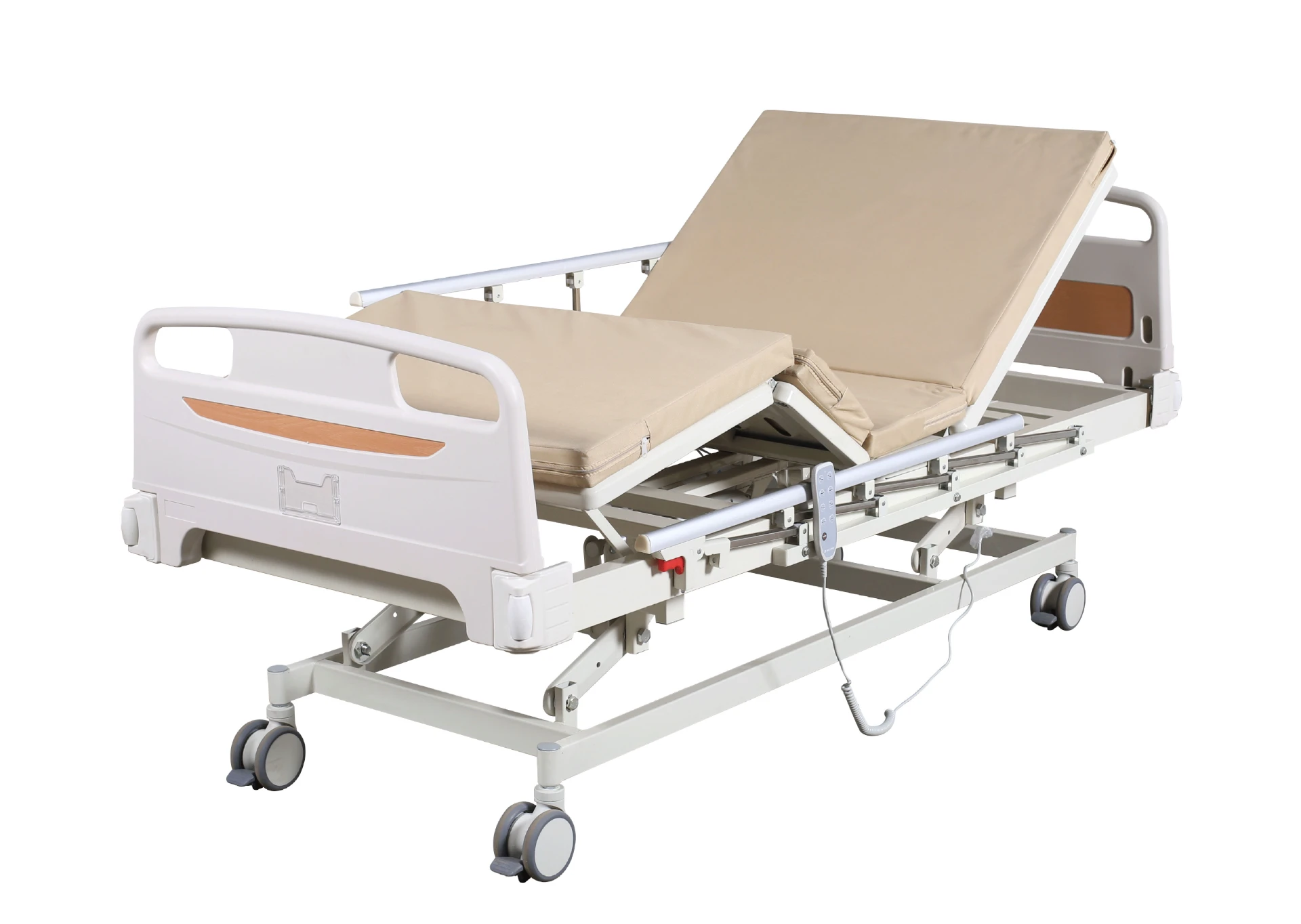
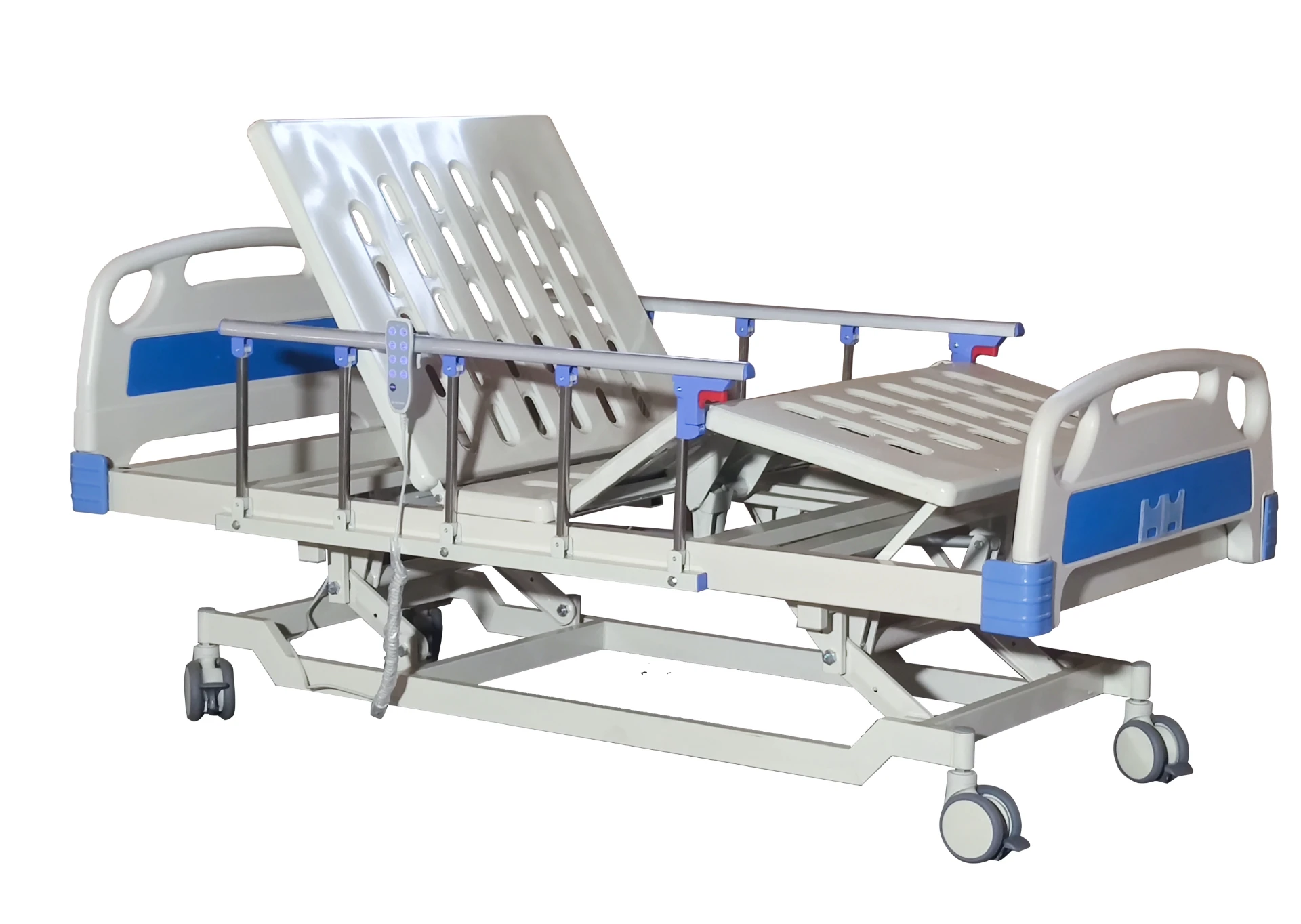
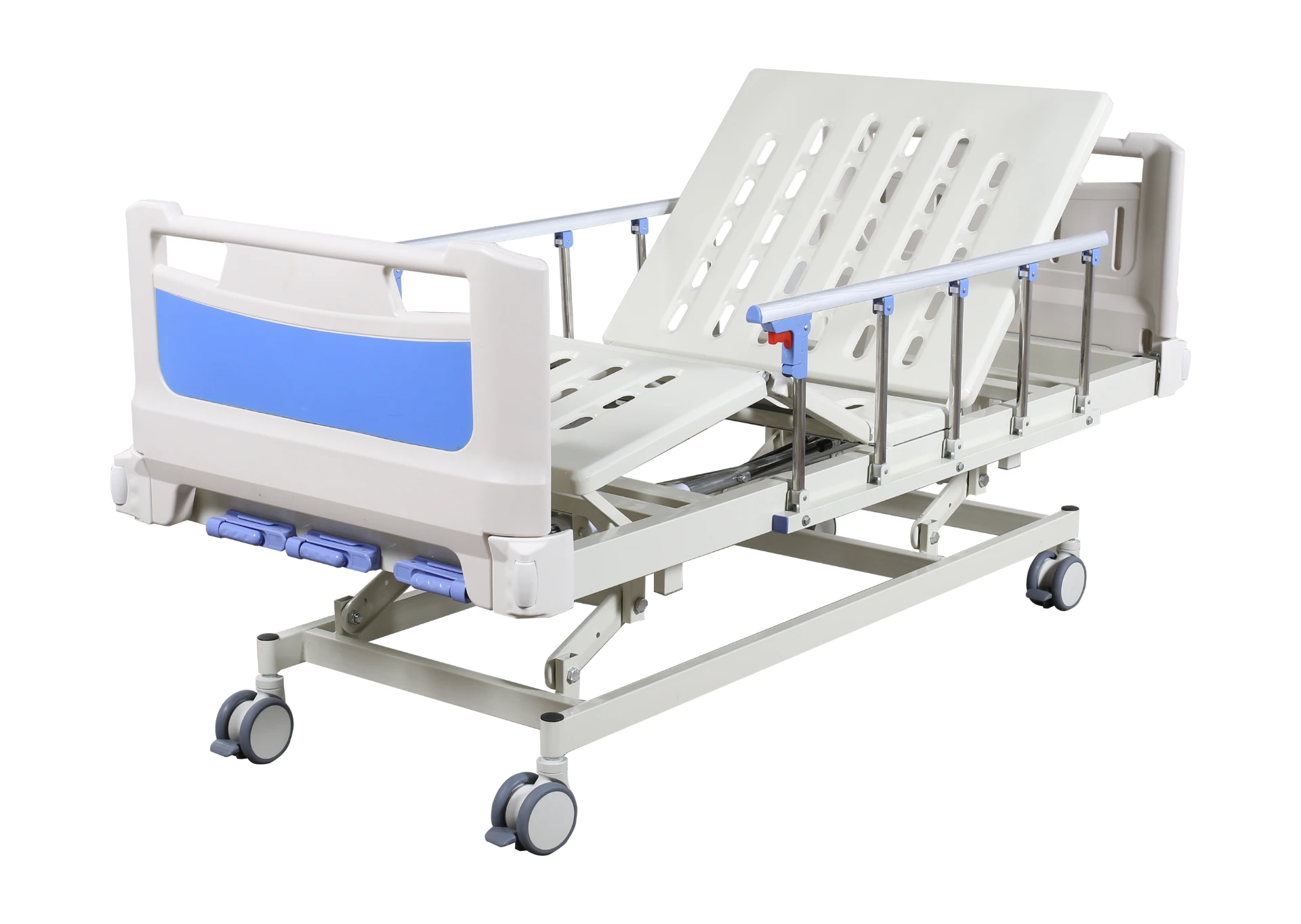
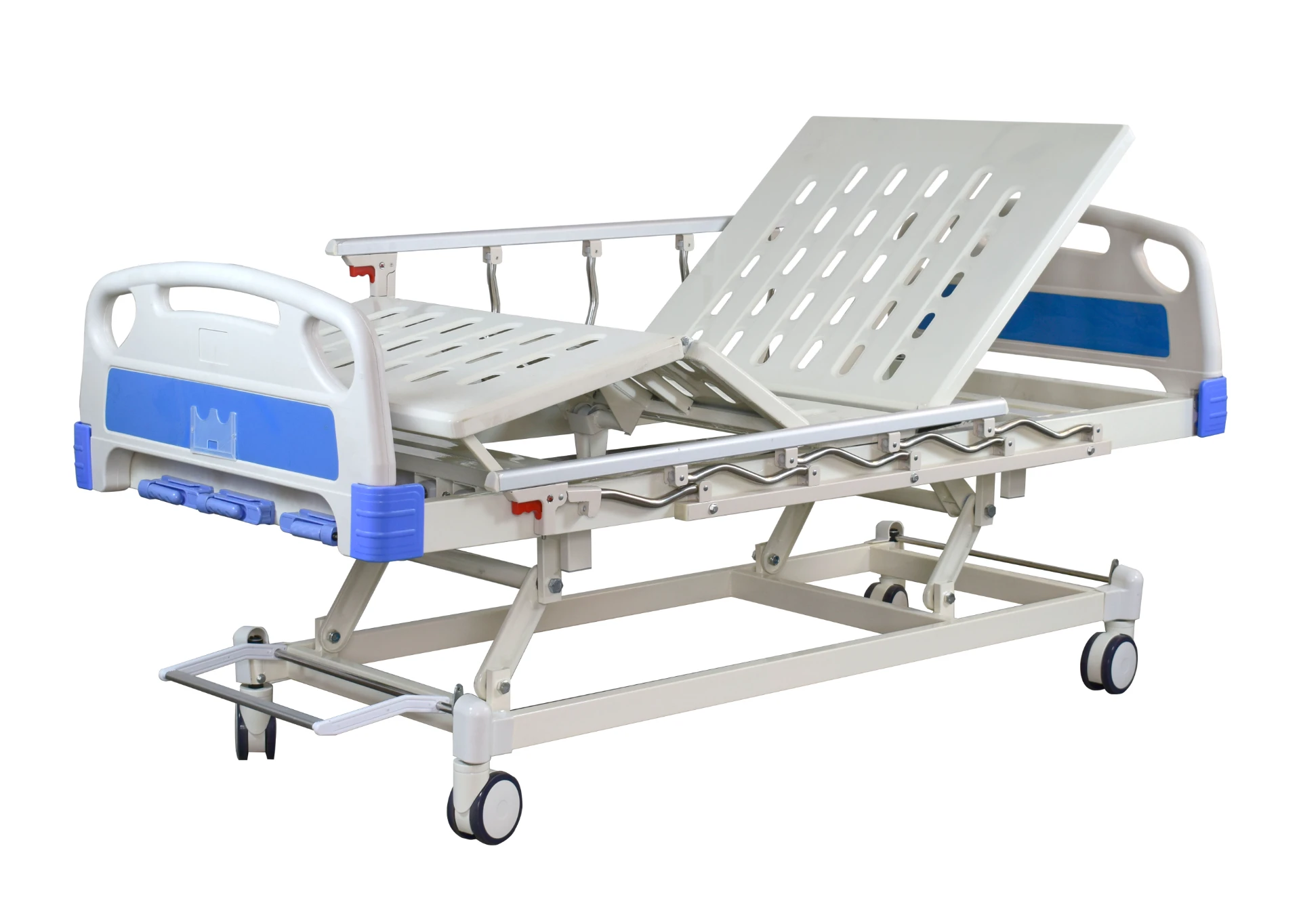
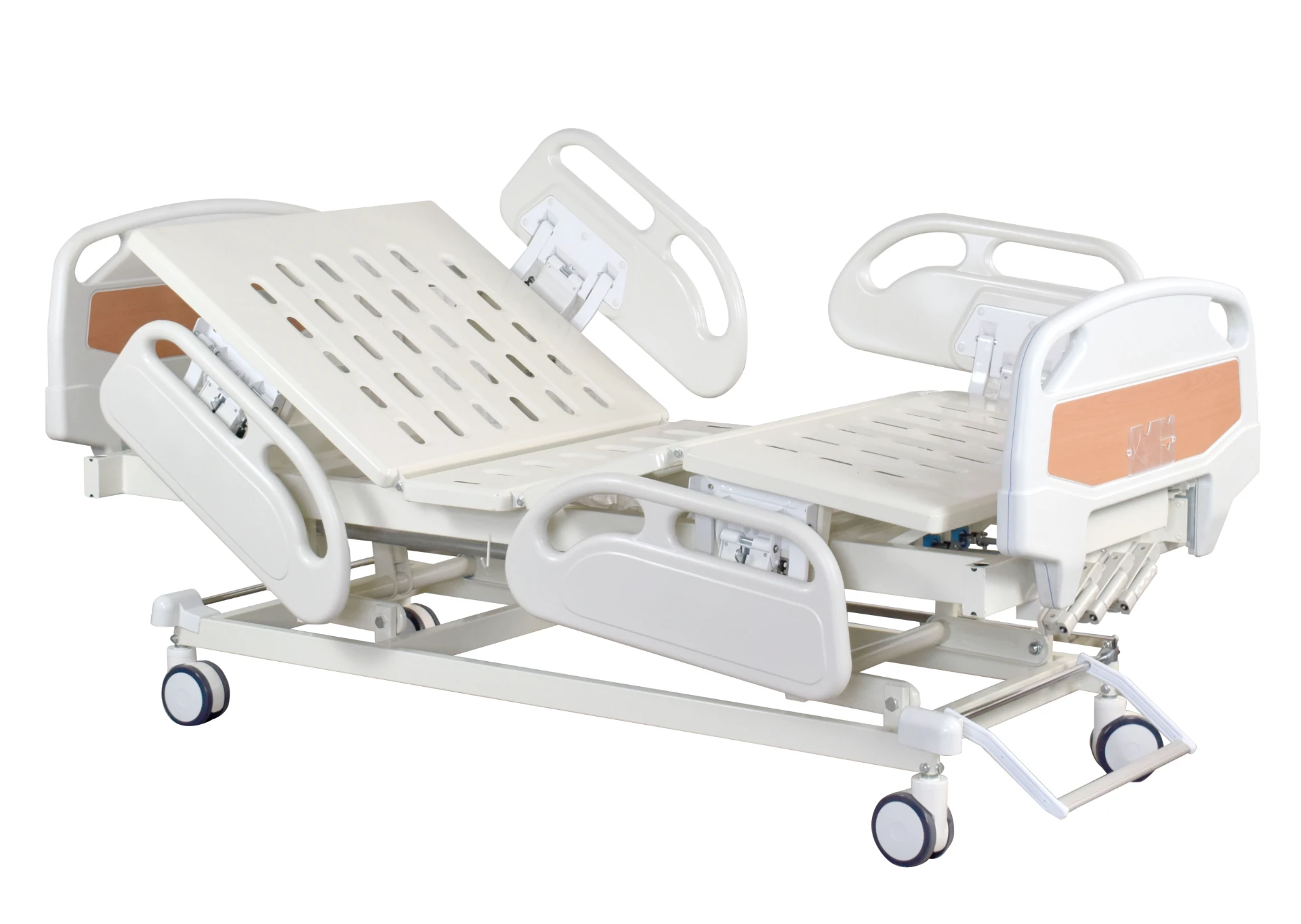
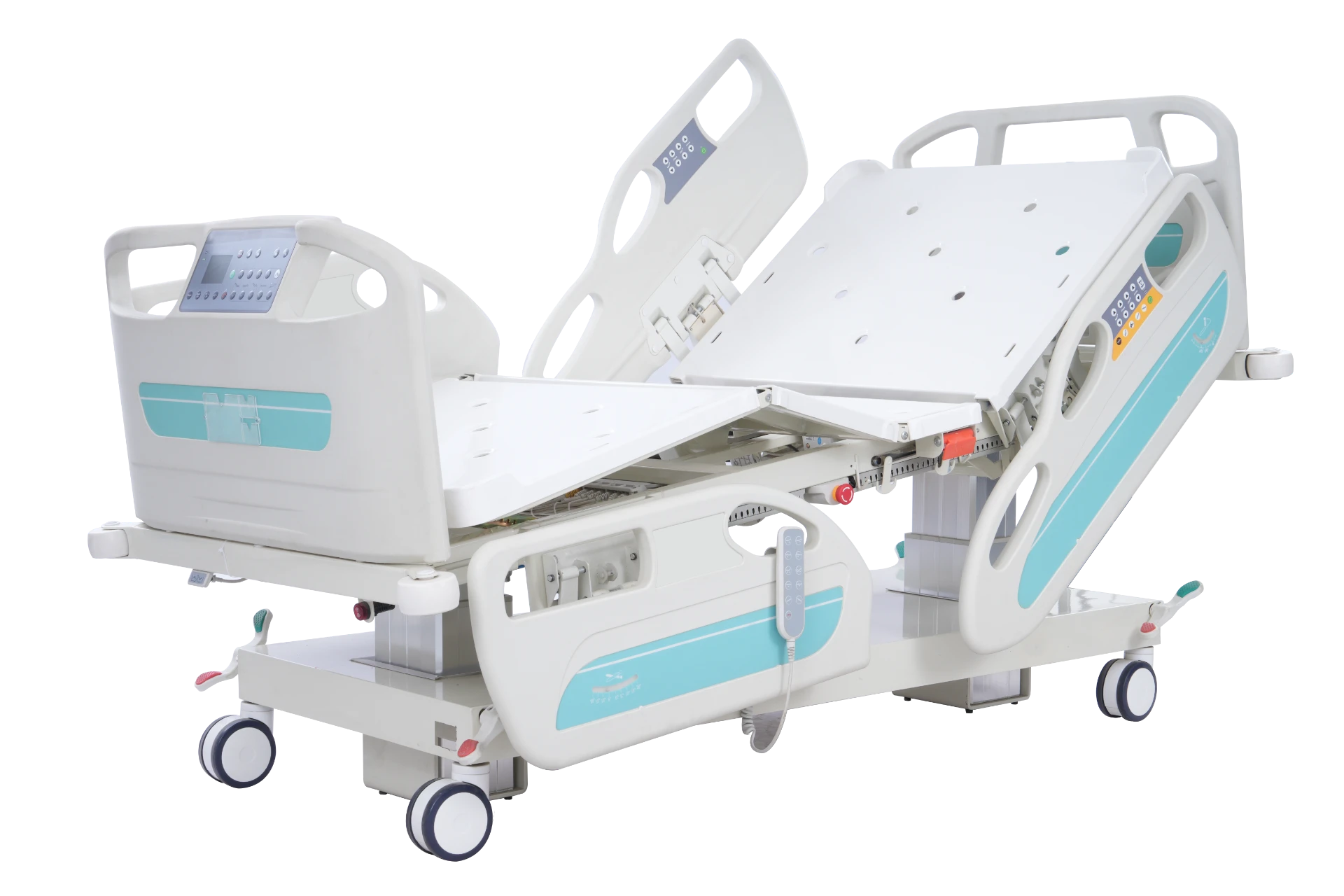
Simply put, a revolving bed is a specialized hospital bed designed to rotate or swivel gently, allowing patients to be turned or repositioned without the usual heavy lifting or manual effort. Think of it like a lazy Susan for patients, but a thoughtful one that supports dignity, comfort, and safety. These beds often integrate features such as motorized rotation controls, adjustable surfaces, and secure side rails. They help prevent pressure sores and complications arising from prolonged immobility, which is critical for long-term care.
Beyond hospitals, these beds have found their way into home care, emergency units, rehabilitation centers, and even humanitarian relief setups. Their connection to modern healthcare moves beyond convenience — it’s about accessibility and inclusivity.
Core Components and What Makes Them Tick
1. Durability & Safety
These beds must endure continuous use in various environments. High-quality steel frames combined with easy-to-clean, antimicrobial surfaces make them robust and hygienic. Safety sensors and locking mechanisms are also crucial to prevent accidental spins or movements.
2. Scalability and Adaptability
The capacity to customize or adjust the revolving bed to different patient sizes and medical needs is key. Some models include modular parts so hospitals or clinics can add or remove features like adjustable headrests or integrated monitors.
3. Comfort & Pressure Management
A smooth, controlled rotation system ensures patients don’t experience sudden jerks or disorientation. Pressure-relieving foam mattresses and ventilated surfaces reduce skin breakdown risk—a lifesaver for immobile patients.
4. Cost Efficiency
Initially, these beds might seem pricey for some hospitals or relief organizations, but they often reduce overall costs by cutting down staff injuries and shortening hospitalization times through better patient outcomes.
5. Ease of Maintenance
In busy hospitals or remote clinics, simplicity matters. Beds that require minimal technical maintenance or have modular parts are favored, especially when servicing teams aren’t readily available.
Specifications of a Sample Revolving Bed for Patients
| Feature | Specification |
|---|---|
| Rotation Angle | 0° to 180° controlled swivel |
| Load Capacity | Up to 200 kg (440 lbs) |
| Material | High-strength steel frame, antimicrobial mattress surface |
| Controls | Electric motor with wired/wireless remote |
| Mobility | Lockable caster wheels for easy relocation |
| Safety Features | Automatic locking system, side rails, emergency stop |
How Revolving Beds Are Changing Care Worldwide
You see revolving beds deployed in surprisingly diverse contexts. In Japan’s aging care homes, these beds help staff reposition elderly patients suffering from limited mobility, reducing back injuries among nurses. In post-disaster relief camps—say, after an earthquake in Nepal—quick-to-install revolving beds improve patient care even when infrastructure is sparse. I came across a report that some NGOs in Africa adopted them to aid remote clinics where manpower is tight and conditions demanding.
In fact, many rehabilitation centers in Europe use these beds as part of physical therapy programs, helping patients regain mobility with minimal strain. Industries with onsite medical units, like mining operations in Australia, also benefit by equipping their health stations with such beds—supporting colleague health in remote zones.
Vendor Comparison Table: Top Revolving Bed Suppliers
| Vendor | Price Range | Customization Options | Warranty | Global Shipping |
|---|---|---|---|---|
| PatientRotate Inc. | $3,500 - $5,000 | Yes (mattress, controls, rails) | 3 years | Yes |
| MediTurn Solutions | $2,800 - $4,200 | Limited | 2 years | Mostly EU/Asia |
| CareSwivel Tech | $4,000 - $6,000 | Extensive (motors, sizes, sensors) | 5 years | Worldwide |
Advantages That Go Beyond the Bed
It’s silly how the little things can save lives. Revolving beds reduce caregiver fatigue—a huge plus, since many nurses face disabling back pain otherwise. Patients keep their dignity because repositioning isn't a wrestling match anymore. That’s emotional reassurance, not just clinical efficiency.
Tactically, the beds limit prolonged pressure on one body area, cutting down ulcers, infections, and hospital stays. Less time lying down with complications means better healing environments, which in turn saves money and offers better resource allocation.
Peeking Into the Future: Innovations on the Horizon
The future looks pretty bright, honestly. From more eco-friendly materials—think biodegradable cushions and recyclable steel—to smart beds with AI-driven sensors that adapt the rotation based on patient vitals, the possibilities are growing. Imagine a revolving bed for patients that alerts staff when movement is due or even adjusts automatically to patient comfort levels.
Additionally, the push for green energy means these beds could include solar-powered motors or easily rechargeable batteries, particularly useful in low-resource settings. Digital integration could also link beds to hospital information systems for seamless care coordination.
Addressing Challenges & How They’re Being Tackled
No tech is perfect. Some revolving beds still struggle with weight limits or can be pricey for smaller clinics. Maintenance can be tricky without skilled technicians, particularly in rural areas.
Many manufacturers are responding with better training, modular designs, and extended warranties. NGOs collaborate to subsidize costs, and local technical hubs are being developed to service these beds promptly. It’s a step-by-step journey, but momentum is solid.
FAQs About Revolving Beds for Patients
- Q: How does a revolving bed reduce caregiver injury risk?
A: By automating patient rotation, the bed reduces manual lifting and awkward movements, which are common causes of back strains and injuries among nurses and caregivers. - Q: Can these beds be used at home?
A: Absolutely! Many models are designed for home care settings, offering easy controls and portability while providing similar benefits as in hospitals. - Q: Are revolving beds compatible with standard hospital equipment?
A: Most beds are designed to integrate with IV stands, monitors, and other medical devices, though specifics vary by model and vendor. - Q: What’s the average lifespan of a revolving patient bed?
A: With proper maintenance, these beds often last 7 to 10 years; warranties generally cover 2-5 years depending on brand and usage conditions. - Q: How can hospitals in developing countries import these beds affordably?
A: Many vendors work with NGOs or government programs for subsidized rates; bulk purchasing and partnerships also make these beds more accessible.
Conclusion: Why Embracing Revolving Beds Makes Sense
So here’s the thing: the revolving bed for patients might not grab headlines like flashy gadgets, but its impact runs deep in patient care quality and staff safety. It’s practical, empathetic, and increasingly vital in a world where healthcare resources are strained but expectations keep rising. Whether in modern hospitals, war zones, or rural clinics, these beds bring a little more ease, safety, and dignity.
Curious to explore how these beds can fit your operation? Visit our website at https://www.cnboxin.com and discover tailored solutions.
Key Takeaways
- Revolving beds reduce both patient risks and caregiver injuries by easing patient rotation.
- They are globally applicable—from advanced geriatrics to emergency relief.
- Future innovations promise smarter, greener, and more adaptable designs.
- Cost and maintenance challenges exist but are actively being addressed by manufacturers and NGOs.
References
-
Ultimate Guide to Choosing Extra Wide Waiting Room ChairsNewsApr.16,2026
-
Guide to Choosing Professional Waiting Room Chairs Wipeable SeatingNewsApr.09,2026
-
Enhance Your Space with Comfortable Wide Waiting Room ChairsNewsApr.07,2026
-
Selecting the Ideal Brown Waiting Room Chairs for a Welcoming SpaceNewsApr.04,2026
-
Choosing Comfortable Patient Waiting Room Chairs for Healthcare FacilitiesNewsMar.31,2026
-
Finding the Best Deals on Affordable and Cheap Reception Chairs for Your BusinessNewsMar.28,2026
-
Enhance Your Business Reception with Comfortable Blue Reception ChairsNewsMar.26,2026