Welcome to our websites!


Understanding Pediatric Bed Price: Balancing Cost and Care Quality Globally
Understanding Pediatric Bed Price: Why It Matters Globally
The term pediatric bed price might sound niche, but don’t let that fool you. Pediatric beds are more than just furniture; they are critical to children’s healthcare worldwide. Knowing the pediatric bed price and factors that influence it helps hospitals, NGOs, and governments budget wisely, while ensuring kids get the safe and comfortable rest they deserve. From bustling urban hospitals in Europe to emergency field clinics in remote zones, the right pediatric bed can literally be a lifesaver — and the price tag, a key consideration in resource allocation.
Globally, pediatric beds contribute to better medical outcomes and patient satisfaction, especially for children needing long-term monitoring or specialized care. Understanding their costs, components, and the market around them not only equips buyers with knowledge but also supports initiatives to make advanced pediatric care more accessible worldwide.
The Global Context: Why Pediatric Bed Prices Demand Attention
Healthcare costs continue rising almost everywhere, but nowhere is it more sensitive than in pediatric care. According to the World Bank, about 15% of global health expenditure stems from hospital infrastructure and equipment — pediatric beds being a non-negligible slice of that pie. In low- and middle-income countries, limited budgets often force difficult trade-offs. A pediatric bed might compete with medication supplies or staff training for funds. It’s a crunch that’s visible in UNICEF reports pointing to 43 million children lacking access to adequate hospital beds worldwide.
On top of that, the ongoing shifts in healthcare standards and sustainability policies are raising the stakes around pediatric bed price. Hospitals want to invest in beds that are not only affordable but durable, adjustable, and compliant with international safety regulations (such as ISO 80601-2-52 for special beds in healthcare). With pediatric care increasingly integrated with broader initiatives to improve health infrastructure, understanding pricing trends is crucial.
What Exactly Is Pediatric Bed Price?
Simply put, the pediatric bed price refers to the amount a purchaser pays to acquire a bed specifically designed for children in hospitals or care facilities. It factors in the bed’s design tailored for safety and comfort, the materials used, manufacturing costs, and sometimes even the vendor’s service terms.
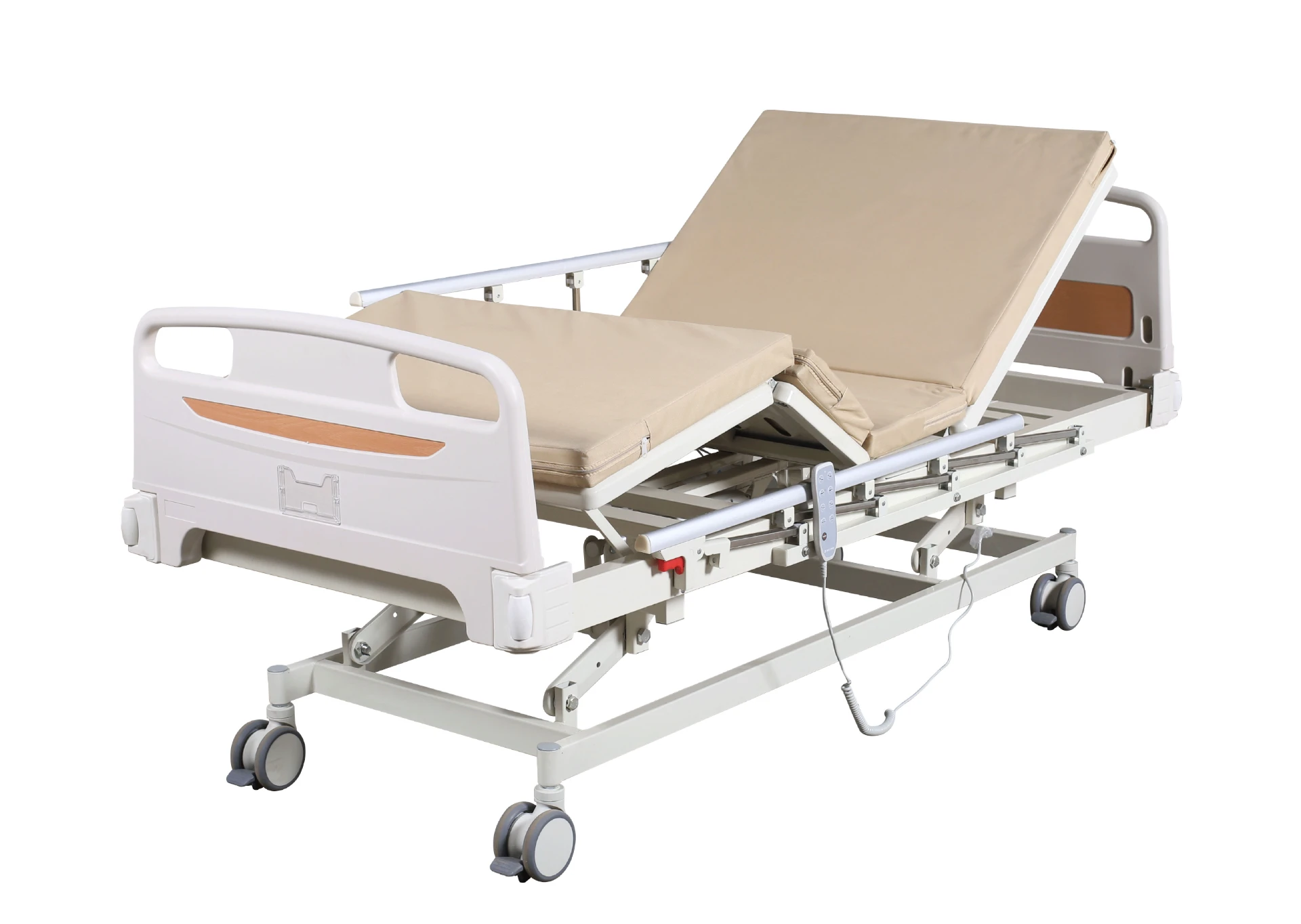
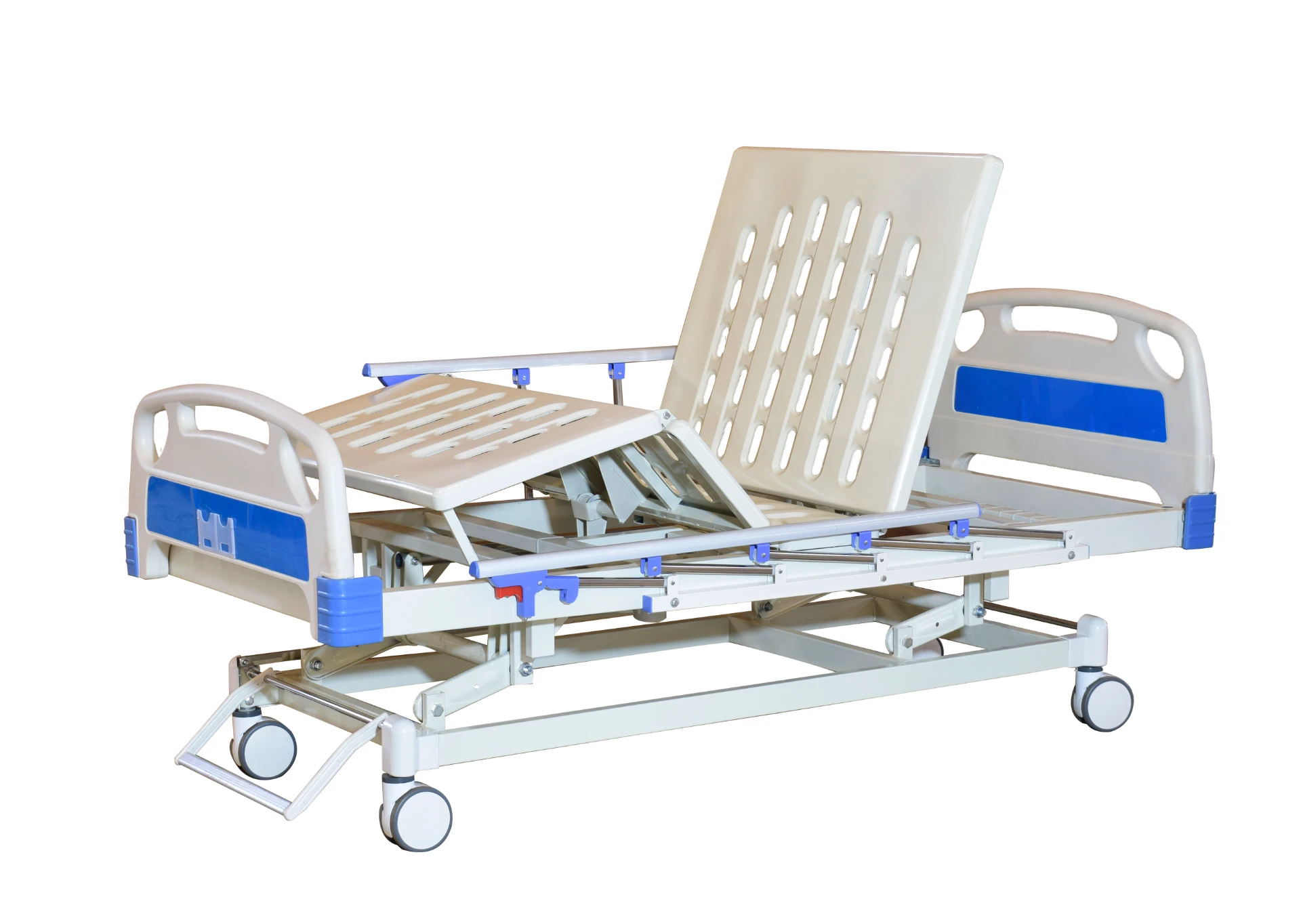
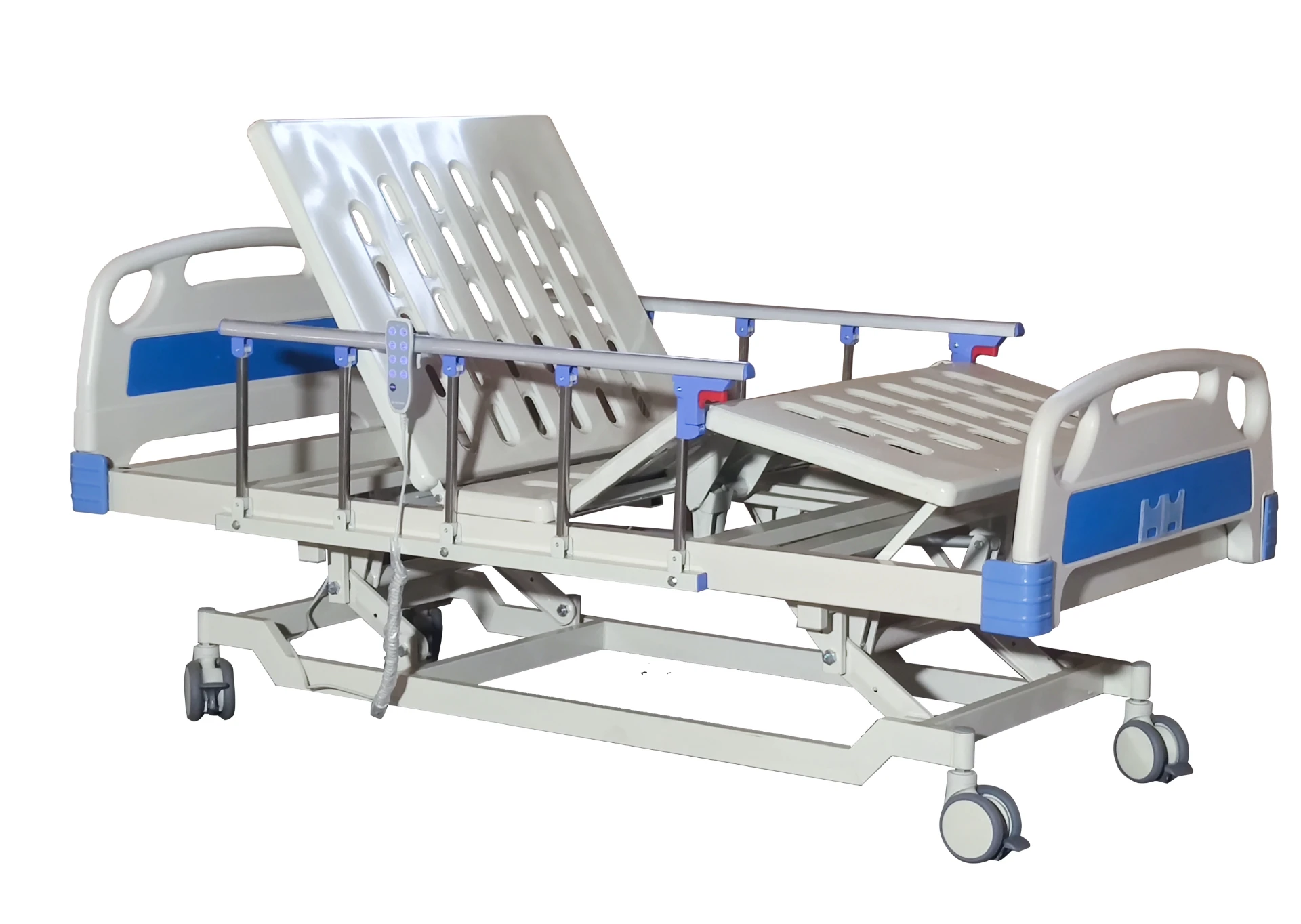
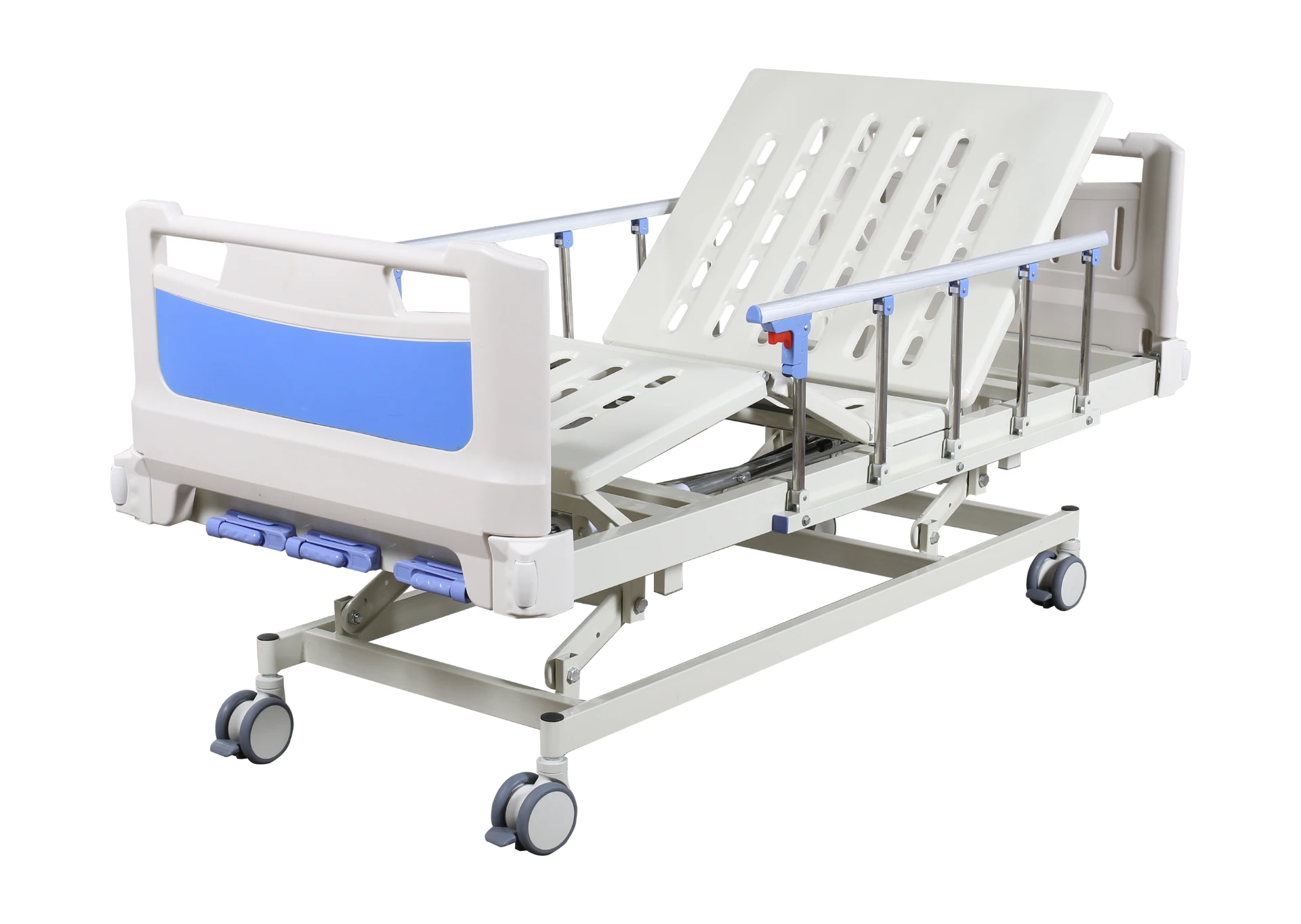
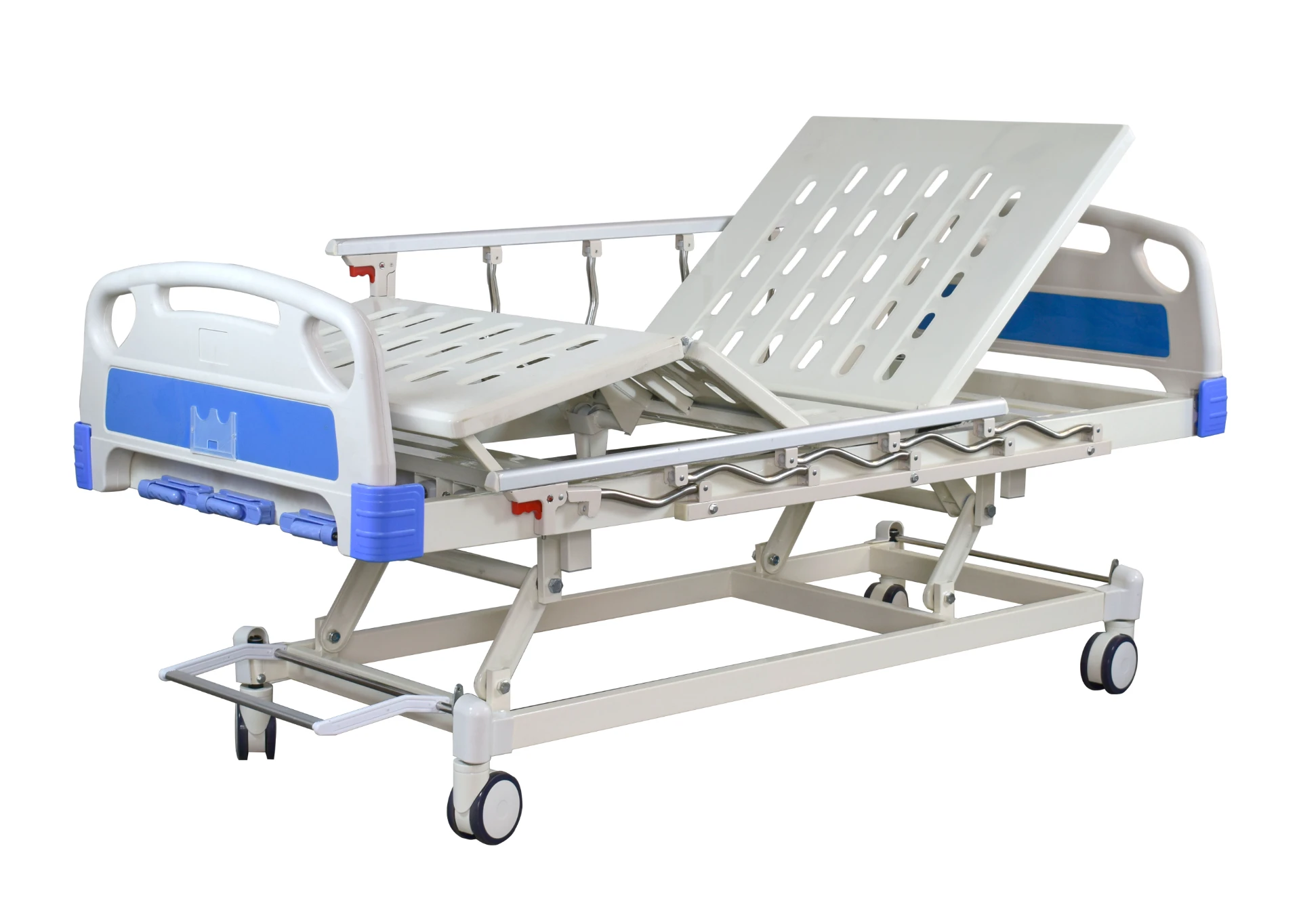
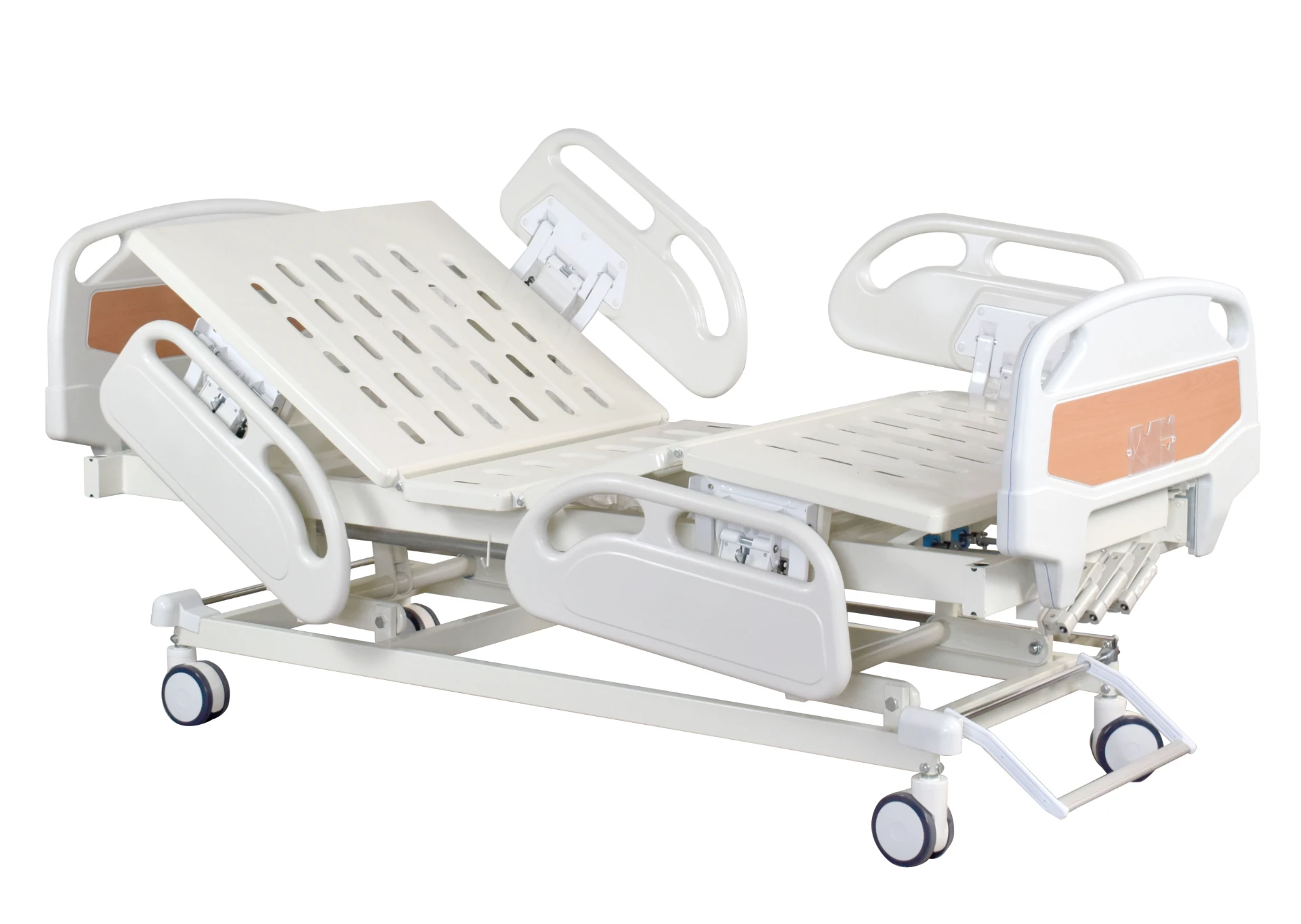
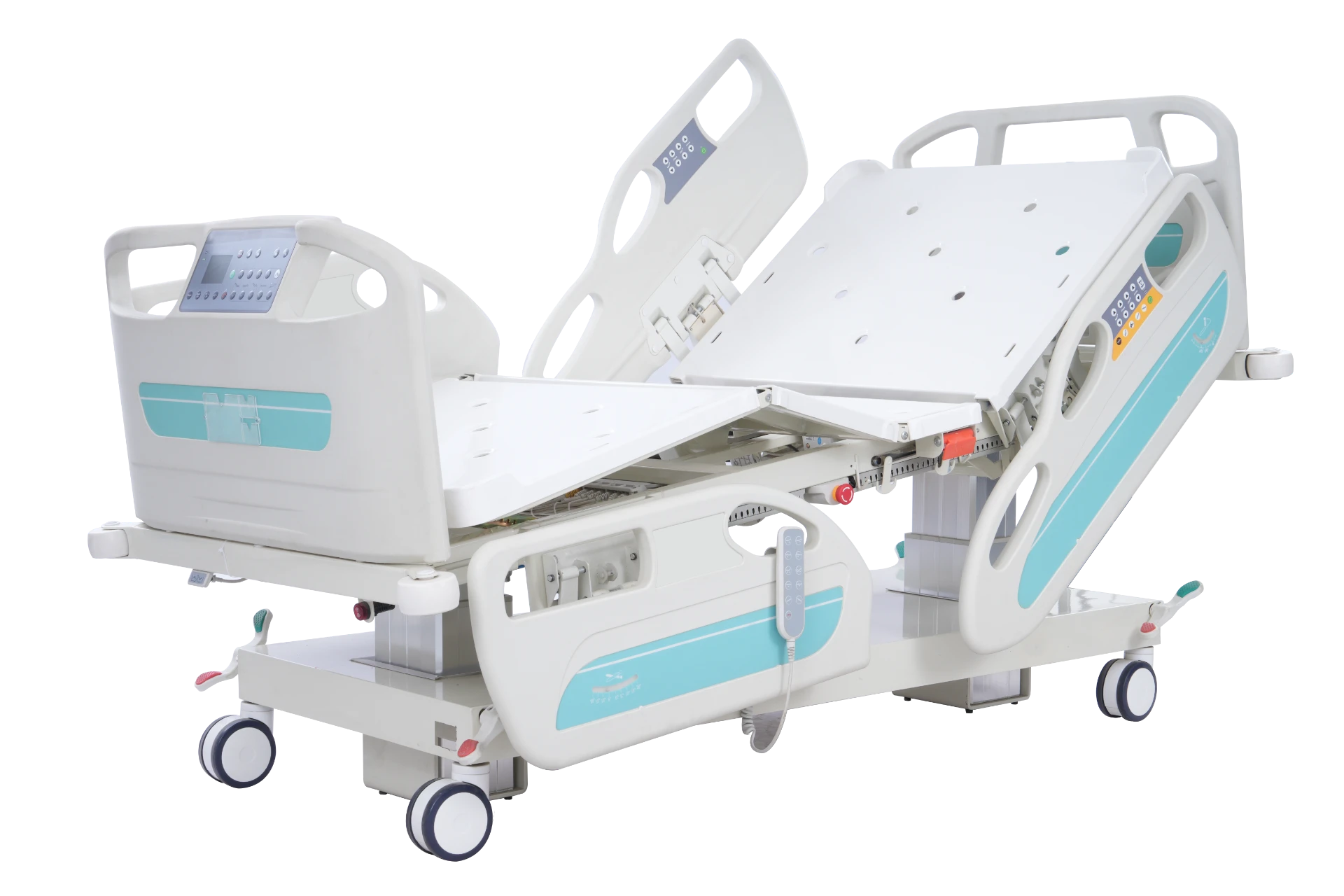
Unlike standard hospital beds, pediatric beds often include safety rails scaled for small sizes, weight-support adaptations, and ergonomic features to ease handling by staff and families. The price includes these design complexities and an adherence to strict hygiene and durability standards. It’s not just a number; it’s a benchmark representing the intersection of health, safety, and economics in child care.
Core Components That Influence Pediatric Bed Pricing
1. Durability and Materials
The bed must withstand constant use and cleaning without degrading. Quality pediatric beds use medical-grade steel frames, reinforced plastics, and easy-to-sterilize fabrics or coatings. Unsurprisingly, these materials push prices up but ensure longevity.
2. Adjustability and Ergonomics
Many beds allow height, backrest, and leg rest adjustments — quite important for varying patient needs. Mechanisms (manual or motorized) directly add to the price depending on complexity.
3. Safety Features
Childproof side rails, locking wheels, seamless edges, and impact-resistant designs reduce injury risks and liability. These protective elements often make the difference between a cheap knockoff and a hospital-grade bed.
4. Compliance & Certification
Conformance to international standards like ISO and ASTM assures quality and safety but comes at a cost — testing labs, audits, and documentation all add layers to the final price.
5. Supplier Services and Warranty
Many vendors offer installation, training, maintenance contracts, and lengthy warranties. While these add-on services inflate initial costs, they often save money long term by reducing downtime and repairs.
Practical Applications: Where Pediatric Beds Fit In Globally
Hospitals in Europe emphasize ergonomic pediatric beds with high-tech adjustability and advanced safety features. Meanwhile, humanitarian organizations in fragile settings prioritize portability and cost efficiency when procuring pediatric beds for emergency clinics.
Consider the post-earthquake relief operations in Nepal in 2015. Field hospitals needed pediatric beds that were lightweight yet sturdy, easy to sanitize, and stackable for transport. Suppliers who understood the pediatric bed price trade-offs could respond promptly, supplying beds that balanced cost and utility perfectly.
Similarly, in parts of sub-Saharan Africa, pediatric beds are integrated into community health centers with a focus on durability over years of intense use, accepting higher upfront pediatric bed prices for longer service life.
| Specification | Typical Pediatric Bed | Remarks |
|---|---|---|
| Weight Capacity | Up to 90 kg | Suitable for wide pediatric range |
| Bed Length | 140–160 cm | Adjustable height variants common |
| Adjustability | Backrest & Height Motorized | Standard in advanced facilities |
| Side Rails | Childproof locking mechanisms | Critical for safety |
| Materials | Stainless steel & antimicrobial fabric | For infection control |
The Benefits Behind the Price Tag
Investing in well-priced pediatric beds pays off in unexpected ways. For one, safety features reduce treatment complications from injuries, improving recovery times. Cost-wise, durable beds cut replacement frequency, easing long-term financial burdens.
Moreover, a child’s dignity is preserved when they rest comfortably in a bed designed just for them, allowing family-friendly hospital stays. For staff, adjustable beds mean less strain and better care delivery. There’s also an emotional comfort, especially for parents who look for signs of their child’s well-being in every detail — including the bed.
Emerging Trends Changing the Pediatric Bed Market
- Smart Beds: Integration of sensors to monitor vitals or adjust pressure dynamically.
- Eco-friendly Materials: Biodegradable plastics and recycled metals cut carbon footprints.
- Modular Designs: Quick assembly and transport suit disaster and temporary clinics.
- Telemedicine Compatibility: Beds designed to incorporate diagnostic devices seamlessly.
Healthcare’s digital transformation means that future pediatric bed prices might reflect tech sophistication — but also offer savings through improved patient monitoring and resource efficiency.
Challenges in Pediatric Bed Procurement and How to Address Them
Despite progress, affordability remains a hurdle, especially in developing regions. Inconsistent quality among suppliers poses clinical risks, while logistical barriers delay deliveries. Many buyers struggle with balancing upfront costs against long-term value.
Experts recommend thorough vendor vetting, clear technical specifications, and considering total cost of ownership instead of just purchase price. Innovative financing and international partnerships also open doors to better options.
| Vendor | Price Range (USD) | Warranty | Key Strengths |
|---|---|---|---|
| HealKids Solutions | $850 - $1,200 | 5 years | Advanced safety tech, strong certification |
| Global HealthBeds Inc. | $700 - $1,000 | 3 years | Affordable with modular design options |
| PediaRest Co. | $1,000 - $1,500 | 7 years | Premium build, integrated tech platforms |
FAQ: Your Top Questions About Pediatric Bed Price
- What factors mostly influence the pediatric bed price?
- Materials, mechanisms for adjustability, safety features, and certifications. Add-ons like warranties and vendor services also play a role.
- Are higher priced pediatric beds always better?
- Not always. While pricier beds usually offer more features or durability, the best choice depends on your specific needs and budget.
- How can hospitals in low-income regions afford quality beds?
- Through partnerships, grants, bulk purchasing, or exploring refurbished beds certified for safety. Considering total cost of ownership helps avoid pitfalls.
- Do pediatric bed prices vary much by region?
- Yes, shipping, taxes, and local regulations affect prices. Plus, supplier options differ geographically.
- Can pediatric beds be customized?
- Many manufacturers offer customization in size, materials, or tech features — but these generally raise prices.
Wrapping Up: Why Pediatric Bed Price Is Worth Your Focus
In the end, pediatric bed price is not just about dollars, but about ensuring every child has a safe, comfortable place to heal. Whether you’re a hospital procurement officer, NGO coordinator, or health policy maker, understanding these prices means making smarter, responsible choices that ripple across health systems and communities worldwide.
For more info and competitive offers, visit our site: https://www.cnboxin.com. Your next pediatric bed purchase should empower care, not complicate budgets.
References:
1. World Bank Health Expenditure Data
2. UNICEF Health Infrastructure Reports
3. ISO 80601-2-52 Medical beds standards
-
Ultimate Guide to Choosing Extra Wide Waiting Room ChairsNewsApr.16,2026
-
Guide to Choosing Professional Waiting Room Chairs Wipeable SeatingNewsApr.09,2026
-
Enhance Your Space with Comfortable Wide Waiting Room ChairsNewsApr.07,2026
-
Selecting the Ideal Brown Waiting Room Chairs for a Welcoming SpaceNewsApr.04,2026
-
Choosing Comfortable Patient Waiting Room Chairs for Healthcare FacilitiesNewsMar.31,2026
-
Finding the Best Deals on Affordable and Cheap Reception Chairs for Your BusinessNewsMar.28,2026
-
Enhance Your Business Reception with Comfortable Blue Reception ChairsNewsMar.26,2026