Welcome to our websites!


Full Size Electric Hospital Bed – Global Healthcare Comfort & Innovation
Why the Full Size Electric Hospital Bed Matters Worldwide
The full size electric hospital bed might not be something we think about daily, but it’s a game changer for healthcare systems around the globe. Whether it’s in bustling urban hospitals or remote clinics in developing countries, these beds improve patient care, ease caregivers’ physical strain, and streamline hospital workflows. In an increasingly aging world—by 2050, the United Nations projects the global population over 60 will double from 962 million to nearly 2.1 billion—the need for adaptable, reliable hospital beds is clear and urgent.
Understanding this specialized equipment helps us appreciate what goes into providing dignified, quality care that is both humane and efficient. So why should you care about full size electric hospital beds? Because at the intersection of comfort, safety, and technology, they represent real progress in patient treatment worldwide.
The Global Landscape: A Healthcare Staple in Demand
To put it bluntly, hospitals everywhere face pressure from rising patient numbers, diverse medical needs, and budget constraints. According to the World Health Organization, healthcare infrastructure deficits remain acute in many regions, especially sub-Saharan Africa and parts of Asia, where fewer than 10 hospital beds per 10,000 population exist, compared to over 50 in high-income countries. That’s a pretty stark contrast—and a challenge when everything from pandemics to chronic diseases require flexible, reliable medical furniture solutions.
Enter the full size electric hospital bed. This equipment tackles labor-intense manual adjustments with smooth motorized controls, allowing quick changes from flat to seated positions or leg elevations. For caregivers, it reduces back injuries tremendously. For patients, it means less discomfort and better recovery conditions. Frankly, it’s a cornerstone of modern patient-centered care systems worldwide.
What Exactly Is a Full Size Electric Hospital Bed?
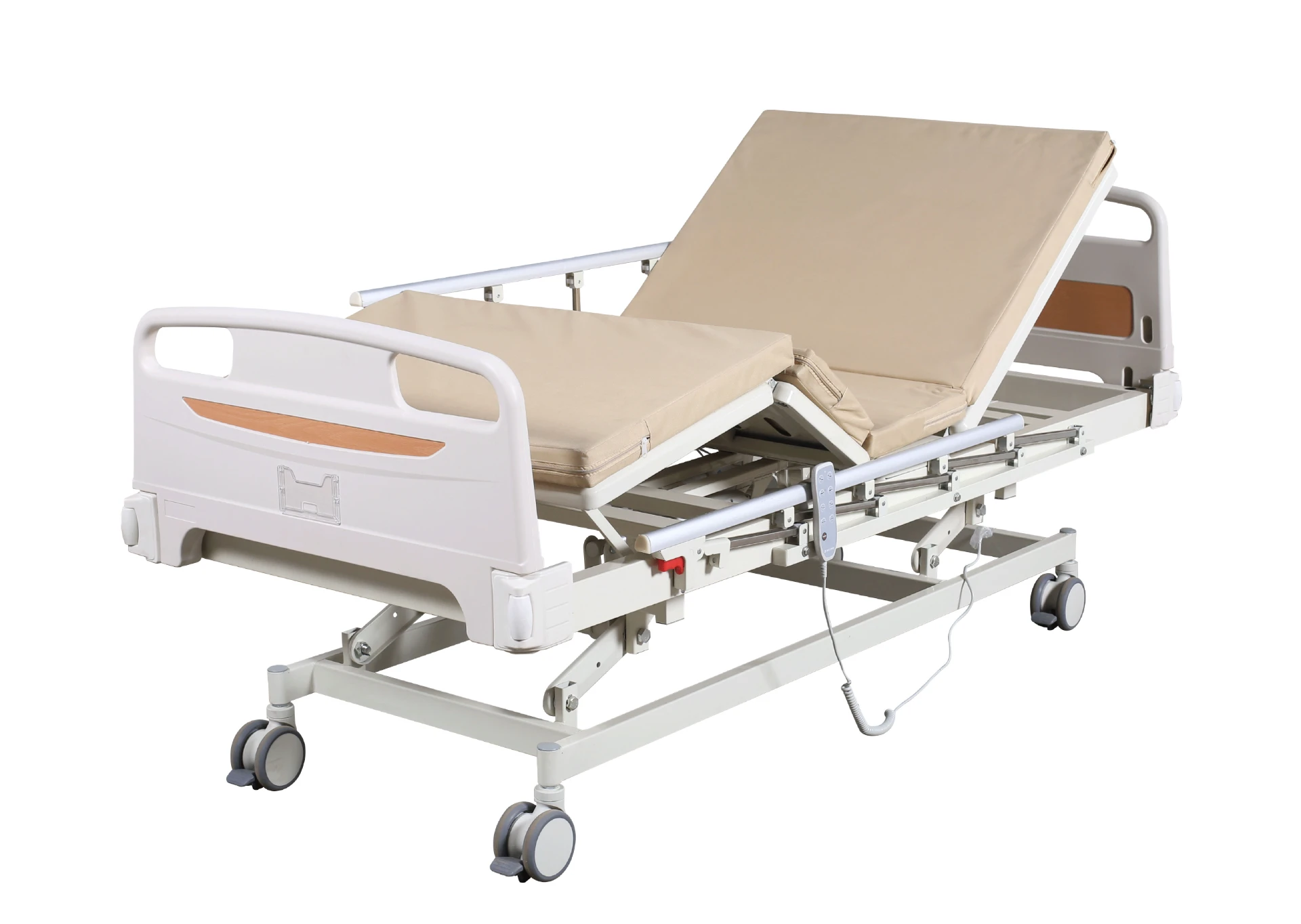
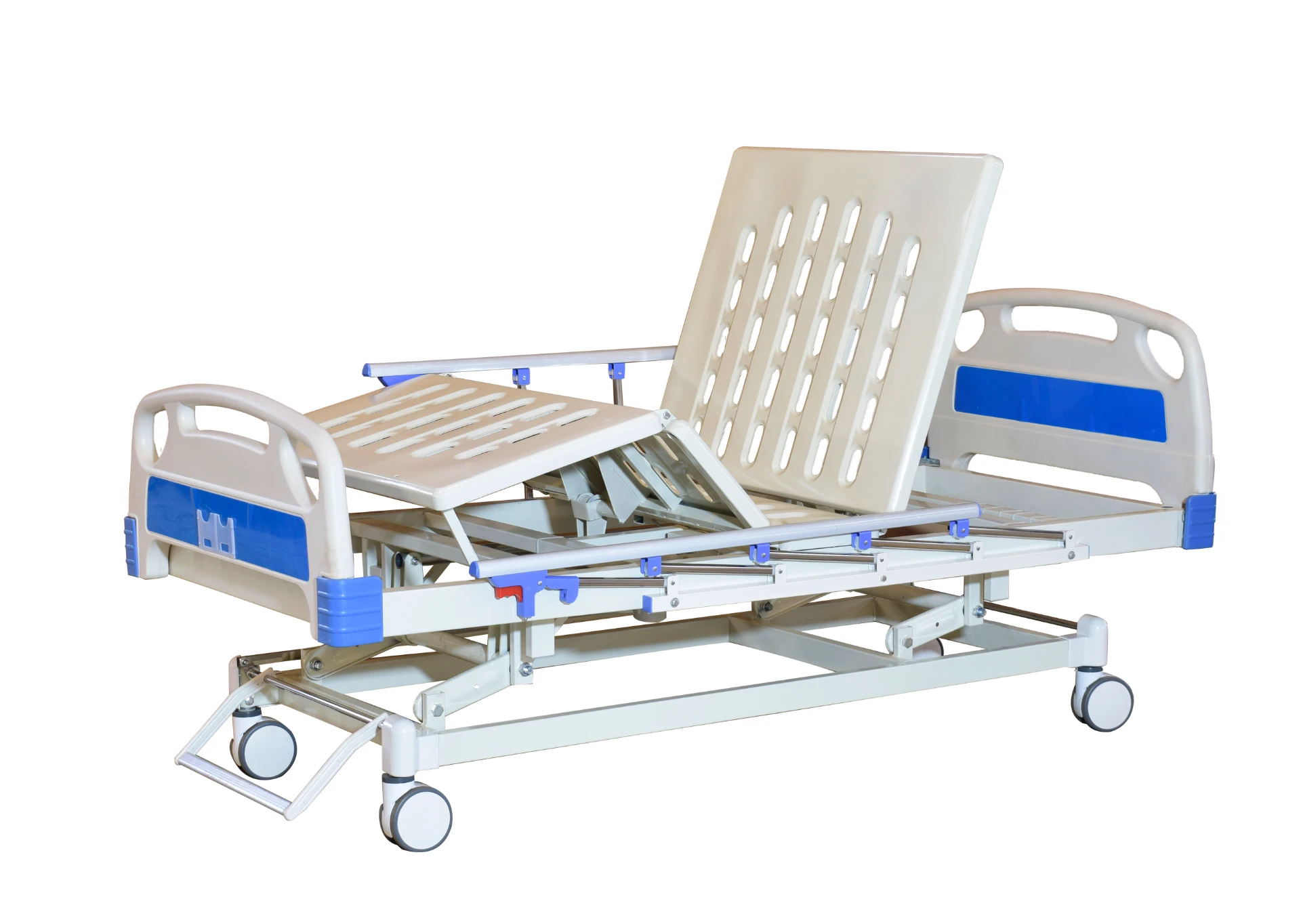
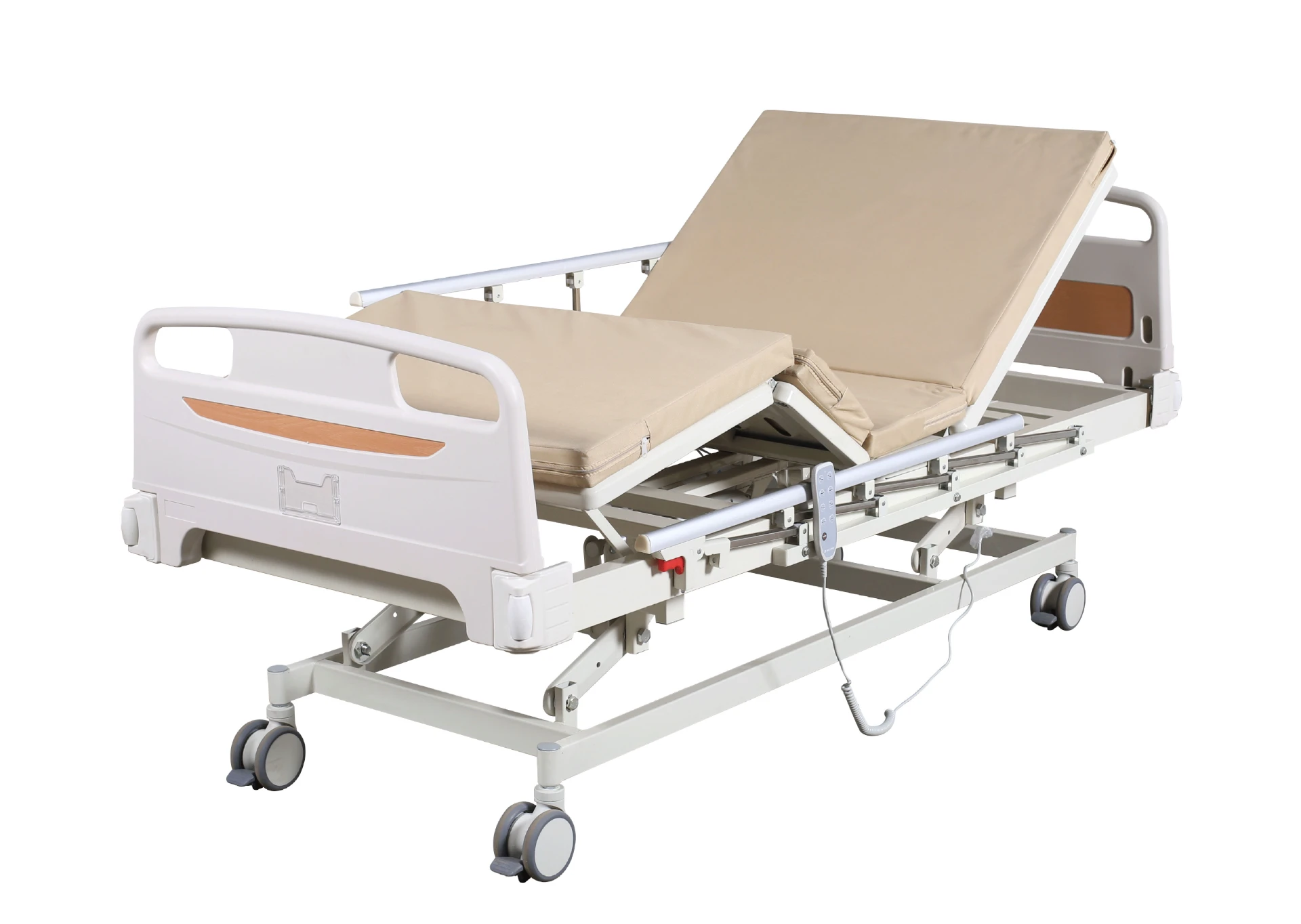
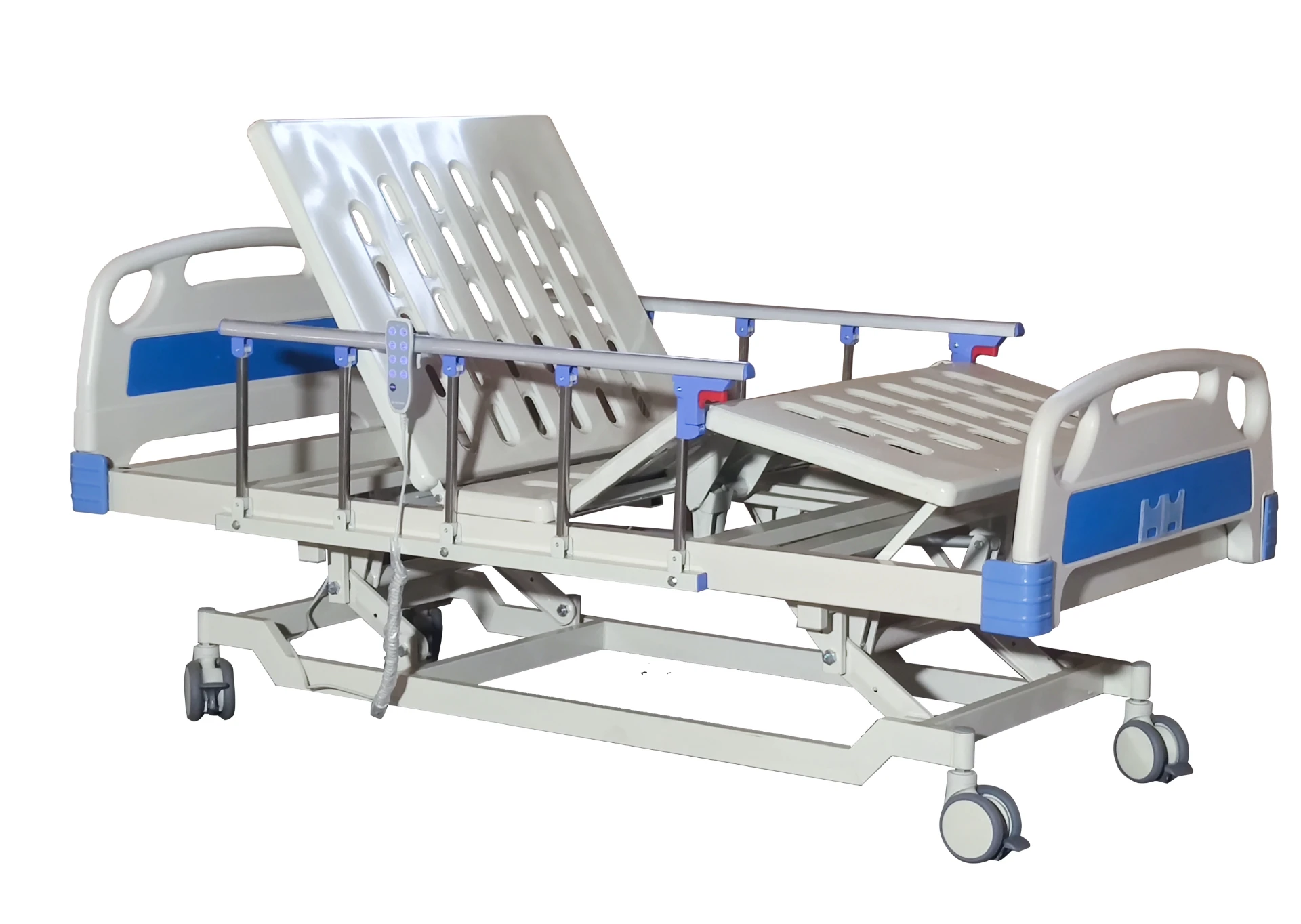
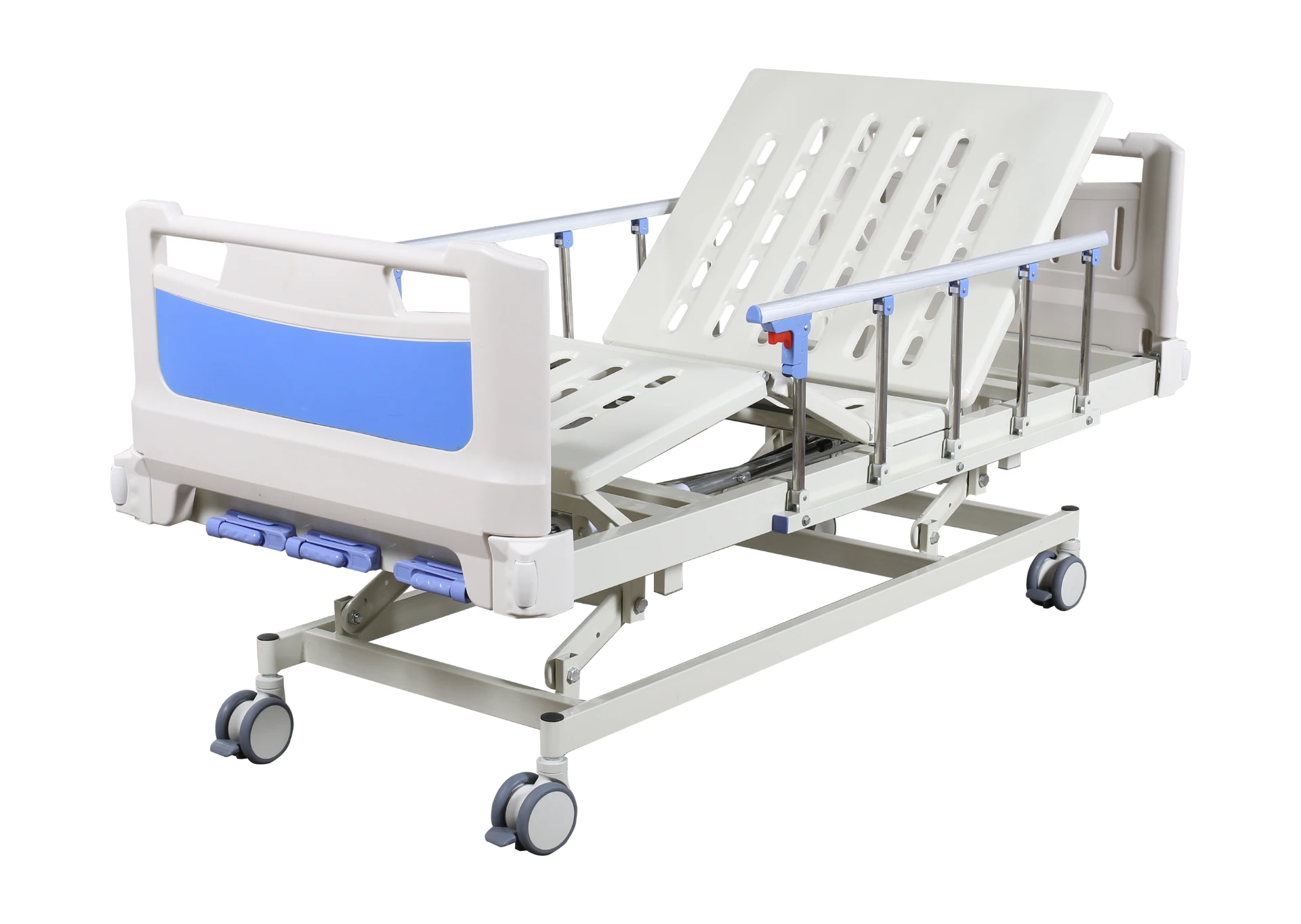
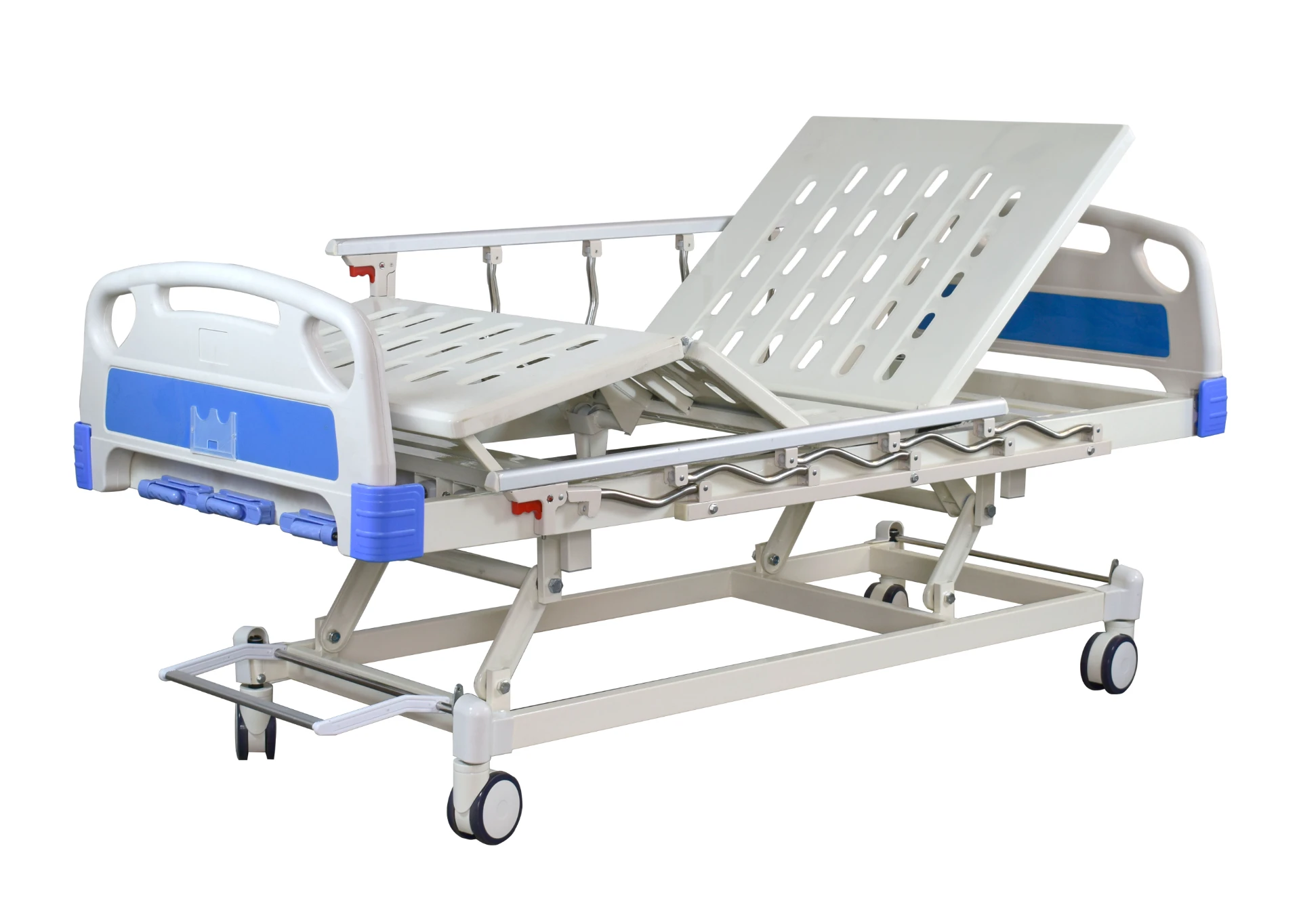
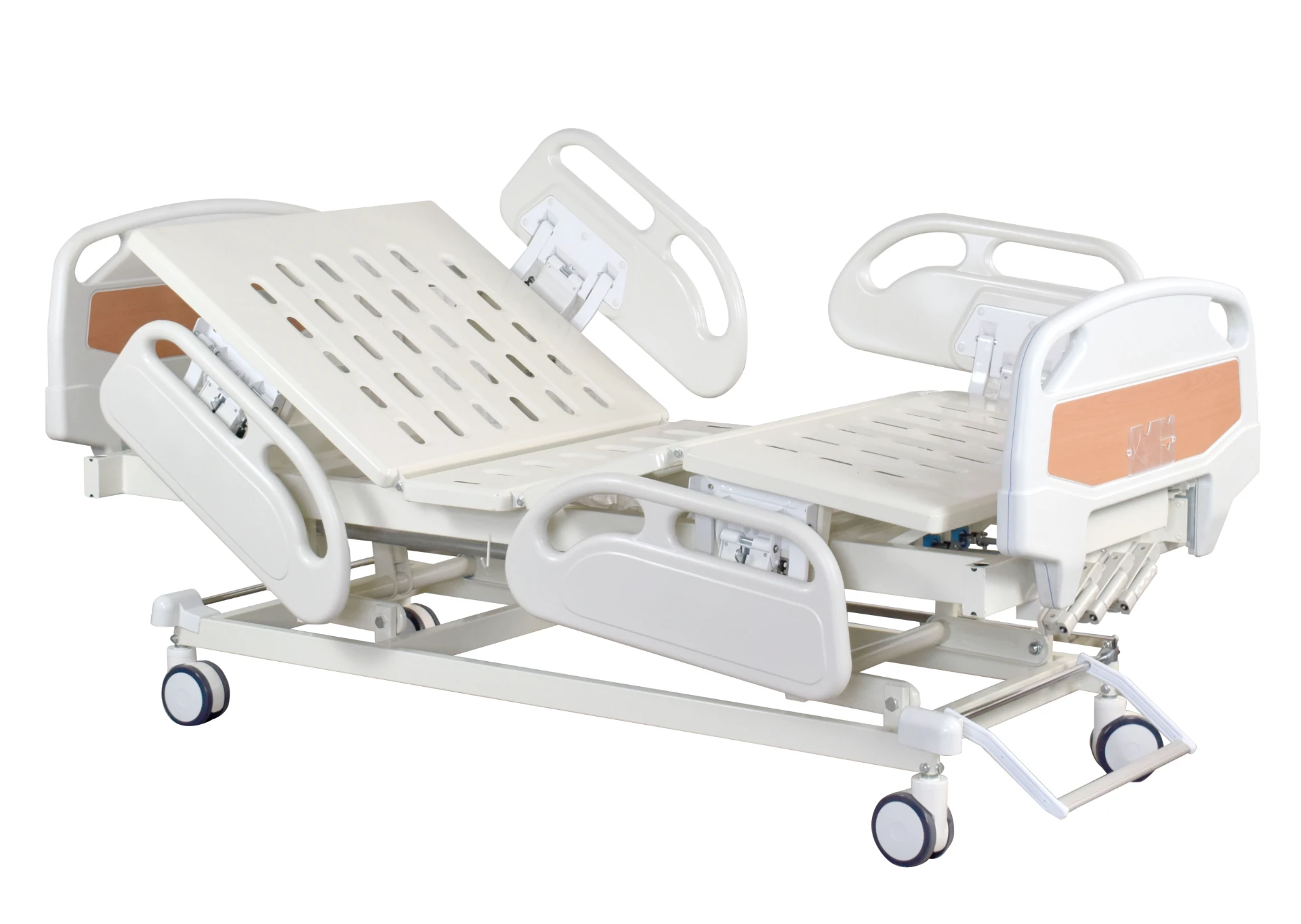
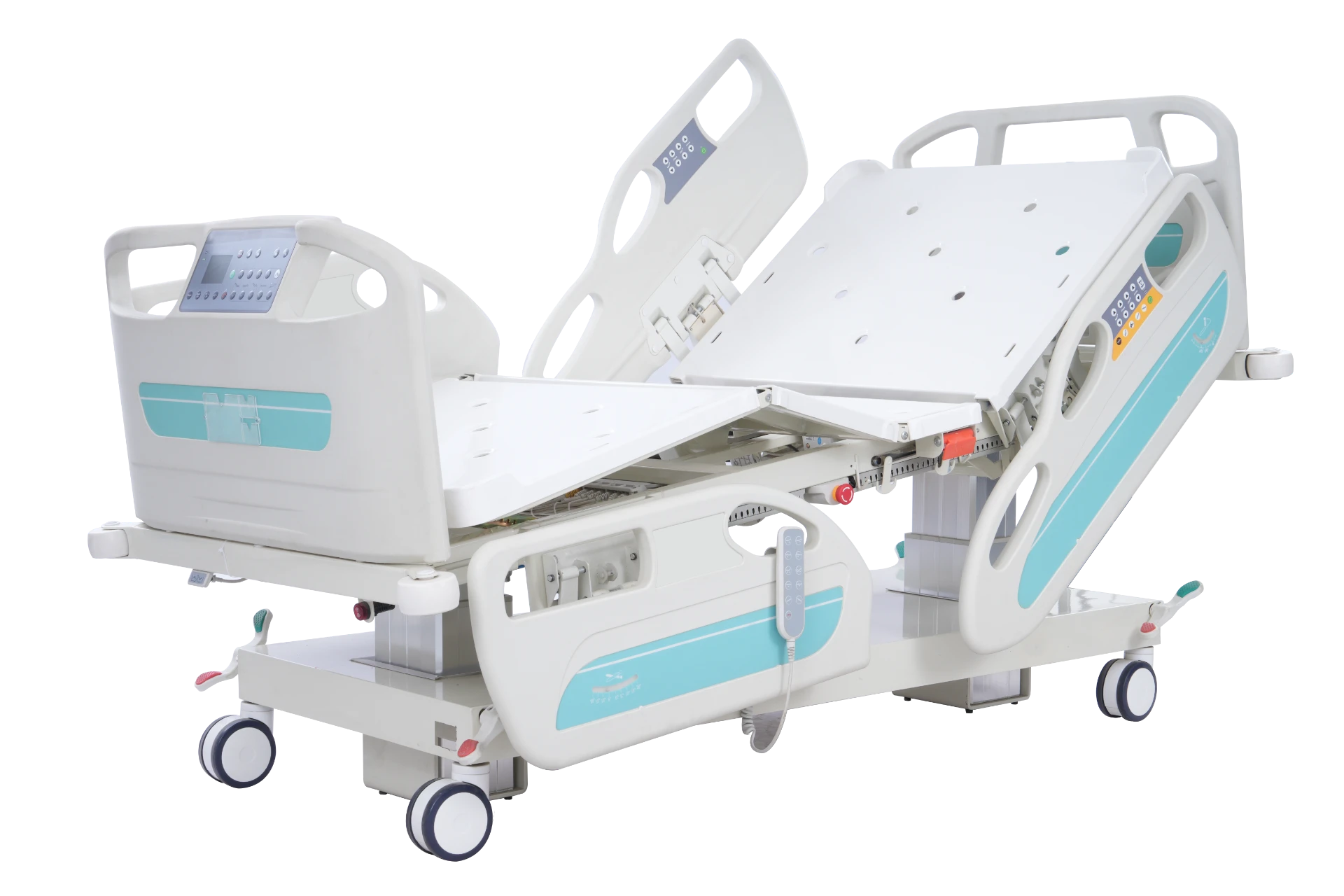
At its core, a full size electric hospital bed is an adjustable bed designed to accommodate the entire adult body size spectrum, often measuring about 38 to 42 inches wide and 80 inches long. The “electric” part means it uses powered motors controlled by handsets or nurse control panels to raise or lower various bed sections, such as the head, foot, or overall height.
Unlike traditional beds, these units integrate medical-grade materials and safety features like side rails, weight sensors, and battery backup options. They fulfill two key needs: enhancing patient comfort by allowing customized positioning, and improving care delivery by making patient transfer, hygiene, and treatment easier. They’re practically indispensable for hospitals, long-term care facilities, and even home health setups where comprehensive mobility assistance is required.
Key Components That Make the Difference
- Durability and Materials: Typically built from reinforced steel frames with antimicrobial coatings to withstand continuous use and rigorous sanitation protocols.
- Adjustability and Motor Functions: Multiple motors enable nuanced adjustments—some beds offer independent control for various sections, while newer models incorporate memory presets.
- Safety Mechanisms: Side rails, emergency battery backups, and lockable wheels reduce risk and ensure uninterrupted care during power outages or emergencies.
- Ease of Use: Intuitive remote controls and nurse call integrations ensure both patients and caregivers can operate beds with minimum hassle.
- Compatibility: Some beds accommodate advanced accessories like IV poles, traction equipment, or pressure-relief mattresses.
Each one plays a crucial role in balancing longevity, cost, and functionality tailored for clinical, rehab, or home environments.
Mini Takeaway
If you’re wondering what makes the full size electric hospital bed tick, think of it as a smart, sturdy cornerstone of patient care equipment—tailored for flexibility and long-term reliability.
Real-World Use Cases: Where Full Size Electric Hospital Beds Shine
You’ll find these beds everywhere—but especially where the stakes are high and comfort is critical. In developed countries, they’re standard in ICUs, surgery recovery rooms, and nursing homes. European countries, for example, that lead in aging demographics, heavily invest in these beds to support independent elderly living combined with professional care.
In disaster zones or humanitarian missions, quick-setup electric beds foster dignity and safety amid chaos. For instance, after the 2015 Nepal earthquake, several NGOs supplied electric hospital beds to field hospitals, significantly improving patient outcomes compared to standard cots or manual beds. Similarly, remote mining camps or offshore platforms benefit, as workers exposed to injury require immediate, adjustable care settings.
Hospitals in emerging economies gradually integrate these electric beds into their portfolios as local manufacturing and global import logistics improve. The ability to customize bed features for cultural preferences and specific medical conditions makes the product increasingly versatile worldwide.
Mini Takeaway
From high-tech ICUs in Tokyo to emergency clinics in Haiti, the electric hospital bed plays practical and life-affirming roles—kind of like the silent workhorse of modern healthcare.
Advantages & Lifelong Worth of a Full Size Electric Hospital Bed
Let’s get practical: investing in these beds yields returns beyond comfort. Cost savings come from reduced labor injuries and fewer complications when patients can be positioned optimally, reducing lengths of hospital stays. The environmental angle matters too—many manufacturers now focus on recyclable materials and energy-efficient motors, aligning with ISO sustainability standards.
Equally important is the social impact. By preserving patient dignity through better positioning and ease of movement, these beds respect human rights and enhance psychological well-being. Caregivers report higher satisfaction and less fatigue—meaning less turnover and more consistent patient care.
Product Specifications At a Glance
| Feature | Specification |
|---|---|
| Bed Dimensions (WxL) | 42” x 80” (full size) |
| Adjustable Sections | Head, foot, and height |
| Weight Capacity | Up to 500 lbs (approx. 227 kg) |
| Electric Motor Type | Low noise, energy-efficient DC motors |
| Safety Features | Side rails, lockable casters, battery backup |
| Control Options | Handheld remote and nurse station panel |
Comparing Leading Vendors: Full Size Electric Hospital Beds
| Brand | Max Weight (lbs) | Controls | Price Range | Warranty |
|---|---|---|---|---|
| CarePro | 500 | Wired remote & nurse panel | $1,500 - $1,900 | 5 years |
| MediFlex | 450 | Wireless remote | $1,600 - $2,100 | 4 years |
| HealthNest | 600 | Dual remote + app control | $1,800 - $2,300 | 6 years |
Looking Ahead: Emerging Trends in Hospital Bed Tech
The future is fascinating here. We’re seeing a shift toward integrating IoT capabilities—beds that can report patient vitals, adjust settings automatically based on movement, or alert medical staff to falls. Battery tech improvements mean longer backup power, crucial during emergencies. Sustainability is another huge push, with manufacturers experimenting with biodegradable composites and solar-powered models to cut the carbon footprint.
Another trend? Customization. Not just mattress type but modular bed frames that can be adapted for pediatric, bariatric, or specialized recovery needs. As healthcare digitizes, this adaptability will be key to optimizing patient outcomes everywhere.
Challenges on the Horizon & Practical Fixes
No tech is perfect. Many health providers, especially in low-resource settings, struggle with costs, maintenance complexity, or lack of training. Dirty or faulty electric beds can cause delays or even injuries.
One promising approach? Partnerships between manufacturers and NGOs to provide affordable leasing models and onsite training. Another? Designing electric beds with fewer parts to minimize malfunctions. Simplified repair guides and local manufacturing of spare parts are becoming game changers in some regions.
FAQ: Addressing Your Top Questions About Full Size Electric Hospital Beds
- Q: How heavy is a full size electric hospital bed and can it be moved easily?
- A: These beds typically weigh between 100 to 150 pounds depending on materials but are designed with lockable casters for smooth transport within clinical settings. Moving them between buildings may require several people or equipment.
- Q: Are full size electric hospital beds compatible with all mattress types?
- A: Most electric hospital beds require specialized pressure-relieving or low-air-loss mattresses to ensure safety and comfort. Standard home mattresses often don’t fit or perform correctly.
- Q: How do electric hospital beds improve patient safety?
- A: Adjustable positioning reduces risks of bedsores, blood clots, and respiratory complications. Side rails and stable frames protect against falls, while battery backups ensure continuous functionality during outages.
- Q: What maintenance do these beds need?
- A: Routine checks on motors, wiring, and mechanical parts—plus cleaning according to infection control standards—are essential. Manufacturer manuals usually provide detailed schedules.
- Q: Can these beds be used easily in home care?
- A: Definitely. Many caregivers appreciate the beds’ adjustability and ease of use. Some models even feature quieter motors and sleeker designs to fit home aesthetics.
Wrapping It Up: Why Full Size Electric Hospital Beds Are Worth Your Attention
It’s not just about a bed. The full size electric hospital bed embodies how simple innovations can profoundly affect millions of lives. They marry engineering, healthcare, and compassionate design in a way that supports dignity, safety, and efficiency. So the next time you walk past a hospital room, pause a moment. That humble adjustable bed is a silent partner in healing, recovery, and caregiving.
If you’re curious to explore more or want to find a trusted supplier, visit full size electric hospital bed solutions customized for your needs.
References & Further Reading
-
Ultimate Guide to Choosing Extra Wide Waiting Room ChairsNewsApr.16,2026
-
Guide to Choosing Professional Waiting Room Chairs Wipeable SeatingNewsApr.09,2026
-
Enhance Your Space with Comfortable Wide Waiting Room ChairsNewsApr.07,2026
-
Selecting the Ideal Brown Waiting Room Chairs for a Welcoming SpaceNewsApr.04,2026
-
Choosing Comfortable Patient Waiting Room Chairs for Healthcare FacilitiesNewsMar.31,2026
-
Finding the Best Deals on Affordable and Cheap Reception Chairs for Your BusinessNewsMar.28,2026
-
Enhance Your Business Reception with Comfortable Blue Reception ChairsNewsMar.26,2026