Welcome to our websites!


Rotating Mattress for Hospital Bed - Enhance Patient Care & Comfort Globally
Understanding the Rotating Mattress for Hospital Bed: Why It Matters Worldwide
If you've ever worked in healthcare or spent time in hospitals, you might have noticed how carefully patients are positioned, especially those who can't move on their own. Enter the rotating mattress for hospital bed — a clever innovation designed to ease the burden of patient care while enhancing well-being. Globally, with the aging population continuing to rise (UN reports a doubling of over-60s by 2050), pressure ulcers and mobility issues remain critical challenges. Understanding and investing in rotating mattresses bring key benefits: better patient outcomes, reduced caregiver strain, and overall healthcare cost reductions. Humble as it may seem, this product embodies a big step forward in medical care.
Global Context: Why Rotating Mattresses Are Essential Today
Healthcare systems worldwide are strained by chronic illnesses and an ever-growing elderly demographic. According to WHO, pressure ulcers affect up to 38% of hospitalized patients globally, depending on care standards. This statistic feels staggering—but it’s precisely where rotating mattresses shine. Facilitating patients’ repositioning reduces skin breakdown and associated complications. Hospitals across continents—be it Europe, Asia, or the Americas—are increasingly adopting these mattresses to tackle a very human problem with technology and smart design. The challenge: how to provide durable, reliable support that health institutions everywhere can access, from high-end urban hospitals to rural clinics.
Mini Takeaway:
Rotating mattresses are not just a luxury; they address a pressing global health concern, offering practical solutions to reduce patient immobility risks.
What Exactly Is a Rotating Mattress for Hospital Bed?
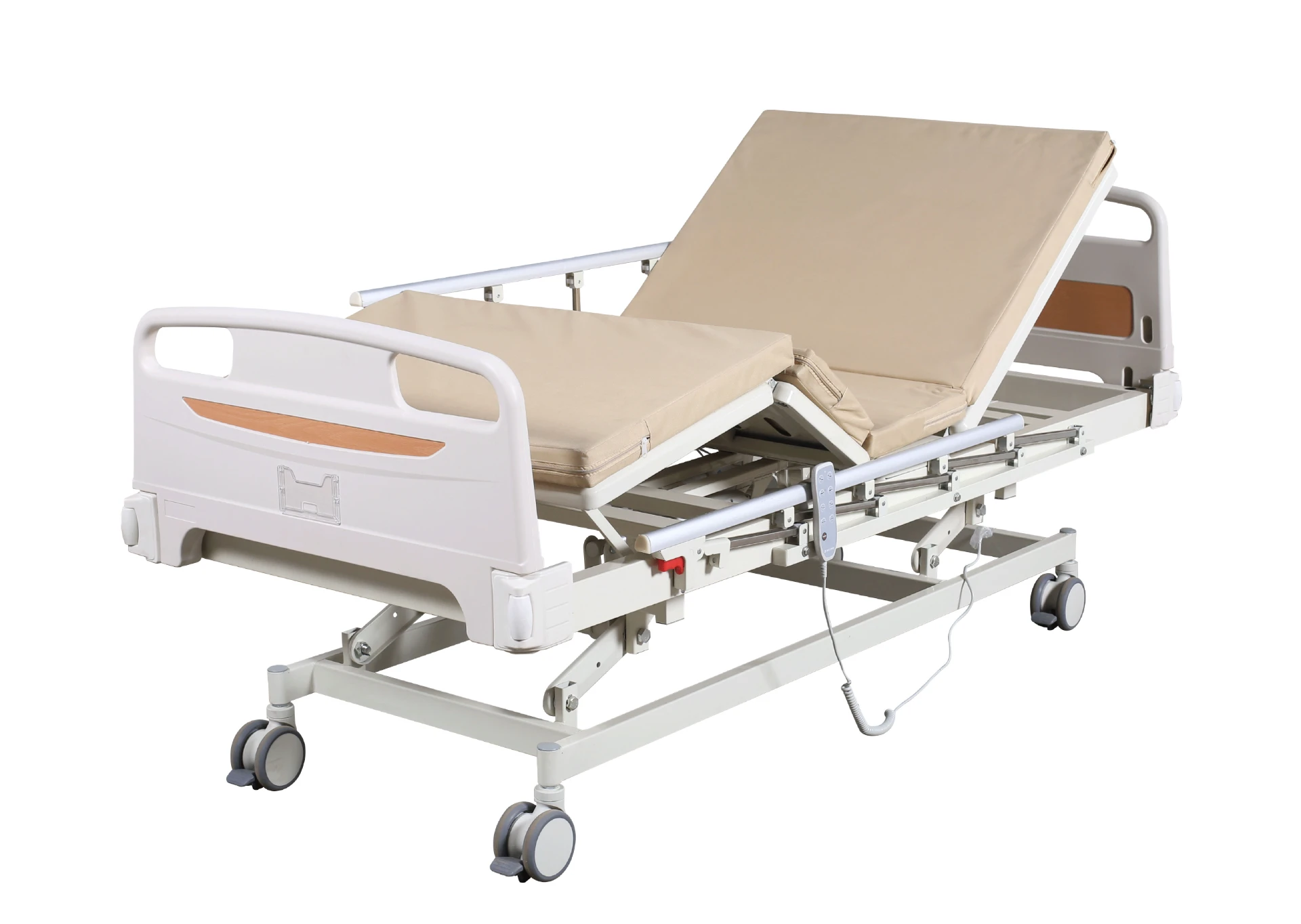
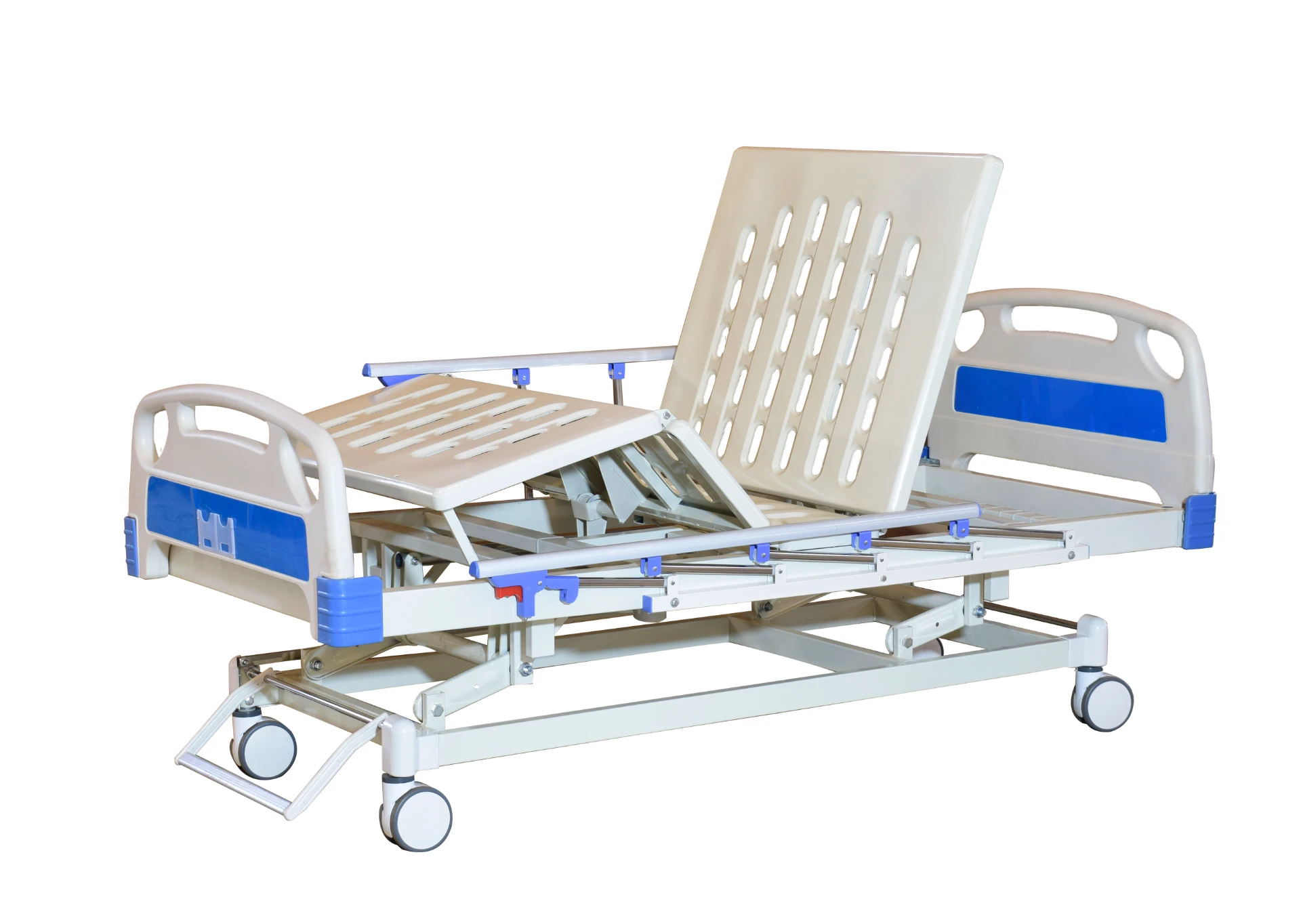
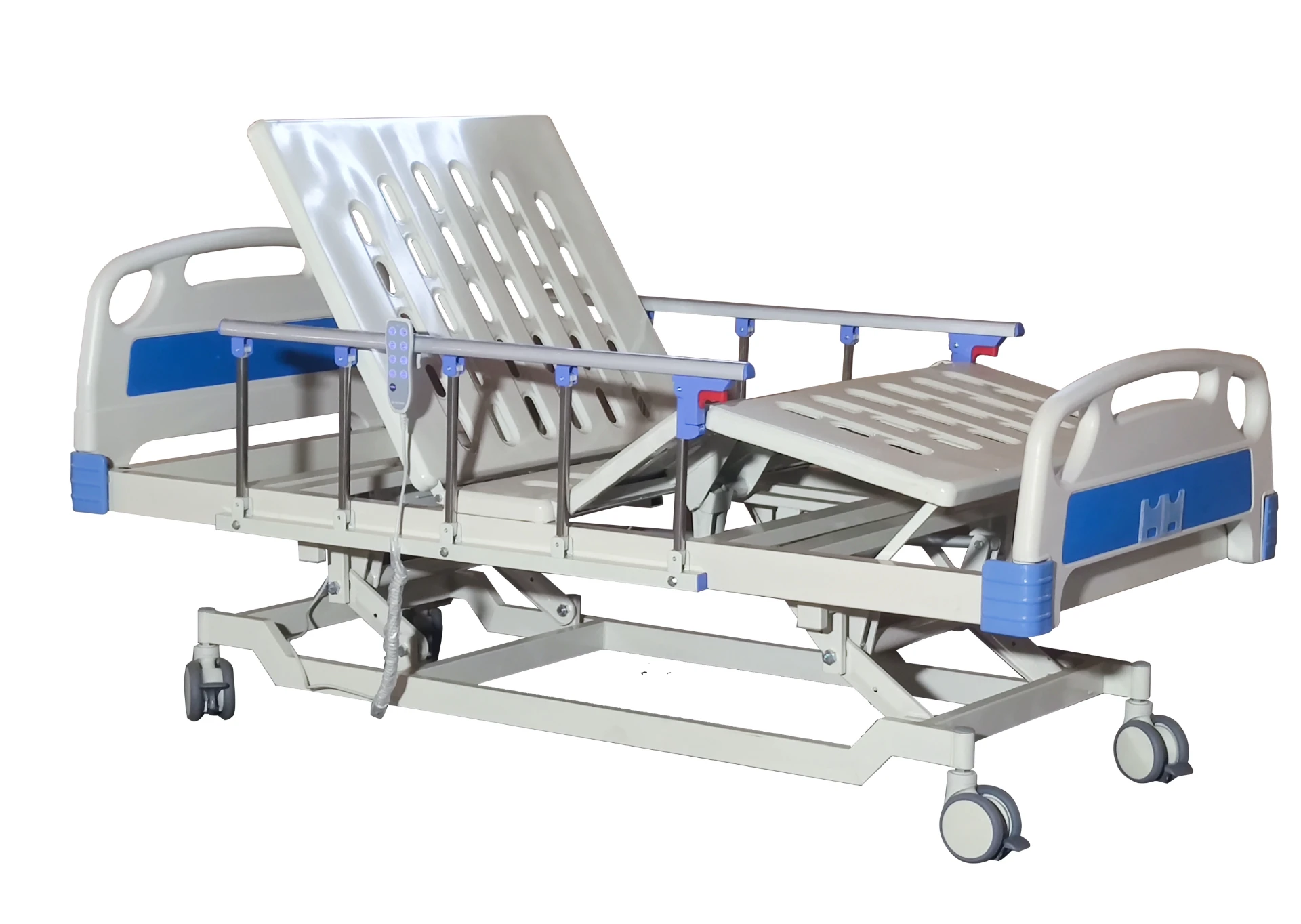
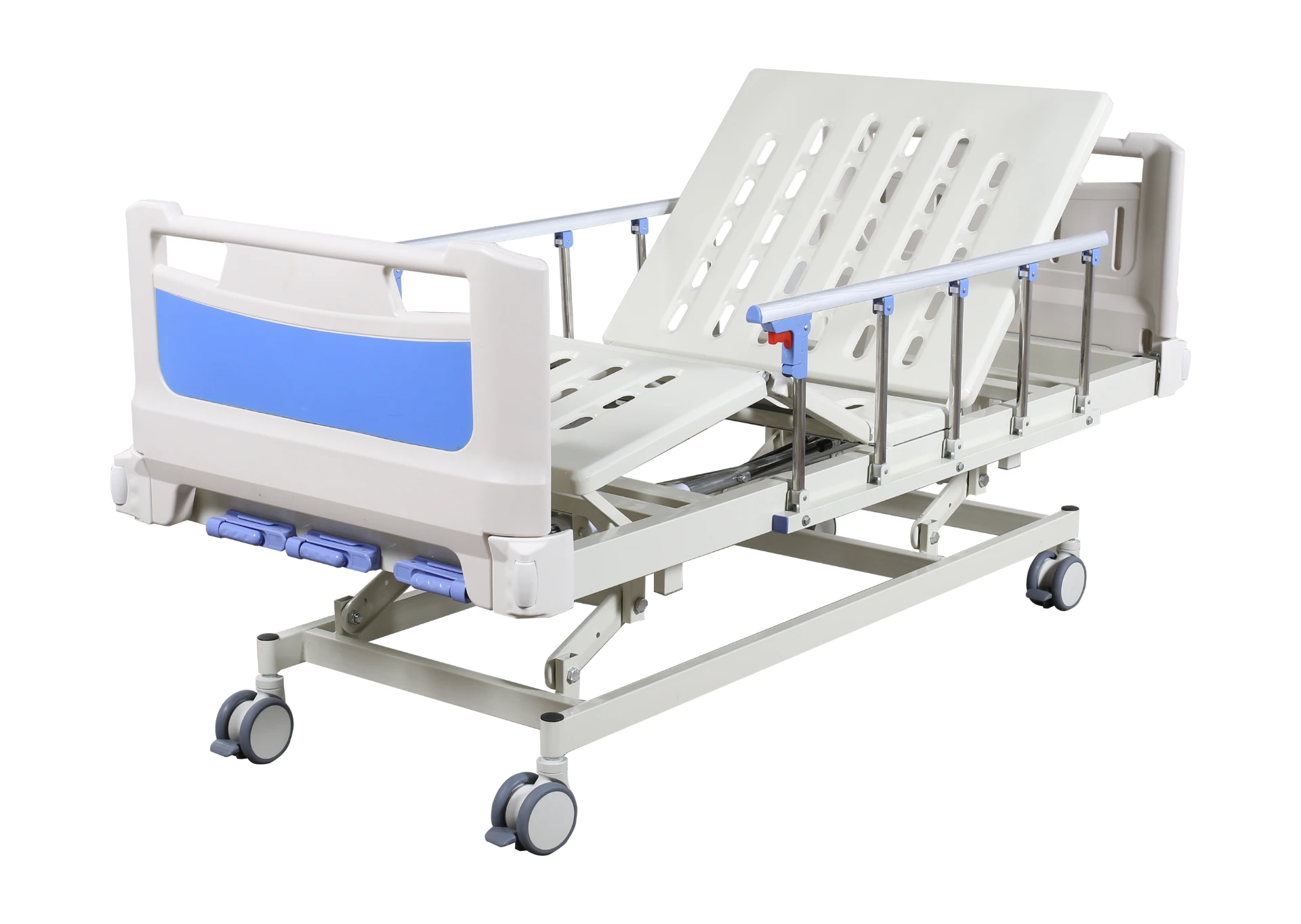
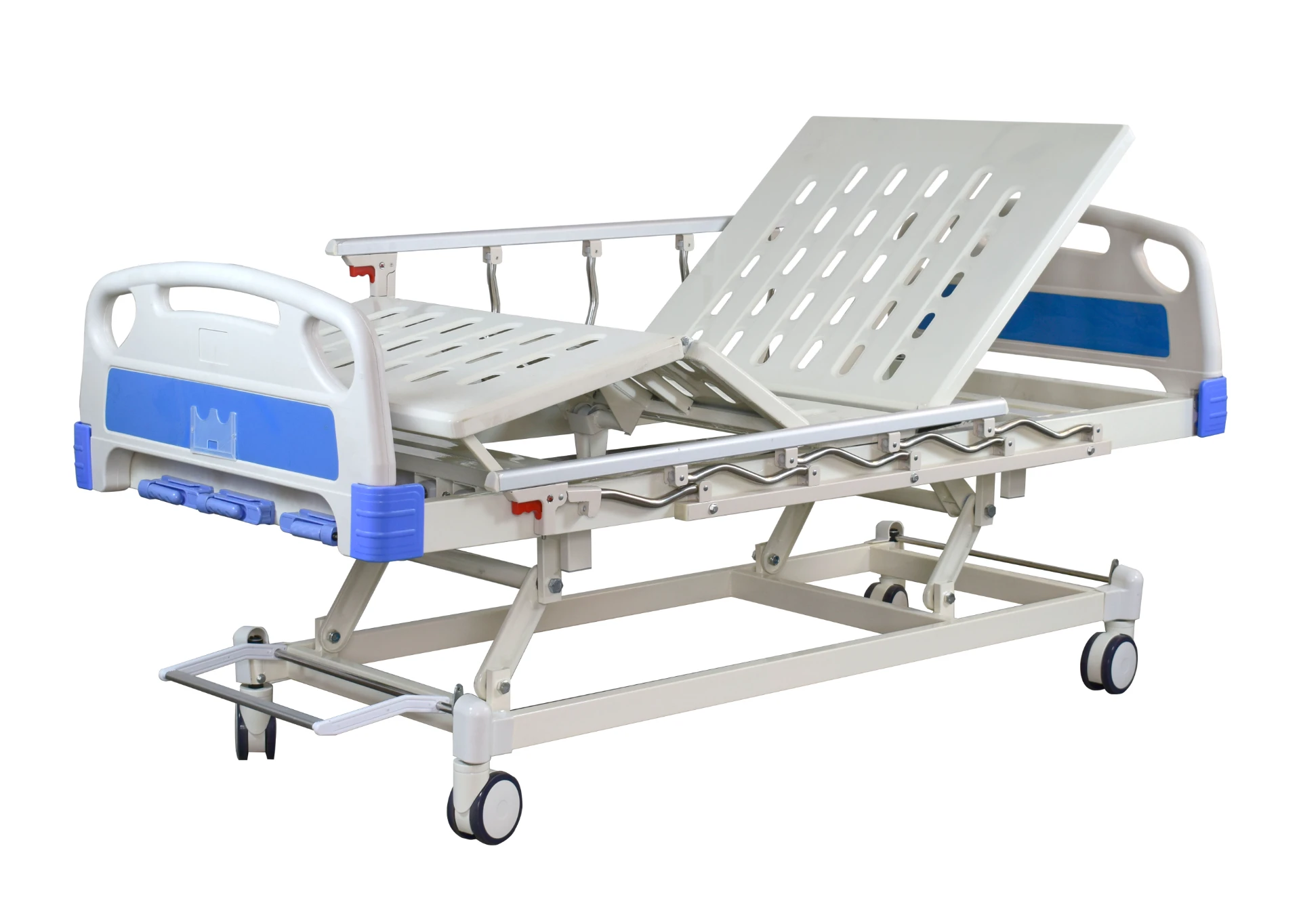
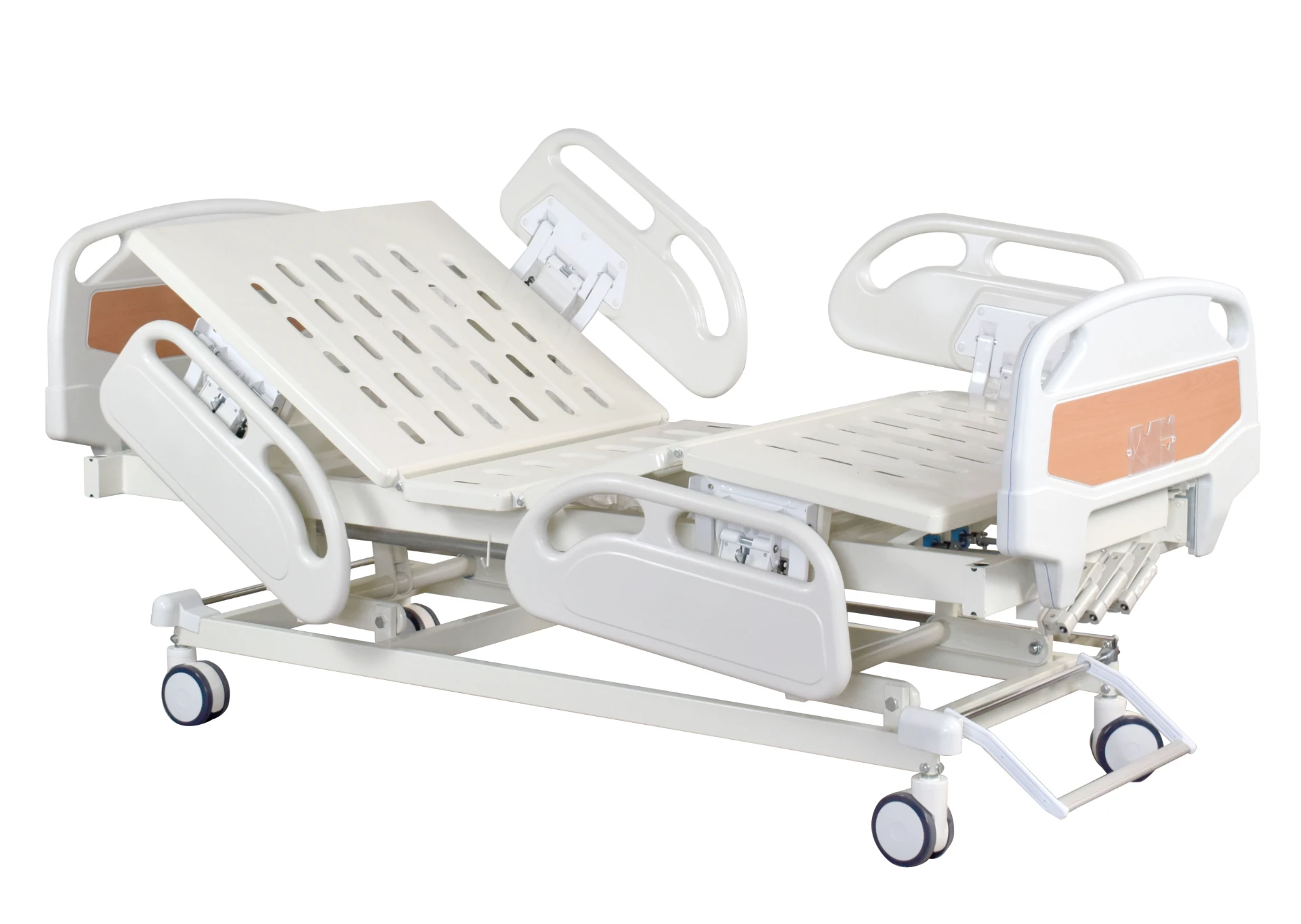
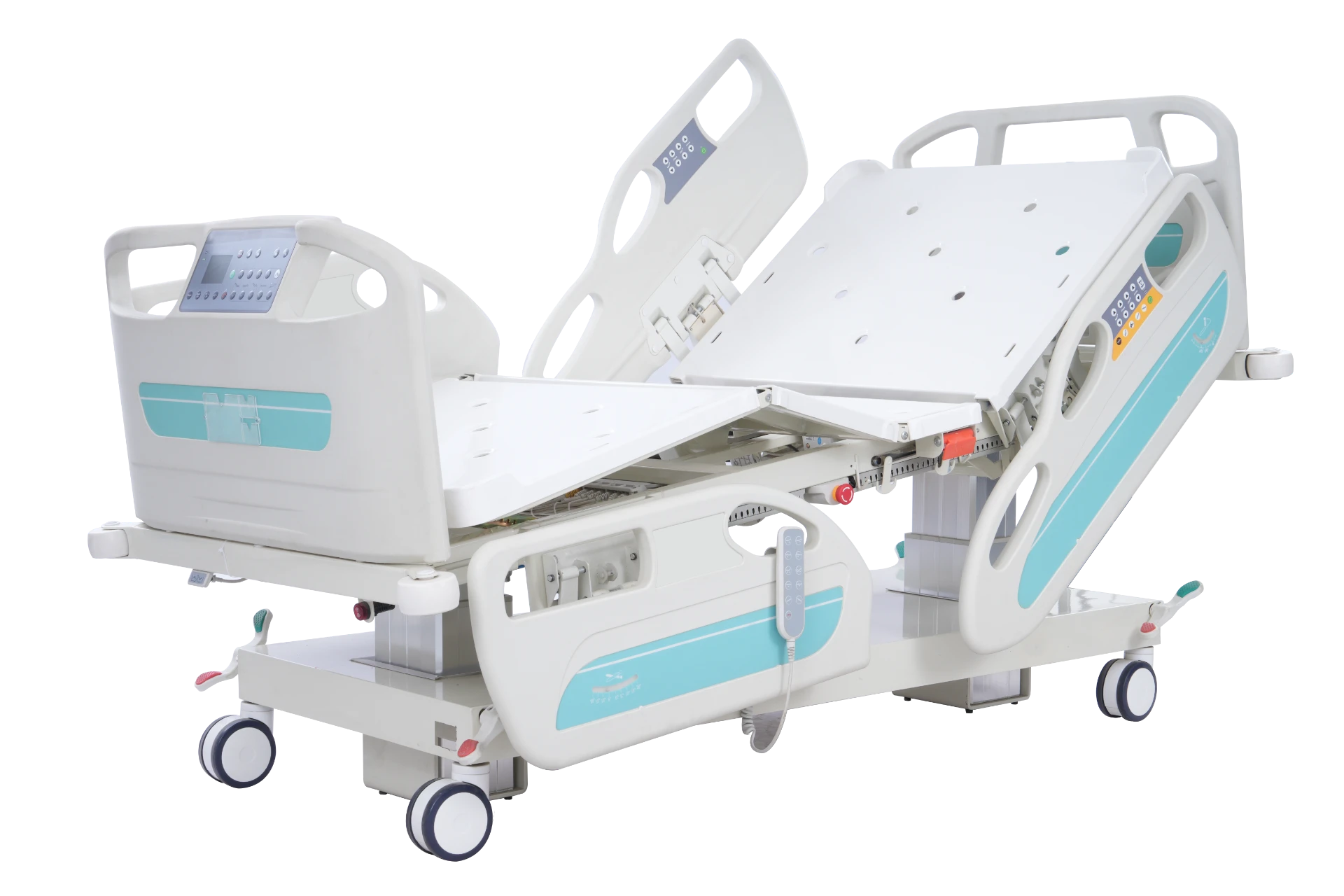
In simple terms, a rotating mattress is a specialized hospital bed mattress that automatically or semi-automatically turns or repositions patients. Unlike traditional mattresses, these systems mimic caregivers’ manual turning, which is vital in preventing bedsores and improving circulation. They’re typically powered by quiet motors and designed to work seamlessly with hospital beds. For caregivers, it means less physical strain; for patients, a gentler, more consistent repositioning cycle.
This product sits at the intersection of medical technology and human-centered design, reflecting the industry’s shift toward proactive patient management and enhanced dignity during hospitalization.
Core Features That Define A Rotating Mattress
1. Durability and Build Quality
These mattresses are built tough to endure continuous use, harsh cleaning agents, and hospital rigors. Materials like high-density foam, waterproof covers, and antimicrobial fabrics are standard. Durability equals cost-efficiency over time, given how rapidly hospital gear must be replaced otherwise.
2. Automated Rotation Mechanism
The heart of the mattress is its controlled rotation system — often electric motors paired with airbags or pressure cells that gently shift a patient’s position at timed intervals without disturbing vital monitors or IVs.
3. Comfort and Pressure Relief
Patient comfort isn’t sacrificed. These mattresses often incorporate multi-zone pressure relief designs to reduce risk areas and adapt to patient weight and conditions.
4. Ease of Cleaning & Hygiene
Given hospital infection control, covers are typically fluid-resistant and removable to allow fast sanitation. Some models even feature anti-microbial technology integral to the textile.
5. Energy Efficiency & Power Backup
Since hospitals rely heavily on power, many mattresses include low power consumption features and battery backups for use during outages — a small design choice with potentially huge safety impacts.
Mini Takeaway:
A rotating mattress isn’t just about movement: it’s a marriage of engineering and care to promote patient health, system efficiency, and safety.
Where Are Rotating Mattresses Making an Impact Globally?
They have become indispensable in varied contexts:
- Urban hospitals: High patient turnover needs automated solutions to reduce staff workload.
- Long-term care facilities: The elderly patients here benefit immensely from consistent repositioning, lowering bedsores.
- Post-disaster field hospitals: In places like earthquake zones or flood-affected areas, rapid deployment hospital beds coupled with rotating mattresses improve care.
- Remote healthcare centers: Even in industrial zones or rural clinics in Asia and Africa, these products facilitate patient dignity and safety.
For example, during the 2020 humanitarian response in South Asia, rotating mattresses were part of the standard kit deployed by NGOs helping long-stay patients, cutting pressure ulcer rates by an estimated 20%. It’s these stories that underline how the product is more than a medical accessory; it’s a care multiplier.
Real Benefits and Why They Matter Long-Term
The evidence stacks up clearly:
- Cost savings: Prevention of ulcers means fewer surgeries and shorter hospital stays.
- Patient safety: Less pain, fewer infections, improved recovery.
- Caregiver relief: Lower incidence of workplace injuries from lifting.
- Emotional dignity: Patients feel respected when mechanical aids reduce discomfort.
- Sustainability: Durable build and energy-conscious design reduce hospital waste footprints.
It’s a rare product that impacts emotional and practical healthcare needs simultaneously, enhancing trust between patients, families, and medical staff.
Innovations Shaping the Future of Rotating Hospital Mattresses
The future looks interesting. Some trends:
- Smart Mattresses: Sensors feeding real-time data on patient movement, pressure points, and vitals to nurses’ stations.
- Eco-conscious Materials: Biodegradable covers and recyclable foam components reducing environmental impact.
- Wireless Controls & Integration: Apps allowing customized rotation schedules for different patient needs.
- Battery & Energy Tech: Use of efficient lithium-ion battery backups and even solar-powered hospital wards backing these devices.
These innovations reflect healthcare’s digital transformation, where products embed themselves into a larger ecosystem of connected care.
Common Challenges and Expert Solutions
Of course, every tech has its hurdles:
- Initial Cost: Some hospitals hesitate due to upfront prices, though ROI studies show mid-term savings.
- Maintenance Complexity: Motors and electronics require trained staff and regular checks.
- Patient Compatibility: Not all patients tolerate automated movement; personalized settings help here.
Experts suggest comprehensive staff training and choosing adaptable models to combat these issues. Additionally, partnerships between manufacturers and healthcare providers have resulted in improved service contracts that reduce downtime.
Rotating Mattress for Hospital Bed: Product Specification Table
| Feature | Description |
|---|---|
| Dimensions | 200 cm x 90 cm x 15 cm |
| Weight Capacity | Up to 180 kg (395 lbs) |
| Rotation Angles | 0° to 40°, adjustable |
| Power Source | AC 110-240 V, battery backup included |
| Cover Material | Waterproof, anti-microbial vinyl |
| Control | Remote control with preset modes and manual override |
Vendor Comparison: Top Rotating Mattress Suppliers
| Vendor | Price Range | Warranty | Global Availability | Customer Support |
|---|---|---|---|---|
| HealthMove Inc. | $1,200 - $1,800 | 3 years | North America, Europe | 24/7 phone & online |
| SafeRest Technologies | $1,000 - $1,500 | 2 years | Asia, Australia | Email & chat support |
| MediTurn Solutions | $1,400 - $2,000 | 5 years | Global | Dedicated account managers |
FAQs About Rotating Mattress for Hospital Bed
- Q: How often should a rotating mattress reposition a patient?
- A: Generally, repositioning every 2–4 hours is recommended to prevent pressure ulcers, but the exact timing depends on patient condition and physician guidance. Automated systems can be set flexibly to match these needs.
- Q: Can a rotating mattress be used for all hospital beds?
- A: Most rotating mattresses are designed to fit standard hospital bed sizes, but compatibility should always be checked, especially for specialized or bariatric beds. Custom sizes are available from some vendors.
- Q: Are rotating mattresses noisy during operation?
- A: Quality models incorporate quiet motors to ensure minimal noise, enabling patients to rest undisturbed. Noise levels typically fall below 30 decibels, similar to a whisper.
- Q: What maintenance is required for these mattresses?
- A: Routine inspection for mechanical parts and regular cleaning of covers as per manufacturer guidelines are essential. Many systems provide self-diagnostic alerts to help schedule timely upkeep.
- Q: Do these mattresses require special training for hospital staff?
- A: Basic training is advised to ensure optimal use and safety. Vendors usually offer training sessions and materials covering operation, cleaning, and troubleshooting.
Conclusion: Invest in Smarter Care with Rotating Mattresses
It might sound simple, but a rotating mattress for hospital bed is a smart tool transforming caregiving worldwide. By enhancing patient comfort, reducing pressure ulcers, and easing staff workloads, these mattresses offer long-term value that can’t be overstated. For hospitals and care facilities aiming to improve quality while managing costs, this is a no-brainer. I’d encourage you to explore further and see how integrating such products could fit your needs—whether urban or rural health services.
Ready to step into next-level patient care? Head over to rotating mattress for hospital bed to learn more about available options and innovations.
References
-
Ultimate Guide to Choosing Extra Wide Waiting Room ChairsNewsApr.16,2026
-
Guide to Choosing Professional Waiting Room Chairs Wipeable SeatingNewsApr.09,2026
-
Enhance Your Space with Comfortable Wide Waiting Room ChairsNewsApr.07,2026
-
Selecting the Ideal Brown Waiting Room Chairs for a Welcoming SpaceNewsApr.04,2026
-
Choosing Comfortable Patient Waiting Room Chairs for Healthcare FacilitiesNewsMar.31,2026
-
Finding the Best Deals on Affordable and Cheap Reception Chairs for Your BusinessNewsMar.28,2026
-
Enhance Your Business Reception with Comfortable Blue Reception ChairsNewsMar.26,2026