Welcome to our websites!


Everything You Need to Know About Hospital Style Single Beds | Durable, Adjustable & Reliable
The Growing Importance of Hospital Style Single Beds in Global Healthcare
Hospital style single beds might not grab headlines like high-tech medical devices, but they’re quietly essential. These beds form the backbone of patient care worldwide, impacting everything from surgical recovery to long-term treatment. With healthcare systems stretched thin globally, especially in aging populations and emergency relief zones, understanding these beds’ design, features, and value isn’t just helpful — it’s crucial. A good hospital bed means improved patient comfort, safety, and better caregiver efficiency, and frankly, that can mean the difference between life and death in some cases.
Why Hospital Style Single Beds Matter Globally
The stats tell you the story: according to the World Health Organization, aging populations are increasing demand for more specialized patient care equipment — including hospital beds designed for individual use. The United Nations projects that by 2050, over 2 billion people worldwide will be aged 60 or older, many requiring hospital care. Additionally, UN disaster reports note how quickly improvised or inadequate sleeping arrangements can worsen recovery outcomes in crisis zones. That’s where the hospital style single bed steps in — well-designed, reliable, and often adaptable bed systems that can be deployed in hospitals, field clinics, and remote care centers.
Even in industrialized countries, hospitals struggle with overcrowding and infection control. Beds designed for one patient, with adjustable features and easy cleaning, directly address these issues. But often, the challenge is balancing cost with quality and durability — that's why this topic matters for both buyers and manufacturers worldwide.
Mini Takeaway:
- Hospital style single beds are essential for effective patient care globally.
- Rising elderly populations and disaster needs increase their importance.
- Cost, comfort, and hygiene are key challenges these beds address.
What Exactly Is a Hospital Style Single Bed?
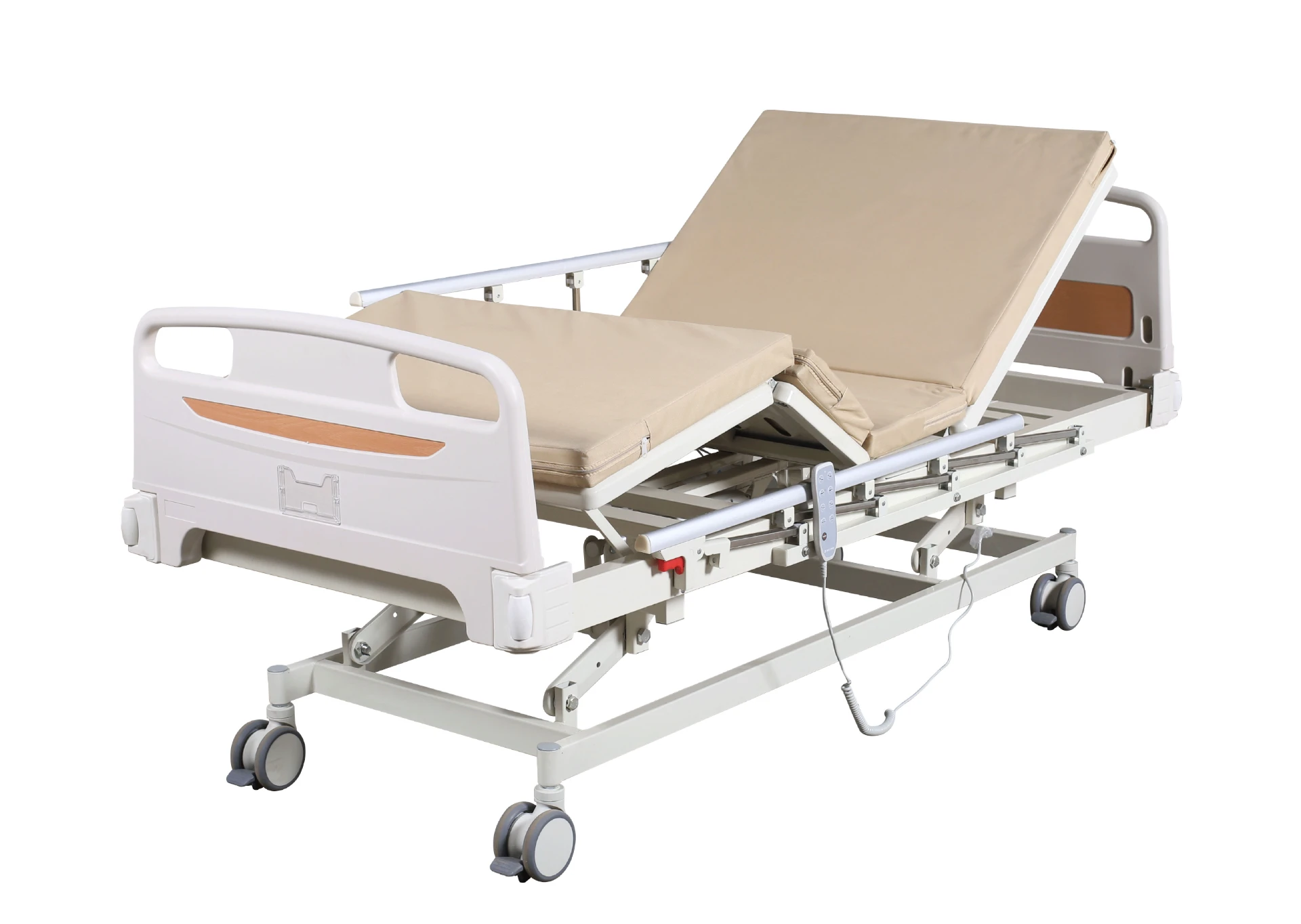
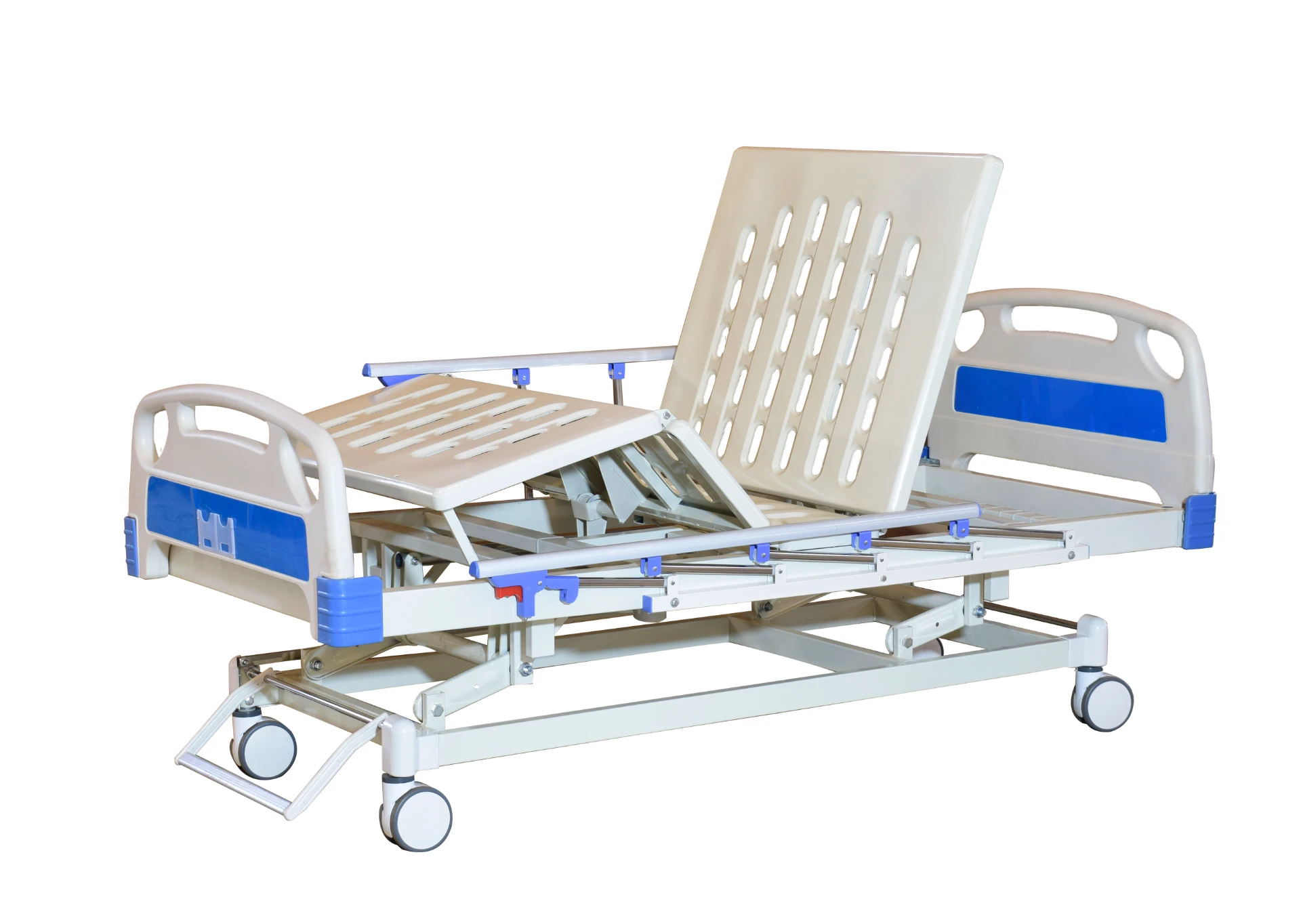
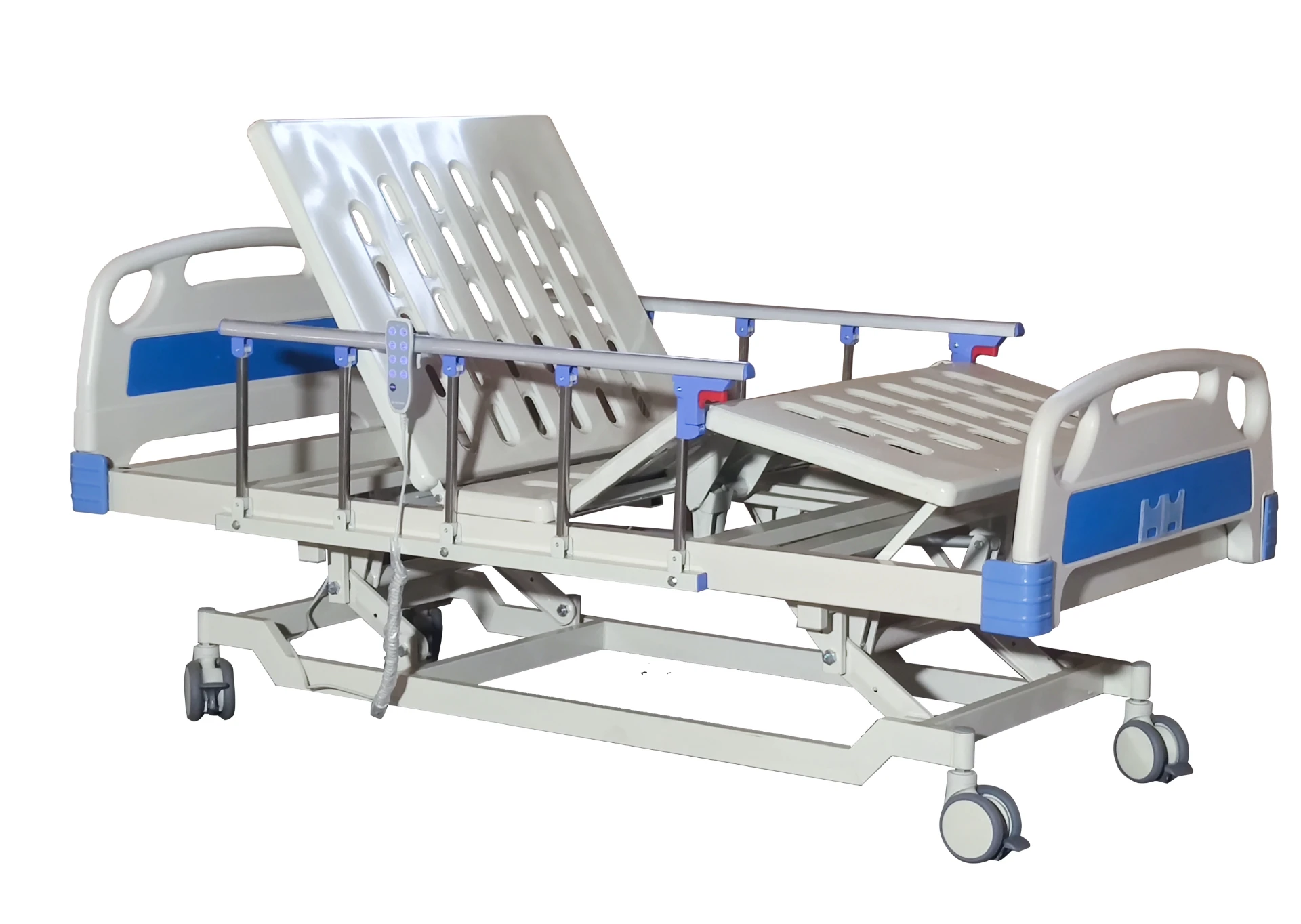
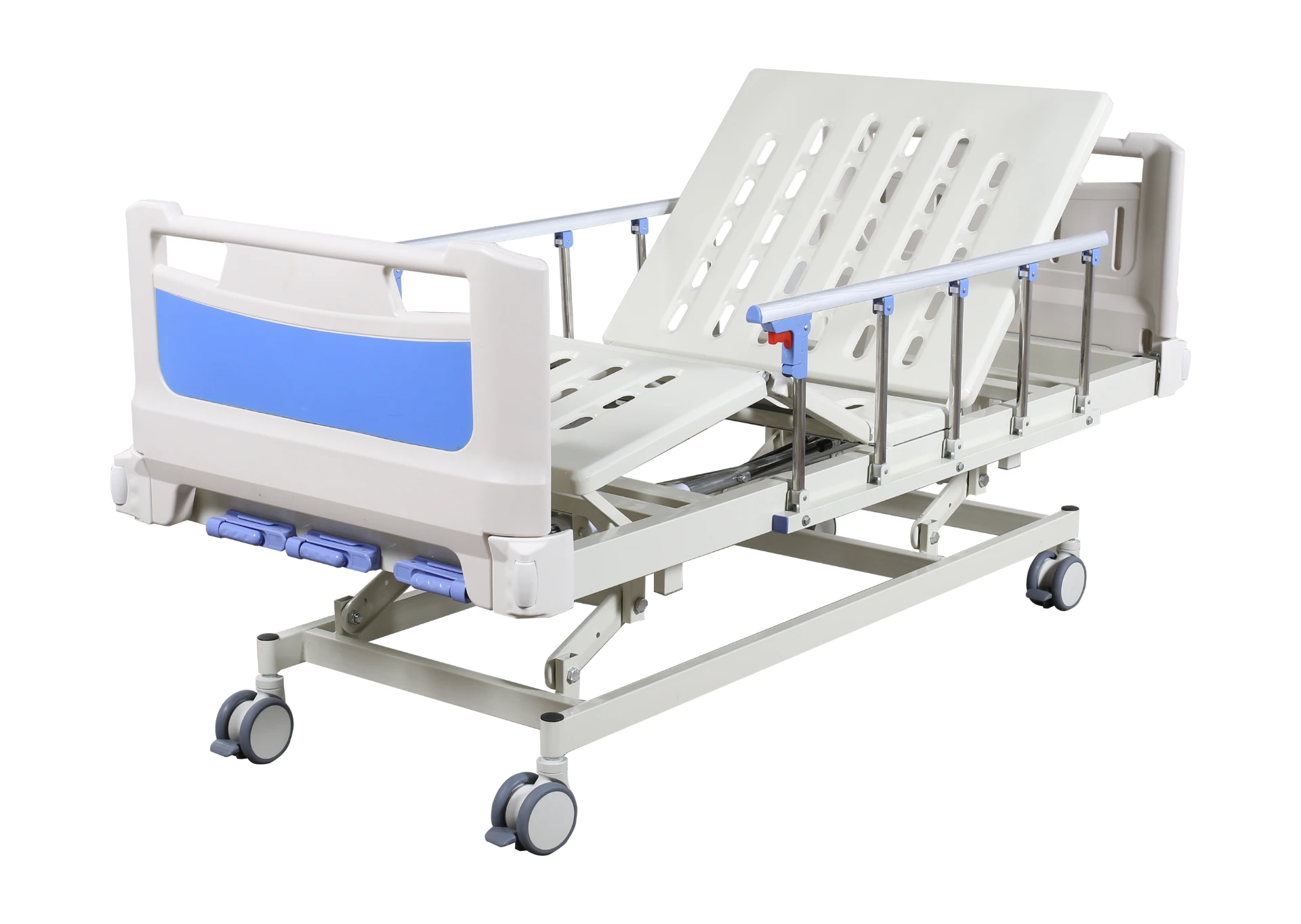
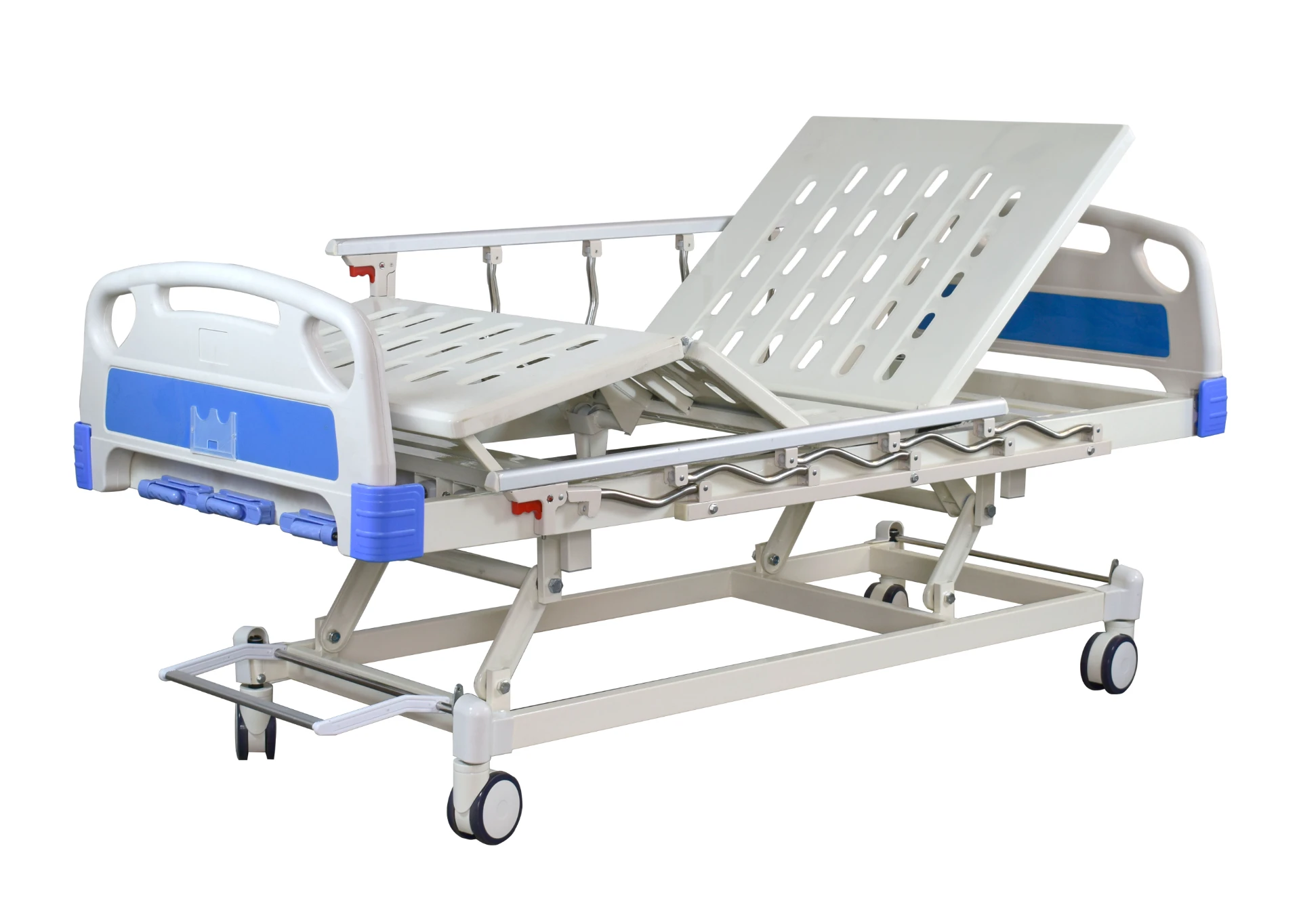
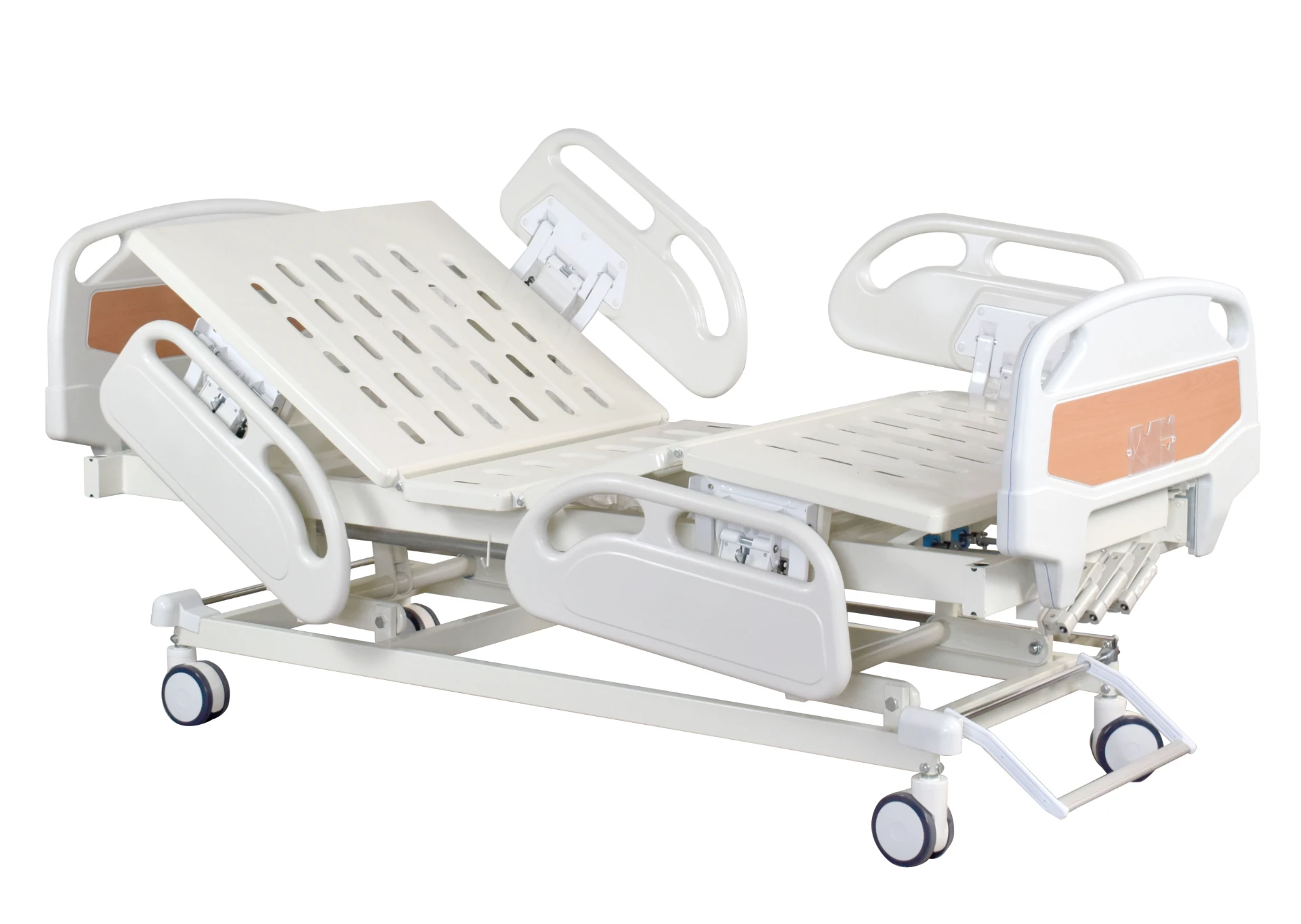
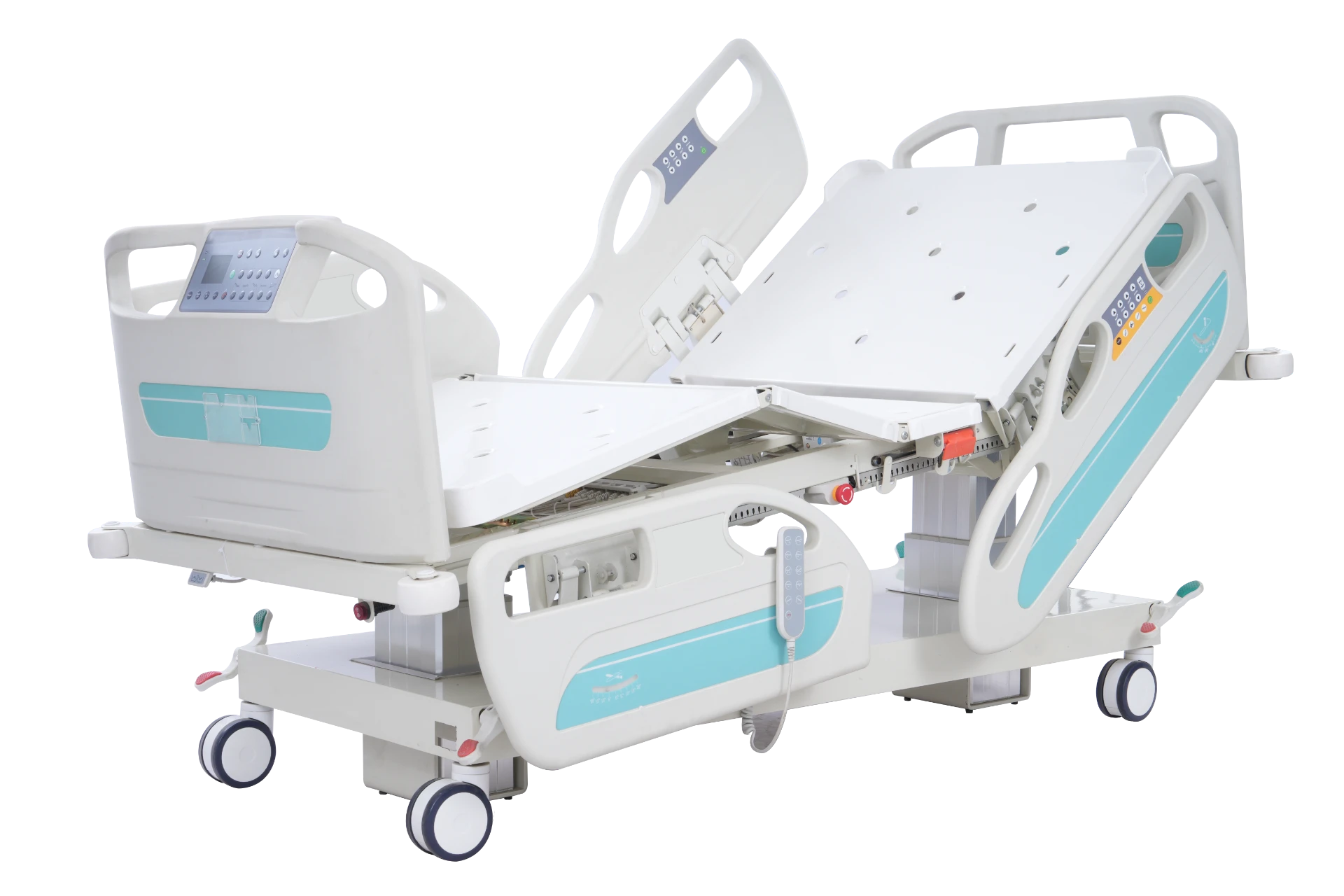
At its simplest, a hospital style single bed is a patient bed designed for single occupancy in medical environments. Unlike a regular bed, it often features adjustable positions (head, feet, height), side rails for safety, and uses materials suitable for cleaning and infection control. These beds are designed to improve patient comfort, ease of access for healthcare workers, and integrate well with medical devices (like IV poles or monitoring equipment).
In practical terms, such beds aren’t restricted to large hospitals; many humanitarian and mobile clinics rely on them, especially in field hospitals or post-disaster relief settings. Their modularity and durability make them suited for tough environments, connecting the worlds of healthcare excellence and practical necessity.
Core Features You’ll Usually See:
- Adjustable crank or motorized controls
- Sturdy frame with non-toxic coatings
- Lockable wheels for easy mobility and stability
- Integrated rails to prevent falls
- Compatibility with mattresses designed for pressure relief
Key Components Impacting a Hospital Style Single Bed’s Performance
1. Durability and Material Quality
The bed’s frame typically uses high-grade steel or aluminum. Many engineers I’ve spoken to emphasize the importance of corrosion resistance — especially in humid climates or long-term care settings. Polyurethane or powder coatings are common to extend lifespan and ease cleaning.
2. Mobility and Adjustability
Wheels with smooth locking mechanisms allow staff to rearrange rooms quickly — something you’ll notice is invaluable in busy hospitals and field units. Motorized adjustments have become increasingly popular, improving patient comfort without putting strain on caregivers.
3. Patient Safety Features
Side rails aren’t just for preventing falls; many models have quick-release mechanisms and padded grips for patient ease and comfort. The bed’s design also supports easy transfer from bed to wheelchair or gurney, reducing injury risk.
4. Cost Efficiency and Maintenance
Purchasing beds in bulk can be a significant expense for hospitals. So designs that allow for easy replacement of parts, or modular upgrades, help extend the lifetime while keeping long-term costs manageable.
5. Hygiene Compatibility
The choice of materials and construction makes these beds easier to clean and disinfect — crucial for infection control, especially post-COVID-19 and in intensive care units.
Mini Takeaway:
- The best hospital style single beds balance durability, safety, and ease of maintenance.
- Customizable features ensure comfort and practical use across healthcare settings.
How Hospital Style Single Beds Are Used Around The World
From sprawling urban hospitals in Europe to rural clinics in sub-Saharan Africa, hospital style single beds are behind many patient care stories. In post-disaster relief, like the Haiti earthquake in 2010, rapid deployment of single beds helped reduce contamination and improved patient flow in makeshift hospitals. Similarly, remote industrial zones — think oil rigs or mining camps — use these beds in onsite clinics where reliability and ruggedness can’t be compromised. Not to mention long-term care facilties where elderly patients benefit from beds that adapt to mobility and comfort needs.
Even NGOs report that having standardized hospital style single beds helps training and maintenance — fewer surprises when moving equipment across borders. Countries with emerging health infrastructure often look to these beds as fundamental building blocks of patient care.
Hospital Style Single Bed Specifications
| Feature | Specification |
|---|---|
| Bed Dimensions (L x W x H) | 210cm x 90cm x 45-80cm (adjustable height) |
| Weight Capacity | 150 kg (330 lbs) |
| Material | Powder-coated steel frame, ABS plastic rails |
| Adjustability | Manual crank or electric motor for head and knee sections |
| Safety Features | Flip-down rails, emergency release, locking caster wheels |
| Mobility | 4 swivel wheels with brakes |
How Vendors Compare: Selecting the Right Hospital Style Single Bed Supplier
| Attribute | Vendor A | Vendor B | Vendor C |
|---|---|---|---|
| Price per unit | $700 | $850 | $780 |
| Warranty | 3 years | 5 years | 2 years |
| Customization options | Yes | Limited | Yes |
| Lead time | 4-6 weeks | 2-3 weeks | 6-8 weeks |
| After-sales service | On-site & remote | Remote only | On-site only |
Real Benefits You Can Count On
Choosing and deploying a quality hospital style single bed means a host of benefits that add up to long-term value. From a practical standpoint, they improve patient recovery through comfort and reduced risk of pressure ulcers. Hospitals see fewer injury claims from falls, and caregivers spend less time manually adjusting beds, saving hours a day. Socially, the dignity of the patient receiving treatment in a properly equipped bed is sometimes overlooked but cannot be overstated. Safety, comfort, and trust — these are the intangible dividends.
Cost-wise, these beds often pay off through durability and low maintenance. Compared to makeshift or outdated alternatives, they also lower infection rates and the resulting expenses. Many healthcare administrators say investing in better beds translates to better patient satisfaction and institutional reputation — which, frankly, is priceless in a competitive healthcare market.
Looking Ahead: Trends & Innovations Shaping Hospital Beds
What’s next in hospital style single beds? For one, integration with smart technology is on the rise — sensors that monitor patient movement, bed exit alarms, and even automated repositioning are no longer pipe dreams but active product features. Materials are evolving too; antimicrobial coatings, lightweight alloys, and recyclable composites are becoming more popular.
Environmental concerns are pushing manufacturers toward greener production practices and more sustainable lifecycle designs. I noticed more companies touting cradle-to-cradle certifications these days — this points to a future where hospital beds aren’t just functional but eco-friendly as well.
Challenges in Deployment and How to Overcome Them
Despite the clear advantages, there are challenges. Supply chain delays, local customization demands, and the need for staff training on new models can slow adoption. Some regions lack technical support, making maintenance tougher. The good news is vendors increasingly offer hybrid support systems combining remote guidance and on-site visits. Plus, modular designs mean parts can be swapped quickly without needing full replacement.
FAQ: Common Questions About Hospital Style Single Bed
- Q1: How adjustable are hospital style single beds?
- A: Most beds allow manual or electric adjustment of head and foot sections, plus height changes. This helps caregivers position patients for comfort or treatments like wound care.
- Q2: Can these beds be used outside hospitals?
- A: Absolutely, they're widely employed in emergency field clinics, long-term care homes, and even home healthcare. Their design supports mobility and adaptability across settings.
- Q3: What’s the typical lifespan of a hospital style single bed?
- A: With proper maintenance, these beds generally last 7-10 years. High-quality materials and modular parts help extend lifespan.
- Q4: Are hospital style single beds easy to clean?
- A: Yes, materials like powder-coated steel and ABS plastics are designed for quick disinfection, which is critical for infection prevention.
- Q5: How do I choose a supplier?
- A: Consider price, warranty, customization, lead time, and after-sales support. Visiting vendor websites or speaking to existing customers can help, too.
Final Thoughts
Hospital style single beds might seem mundane compared to high-tech treatments, yet their impact on patient care is profound and far-reaching. They blend comfort, safety, and efficiency — core to modern healthcare. As demand grows worldwide, choosing the right bed and vendor becomes more important than ever.
If you want to explore reliable, cost-effective hospital style single beds suited to your needs, do check out https://www.cnboxin.com where options and expert guidance await.
References
-
Ultimate Guide to Choosing Extra Wide Waiting Room ChairsNewsApr.16,2026
-
Guide to Choosing Professional Waiting Room Chairs Wipeable SeatingNewsApr.09,2026
-
Enhance Your Space with Comfortable Wide Waiting Room ChairsNewsApr.07,2026
-
Selecting the Ideal Brown Waiting Room Chairs for a Welcoming SpaceNewsApr.04,2026
-
Choosing Comfortable Patient Waiting Room Chairs for Healthcare FacilitiesNewsMar.31,2026
-
Finding the Best Deals on Affordable and Cheap Reception Chairs for Your BusinessNewsMar.28,2026
-
Enhance Your Business Reception with Comfortable Blue Reception ChairsNewsMar.26,2026