Welcome to our websites!


What Is a Lateral Tilt Hospital Bed? Benefits, Applications, and Innovations
Understanding the Lateral Tilt Hospital Bed: A Vital Innovation in Patient Care
In the maze of modern healthcare technology, the lateral tilt hospital bed has quietly asserted itself as a fundamental asset. Globally, as patient safety and comfort climb higher on the priority list, the ability to laterally tilt a hospital bed is no longer a luxury but a necessity. This feature plays a crucial role in reducing pressure ulcers, enhancing respiratory function, and facilitating patient maneuvering without excessive strain on healthcare staff.
But why does this matter on a global scale? According to the World Health Organization, hospital-acquired pressure ulcers affect roughly 10% of patients worldwide, often due to prolonged immobility. A lateral tilt hospital bed addresses this by allowing slight side-to-side adjustments, improving circulation and reducing skin stress. Such benefits span from high-end hospitals in developed countries to critical care units in low-resource settings, illustrating its universal importance.
Global Context and Industry Challenges
Globally, the healthcare industry is grappling with an aging population, increasing chronic illnesses, and a pressing need to improve hospital sanitation and patient safety. From UN health reports to ISO medical device standards, the pressure for innovations that enhance outcomes while reducing caregiver injuries is intense.
Within this sphere, the lateral tilt hospital bed emerges as an engineer's solution addressing both patient morbidity and staff ergonomics. It offers gentle lateral positioning crucial for therapies requiring side elevation — think respiratory distress protocols or post-surgical recovery.
Oddly enough, despite the obvious benefits, many hospitals (especially in emerging economies) still rely on static bed models lacking lateral adjustment. This exposes patients to prolonged pressure, and caregivers to injury risk. Bridging this gap is a global healthcare priority.
What Is a Lateral Tilt Hospital Bed?
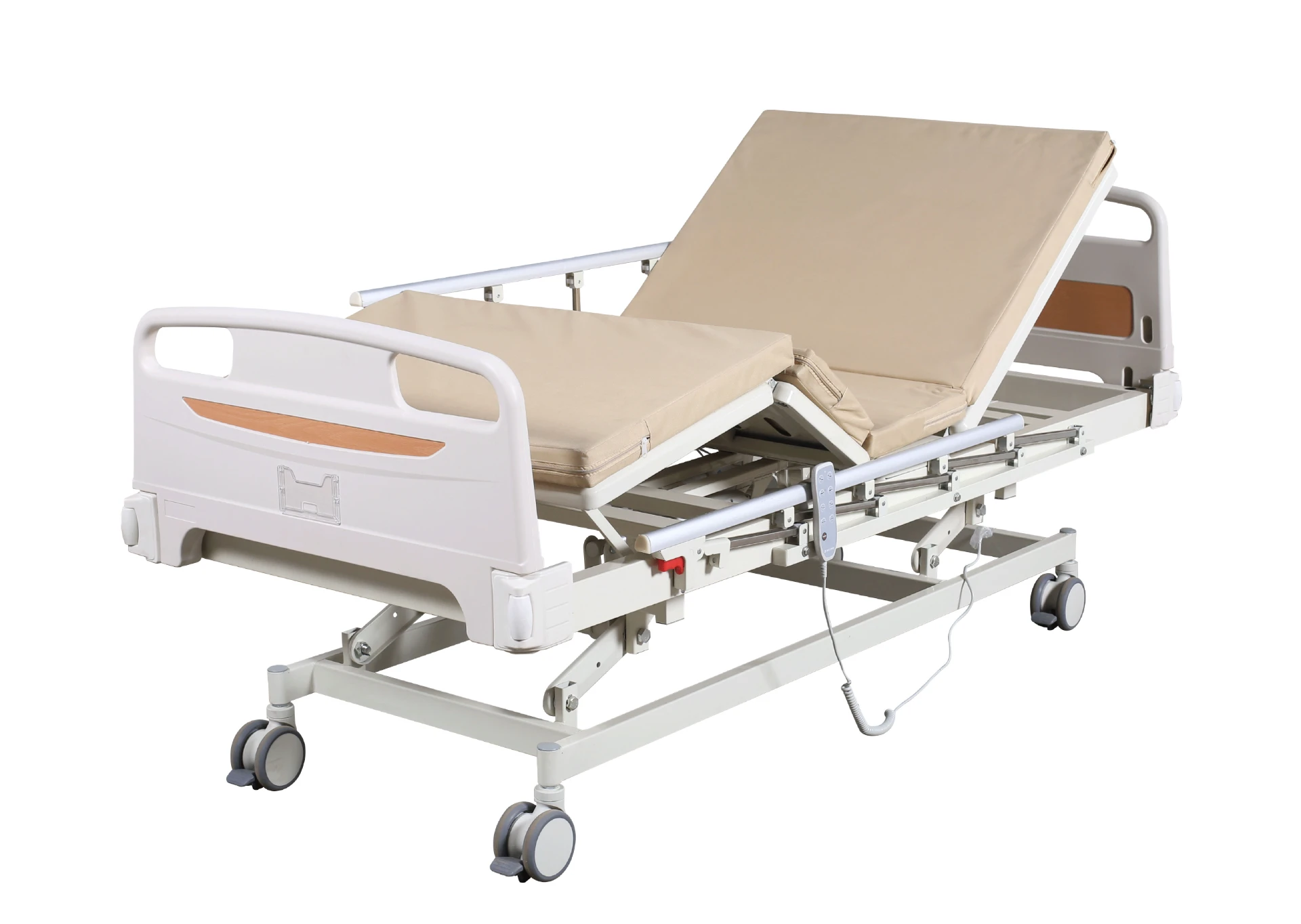
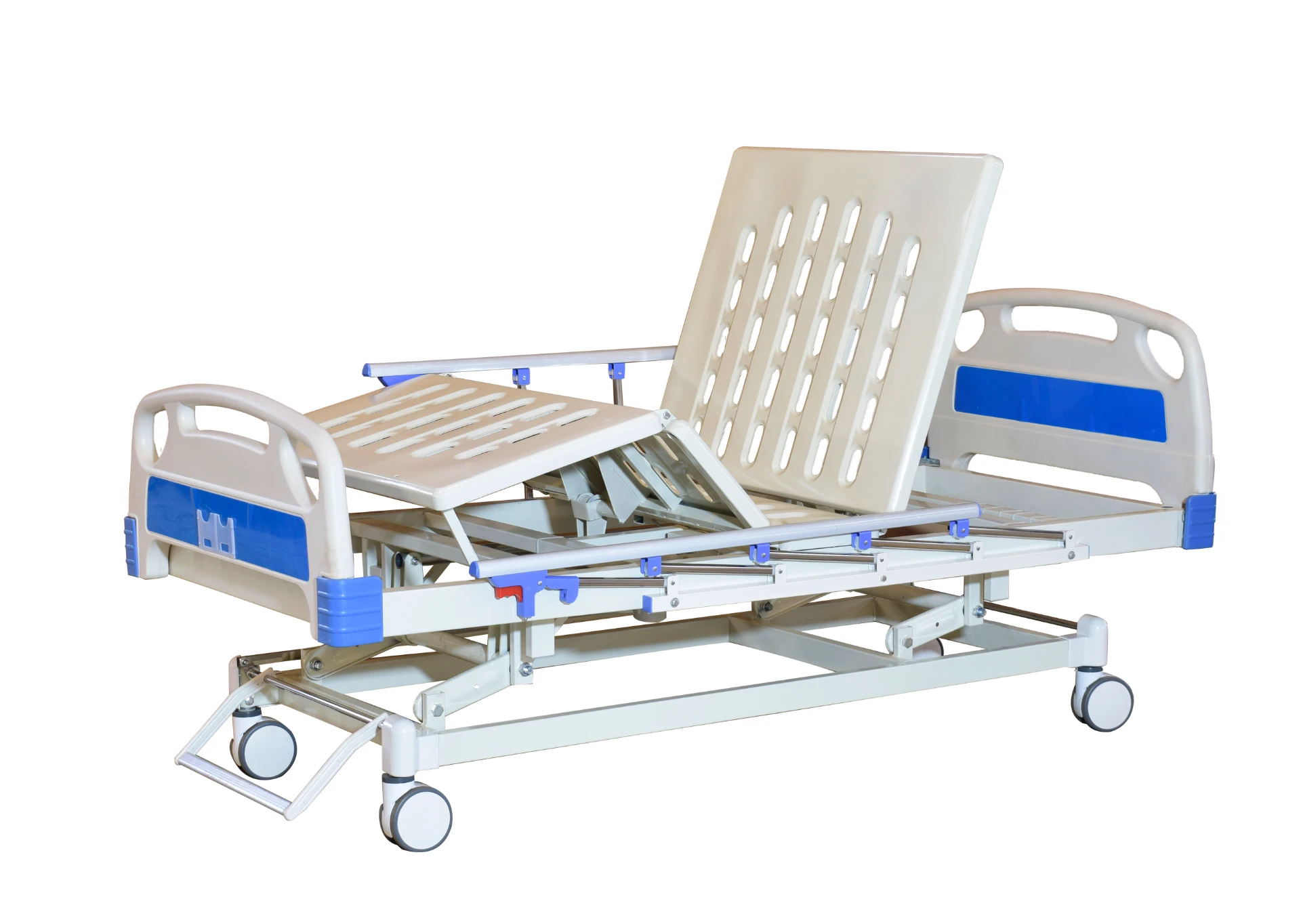
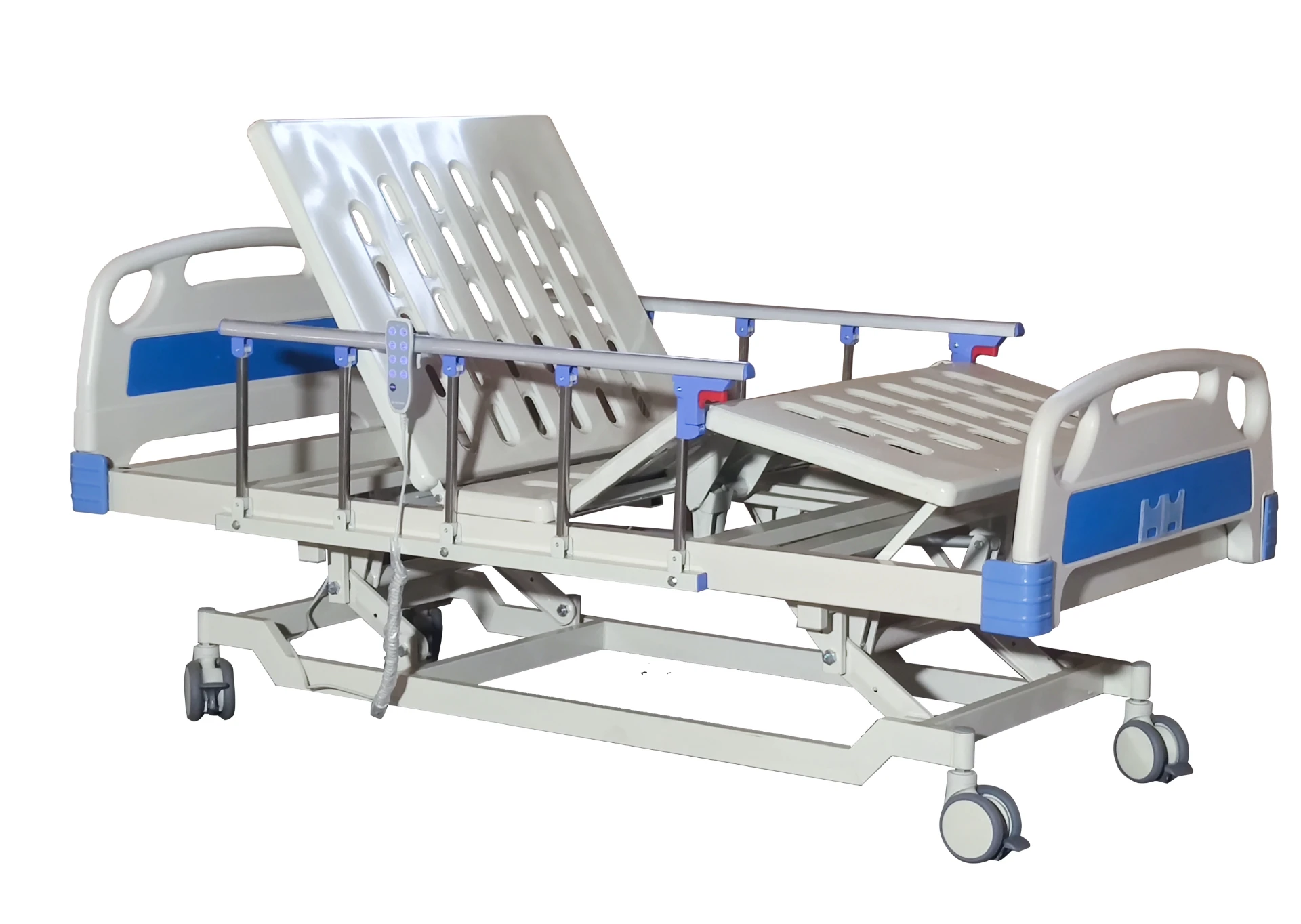
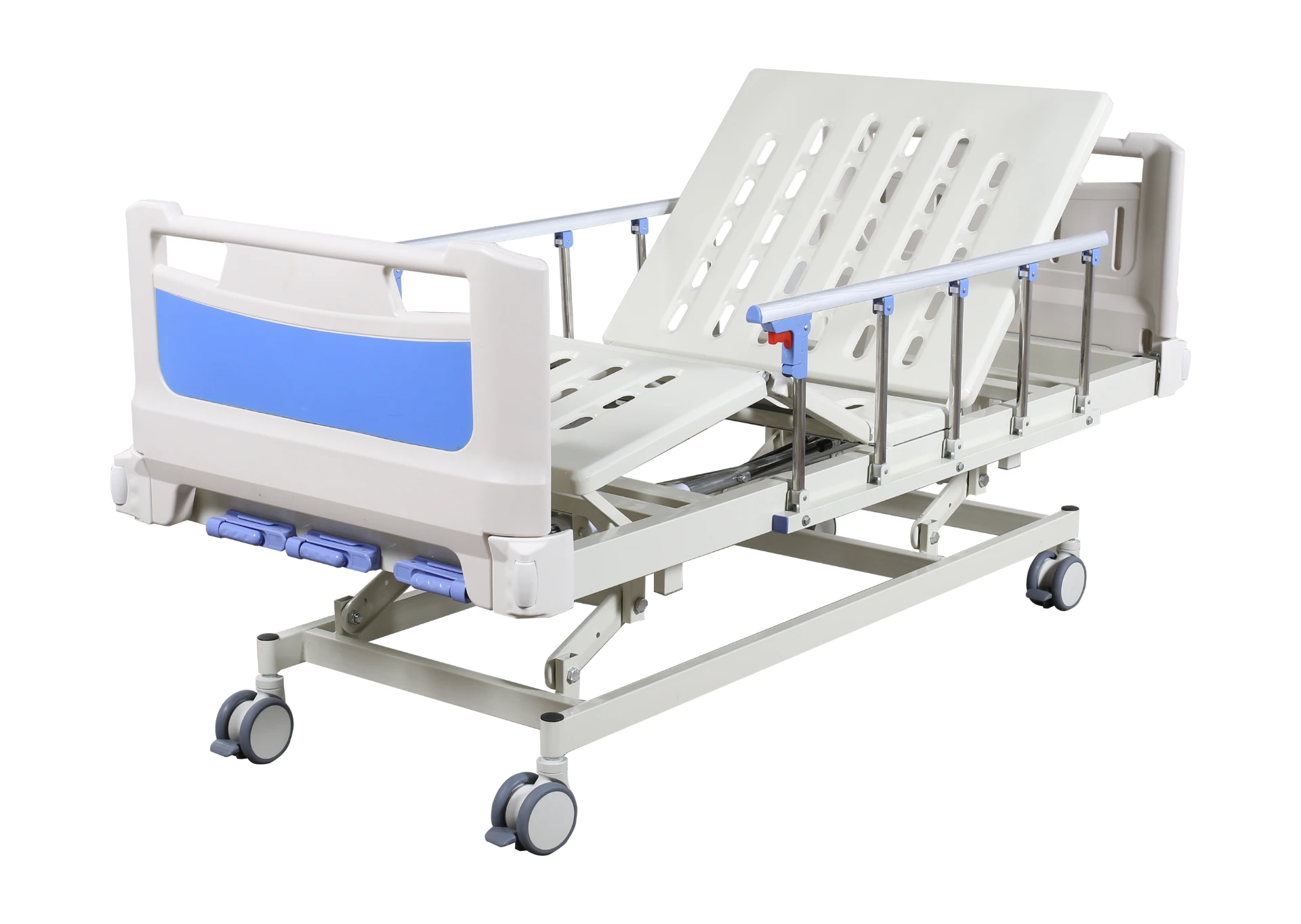
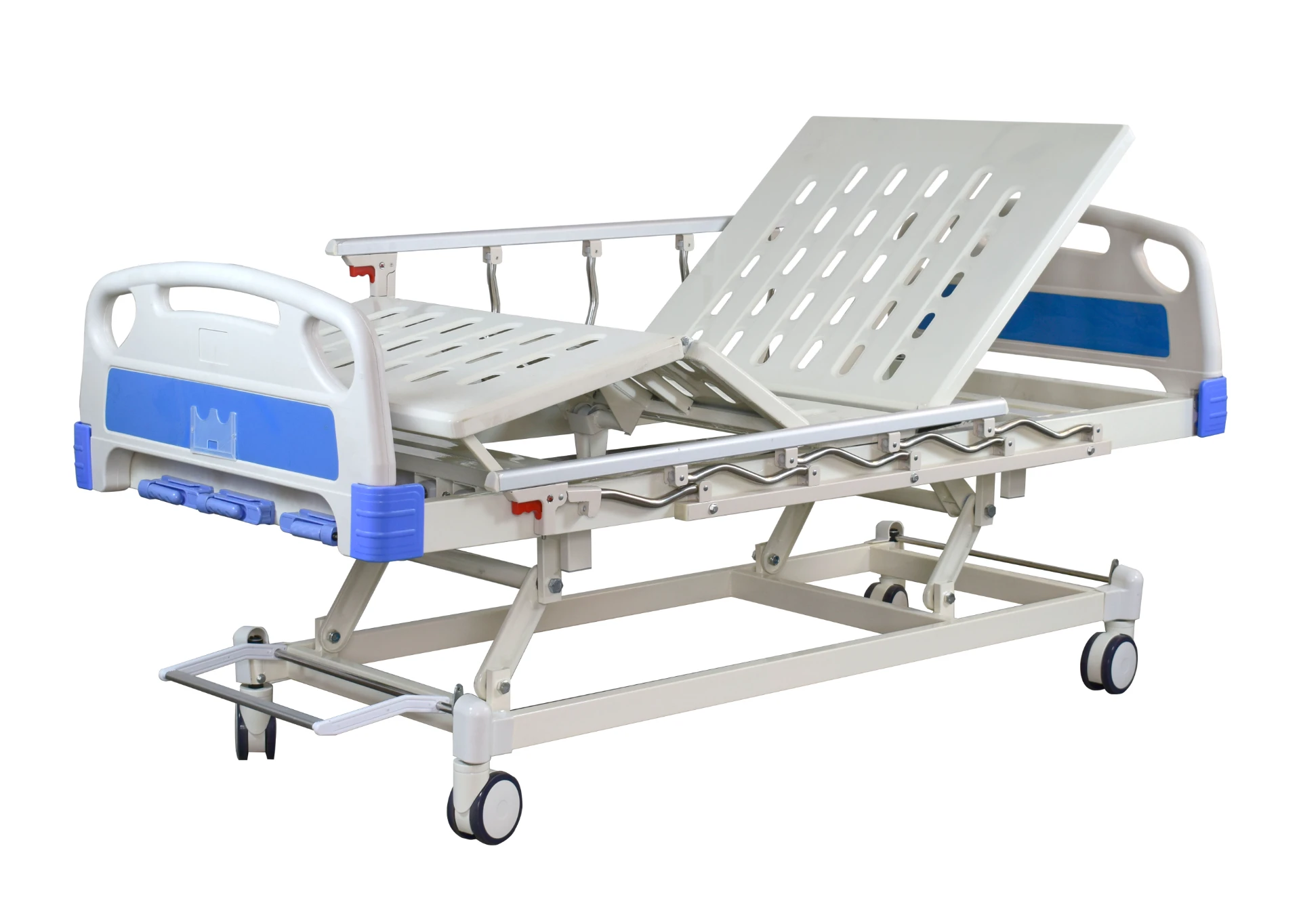
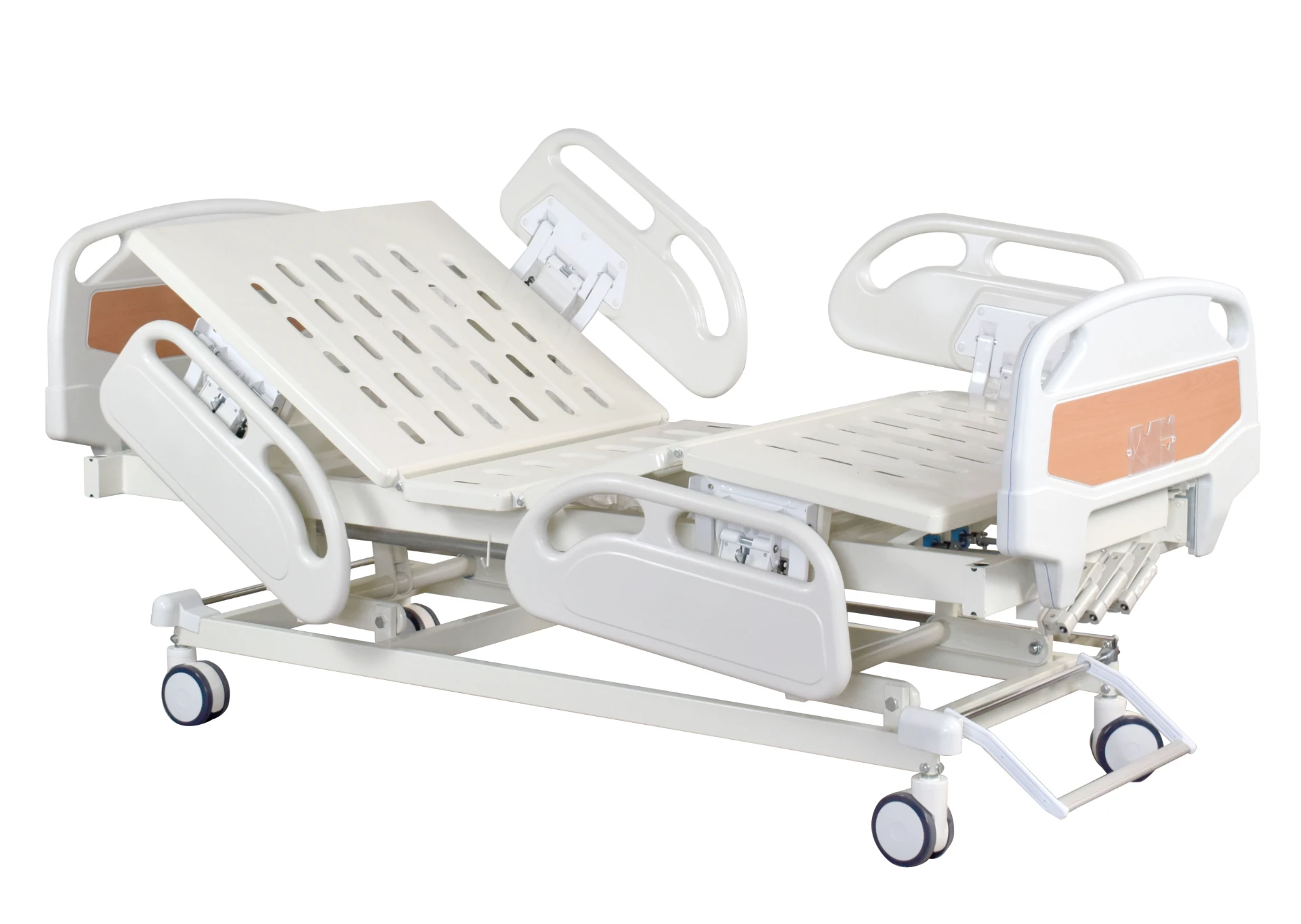
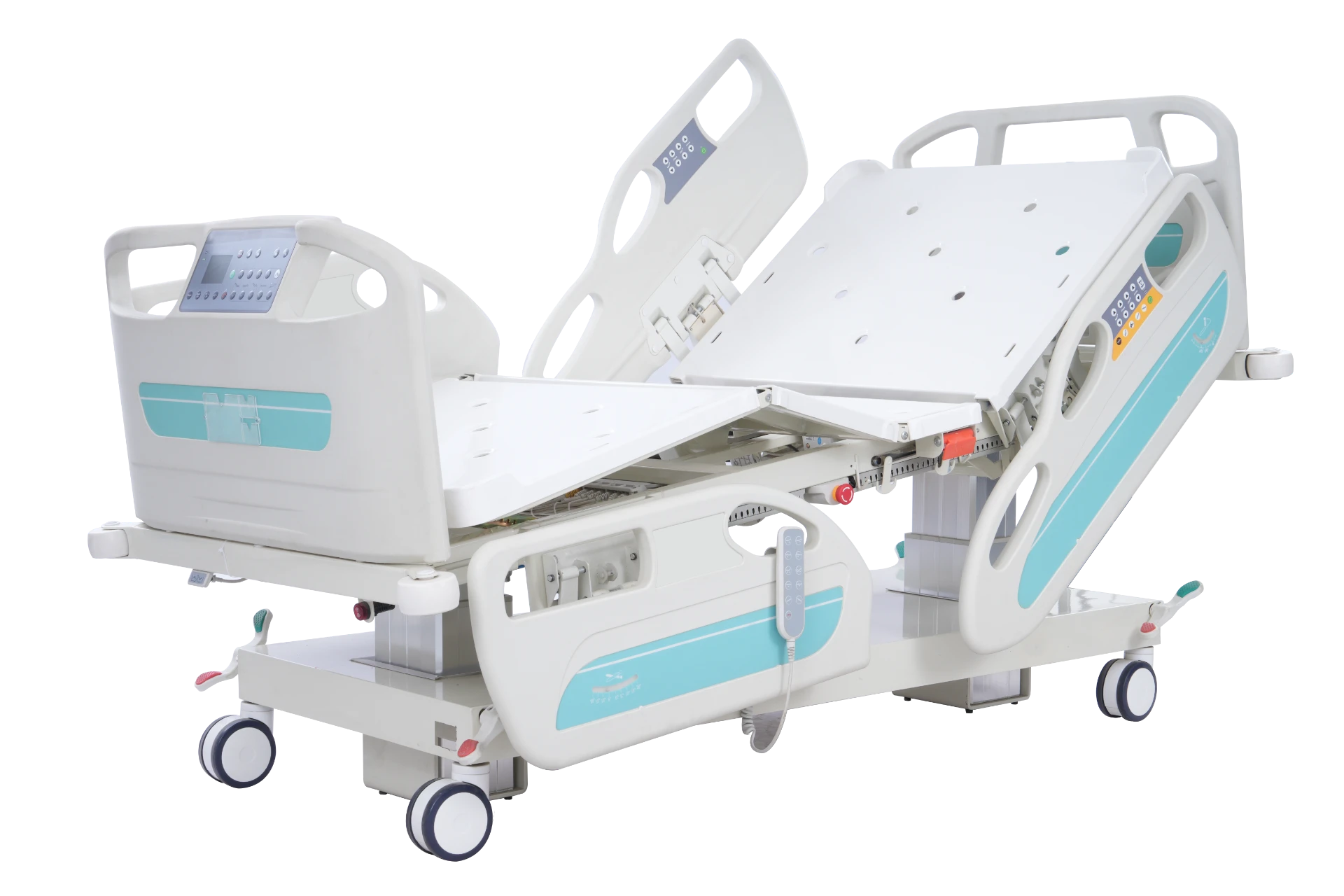
Simply put, a lateral tilt hospital bed allows controlled sideways tilting movement of the mattress and frame, typically in increments ranging from 5 to 30 degrees. Unlike traditional beds that only elevate head or foot sections, these beds enable positioning patients slightly on their left or right side without manual repositioning. This capability is invaluable in pressure ulcer prevention, respiratory management, and facilitating certain diagnostic or therapeutic procedures.
These beds are embedded deeply in modern hospital infrastructure, also connecting to humanitarian response where mobile or temporary healthcare setups demand multipurpose, ergonomic beds.
Core Components and Features
1. Durable Frame and Mechanical Integrity
The lateral tilt mechanism demands a robust frame—usually high-grade steel or aluminum—to withstand continuous side-tilting without wobble or strain. Longevity here means fewer repairs and safer patient use.
2. Smooth, Precise Tilt Controls
Often motorized, the lateral tilt operation must be intuitive and noise-free, allowing nursing staff to adjust positions gently without waking or distressing patients.
3. Safety Locks and Angle Limiters
Since the beds tilt laterally, built-in safety limiters prevent excessive angles that might cause falls or pressure points, safeguarding at-risk patients.
4. Compatibility with Accessories
The beds are designed to work seamlessly with pressure-relieving mattresses, side rails, IV rods, and patient monitoring devices—making them adaptable to different care needs.
5. Ease of Cleaning and Maintenance
Infection control protocols necessitate that lateral tilt hospital beds are easy to disinfect; surfaces are often coated with antimicrobial paints or coverings.
Product Specification Example
| Feature | Specification | Details |
|---|---|---|
| Lateral Tilt Range | ±15° | Motorized, adjustable in 5° increments |
| Weight Capacity | 250 kg (550 lbs) | Heavy-duty frame supports bariatric patients |
| Control Type | Handheld remote & manual backup | Easy operation by nursing staff |
| Materials | Powder-coated steel frame with PU mattress | Corrosion resistant and antimicrobial finish |
| Mobility | Wheel casters with lock | Eases patient transfer and cleaning |
Global Applications and Use Cases
If you were to tour hospitals, emergency medical units, or humanitarian clinics worldwide, you’d spot lateral tilt hospital beds at work. In high-dependency units across Europe or North America, these beds support complex respiratory therapies, like managing patients undergoing CPAP treatment.
In post-disaster relief operations – say after an earthquake in Southeast Asia – temporary clinics equipped with lateral tilt beds help reduce pressure injuries in immobile victims. Oddly enough, these beds also find application in remote industrial zones, where workers injured onsite need specialized care during evacuation or recovery.
For organizations requiring quick deployment and reliable patient care infrastructure, such as the Red Cross or Médecins Sans Frontières, the lateral tilt hospital bed is vital equipment. Its presence often correlates directly to better patient outcomes and improved staff ergonomics.
Advantages and Long-Term Value
- Health benefit: Reduces incidence of pressure ulcers by enabling frequent lateral repositioning without manual labor.
- Staff safety: Lowers risk of caregiver musculoskeletal injuries related to patient repositioning.
- Cost-efficiency: Long lifespan and low maintenance costs compared to constant mattress replacements or bandage therapies.
- Dignity for patients: Permits comfortable, safer movement helping preserve patient autonomy and well-being.
- Innovation trust: Intuitive controls and integration with digital health monitoring provide cutting-edge therapy support.
Vendor Comparison Table
| Vendor | Tilt Range | Max Capacity | Control System | Price Range (USD) | Warranty |
|---|---|---|---|---|---|
| MediCare Pro | ±15° | 250 kg | Wired handheld remote | $2,500 - $3,200 | 3 years |
| HealWell Elite | ±20° | 300 kg | Wireless remote & app control | $3,800 - $4,500 | 5 years |
| SafeRest Modular | ±10° | 200 kg | Manual crank with electric tilt assist | $1,850 - $2,400 | 2 years |
Future Trends and Innovations
The future of lateral tilt hospital beds is exciting. We are on the cusp of integrating smart sensor technology that automatically adjusts tilt angles based on patient vital signs and pressure mapping. Green energy solutions like solar-powered motors make these beds more sustainable, particularly in off-grid hospitals. Lightweight composites will replace heavier metals, improving bed transport and lowering fatigue on hospital floors. Plus, AI-driven predictive maintenance could alert staff before mechanical failures occur, ensuring uninterrupted care.
Challenges and Expert Solutions
Despite their benefits, lateral tilt hospital beds come with challenges. High upfront costs deter some smaller facilities. Also, staff training can be insufficient, leading to underutilization. Manual backups are often clunky, risking patient discomfort during power outages. So, healthcare providers worldwide are seeking modular, easy-to-maintain designs and offering regular hands-on training. Some NGOs customize beds for local conditions—improving acceptance and utility in low-resource zones.
FAQ: Frequently Asked Questions About Lateral Tilt Hospital Beds
- Q1: How does lateral tilt contribute to preventing bedsores?
- Lateral tilt shifts the patient’s weight gently side-to-side, reducing continuous pressure on any one skin area. This improves blood flow and helps prevent pressure ulcers, especially for immobile patients in critical care.
- Q2: Can lateral tilt beds be used in home care settings?
- Absolutely. Many home care providers choose lateral tilt beds to improve patient comfort and reduce caregiver strain during repositioning. Lightweight and smaller models are specifically designed for home environments.
- Q3: Are lateral tilt features compatible with existing hospital mattresses?
- Most lateral tilt beds require compatible mattresses designed to move with the frame to prevent slippage. Specialized pressure-relieving mattresses often complement the tilt function effectively.
- Q4: What is the typical maintenance required for these beds?
- Maintenance includes regular checking of motor function, lubrication of mechanical parts, and ensuring electrical safety. Training staff to perform basic upkeep extends the bed’s lifespan.
Conclusion and Call to Action
To put it simply, the lateral tilt hospital bed represents a leap forward in healthcare ergonomics—balancing patient dignity, clinical efficiency, and caregiver safety. Its applications from top-tier hospitals to frontline disaster relief operations underscore this innovation’s broad value. If you’re in medical procurement or caregiving, understanding and embracing this technology could redefine patient outcomes in your facility.
For those seeking more information or interested in solutions customized for your healthcare environment, visit our website at https://www.cnboxin.com to explore our full range of lateral tilt hospital bed options.
Final Thought: Sometimes, small angles yield great healing.
-
Ultimate Guide to Choosing Extra Wide Waiting Room ChairsNewsApr.16,2026
-
Guide to Choosing Professional Waiting Room Chairs Wipeable SeatingNewsApr.09,2026
-
Enhance Your Space with Comfortable Wide Waiting Room ChairsNewsApr.07,2026
-
Selecting the Ideal Brown Waiting Room Chairs for a Welcoming SpaceNewsApr.04,2026
-
Choosing Comfortable Patient Waiting Room Chairs for Healthcare FacilitiesNewsMar.31,2026
-
Finding the Best Deals on Affordable and Cheap Reception Chairs for Your BusinessNewsMar.28,2026
-
Enhance Your Business Reception with Comfortable Blue Reception ChairsNewsMar.26,2026