Welcome to our websites!


Innovative Hospital Futons: Solutions for Flexible, Hygienic Patient Care Worldwide
Hospital Futon: A Global Perspective on Compact Comfort and Care
It might strike you as curious—hospital futons? How does a futon, traditionally associated with cozy, minimalist homes, leap into the demanding world of healthcare? Yet, globally, the concept of hospital futons has gained traction as a clever, flexible solution tackling space, hygiene, and comfort challenges in medical environments. Understanding this concept is more than a niche interest; it reflects wider trends in healthcare infrastructure, patient-centered design, and humanitarian aid. Let’s unwrap why hospital futons matter worldwide and what benefits they promise, ranging from cost-efficiency to thoughtful patient care.
The Growing Global Need for Hospital Futons
Tackling medical facility constraints is no small feat. According to World Bank data, many healthcare systems—especially in developing regions—face shortages in patient beds and adaptable, multi-use furnishings. hospital futon solutions answer these issues by providing a lightweight, mobile, and hygienic alternative that can be deployed quickly in cramped spaces, makeshift clinics, or temporary wards. Oddly enough, their modular, space-saving nature means they’re not just for emergencies; hospitals in urban centers also turn to futon systems to optimize patient flow and comfort under strained conditions.
However, challenges remain. Older, traditional hospital beds are bulky and expensive to maintain, while the faster pace of healthcare delivery demands flexibility. Futons bring a valuable mix of utility and comfort that’s hard to ignore. For example, in post-pandemic hospital expansions worldwide, versatile rest surfaces like futons helped ease overcrowding effectively.
What Exactly Is a Hospital Futon?
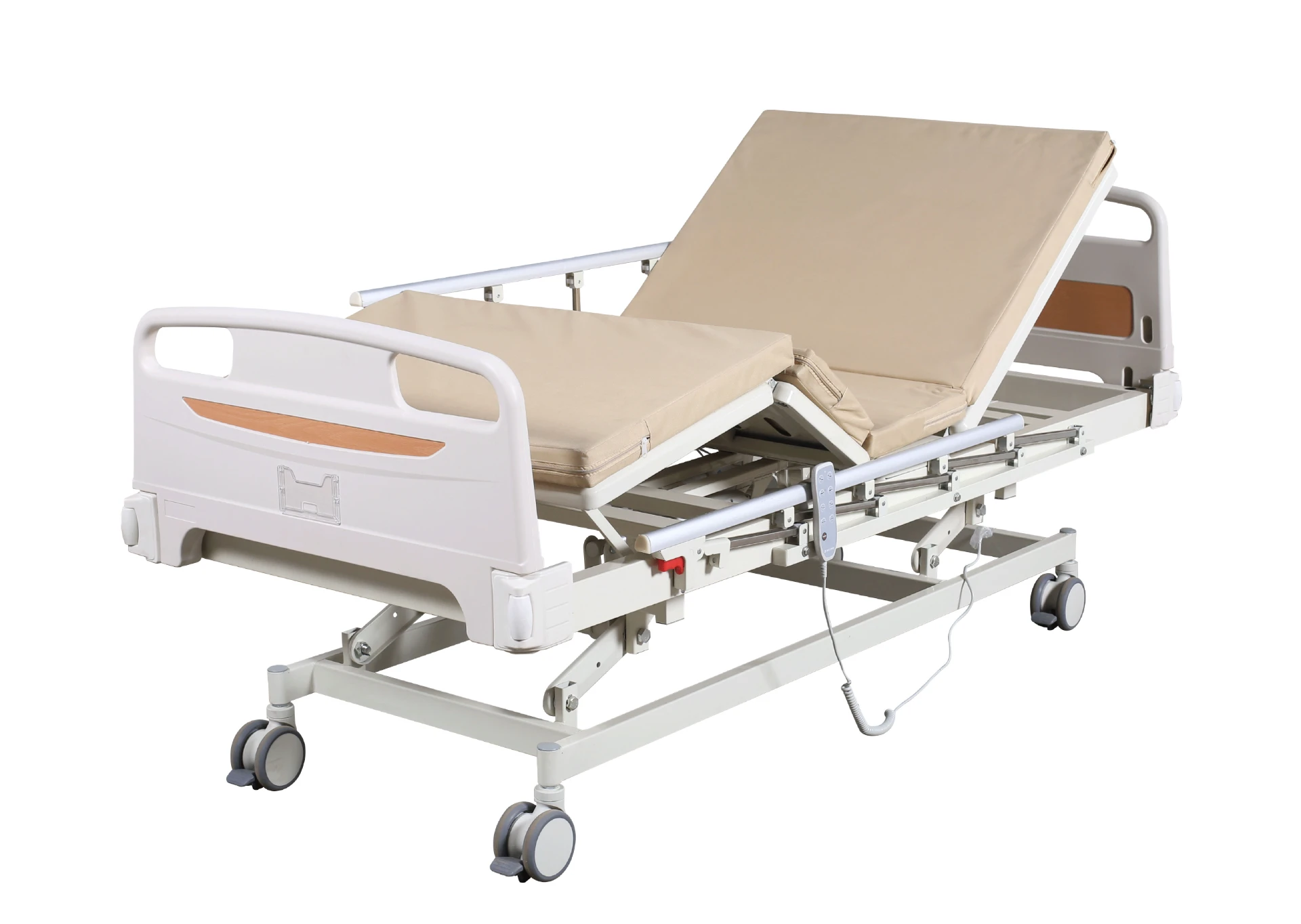
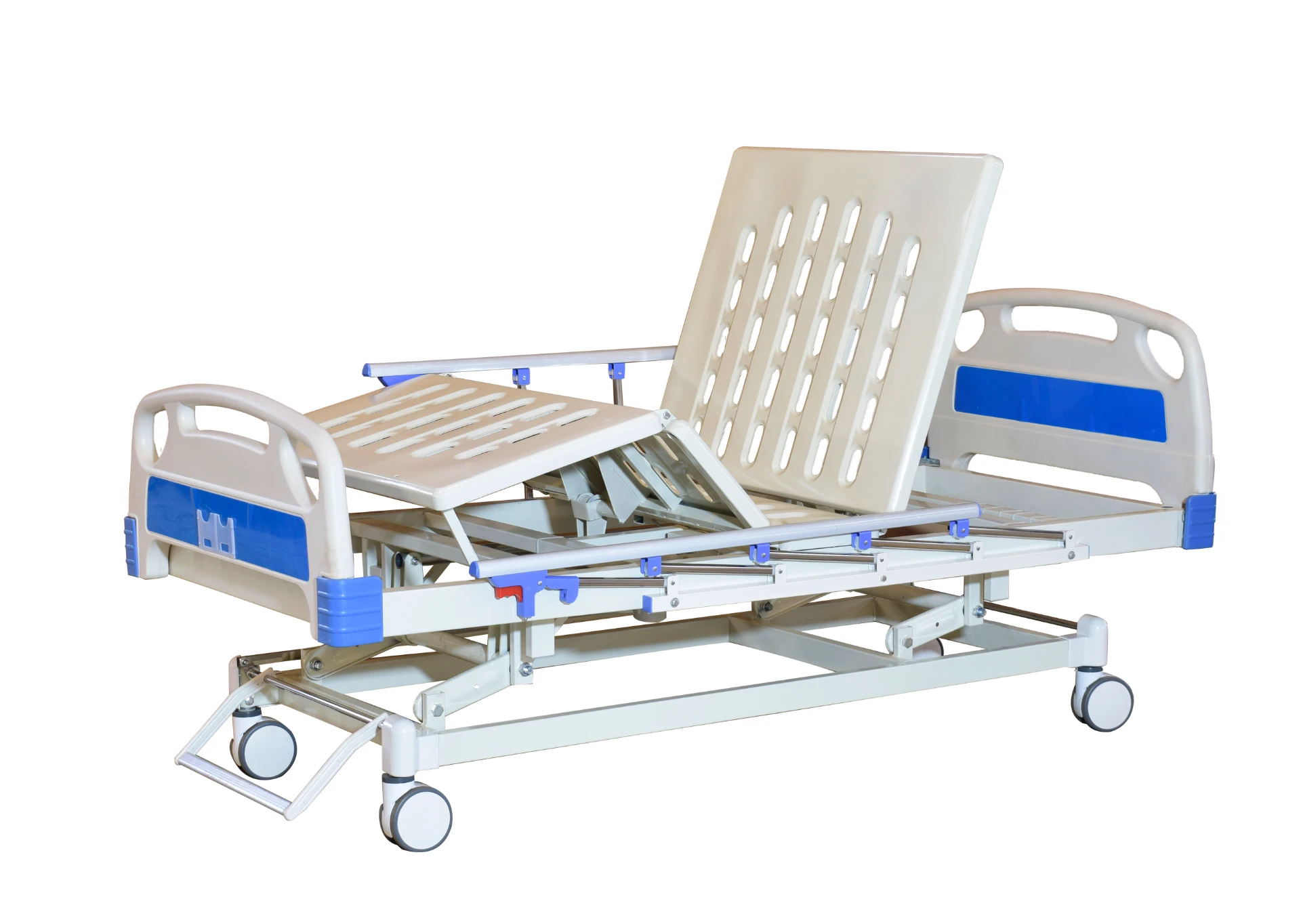
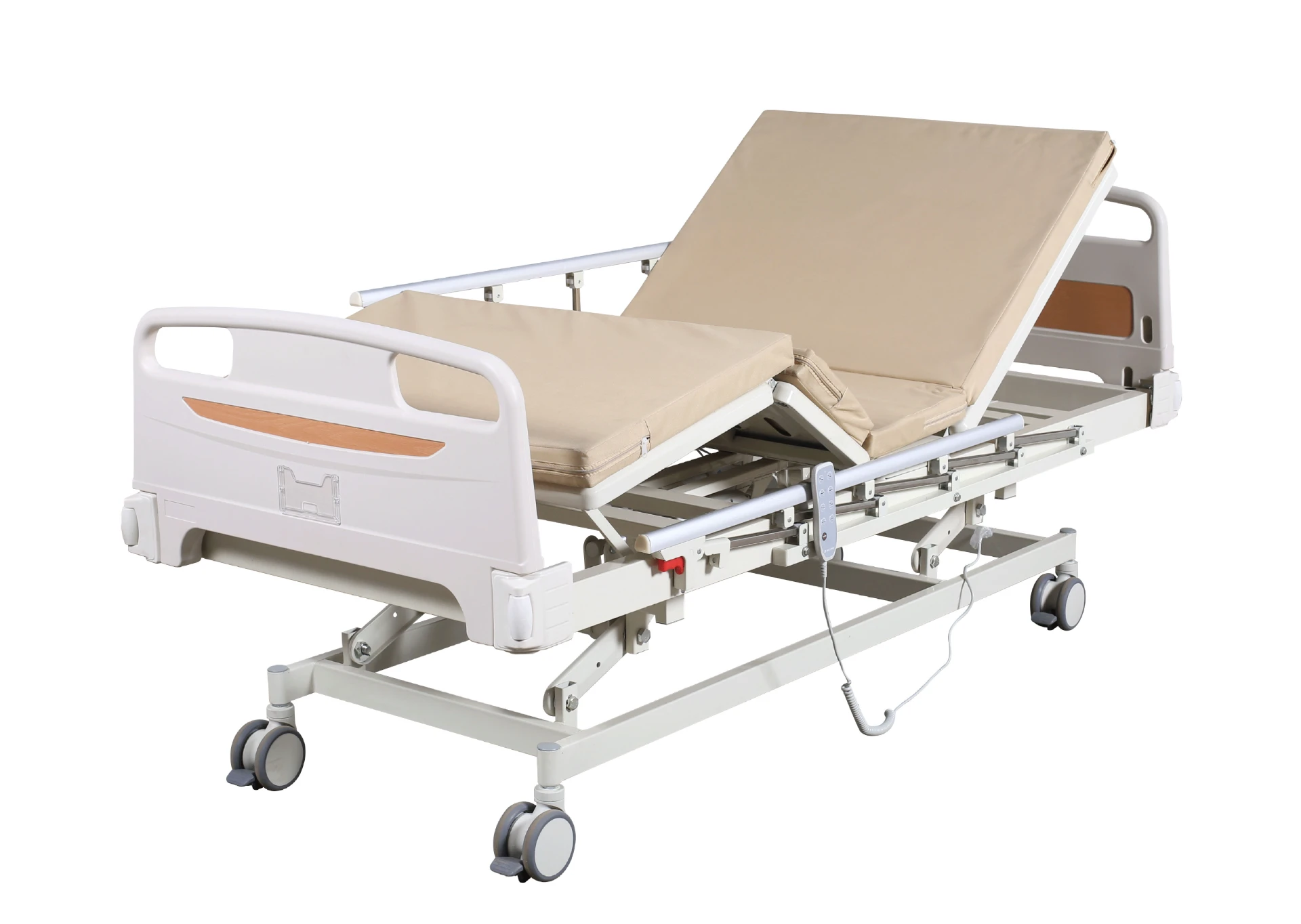
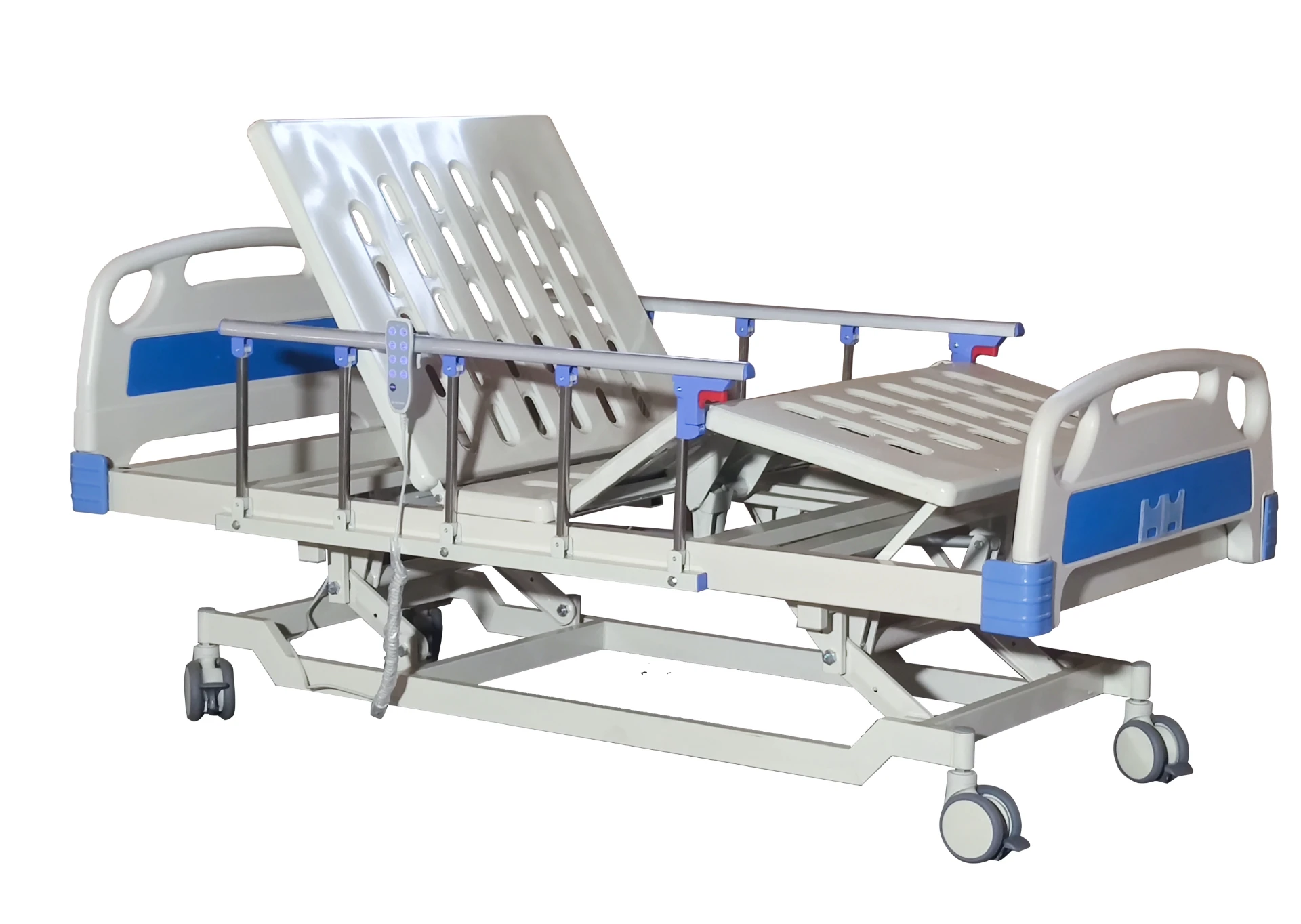
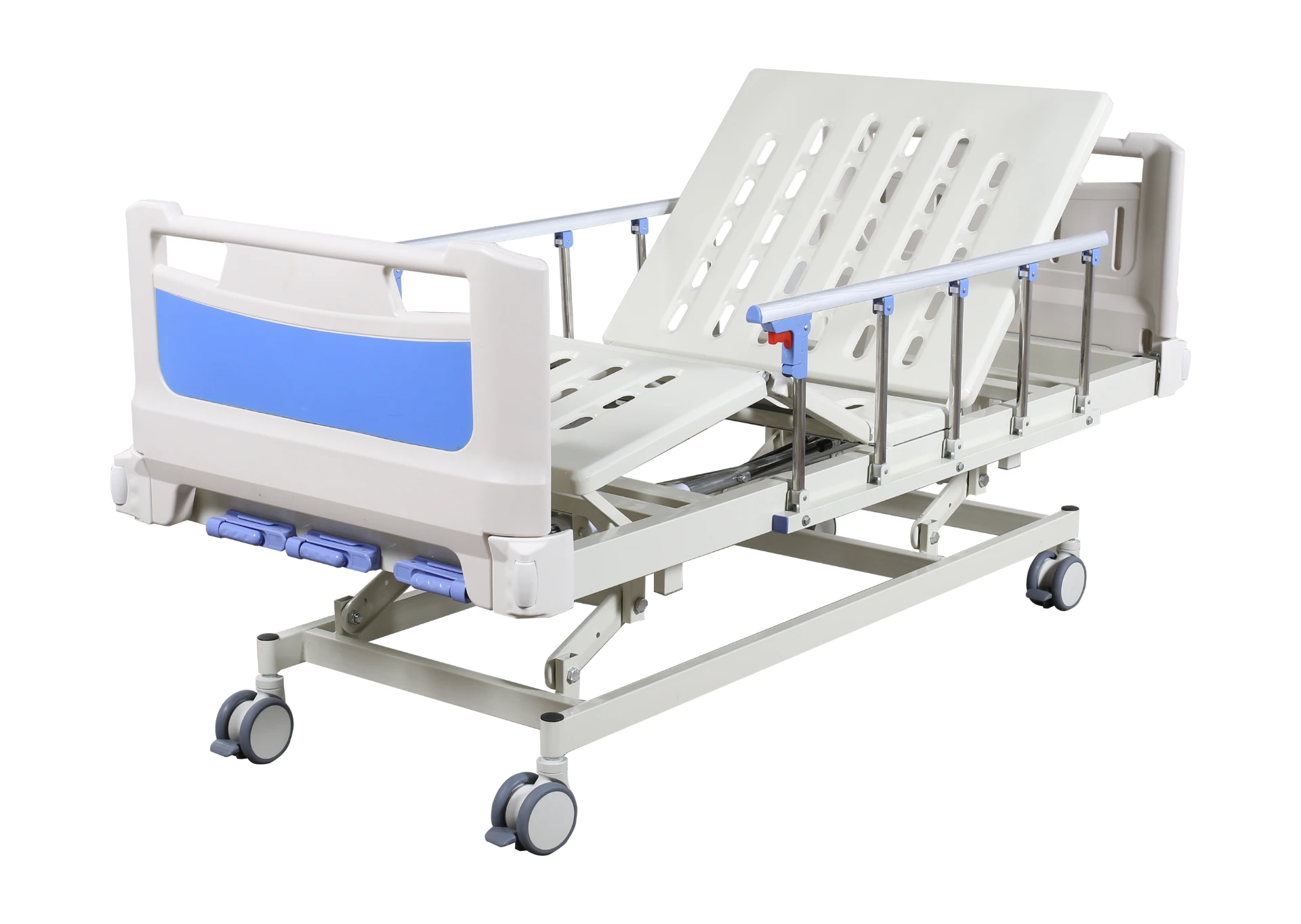
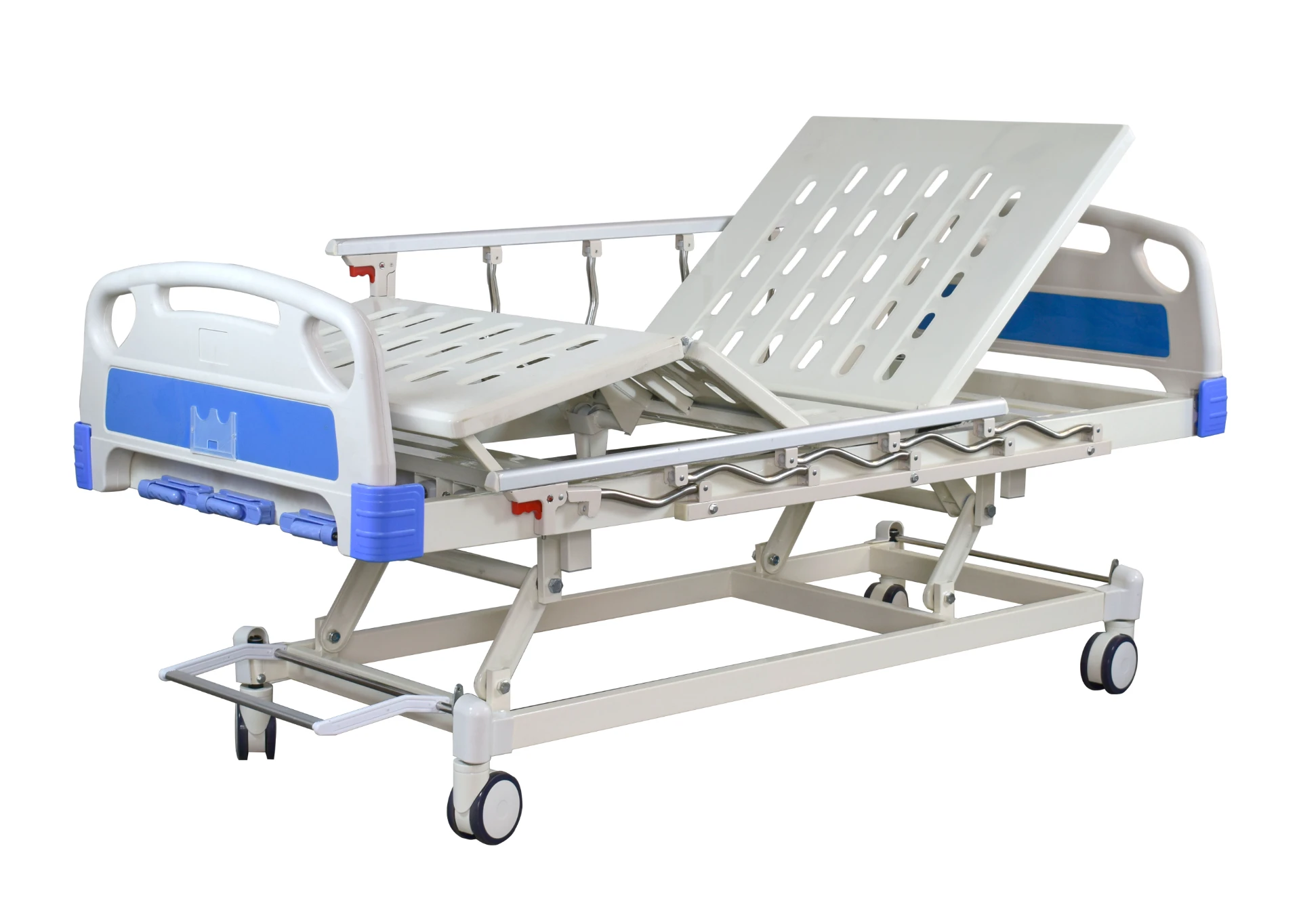
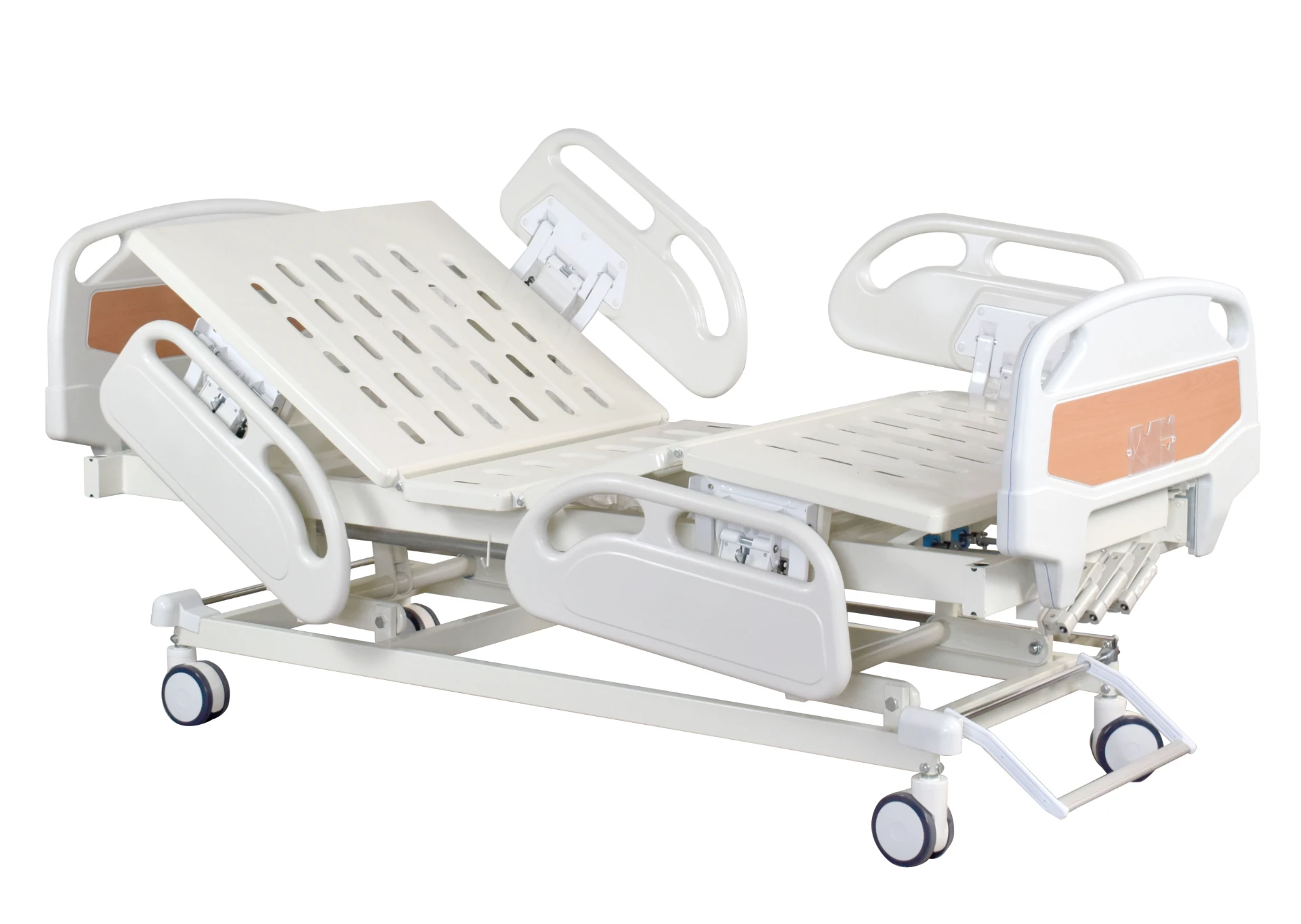
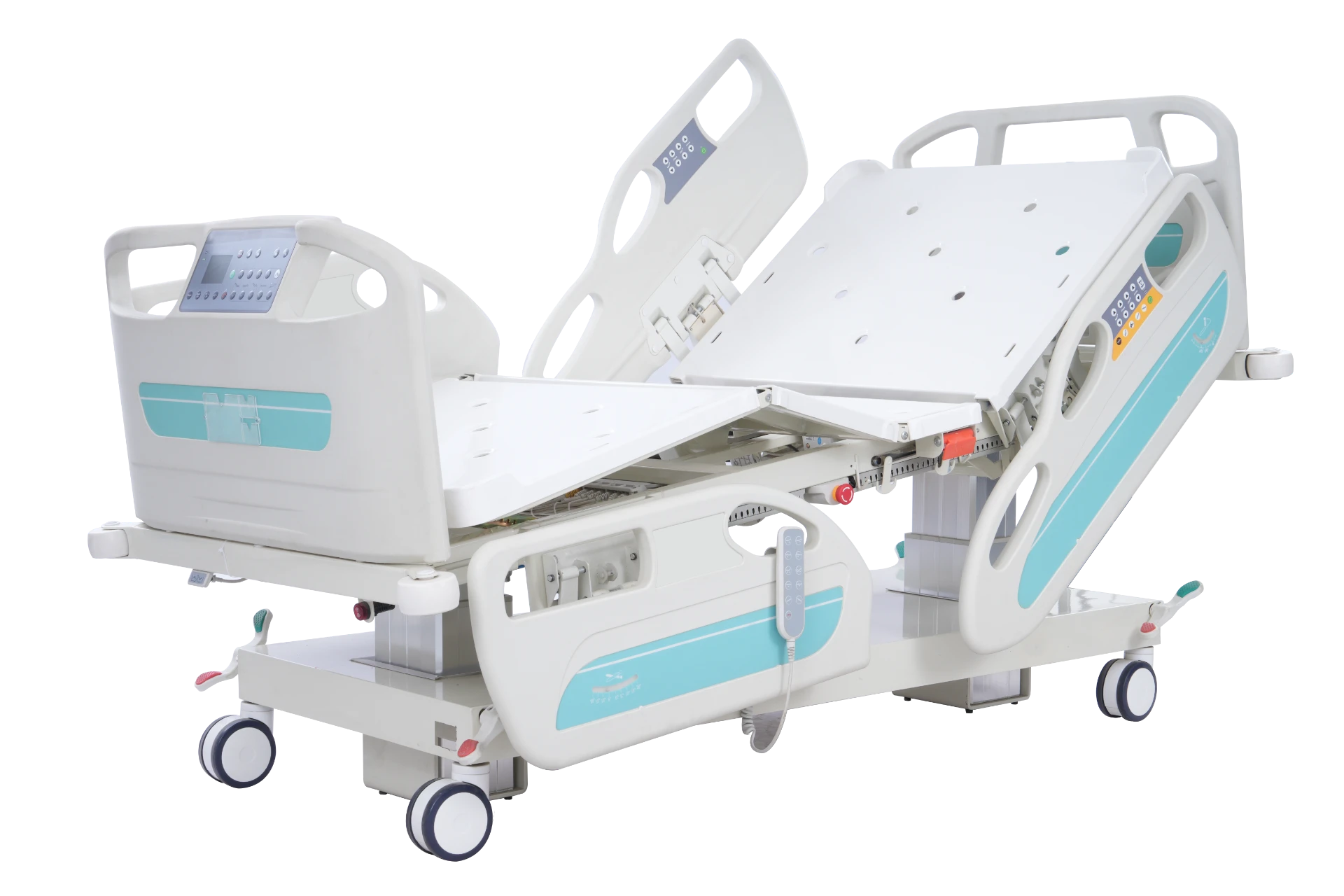
At its core, a hospital futon is a specialized futon mattress and frame designed to meet strict healthcare standards. Unlike your typical living room futon, these are engineered with easy-to-clean, antimicrobial materials, adjustable firmness levels, and frames built for stability and patient safety. They’re compact enough to transform hospital rooms or emergency tents efficiently while providing patients with the dignity of a proper rest space.
Interestingly, the “hospital futon” blurs lines between furniture design and medical equipment, showing how industries adapt each other’s innovations. Hospitals, humanitarian organizations, and even remote industrial medical clinics use them as budget-friendly, ergonomic alternatives to traditional hospital beds.
Core Components of Hospital Futons
Durability
In real terms, a hospital futon must withstand rigorous cleaning, heavy patient use, and occasional rough handling. Most feature reinforced aluminum or steel frames with high-density foam cores wrapped in waterproof, antimicrobial covers. Durability directly affects longevity and cost-efficiency, which are critical in heavily used facilities.
Mobility
Quick relocation or setup is vital. Many futons include foldable designs and lightweight frames that healthcare workers can move single-handedly. Wheels or fold-flat options mean emergency units can adapt spaces in minutes, which is priceless when crises call for instant action.
Hygiene & Safety
Hospital futons meet stringent infection control protocols. Waterproof covers resist microbial buildup, and many models withstand high-level disinfectants. Additionally, the frames often feature smooth surfaces to avoid injury and are compliant with healthcare safety standards.
Cost Efficiency
Compared to bulky hospital beds, futons represent a fraction of the investment—both in upfront price and maintenance. This is crucial for resource-constrained healthcare systems aiming to maximize patient comfort without bleeding budgets dry.
Adaptability
Some hospital futons include adjustable firmness or modular components, allowing customization by patient needs or treatment requirements. This flexibility improves patient outcomes and staff efficiency.
Hospital Futon Specification Table
| Feature | Typical Specification | Benefit |
|---|---|---|
| Frame Material | Aluminum alloy / stainless steel | Lightweight and corrosion-resistant |
| Mattress Type | High-density, antimicrobial foam | Comfort and infection control |
| Weight | Approx. 12-18 kg | Easy to transport by staff |
| Dimensions (unfolded) | 200 cm x 85 cm x 10 cm | Standard patient fit |
| Folding Mechanism | Tri-fold / bi-fold options | Compact storage and transport |
| Certification | ISO 10993 biocompatibility | Safe for patient skin contact |
Real-World Applications of Hospital Futons Around the Globe
From disaster zones in Southeast Asia to temporary clinics in Eastern Europe, hospital futons pop up everywhere healthcare infrastructure is stretched thin. NGOs deploying mobile health units use futons for their ease of setup and hygiene standards, crucial when time and sanitation are at a premium. Even major hospital chains in Japan and South Korea incorporate futon systems for outpatient recovery areas or overflow wards.
In remote mining camps or oil fields of the Middle East, futons double as emergency patient beds and general rest surfaces, offering durable comfort without permanently occupying limited space. These broad use cases underscore the futon’s adaptability and essential role in modern healthcare delivery logistics.
Mini takeaway: A hospital futon isn’t just compact bedding—it’s a versatile answer to diverse medical needs in shifting contexts.
Why Choosing a Hospital Futon Makes Sense: The Benefits Unpacked
- Cost-effectiveness: Lower acquisition and maintenance costs mean better budget allocation.
- Enhanced patient dignity: Unlike makeshift sleeping setups, futons provide real comfort and support.
- Hygienic and safe: Designed to meet infection control standards, they help reduce hospital-acquired infections.
- Sustainability: Many models employ recyclable materials and require less energy-intensive manufacturing.
- Mobility and Flexibility: Easy to move, store, and repurpose, supporting dynamic care environments.
It feels like a small investment with outsized impact—especially in facilities where patient experience and staff workload often pull in opposite directions.
Emerging Trends & Innovations in Hospital Futon Design
Looking forward, the futon industry is embracing greener materials like recycled foams and biodegradable covers. Some developers integrate smart textiles that monitor patient vitals or adjust firmness automatically, blending comfort with digital health innovation. Moreover, modular futon systems that can be reconfigured as beds, chairs, or stretchers are becoming popular, offering multi-functionality once only seen in high-cost equipment.
Healthcare automation could also see futons incorporated into robotic ward entities, where smart environments react to patient conditions, enhancing care without adding physical clutter.
Overcoming Limitations: Challenges and Forward-Thinking Solutions
Despite their many benefits, hospital futons face hurdles. Durability in extremely harsh environments or adaptability to diverse patient needs can be limiting factors. Some models also struggle to meet universal height and accessibility requirements, impeding use by elderly or disabled patients.
Experts suggest incremental design tweaks: stronger frame alloys, customizable layers for pressure relief, and built-in handles to aid repositioning. Partnerships between designers and medical staff also help refine usability, ensuring futons become genuine tools rather than just temporary fixes.
FAQ: Frequently Asked Questions About Hospital Futons
- What makes hospital futons different from standard futons?
- Hospital futons are specially designed for medical settings, featuring antimicrobial, waterproof covers, reinforced frames, and compliance with hygiene and safety standards. This contrasts with typical home futons that focus mainly on comfort and aesthetics.
- How suitable are hospital futons for emergency response?
- The lightweight, foldable nature and easy sanitation make hospital futons ideal for emergency hospitals, disaster relief, and rapid deployment scenarios where traditional beds are impractical.
- Can hospital futons be customized for patient-specific needs?
- Yes, many manufacturers offer futons with adjustable firmness, modular cushions, and various sizes to accommodate different clinical requirements, ensuring better patient comfort and care.
- Are hospital futons eco-friendly?
- Increasingly, yes. New models use sustainable materials, recyclable components, and manufacturing processes that minimize environmental impact, aligning with global green health initiatives.
- Can NGOs import hospital futons internationally?
- Absolutely. They are often designed for global distribution, with lightweight shipping weights and compliance with international safety certifications making cross-border imports straightforward.
Conclusion and Call to Action
Hospital futons represent a smart blend of tradition and innovation — providing cost-effective, hygienic, and comfortable solutions that respond dynamically to healthcare’s shifting demands worldwide. Whether ramping up capacity during crises, optimizing space in tight facilities, or pushing sustainable care forward, these compact beds bring tangible long-term value.
Curious to explore the best hospital futon options tailored for your needs? Visit our website: https://www.cnboxin.com — your partner in modern healthcare solutions.
| Vendor | Product Range | Price Range (USD) | Key Feature | Global Shipping |
|---|---|---|---|---|
| CNBoxin | Hospital futons, modular beds | $120 - $350 | Lightweight & antimicrobial | Yes |
| MedRest Corp. | Hospital futons, stretchers | $150 - $400 | Ergonomic padding options | Limited |
| HealSmart | Hospital futons, modular systems | $130 - $370 | Smart fabric tech | Yes |
Mini takeaway: Choosing the right vendor depends on budget, features, and shipping needs, but options are expanding globally.
References & Resources
-
Ultimate Guide to Choosing Extra Wide Waiting Room ChairsNewsApr.16,2026
-
Guide to Choosing Professional Waiting Room Chairs Wipeable SeatingNewsApr.09,2026
-
Enhance Your Space with Comfortable Wide Waiting Room ChairsNewsApr.07,2026
-
Selecting the Ideal Brown Waiting Room Chairs for a Welcoming SpaceNewsApr.04,2026
-
Choosing Comfortable Patient Waiting Room Chairs for Healthcare FacilitiesNewsMar.31,2026
-
Finding the Best Deals on Affordable and Cheap Reception Chairs for Your BusinessNewsMar.28,2026
-
Enhance Your Business Reception with Comfortable Blue Reception ChairsNewsMar.26,2026