Welcome to our websites!


Pediatric Hospital Furniture: Enhancing Safety and Comfort for Young Patients
Pediatric Hospital Furniture: Designing Comfort and Care for Young Patients
When we talk about pediatric hospital furniture, we’re really stepping into a key aspect of healthcare that often goes unnoticed but matters tremendously. Globally, specialized hospital furniture designed for children is not just about ergonomics and aesthetics—it’s about ensuring safety, comfort, and a healing environment that supports the unique needs of kids in medical care. Especially in healthcare facilities worldwide, from bustling urban hospitals to remote clinics, well-designed pediatric hospital furniture can make a tangible difference in patient outcomes and caregiver efficiency.
So why is understanding pediatric hospital furniture so important? Well, as healthcare systems strive to become more child-friendly, the role of furniture specifically tailored for pediatric patients evolves into a cornerstone of quality care. Selecting the right furnishings impacts both clinical effectiveness and child psychology. Plus, with growing concerns globally about sustainable healthcare infrastructure, pediatric hospital furniture now also intersects with environmental and economic considerations.
Introduction: The Global Context of Pediatric Hospital Furniture
Across countries, the demand for pediatric-specialized hospital furniture is increasing, reflecting shifting demographics and priorities in healthcare. According to the World Health Organization, nearly 1.7 billion children worldwide require access to appropriate health services at any point—many of whom need environments suited to their unique physiological and psychological profiles. Unfortunately, in many lower-income areas, general adult hospital furniture is still commonly used for pediatric wards, impacting safety and care quality.
To put it plainly: the lack of pediatric-specific furniture is more than an inconvenience; it’s a public health challenge. Improper seating, beds, or examination tables can lead to injury risks or hinder medical procedures. This issue calls for better standards and awareness globally, especially with initiatives led by organizations like UNICEF and ISO to improve healthcare environments.
What Exactly is Pediatric Hospital Furniture?
Simply put, pediatric hospital furniture includes all types of furnishings designed specifically for infants, toddlers, and children receiving medical care. These range from cribs, beds, and examination tables to chairs and storage units made to fit smaller bodies, accommodate quick adjustments, and often incorporate child-friendly designs to reduce stress.
This furniture serves a dual purpose: operational functionality for healthcare providers and creating a warm, reassuring environment for young patients. Beyond the hospital, it is increasingly relevant in humanitarian contexts, like disaster relief and refugee camps, where child-specific medical setups are urgently needed.
Key Factors in Pediatric Hospital Furniture
1. Safety and Compliance
First and foremost, pediatric hospital furniture must comply with rigorous safety standards. This includes non-toxic materials, lockable wheels, rounded edges, and sizes appropriate for children’s anatomy. The ISO 10993 standards often guide medical-grade materials’ biocompatibility, making sure children are not exposed to harmful substances.
2. Durability and Hygiene
Hospitals are high-stress environments where furniture is subject to constant use and rigorous cleaning. Materials must resist wear, disinfectants, and occasional rough handling, all while maintaining smooth, bacteria-resistant surfaces.
3. Ergonomics and Comfort
Because young patients vary widely—from newborns to teenagers—furniture must be adjustable and supportive to avoid stress or discomfort during diagnosis or treatment. Soft upholstery, reclinable positions, and supportive headrests can go a long way.
4. Emotional Design
Oddly enough, children respond well to furniture with bright colors, friendly shapes, and fun motifs. This doesn't just boost mood—it can lower anxiety, helping kids cooperate during procedures.
5. Cost Efficiency and Scalability
Hospitals need solutions that balance quality with budgets, especially when outfitting entire pediatric wards. Modular designs that can evolve with patient age or ward function help facilities optimize resources over time.
Global Applications & Real-World Use Cases
Pediatric hospital furniture is widely used in children’s hospitals across Europe and North America, but its importance shines particularly in developing regions. For instance, in parts of Sub-Saharan Africa, UNICEF supports pediatric wards by supplying culturally appropriate furniture that meets strict durability demands in resource-limited settings.
In disaster relief scenarios, such as the 2010 Haiti earthquake response, mobile clinics employed specialized pediatric cots and examination tables to treat young patients efficiently and safely under challenging circumstances. Similarly, in remote industrial towns in Asia, pediatric chairs and beds designed for compact spaces help clinics manage large volumes of child patients without sacrificing comfort.
Mini takeaway:
- Pediatric hospital furniture has wide-ranging impact—from high-income children’s hospitals to humanitarian settings.
- Adaptability and cultural considerations are key to successful applications worldwide.
Advantages and Long-Term Value of Pediatric Hospital Furniture
One can’t overstate the importance of investing in pediatric hospital furniture. Properly designed furniture reduces the risk of injury, supports faster recovery by lowering patient stress, and improves workflow efficiency for medical staff. Logically, this translates into lower operational costs and better health outcomes.
From a social viewpoint, such furniture conveys respect for the dignity and needs of children—a subtle but powerful message during vulnerable moments. Hospitals that prioritize pediatric-specific furnishings often report higher family satisfaction and better reputations overall.
Product Specification Table
| Product | Age Range | Material | Adjustability | Infection Control |
|---|---|---|---|---|
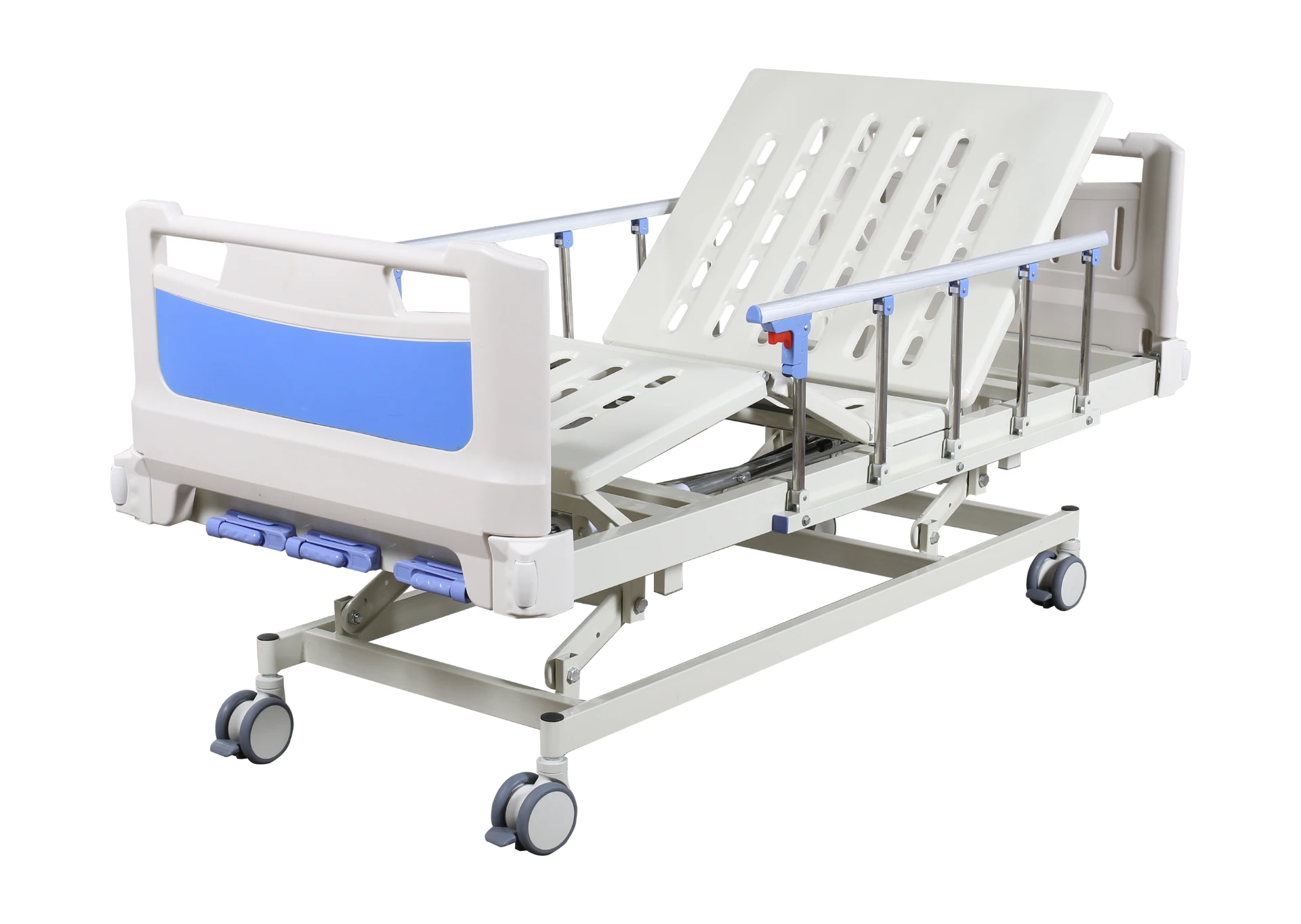
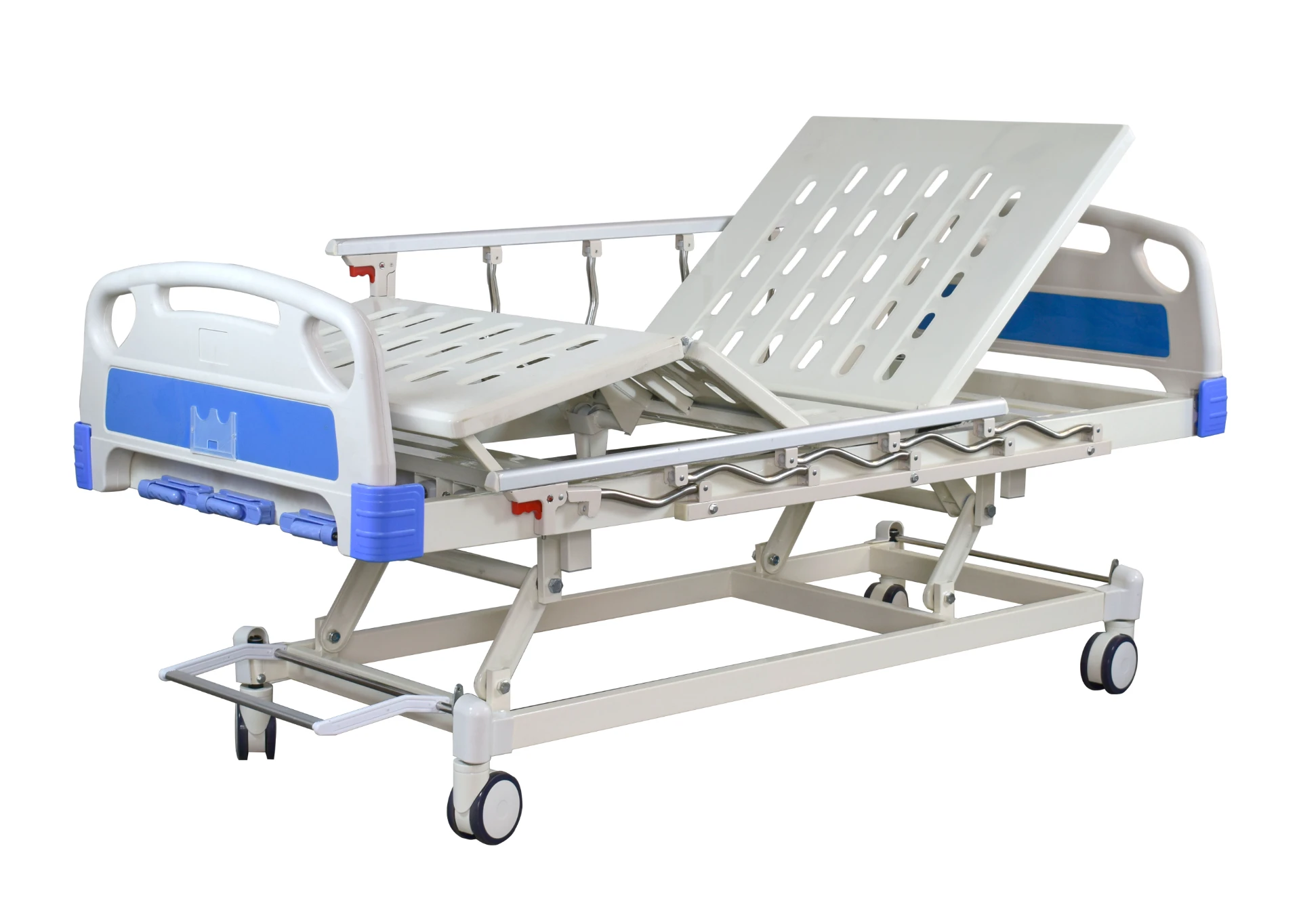
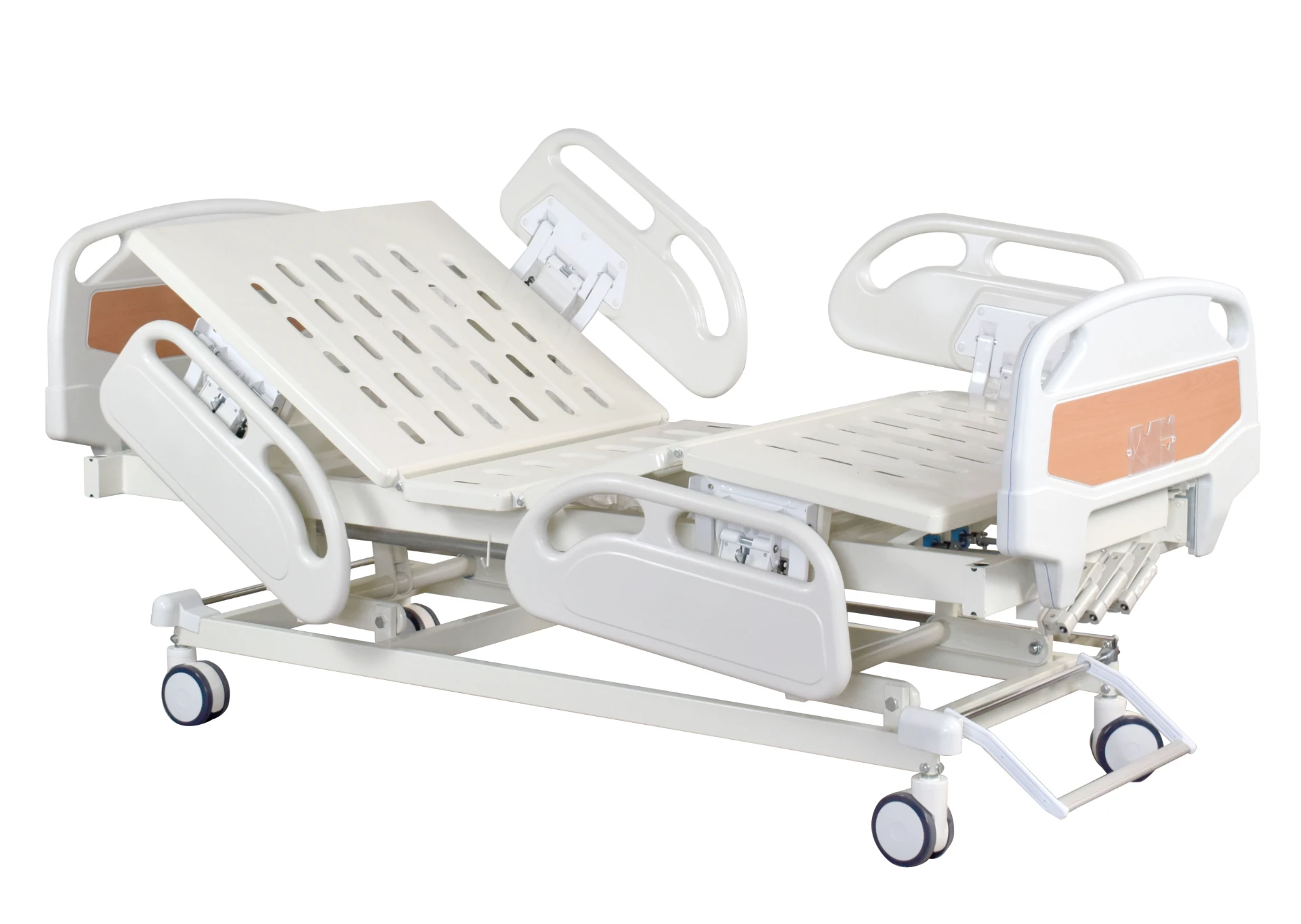
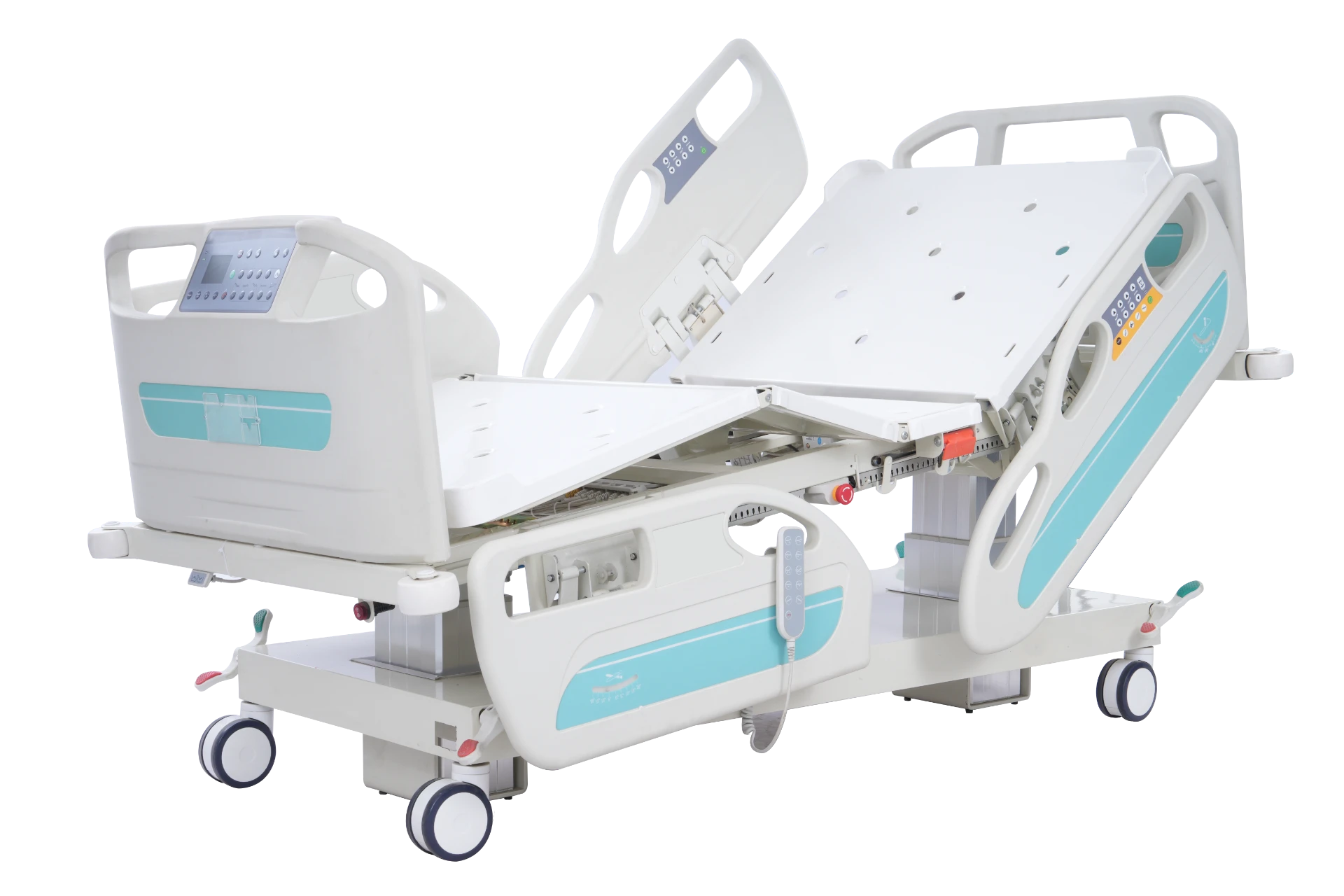
| Pediatric Adjustable Bed | Newborn - 12 years | Powder-coated steel, antimicrobial vinyl | Height and headrest adjustable | Yes, smooth surfaces for easy cleaning |
| Pediatric Examination Chair | 3 - 18 years | Stainless steel frame, vinyl upholstery | Reclining backrest, removable armrests | Yes, water-resistant surfaces |
| Pediatric Crib with Storage | Newborn - 3 years | Wood-composite, non-toxic finish | Fixed, with easy-access doors | Semi-porous, easy sanitize |
Vendor Comparison Table
| Vendor | Product Range | Customization Options | Global Reach | Sustainability Practices |
|---|---|---|---|---|
| HealthCare Kids Inc. | Beds, Chairs, Cribs | Color & material customization | North America, Europe | Recyclable materials, low VOC paints |
| Global Med Furnishings | Full pediatric line incl. mobile units | Adjustability & ergonomic custom builds | Global, including emerging markets | ISO 14001 certified production |
| BrightCare Furniture | Specialty pediatric seating & storage | Theme designs, safety features included | Europe & Asia | Sustainable wood sourcing |
Future Trends & Innovations in Pediatric Hospital Furniture
Looking ahead, it’s clear that pediatric hospital furniture is embracing technology and sustainability in new ways. For example, antimicrobial smart surfaces that actively reduce infection risk are gaining traction. There’s a push towards furniture made from eco-friendly, recycled materials, reflecting broader UN Sustainable Development Goals (SDG 3: Good Health and Well-being, SDG 12: Responsible Consumption).
Additionally, digital integration is making furniture “smart”: beds that can monitor patient vitals or chairs with embedded sensors to track posture and comfort. Automation helps free up medical staff by reducing manual adjustments—improving workflow and patient experience alike.
Challenges and Practical Solutions
You might wonder why, with all these advances, pediatric hospital furniture isn't universally implemented yet. The answer is partly cost but also logistics and regulation complexities worldwide. In many low-resource settings, procurement cycles and maintenance knowledge lag behind advanced designs.
One practical solution repeatedly suggested by experts is modularity—furniture systems that can be easily upgraded rather than replaced. Plus, training local healthcare workers on maintenance helps extend lifespan and safety. Finally, partnerships between governments, NGOs, and manufacturers can ease cost burdens and accelerate adoption.
FAQ: Pediatric Hospital Furniture
- Q: What features should I look for in pediatric hospital beds?
A: Focus on size-adjustability, safety rails, easy cleaning surfaces, and infection control certifications. Comfort-enhancing features are a bonus. - Q: Are pediatric hospital furniture products standardized globally?
A: While ISO and ASTM standards guide safety and materials, exact standards vary by country. Choose vendors familiar with local regulations. - Q: How can hospitals balance cost and quality when purchasing?
A: Consider total cost of ownership—durability, warranty, and support—as well as potential modular upgrades to avoid expensive replacements. - Q: Is it possible to customize designs for cultural preferences?
A: Yes, many vendors offer color, motif, and material options to reflect cultural sensitivities and patient comfort.
Conclusion: Investing in Healing Spaces for Children
Ultimately, pediatric hospital furniture is far more than just “kid-sized beds and chairs.” It’s an essential foundation for child-centered care that improves safety, comfort, and recovery. Adopting these features thoughtfully reflects a healthcare system’s commitment to its youngest patients and future generations. If you want to explore more about pediatric hospital furniture solutions, feel free to visit our website at pediatric hospital furniture.
Final Reflection
Designing furniture for children in hospitals is a nuanced blend of engineering, empathy, and foresight. It’s impressive how small design choices can impact the healing process—reminding us that in healthcare, details truly matter.
References
-
Ultimate Guide to Choosing Extra Wide Waiting Room ChairsNewsApr.16,2026
-
Guide to Choosing Professional Waiting Room Chairs Wipeable SeatingNewsApr.09,2026
-
Enhance Your Space with Comfortable Wide Waiting Room ChairsNewsApr.07,2026
-
Selecting the Ideal Brown Waiting Room Chairs for a Welcoming SpaceNewsApr.04,2026
-
Choosing Comfortable Patient Waiting Room Chairs for Healthcare FacilitiesNewsMar.31,2026
-
Finding the Best Deals on Affordable and Cheap Reception Chairs for Your BusinessNewsMar.28,2026
-
Enhance Your Business Reception with Comfortable Blue Reception ChairsNewsMar.26,2026