Welcome to our websites!


The Essential Guide to ICU Bed Size in Feet: Standards, Trends, and Global Impact
A Quick Look at ICU Bed Size in Feet: Why It Really Matters
If you’ve ever wondered about ICU bed sizes—specifically icu bed size in feet—you’re in for a surprisingly important discussion. Why? Because in critical care units worldwide, the physical dimensions of these beds determine not only patient comfort but also the efficiency of healthcare delivery. Understanding the exact sizes influences hospital layout, equipment compatibility, and even patient outcomes during emergencies.
With global health challenges growing more complex, having a solid grasp of ICU bed dimensions has become not just a niche technical detail but a global necessity. Think of it as the quiet foundation underneath all the beeping machines and bustling nurses — the bed size shapes everything.
Mini takeaway: Knowing ICU bed size in feet is more than just a specification—it's a key factor in hospital design, patient safety, and medical workflow efficiency worldwide.
Global Context: Why ICU Bed Size in Feet Comes Up So Often
Worldwide, intensive care units are under pressure. According to the World Bank, hospital bed availability, especially ICU beds, varies vastly by country, with some low-income regions having less than 1 ICU bed per 100,000 people. (1) The challenge is not just the number of beds but also their standard sizes that fit international equipment, allow easy patient transfers, and ensure accessibility.
Hospitals globally adhere to standards set by organizations like ISO and ASTM to harmonize bed sizes. A typical ICU bed length ranges between 6.5 to 7 feet and width around 3 to 3.5 feet. Slight misalignments in these measurements can cause cascading problems—from stalls in emergency setup to difficulties in integrating life-support machines.
Consider this: when health systems respond to pandemics or natural disasters, many temporary intensive care facilities are set up hastily. Without standardized bed sizes, logistics become nightmarish, equipment doesn’t fit right, and staff lose precious minutes. That’s why icu bed size in feet takes center stage in many strategic health discussions.
Mini takeaway: Standardized ICU bed dimensions matter globally for scalability, interoperability, and rapid deployment of critical care resources.
What Exactly Is ICU Bed Size in Feet?
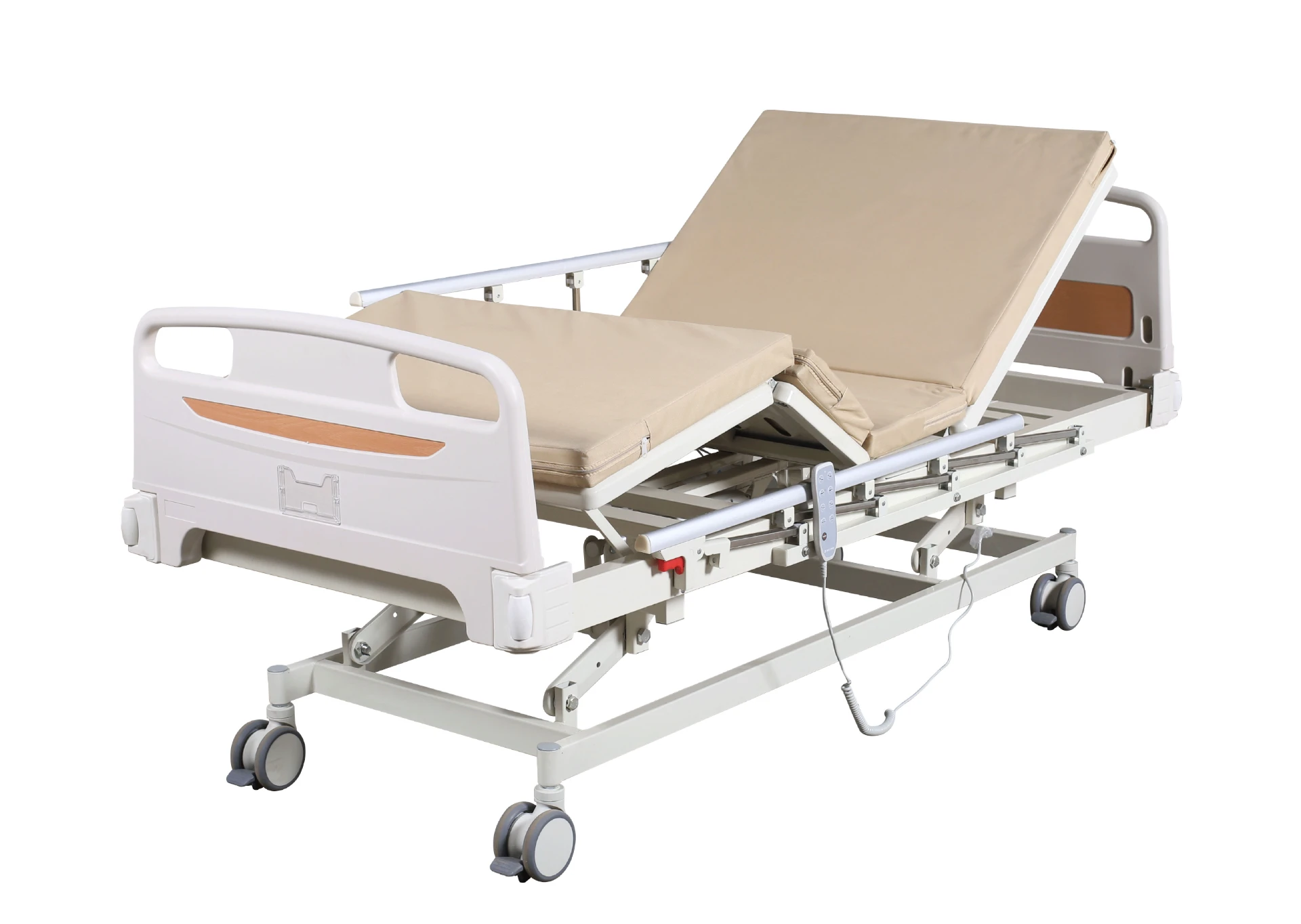
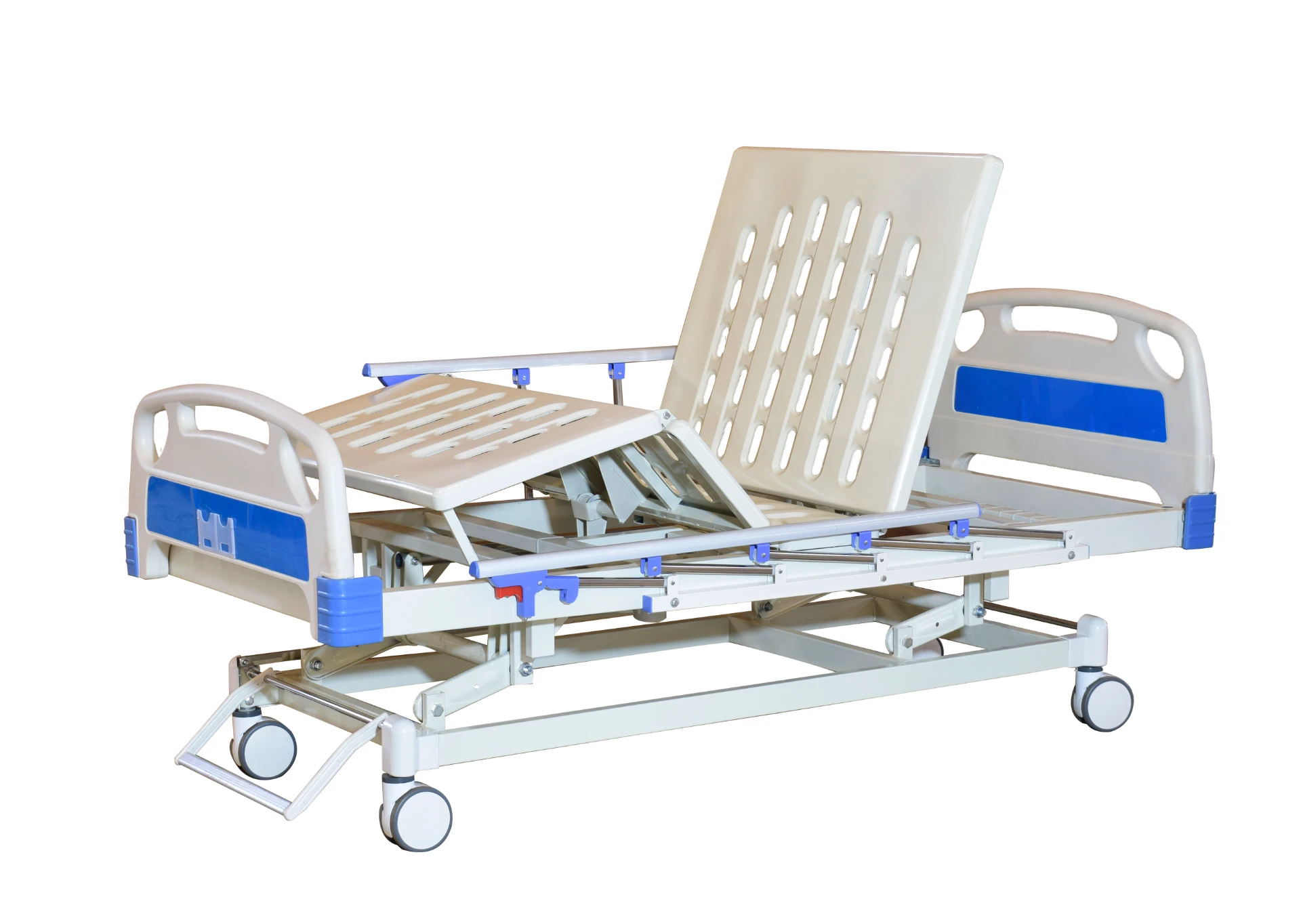
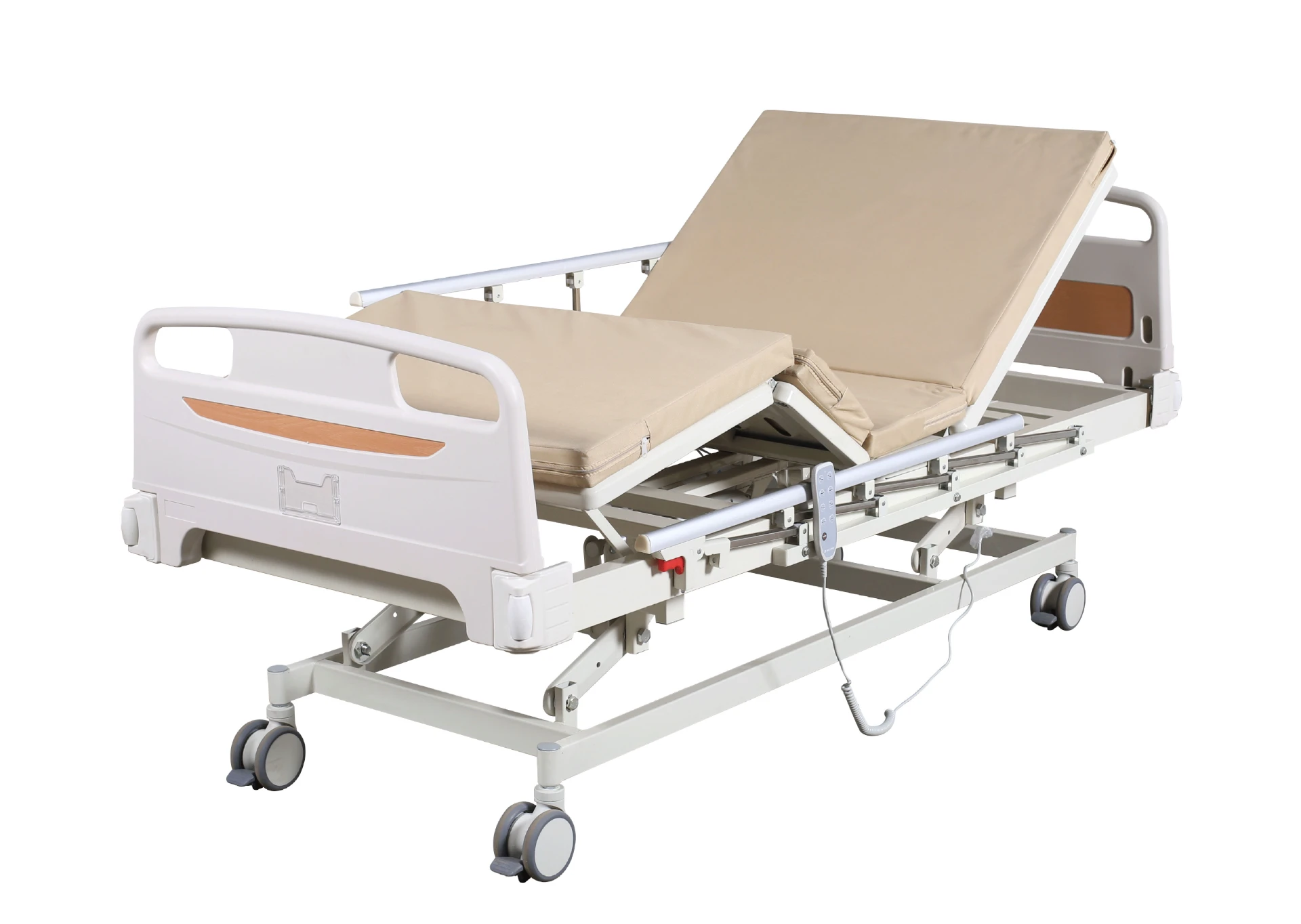
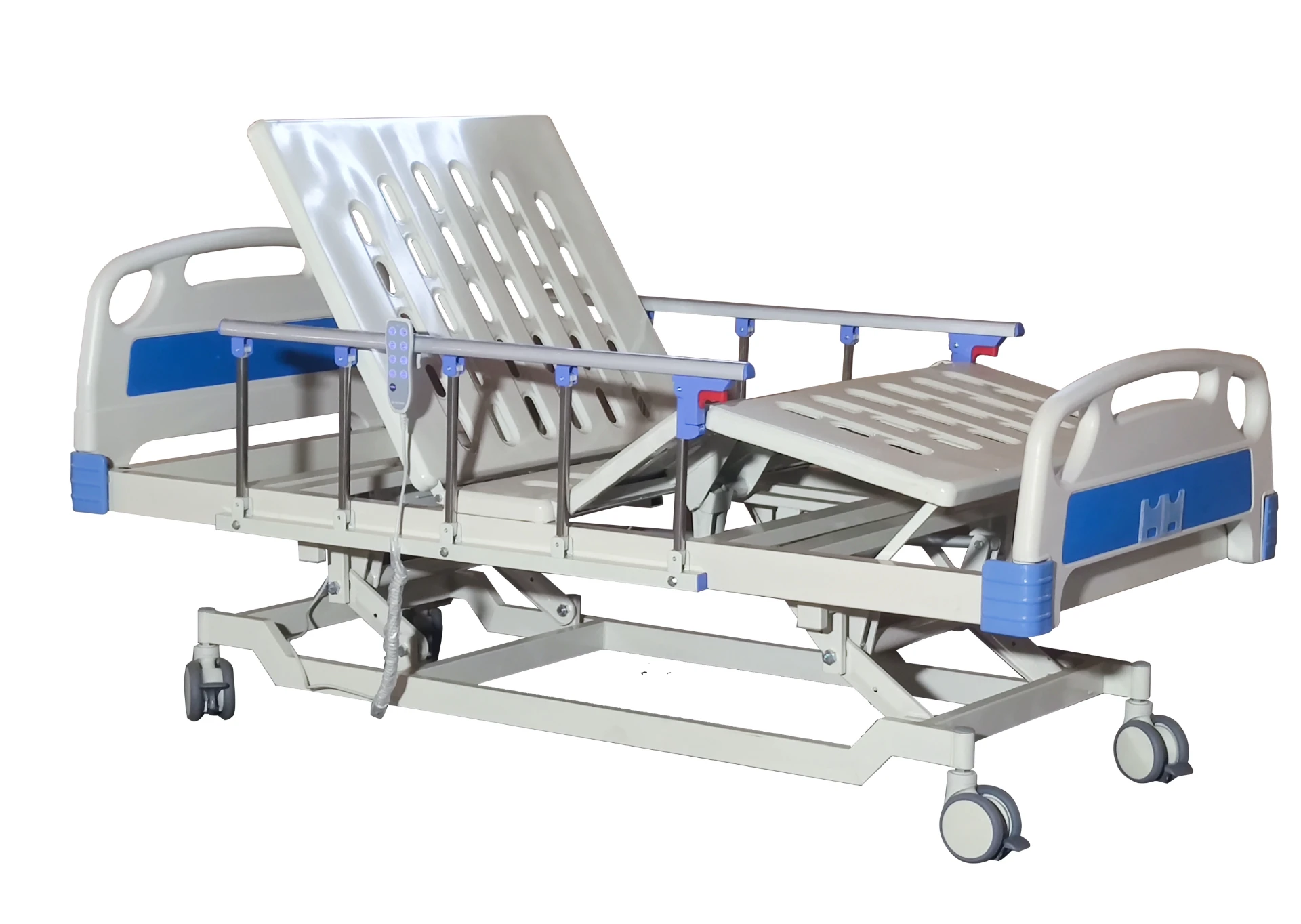
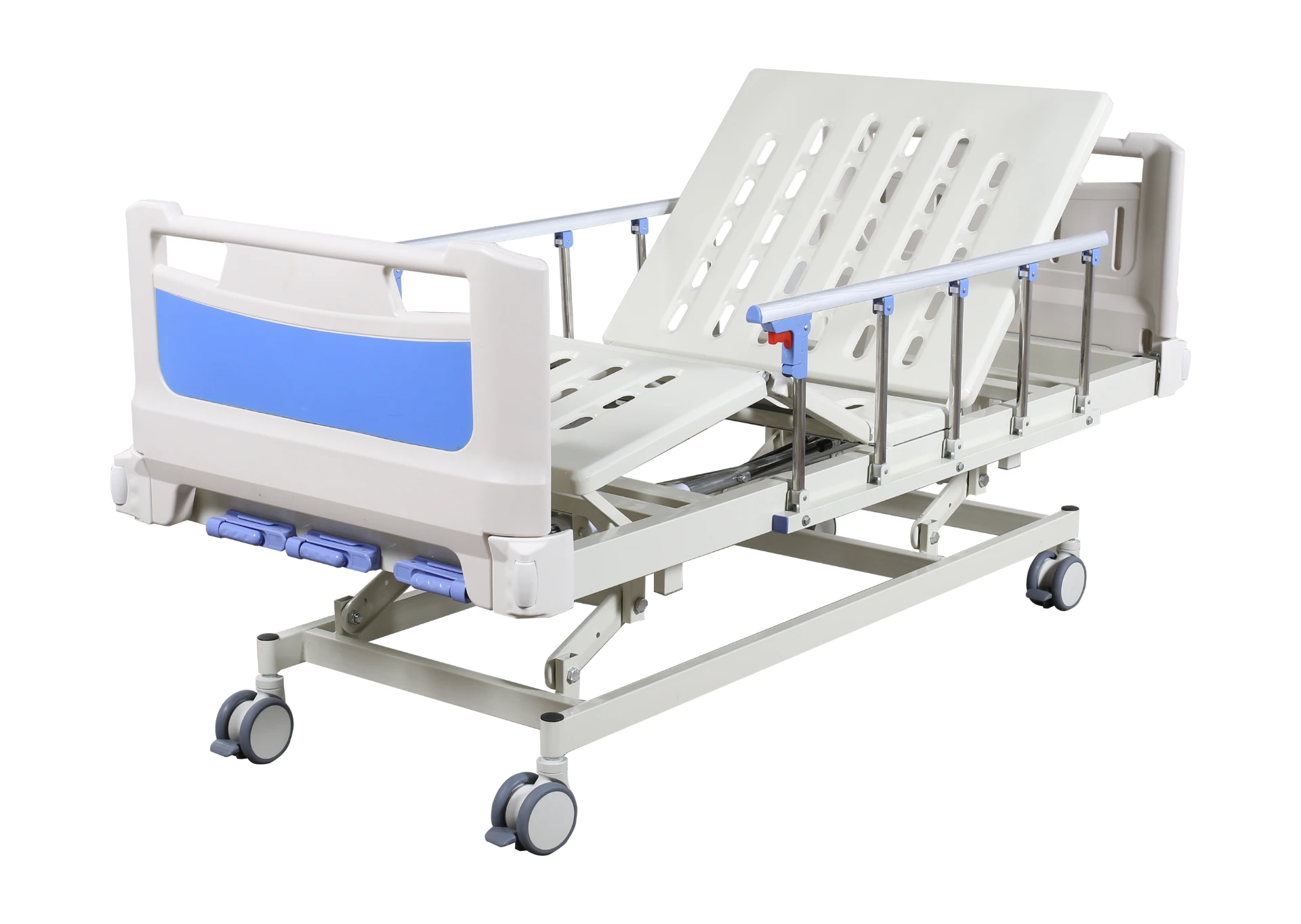
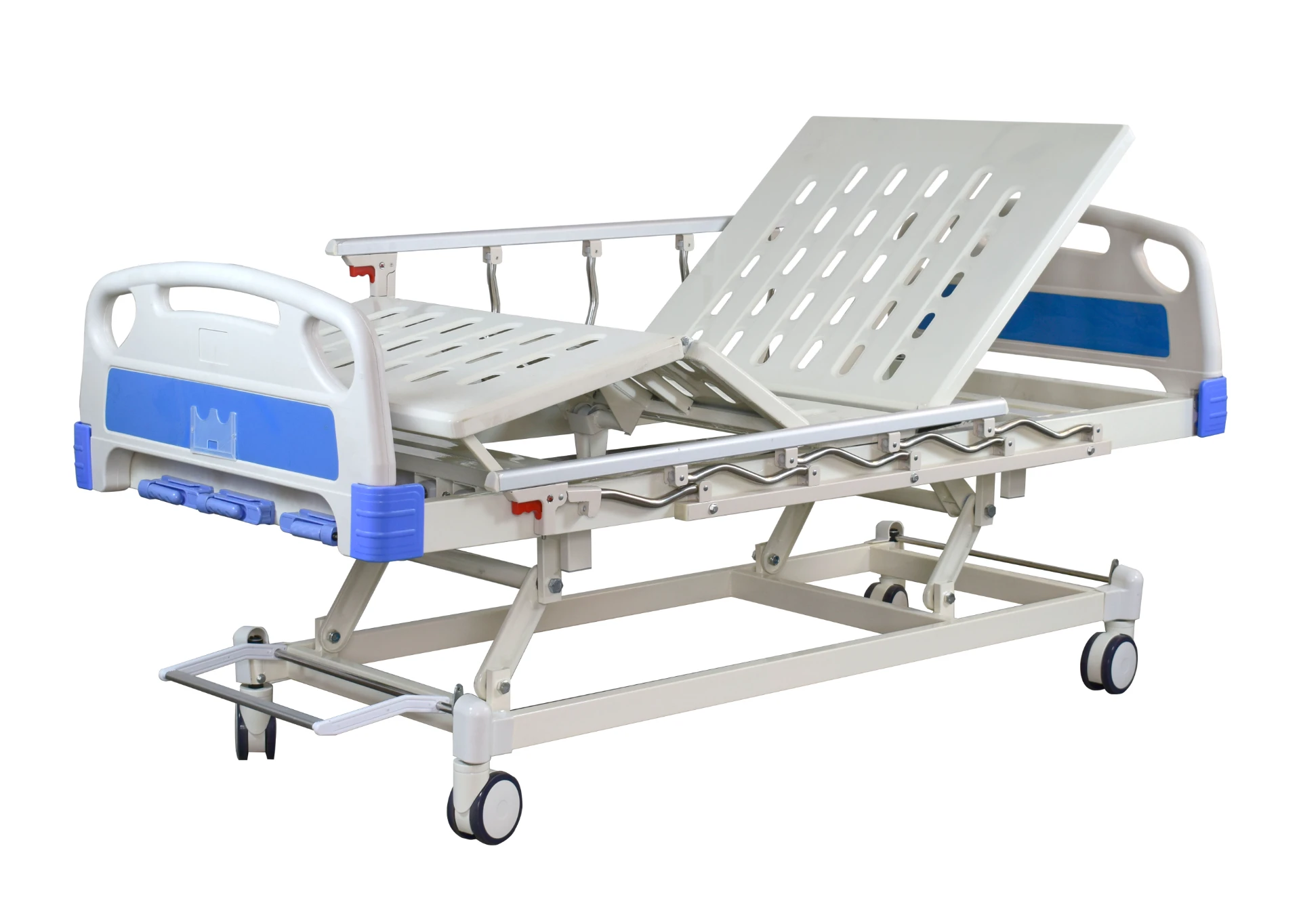
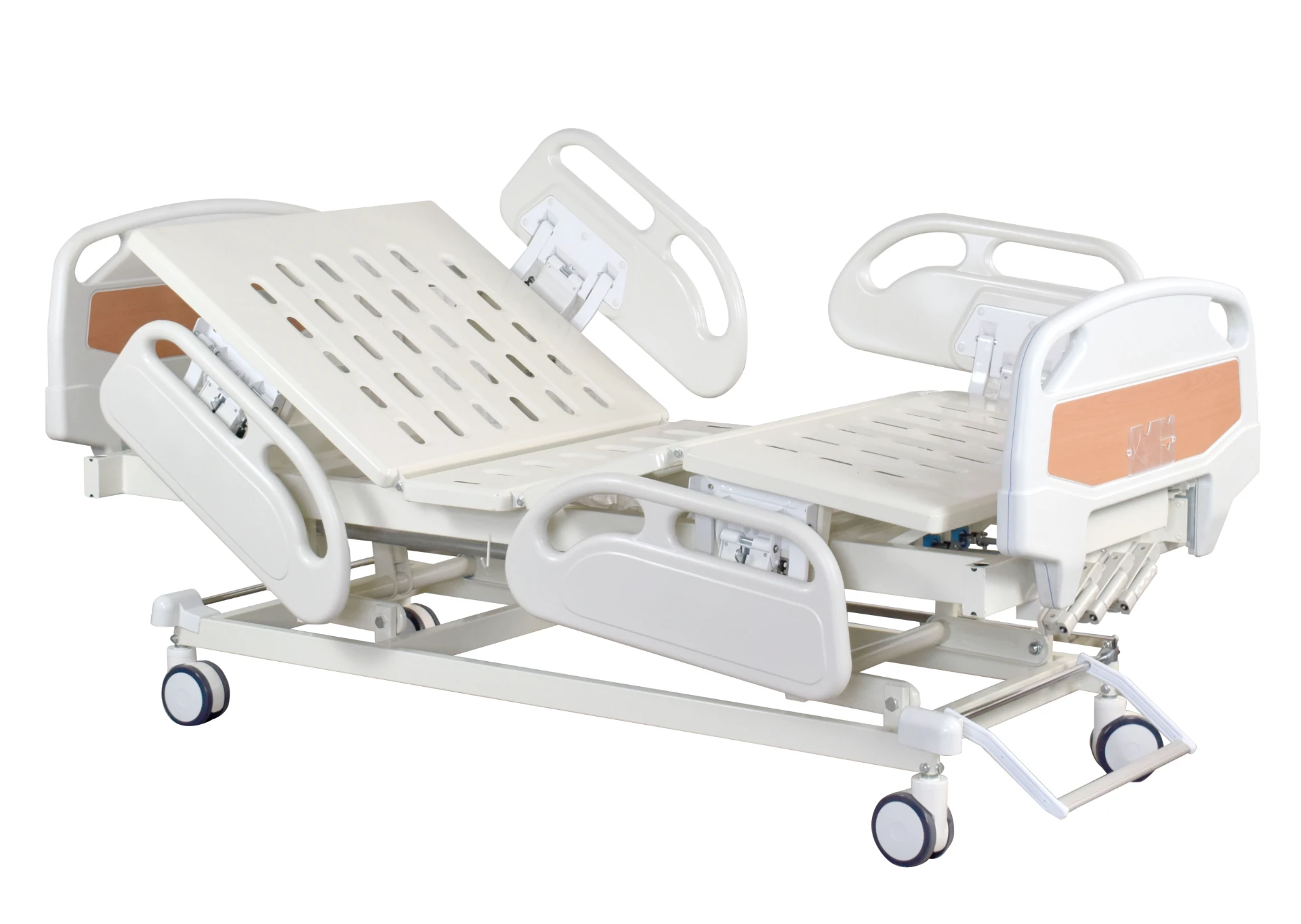
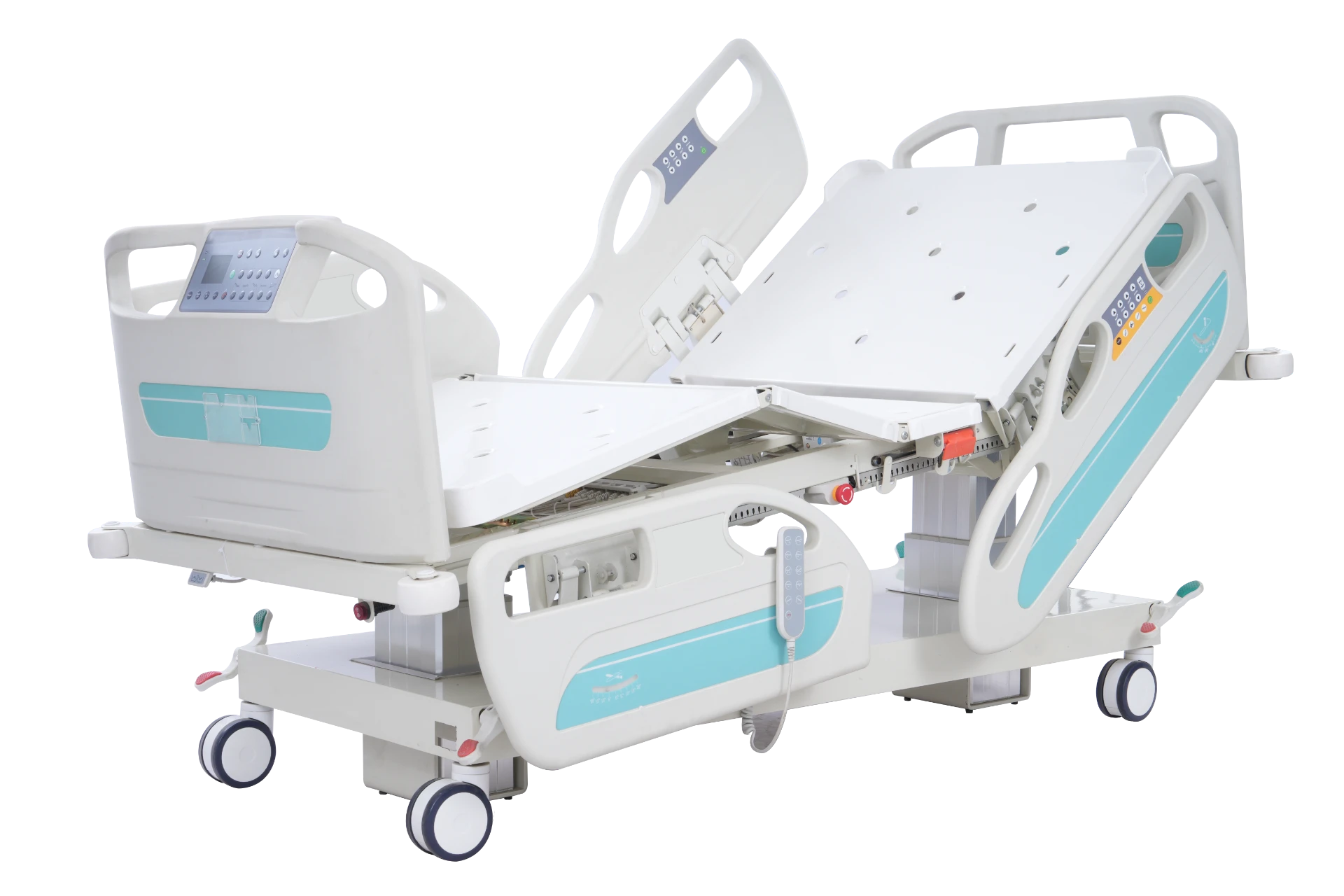
At its core, icu bed size in feet simply refers to the physical length and width of a hospital bed fitted for intensive care. Unlike regular hospital beds, ICU beds have adjustable height, tilting options, and accessory rails — all demanding enough surface area and strength.
Typically, ICU beds measure about 6.5 to 7 feet long, to accommodate adult patients comfortably, and about 3 feet wide, although width can extend up to 3.5 feet to enable safe lateral transfers. These sizes are designed with both ergonomics and medical equipment compatibility in mind. After all, the bed is not just a resting place but a platform for complex machines, from ventilators to infusion pumps.
Interestingly, while these footprints feel standardized, slight variations exist to suit regional preferences, hospital space constraints, and patient demographics.
Mini takeaway: The ICU bed size in feet is more than length and width; it’s the basis for countless medical and ergonomic considerations.
Core Factors Behind ICU Bed Size
1. Adjustable Design & Ergonomics
For ICU beds, size is coupled tightly with the capacity to adjust angles and height. Beds need to fit patients of different body types while allowing caregivers to maneuver efficiently without strain. For example, a wider bed may seem bulkier but reduces risk of patient falls.
2. Equipment Compatibility
Bed sizes accommodate connected devices. Compatibility with life-support systems depends on having enough foot and side clearance, an often-overlooked spatial concern. Ideally, the bed dimensions allow machines like ventilators and monitors to fit seamlessly around the patient.
3. Space Optimization in ICUs
ICU rooms are often tight. Beds too large can restrict movement; too small can inhibit functionality. Hospitals must balance icu bed size in feet with room size to avoid ergonomic issues for nurses and physicians.
4. Durability and Weight Capacity
Some ICU beds are built wider and sturdier to manage heavier patients comfortably, impacting size. This trend reflects global increases in average body weight needing accommodation.
5. Portability and Deployment
For mobile ICU units (think disaster relief), bed size affects transport and rapid setup. Compact but functional sizes are in high demand here.
Mini takeaway: ICU bed sizing is a juggling act between ergonomics, technological needs, space use, and patient safety.
Real-World Applications & Use Cases
ICU bed sizes come into sharp focus in numerous scenarios:
- Disaster Relief: Post-earthquake or pandemic setups require beds that can fit standard gear and allow speedy patient care.
- Military Field Hospitals: Here, portability combined with suitable sizing is critical, as spaces vary and conditions are harsh.
- Urban Hospitals: Space may be limited, forcing careful consideration of icu bed size in feet to maximize patient turnover without sacrificing safety.
- Remote Clinics: Some rural units adopt modular ICU beds designed within specific size specs for easy shipment and assembly.
Take India, for instance, which saw a rapid ICU bed expansion during COVID-19, emphasizing beds measuring around 6.6 feet long and 3 feet wide to fit older buildings. Meanwhile, European hospitals often go with slightly wider beds for improved caregiver access.
Mini takeaway: Between disaster zones, city hospitals, and remote clinics, ICU bed sizes adapt but remain a foundational metric for care quality.
Advantages & Lasting Value From Standardized ICU Bed Sizes
Choosing the right ICU bed size brings clear, tangible benefits:
- Cost Efficiency: Standard sizes facilitate bulk procurement, reducing per-unit costs for hospitals or health systems.
- Patient Dignity & Safety: Beds that comfortably fit patients reduce fall risk and improve sleep quality.
- Operational Reliability: Compatibility with monitoring and life-support gear means fewer setup errors and less downtime.
- Social Impact: Consistent sizing allows for better training of staff globally and more rapid deployment of care teams.
On an emotional note, caregivers often express how a well-sized bed allows better positioning during procedures, translating into trust and better patient rapport.
Mini takeaway: Proper ICU bed sizing is an investment into cost savings, patient comfort, and operational stability.
Future Trends & Innovations on the Horizon
Experts say ICU bed design is on a transformative path. Here’s what’s coming:
- Smart Beds: Equipped with sensors tracking patient vitals, these beds require uniform size specs to integrate tech layers seamlessly.
- Eco-Friendly Materials: Sustainable plastics and metal alloys lighter but strong enough for ICU beds are under development.
- Modular Beds: Adjustable in length and width on demand, allowing hospitals to customize ICU sizes dynamically.
- Digital Integration: Beds that automatically communicate with hospital information systems to adjust settings based on patient data.
It seems future ICU bed size in feet might become a range rather than fixed numbers, as tech and modular design mature.
Mini takeaway: The future’s about flexibility and sustainability, blending size dimensions with smart features and eco-sensitivity.
Common Challenges & Smart Solutions
Despite progress, certain hurdles remain:
- Spatial Limitations: Older hospitals struggle fitting modern ICU beds without renovation.
- Cost Barriers: Advanced beds with flexible sizing can be expensive.
- Regulatory Discrepancies: Conflicting regional standards cause sizing confusion in global procurement.
Innovative approaches include using fold-flat designs for easier storage, international standards harmonization efforts by ISO, and affordable locally manufactured models tailored with adjustable side rails (to vary width).
Mini takeaway: Smart design and collaborative standards will ease obstacles related to ICU bed sizing and improve care delivery worldwide.
Frequently Asked Questions About ICU Bed Size in Feet
- Q1: What is the typical size range for ICU beds in feet?
- A1: Most ICU beds range between 6.5 and 7 feet in length, and 3 to 3.5 feet wide. Variations exist to suit patient demographics and equipment needs, but these dimensions offer an optimal balance of comfort and usability.
- Q2: Why does ICU bed width vary across hospitals?
- A2: Width depends on factors like caregiver access, patient size, and compatibility with medical devices. Some hospitals prefer wider beds for safer procedures, while others prioritize space optimization.
- Q3: Can ICU beds be customized in size?
- A3: Yes—especially with modern modular designs allowing adjustable lengths or side rails. However, customization must comply with safety standards to ensure stability and functionality.
- Q4: How does bed size impact ICU patient care?
- A4: Proper bed size affects patient comfort, prevents falls, and allows caregivers to perform treatments efficiently, ultimately improving care outcomes.
- Q5: Are there international standards for ICU bed sizes?
- A5: While no single global standard exists, organizations like ISO and ASTM provide guidelines helping manufacturers and hospitals coordinate compatible bed sizes.
Product Specification Table: Typical ICU Bed Dimensions
| Specification | Dimension (Feet) | Notes |
|---|---|---|
| Length | 6.5 - 7.0 | Adjustable head/foot sections included |
| Width | 3.0 - 3.5 | Includes side rails |
| Height (adjustable) | 1.5 - 2.5 | For patient access and caregiver ergonomics |
| Weight Capacity | 300 - 500 lbs | Supports wide patient range |
Vendor Comparison Table: Leading ICU Bed Manufacturers
| Brand | Standard Bed Size (ft) | Key Feature | Price Range (USD) |
|---|---|---|---|
| MedTech Pro | 6.6 x 3.3 | Automated positioning, durable frame | 6,000 - 8,000 |
| CareWell Solutions | 6.8 x 3.0 | Compact design for urban hospitals | 5,500 - 7,200 |
| Global Med Equip | 7.0 x 3.5 | Modular, with smart bed integration | 7,000 - 9,500 |
Wrapping It Up: Why ICU Bed Size in Feet Matters for Every Healthcare Facility
In all honesty, it sometimes feels strange how something as simple as a bed size can reverberate through hospital efficiency, patient care quality, and even global health strategies. But when you look closely, icu bed size in feet determines how smoothly the life-saving machinery aligns, how easily nurses move, and how safely patients rest.
If you’re involved in healthcare infrastructure, equipment procurement, or hospital design, understanding these physical dimensions is a crucial step toward better outcomes and smoother operations. Plus, staying updated with emerging trends such as modular and smart beds will keep your facility future-ready.
For those curious to explore further or looking for specific product data, feel free to visit: https://www.cnboxin.com
Here’s to better care, one perfectly sized bed at a time.
References:
- World Bank Data, Hospital Beds per 1000 People, 2023: https://data.worldbank.org
- ISO Standards for Medical Beds: https://www.iso.org/standard/45649.html
- ASTM F2182 - Standard Specification for Hospital Beds: https://www.astm.org/Standards/F2182.htm
-
Ultimate Guide to Choosing Extra Wide Waiting Room ChairsNewsApr.16,2026
-
Guide to Choosing Professional Waiting Room Chairs Wipeable SeatingNewsApr.09,2026
-
Enhance Your Space with Comfortable Wide Waiting Room ChairsNewsApr.07,2026
-
Selecting the Ideal Brown Waiting Room Chairs for a Welcoming SpaceNewsApr.04,2026
-
Choosing Comfortable Patient Waiting Room Chairs for Healthcare FacilitiesNewsMar.31,2026
-
Finding the Best Deals on Affordable and Cheap Reception Chairs for Your BusinessNewsMar.28,2026
-
Enhance Your Business Reception with Comfortable Blue Reception ChairsNewsMar.26,2026