Welcome to our websites!


Comprehensive Guide to Mechanical Hospital Bed Price: Global Insights, Trends & Buying Tips
Understanding Mechanical Hospital Bed Price: Why It Matters Globally
If you’ve ever wandered through a hospital or nursing home, chances are you noticed those adjustable beds that seem to move and shift effortlessly. But have you ever stopped to wonder what goes behind setting the mechanical hospital bed price? It’s a surprisingly pivotal detail. Globally, these beds are more than just medical furniture—they’re essential to improving patient care, safety, and comfort. Knowing how price factors in relates directly to healthcare accessibility, innovation, and sustainability.
Hospitals operate on razor-thin budgets, especially in developing regions. Mechanical hospital beds, unlike their manual or fixed counterparts, often represent a significant investment, yet they deliver clear benefits. Understanding the pricing dynamics helps stakeholders—from healthcare workers to humanitarian agencies—to make smarter choices, while advancing care standards worldwide.
Introduction: The Global Landscape of Mechanical Hospital Bed Price
Globally, the demand for mechanical hospital beds is climbing. According to the World Health Organization (WHO), the global population aged 60 and above is expected to double by 2050, leading to increased healthcare demands that often require advanced patient handling equipment. The mechanical hospital bed price becomes a key factor in budgeting for hospitals, especially in low and middle-income countries.
Yet, it’s not just aging populations—pandemics, natural disasters, and expanding critical care services have all spotlighted the urgent need for flexible, durable hospital beds. Unfortunately, price variations can be vast, ranging from a few hundred to thousands of dollars, influenced by materials, technology, and supplier reliability. This price sensitivity presents a challenge: how to balance cost with quality and innovation to ensure broad access.
What Is Mechanical Hospital Bed Price?
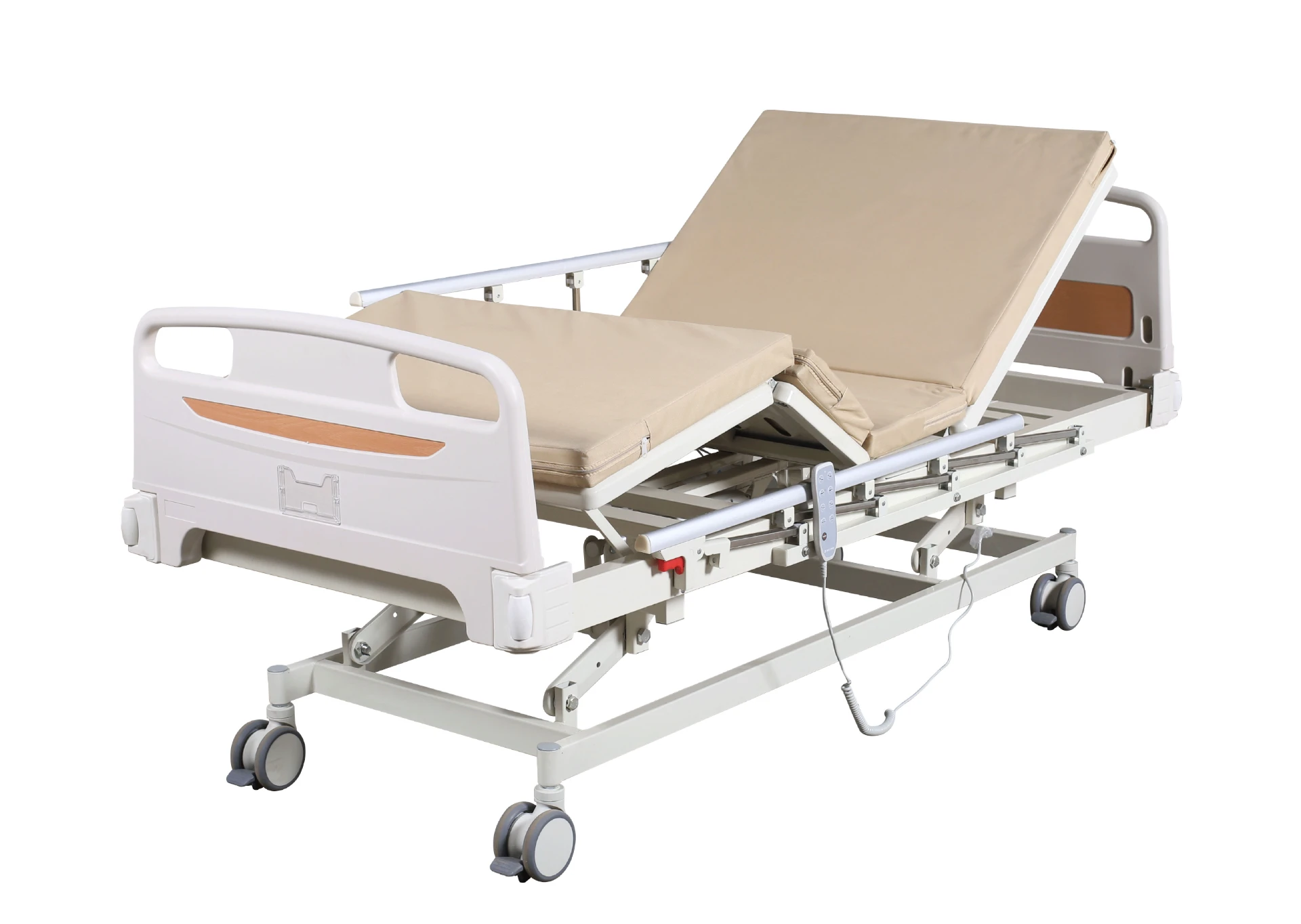
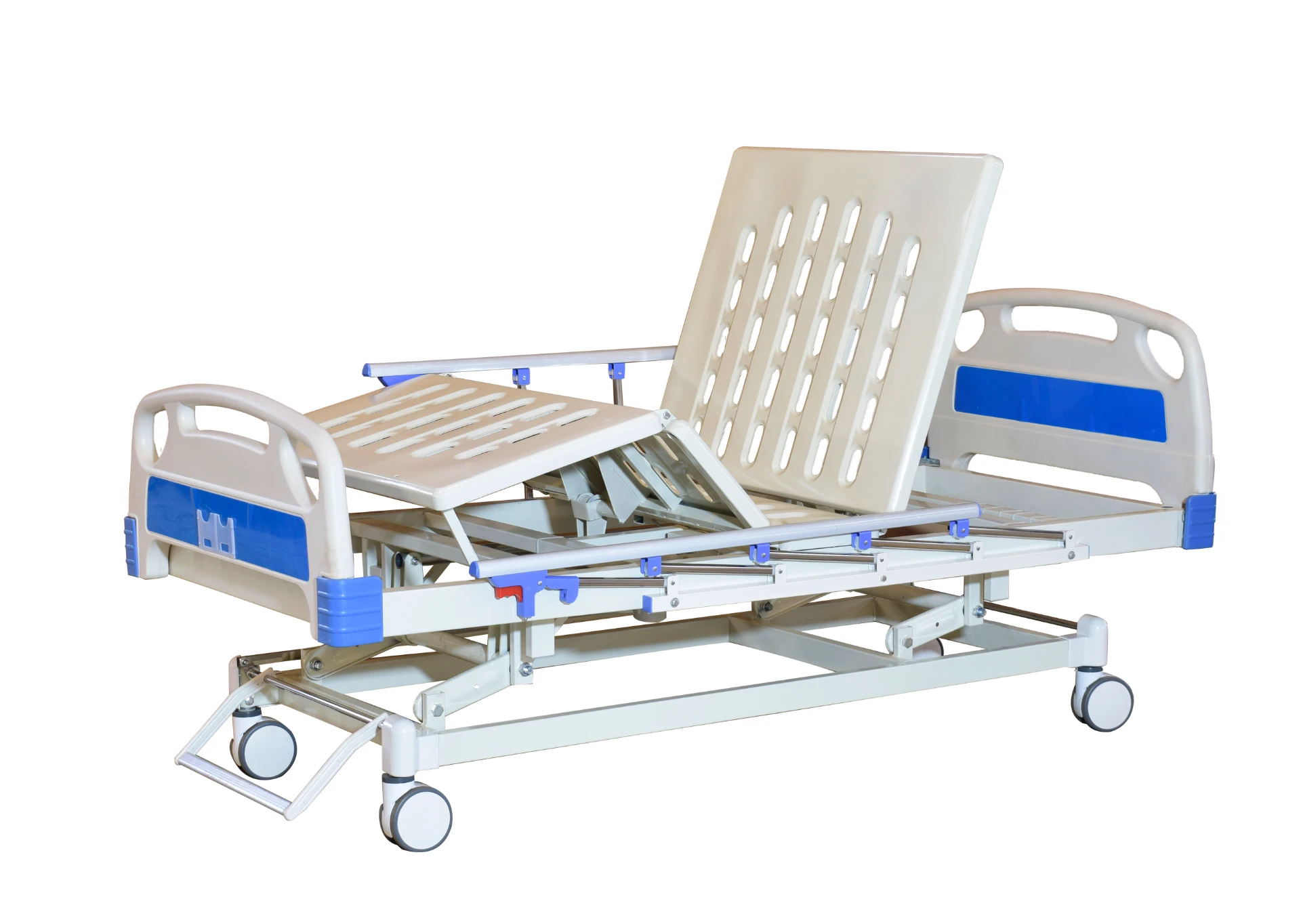
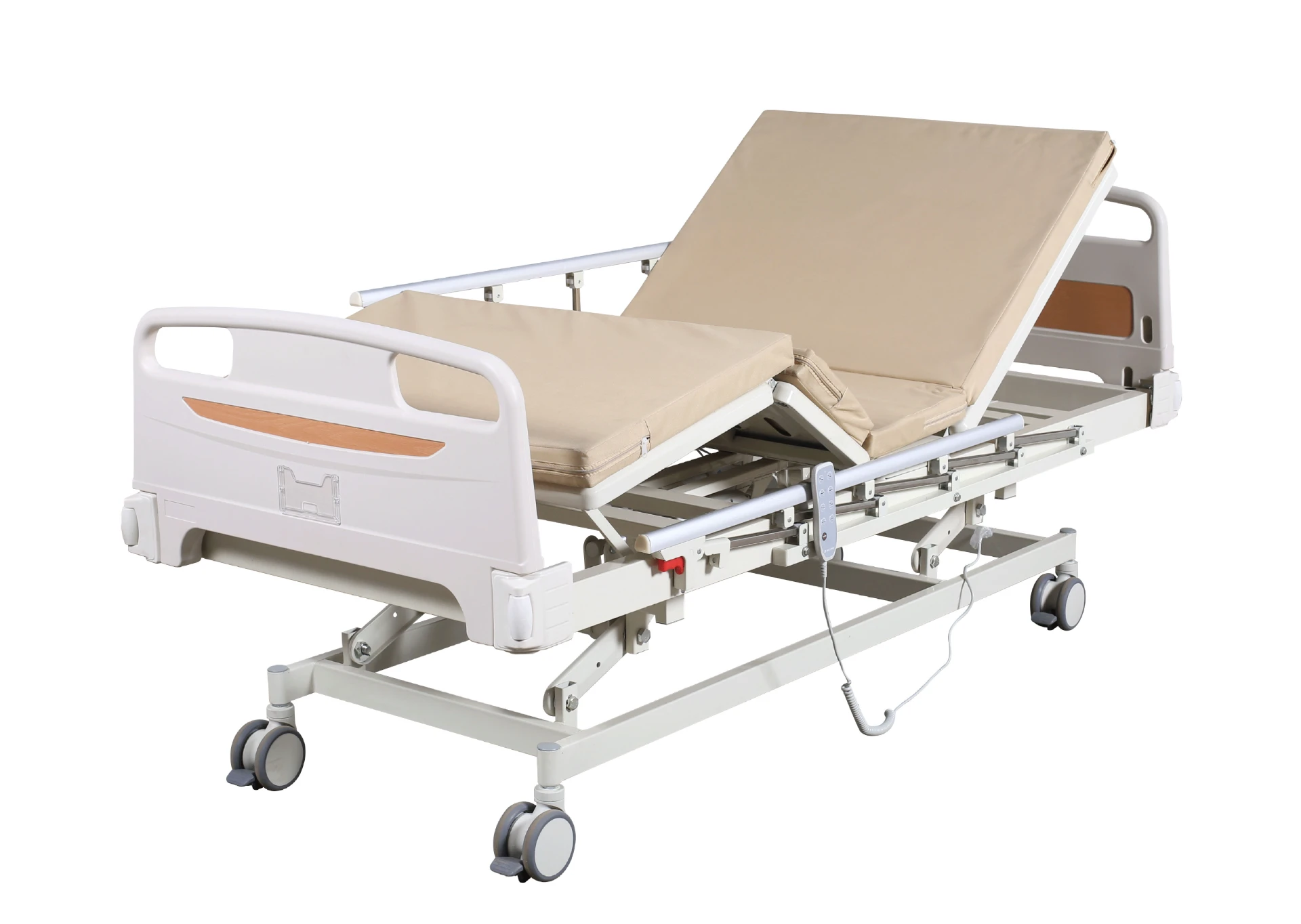
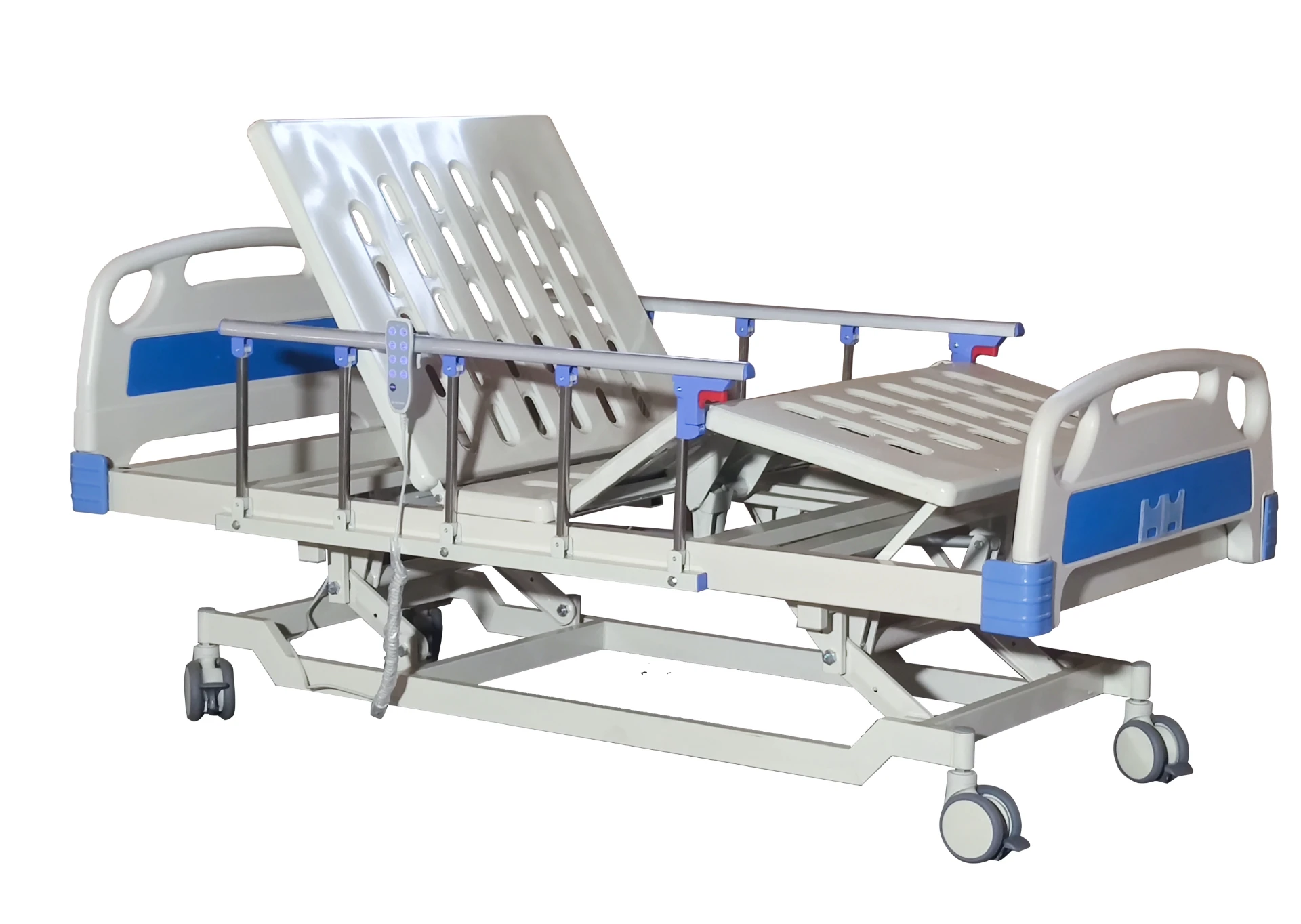
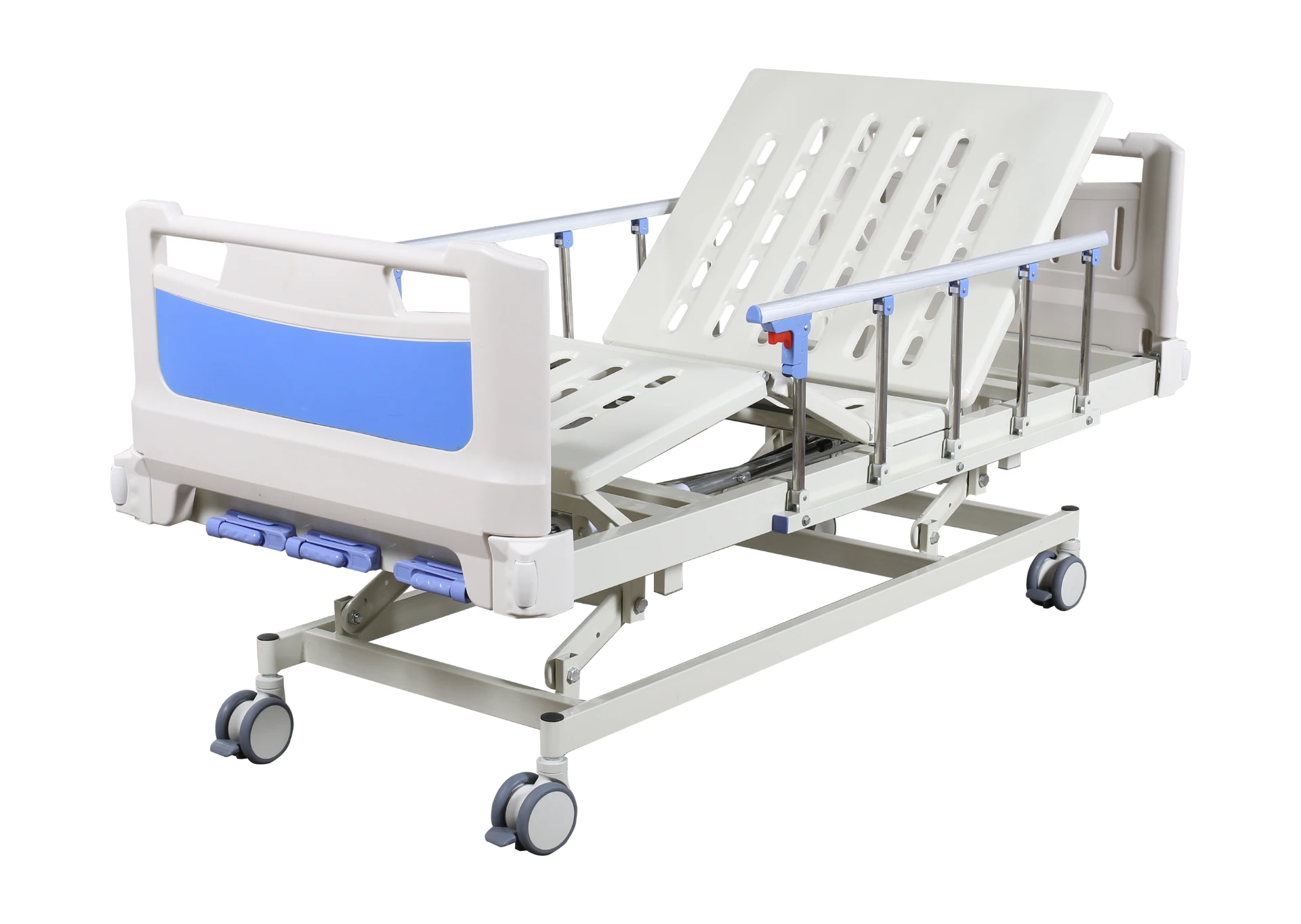
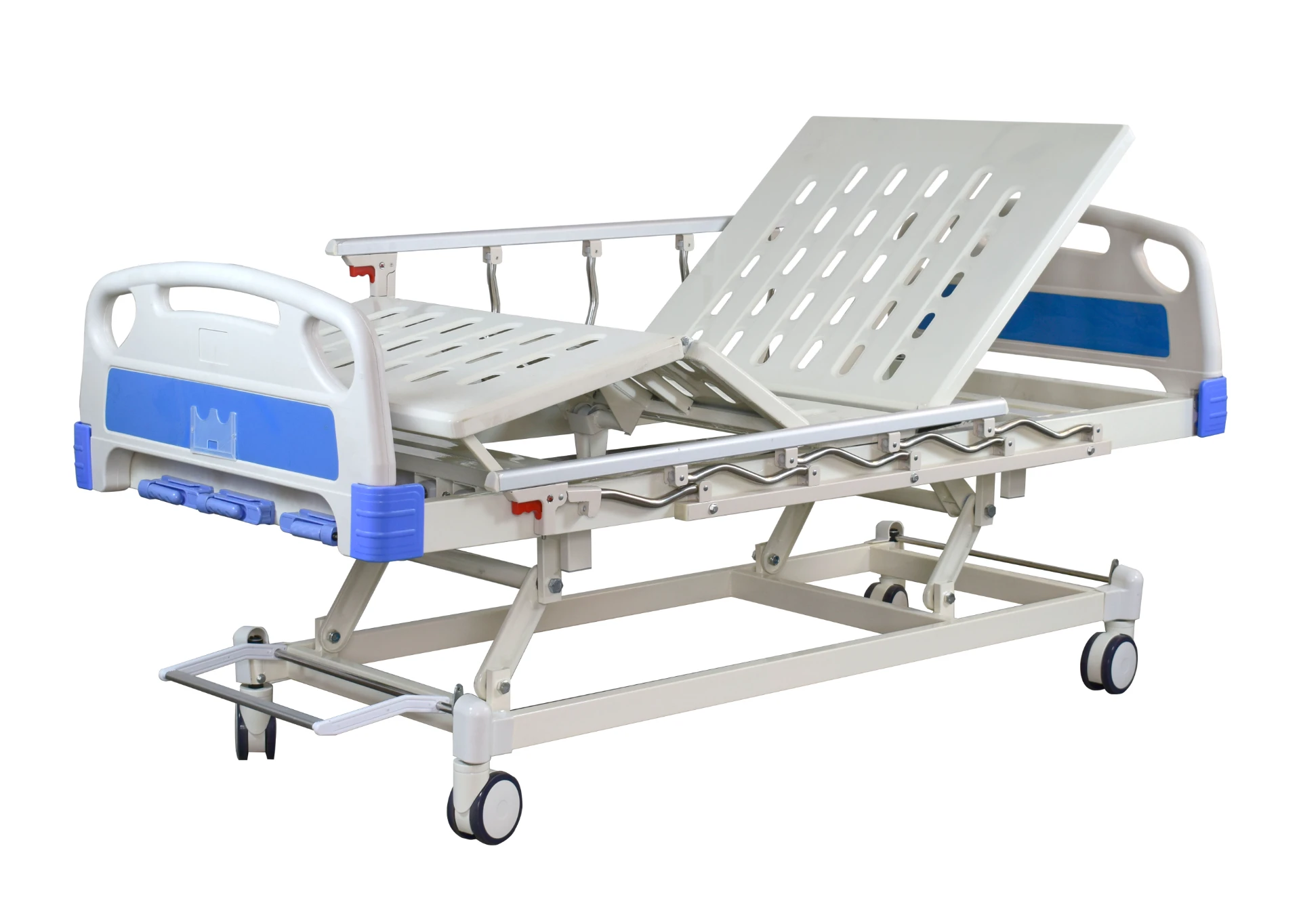
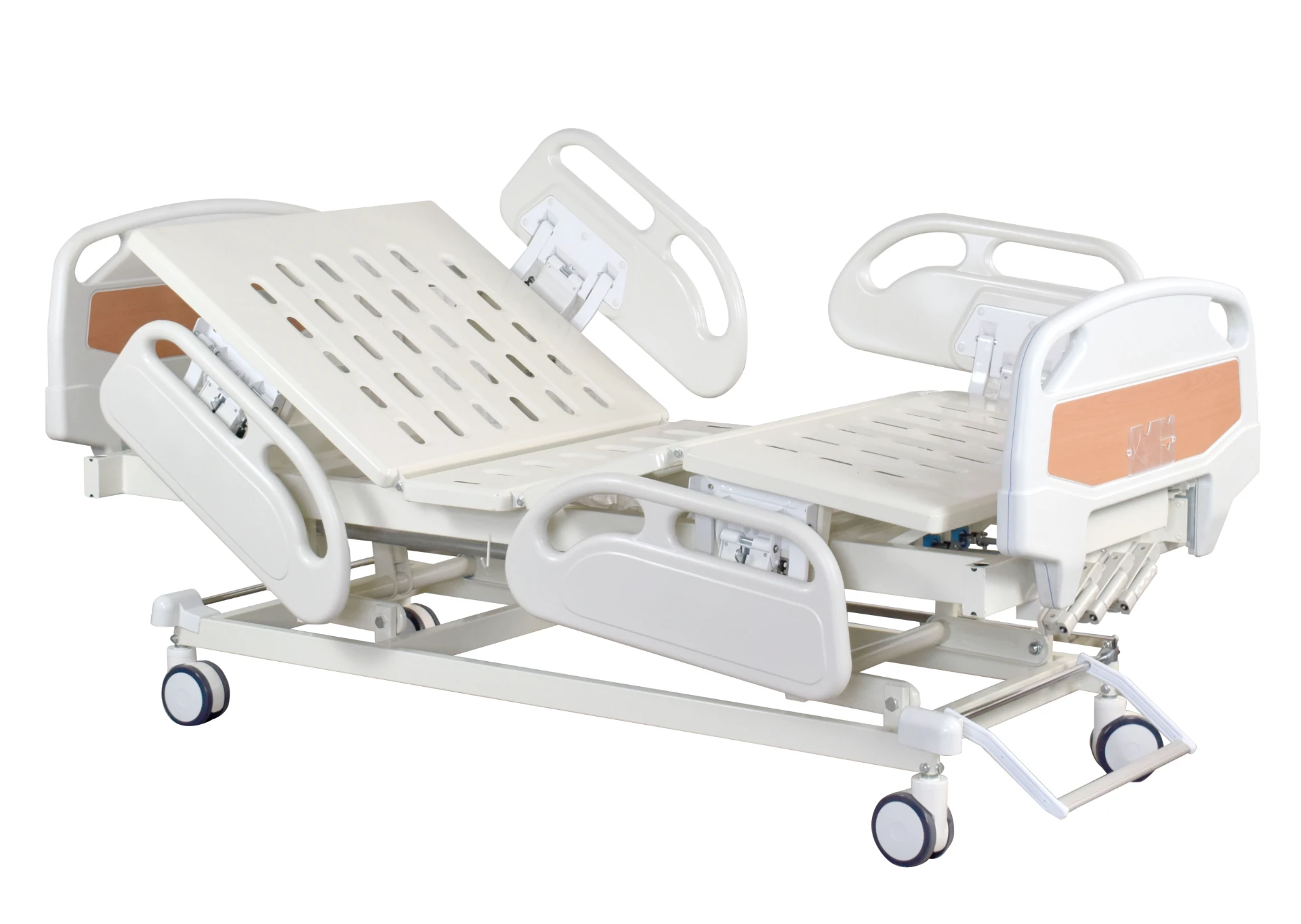
Simply put, the “mechanical hospital bed price” is the cost associated with purchasing adjustable hospital beds operated by manual cranks or electric motors that allow caregivers to change the bed’s position—like raising the head or feet sections—enhancing patient comfort and clinical care.
These beds differ from standard hospital beds by integrating mechanical components designed for durability and ease of use. They tend to cost more than basic beds due to the added functionality and materials. This price tag reflects design complexity, manufacturing standards, and compliance with global safety regulations such as ISO 13485, which governs medical devices.
Core Components Influencing Mechanical Hospital Bed Price
1. Durability and Material Quality
The backbone of any mechanical hospital bed is its frame and moving parts. Beds built with heavy-gauge steel or aluminum alloys generally cost more but last longer under constant use. Durable coatings and rust-proof finishes can also push prices higher, but they reduce long-term maintenance costs.
2. Adjustability Mechanisms
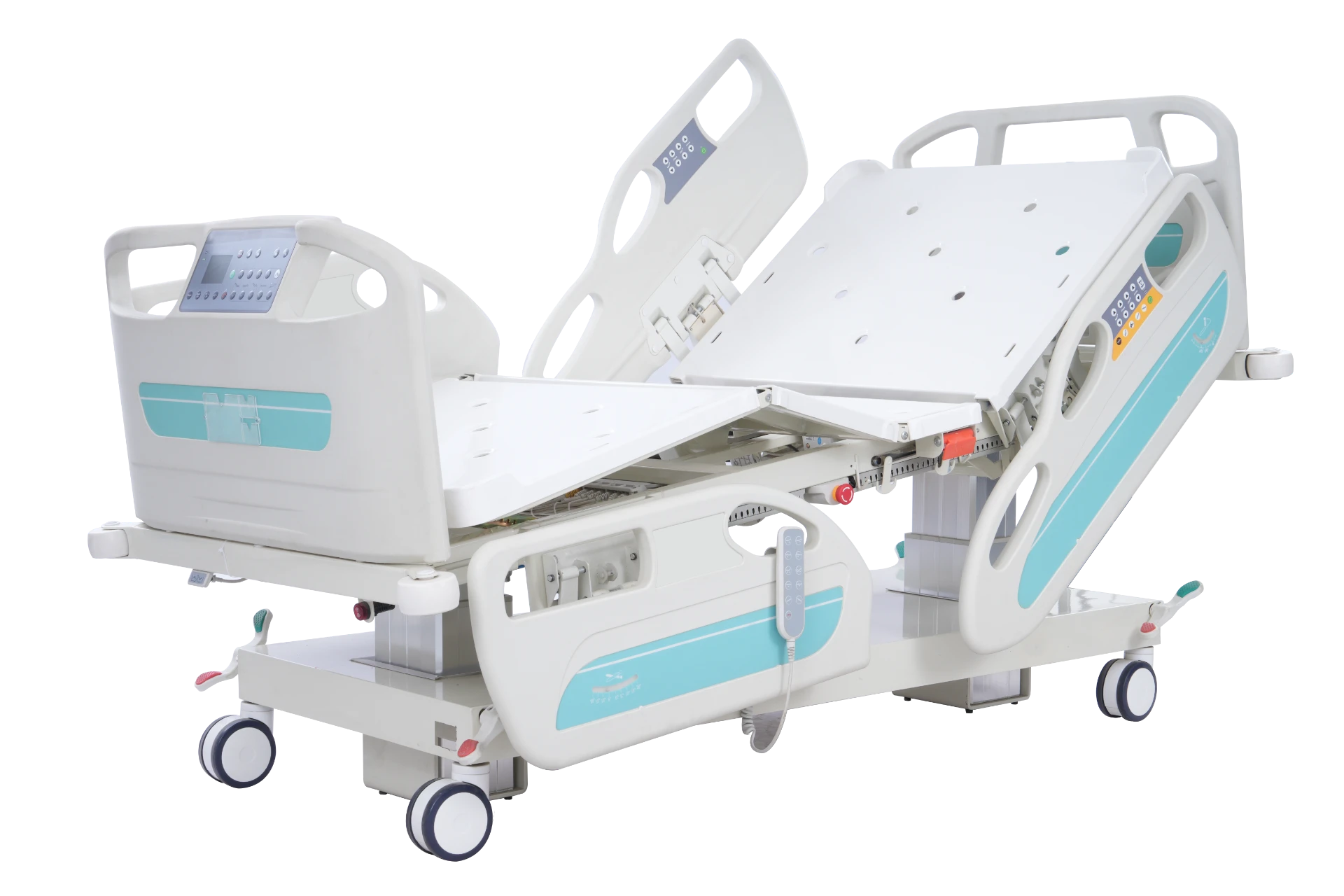
Whether a bed uses manual cranks or electric motors — this choice hugely affects the price. Electric models with programmable controls, battery backup, and quiet operation tend to be more expensive but offer greater ease of use.
3. Safety Features
Side rails, locking wheels, emergency releases, and weight capacities are essential for patient safety. Beds with certified safety features complying with standards often come at a premium but are crucial for trusted medical environments.
4. Scalability and Customization
Modular bed designs that accommodate accessories such as IV poles, over-bed tables, or specialized mattresses will impact cost. More adaptable designs cater to diverse clinical needs but require more advanced engineering.
5. Supply Chain and Manufacturing Origin
Pricing also shifts depending on where and how the beds are manufactured. For example, beds produced locally may cost less in shipping but possibly more due to smaller-scale production, whereas large international manufacturers can leverage economies of scale.
| Feature | Basic Manual Bed | Electric Mechanical Bed | Premium Model w/ Accessories |
|---|---|---|---|
| Frame Material | Steel, painted | Reinforced aluminum | High-grade alloy with powder coating |
| Adjustment Mechanism | Manual cranks | Electric motor | Electric motor with programmable control |
| Weight Capacity | 150 kg | 180 kg | 250 kg |
| Safety Rails | Optional | Standard | Reinforced with locking system |
| Average Price (USD) | $350–$600 | $800–$1,200 | $1,500–$3,000+ |
Mini takeaway: The mechanical hospital bed price hinges on balancing durability, safety, and functionality — with electric beds often costing two to three times more than manual ones.
Global Applications: Real-World Use Cases
Understanding the price isn't just an abstract exercise. On the ground, different regions apply mechanical hospital beds according to need and budget constraints. In high-income countries like Germany or Japan, sophisticated electric beds with digital controls have become standard in hospitals and eldercare, making screening and patient repositioning smoother for medical staff.
Conversely, in post-disaster zones—think Asia after Earthquakes or Africa during health crises—rapid deployment of reliable, low-cost beds is critical. Here, affordable manual mechanical beds provide durability and basic adjustability, often sourced through NGOs or government programs.
Industrial zones with onsite clinics—like oil rigs or mining camps—also rely on mid-range mechanical beds, where sturdiness and safety outweigh luxury features. This range of usage underscores why price structures must cater to diverse contexts.
Advantages & Long-Term Value
What exactly do you get beyond the sticker price? Mechanical hospital beds translate to tangible benefits:
- Cost Efficiency: Durable beds reduce replacement costs over time, which makes the initial investment worthwhile.
- Patient Comfort & Safety: Adjustable beds mitigate risks like bedsores and enable dignified care.
- Social Impact: Equipping hospitals with reliable beds enhances community health outcomes, especially in underserved regions.
- Innovation & Trust: With evolving healthcare demands, modern beds foster trust between providers and patients.
Frankly, a poorly designed or cheap bed can cost more in injuries, staff fatigue, and replacements than a solid mechanical bed that’s thoughtfully priced and made.
Emerging Trends & Innovations
Looking ahead, the mechanical hospital bed price will be influenced by breakthrough changes:
- Smart Beds: Integration with IoT sensors to monitor patient vitals and movement.
- Sustainable Manufacturing: Use of recycled metals and eco-friendly coatings reduces environmental impact without sacrificing quality.
- Energy Efficiency: Beds powered by low-voltage systems or equipped with solar-charging in remote areas.
- Automation & Robotics: Beds that adjust automatically to patient needs based on AI algorithms.
These innovations may initially raise prices but aim to save costs and improve care long-term.
Common Challenges and Practical Solutions
It’s not all rosy. The most significant barriers include:
- High Upfront Cost: Not all health systems can afford premium electrical beds.
- Maintenance: Mechanical parts can degrade; securing spare parts in remote areas is tricky.
- Customization vs. Standardization: Over-customized beds are expensive; too standardized ones might not meet all clinical needs.
Experts suggest a balanced procurement approach — combining basic manual beds for emergency use with select high-end models where budgets allow. Also, training maintenance staff locally extends bed lifespans significantly.
| Vendor | Price Range (USD) | Country of Origin | Warranty | Notable Feature |
|---|---|---|---|---|
| MedEquip Co. | $300–$1,200 | China | 2 years | Affordable modular designs |
| CareTech Systems | $900–$2,500 | Germany | 5 years | Smart-bed technology integration |
| HealthPlus Ltd. | $500–$1,500 | USA | 3 years | Robust local support network |
FAQ: Frequently Asked Questions About Mechanical Hospital Bed Price
- Q1: Why do mechanical hospital beds vary so much in price?
- A: Variability comes from differences in materials, frame quality, mechanisms (manual vs. electric), safety features, and brand reputation. More advanced features and certifications raise costs, as does origin—imported vs. local manufacturing.
- Q2: How do mechanical hospital beds improve patient care?
- A: They allow caregivers to easily reposition patients, reducing bedsores and discomfort. Adjustable beds support various medical procedures and enhance patient autonomy. Safety rails reduce falls and incidents.
- Q3: Are electric mechanical beds worth the extra cost?
- A: For facilities with adequate budgets and high patient loads, electric beds save time and physical strain on caregivers and improve patient outcomes. For emergency or low-resource settings, manual beds may suffice.
- Q4: Can these beds be customized for specific medical needs?
- A: Yes, many vendors offer modular options with add-ons like IV poles, over-bed tables, and mattress compatibility. Customization impacts price but can be critical for specialized care.
- Q5: How does one choose the right hospital bed supplier?
- A: Consider price, warranty, after-sales support, local availability, and compliance with medical standards. Request product demos if possible. Trusted vendors usually provide complete specification sheets and certifications.
Conclusion: Making Smart Decisions About Mechanical Hospital Bed Price
Ultimately, the mechanical hospital bed price is more than a number—it is a reflection of healthcare quality, accessibility, and future-readiness. Investing in reliable, safe, and adaptable beds pays off in better patient outcomes and smoother clinical operations. Whether you represent a hospital, government agency, or NGO, balancing price with features and support goes a long way.
If you want to explore more about how to assess mechanical hospital bed price and find trusted suppliers, feel free to visit our website: https://www.cnboxin.com.
After all, comfort and safety for those in care shouldn’t have to break the bank.
References:
-
Ultimate Guide to Choosing Extra Wide Waiting Room ChairsNewsApr.16,2026
-
Guide to Choosing Professional Waiting Room Chairs Wipeable SeatingNewsApr.09,2026
-
Enhance Your Space with Comfortable Wide Waiting Room ChairsNewsApr.07,2026
-
Selecting the Ideal Brown Waiting Room Chairs for a Welcoming SpaceNewsApr.04,2026
-
Choosing Comfortable Patient Waiting Room Chairs for Healthcare FacilitiesNewsMar.31,2026
-
Finding the Best Deals on Affordable and Cheap Reception Chairs for Your BusinessNewsMar.28,2026
-
Enhance Your Business Reception with Comfortable Blue Reception ChairsNewsMar.26,2026