Welcome to our websites!


Affordable Hydraulic Bed for Hospital Price | Durable & Adjustable Hospital Beds
Understanding Hydraulic Bed for Hospital Price: Why It Matters Today
If you’ve ever visited a hospital or cared for a patient in need of extended comfort and support, you might not have noticed the humble hydraulic bed quietly doing its job. But when it comes to hospital efficiency, patient safety, and budgets worldwide, the hydraulic bed for hospital price is a surprisingly critical factor.
Globally, healthcare infrastructure is under unprecedented pressure — aging populations, rising chronic diseases, and unexpected crises like the COVID-19 pandemic exposed cracks in hospital readiness. That’s where hydraulic beds come in: adjustable, reliable, and adaptable to complex patient needs. Understanding their price and features isn’t just a procurement detail; it’s a doorway to smarter care and improved patient outcomes.
Mini takeaway: The price of hydraulic hospital beds unlocks more than cost—that is comfort, adaptability, and better care on a global scale.
Why Hydraulic Beds for Hospitals Are a Global Healthcare Priority
To put things in perspective, the World Health Organization reports over 15 million hospital admissions daily worldwide. Many of these patients need specialized beds that can adjust positions for therapeutic reasons, pressure ulcer prevention, or surgical procedures. Hydraulic beds, with their manual or powered mechanisms, form a backbone of these services.
But here’s the catch: affordability. According to the United Nations’ sustainable development goals on health infrastructure, many regions—especially in the global south—struggle with acquiring these beds at reasonable price points. This affects care quality and startups’ ability to scale in hospital equipment markets.
Hence, the hydraulic bed for hospital price becomes a real challenge for healthcare administrators juggling finances, quality, and supply chain disruptions.
Mini takeaway: Hydraulic bed pricing bridges healthcare necessities and economic realities worldwide.
So, What Exactly Is a Hydraulic Bed for Hospital Use?
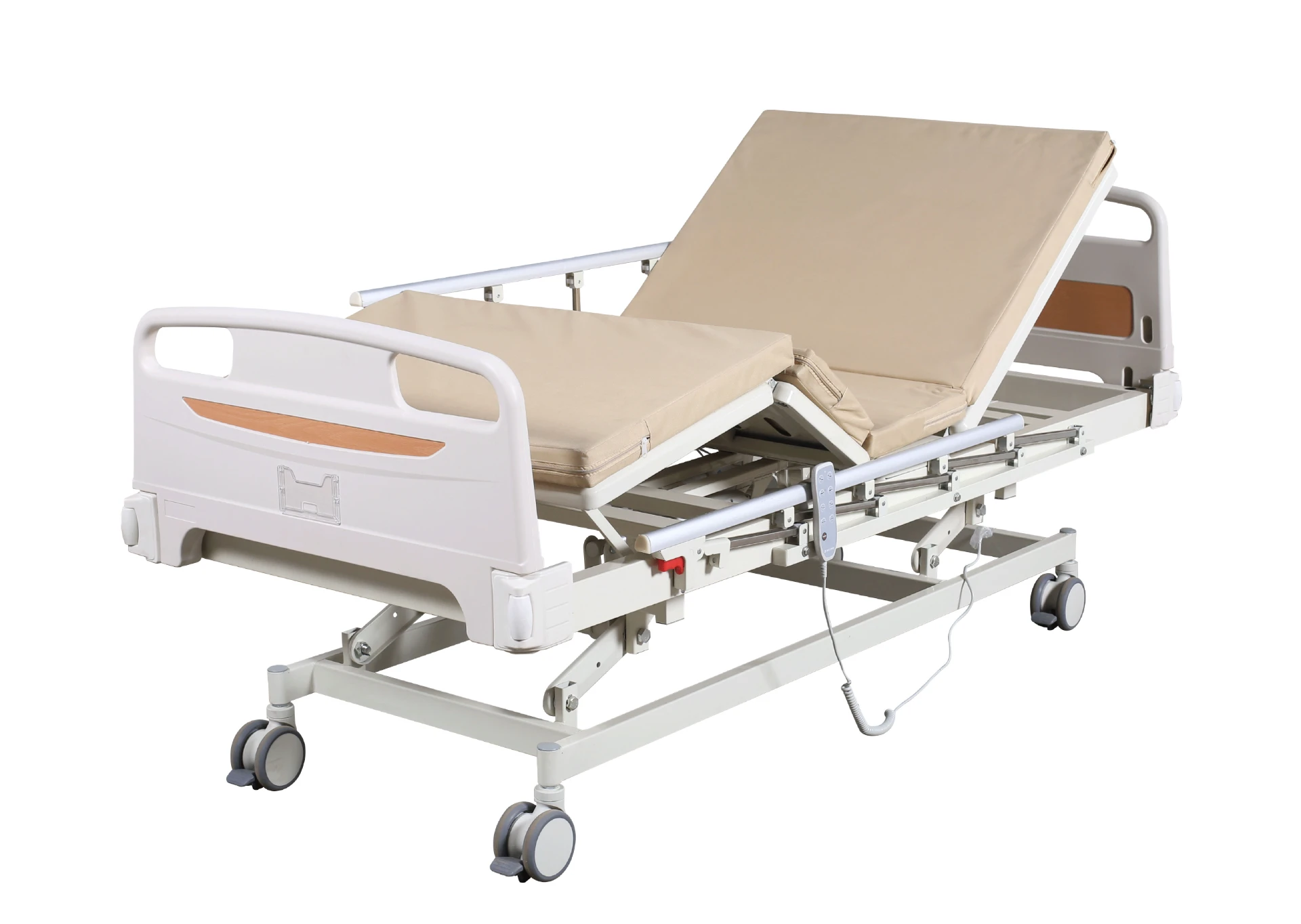
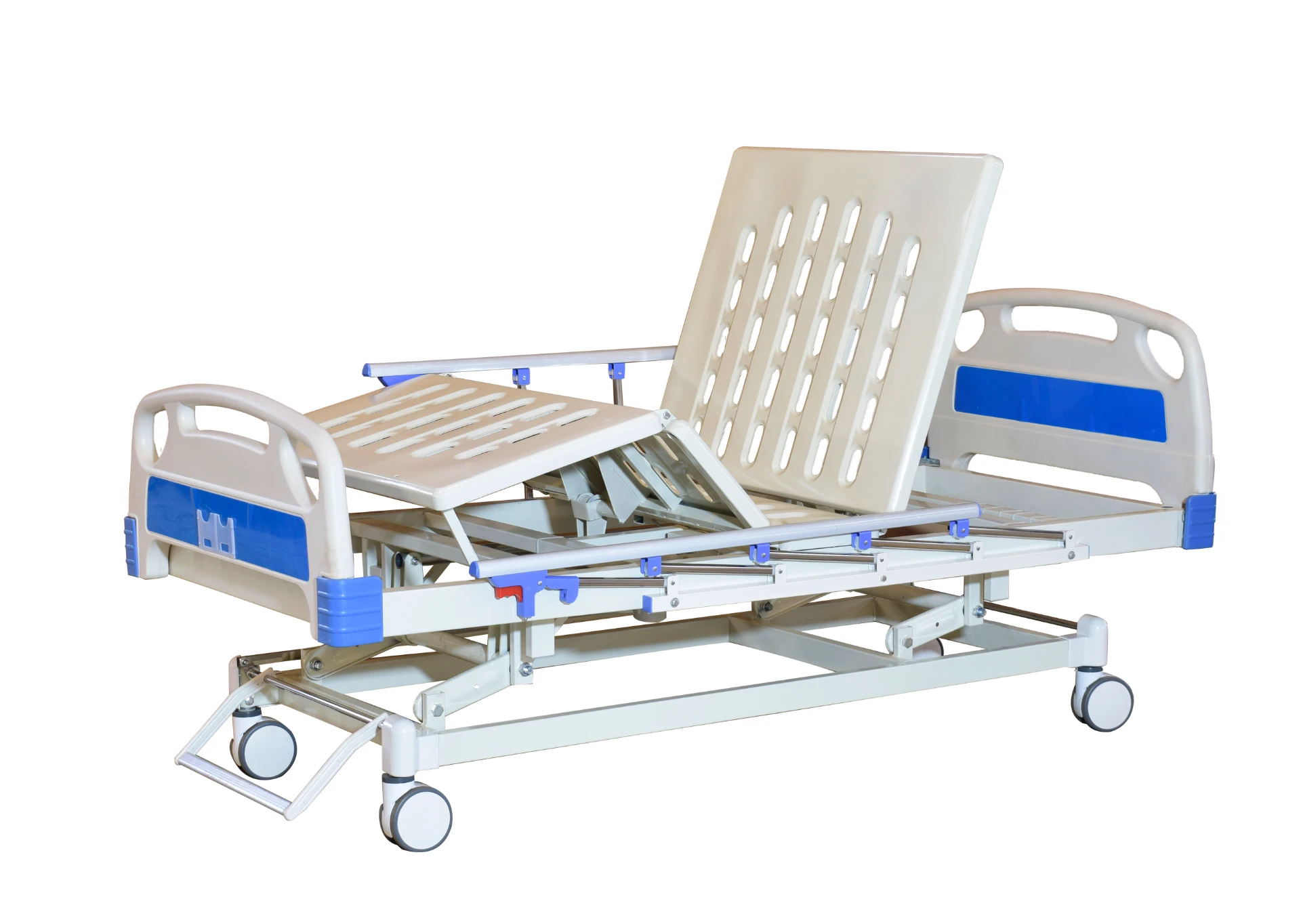
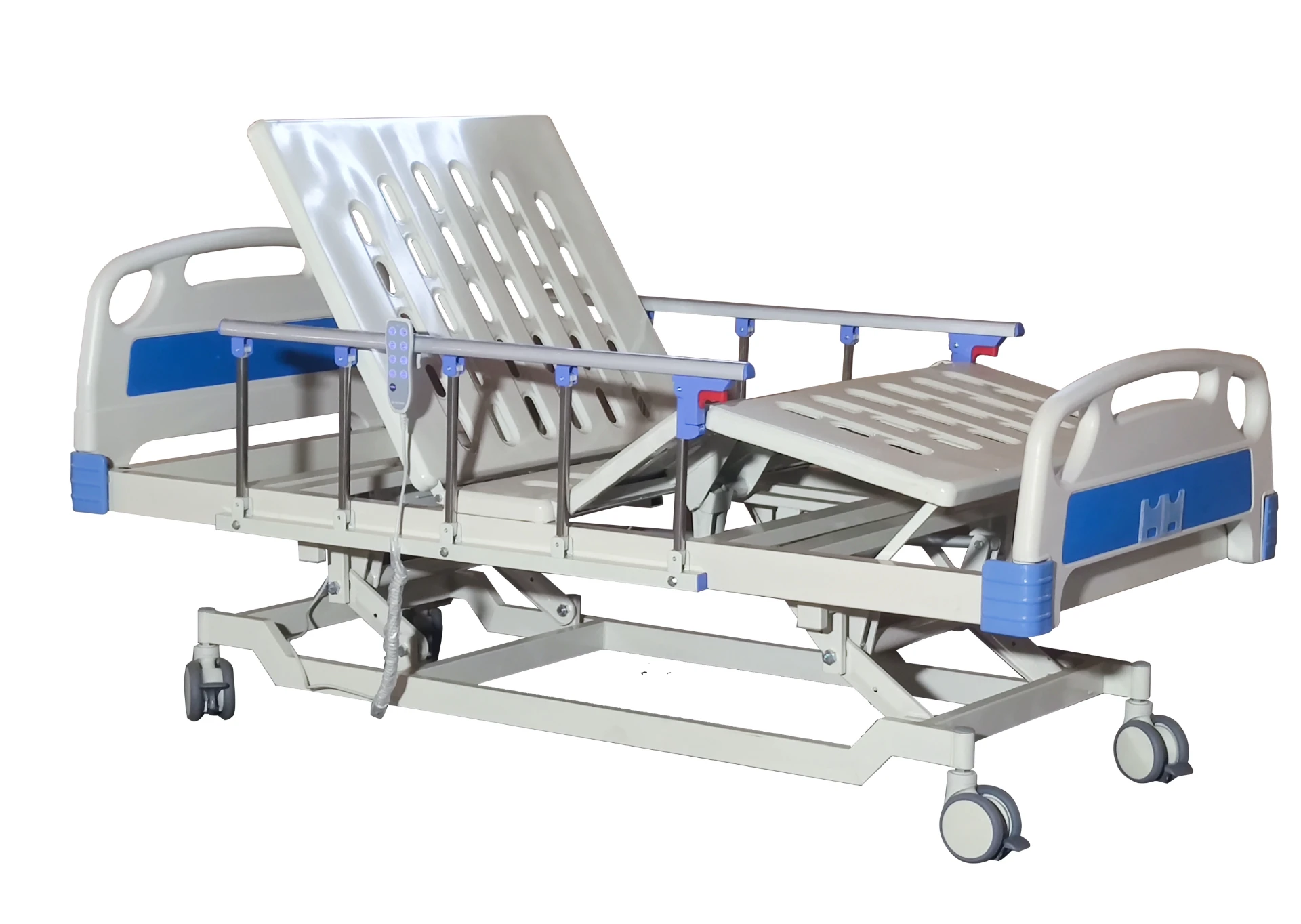
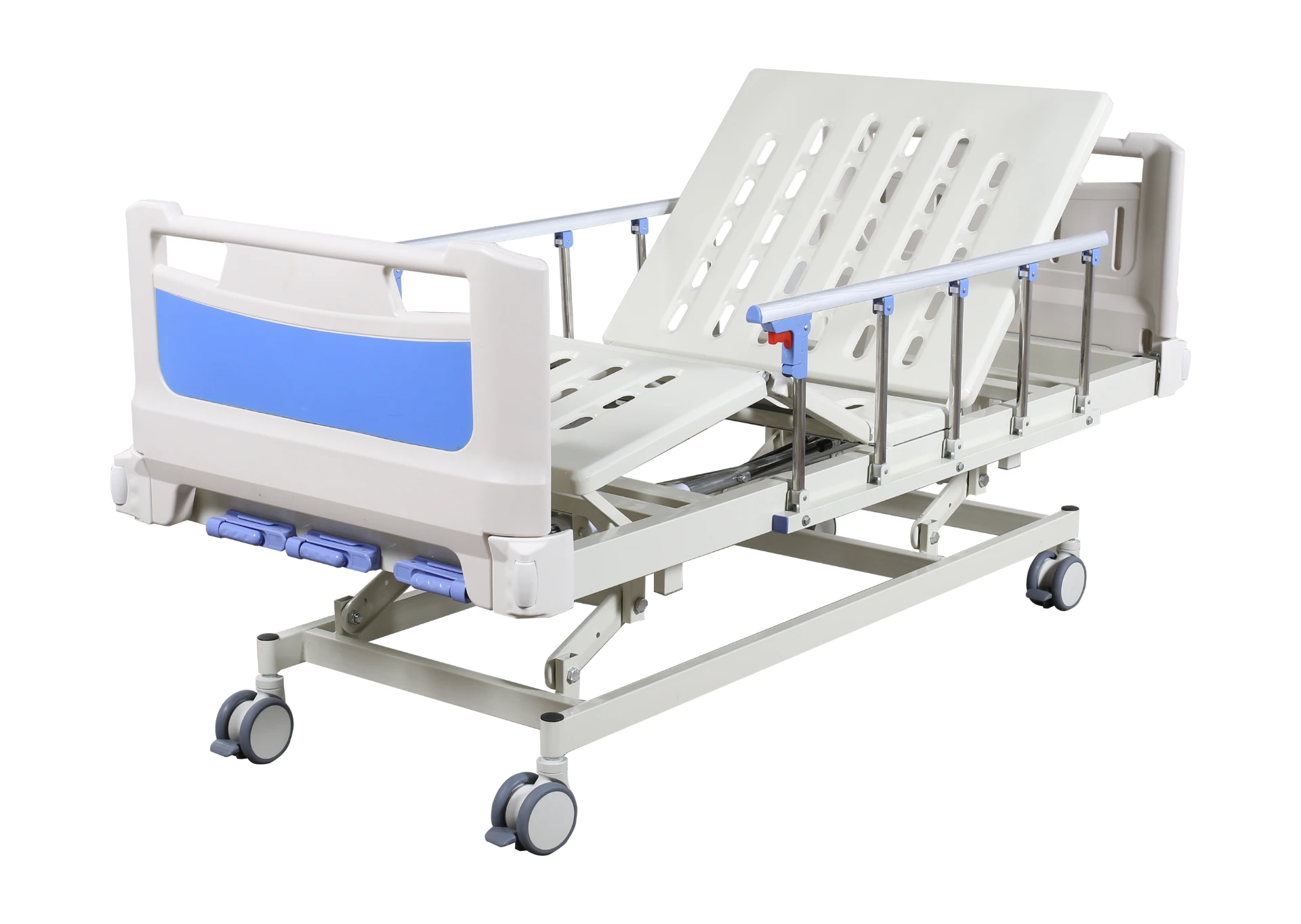
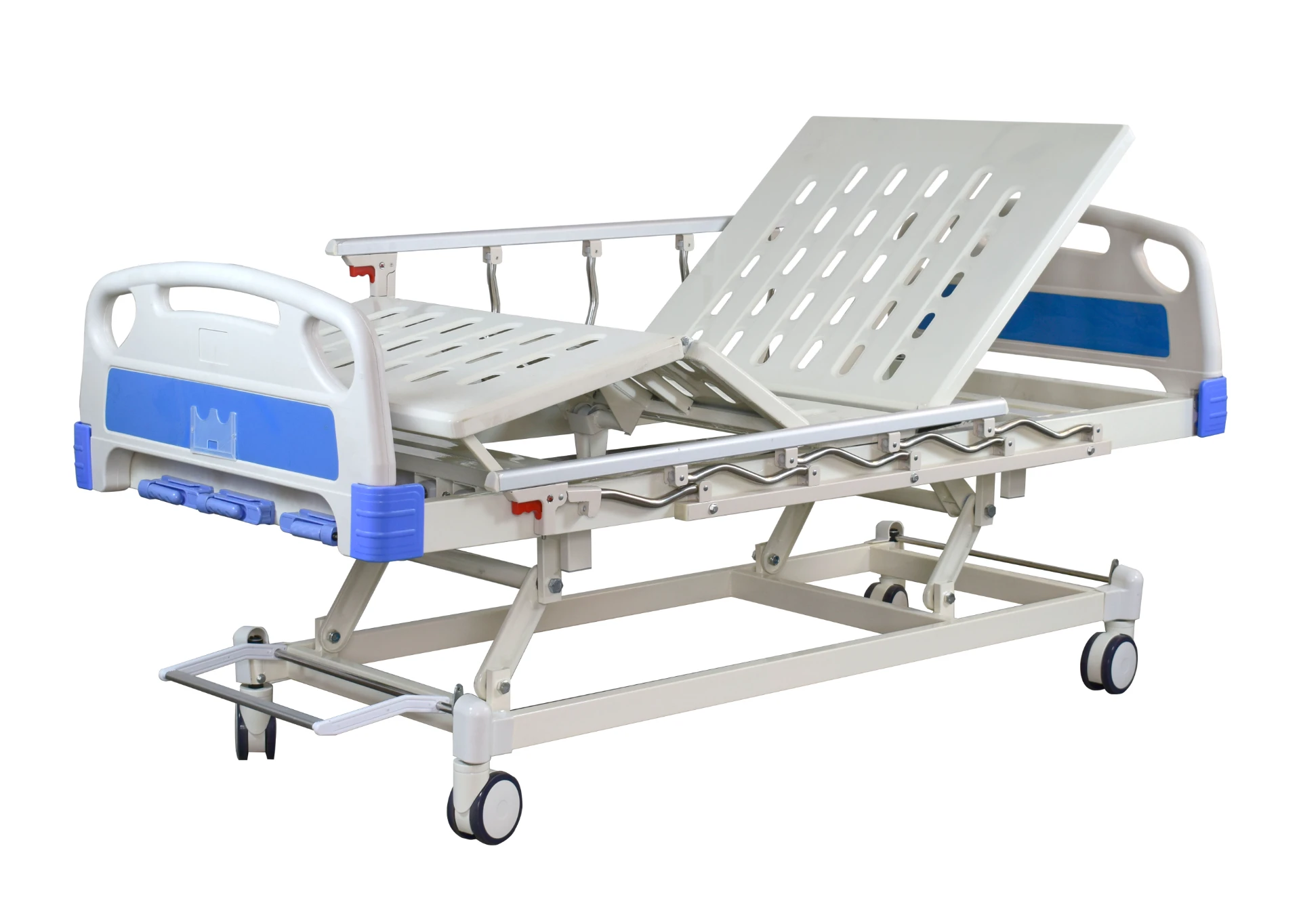
In simple terms, a hydraulic bed uses fluid power via a system of pumps and pistons to adjust the bed’s height, tilt, or position. Unlike electric beds, the hydraulic mechanism is often less costly to operate and repair, relying on manual or semi-automatic controls.
These beds aren’t just for luxury; they accommodate patients who require changing positions for breathing, circulation, or wound care. In modern hospitals, they reduce workload for nursing staff, improve patient comfort, and prevent complications.
Interestingly, in humanitarian contexts—think emergency field hospitals after disasters—hydraulic beds offer robustness and ease, needing fewer power demands than fully electric beds.
Mini takeaway: A hydraulic hospital bed is where engineering meets practical patient care, blending function with affordability.
Core Components and Key Factors Impacting Hydraulic Bed Price
1. Durability and Build Quality
The frame material — often stainless steel or reinforced alloys — heavily influences price. More durable materials mean higher upfront costs but longer lifespan. Hospitals usually look for beds that can endure heavy use and cleaning.
2. Load Capacity
Higher load-bearing beds, say 250 kg or more, require stronger hydraulics and sturdier frames, thus increasing price. But it’s critical for bariatric care units.
3. Adjustability Functions
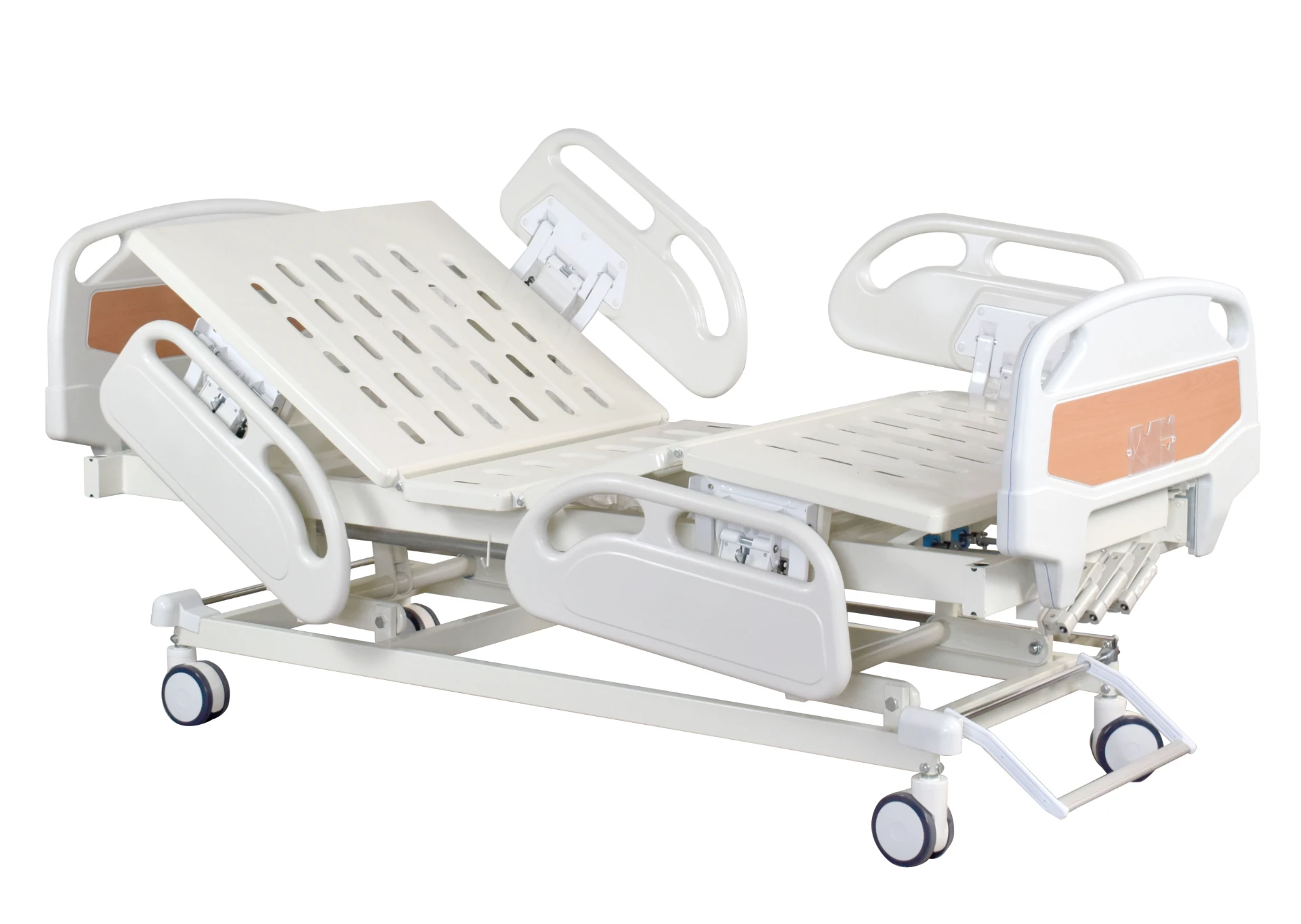
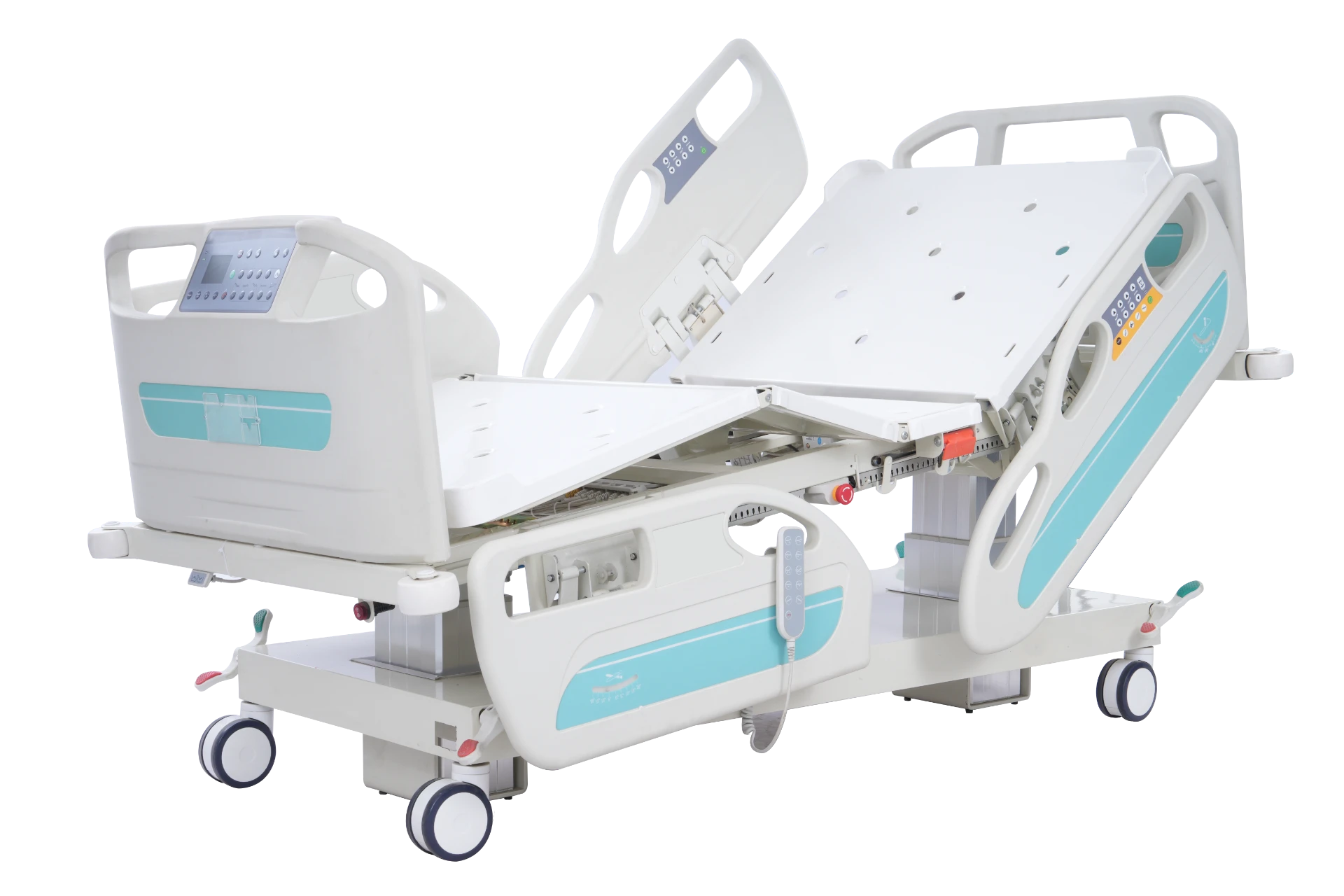
Some beds only raise/lower the height, while others offer multi-position options: backrest tilt, knee elevation, Trendelenburg positioning. More features usually mean pricier products.
4. Ease of Maintenance
Hydraulic beds with modular components and standardized parts simplify repairs and affect total cost of ownership positively.
5. Safety Features
Side rails, locking casters, and anti-slip surfaces add to costs but improve patient safety — often non-negotiable in high-quality healthcare settings.
| Specification | Standard Model | Premium Model |
|---|---|---|
| Frame Material | Cold-Rolled Steel | Reinforced Stainless Steel |
| Max Load Capacity | 180 kg | 300 kg |
| Adjustment Features | Height, Backrest | Height, Backrest, Knee, Trendelenburg |
| Hydraulic Operation | Manual Pump | Electric-Hydraulic Hybrid |
| Safety Rails | Single Side Rails | Full-Length Split Rails |
| Average Price (USD) | $850 - $1,200 | $1,500 - $2,200 |
Mini takeaway: Knowing these product specs helps healthcare buyers weigh price versus functionality and durability.
Where and How Are Hydraulic Hospital Beds Used Globally?
From major metropolitan hospitals in Europe to field clinics in Southeast Asia, hydraulic hospital beds are essential. Here are a few notable contexts:
- Emergency & Disaster Relief: Because hydraulic beds don’t always rely on electricity, NGOs like Doctors Without Borders use them in rapid-deployment field hospitals during floods or earthquakes.
- Rural and Remote Healthcare: Clinics in African and South American regions prefer hydraulic beds for their ease of maintenance and reliability over electric models.
- Geriatric and Rehabilitation Facilities: In aging societies like Japan, adjustable hydraulic beds help caregivers reduce strain and speed recovery.
Specific example: After the 2019 cyclone in the Indian Ocean, multiple NGOs swiftly deployed hydraulic beds with a focus on affordable pricing — helping thousands in temporary shelters.
Mini takeaway: Hydraulic hospital beds reach far beyond city hospitals — they’re a global care lifeline.
The Real Advantages and Long-Term Value of Hydraulic Hospital Beds
From a purely practical angle, these beds offer:
- Cost Efficiency: Lower upfront and maintenance costs than fully electric counterparts.
- Reliability: Fewer electrical parts mean less downtime.
- Patient Safety & Comfort: Multiple adjustable positions help prevent bedsores and assist nurses.
- Sustainability: Manual/hydraulic designs typically have less environmental footprint.
But beyond the numbers — admit it — there’s a human element. Comforting a patient with dignity, giving staff tools that reduce injuries, and knowing the bed won’t fail during a critical moment, that’s invaluable.
Mini takeaway: Hydraulic hospital beds combine smart economics with humane care that lasts.
Looking Ahead: Trends and Innovations Shaping Hydraulic Bed Pricing
Healthcare equipment manufacturers are pushing boundaries. Here’s what’s around the corner:
- Green Materials: New composites lighter but as sturdy as steel could drive down shipping and manufacturing costs.
- Smart Hydraulics: Integration of low-power sensors to monitor bed position, patient movement, and even alert staff — all without losing simplicity.
- Hybrid Power Systems: Combining manual hydraulics with solar-powered assistance for off-grid hospitals.
- Modular Designs: Easier to upgrade specific parts instead of replacing entire beds, improving cost-effectiveness over time.
Mini takeaway: Innovation is making good hydraulic beds even better, smarter, and greener.
Challenges Around Hydraulic Bed Pricing and How Industry Tackles Them
Despite positives, some common hurdles remain:
- Upfront Investment: Some buyers balk at initial cost despite better lifecycle value.
- Supply Chain Fluctuations: Raw material shortages affect pricing unpredictably.
- Technology Adoption: Resistance from staff used to electric beds limits choice.
Experts suggest focusing on total cost of ownership, training end-users early, and engaging suppliers who offer solid after-sales service to navigate challenges.
Mini takeaway: Being savvy about price means thinking beyond purchase to support, training, and future proofing.
Quick FAQ on Hydraulic Bed for Hospital Price
Q: How does the price of hydraulic hospital beds compare to electric beds?
A: Generally, hydraulic beds cost 30-50% less initially and have lower ongoing maintenance costs because they use fewer electrical components. This makes them favorable in budget-conscious settings without sacrificing functionality.
Q: Can hydraulic beds support heavier patients?
A: Yes. Many models are designed with load capacities up to 300 kg (660 lbs), specifically catering to bariatric care, although price tends to increase with higher weight capacity.
Q: Are hydraulic hospital beds suitable for all hospital departments?
A: Mostly yes, but surgical or ICU departments might prefer electric beds with more precise motorized control. However, in wards and recovery rooms, hydraulic beds offer excellent balance of cost and adaptability.
Q: What factors influence the price the most?
A: Material durability, adjustment features, safety rails, and hydraulic mechanism type (manual vs hybrid) play key roles in pricing.
Q: How can hospitals ensure they get the best value?
A: By assessing local needs, prioritizing essential features, checking vendor service reliability, and considering total cost of ownership rather than just purchase price.
Comparing Leading Hydraulic Bed Vendors
| Vendor | Price Range (USD) | Key Features | Warranty | Global Reach |
|---|---|---|---|---|
| MedFlex Beds | $900 - $1,300 | Manual hydraulic pump, basic adjustability, foldable rails | 3 years | Europe, Asia |
| HealthPro Equip | $1,400 - $2,000 | Electric-hydraulic hybrid, multi-positioning, enhanced safety rails | 5 years | Global |
| CareEase | $800 - $1,400 | Standard hydraulic, ergonomic designs, quick maintenance | 2 years | Asia, Africa |
To Wrap Up: A Smart, Caring Investment
As we’ve seen, the hydraulic bed for hospital price encapsulates far more than sticker numbers: it reflects patient dignity, practical needs, economic realities, and even innovations for a greener future. Whether you’re a healthcare administrator debating budgets or an NGO sourcing equipment for emergent clinics, understanding what goes into the price is the first step to making wise investments.
If you want to explore detailed options, specs, and expert advice on hydraulic hospital beds, feel free to visit our comprehensive resource at https://www.cnboxin.com.
Mini takeaway: Don’t just buy a bed – invest in healthcare’s backbone, engineered for people.
References & Further Reading
-
Ultimate Guide to Choosing Extra Wide Waiting Room ChairsNewsApr.16,2026
-
Guide to Choosing Professional Waiting Room Chairs Wipeable SeatingNewsApr.09,2026
-
Enhance Your Space with Comfortable Wide Waiting Room ChairsNewsApr.07,2026
-
Selecting the Ideal Brown Waiting Room Chairs for a Welcoming SpaceNewsApr.04,2026
-
Choosing Comfortable Patient Waiting Room Chairs for Healthcare FacilitiesNewsMar.31,2026
-
Finding the Best Deals on Affordable and Cheap Reception Chairs for Your BusinessNewsMar.28,2026
-
Enhance Your Business Reception with Comfortable Blue Reception ChairsNewsMar.26,2026