Welcome to our websites!


Explore Hydraulic Beds for Hospital – Durable, Safe & Ergonomic Patient Care Solutions
Understanding Hydraulic Beds for Hospitals: Why They Matter More Than Ever
When was the last time you stopped to think about hospital beds? For most people, a hospital bed is just a piece of furniture that supports patients during recovery. But in the vast ecosystem of healthcare, hydraulic beds for hospitals are quietly transforming patient care worldwide. They offer not only comfort but crucial benefits in treatment efficiency and safety.
Globally, as healthcare systems face rapid population growth and increasing chronic illnesses, the need for adaptable, durable, and ergonomic medical equipment — like hydraulic hospital beds — is more urgent than ever. According to the World Health Organization, over 150 million people globally require hospital care annually, many needing special accommodations for mobility and position adjustments. That's where hydraulic beds come in, bringing a blend of technology and caregiving that matters in real, measurable ways.
Mini takeaway: Hydraulic hospital beds are much more than adjustable furniture — they form a backbone of modern patient care, boosting accessibility, safety, and comfort globally.
The Global Context: Why Hydraulic Beds Are Critical in Healthcare
Think about hospital stays in both advanced urban centers and remote medical facilities in low-income countries. The demand for flexible patient support systems spans continents and income levels. The global market for hospital beds is expected to grow by over 6% annually until 2030, with hydraulic beds taking an increasing share, according to recent ISO and UN health statistics.
One critical problem hydraulic beds address is the ergonomic strain on nurses and caregivers. Manual handling of patients — lifting, repositioning — is a leading cause of workplace injuries in healthcare. Hospitals worldwide look towards hydraulic beds to reduce these risks, improve patient dignity, and speed up response times in treatment.
Mini takeaway: Hydraulic beds solve real-world healthcare challenges, from reducing caregiver injuries to enhancing patient mobility in facilities of all sizes.
Defining Hydraulic Beds for Hospitals — What Are They Exactly?
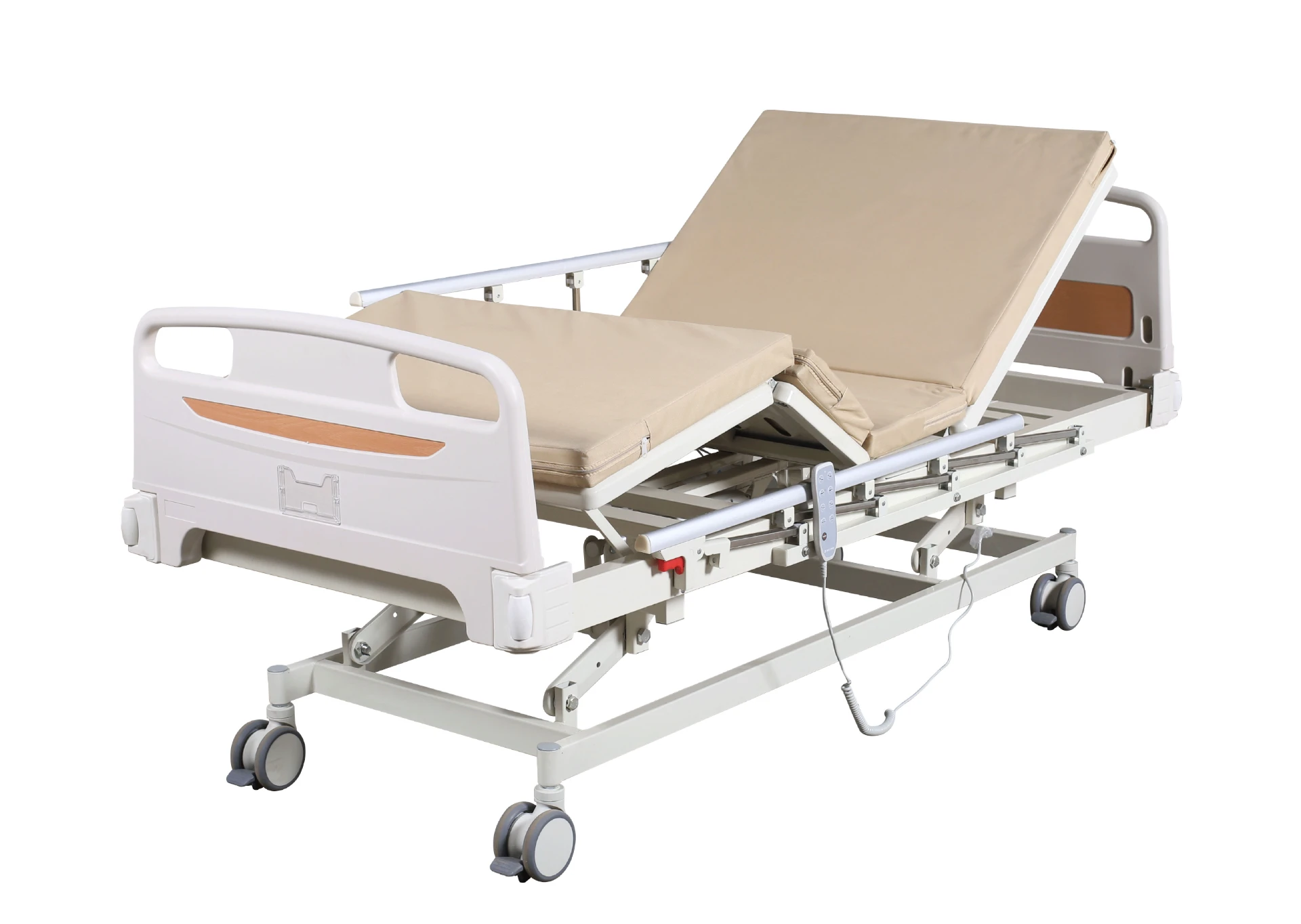
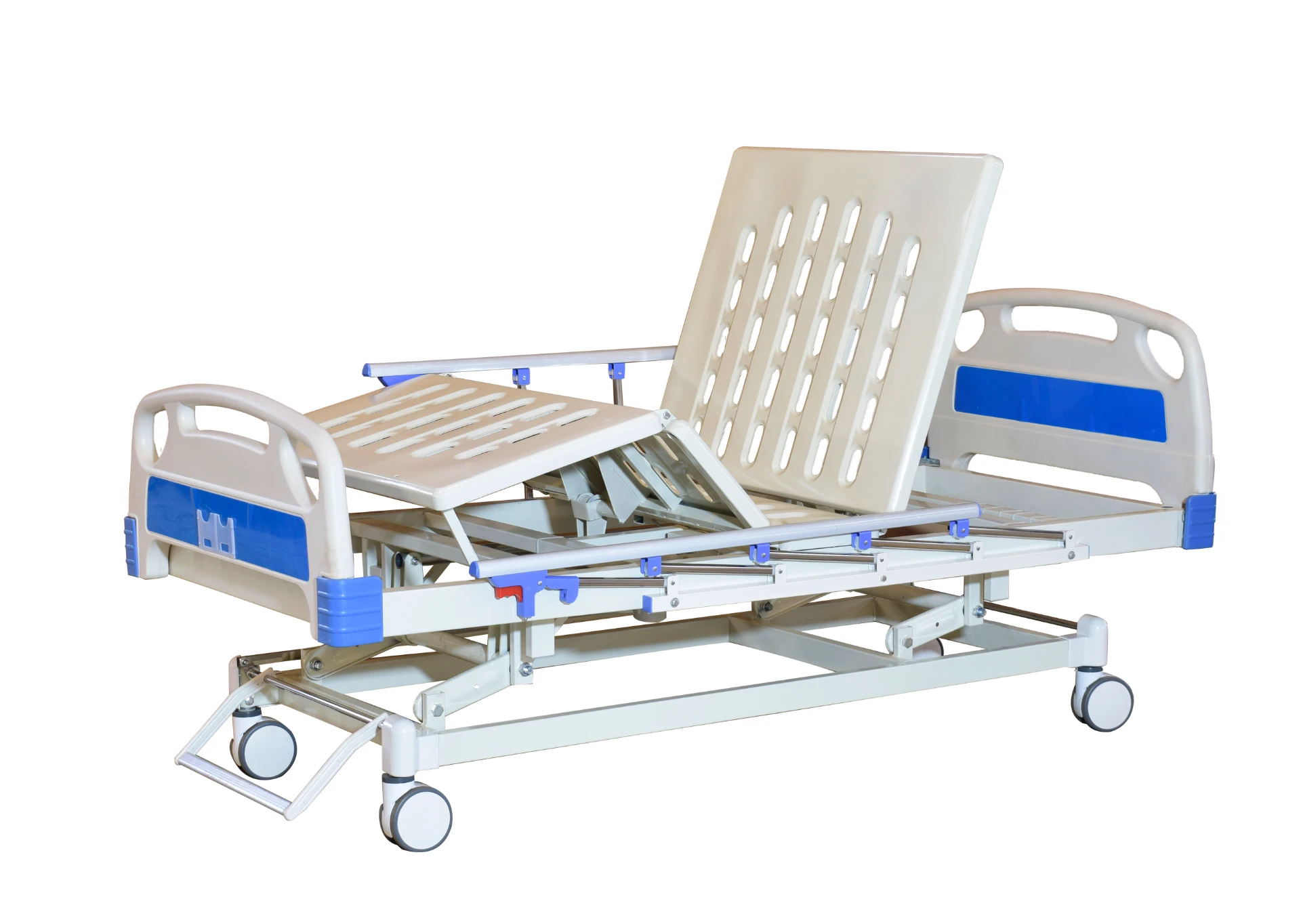
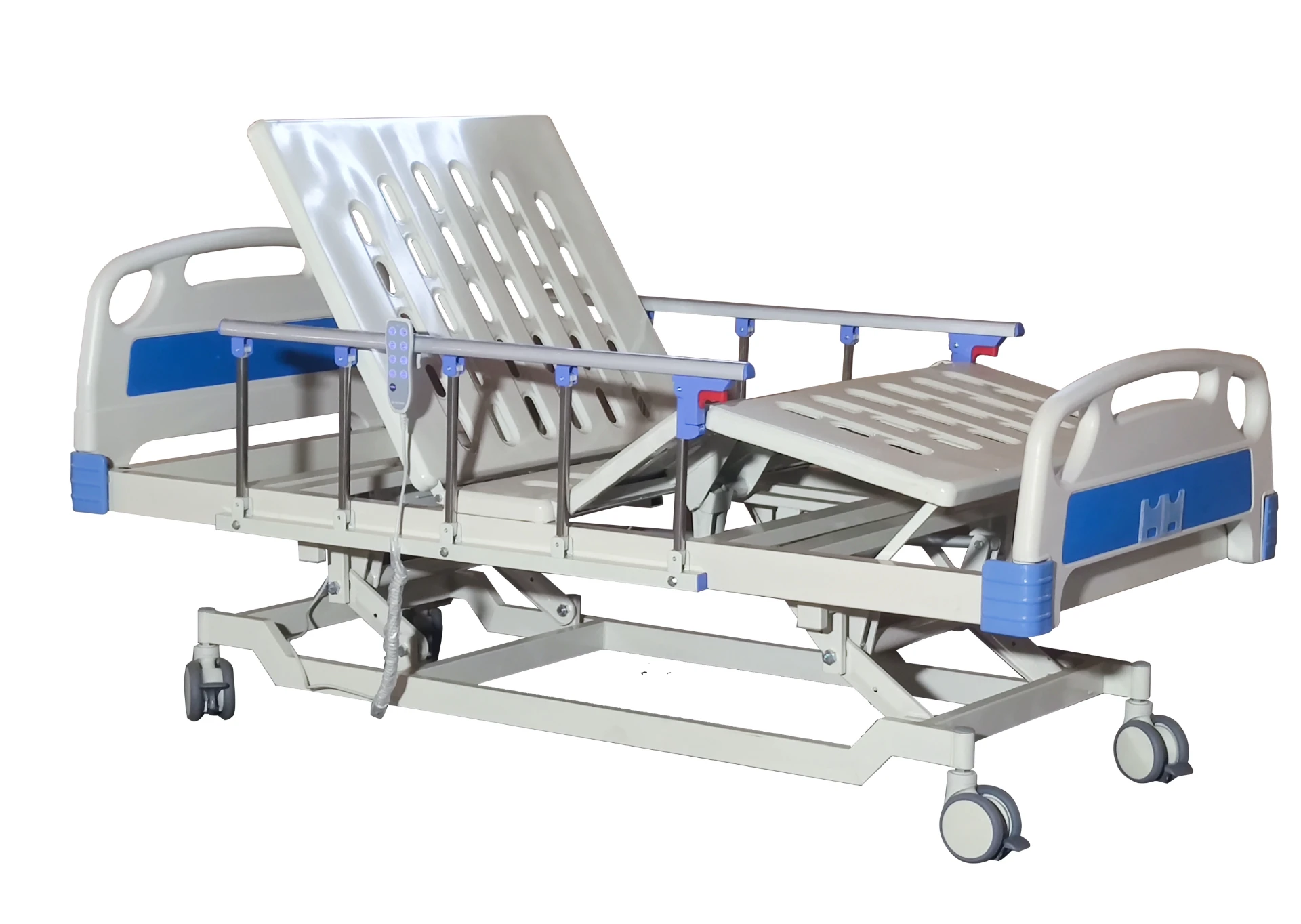
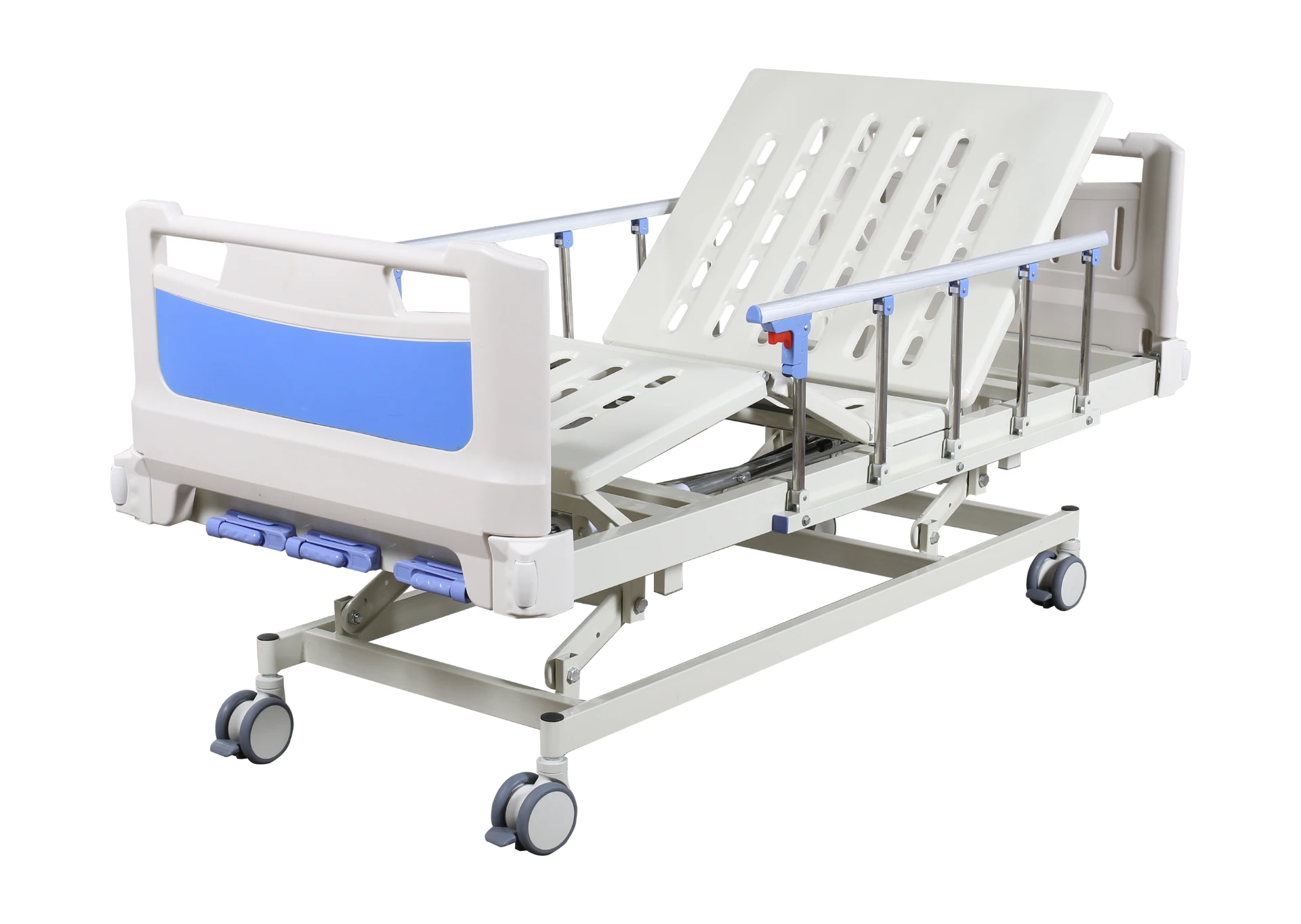
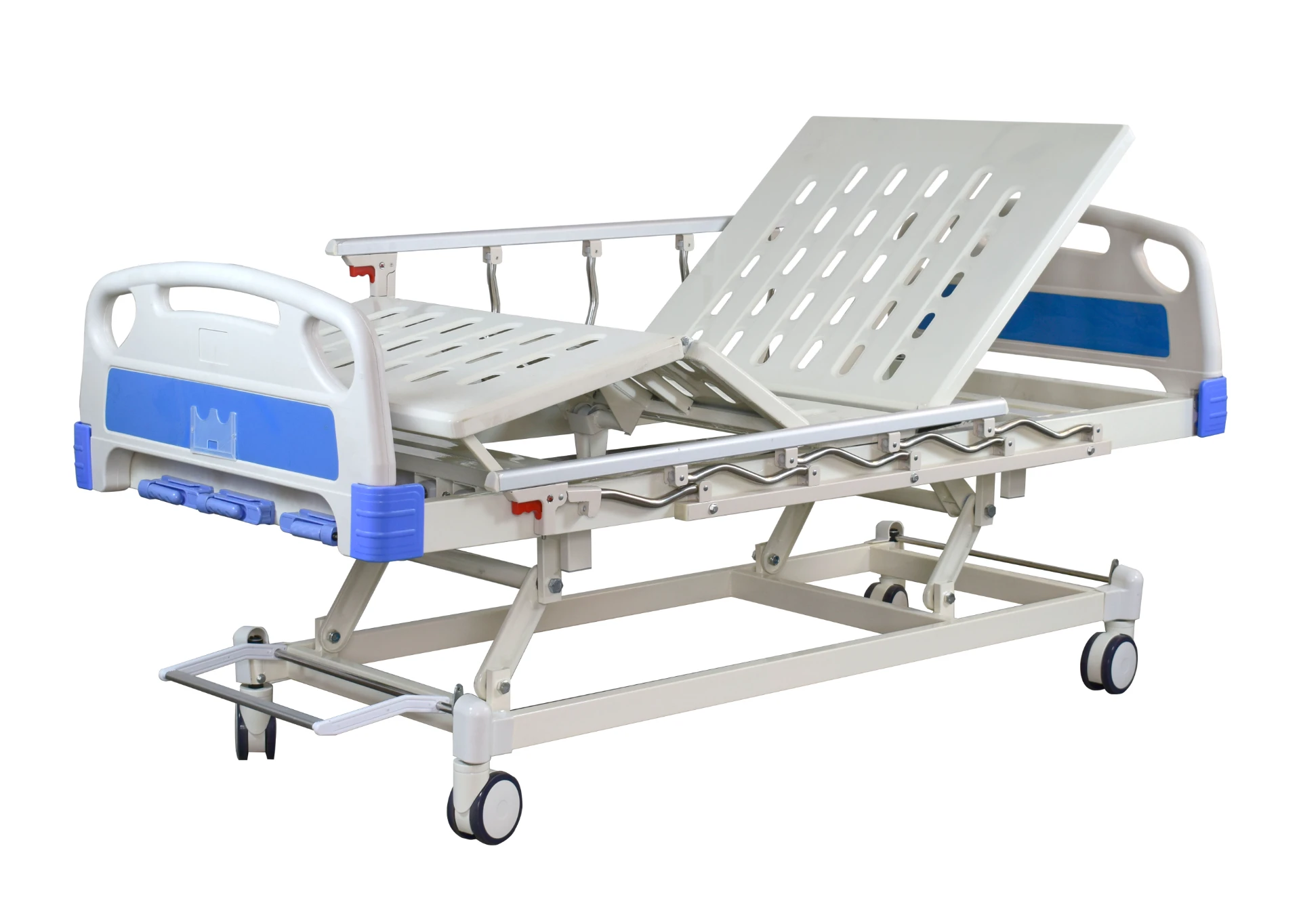
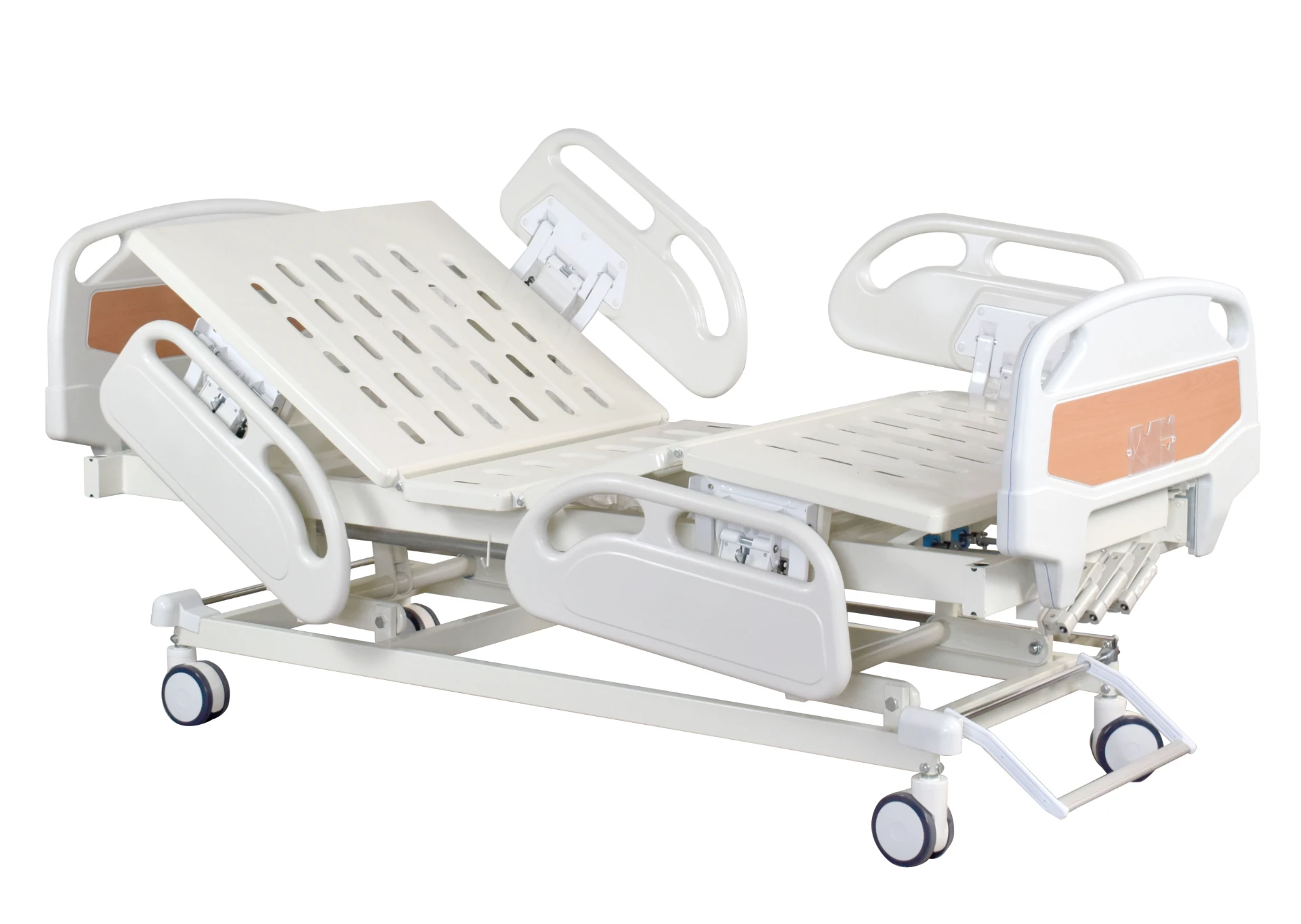
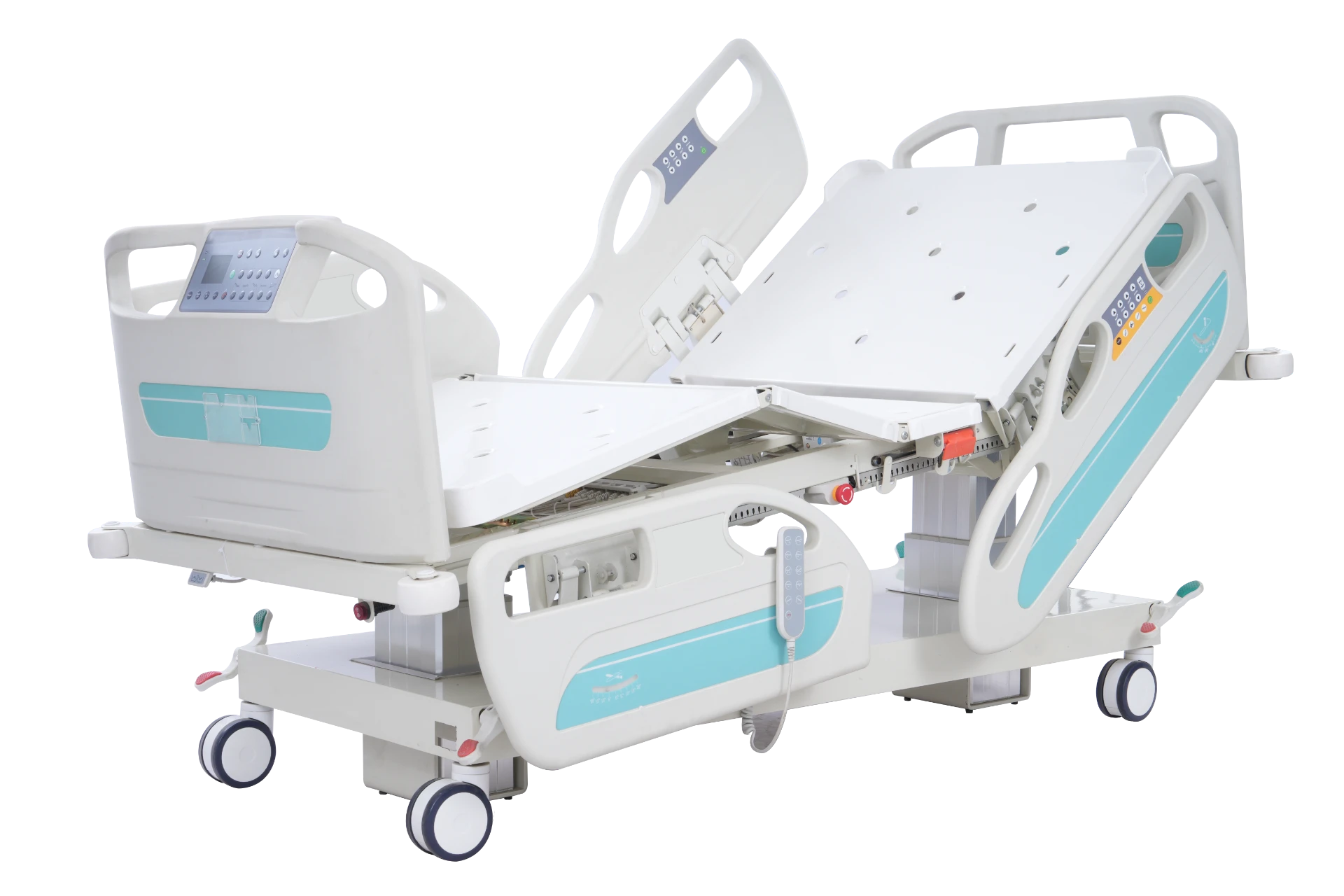
Simply put, a hydraulic bed for hospital is a medical bed equipped with a hydraulic system that allows caregivers or patients to adjust the bed height and angles smoothly using fluid pressure. Unlike electric beds that require power sources, hydraulic beds use manual pumps or motor-assisted hydraulics, making them reliable even in settings with unstable electricity.
This simple innovation compliments broader trends: ergonomic design, user empowerment, and adaptable medical environments. Whether in an ICU or field clinics, hydraulic hospital beds play a vital role by bridging technology and hands-on care.
Hydraulic bed for hospital designs emphasize sturdiness and fluid motion control — core traits in modern healthcare equipment.
Core Components & Key Features of Hydraulic Hospital Beds
1. Durability and Heavy-Duty Frame Construction
Hospital beds must hold up to daily use, frequent repositioning, and patient weight variation — often over 200 kg safe-load. Hydraulic beds are typically built from steel or reinforced alloys, ensuring longevity even in fast-paced or rugged hospital environments.
2. Hydraulic Pump and Fluid System
The heart of the bed, the pump, controls smooth raising or lowering with minimal effort. Many systems use oil-based fluids calibrated for steady resistance to prevent sudden drops or jerks, crucial for patient safety.
3. Adjustable Sections for Patient Comfort and Care
Beyond height changes, these beds offer adjustable backrests, leg rests, and Trendelenburg positions (where the patient’s feet are higher than the head) expanding the clinical utility significantly.
4. Portability and Customization Options
While hospital beds are often seen as bulky, many hydraulic models incorporate lockable casters for rolling and easy relocation. Modular attachments like side rails, IV stands, and traction setup make customization a breeze.
5. Cost Efficiency and Maintenance
Compared to electric alternatives, hydraulic beds often have lower upfront and maintenance costs—last out longer with fewer repairs if serviced properly.
Mini takeaway: Hydraulic hospital beds pack durability, patient-friendly adjustability, and dependable hydraulic systems that keep hospitals running smoothly without breaking budgets.
Global Applications and Real-World Use Cases
Hydraulic hospital beds aren’t just a feature in high-rise city hospitals. In far-flung rural clinics across Africa, Asia, and South America, they’re vital to care delivery where electricity is unreliable or absent altogether. For instance:
- Post-disaster relief: In regions prone to natural disasters, mobile hospitals deploy hydraulic beds for their rugged simplicity and reliability under unstable power conditions.
- Remote industrial medical centers: Mining and oil extraction sites often use hydraulic beds in onsite clinics to manage injuries without lengthy hospital transfers.
- Long-term care facilities in developed countries: Nursing homes and rehabilitation centers incorporate hydraulic beds to ease patient movement and reduce caregiver exhaustion.
In each scenario, hydraulic beds adapt to varying infrastructure, climate, and healthcare challenges — a testament to their versatile design.
Mini takeaway: Hydraulic hospital beds meet diverse global needs, from emergency setups to long-term care, proving their unmatched flexibility.
Advantages & Long-Term Value of Hydraulic Hospital Beds
Choosing hydraulic beds offers hospitals and caregivers both logical and emotional benefits. Logically, they reduce injury risk, lower maintenance expenses, and require no complex electrical wiring. Emotionally, they restore dignity to immobile patients by enabling easier repositioning and safer mobilization.
Innovative materials and tested safety standards ensure hydraulic systems won’t fail under critical patient loads. Plus, hydraulic beds often outlast cheaper alternatives, making them a trusted investment in health infrastructure.
Product Specification Table
| Specification | Typical Range / Feature |
|---|---|
| Load Capacity | Up to 250 kg |
| Height Adjustment Range | 40 cm to 80 cm |
| Backrest Angle | 0° to 75° |
| Leg Rest Angle | 0° to 30° |
| Mobility | Lockable casters included |
| Material | Reinforced steel frame |
Comparing Top Hydraulic Bed Vendors
| Vendor | Price Range (USD) | Warranty | Key Strengths |
|---|---|---|---|
| MediFlex Beds | $900 - $1,200 | 3 years | Robust frame, excellent fluid control |
| CareTech Solutions | $1,100 - $1,500 | 5 years | Advanced ergonomic models, good support |
| Global Hospital Supplies | $850 - $1,100 | 2 years | Affordable, wide distribution network |
Looking Ahead: What’s Next for Hydraulic Beds in Healthcare?
Future trends indicate a lean toward smart hydraulic beds that combine traditional fluid mechanics with IoT sensors for real-time monitoring of patient position, vital signs, and bed status. Sustainability also plays a role — manufacturers explore bio-based hydraulic fluids and recycled materials to reduce environmental footprints.
Meanwhile, automating pump controls with battery backups is helping bed adjustability in off-grid or emergency contexts, extending the classic hydraulic principle into the digital age.
Challenges and Practical Solutions
Hydraulic beds aren’t perfect. Common complaints include hydraulic fluid leaks, manual pumping effort that can be tiring, and difficulties in cleaning complex frames. However, manufacturers are responding with better seals, dual-pump assist systems, and designs that simplify disassembly for sanitation.
Training healthcare workers in bed use and maintenance remains vital as well — after all, even the best tech is only as good as the people supporting it.
FAQ: Common Questions About Hydraulic Beds for Hospitals
Q1: How do hydraulic beds compare to electric beds in hospitals?
A: Hydraulic beds are often more affordable and require less maintenance, especially in areas with unstable electricity. They provide reliable manual control, whereas electric beds offer more precision but depend on power sources.
Q2: Can hydraulic beds support overweight patients safely?
A: Yes, most hydraulic hospital beds are designed to hold up to 250 kg, with reinforced steel frames and tested hydraulic pumps ensuring stability and safety.
Q3: Are hydraulic beds easy to move within hospital wards?
A: Many hydraulic beds feature lockable wheels or casters that allow easy repositioning, improving workflow and patient transfers.
Q4: How often should hydraulic beds be maintained?
A: It’s best to schedule check-ups and fluid inspections every 6 to 12 months, depending on usage intensity, to avoid leaks and mechanical wear.
Final Thoughts: Why Hydraulic Hospital Beds Are a Long-Term Win
In real terms, hydraulic hospital beds offer a blend of simplicity, adaptability, and durability that keeps modern healthcare facilities agile, efficient, and compassionate. They reduce caregiver strain, improve patient dignity, and shine especially where electrical infrastructure is limited or fragile.
If you want to explore high-quality hydraulic beds tailored to your facility's needs, visit https://www.cnboxin.com for more information and options. Because investing in the right bed is really an investment in people.
References
-
Ultimate Guide to Choosing Extra Wide Waiting Room ChairsNewsApr.16,2026
-
Guide to Choosing Professional Waiting Room Chairs Wipeable SeatingNewsApr.09,2026
-
Enhance Your Space with Comfortable Wide Waiting Room ChairsNewsApr.07,2026
-
Selecting the Ideal Brown Waiting Room Chairs for a Welcoming SpaceNewsApr.04,2026
-
Choosing Comfortable Patient Waiting Room Chairs for Healthcare FacilitiesNewsMar.31,2026
-
Finding the Best Deals on Affordable and Cheap Reception Chairs for Your BusinessNewsMar.28,2026
-
Enhance Your Business Reception with Comfortable Blue Reception ChairsNewsMar.26,2026