Welcome to our websites!


Safe & Comfortable Shower Chair for Home Medical Use
The Evolution and Critical Role of the Shower Chair in Modern Patient Care
In the landscape of B2B healthcare solutions, the seemingly simple shower chair represents a cornerstone of patient dignity, safety, and caregiver efficiency. Far from a rudimentary bathing aid, today's advanced shower chairs are engineered components within a holistic patient care ecosystem, crucial for both institutional and home medical environments. As healthcare paradigms shift towards patient-centric and recovery-focused models, the demand for robust, ergonomic, and hygienically superior bathing solutions intensifies. This article delves into the technical intricacies, market dynamics, and operational advantages of contemporary shower chairs, providing an in-depth perspective for procurement professionals and healthcare facility managers.
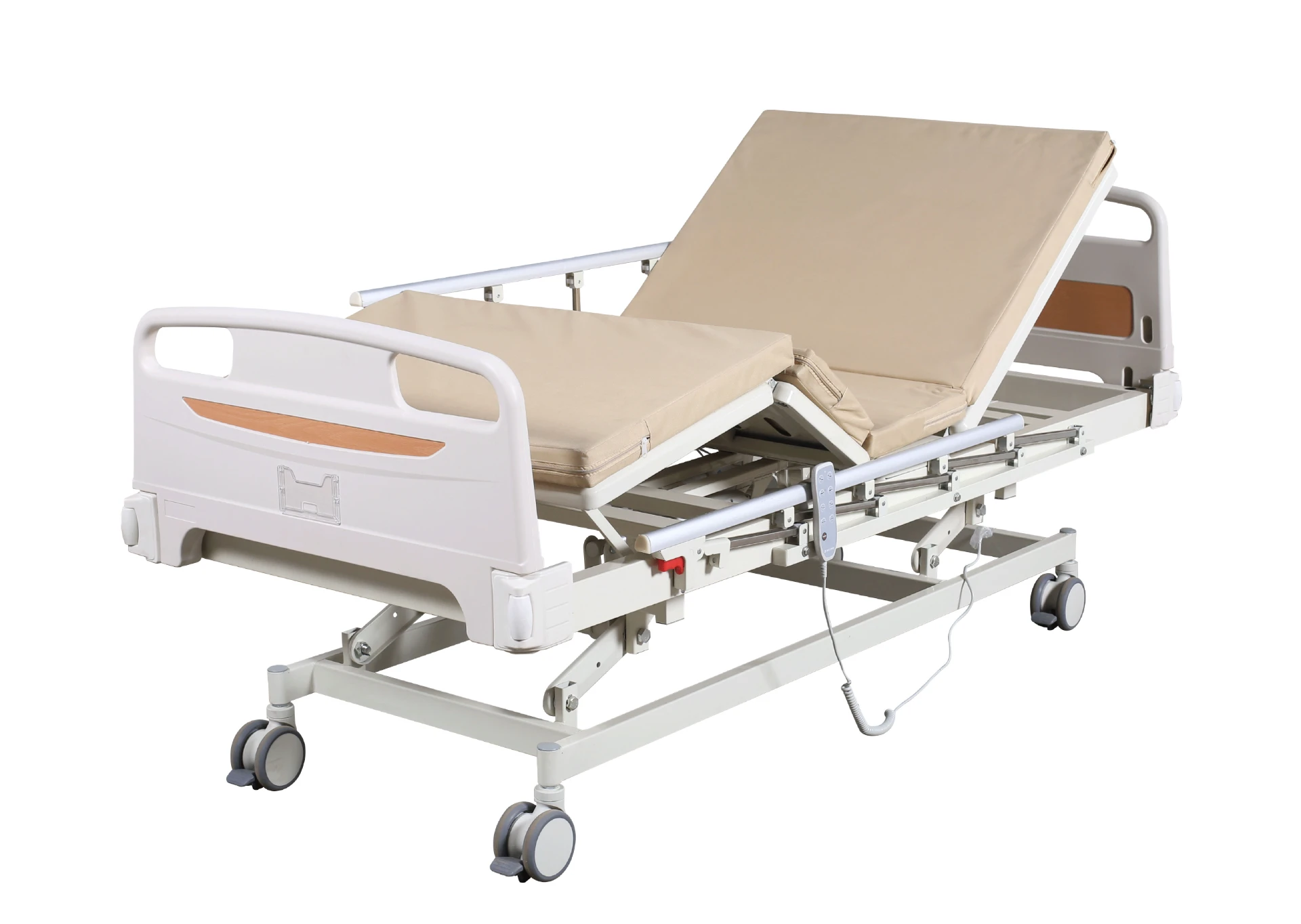
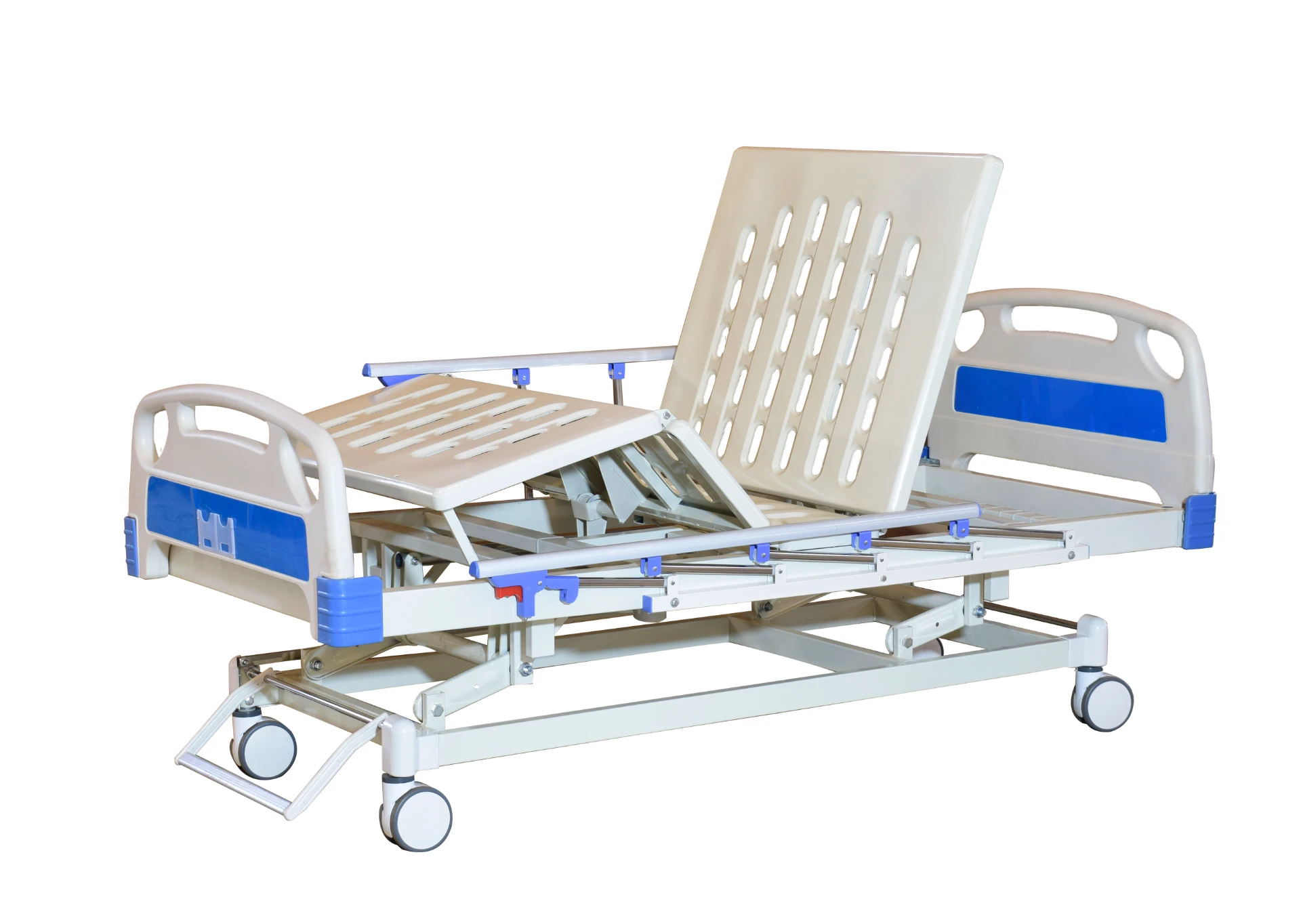
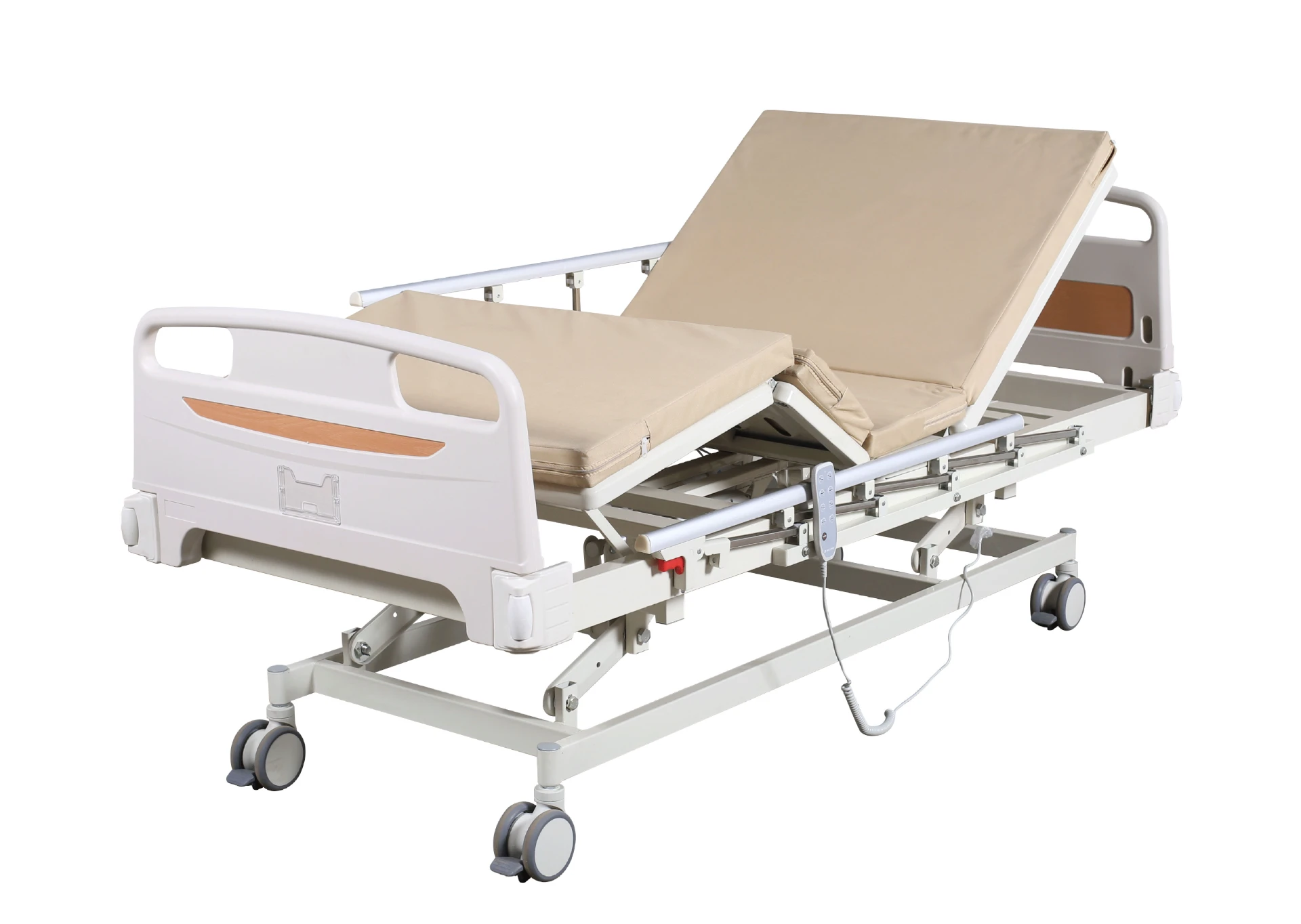
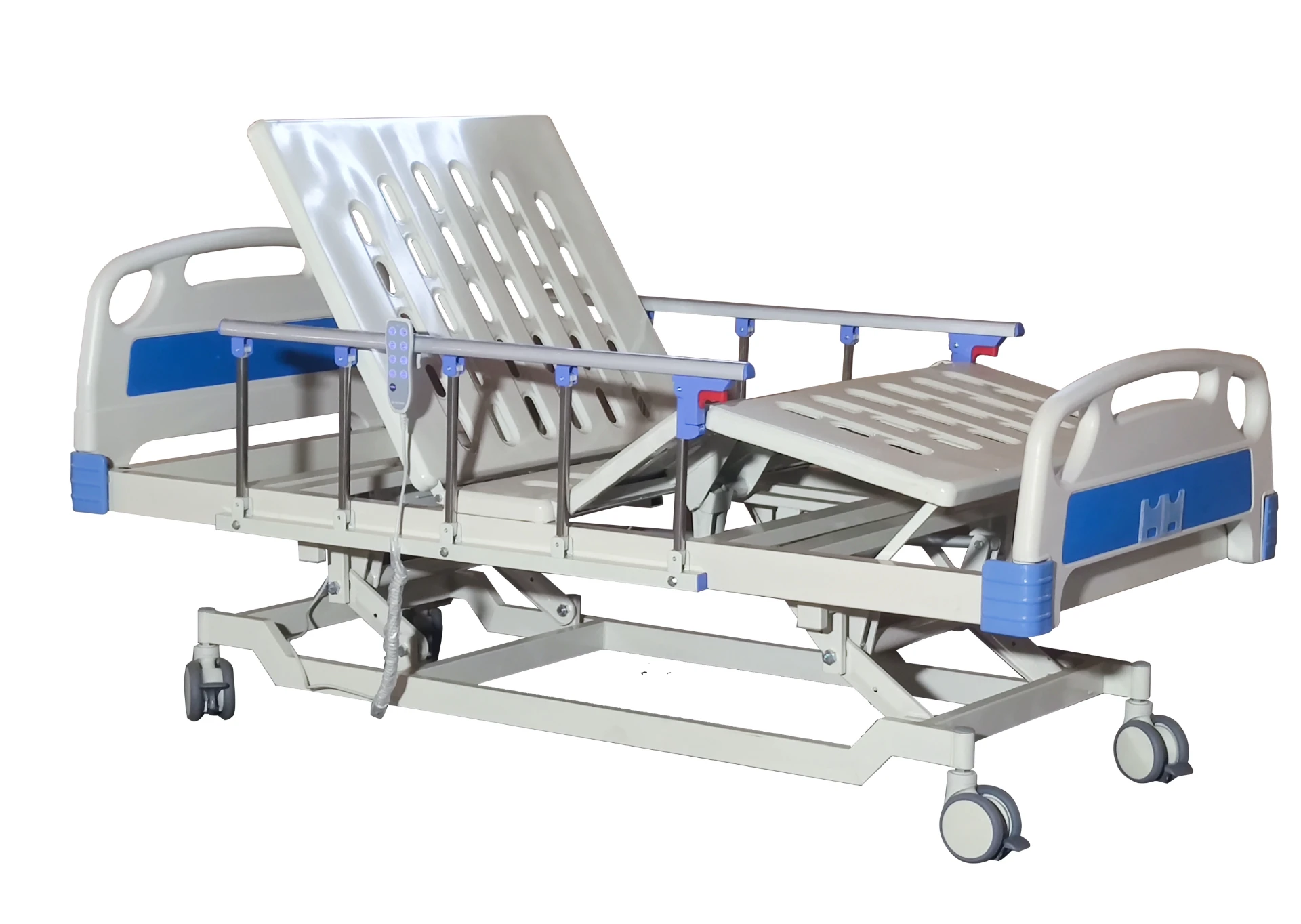
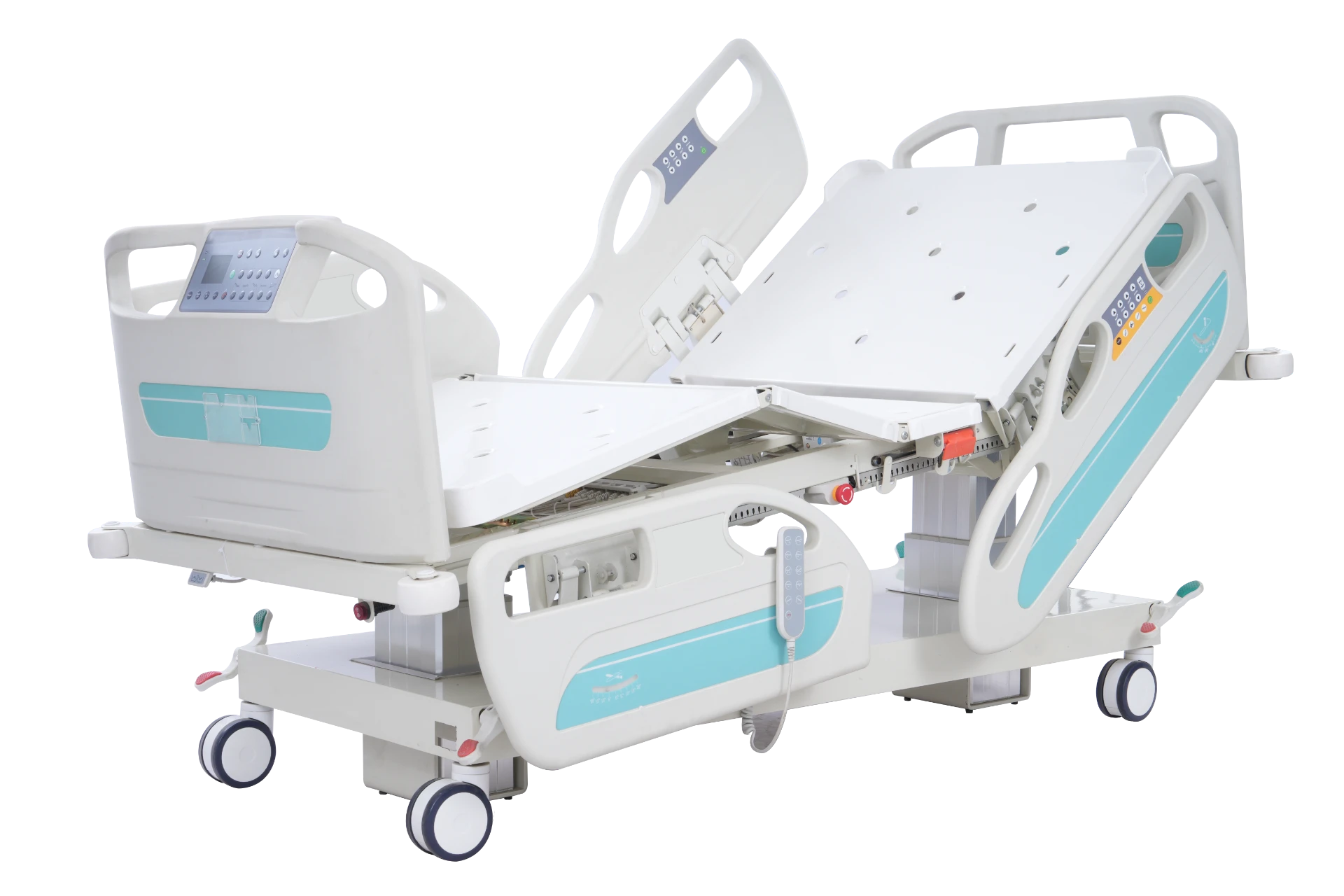
Modern medical facilities, from acute care hospitals to long-term rehabilitation centers, recognize the indispensable value of specialized patient mobility aids. The integration of high-quality equipment, such as electrically adjustable hospitalbeds and versatile hospital cot systems, alongside essential hygiene solutions like the shower chair, optimizes patient outcomes and staff workflow. This emphasis extends to home care settings, where the availability of a reliable seat shower can significantly enhance the quality of life for individuals requiring assistance with daily personal hygiene, minimizing fall risks and promoting independence. The underlying engineering principles for such robust and durable medical equipment, exemplified by products like the Hospital furniture Customized Luxury electrical icu bed EVIII-01, are mirrored in the design and manufacturing of premium shower chairs, ensuring maximum reliability and user safety.
Manufacturing Process Flow of Advanced Shower Chairs
The production of a professional-grade shower chair involves a meticulous multi-stage process, ensuring durability, hygiene, and patient safety. Adherence to stringent quality control and international standards is paramount from material selection to final assembly.
1. Material Selection & Procurement
- Frame: High-grade aluminum alloys (e.g., 6061-T6 or 7075-T6) are commonly used due to their excellent strength-to-weight ratio and corrosion resistance. Stainless steel (e.g., 304 or 316L medical-grade) is chosen for its superior corrosion resistance and ease of sterilization, especially in high-acuity environments.
- Seating & Backrest: Medical-grade, closed-cell polyurethane or polyethylene foams are selected for comfort, water resistance, and easy disinfection. These materials prevent water absorption and inhibit microbial growth, crucial for preventing cross-contamination in medical settings.
- Hardware: Stainless steel fasteners and high-impact polymer components ensure longevity and resistance to rust and wear in wet conditions.
- Wheels/Casters: Non-marking, swivel casters with locking mechanisms, typically made from high-density rubber or thermoplastic elastomers (TPE), are chosen for smooth mobility, stability, and floor protection.
2. Frame Fabrication
This stage involves precise shaping and joining of the chosen frame materials:
- Cutting & Bending: CNC (Computer Numerical Control) tube bending machines precisely form aluminum or stainless steel tubes into the desired frame geometry, ensuring ergonomic design, structural integrity, and consistency across batches.
- Welding/Assembly: TIG (Tungsten Inert Gas) welding is frequently employed for stainless steel and aluminum frames, providing strong, clean, and corrosion-resistant joints. For some modular designs, advanced riveting or bolt-together systems are used, particularly for ease of assembly, maintenance, and replacement.
- Surface Treatment: Frames undergo processes like anodizing for aluminum or passivation for stainless steel to further enhance corrosion resistance, provide a sterile, easy-to-clean surface finish, and improve aesthetic appeal.
3. Component Manufacturing
- Seating & Backrest: Injection molding or compression molding techniques are used to produce ergonomic seating and backrest components from medical-grade polymers. These are often designed with integrated drainage holes to prevent water accumulation and ensure optimal hygiene.
- Armrests & Footrests: These are typically fabricated from reinforced polymers or coated metals, often featuring fold-away or removable designs for easier patient transfer and adjustability, reflecting advanced ergonomic considerations.
- Casting/Forging (for specialized parts): While not primary for the main frame, certain high-stress components like caster mounts, specific joint mechanisms, or heavy-duty brackets might utilize precision casting or forging for enhanced strength, durability, and load-bearing capacity.
4. Assembly & Integration
All manufactured components are brought together for final assembly:
- Modular Assembly: Components are assembled following strict engineering diagrams, ensuring all fasteners are correctly torqued and moving parts (e.g., recline mechanisms, leg rests) operate smoothly and safely.
- Ergonomic Testing: Chairs are checked for proper alignment, stability, and ease of adjustment. This includes functional tests of all moving parts and locking mechanisms.
5. Quality Control & Testing Standards
Every shower chair undergoes rigorous testing to meet or exceed international safety and performance standards:
- ISO 13485: Certification for Medical Devices Quality Management Systems, ensuring consistent quality throughout the product lifecycle, from design to delivery.
- ANSI/RESNA WC-1: Standards for Wheelchairs and Related Seating, covering aspects like static and impact strength.
- EN 12182 / EN 1022: European technical aids standards for disabled persons, particularly for general requirements and test methods for stability and static strength.
- Weight Capacity Testing: Chairs are load-tested beyond their stated maximum capacity to ensure structural integrity and safety margins for various patient weights.
- Corrosion Resistance Testing: Salt spray tests, following standards like ASTM B117, assess the durability of materials and coatings in harsh, wet, and chemically active environments.
- Hygiene & Cleanability Assessment: Surfaces are evaluated for ease of disinfection, resistance to common hospital cleaning agents, and prevention of bacterial harborage.
6. Packaging & Distribution
Chairs are securely packaged to prevent damage during transit, often with clear assembly instructions and maintenance guidelines for end-users, facilitating quick deployment in home medical or institutional settings.
Service Life: A well-manufactured seat shower, when properly maintained and used according to guidelines, can have a service life exceeding 5-7 years in demanding institutional settings and significantly longer in home care environments. Factors influencing this include material quality, frequency of use, and adherence to cleaning protocols.
Target Industries: Healthcare (hospitals, nursing homes, rehabilitation centers, acute care, long-term care), Home Medical Equipment providers, Assisted Living Facilities, Hospices, and specialized care institutions (e.g., spinal injury units, bariatric care centers, psychiatric facilities).
Advantages in Typical Application Scenarios: In an acute care hospital, a corrosion-resistant and easily maneuverable shower chair significantly reduces the physical strain on nursing staff by facilitating safe patient transfer from a hospital couch or bed to the shower, minimizing the risk of falls for patients. This enhances efficiency and adherence to strict hygiene protocols. For home use, adjustable models allow for personalized comfort and greater independence for users, directly contributing to energy saving for caregivers and promoting a higher quality of life by reducing the effort required for daily care tasks.
Industry Trends in Shower Chair Technology
The market for shower chair solutions is continuously evolving, driven by an aging global population, increasing prevalence of chronic conditions, and advancements in medical technology. Key trends include:
- Ergonomic and Bariatric Designs: A growing focus on bariatric patients requires chairs with higher weight capacities (up to 600 lbs or more), wider seats, and reinforced frames, while general ergonomics aim to reduce caregiver strain and enhance patient comfort through features like contoured backrests and adjustable leg supports.
- Enhanced Hygiene Features: Materials with intrinsic antimicrobial properties, seamless designs to eliminate crevices where pathogens can hide, and highly smooth, non-porous surfaces for effortless disinfection are becoming standard, improving infection control.
- Modular and Customizable Solutions: Manufacturers are offering modular designs that allow for easy replacement of parts, conversion between commode and shower functions, and a wide range of interchangeable accessories (e.g., headrests, lateral supports, thigh straps, seat cutouts) to meet diverse patient needs and clinical requirements.
- Powered and Electric Options: While less common for basic shower chairs, advanced models for complex patient transfers, sometimes integrated with lifting mechanisms or tilt-in-space features, are emerging to further reduce manual handling, especially for immobile or heavy patients, mirroring capabilities found in advanced hospitalbeds.
- Smart Integration: Early-stage integration with smart home medical systems for monitoring usage, scheduling preventative maintenance, or even providing interactive support for users and caregivers is being explored to enhance user experience and operational efficiency.
- Sustainability: Manufacturers are increasingly adopting eco-friendly materials and sustainable manufacturing practices, such as using recycled content and minimizing waste, aligning with broader corporate social responsibility initiatives and greener healthcare procurement.
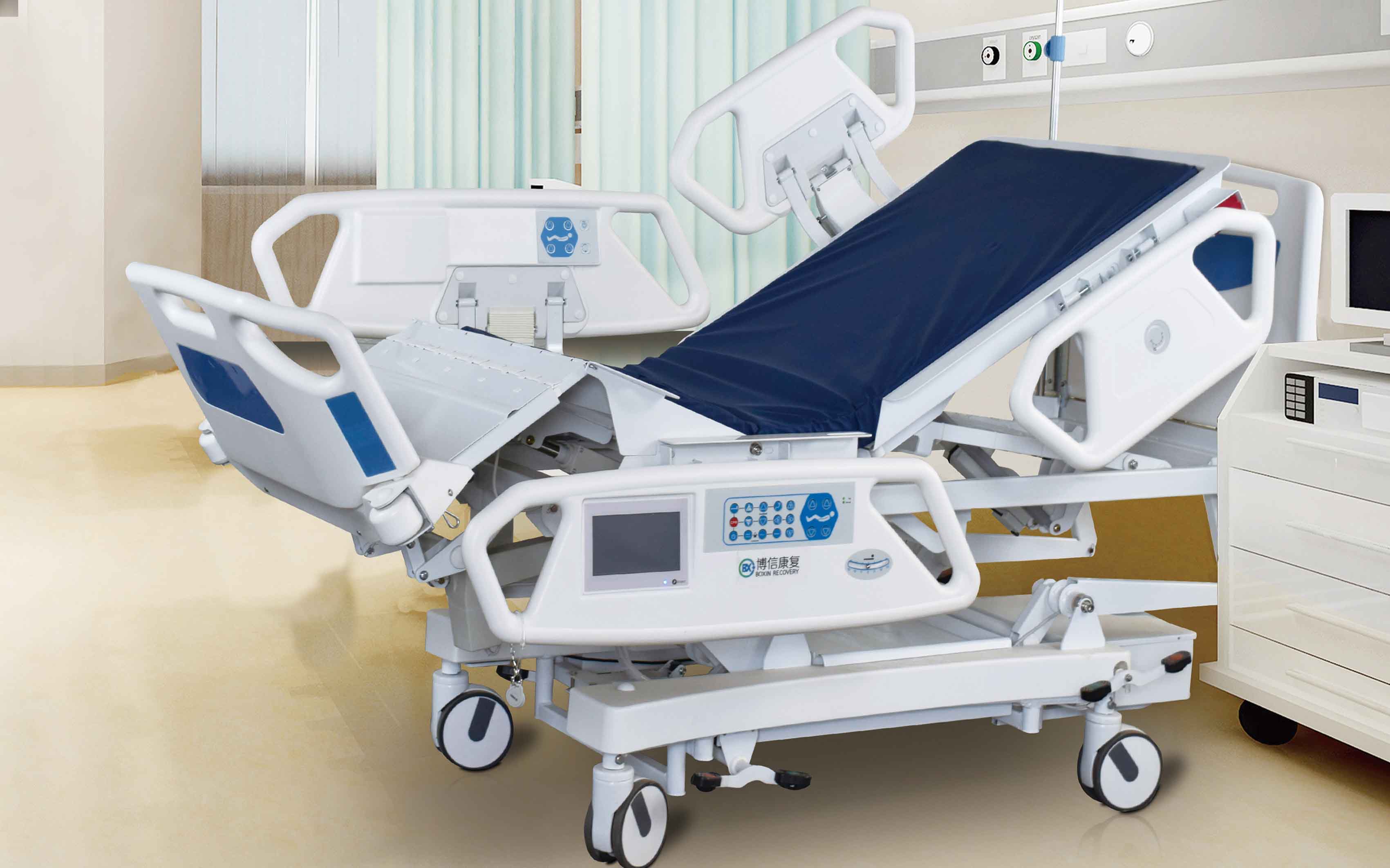
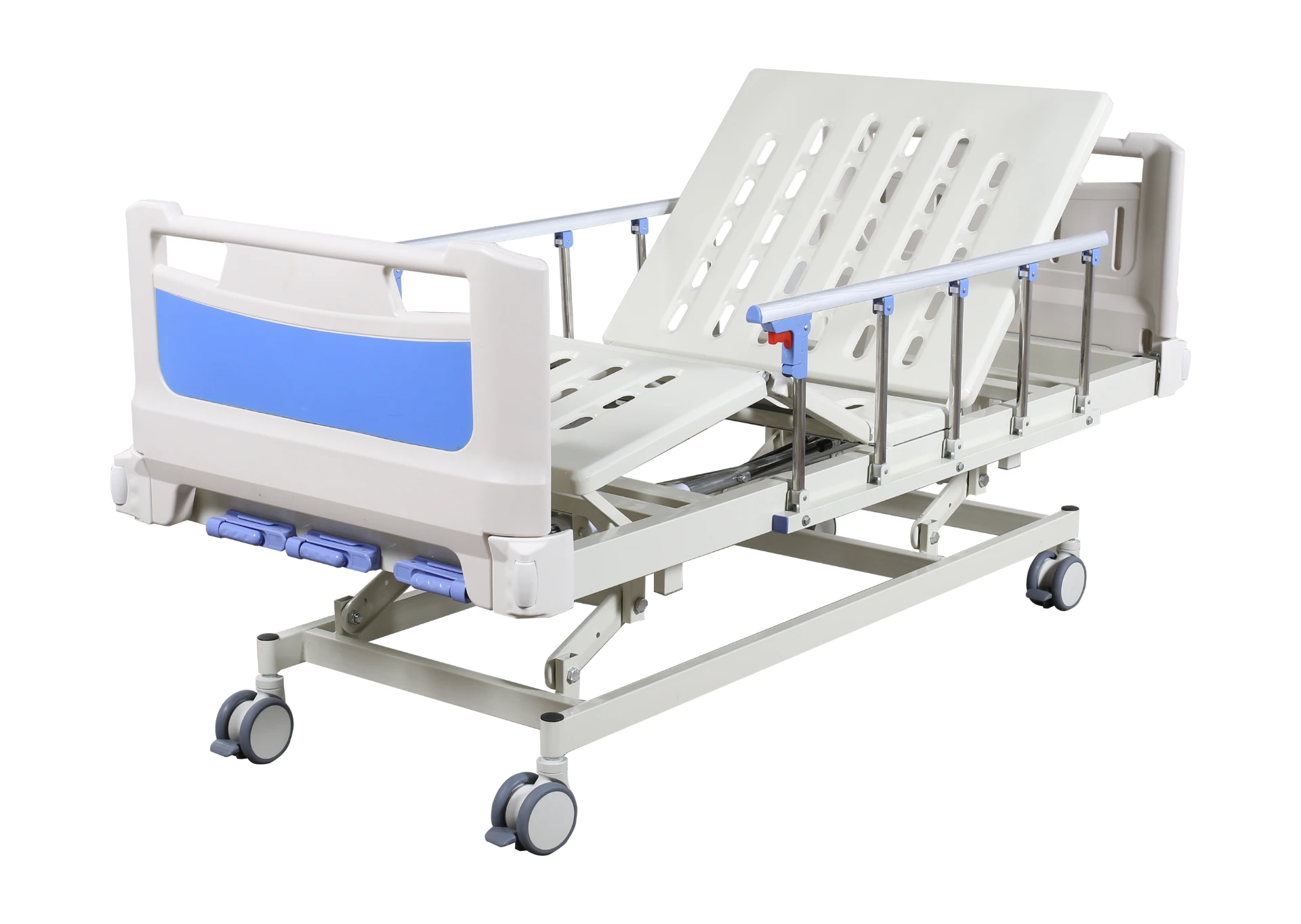
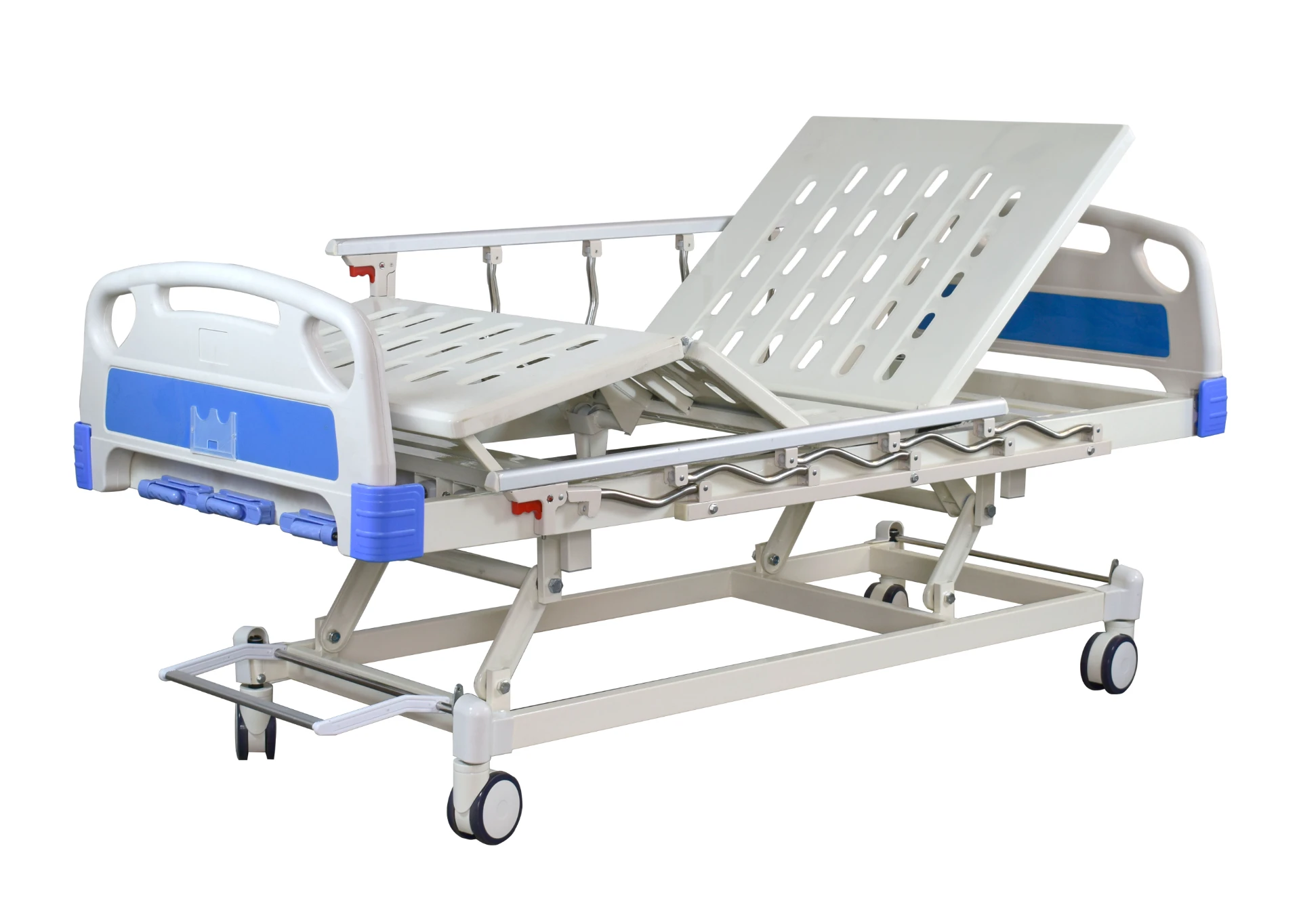
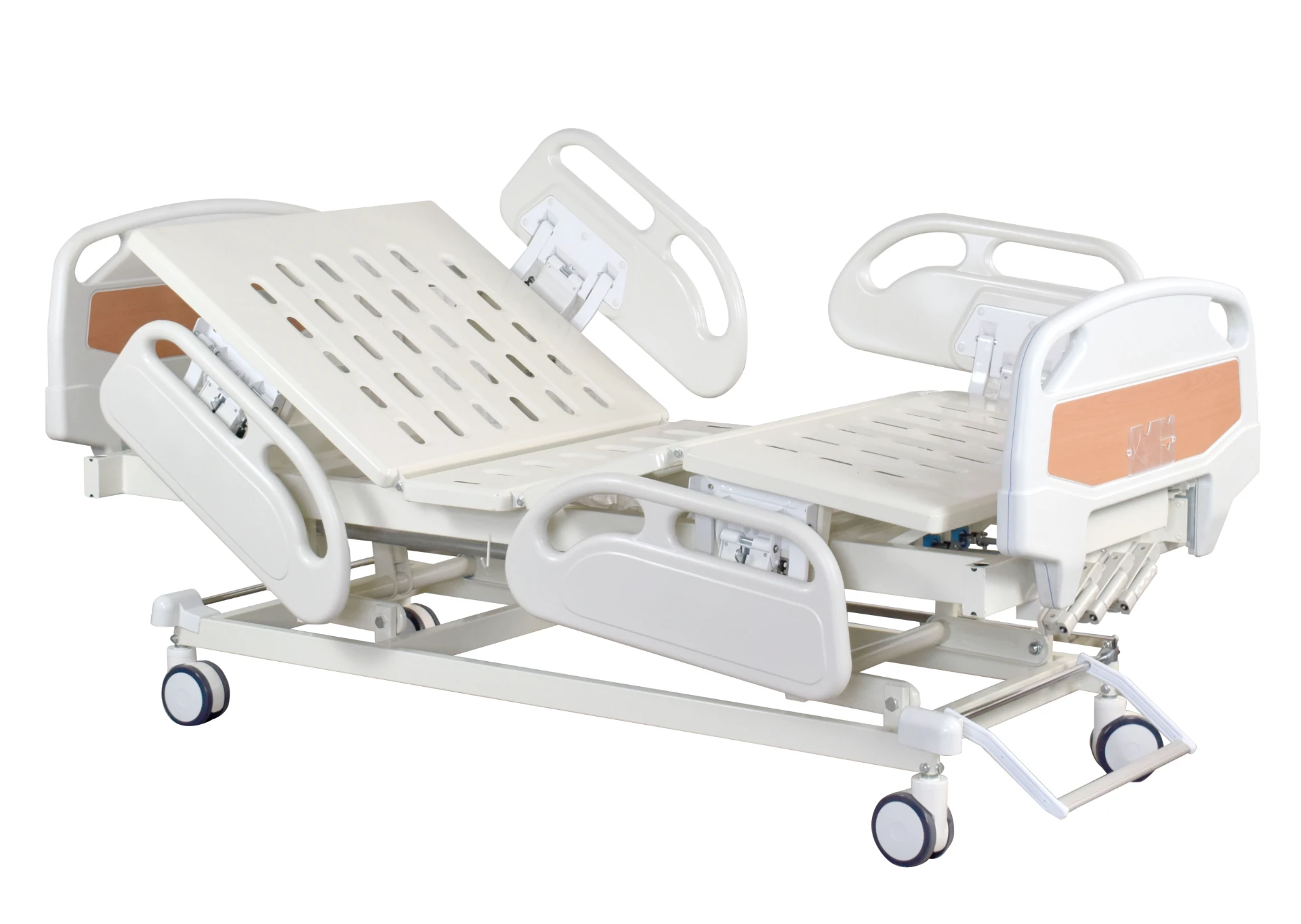
Image: Demonstrating the robust engineering and material quality essential for durable medical furniture, including the framework and adjustable components of a high-performance shower chair, reflecting the standards seen in advanced ICU beds.
Technical Specifications and Parameters of Premium Shower Chairs
The following table provides typical technical specifications for a high-performance, institutional-grade shower chair, reflecting standards of safety, durability, and user-centric design. While the referenced product is an ICU bed, these specifications represent the level of detail and engineering excellence applied across comprehensive medical furniture solutions, including specialized bathing aids, to ensure superior operational performance and longevity.
| Parameter | Specification Range (Premium Shower Chair) | Industry Standard/Benefit |
|---|---|---|
| Frame Material | Medical-grade Stainless Steel (304/316L) or Anodized Aluminum Alloy | Exceptional corrosion resistance, high tensile strength, and ease of disinfection. Meets ISO 10993 for biocompatibility for patient contact. |
| Weight Capacity | Standard: 300-350 lbs (136-159 kg) Bariatric: 500-600 lbs (227-272 kg) |
Ensures safety for a broad patient demographic, adhering to ANSI/RESNA WC-1 and EN 12182 standards for structural integrity. |
| Seat Dimensions (W x D) | 18-22 inches (46-56 cm) W x 16-18 inches (41-46 cm) D | Accommodates diverse body types for comfort and stability. Ergonomic design to prevent pressure sores and enhance patient experience. |
| Height Adjustment Range | 18-24 inches (46-61 cm) or more, often gas spring assisted or electric | Facilitates easy patient transfer from varying hospitalbeds or wheelchairs; significantly reduces caregiver back strain and injury risk. |
| Casters | 4-5 inch (10-13 cm) swivel, locking, non-marking, twin-wheel casters | Smooth maneuverability across various floor surfaces, enhanced safety during transfers and bathing. Meets EN 1022 for dynamic stability. |
| Armrests | Flip-up, detachable, or swing-away; padded/contoured for comfort | Streamlines lateral patient transfer, improves accessibility and comfort, and aids in independent patient repositioning. |
| Footrests | Swing-away, detachable, or fold-away; height-adjustable | Provides stable foot support, prevents dragging, and aids patient positioning and safe transfer, reducing potential tripping hazards. |
| Hygiene Features | Seamless surfaces, integrated drainage holes, optional antimicrobial coatings, removable components for thorough cleaning | Minimizes risk of cross-contamination, simplifies sterilization protocols, and ensures adherence to infection control guidelines. |
Application Scenarios and Technical Advantages
The versatility of a well-designed shower chair makes it indispensable across a multitude of healthcare and personal care settings:
Acute Care Hospitals & Intensive Care Units (ICUs)
In ICUs, where patients often have limited mobility and are connected to complex monitoring equipment, the ability to safely transfer a patient for hygiene is critical. An adjustable seat shower with tilt-in-space functionality can allow for hygienic care while minimizing disruption to medical lines and ensuring patient comfort, even for those who cannot bear weight. Its robust construction and stability are crucial when transferring patients from sophisticated electrical hospitalbeds like the EVIII-01, facilitating seamless and secure patient transitions.
- Technical Advantage: Corrosion-resistant materials (e.g., 316L stainless steel) withstand harsh cleaning agents and frequent sterilization cycles, prolonging service life and maintaining aseptic conditions, vital for infection control in high-risk environments. Advanced models offer electric or hydraulic height adjustment for seamless integration with varied bed heights and patient lifts.
Rehabilitation Centers & Long-Term Care Facilities
These environments focus on recovery and maintaining patient independence. A shower chair that doubles as a commode or has self-propelling options empowers patients to participate more actively in their own hygiene routine. Adjustable height and removable armrests facilitate transfer from wheelchairs or a hospital couch, aiding rehabilitation efforts and promoting early mobility.
- Technical Advantage: Modular designs allow for customization with various accessories like lateral supports, headrests, or soft-padded seats, adapting to the evolving needs of patients undergoing rehabilitation and ensuring optimal therapeutic positioning.
Home Medical Care
For individuals recovering at home or managing chronic conditions, a lightweight, easy-to-maneuver shower chair is essential. Models with compact footprints, easy disassembly for storage, and stable, non-slip feet or locking casters ensure safety in domestic bathrooms, which may not be designed for medical equipment, providing critical home medical support.
- Technical Advantage: Ergonomic design features, such as contoured seats and non-slip surfaces, minimize fall risks and provide greater user comfort, reducing caregiver burden and enhancing the user's quality of life and independence.
Specialized Care Units (e.g., Bariatric, Spinal Injury)
These units require specialized shower chair solutions. Bariatric chairs accommodate larger weights and dimensions, while chairs for spinal injury patients might incorporate advanced tilt, recline, or specialized seating to manage pressure and maintain spinal alignment during bathing, preventing secondary complications.
- Technical Advantage: Reinforced frame structures (e.g., using thicker gauge stainless steel or specialized alloys) and advanced mechanical or electrical systems ensure stability, precise positioning, and durability under extreme conditions and heavy use, offering unparalleled safety.
Vendor Comparison and Competitive Landscape
The market for shower chair solutions is robust, with numerous manufacturers offering a spectrum of products from basic models to highly specialized, multi-functional units. Key differentiators include material quality, design innovation, compliance with international standards, and after-sales support, all critical for B2B procurement decisions.
| Feature/Criteria | Tier 1 Manufacturers (e.g., Leading Global Brands) | Mid-Tier Manufacturers (e.g., Established Regional Brands) | Emerging Manufacturers (e.g., Cost-Competitive Options) |
|---|---|---|---|
| Material Quality & Finishes | Premium medical-grade 316L SS, aerospace-grade aluminum, advanced antimicrobial polymers. Superior anti-corrosion finishes (e.g., electropolishing, powder coating). | High-grade 304 SS, quality anodized aluminum. Good corrosion resistance with standard finishes. | Standard SS or coated steel, basic medical-grade plastics. Acceptable for general use but potentially less durable long-term. |
| Design Innovation & Ergonomics | Patented features, tilt-in-space, electric height adjust, seamless multi-functionality (commode/shower). Emphasis on patient and caregiver ergonomics, intuitive controls. | Solid, functional designs with some adjustable features (e.g., height, armrests). Good comfort and user-friendliness. | Basic, fixed designs. Focus on core function over advanced features or broad adjustability, often simpler for straightforward use cases. |
| Certifications & Compliance | ISO 13485, CE, FDA, TUV, extensive compliance with regional medical device regulations globally. Demonstrated adherence to safety and performance standards. | ISO 13485, CE. Meets core national and some international safety standards. | Basic CE compliance, possibly local certifications. May have limited international recognition for regulatory compliance. |
| Customization & Modularity | Extensive customization options, broad accessory range, highly modular for specific patient needs and facility requirements. Built-to-order capabilities. | Limited customization, standard accessory options. Generally pre-configured models with some selectable features. | Generally fixed configurations with minimal or no customization options. Focus on mass production of standard models. |
| After-Sales Support & Warranty | Comprehensive global service network, extended warranties, readily available spare parts, dedicated technical support and training programs. | Regional service network, standard warranties, good spare parts availability, basic customer support. | Limited after-sales support, basic warranty, variable spare parts availability. Often relies on distributors for service. |
| Price Point | Premium, reflecting advanced features, superior durability, extensive certifications, and comprehensive support infrastructure. | Mid-range, offering a good balance of features, quality, and value for money. | Budget-friendly, prioritizing cost-effectiveness for volume purchases or less demanding applications. |
When evaluating vendors for home medical or institutional use, it's crucial to assess not just the initial purchase price, but the total cost of ownership, including durability, maintenance requirements, and the profound impact on patient outcomes and caregiver safety. A vendor's commitment to continuous innovation and robust engineering, as seen in advanced hospitalbeds and related equipment like the EVIII-01 ICU bed, often extends to their shower chair offerings, signifying a broader dedication to quality medical furniture.
Customized Solutions for Specific Needs
Understanding that a one-size-fits-all approach is insufficient for complex healthcare environments, leading manufacturers offer customized solutions for their shower chair lines. This goes beyond standard accessories to encompass tailored designs and integrated systems that meet specific clinical, operational, and patient requirements.
- Bariatric Specialization: Custom-engineered frames with wider stances, reinforced welding points, higher-density seating materials, and enhanced load-bearing casters to safely and comfortably support patients exceeding standard weight limits.
- Pediatric Adaptations: Smaller frame sizes, additional postural supports, brightly colored, child-friendly components, and safety harnesses designed specifically for younger patients, ensuring secure and comfortable bathing.
- Integrated Transfer Systems: Developing shower chairs that seamlessly interface with specific ceiling lifts, patient transfer systems, or even existing hospitalbeds or a hospital cot to facilitate zero-lift transfers, minimizing manual handling and improving caregiver safety.
- Environmental Customization: Chairs designed for specific environmental challenges, such as hyper-chlorinated water in some institutional settings (e.g., hydrotherapy pools), requiring enhanced coating technologies or specific stainless-steel grades (e.g., 316L for superior chlorine resistance).
- Rehabilitation Features: Integration of specialized therapeutic supports, such as adjustable pelvic belts, calf rests, or multi-axis head supports for patients with complex neurological conditions or spinal injuries, ensuring proper alignment and pressure management during bathing.
- Infection Control Focused Design: Customized configurations with fewer crevices, fully sealed components, and specialized material finishes to meet stringent infection control protocols in highly sensitive areas.
These customized solutions ensure optimal patient care, enhance caregiver safety, and maximize the operational efficiency of healthcare facilities. Collaborating closely with facility engineers, procurement teams, and clinical staff allows manufacturers to deliver solutions precisely tailored to unique operational demands and diverse patient demographics, providing tangible value beyond off-the-shelf products.
Application Case Studies: Impact of Advanced Shower Chairs
Case Study 1: Large Urban Hospital – Reducing Staff Injuries
Client: A 700-bed tertiary care hospital experiencing a high incidence of musculoskeletal injuries among nursing staff related to patient transfers for hygiene, with an average of 15-20 reported incidents per quarter.
Challenge: Existing shower chair fleet was outdated, lacked essential ergonomic features such as height adjustability and tilt, and required significant manual handling, particularly for bariatric and critically ill patients. This led to increased workers' compensation claims, high staff turnover, and decreased morale.
Solution: Implementation of a new fleet of advanced seat shower units featuring electric height adjustment, tilt-in-space functionality, and wider bariatric models capable of supporting up to 600 lbs. These chairs were chosen for their robust construction (316L SS), seamless integration with existing ceiling-mounted patient lift systems, and compatibility with the height ranges of their electrical hospitalbeds.
Outcome: Within 12 months, the hospital reported a significant 35% reduction in transfer-related staff injuries, leading to an estimated annual saving of $250,000 in workers' compensation costs and reduced reliance on expensive agency nurses. Patient satisfaction scores related to hygiene care improved by 15% due to enhanced comfort and perceived safety during bathing procedures, demonstrating a clear ROI on the equipment investment.
Case Study 2: Regional Rehabilitation Center – Enhancing Patient Autonomy
Client: A 150-bed rehabilitation center focused on spinal cord injury and stroke recovery, aiming to maximize patient independence in ADLs (Activities of Daily Living) and improve rehabilitation outcomes.
Challenge: Patients found traditional shower chairs difficult to self-propel or transfer into independently due to fixed designs and lack of supportive features. This inhibited their rehabilitation progress, prolonged hospital stays, and placed a greater burden on occupational therapy staff.
Solution: Adoption of a modular shower chair system with self-propelling wheels, swing-away armrests, and adjustable, removable footrests. The system also included specialized contoured seating, headrests, and lateral supports for patients requiring additional postural stability. The chairs were configured to allow direct, unassisted or minimally assisted transfer from a hospital cot or patient's personal wheelchair, and compatible with various bathroom layouts.
Outcome: The center observed a 20% increase in patients successfully performing independent or minimally assisted transfers and bathing routines within 8 weeks of therapy. Occupational therapists reported improved patient engagement in therapy sessions due to enhanced self-efficacy and confidence, accelerating discharge timelines for several patients by an average of 7 days and significantly reducing the workload for therapy and nursing staff.
Commitment to Quality and Customer Trust
Authoritative Certifications & Partnerships
Our commitment to manufacturing excellence is underpinned by unwavering adherence to global quality and safety standards. Our products, including our advanced shower chair lines and sophisticated hospitalbeds like the EVIII-01, are manufactured under stringent ISO 13485 certified quality management systems. This ensures every product meets the highest international benchmarks for medical devices, guaranteeing reliability and performance. We proudly partner with leading healthcare institutions, government procurement agencies, and home medical equipment providers worldwide, leveraging decades of collective experience in delivering reliable and innovative solutions that prioritize patient care and safety.
- Certifications: ISO 9001, ISO 13485 (Medical Devices Quality Management System), CE Medical Device Directive compliant, FDA registered (where applicable for specific product categories).
- Experience: Over 20 years specializing in the design and manufacture of high-quality hospital furniture and patient mobility aids, including electric ICU beds and comprehensive seat shower solutions.
- Quality Assurance: All products undergo comprehensive, multi-stage testing for load bearing capacity, static and dynamic stability, corrosion resistance, and operational integrity, with detailed test data and compliance reports available upon request.
Frequently Asked Questions (FAQ)
- Q: What is the typical lead time for a bulk order of shower chairs?
- A: Standard models typically have a lead time of 4-6 weeks for bulk orders, depending on quantity and current production schedules. Customized solutions or highly specialized configurations may require 8-12 weeks due to additional engineering and material sourcing. We recommend contacting our dedicated sales team for precise lead time estimates based on your specific order requirements and volume.
- Q: What warranty is provided with your shower chairs?
- A: Our shower chairs come with a comprehensive 2-year warranty on the frame and all primary structural components, and a 1-year warranty on moving parts (casters, armrest mechanisms, adjustable components) and upholstery, covering manufacturing defects under normal use and adherence to maintenance guidelines. Extended warranty options are available upon request for institutional clients.
- Q: How should I maintain and clean the shower chair to ensure longevity and hygiene?
- A: Regular cleaning with mild, non-abrasive hospital-grade disinfectants is highly recommended after each use or as per facility protocols. Ensure all surfaces are thoroughly rinsed and dried to prevent water spotting and chemical residue buildup. Periodically check all fasteners for tightness and casters for smooth operation. Detailed cleaning and preventative maintenance guidelines are provided with each product and are also accessible via our online support portal.
- Q: Are spare parts readily available for your shower chairs?
- A: Yes, we maintain a robust inventory of essential spare parts for all current and recently discontinued models of our shower chair lines. Parts can be ordered directly through our customer support department or authorized distributors to ensure minimal downtime for your equipment and consistent operational readiness.
Lead Time & Fulfillment
Our streamlined manufacturing and logistics processes are meticulously designed to ensure efficient and timely delivery. For standard stock models of shower chair and related hospital furniture, we aim for dispatch within 2-3 weeks from order confirmation. Larger institutional orders or those requiring specific customization will have a detailed fulfillment schedule communicated at the point of order confirmation, complete with key milestone tracking and dedicated project management to ensure seamless execution.
Warranty Commitments
We stand unequivocally behind the quality, durability, and performance of our products. All shower chairs are backed by a minimum 2-year limited warranty, comprehensively covering structural integrity and defects in materials and workmanship. Specific advanced components, such as electronic actuators or specialized antimicrobial coatings, may carry extended warranties, details of which are provided in the product documentation. Full terms and conditions are readily available upon request to ensure transparency and trust.
Dedicated Customer Support
Our commitment extends well beyond the point of sale. A dedicated, highly trained customer support team is available to assist with every aspect, from initial product selection and technical inquiries to installation guidance and comprehensive after-sales service. We offer multi-channel support including phone, email, and an intuitive online portal for efficient problem resolution and convenient access to technical documentation and user manuals. Our global network of certified service technicians ensures prompt, reliable, and expert assistance wherever our products are deployed, whether for advanced hospitalbeds, hospital cot systems, or essential hygiene aids like the shower chair, ensuring operational continuity for our clients.
References
- World Health Organization. (2021). Global Report on Assistive Technology. Geneva: WHO.
- International Organization for Standardization. (2016). ISO 13485:2016 Medical devices – Quality management systems – Requirements for regulatory purposes. Geneva: ISO.
- Agency for Healthcare Research and Quality. (2018). Patient Safety Primer: Falls. AHRQ Publication No. 18-0044-EF. Rockville, MD.
- British Standards Institution. (2007). BS EN 12182: Technical aids for disabled persons. General requirements and test methods. London: BSI.
- Journal of Clinical Nursing. (2019). Ergonomics in Patient Handling: Reducing Musculoskeletal Disorders in Nurses. Vol. 28, Issue 1-2, pp. 29-37.
- American National Standards Institute / Rehabilitation Engineering and Assistive Technology Society of North America. (Various). ANSI/RESNA WC-1 series: Wheelchairs and Related Seating. Alexandria, VA: RESNA.
-
Ultimate Guide to Choosing Extra Wide Waiting Room ChairsNewsApr.16,2026
-
Guide to Choosing Professional Waiting Room Chairs Wipeable SeatingNewsApr.09,2026
-
Enhance Your Space with Comfortable Wide Waiting Room ChairsNewsApr.07,2026
-
Selecting the Ideal Brown Waiting Room Chairs for a Welcoming SpaceNewsApr.04,2026
-
Choosing Comfortable Patient Waiting Room Chairs for Healthcare FacilitiesNewsMar.31,2026
-
Finding the Best Deals on Affordable and Cheap Reception Chairs for Your BusinessNewsMar.28,2026
-
Enhance Your Business Reception with Comfortable Blue Reception ChairsNewsMar.26,2026