Welcome to our websites!


Leg Rehab Machine: Recover Faster, Build Strength & Mobility
Introduction to Advanced Leg Rehabilitation Robotics & Industry Trends
In the evolving landscape of medical technology, the leg rehab machine represents a critical advancement in physical therapy and recovery. These sophisticated devices leverage robotics, advanced sensors, and intelligent software to facilitate precise, repetitive, and intensive leg rehabilitation exercises, significantly improving patient outcomes across a spectrum of conditions. From neurological disorders to post-surgical recovery, the capacity of these machines to provide consistent, measurable, and adaptive therapy is revolutionizing traditional rehabilitation protocols.
Current industry trends highlight a distinct shift towards personalized medicine and data-driven rehabilitation. We are witnessing an accelerating integration of Artificial Intelligence (AI) and Machine Learning (ML) into leg rehab machine systems, enabling dynamic adjustment of exercise parameters based on real-time patient performance and progress. Tele-rehabilitation capabilities are also gaining traction, extending access to high-quality care beyond clinical settings. Furthermore, ergonomic design improvements, miniaturization of components, and enhanced user interfaces are making these machines more patient-friendly and clinician-efficient. The global market for rehabilitation robotics is projected to grow significantly, driven by an aging population, rising incidence of chronic diseases, and increasing demand for effective and efficient rehabilitation solutions. Investments in research and development are consistently pushing the boundaries of what a leg rehab machine can achieve, moving towards fully adaptive, exoskeleton-like devices that offer unparalleled mobility assistance and training.
While the focus remains on high-precision medical devices, the underlying principles of patient comfort and support echo considerations in other fields. Much like the careful selection of a top 10 mattresses for optimal sleep, the ergonomic design of a rehabilitation machine ensures patient safety and comfort during prolonged therapy sessions. The robust construction, in contrast to a foldable mattress designed for temporary convenience, is engineered for unwavering stability and long-term durability, crucial for continuous clinical use. Logistics, such as efficient mattress delivery to healthcare facilities, find a parallel in the meticulous planning required for the installation and calibration of complex rehabilitation equipment, ensuring every patient benefits from a 'bed in a box' equivalent in terms of therapeutic readiness and immediate utility.
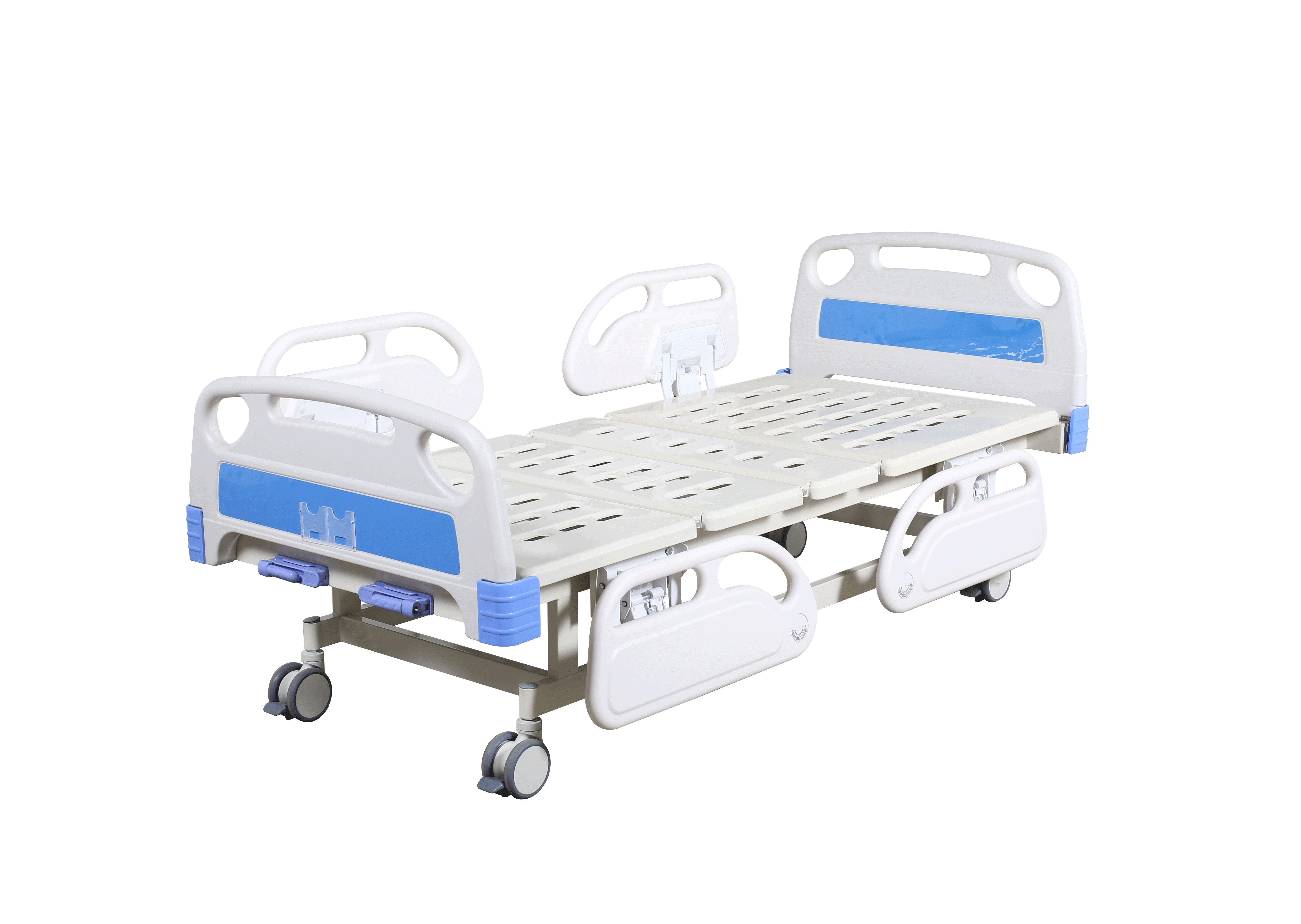
Technical Specifications and Core Components of Modern Leg Rehabilitation Systems
The performance of a state-of-the-art leg rehab machine is intrinsically linked to its sophisticated technical specifications and the synergy of its core components. These machines are engineered to provide precise, repeatable movements across multiple axes of the lower limb, mimicking natural gait patterns and targeted exercises.
Key Components:
- Actuator Systems: High-precision servo motors and pneumatic actuators provide controlled force and motion. These are often integrated with harmonic drives for smooth, backlash-free operation, ensuring patient safety and accurate trajectory replication.
- Sensor Arrays: Advanced sensor suites, including force sensors, accelerometers, gyroscopes, and encoders, continuously monitor patient interaction, joint angles, and movement speeds. This real-time data is critical for biofeedback and adaptive control.
- Control Unit & Software: A powerful embedded system running specialized algorithms processes sensor data, controls actuators, and manages exercise protocols. Human-Machine Interface (HMI) software allows therapists to customize parameters, track progress, and analyze performance data.
- Frame and Ergonomics: Constructed from medical-grade aluminum alloys or stainless steel, the frame provides structural integrity and stability. Ergonomic padding, adjustable supports, and patient harnessing systems ensure comfort and prevent secondary injuries.
- Safety Mechanisms: Emergency stop buttons, force-limiting algorithms, mechanical stops, and software interlocks are standard features, crucial for protecting both the patient and the therapist.
Typical Product Specifications:
| Parameter | Specification Range | Unit |
|---|---|---|
| Degrees of Freedom (DOF) | 2-6 (e.g., hip, knee, ankle flexion/extension, abduction/adduction) | N/A |
| Active Range of Motion (ROM) | Hip: 0-120°, Knee: 0-120°, Ankle: -20-50° | Degrees |
| Max Assistive Force | 50-200 | N |
| Max Patient Weight | 150-250 | kg |
| Adjustable Patient Height Range | 1.4 - 2.0 | m |
| Operational Modes | Passive, Active-Assistive, Resistive, Biofeedback | N/A |
| Data Logging & Analytics | Real-time progress tracking, customizable reports | N/A |
| Power Consumption (Max) | 500-1500 | W |
These specifications collectively define the capabilities and therapeutic efficacy of a leg rehab machine, ensuring it can cater to a diverse patient population with varying rehabilitation needs. The integration of advanced motor control and sensor feedback loops allows for unparalleled precision, which is critical for restoring complex motor functions.
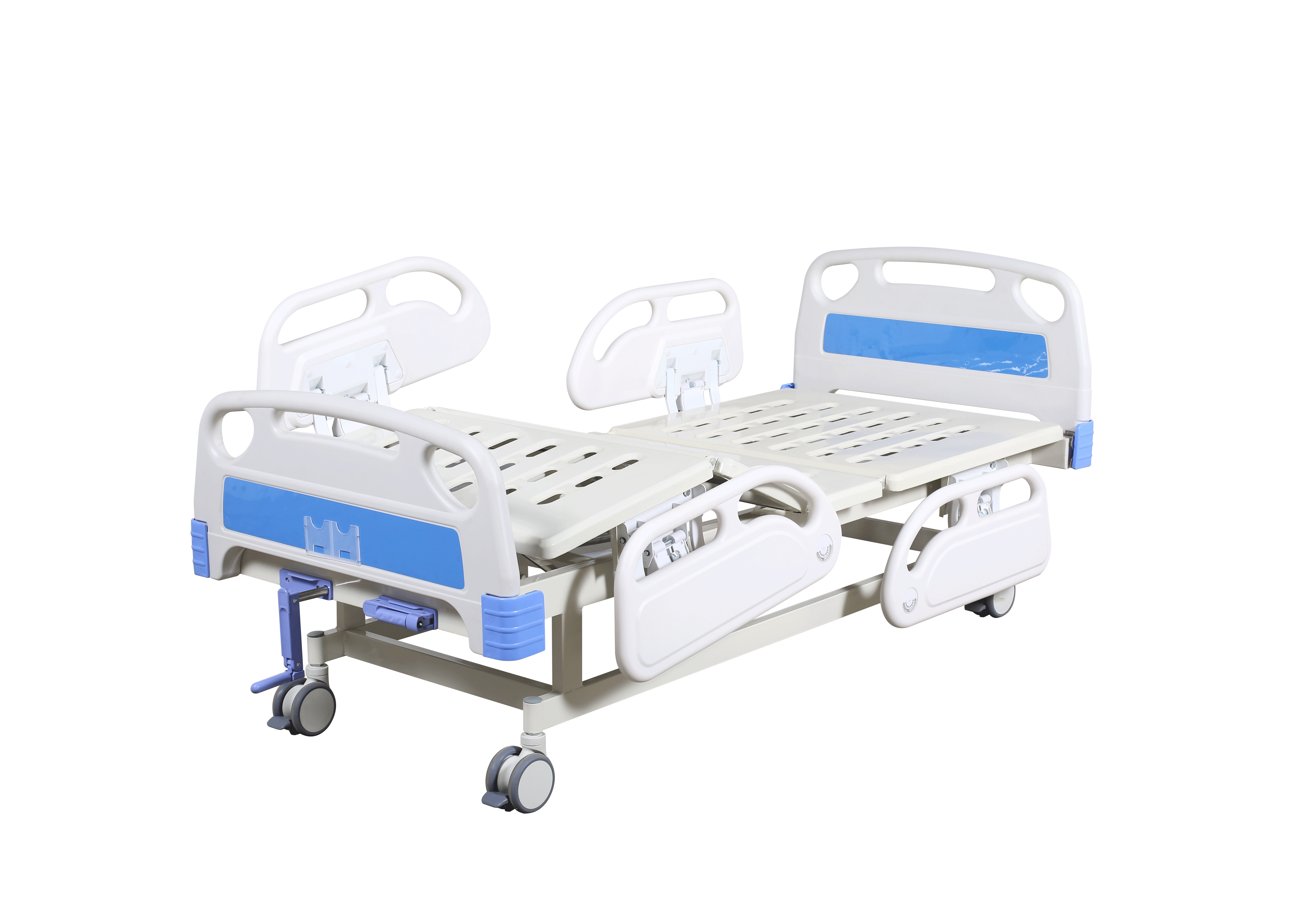
Manufacturing Process of Advanced Leg Rehabilitation Machinery
The production of a high-performance leg rehab machine involves a meticulously engineered process, ensuring precision, durability, and compliance with stringent medical device standards. This complex manufacturing journey integrates advanced materials science with cutting-edge fabrication techniques.
Process Flow:
- Design and Prototyping: Initial conceptualization and detailed CAD modeling (SolidWorks, CATIA). Rapid prototyping using 3D printing for ergonomic and functional validation. Emphasis on biomechanical accuracy and user safety.
- Material Selection and Preparation:
- Frame Components: High-strength, aerospace-grade aluminum alloys (e.g., 7075-T6) for lightweight yet robust structures, or medical-grade stainless steel (e.g., 316L) for superior corrosion resistance and biocompatibility.
- Wear Parts: High-performance polymers (e.g., PEEK, UHMW-PE) for bearings and joint interfaces, offering low friction and extended service life.
- Padding & Covers: Medical-grade, anti-bacterial, flame-retardant synthetic leathers or foams ensuring patient hygiene and comfort.
- Precision Component Fabrication:
- CNC Machining: Critical structural components and intricate mechanical parts are manufactured using multi-axis CNC milling and turning for micron-level precision and repeatability.
- Robotic Welding/Assembly: Automated welding (e.g., TIG, laser welding) for consistent, high-integrity joints on metal frames. Robotic assembly for modules requiring exact alignment.
- Surface Treatment: Anodizing for aluminum components to enhance hardness and corrosion resistance; electropolishing for stainless steel for improved surface finish and passivation.
- Electronics Integration: Assembly of PCBs, sensor arrays, actuator modules, and control units. Strict ESD (Electrostatic Discharge) protocols observed. Software flashing and initial calibration.
- Assembly & Calibration: Mechanical and electrical sub-assemblies are integrated. Kinematic calibration using laser trackers and precision jigs ensures that the machine's movements align perfectly with theoretical models.
- Testing and Quality Assurance:
- Functional Testing: Verification of all operational modes, speed, force, and range of motion.
- Safety Compliance: Electrical safety (IEC 60601-1), EMC testing (IEC 60601-1-2), and mechanical safety checks.
- Reliability and Endurance: Accelerated life cycle testing to predict component wear and ensure a service life typically exceeding 7-10 years under continuous clinical operation.
- Standards Adherence: Compliance with ISO 13485 (Medical Devices Quality Management), FDA 21 CFR Part 820, and CE marking directives for medical devices.
- Final Inspection & Packaging: Thorough visual inspection, documentation, and sterile packaging where applicable.
Target industries for these sophisticated machines primarily include hospitals, dedicated rehabilitation centers, sports medicine clinics, and increasingly, high-end home care environments. The advantages demonstrated in typical application scenarios include enhanced energy saving through efficient motor control algorithms, precise and consistent therapy delivery, and robust corrosion resistance of components, ensuring longevity and minimal maintenance.
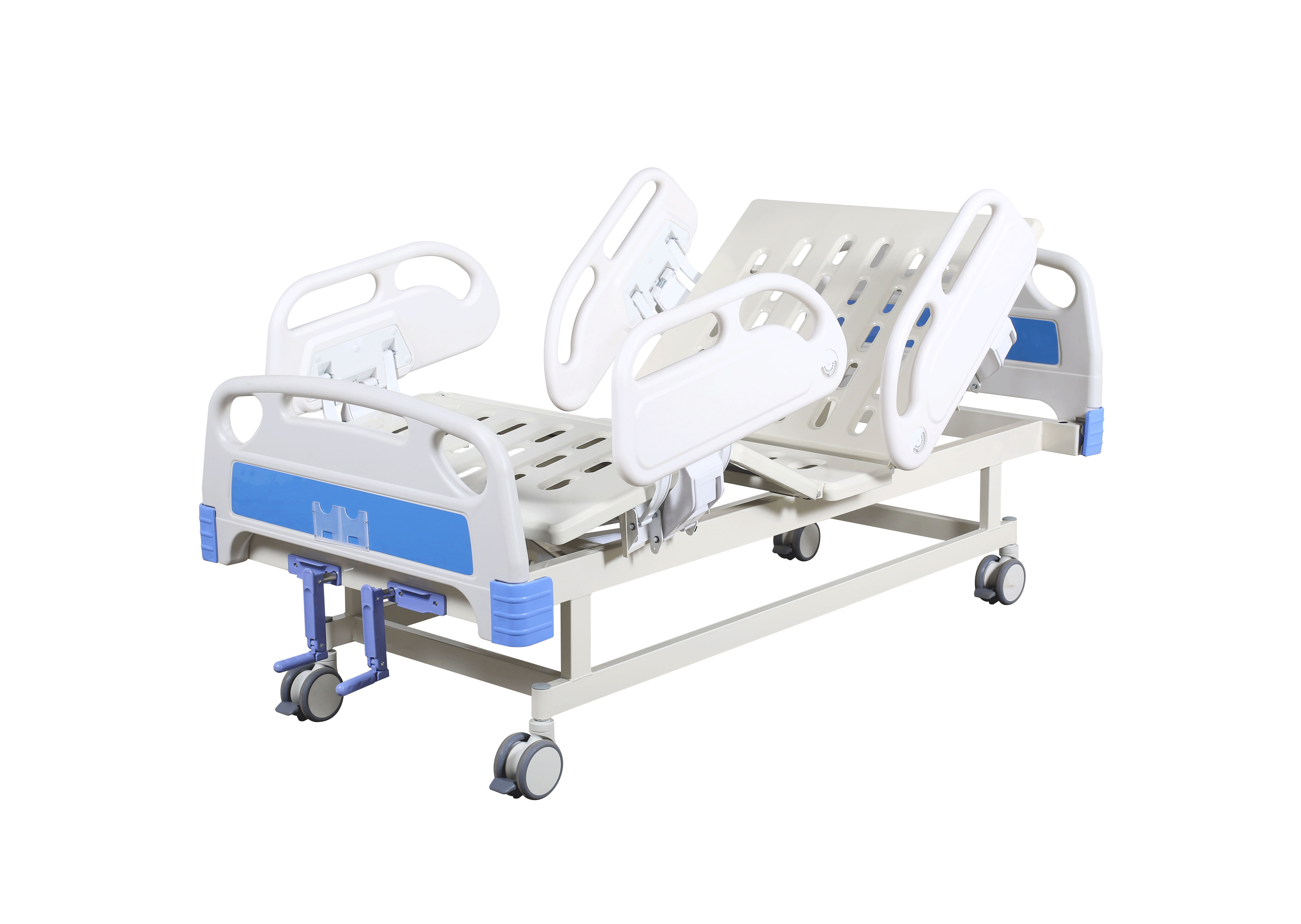
Application Scenarios and Target Industries for Leg Rehab Machines
The versatility and precision of a modern leg rehab machine make it indispensable across a wide array of clinical and rehabilitation settings. Its application extends far beyond general physical therapy, addressing specific needs within diverse patient populations.
Primary Application Scenarios:
- Neurological Rehabilitation: Patients recovering from stroke, spinal cord injury, traumatic brain injury, or living with conditions like Parkinson's disease or multiple sclerosis greatly benefit. The machine provides controlled, repetitive motion to rebuild neural pathways, improve motor control, and reduce spasticity.
- Orthopedic Post-Surgical Recovery: Following procedures such as total knee or hip replacement, ACL reconstruction, or fracture repair, these machines facilitate early, safe, and effective range-of-motion exercises, reducing recovery time and minimizing complications like muscle atrophy or joint stiffness.
- Sports Medicine and Athletic Injury Recovery: Athletes recovering from lower limb injuries (e.g., hamstring tears, Achilles tendon ruptures) utilize these devices for highly targeted, progressive loading exercises, accelerating their return to sport with reduced risk of re-injury.
- Geriatric Rehabilitation: For elderly patients aiming to improve balance, strength, and gait stability to prevent falls and maintain independence, the controlled and supportive environment of a rehab machine is ideal.
- Chronic Pain Management: Specific protocols can be implemented to improve lower limb function and reduce pain in conditions like osteoarthritis or chronic regional pain syndrome.
Target Industries:
- Hospitals and Acute Care Facilities: For immediate post-operative or post-trauma rehabilitation, enabling early mobilization.
- Specialized Rehabilitation Centers: These are the primary beneficiaries, utilizing advanced machines for intensive, long-term rehabilitation programs.
- Outpatient Physical Therapy Clinics: Offering advanced services to a broader community.
- Sports Performance Centers: Integrating rehab into peak performance training and injury prevention.
- Long-Term Care Facilities: Enhancing the quality of life and functional independence for residents.
In these scenarios, the advantages of using a robotic leg rehab machine are evident: energy saving through optimized motor control, enabling longer therapy sessions without excessive power consumption; exceptional corrosion resistance due to medical-grade materials ensuring longevity in high-use environments; and perhaps most importantly, vastly improved patient outcomes due to precise, consistent, and data-driven therapy.
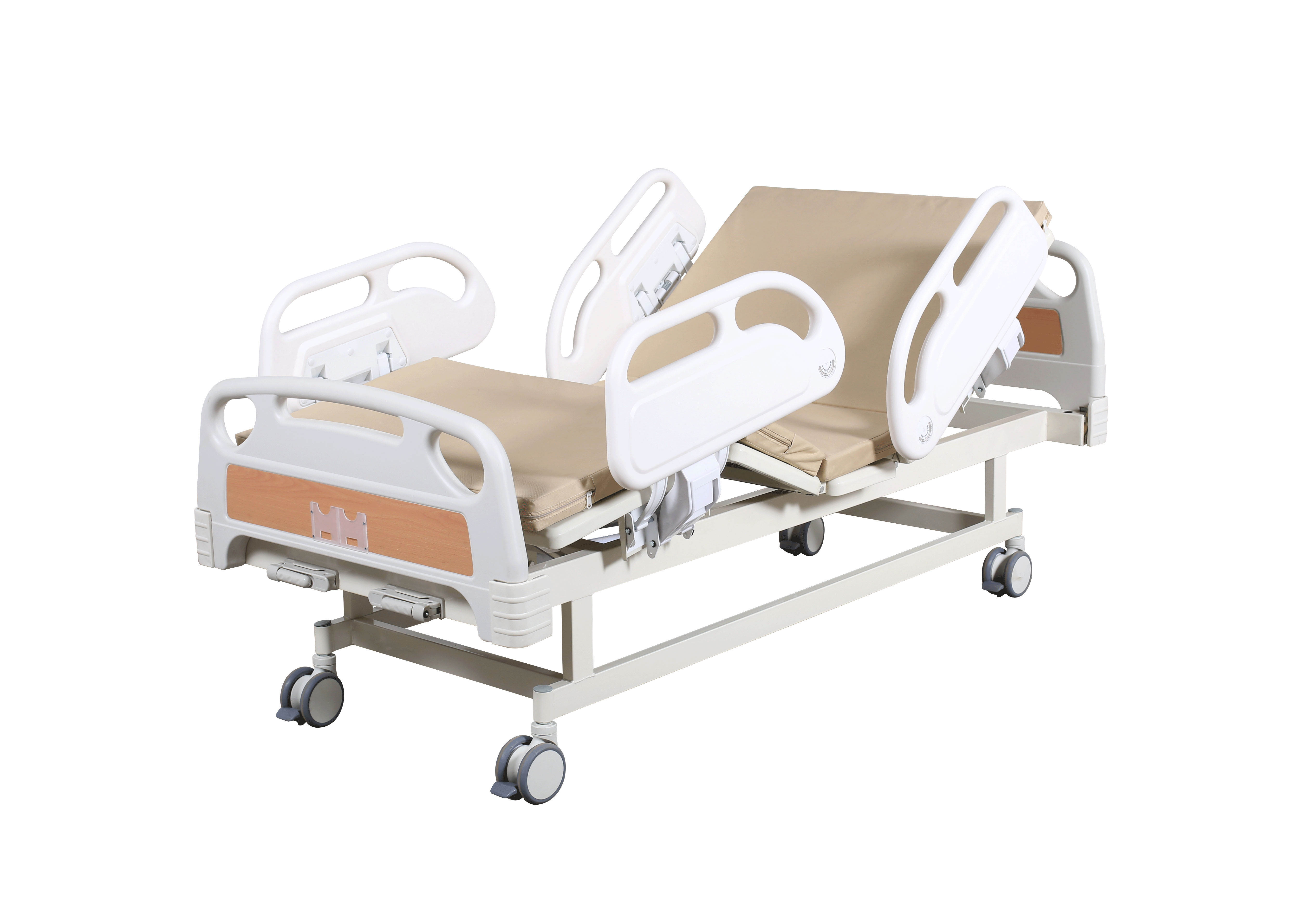
Technical Advantages of Modern Leg Rehabilitation Machines
Contemporary leg rehab machine technologies offer a compelling suite of technical advantages that set them apart from traditional therapy methods, delivering superior efficiency, safety, and therapeutic outcomes. These benefits are critical for healthcare providers seeking to optimize patient care and operational efficiency.
Core Advantages:
- Precision Kinematics and Repeatability: Robotic systems provide highly accurate and consistent movement patterns, far surpassing manual therapy in terms of precision. This ensures that exercises are performed correctly every time, optimizing muscle activation and neurological retraining, and minimizing the risk of improper movement leading to re-injury.
- Customizable and Adaptive Protocols: Advanced software allows therapists to fine-tune every aspect of a rehabilitation session – from range of motion, speed, and force to resistance levels and assistance modes. Crucially, many systems incorporate adaptive algorithms that adjust parameters in real-time based on patient performance, providing just the right amount of challenge or support (assist-as-needed approach).
- Objective Data Analytics and Progress Tracking: Integrated sensors continuously collect a wealth of data on patient performance, including joint angles, forces exerted, muscle activation (via optional EMG integration), and movement symmetry. This objective data is visualized through comprehensive reports, enabling therapists to quantify progress, demonstrate efficacy, and make evidence-based adjustments to treatment plans. This level of data is unattainable with manual methods.
- Enhanced Patient Engagement through Gamification: Many systems incorporate interactive virtual reality (VR) or gaming elements, transforming repetitive exercises into engaging and motivating tasks. This gamified approach significantly improves patient compliance and motivation, which are key determinants of rehabilitation success.
- Safety Features and Fall Prevention: Advanced systems are equipped with multiple layers of safety, including emergency stop mechanisms, intelligent force/torque limits, and integrated harness systems that prevent falls. This allows for early mobilization and more challenging exercises in a safe, controlled environment.
- Energy Efficiency: Through optimized motor designs and intelligent power management systems, modern machines are increasingly energy-efficient. Regenerative braking systems, for instance, capture and reuse energy during certain movements, contributing to lower operational costs and a reduced environmental footprint.
- Durability and Corrosion Resistance: Built with medical-grade stainless steel and anodized aluminum, these machines offer exceptional durability and resistance to corrosion, essential for longevity in clinical environments where disinfection and frequent use are common. This ensures a long service life and high ROI.
- Reduced Therapist Burden: By automating repetitive tasks, the leg rehab machine frees up therapists to focus on higher-level clinical decision-making, patient assessment, and personalized coaching, improving the overall efficiency of the therapy department.
These integrated technical advantages position advanced leg rehabilitation machines as indispensable tools for modern therapy, pushing the boundaries of what is possible in patient recovery.
Vendor Comparison and Market Landscape
The market for advanced leg rehab machine technology is dynamic, featuring several key players offering a range of innovative solutions. While specific product names are subject to change, understanding the typical differentiation points between vendors is crucial for B2B decision-makers. Factors such as technological sophistication, application versatility, after-sales support, and cost-effectiveness often drive purchasing decisions.
Key Differentiators in the Leg Rehab Machine Market:
- Level of Automation and Robotics: Some vendors specialize in highly sophisticated robotic exoskeletons offering full gait support, while others provide simpler, motor-driven CPM (Continuous Passive Motion) or cycle ergometer solutions.
- Software and AI Capabilities: Differentiation often lies in the intelligence of the software – how well it adapts to patient progress, integrates biofeedback, and offers gamified therapy modules.
- Target Patient Population: Certain machines are optimized for specific conditions (e.g., neurological, pediatric, sports injuries), influencing their kinematics and interface design.
- Modularity and Expandability: The ability to add modules (e.g., for upper limb rehabilitation, virtual reality environments) or upgrade software versions.
- Certifications and Regulatory Compliance: Strict adherence to global medical device standards (FDA, CE, ISO 13485) is non-negotiable but can vary in terms of specific country approvals.
- Service and Support Network: Availability of local technical support, training programs, and spare parts.
Comparative Overview (Illustrative):
| Feature | Vendor Archetype A (High-End Robotic Exoskeleton) | Vendor Archetype B (Modular, Sensor-Based System) | Vendor Archetype C (Compact, Motorized Trainer) |
|---|---|---|---|
| Primary Focus | Neurological gait rehabilitation, full body support | Orthopedic/sports rehab, targeted joint motion | Early mobility, strength maintenance (in-bed/chair) |
| Degrees of Freedom (DOF) | 6+ (hip, knee, ankle, pelvis) | 2-4 (e.g., knee, ankle only) | 1-2 (pedal rotation, knee flexion) |
| Adaptive Intelligence | Advanced AI-driven gait pattern adjustment, force adaptation | Real-time torque/speed adjustment based on patient input | Basic resistive/assistive modes |
| Biofeedback/Gamification | Integrated VR, complex haptic feedback | Graphical progress display, simple game interfaces | Basic digital display of metrics |
| Typical Price Range | $100,000 - $500,000+ | $20,000 - $100,000 | $500 - $5,000 |
| Installation & Footprint | Complex, dedicated therapy room, large footprint | Moderate, integrated into existing therapy areas | Simple, portable, minimal footprint |
This comparison illustrates that selecting the optimal leg rehab machine requires a thorough assessment of clinical needs, patient demographics, facility space, and budget. Each vendor archetype brings distinct strengths, catering to different segments of the rehabilitation market.
Customized Solutions and Seamless Integration
Recognizing that every clinical setting has unique requirements, leading manufacturers of leg rehab machine technology offer comprehensive customized solutions. These range from tailored hardware configurations to bespoke software integrations, ensuring the machine perfectly aligns with a facility's workflow and patient population needs.
Customization Options:
- Modular Hardware: Many systems are designed with modularity in mind, allowing the addition of specific modules for upper limb rehabilitation, trunk support, or dynamic weight relief systems. This enables facilities to scale their rehabilitation capabilities as needs evolve.
- Patient-Specific Accessories: Custom harnesses, footplates, or padded supports can be designed to accommodate patients with unusual anthropometrics or specific limb deformities, ensuring comfort and biomechanical correctness.
- Therapy Protocol Development: Expert teams can work with clinical staff to develop specialized therapy protocols for unique patient cohorts (e.g., pediatric neurological rehab, advanced athletic conditioning), integrating these directly into the machine's software.
- Branding and Aesthetics: For high-profile facilities or private clinics, cosmetic customization, including color schemes and branding, can be integrated to match the facility's aesthetic.
Seamless Integration:
Beyond physical customization, integration with existing healthcare IT infrastructure is paramount.
- EMR/EHR System Connectivity: Data from the leg rehab machine (e.g., performance metrics, progress reports) can be seamlessly integrated into a facility's Electronic Medical Records (EMR) or Electronic Health Records (EHR) systems via standard protocols like HL7 or DICOM. This reduces manual data entry, improves data accuracy, and streamlines patient charting.
- API for Research and Development: For academic institutions or research-focused clinics, an open Application Programming Interface (API) allows researchers to extract raw data for advanced analysis or to integrate the machine with novel research tools and experimental setups.
- Network Integration: Machines are designed for secure network integration, enabling remote diagnostics, software updates, and data backup, minimizing downtime and maintenance costs.
This dual approach to customization and integration ensures that a leg rehab machine is not just a standalone piece of equipment but an integral, harmonized component of a comprehensive, modern rehabilitation ecosystem, maximizing its therapeutic impact and operational efficiency.
Real-World Application Case Studies
The transformative impact of the leg rehab machine is best illustrated through real-world application, showcasing tangible benefits in patient recovery and clinical efficiency. These case studies highlight the machine's role in complex rehabilitation journeys.
Case Study 1: Post-Stroke Gait Restoration
A 68-year-old male presented with significant hemiparesis (weakness on one side of the body) following an ischemic stroke, resulting in impaired gait and balance. Traditional physical therapy yielded slow progress due to fatigue and difficulty in maintaining consistent movement patterns. Introduction to an advanced robotic leg rehab machine allowed for highly repetitive and precise gait training. Initial sessions focused on passive range of motion, gradually progressing to active-assistive mode with visual biofeedback through a gamified interface. Over 12 weeks of therapy (three 45-minute sessions per week), objective data from the machine showed a 35% improvement in stride length symmetry and a 28% increase in walking speed (measured by a 10-meter walk test). Clinically, the patient demonstrated significant gains in functional independence, requiring only minimal assistance for ambulation compared to moderate assistance prior to robotic therapy. The consistent, quantifiable feedback provided by the machine was pivotal in motivating the patient and guiding the therapist in protocol adjustments.
Case Study 2: Accelerated ACL Reconstruction Recovery
A 24-year-old semi-professional athlete underwent anterior cruciate ligament (ACL) reconstruction. Early, controlled mobilization is crucial for ACL recovery, but careful adherence to range-of-motion limits is paramount. The leg rehab machine was integrated into the rehabilitation protocol from week 2 post-surgery. Its precise control over knee flexion and extension angles ensured that the graft was protected while promoting early synovial fluid production and reducing stiffness. Using the machine's resistive modes, progressive strength training was introduced earlier and more safely than would have been possible with manual resistance. Data analytics from the machine showed a consistent 10-degree increase in knee flexion per week during the early phase, with subsequent improvements in quadriceps and hamstring strength symmetry. The athlete returned to sport-specific training three weeks ahead of the predicted schedule, attributing the rapid, safe progress to the structured, data-driven therapy provided by the robotic system.
Case Study 3: Addressing Pediatric Mobility Challenges
A 9-year-old child with cerebral palsy experienced significant spasticity and limited lower limb mobility. Adapting an adult-sized leg rehab machine with custom pediatric harnessing and smaller footplates, therapists designed a program focused on reducing spasticity and improving active range of motion. The machine's force-feedback features allowed for gentle, consistent stretching and movement, circumventing the child's involuntary muscle contractions. Through engaging visual feedback games, the child's motivation for therapy dramatically increased. After six months of consistent use, the child demonstrated a measurable reduction in spasticity (quantified by Modified Ashworth Scale scores) and a significant improvement in independent standing balance, observed both within the machine's recorded metrics and during unassisted play. This case highlights the adaptability of modern rehab machines to specific patient needs, including pediatric populations.
Ensuring Trust: Certifications, Support, and Warranty
For B2B buyers in the medical sector, the decision to invest in a leg rehab machine is underpinned by trust – trust in the product's safety and efficacy, trust in the manufacturer's reliability, and trust in the ongoing support. We prioritize transparency and comprehensive assurances to build this trust.
Authoritative Certifications & Compliance:
- ISO 13485 Certified: Our manufacturing facilities adhere strictly to ISO 13485:2016, the international standard for medical device quality management systems. This certification guarantees robust processes for design, development, production, installation, and servicing of medical devices.
- FDA Registration: Our leg rehab machine products intended for the US market are registered with the U.S. Food and Drug Administration (FDA) and comply with all relevant 21 CFR regulations, ensuring product safety and efficacy.
- CE Marking: For the European market, our devices bear the CE mark, signifying compliance with European health, safety, and environmental protection standards, as outlined in the Medical Device Regulation (MDR) (EU) 2017/745.
- IEC 60601 Series: Adherence to the IEC 60601 family of standards for medical electrical equipment, covering essential performance and safety, including electrical safety (IEC 60601-1) and electromagnetic compatibility (IEC 60601-1-2).
Lead Time & Fulfillment:
Standard lead time for our leg rehab machine models typically ranges from 4-8 weeks from confirmed order, depending on configuration and customization. Expedited options may be available upon request. We maintain a robust supply chain and efficient production schedules to ensure timely delivery and installation. Our dedicated logistics team manages global shipping, customs clearance, and local delivery to minimize hassle for our clients.
Comprehensive Warranty Commitments:
We stand behind the quality and reliability of our products with a comprehensive warranty program.
- Hardware Warranty: A standard 2-year warranty covers mechanical and electrical components against manufacturing defects under normal use. Extended warranty options are available.
- Software Warranty: Software is warranted against defects for a period of 1 year, with free updates for minor bug fixes and security patches within that period.
- On-Site Service: Depending on geographical location and service agreements, on-site diagnostics and repair services are provided by certified technicians.
Dedicated Customer Support & After-Sales Service:
Our commitment extends beyond the sale. We offer multi-tiered customer support designed to ensure seamless operation and maximize the lifespan of your rehabilitation equipment.
- Technical Support Hotline: 24/7 access to technical support specialists for immediate troubleshooting and guidance.
- Training Programs: Comprehensive on-site and virtual training for clinical staff on machine operation, maintenance, and advanced therapy protocols.
- Preventative Maintenance Agreements: Scheduled maintenance visits by certified technicians to ensure optimal performance and preempt potential issues.
- Spare Parts Availability: Guaranteed availability of genuine spare parts for the entire service life of the machine, minimizing downtime.
This holistic approach to quality, support, and transparency solidifies our position as a trustworthy partner in advanced rehabilitation technology.
Frequently Asked Questions (FAQ)
Q1: What conditions can a leg rehab machine effectively treat?
A1: A modern leg rehab machine is highly versatile and can effectively treat a broad range of conditions affecting the lower limbs. These include neurological impairments such as stroke, spinal cord injury, traumatic brain injury, multiple sclerosis, and Parkinson's disease. It's also invaluable for orthopedic rehabilitation post-surgery (e.g., total knee/hip replacement, ACL reconstruction), following fractures, and for recovery from athletic injuries. Additionally, it aids in geriatric rehabilitation for strength and balance improvement and helps manage chronic lower limb pain.
Q2: What are the key differences between a robotic leg rehab machine and traditional therapy?
A2: Robotic leg rehab machines offer several advantages over traditional manual therapy. They provide unparalleled precision and repeatability of movements, ensuring consistent, high-quality exercise. They can deliver higher intensity and volume of repetitions without therapist fatigue. Furthermore, they offer objective data tracking and real-time biofeedback, allowing for data-driven adjustments to therapy. Many systems also feature engaging gamified interfaces to enhance patient motivation and compliance, which is often difficult to achieve with traditional methods.
Q3: How long is the typical service life of your leg rehab machine?
A3: Our leg rehab machines are built with high-grade, medical-quality materials such as stainless steel and aerospace-grade aluminum alloys, designed for rigorous clinical use. With proper maintenance and adherence to service schedules, our machines are engineered to have a service life of 7-10 years or more, ensuring a significant return on investment for healthcare facilities.
Q4: Are your leg rehab machines compliant with international medical device standards?
A4: Absolutely. All our leg rehab machine products are meticulously designed and manufactured to comply with the most stringent international medical device standards. This includes ISO 13485 for quality management, FDA registration for the U.S. market, CE marking for the European Union, and adherence to the IEC 60601 series for electrical and mechanical safety.
Q5: Can the leg rehab machine integrate with our existing Electronic Medical Records (EMR) system?
A5: Yes, our advanced leg rehab machines are designed for seamless integration with most standard EMR/EHR systems. We utilize industry-standard protocols such as HL7 to facilitate the secure transfer of patient performance data, therapy logs, and progress reports, streamlining clinical workflows and enhancing data accuracy. We can provide consultation and support for integration planning.
Conclusion & References
The advent of sophisticated leg rehab machine technology has ushered in a new era for physical therapy, moving beyond traditional limitations to offer precise, data-driven, and highly effective rehabilitation solutions. By leveraging advanced robotics, intelligent software, and robust engineering, these machines provide unparalleled consistency, safety, and engagement, leading to significantly improved patient outcomes across diverse medical conditions. For B2B decision-makers, investing in these advanced systems represents not just an upgrade in equipment, but a strategic commitment to cutting-edge patient care, operational efficiency, and a demonstrable return on investment through enhanced therapeutic efficacy and streamlined clinical workflows. As the healthcare landscape continues to evolve, the integration of such innovative technologies will be paramount in meeting the growing demand for high-quality, personalized rehabilitation.
References:
- Rauter, G., & Vallery, H. (2018). Rehabilitation Robotics: Control, Design, and Clinical Application. Frontiers in Robotics and AI, 5, 25.
- Esquenazi, A. (2018). Robotics in Rehabilitation: Past, Present, and Future. PM&R, 10(9), S188-S191.
- Krebs, H. I., & Hogan, N. (2019). Rehabilitation robotics: Haptic interactions. Encyclopedia of Robotics, 1-13.
- International Organization for Standardization. (2016). ISO 13485:2016 Medical devices – Quality management systems – Requirements for regulatory purposes.
- United States Food and Drug Administration. (2023). Medical Devices. Retrieved from www.fda.gov/medical-devices
- European Parliament and Council of the European Union. (2017). Regulation (EU) 2017/745 on medical devices.
-
Ultimate Guide to Choosing Extra Wide Waiting Room ChairsNewsApr.16,2026
-
Guide to Choosing Professional Waiting Room Chairs Wipeable SeatingNewsApr.09,2026
-
Enhance Your Space with Comfortable Wide Waiting Room ChairsNewsApr.07,2026
-
Selecting the Ideal Brown Waiting Room Chairs for a Welcoming SpaceNewsApr.04,2026
-
Choosing Comfortable Patient Waiting Room Chairs for Healthcare FacilitiesNewsMar.31,2026
-
Finding the Best Deals on Affordable and Cheap Reception Chairs for Your BusinessNewsMar.28,2026
-
Enhance Your Business Reception with Comfortable Blue Reception ChairsNewsMar.26,2026