Welcome to our websites!


Bed Children's Furniture: Safe, Durable & Smart Designs
Introduction to Advanced Pediatric Furniture Solutions
In the specialized domain of healthcare equipment, the demand for ergonomically designed, safe, and durable furniture is paramount. This is particularly true for pediatric applications, where the unique needs of young patients necessitate innovative solutions. This article delves into the critical aspects of bed children's furniture, a crucial component within modern medical facilities. We will explore the latest industry trends, technical specifications, diverse application scenarios, and the inherent advantages offered by advanced pediatric furniture, including related solutions like `regal hospital furniture`, `operating room furniture`, `hospital furniture chairs`, and `multifunction smart bed` systems. Our focus is on empowering B2B decision-makers with the insights needed to make informed procurement choices that enhance patient care and operational efficiency.
Manufacturing Process Flow for Pediatric Medical Beds
The production of high-quality bed children's furniture involves a stringent, multi-stage manufacturing process designed to meet rigorous medical standards for safety, hygiene, and durability.
1. Material Selection & Preparation
- Materials: Primarily medical-grade cold-rolled steel (Q235/Q345) for frames, high-density ABS plastic for head/foot boards and side rails, and rust-resistant aluminum alloys for structural components. Non-toxic, easy-to-clean, and impact-resistant materials are chosen.
- Cutting & Shaping: Precision CNC machining is employed for laser cutting and bending steel sheets and tubes to exact specifications, minimizing material waste and ensuring structural integrity.
2. Fabrication & Assembly
- Welding: Robotic welding ensures consistent, strong, and smooth joints for the steel frame, critical for patient safety and bed longevity.
- Surface Treatment: After welding, frames undergo sandblasting or chemical degreasing, followed by electrostatic powder coating. This provides a durable, anti-bacterial, and corrosion-resistant finish, crucial for sterile hospital environments and preventing wear from harsh cleaning agents.
- Component Integration: Precision injection molding is used for ABS plastic parts, ensuring smooth surfaces, rounded edges for safety, and seamless integration.
3. Quality Control & Testing
- Testing Standards: Each unit is subjected to rigorous testing according to international standards such as ISO 9001 (Quality Management), ISO 13485 (Medical Devices Quality Management), ANSI/BIFMA X5.9 (Storage Units), and relevant FDA guidelines. Tests include static load capacity, dynamic load (fatigue), stability, side rail integrity, and material biocompatibility.
- Service Life: Designed for an extensive service life of 10-15 years under typical hospital usage conditions, with proper maintenance.
4. Final Assembly & Packaging
- Assembly: Electrical components, casters, and articulating mechanisms are precisely installed and calibrated.
- Final Inspection: A comprehensive visual and functional inspection ensures all features operate correctly and aesthetics meet quality benchmarks.
- Packaging: Units are carefully packed to prevent damage during transit, utilizing robust corrugated cardboard and protective foam.
Target industries for these advanced furniture solutions include pediatric hospitals, neonatal intensive care units (NICU), children's clinics, long-term pediatric care facilities, and home healthcare providers. The advantages are clear: enhanced patient safety through robust design, superior hygiene with easy-to-clean surfaces, energy-saving features in electric models (e.g., low-power motors for height adjustment), and exceptional corrosion resistance due to advanced surface treatments, ensuring longevity even in high-humidity or chemically exposed environments.
Industry Trends in Pediatric and Hospital Furniture
The market for specialized medical furniture, particularly for pediatric applications, is experiencing significant evolution. Driven by advancements in medical technology, a heightened focus on patient-centric care, and evolving regulatory landscapes, several key trends are shaping the future of bed children's furniture.
- Integration of Smart Technologies: The emergence of `multifunction smart bed` systems is revolutionizing patient care. These beds often incorporate IoT sensors for vital sign monitoring, automatic repositioning for pressure sore prevention, nurse call integration, and remote control capabilities, significantly reducing caregiver workload and improving patient outcomes.
- Ergonomics and Patient Comfort: There is a growing emphasis on designing beds and `hospital furniture chairs` that not only meet medical requirements but also enhance patient comfort and support recovery. For children, this includes features like colorful designs, interactive elements, and comfortable mattresses that reduce anxiety and create a more child-friendly environment.
- Advanced Hygiene and Infection Control: With increasing concerns about hospital-acquired infections (HAIs), furniture manufacturers are developing materials and designs that are easier to clean and disinfect. Anti-microbial coatings, seamless surfaces, and removable components are becoming standard.
- Modularity and Customization: Healthcare facilities are seeking more modular and customizable furniture solutions to adapt to varying patient needs and space constraints. This includes beds with adjustable heights, lengths, and expandable features that can accommodate children of different ages and conditions.
- Sustainable Manufacturing: A push towards environmentally friendly practices is leading to the use of recyclable materials, energy-efficient manufacturing processes, and longer-lasting products, aligning with global sustainability goals.
- Specialized Furniture for Critical Care: The demand for highly specialized furniture, such as those found in `operating room furniture` suites or `regal hospital furniture` for high-acuity wards, continues to grow. This includes beds designed for easy patient transfer, integrated diagnostics, and compatibility with complex medical equipment.
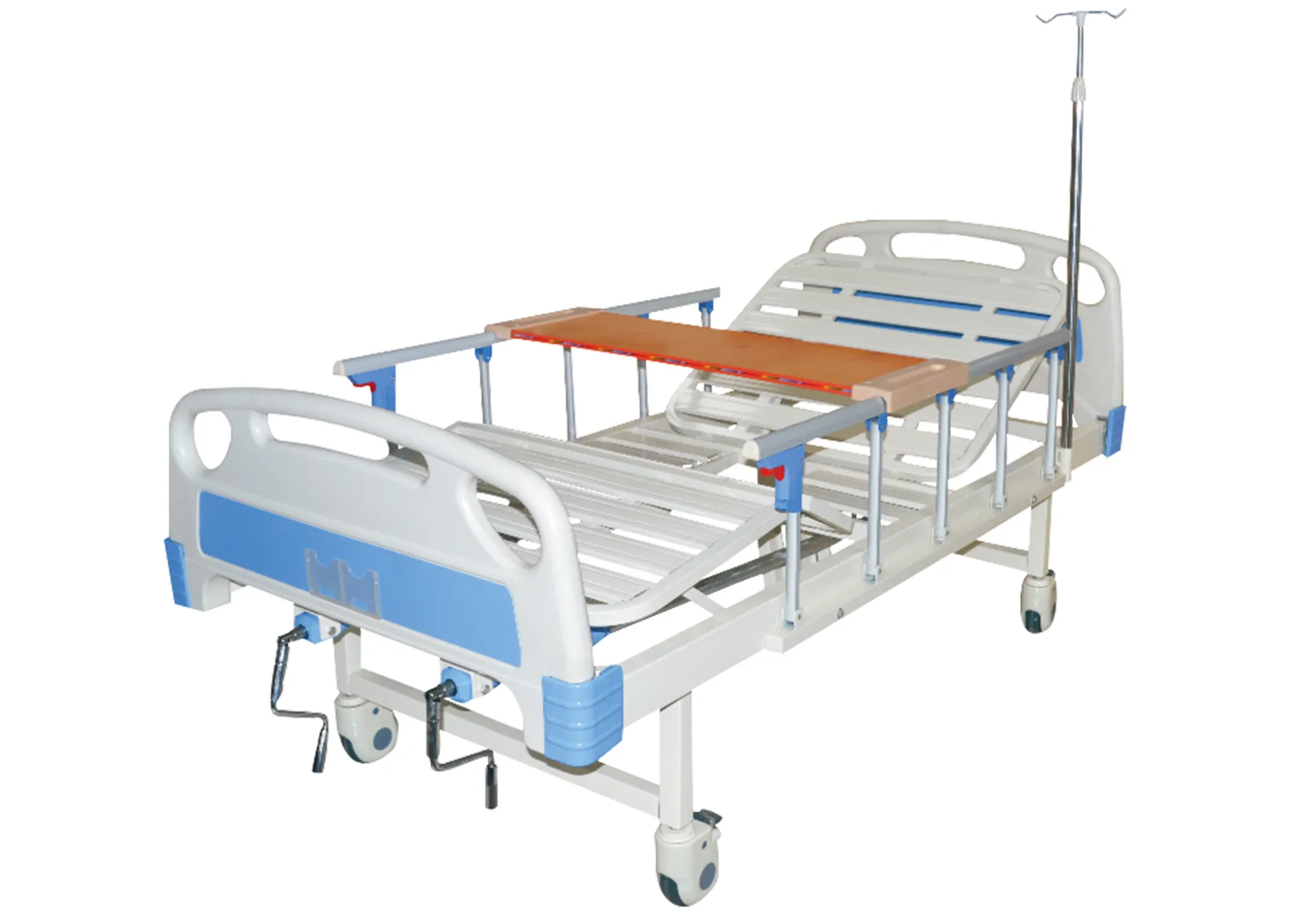
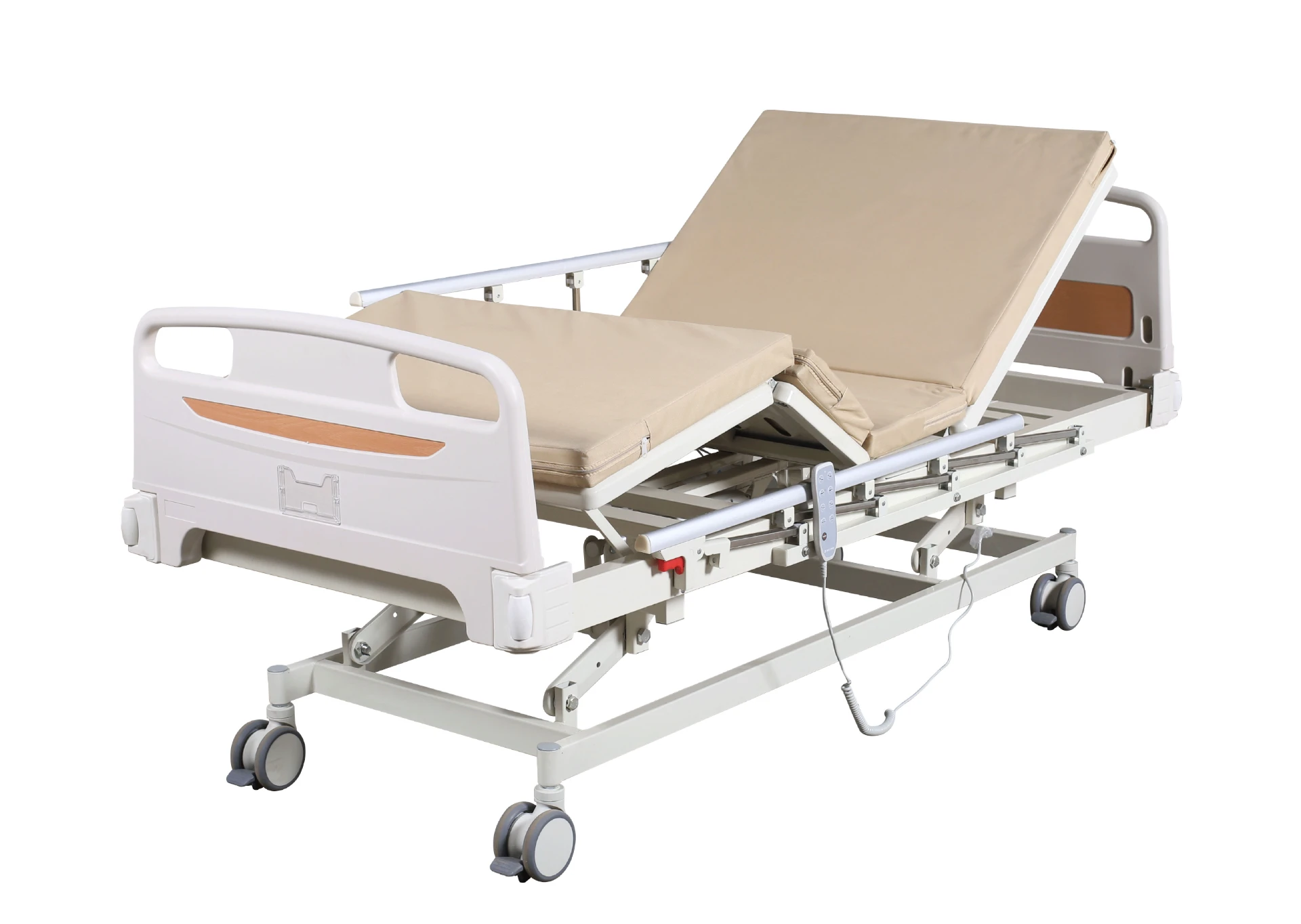
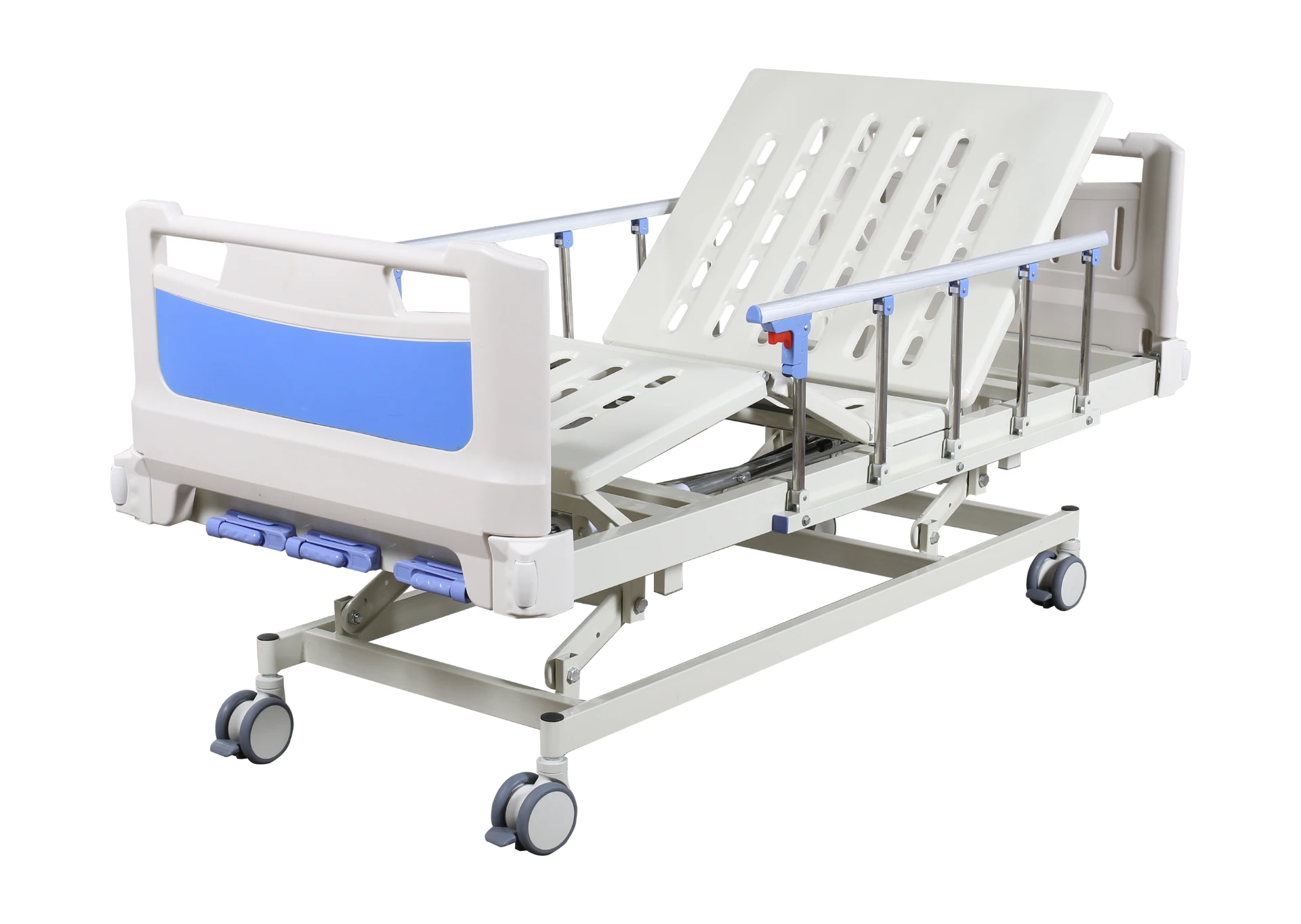
Image 1: Advanced pediatric medical bed showcasing design and functionality for child safety.
Technical Specifications of a Pediatric Hospital Bed
Understanding the detailed technical specifications is crucial for evaluating the suitability and performance of bed children's furniture. Below is a specification table for a high-quality manufacturer full size hospital bed for sale, optimized for pediatric use.
| Parameter | Specification | Details / Benefit |
|---|---|---|
| Overall Dimensions (L x W) | 2000mm x 900mm (±20mm) | Optimized for children while allowing caregiver access. |
| Height Adjustment Range | 450mm - 750mm (Electric/Manual) | Facilitates easy patient transfer and ergonomic working heights for staff. |
| Weight Capacity | Max. 180 kg (Static) / 135 kg (Dynamic) | Robust construction to ensure safety for various pediatric patient weights. |
| Bed Frame Material | Medical-grade Cold-Rolled Steel | High strength, durability, and treated for corrosion resistance. |
| Head & Foot Board Material | High-density ABS Plastic | Non-toxic, easy to clean, impact-resistant, often with colorful designs. |
| Side Rails | Integrated ABS Plastic, Full-Length, Foldable | Enhanced patient safety, prevents falls, easy access for caregivers. |
| Casters | 125mm Silent Swivel Casters with Brakes (4 pcs) | Smooth, quiet mobility; secure locking mechanism for stability. |
| Backrest Adjustment Angle | 0-75° (±5°) | Accommodates various patient positions for comfort and medical procedures. |
| Leg Rest Adjustment Angle | 0-45° (±5°) | Supports leg elevation, improves circulation, and aids in recovery. |
| Trendelenburg/Reverse Trendelenburg | Optional, up to 12° | Essential for certain medical procedures and respiratory support. |
| Certifications | ISO 9001, ISO 13485, CE, FDA Listed (where applicable) | Ensures compliance with international quality and safety standards. |
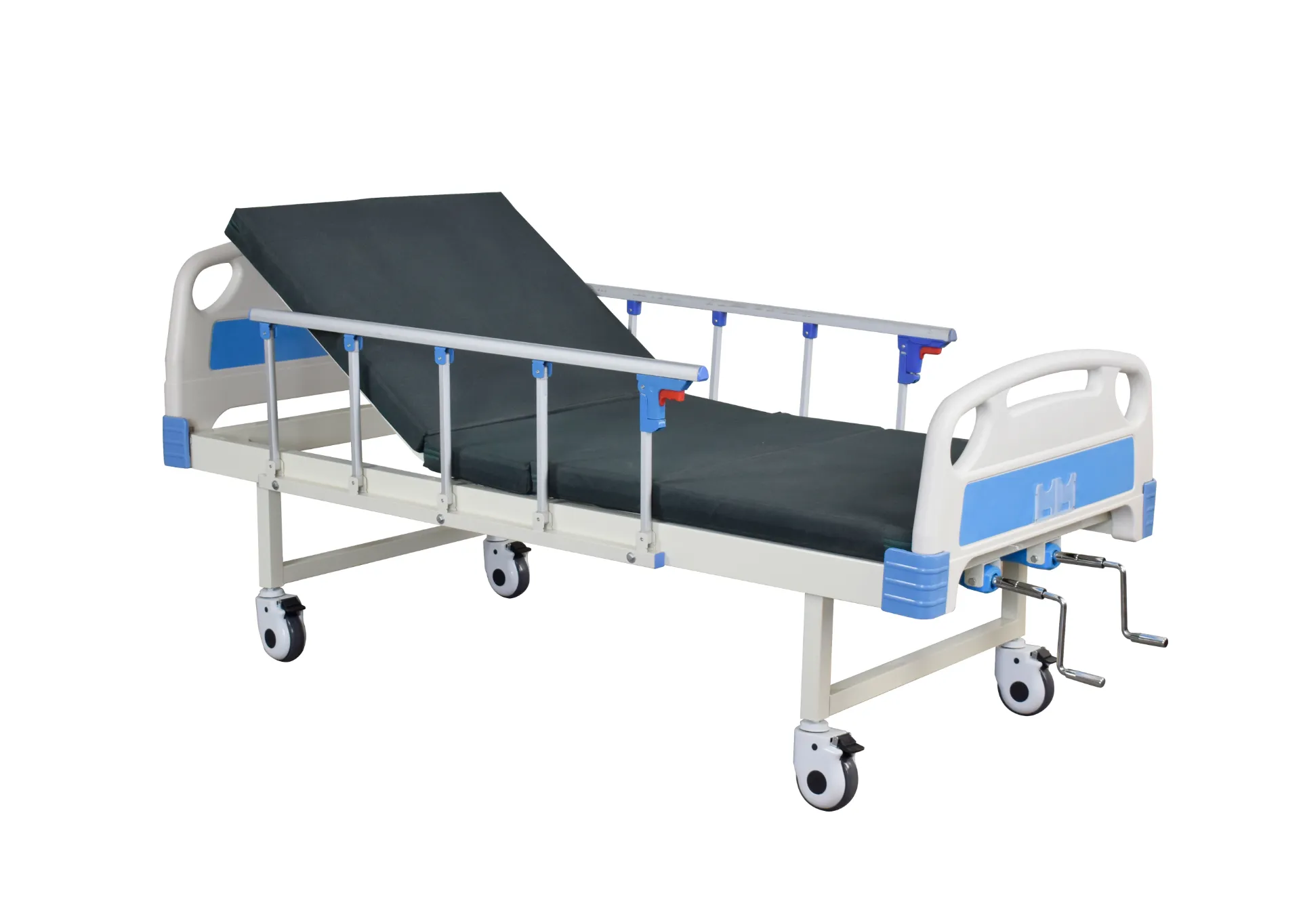
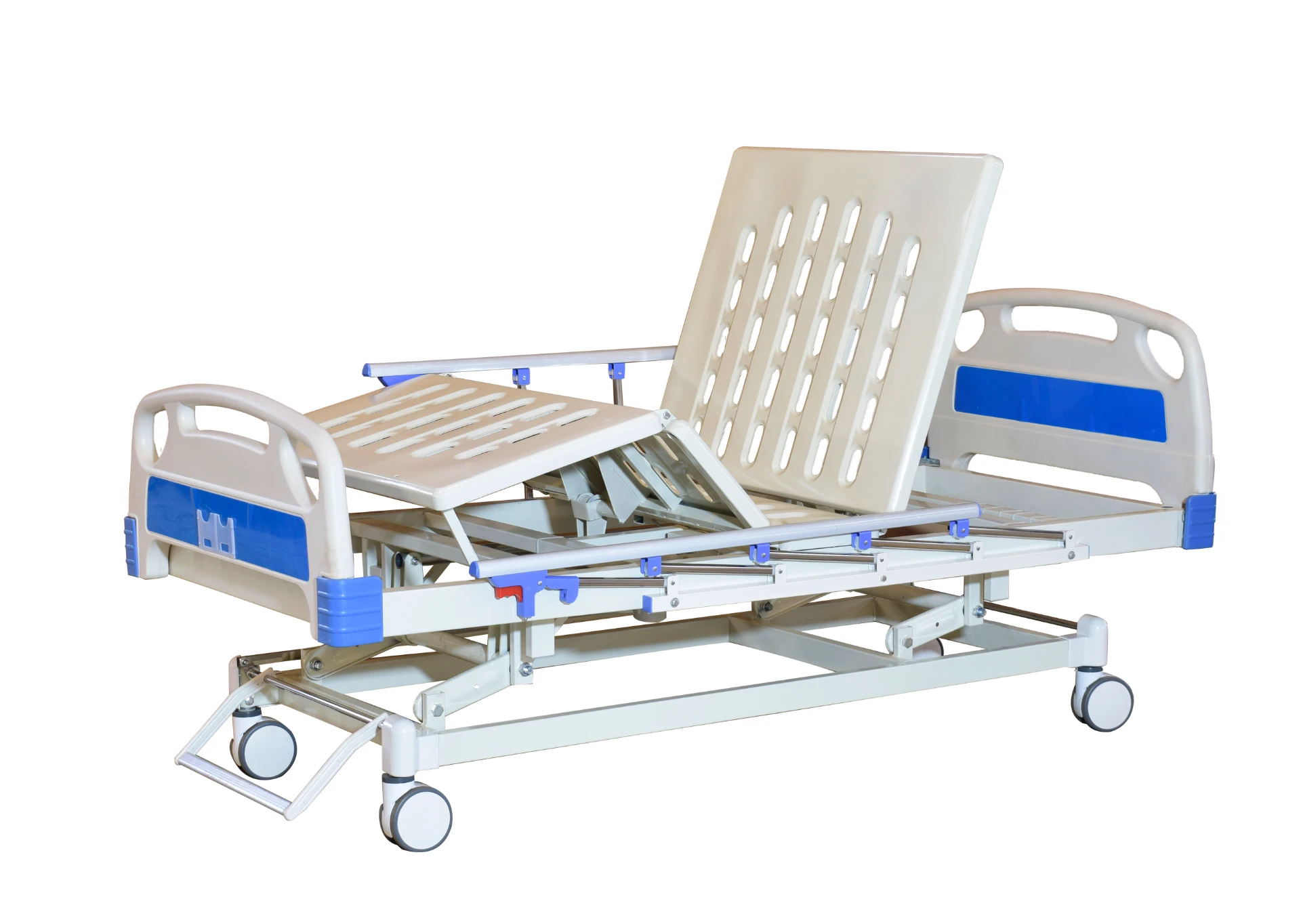
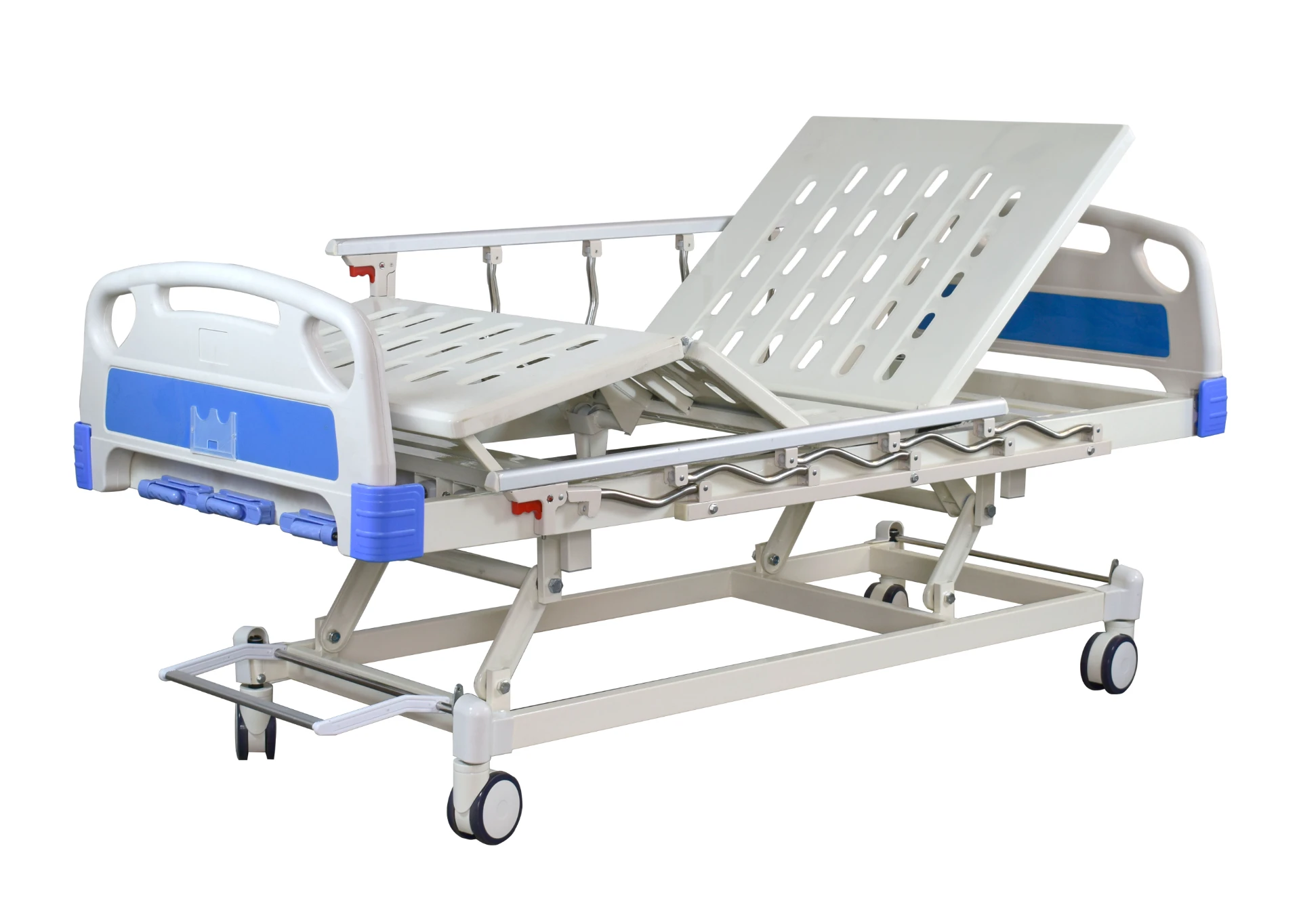
Image 2: Close-up of pediatric bed features, emphasizing safety rails and control panel.
Application Scenarios for Pediatric Medical Furniture
The versatility and specialized design of bed children's furniture allow for its deployment across a spectrum of healthcare environments, each with unique requirements.
- Pediatric Wards & General Hospitals: Standard application for routine patient care, post-operative recovery, and general pediatric admissions. Beds provide essential safety features like high side rails and rounded edges.
- Neonatal Intensive Care Units (NICU): Highly specialized cribs and beds are critical here, often featuring precise temperature control, integrated monitoring, and easy access for medical staff, ensuring the delicate care required for newborns.
- Children's Hospitals & Specialized Clinics: Designed to create a less intimidating environment for children, these beds often feature playful aesthetics, interactive elements, and robust construction to withstand active use. This also extends to accompanying `hospital furniture chairs` and examination tables.
- Emergency Departments (ED) / Trauma Centers: Beds that offer quick adjustability, seamless compatibility with imaging equipment, and easy mobility are vital for rapid assessment and stabilization of pediatric trauma patients.
- Home Healthcare Settings: Increasingly, advanced `multifunction smart bed` solutions are adapted for home use, providing comfort and medical support in a familiar environment, aiding long-term recovery or chronic condition management for children.
- Post-Anesthesia Care Units (PACU) / Recovery Rooms: Following procedures performed in `operating room furniture` suites, pediatric beds in PACUs ensure safe and monitored recovery, with features like Trendelenburg positioning for specific post-operative needs.
The adaptability of modern `regal hospital furniture` ensures that from general wards to highly specialized units, the appropriate level of care and comfort can be consistently delivered, promoting faster recovery and improving overall patient experience for children.
Technical Advantages of Advanced Pediatric Furniture
Modern bed children's furniture offers distinct technical advantages that set it apart from conventional options, ensuring superior safety, efficiency, and comfort.
- Unparalleled Safety Features:
- Full-Length Side Rails: Designed to prevent falls, with minimal gaps to eliminate entrapment risks, compliant with IEC 60601-2-52 standards.
- Smooth, Rounded Edges: All exposed surfaces are deburred and rounded to prevent injuries from sharp edges.
- Locking Casters: Ensures stability during patient transfers and medical procedures.
- Low Bed Position: Minimizes injury risk in case of accidental falls from the bed.
- Superior Hygiene and Infection Control:
- Non-Porous Materials: ABS plastic and powder-coated steel resist bacterial growth and are easy to disinfect with hospital-grade cleaning agents.
- Seamless Design: Minimizes crevices where pathogens can accumulate.
- Removable Components: Head/foot boards and side rails can often be removed for thorough cleaning.
- Enhanced Ergonomics for Patients and Caregivers:
- Electric Adjustability: Smooth, quiet motor-driven height, backrest, and leg rest adjustments reduce manual strain on caregivers and allow precise patient positioning.
- User-Friendly Controls: Intuitive handheld remotes or integrated control panels facilitate easy operation.
- Caregiver Access: Designs that allow close approach to the patient without obstruction, vital during critical care scenarios in facilities using `operating room furniture` for procedures.
- Durability and Longevity:
- Robust Construction: Heavy-gauge steel frames and high-quality components ensure prolonged service life even in high-traffic hospital environments.
- Corrosion Resistance: Advanced powder coating and material treatments protect against rust and degradation from cleaning solutions.
- Integration Capabilities:
- Accessory Mounts: Standardized rails for IV poles, patient monitors, and drainage bags.
- Electronic Compatibility: Many models, especially `multifunction smart bed` types, are designed to seamlessly integrate with hospital information systems (HIS) and electronic medical records (EMR).
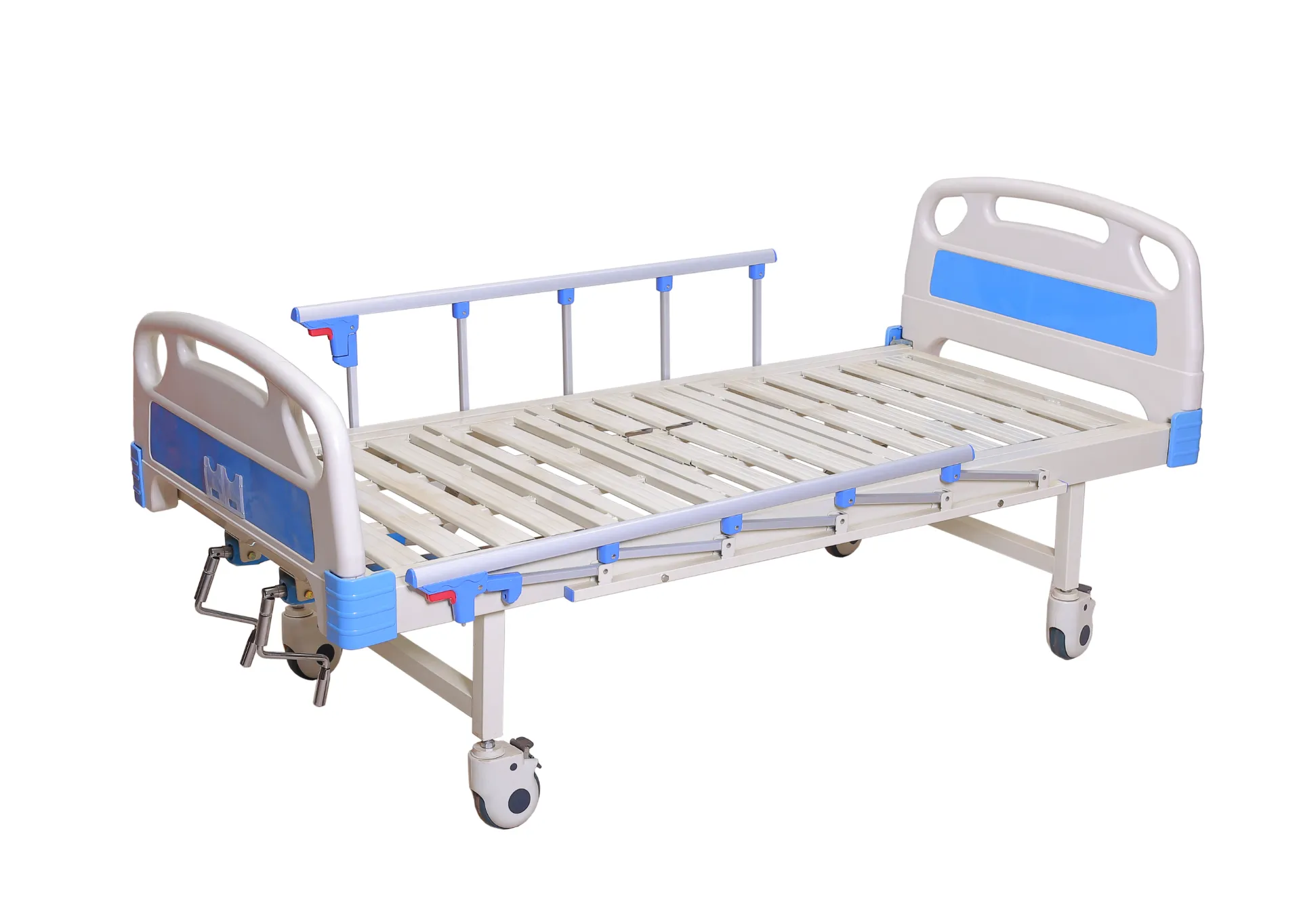
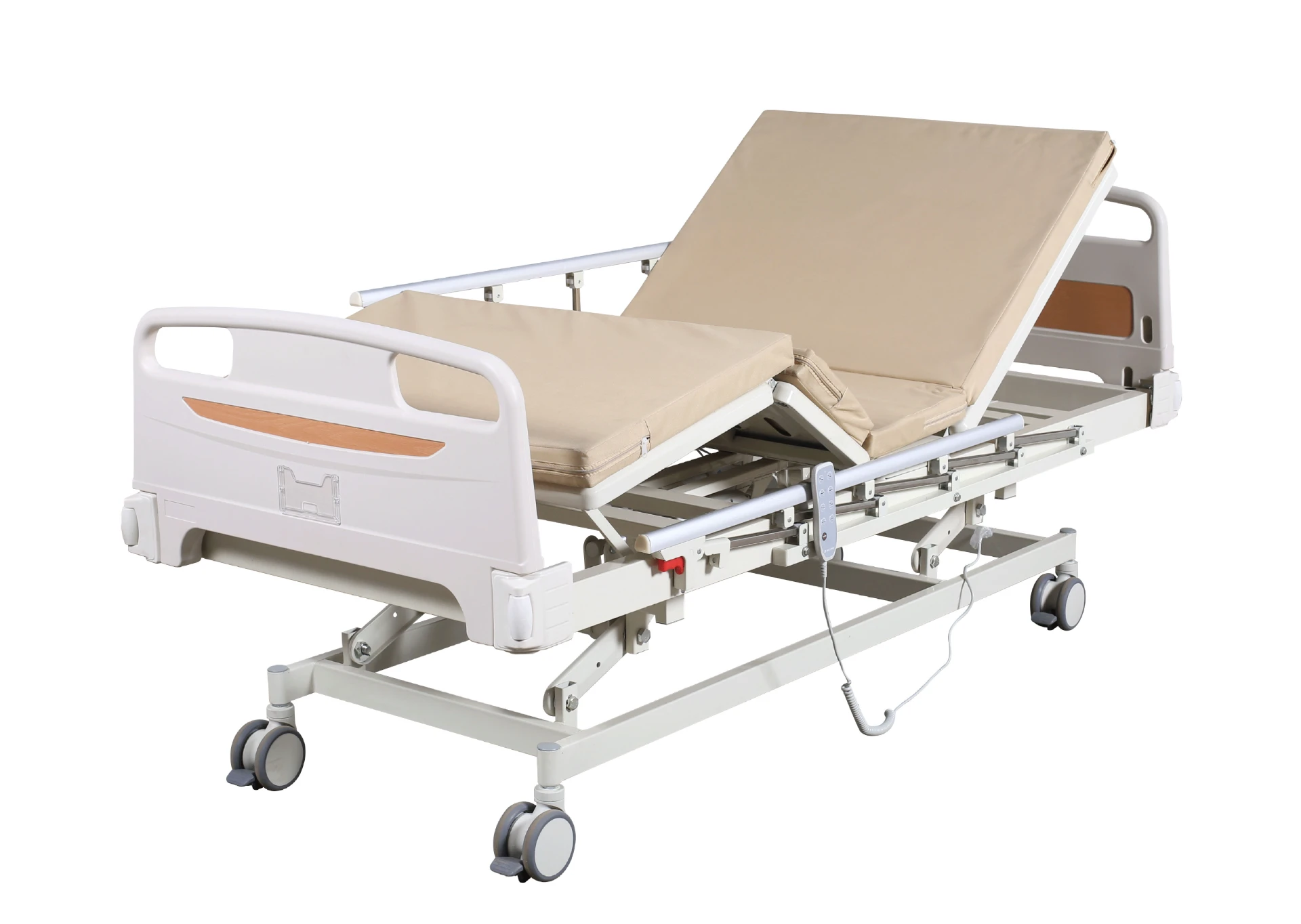
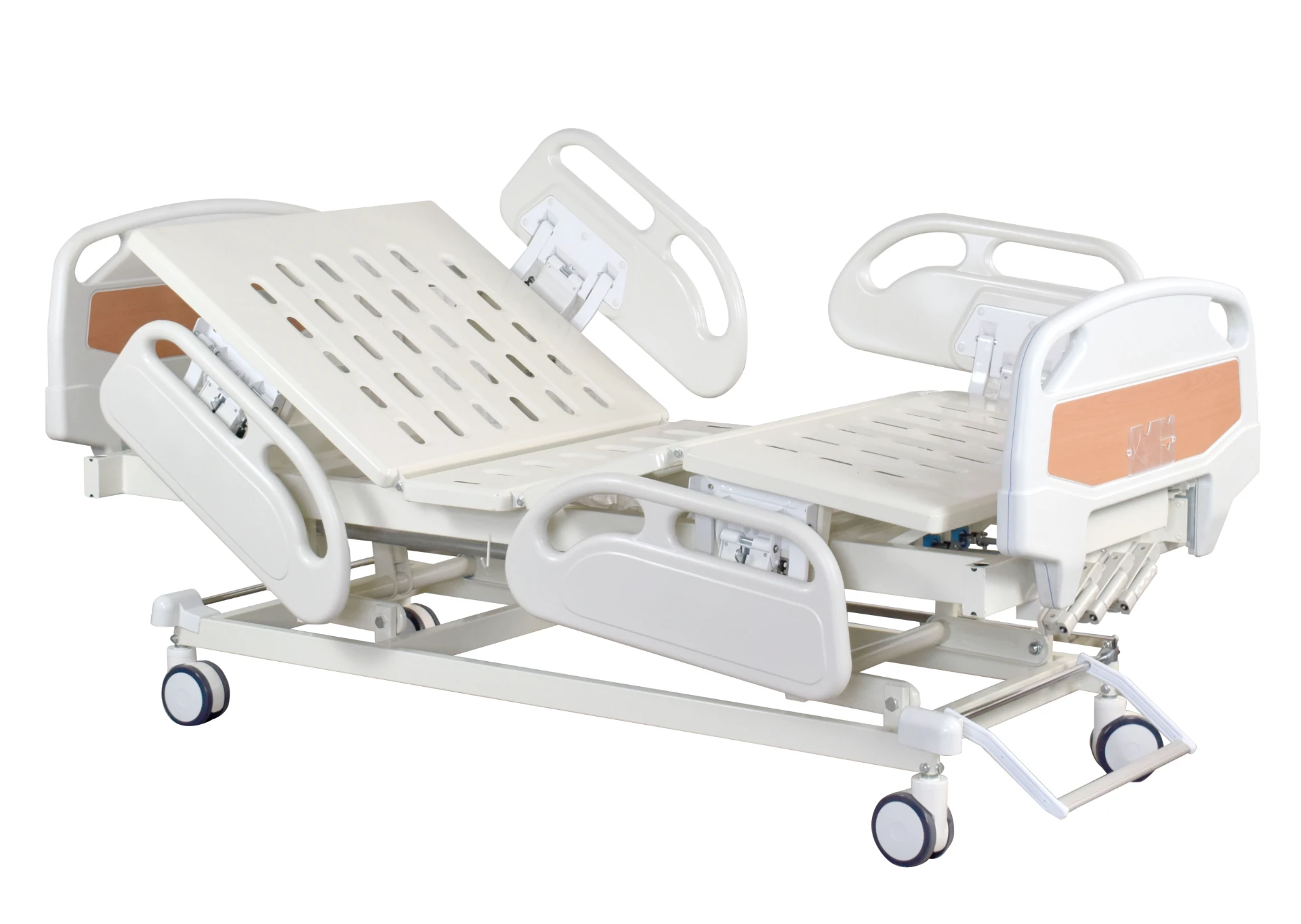
Image 3: Detailed view of a pediatric bed's adjustable segments and ergonomic design.
Vendor Comparison: Pediatric Hospital Beds
Selecting the right supplier for bed children's furniture requires a thorough comparison of vendor capabilities, product features, and service commitments. The following table provides a comparative overview based on key decision-making criteria.
| Feature/Criterion | Leading Manufacturer (e.g., Cnboxin) | Vendor A (Competitor) | Vendor B (Competitor) |
|---|---|---|---|
| Primary Material | Medical-grade Cold-Rolled Steel, ABS | Standard Steel, PP Plastic | Powder-Coated Steel, ABS |
| Certifications | ISO 9001, ISO 13485, CE, FDA Listed | ISO 9001, CE | ISO 9001, ISO 13485 |
| Adjustability | Electric (Height, Back, Leg), Trendelenburg (Optional) | Manual (Back, Leg), Limited Height | Electric (Back, Leg), Manual Height |
| Safety Side Rails | Full-Length Integrated ABS, Gap-Free | Half-Length Aluminum, Some Gaps | Full-Length ABS, Basic Lock |
| Warranty | 2 Years on Parts, 1 Year on Electrical | 1 Year Standard | 1.5 Years on Parts |
| Customization Options | Extensive (Color, Dimensions, Features, Branding) | Limited (Color, Basic Accessories) | Moderate (Material, Specific Components) |
| After-Sales Support | 24/7 Technical Support, On-site Service | Standard Business Hours Support | Email/Phone Support |
This comparison highlights how leading manufacturers distinguish themselves through superior materials, comprehensive certifications, advanced features, and robust after-sales support, which are critical for long-term operational value in demanding healthcare environments. For specialized applications such as `regal hospital furniture` or `multifunction smart bed` systems, these distinctions become even more pronounced.
Customized Solutions for Pediatric Furniture
Recognizing that no two healthcare facilities are exactly alike, particularly in specialized pediatric care, providers of bed children's furniture often offer extensive customization options. These tailored solutions ensure that the furniture perfectly integrates with existing infrastructure, patient care protocols, and aesthetic preferences.
- Material and Finish Customization: Options include specialized anti-bacterial coatings, specific RAL colors to match branding or ward themes, and different grades of steel or ABS plastics to meet unique durability or aesthetic requirements.
- Dimension and Configuration Adjustments: Tailoring bed lengths, widths, and height ranges to suit specific patient age groups (e.g., neonatal vs. adolescent) or to fit into constrained spaces within existing facilities or `operating room furniture` areas.
- Integrated Technology and Features: Adding specific features like integrated weight scales, patient monitoring system mounts, specific IV pole configurations, or compatibility with particular nurse call systems. For `multifunction smart bed` designs, this could include custom software integrations.
- Ergonomic Enhancements: Designing specialized mattress platforms, repositioning systems, or caregiver-assist features for challenging patient mobility scenarios.
- Branding and Aesthetics: Incorporating hospital logos, specific color schemes, or child-friendly graphics on head/foot boards to create a more welcoming and less clinical environment.
- Accessory Integration: Custom solutions for attaching and managing ancillary equipment, from patient lifts to specialized `hospital furniture chairs` designed for parent comfort alongside the child's bed.
These bespoke solutions are critical for maximizing efficiency, improving patient satisfaction, and ensuring compliance with specific regional healthcare regulations and standards for institutions aiming for a truly `regal hospital furniture` standard.
Application Case Studies
Real-world applications demonstrate the tangible benefits of investing in high-quality bed children's furniture.
Case Study 1: Pediatric Trauma Center Upgrade
Client: Major Metropolitan Children's Hospital, Level I Pediatric Trauma Center.
Challenge: The existing pediatric beds in the trauma center were outdated, lacked modern safety features, and were difficult to maneuver quickly. This compromised response times and patient safety during critical situations.
Solution: The hospital procured 50 units of electric pediatric beds featuring rapid height adjustment, full-length drop-down side rails with one-hand operation, and oversized, silent-swivel casters. These beds were also equipped with integrated IV poles and monitor mounts, seamlessly compatible with existing `operating room furniture` protocols.
Results: Post-implementation, the hospital reported a 15% reduction in patient fall incidents. Caregiver efficiency improved by an estimated 20% due to easier bed manipulation and faster patient transfers. The staff also noted significant improvements in ergonomics and patient stabilization capabilities. The investment contributed to maintaining the hospital's status as a leading pediatric trauma facility.
Case Study 2: Long-Term Pediatric Care Facility
Client: "Little Stars" Long-Term Pediatric Care Home, specializing in chronic illness and developmental care.
Challenge: The facility needed beds that offered maximum comfort for long-term stays, integrated smart features for continuous monitoring, and were aesthetically pleasing to create a more home-like environment. Standard `hospital furniture chairs` and beds were too clinical.
Solution: The facility opted for custom `multifunction smart bed` units tailored for long-term pediatric use. These beds featured pressure-redistributing mattresses, integrated ambient lighting, tablet-controlled entertainment systems, and discreet vital sign sensors that fed into a central monitoring station. The ABS plastic components were customized with child-friendly color palettes and gentle curves, reflecting a `regal hospital furniture` approach to comfort and design.
Results: Patient satisfaction scores significantly increased, with parents noting improved comfort and reduced anxiety for their children. The integrated smart features allowed for proactive intervention based on real-time data, leading to a 25% reduction in pressure ulcer incidents and improved overall quality of life for residents. The beds facilitated a nurturing and technologically advanced care environment.
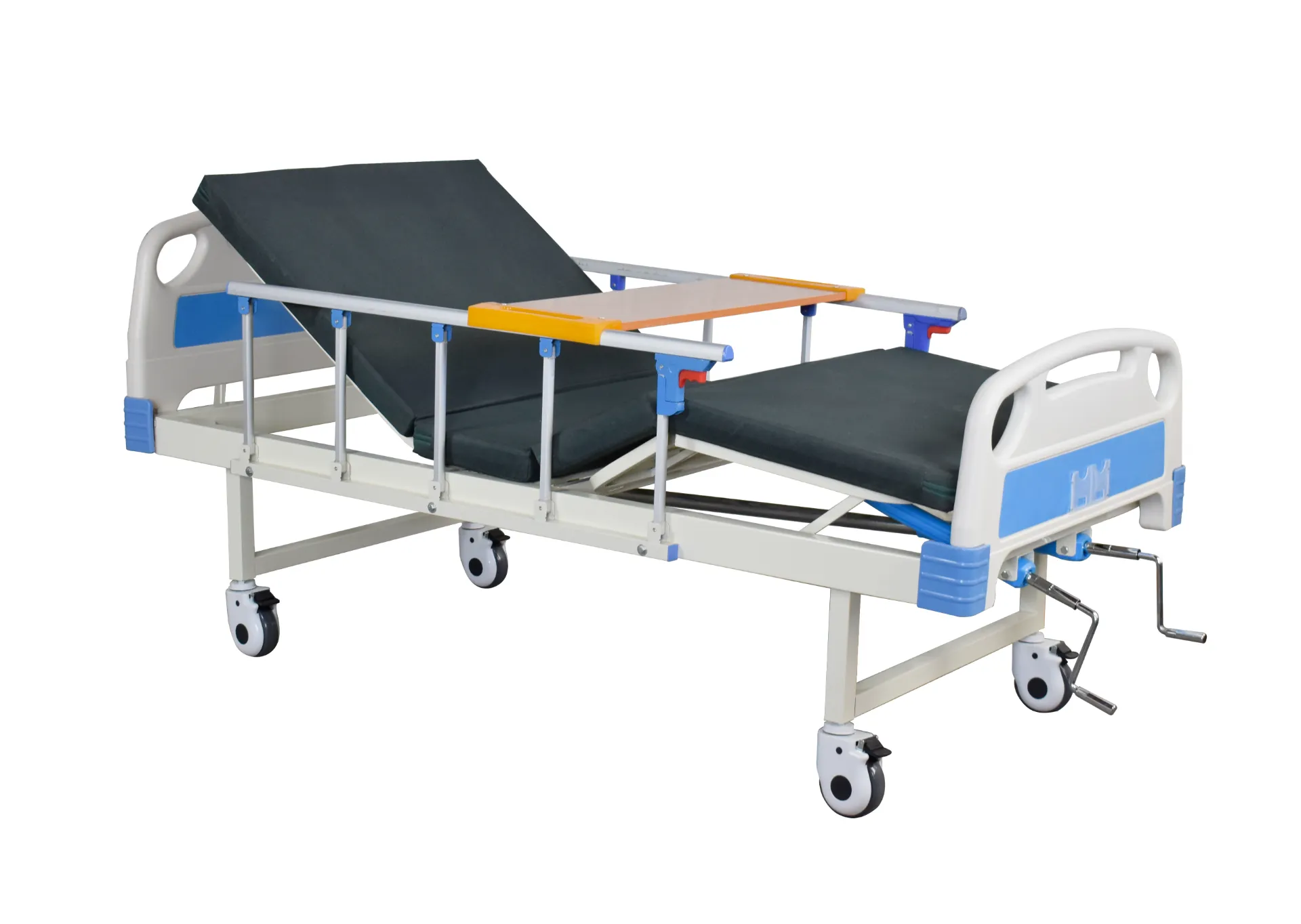
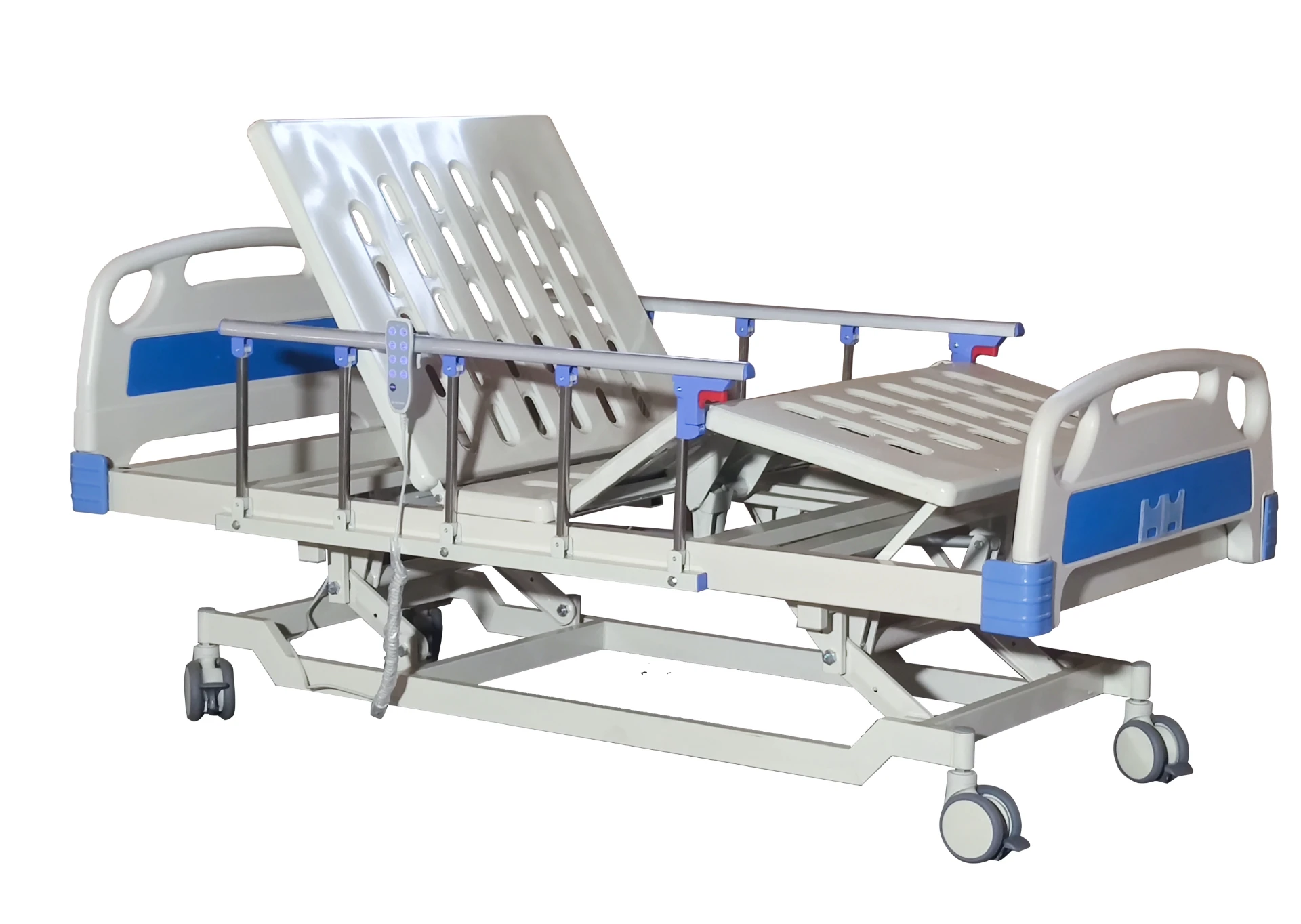
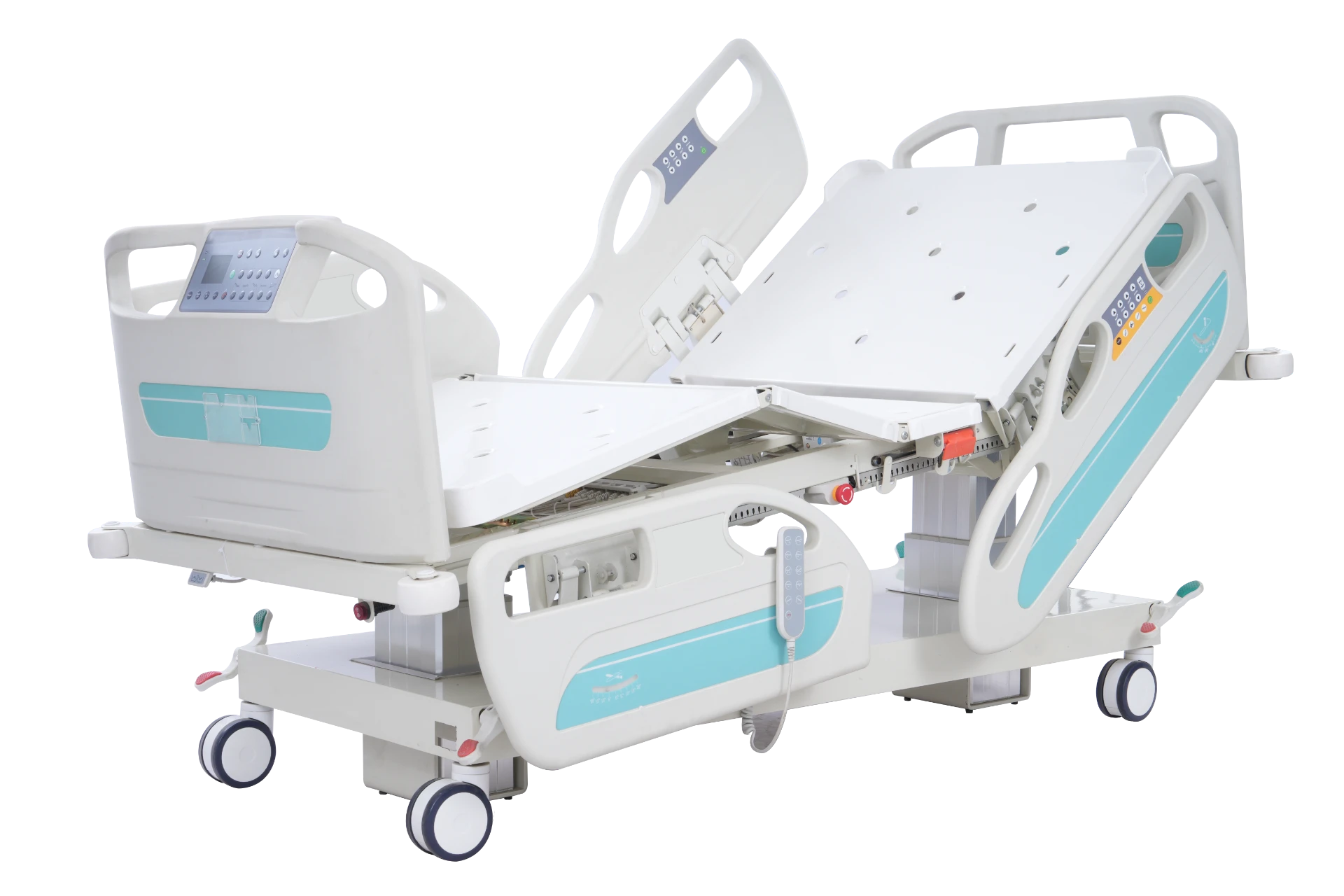
Image 4: Pediatric ward setting, illustrating the integration of modern bed designs.
Trustworthiness & Support: FAQs, Lead Time, Warranty, Customer Service
Establishing trust and ensuring long-term operational reliability are paramount in B2B procurement. We address common concerns regarding our `manufacturer full size hospital bed for sale` and related pediatric solutions.
Frequently Asked Questions (FAQs)
Q1: What safety standards do your bed children's furniture comply with?
A1: Our beds strictly adhere to international standards including ISO 9001, ISO 13485 (Medical Devices), CE marking, and are FDA listed where applicable. We also ensure compliance with critical safety requirements like IEC 60601-2-52 for medical beds.
Q2: Can your pediatric beds be customized to specific hospital themes or requirements?
A2: Absolutely. We offer extensive customization options, including specific RAL colors for frames and ABS components, integration of hospital logos, adjustments to dimensions (length/width), and integration of specific technological features, including those found in `multifunction smart bed` systems.
Q3: What is the expected service life for your pediatric hospital beds?
A3: Designed for durability, our pediatric hospital beds typically have a service life of 10-15 years under normal usage conditions and with recommended maintenance, ensuring a strong return on investment for `regal hospital furniture` standards.
Lead Time and Fulfillment
Standard lead time for our pediatric hospital beds is typically 4-6 weeks from confirmed order and payment, depending on quantity and customization requirements. For large-volume orders or highly specialized `operating room furniture` components, a precise timeline will be provided upon inquiry. We manage a robust supply chain to ensure timely delivery and efficient logistics.
Warranty Commitments
We stand behind the quality of our products with a comprehensive warranty. Our bed children's furniture comes with a 2-year warranty on all structural components and mechanical parts, and a 1-year warranty on electrical components and motors from the date of purchase. This warranty covers manufacturing defects and material failures under normal use.
Customer Support and After-Sales Service
Our dedicated customer support team is available to assist with any technical inquiries, spare parts requests, or service needs. We offer:
- 24/7 Technical Assistance: Via phone and email for urgent issues.
- Spare Parts Availability: A comprehensive inventory of genuine spare parts to minimize downtime.
- On-site Service: Available for complex repairs or maintenance, depending on location and service agreement.
- Training: Provision of operational and maintenance training for hospital staff upon request.
Our commitment to exceptional service ensures that your investment in `hospital furniture chairs` and specialized beds remains operational and efficient throughout its lifespan.
Conclusion
The evolution of bed children's furniture underscores a significant shift towards more integrated, safe, and patient-centric healthcare environments. From advanced manufacturing processes ensuring durability and hygiene, to the integration of smart technologies in `multifunction smart bed` systems, and the aesthetic considerations of `regal hospital furniture`, every aspect is designed to elevate the standard of pediatric care. By understanding the detailed technical specifications, embracing industry trends, and leveraging customized solutions, B2B decision-makers can make strategic investments that not only meet immediate operational needs but also contribute to long-term patient well-being and institutional efficiency. Choosing a partner committed to quality, compliance, and comprehensive support is crucial for optimizing the functionality and longevity of these essential medical assets.
References
- International Organization for Standardization (ISO). ISO 13485:2016 Medical devices – Quality management systems – Requirements for regulatory purposes. Available at: https://www.iso.org/standard/59752.html
- U.S. Food and Drug Administration (FDA). Medical Devices. Available at: https://www.fda.gov/medical-devices
- International Electrotechnical Commission (IEC). IEC 60601-2-52:2009 Medical electrical equipment - Part 2-52: Particular requirements for the basic safety and essential performance of medical beds. Available at: https://webstore.iec.ch/publication/2627
- Business and Institutional Furniture Manufacturers Association (BIFMA). ANSI/BIFMA X5.9-2019 Storage Units. Available at: https://www.bifma.org/page/product-standards
- World Health Organization (WHO). Guidelines on Medical Devices. Available at: https://www.who.int/publications/i/item/9789241508287
-
Ultimate Guide to Choosing Extra Wide Waiting Room ChairsNewsApr.16,2026
-
Guide to Choosing Professional Waiting Room Chairs Wipeable SeatingNewsApr.09,2026
-
Enhance Your Space with Comfortable Wide Waiting Room ChairsNewsApr.07,2026
-
Selecting the Ideal Brown Waiting Room Chairs for a Welcoming SpaceNewsApr.04,2026
-
Choosing Comfortable Patient Waiting Room Chairs for Healthcare FacilitiesNewsMar.31,2026
-
Finding the Best Deals on Affordable and Cheap Reception Chairs for Your BusinessNewsMar.28,2026
-
Enhance Your Business Reception with Comfortable Blue Reception ChairsNewsMar.26,2026