Welcome to our websites!


Hydraulic Bed in Hospital - Enhancing Patient Care Comfort & Efficiency
Understanding the Hydraulic Bed in Hospital Settings: Why It Matters
If you’ve ever visited a hospital, chances are you’ve seen one of those beds that magically adjusts to almost any position at the push of a button—that’s often a hydraulic bed in hospital use, working behind the scenes to bring comfort and care to patients. Far from being just a comfort feature, these beds are central to modern healthcare delivery around the world. Their importance spans continents, from high-tech urban hospitals in the US and Europe to field clinics in developing countries. Why? Because they address crucial challenges like patient mobility, caregiver ergonomics, and clinical efficiency—all of which help improve treatment outcomes.
Understanding the hydraulic bed in hospital context today means appreciating a simple technical innovation with dramatic global impact. Better patient repositioning lowers risks of ulcers and injuries, reduces staff back strains, and increases dignity in care. And with our aging global population and increasing healthcare demands, these beds play a quietly vital role in many systems worldwide.
Hydraulic Beds in Hospitals: A Global Perspective
The use of hydraulic beds in medical settings is not just a local trend but a worldwide one. According to the World Health Organization, global hospital bed capacity has been steadily expanding to meet rising demand—estimated at over 18 million beds in OECD countries alone, with hydraulic technology penetrating more than 40% of newly added units in the last decade. Meanwhile, the UN’s Sustainable Development Goals emphasize the need for inclusive healthcare infrastructure that supports patient safety, a challenge hydraulic beds help tackle nicely.
Yet there is a persistent challenge: uneven access. Many rural or resource-poor hospitals still rely on basic, non-adjustable beds, which complicates proper patient care. Hydraulic beds address this gap by enabling customizable patient positioning that is crucial for recovery, especially for patients with limited mobility. It’s a practical solution to a big, global problem.
What Exactly is a Hydraulic Bed in Hospital Terms?
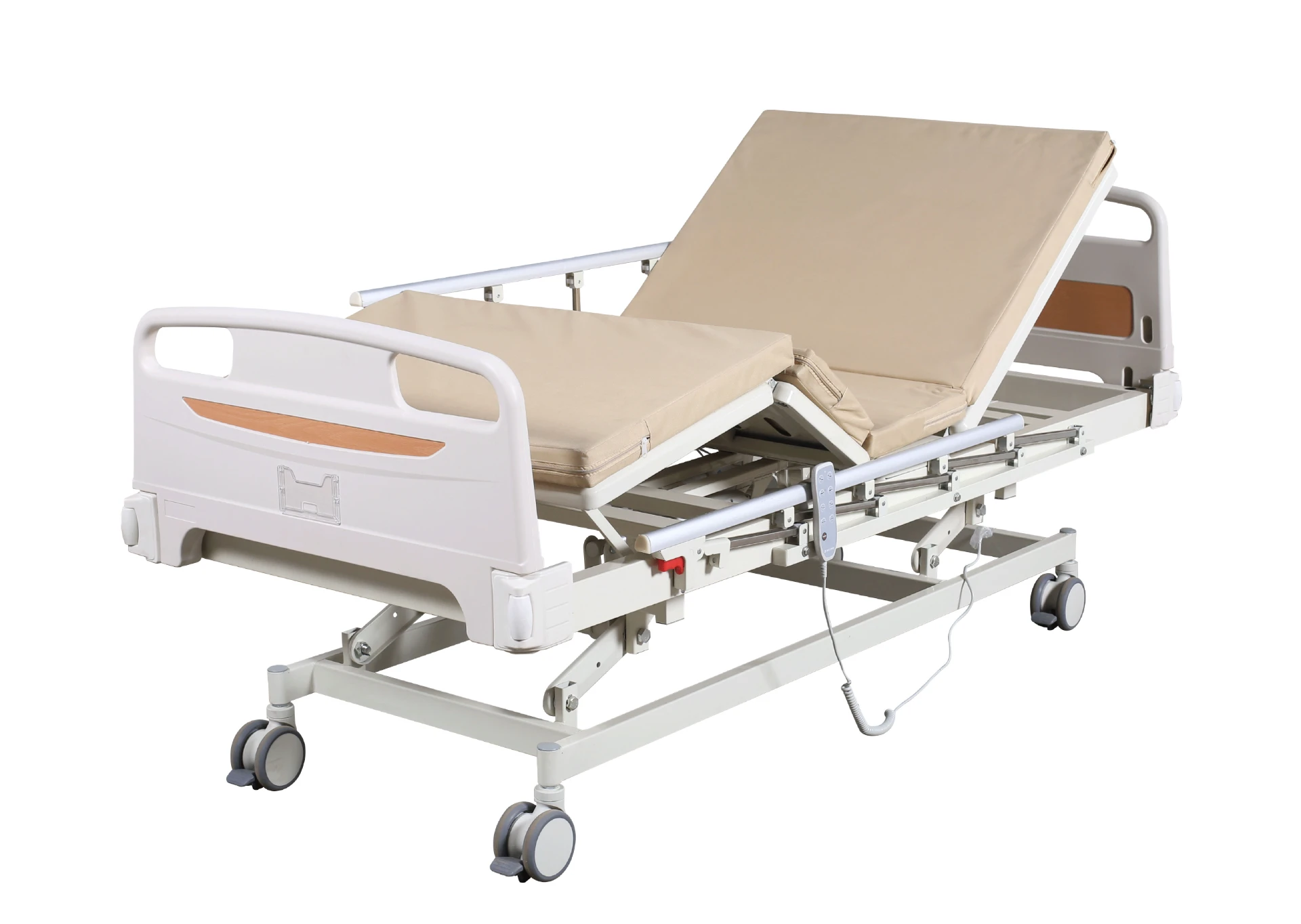
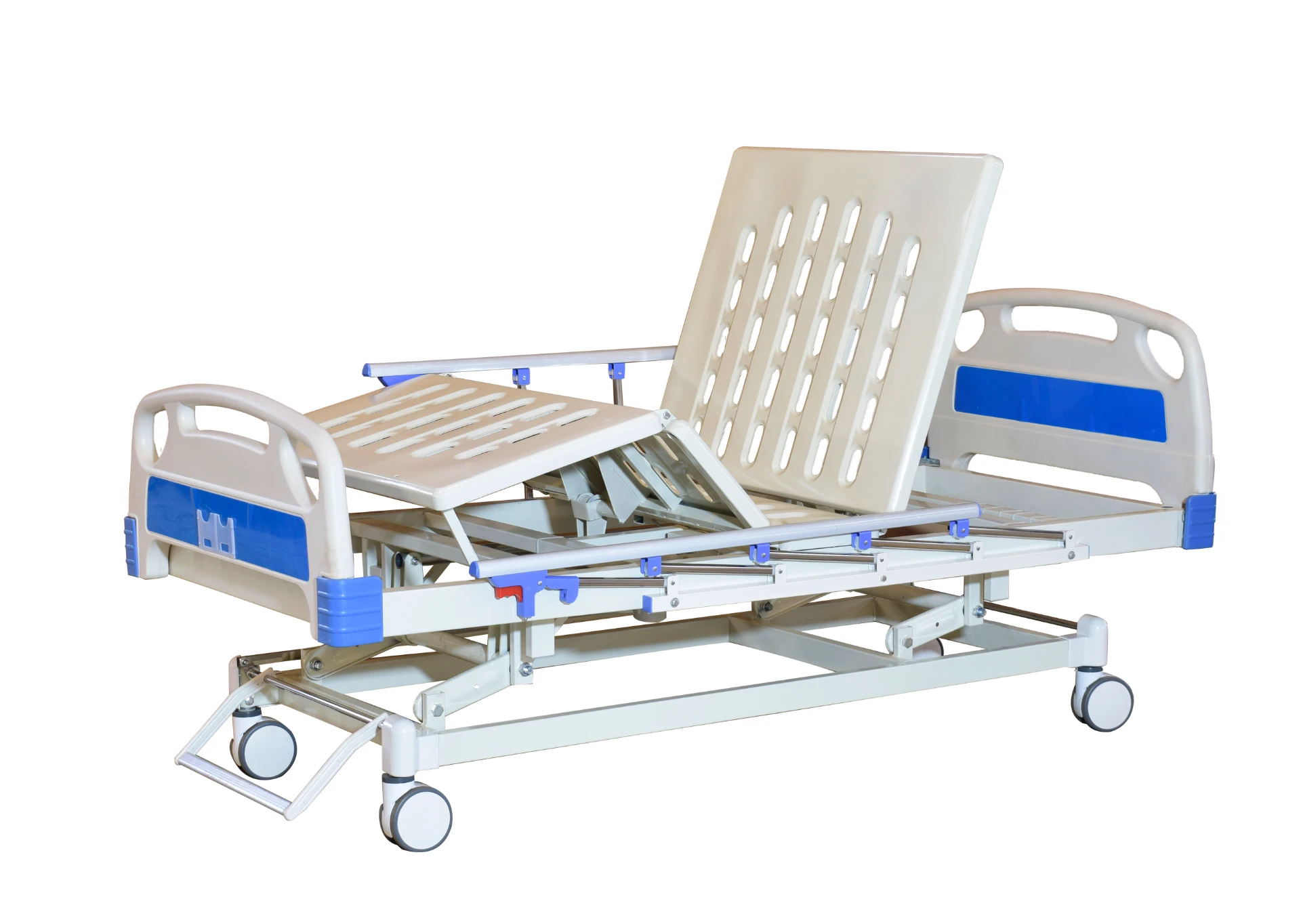
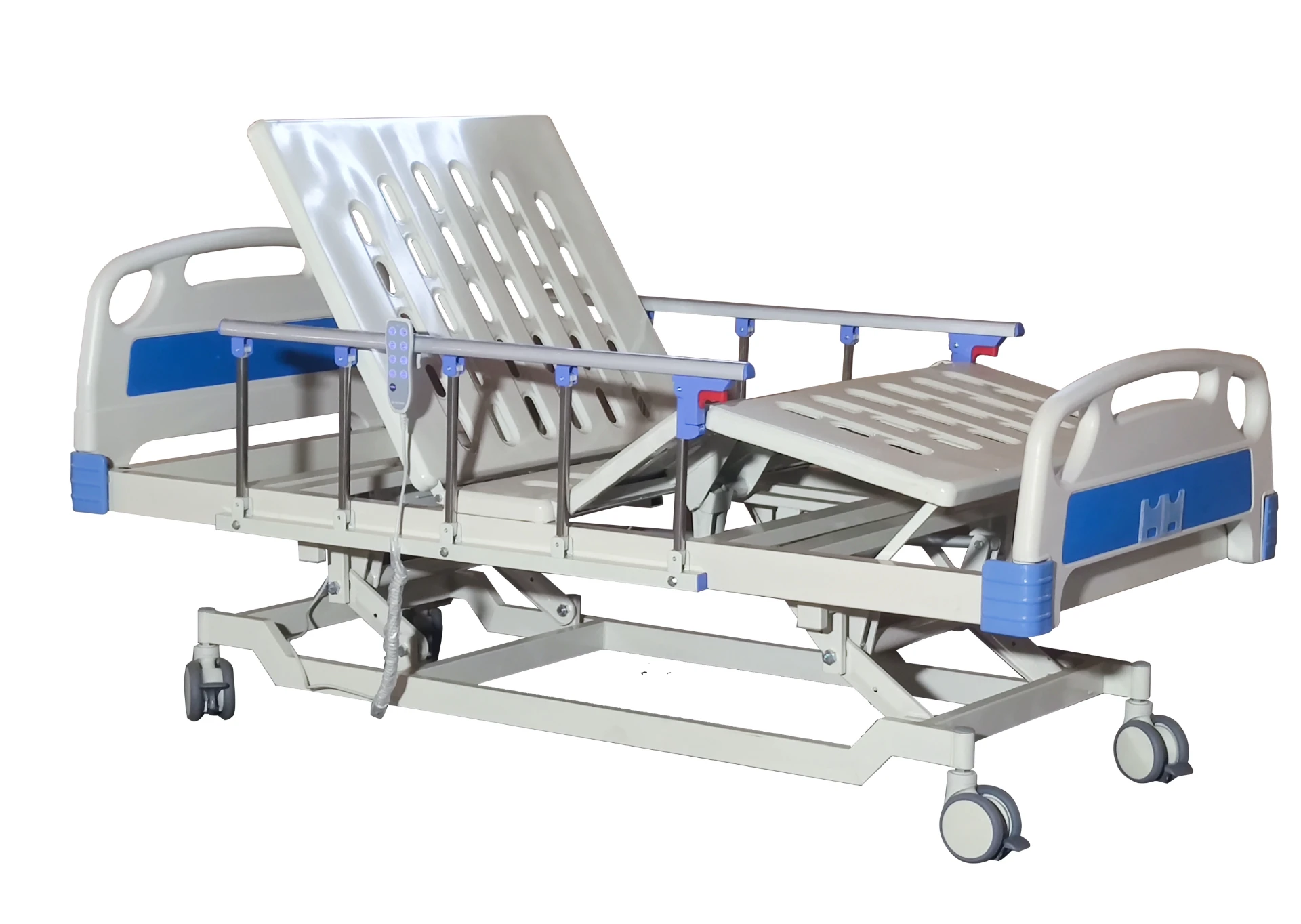
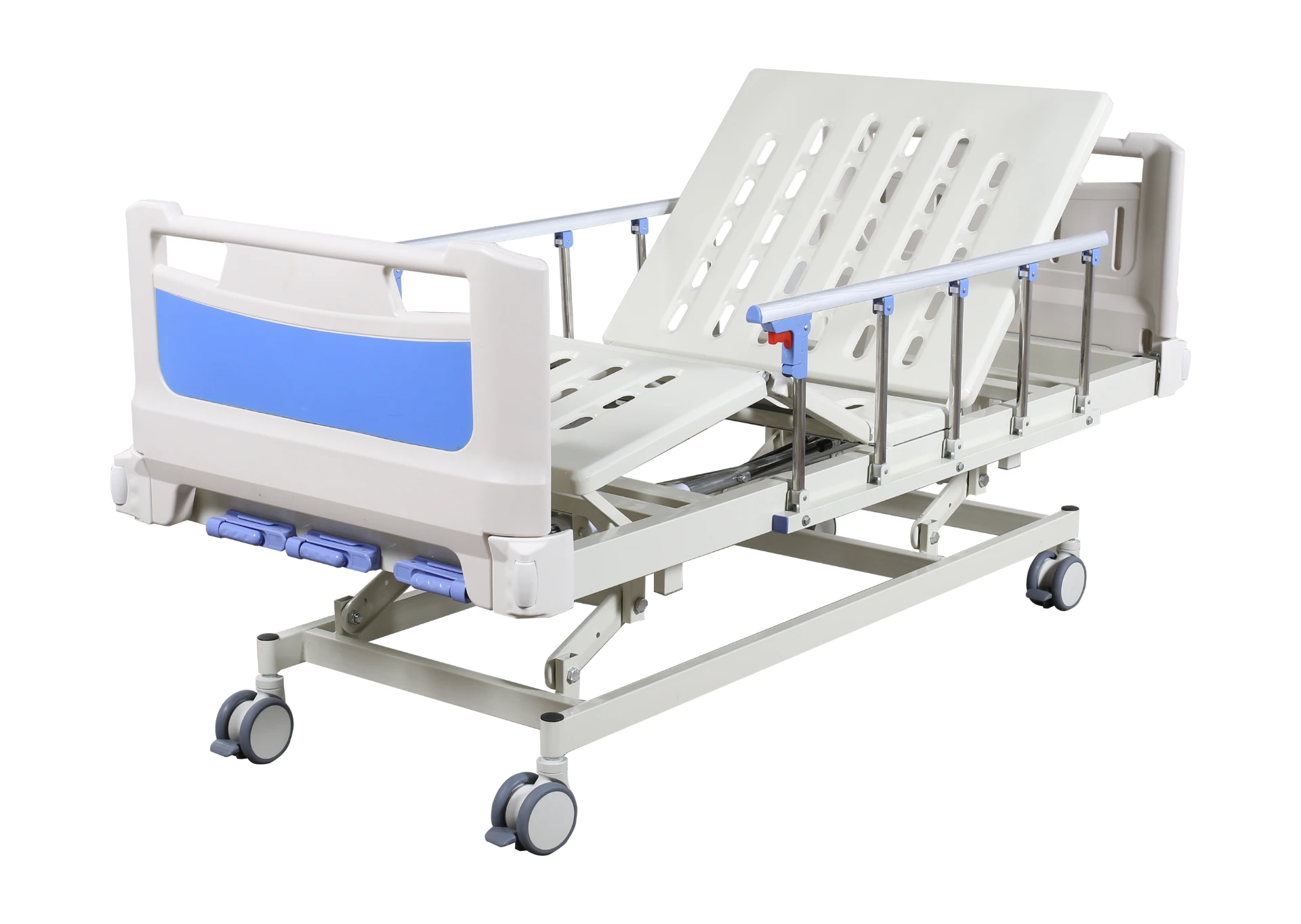
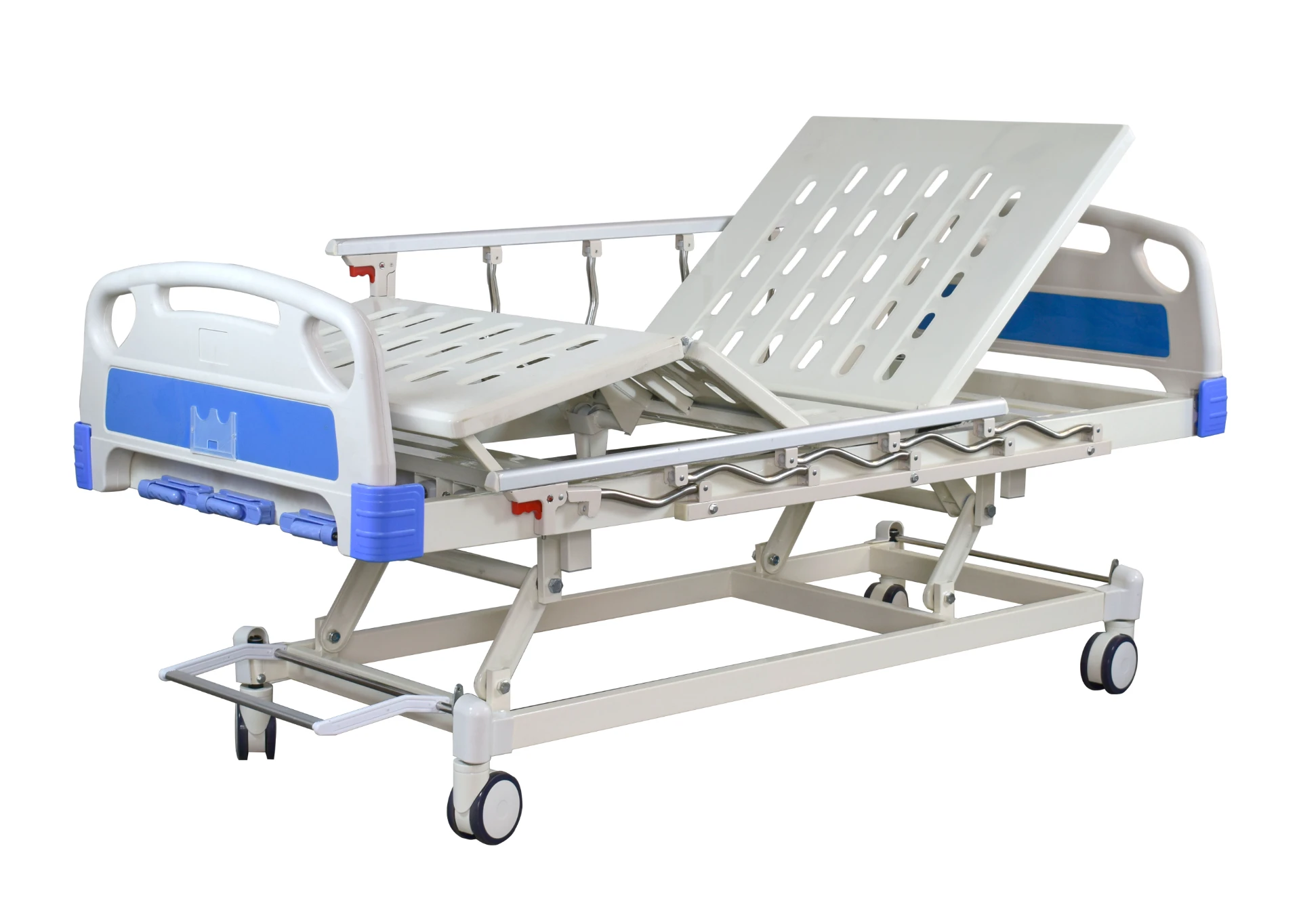
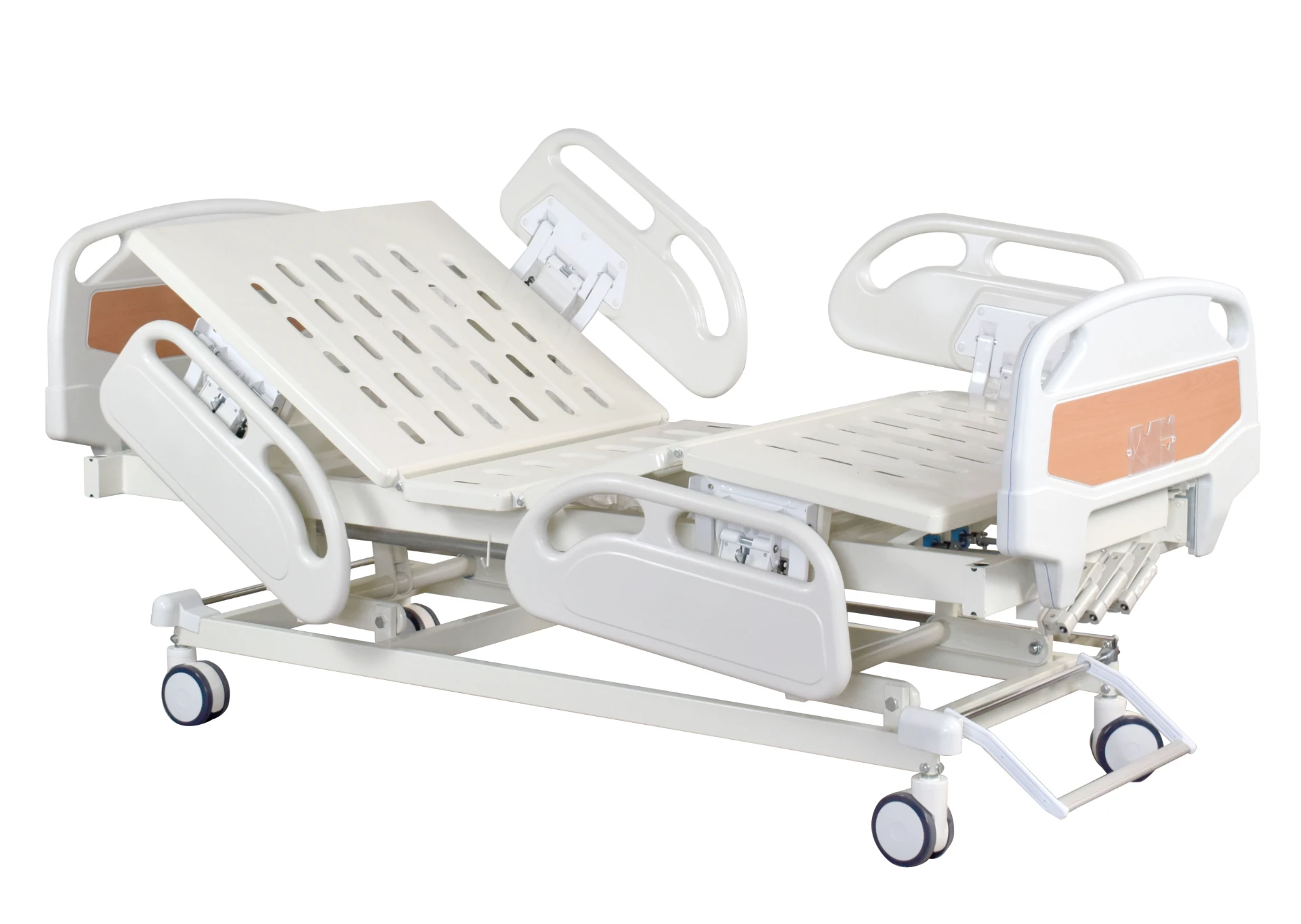
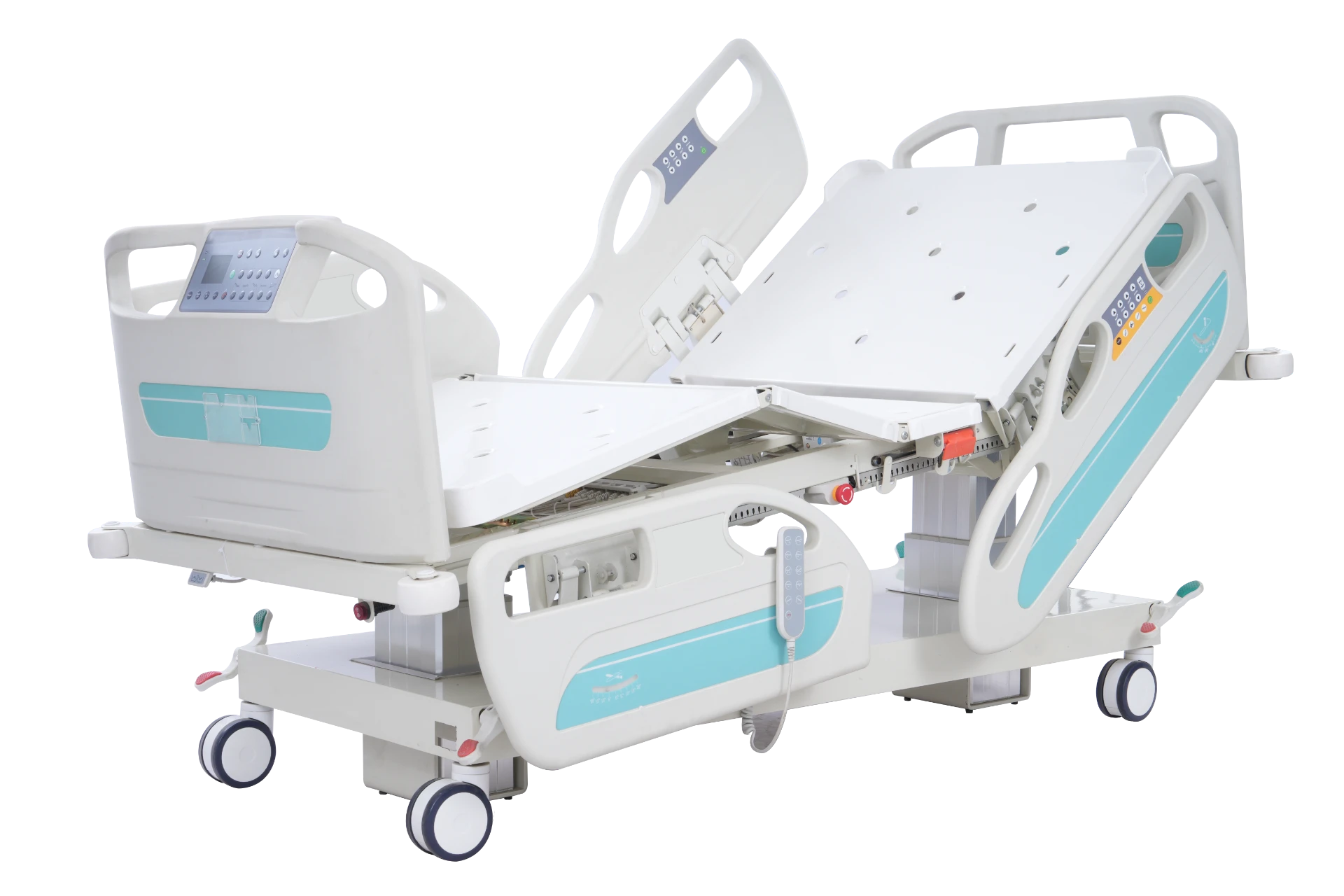
Simply put, a hydraulic bed in hospital is a bed whose height and angle adjustments are powered by fluid pressure systems, typically oil or water. This contrasts with electric or manual crank beds. The hydraulic mechanism allows smooth, precise, and often more durable control over the bed’s movements, including raising the head or foot sections, or changing the entire bed height.
While the concept might sound old-school, it is still remarkably effective—often more so in environments where power outages or rough handling can be expected. These beds create better ergonomics for caregivers and comfort for patients, reducing strain and enhancing mobility in hospital and long-term care settings.
Core Features That Make Hydraulic Hospital Beds Stand Out
1. Durability and Reliability
The robust hydraulic systems inside these beds typically last longer than electrical counterparts, especially in tough environments. With fewer electronic parts, they can withstand rougher use and still perform reliably over years—something important in hospitals with demanding patient turnover.
2. Smooth and Precise Adjustments
Hydraulic controls provide incremental, fluid motion—no jerks, no sudden drops—which means patients feel safer and more comfortable. Nurses find it easier too: fine adjustments can be made even with limited strength.
3. Cost-Effectiveness
Though initial purchase can be similar to electric beds, maintenance for hydraulic beds often costs less due to simpler mechanics. Particularly for facilities with tight budgets, this lowers total cost of ownership.
4. Power Independence and Safety
Hydraulic beds don’t rely on electricity, making them perfect for hospitals in areas with unstable power or emergency setups. This independence adds layers of safety during procedures or patient repositioning without fearing sudden power cuts.
5. Ergonomic Benefits
These beds allow caregivers to adjust height and angle easily, significantly reducing work-related musculoskeletal injuries. That is a seriously underrated advantage, actually.
How Hydraulic Beds Are Transforming Patient Care Globally
From bustling urban hospitals in Europe to field hospitals in post-disaster zones in South Asia, hydraulic beds find many applications. In intensive care units, adjustable beds improve oxygenation by positioning patients optimally. In rehabilitation centers, they allow gradual mobility training. The hydraulic bed in hospital is also a favorite for elder care homes, giving seniors gentle independence and comfort.
Moreover, humanitarian organizations have deployed hydraulic beds in refugee camps, where simple, durable tech with no dependency on electricity adds vital care capabilities in challenging contexts.
Advantages & Long-term Value of Hydraulic Beds
- Patient Safety and Dignity: Giving patients control and comfort improves trust and cooperation during treatment.
- Reduced Caregiver Injury: Ergonomic height adjustments prevent common back injuries.
- Renewable and Maintanable: The mechanics are repair-friendly, prolonging bed lifespan.
- Sustainability: Less reliance on electric components means potentially lower environmental impact over time.
- Cost Savings: Less downtime and maintenance translate to lower overall care costs.
It’s a win-win for patients, practitioners, and hospitals in the long haul.
What’s Next? Trends and Innovations in Hospital Bed Hydraulic Technology
The industry isn’t standing still. Newer hydraulic hospital beds are incorporating lighter materials like alloys and composites, easing mobility. Precision controls using micro-hydraulics promise more customization. There’s also talk about integrating hydraulic systems with smart sensors to monitor patient position real-time, reducing bedsores and falls.
Green energy integration, such as solar-powered hydraulic pumps for adjusting hospital beds, may also soon make their way into off-grid healthcare facilities. Frankly, blending sustainability and tech is the exciting promise here.
Common Challenges and How to Overcome Them
No tech is perfect. Hydraulic hospital beds can be heavier and bulkier than electric or manual beds, sometimes complicating transport or installation. Also, if poorly maintained, leaks or pressure losses can hamper performance. Importantly, staff training on smooth operation is essential.
To address these, manufacturers now design more compact, modular designs and offer maintenance training programs. Innovations in hydraulic fluid longer-life and better seals are incremental solutions but very helpful. Hospitals investing in these beds often report a strong return in staff efficiency and patient satisfaction.
FAQ: Common Questions About Hydraulic Beds in Hospital Care
- Q: Are hydraulic beds safer than electric beds?
A: Both have safety features, but hydraulic beds offer smoother motion without electrical hazards, making them ideal in power unstable regions. - Q: How difficult is maintenance on hydraulic beds?
A: Maintenance is generally straightforward and less frequent than electric beds. Regular checks for leaks and hydraulic pressure keep them running well. - Q: Can hydraulic hospital beds be customized?
A: Yes, many models offer adjustable configurations like side rails, mattresses, and mobility aids tailored to patient needs. - Q: Are hydraulic beds suitable for post-disaster deployment?
A: Absolutely. Their robust design and lack of powered components make them ideal for emergency field hospitals.
Hydraulic Bed Specifications in Hospital Use
| Specification | Typical Range / Feature |
|---|---|
| Height Adjustment | 40 - 80 cm |
| Backrest Angle | 0° to 70° |
| Footrest Angle | 0° to 45° |
| Weight Capacity | Up to 250 kg (550 lbs) |
| Power Source | Manual hydraulic pump (some models electric-supported) |
| Material | Steel frame with powder coating |
Vendor Comparison: Leading Hydraulic Hospital Bed Manufacturers
| Manufacturer | Price Range (USD) | Warranty | Key Feature | Global Reach |
|---|---|---|---|---|
| MedHydro ComfortTech | $1,200 - $1,800 | 5 Years | Compact design, easy pump leverage | North America, Europe, Asia |
| SafeLift Medical Beds | $1,000 - $1,500 | 3 Years | Shock-absorbing frame, anti-slip rails | Global (incl. Africa, Latin America) |
| HydroCare Solutions | $1,500 - $2,200 | 7 Years | Smart fluid dynamics for ultra-smooth action | Europe, Asia, Middle East |
In Closing: Why Hydraulic Beds Still Hold Their Ground
After looking closely, the humble hydraulic bed in hospital care reveals itself as a thoughtful, practical player in patient wellbeing and hospital efficiency. Pros outweigh cons, especially in settings where adaptability, cost efficiency, and safety reign supreme. It’s sometimes the less flashy but well-engineered solution that wins folks over—and stays for the long haul.
Interested in learning more or upgrading your hospital with cutting-edge hydraulic beds? Visit our website: https://www.cnboxin.com and explore a complete range tailored for diverse healthcare needs.
Mini Takeaways:
- Hydraulic hospital beds provide reliable, smooth patient positioning with fewer maintenance demands.
- They’re especially valuable in areas with unstable power and limited budgets.
- Future improvements blending smart tech and green energy highlight a promising path forward.
References:
-
Ultimate Guide to Choosing Extra Wide Waiting Room ChairsNewsApr.16,2026
-
Guide to Choosing Professional Waiting Room Chairs Wipeable SeatingNewsApr.09,2026
-
Enhance Your Space with Comfortable Wide Waiting Room ChairsNewsApr.07,2026
-
Selecting the Ideal Brown Waiting Room Chairs for a Welcoming SpaceNewsApr.04,2026
-
Choosing Comfortable Patient Waiting Room Chairs for Healthcare FacilitiesNewsMar.31,2026
-
Finding the Best Deals on Affordable and Cheap Reception Chairs for Your BusinessNewsMar.28,2026
-
Enhance Your Business Reception with Comfortable Blue Reception ChairsNewsMar.26,2026