Welcome to our websites!


Nov . 29, 2025 09:20
Back to list
Global Insights on Medical Equipment and Furniture - Quality Healthcare Essentials
Understanding Medical Equipment and Furniture: Why It Matters Worldwide
When you think of healthcare, the big picture often focuses on doctors and nurses. But behind the scenes, there’s a vast ecosystem of medical equipment and furniture quietly shaping patient care, safety, and efficiency. Globally, these elements form the backbone of health infrastructure — from bustling urban hospitals to discreet rural clinics. Understanding medical equipment and furniture isn’t just an industry cliché; it unlocks insights into healthcare accessibility and quality, especially in places where resources are stretched thin. Beyond daily use, reliable medical furnishings and equipment literally save lives—by enabling proper diagnosis, treatment, and recovery. Plus, with climate change, rising populations, and shifting disease patterns, investing in resilient and adaptable healthcare setups has never been more critical. ---The Global Context: The Growing Demand and Challenges in Medical Equipment and Furniture
Medical equipment and furniture represent a multi-billion-dollar global industry, projected to grow steadily. According to the World Bank, global healthcare spending is expected to reach over $10 trillion by 2025, and a sizable portion funnels directly into quality equipment and hospital infrastructure. Yet, despite this, a massive inequality gap persists. The World Health Organization notes that many low-income countries still lack essential medical devices—simple things like hospital beds, patient monitors, or diagnostic tools remain out of reach for millions. Add growing urbanization and aging populations globally, and the challenge intensifies. The core question here: How do we equip facilities worldwide with durable, cost-effective, and adaptable medical furniture and equipment that meet diverse needs? This challenge is urgent, but also an opportunity for innovation. Mini takeaway: Medical equipment and furniture shape healthcare outcomes globally, but meeting demand requires balancing quality, affordability, and adaptability. ---What Exactly Are Medical Equipment and Furniture?
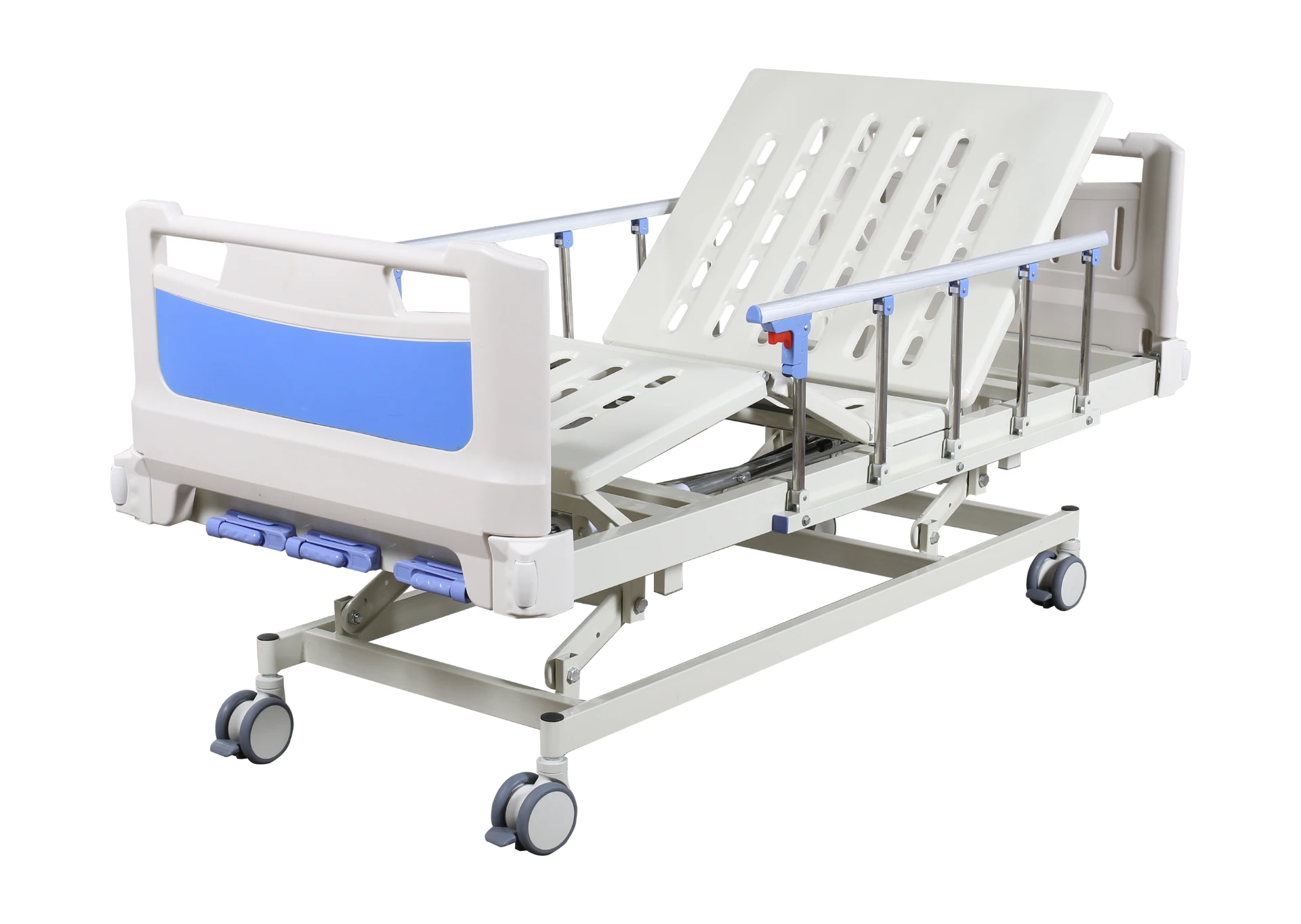
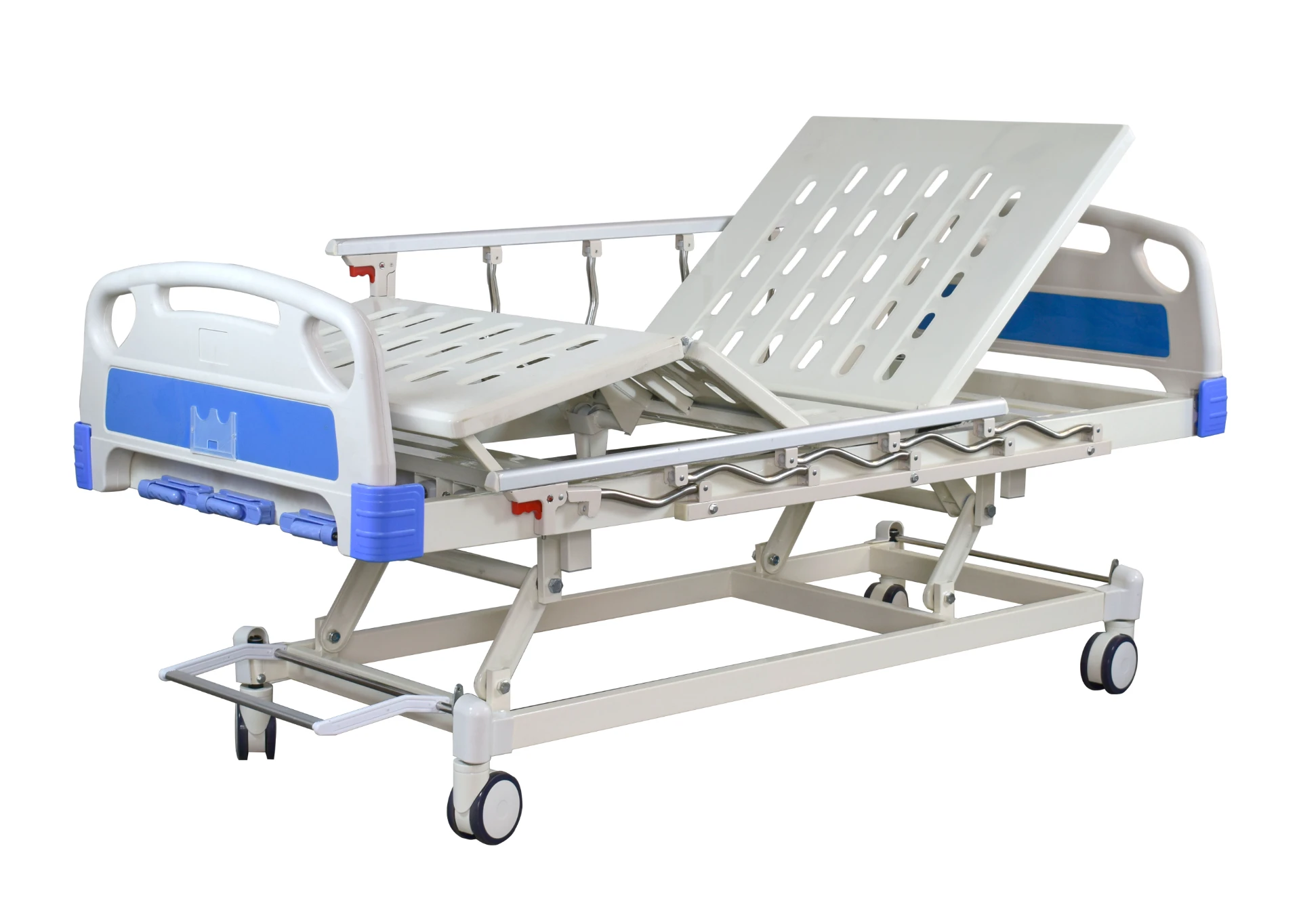
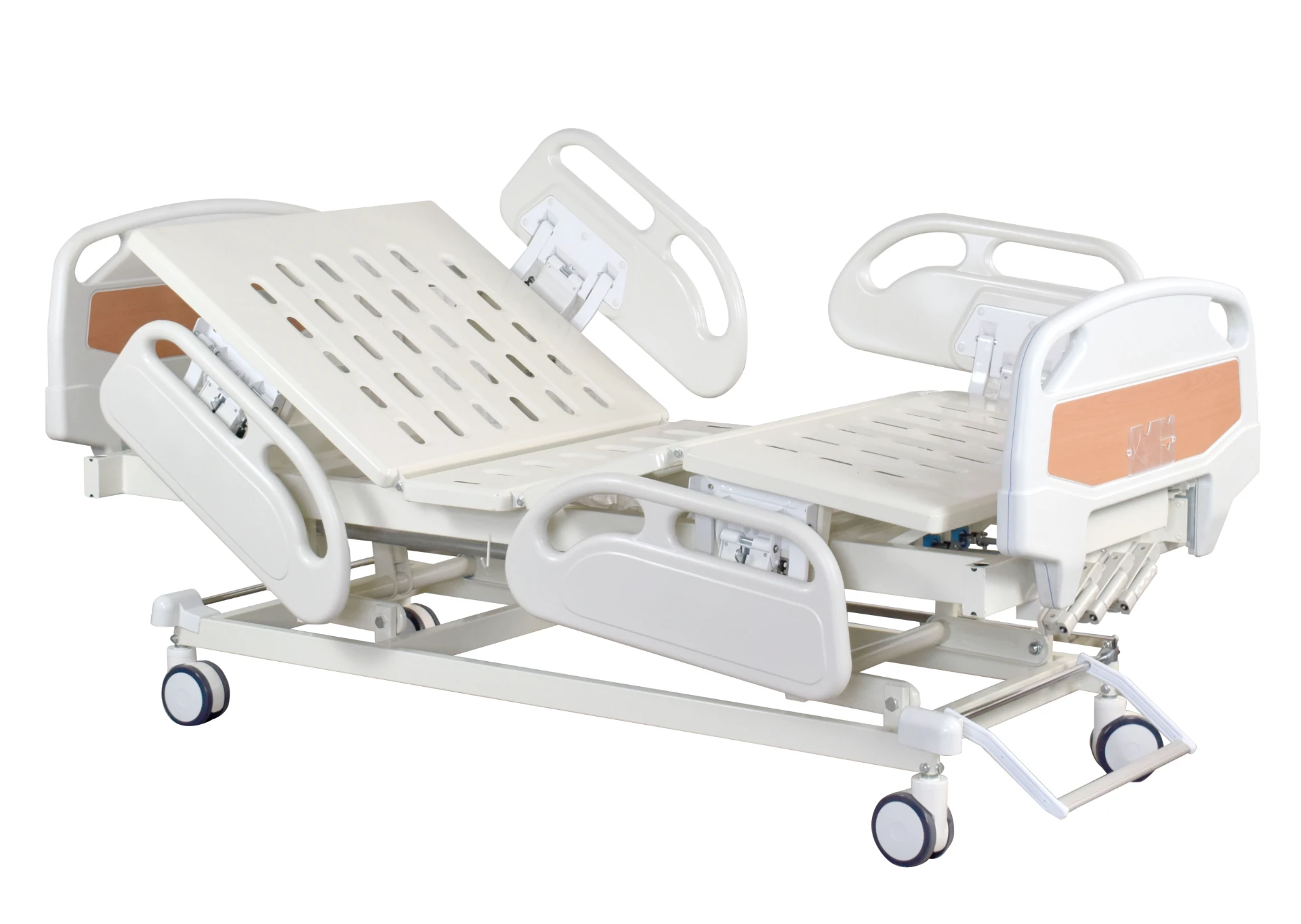
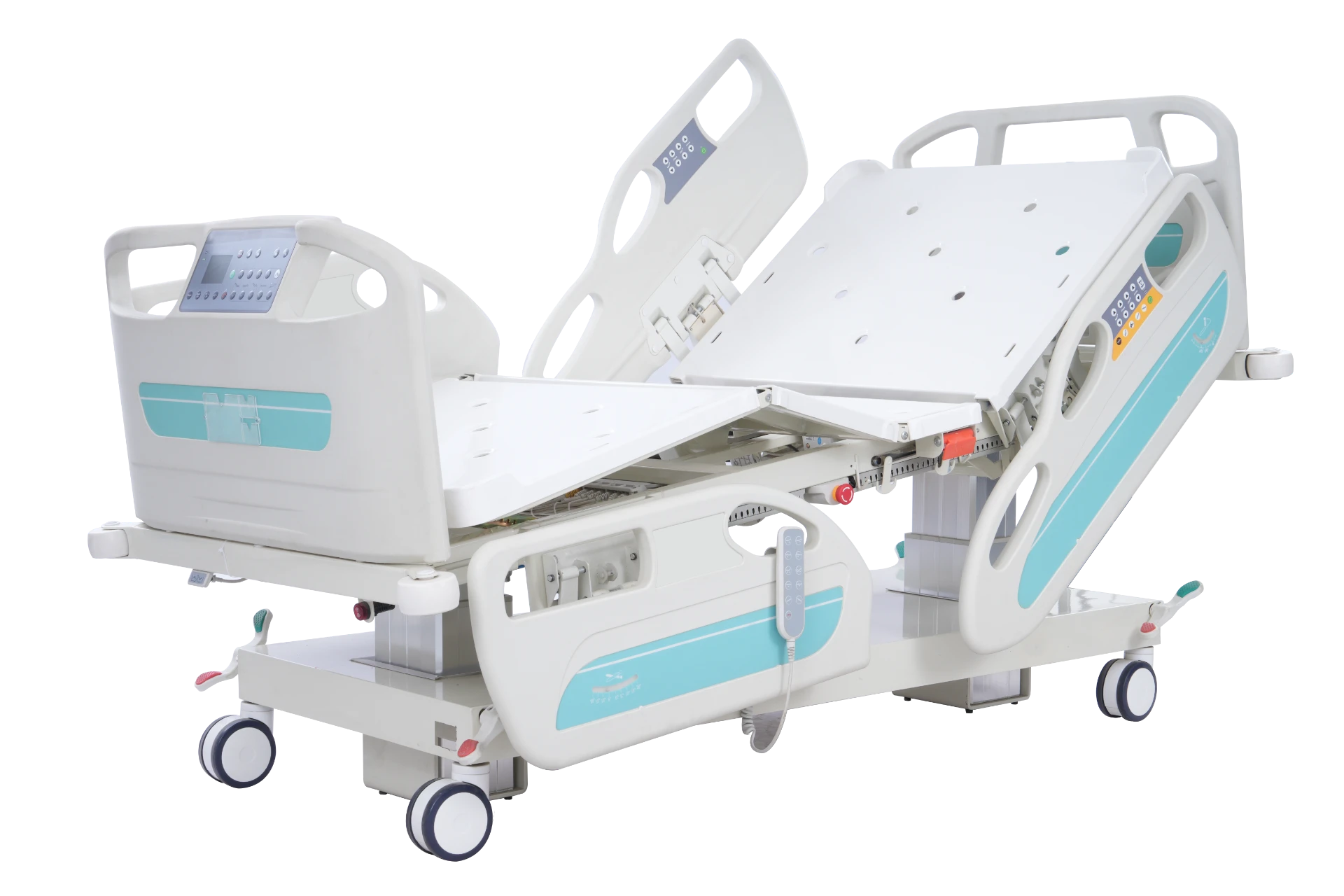
At its simplest, medical equipment covers devices used for diagnosis, monitoring, treatment, and rehabilitation. Think ultrasound machines, defibrillators, or surgical instruments. Meanwhile, medical furniture refers to specialized furnishings designed to support these activities — hospital beds, examination tables, nurse stations, and even waiting room chairs. These pieces aren’t just fancy chairs or machines. They’re designed with safety, hygiene, and ergonomic principles in mind. In humanitarian crises or fragile health systems, sturdy, portable medical furniture often becomes a lifeline. Oddly enough, this combination of equipment and furniture defines the very environment where health happens. From a low-resource clinic in Sub-Saharan Africa to a high-tech surgical suite in Europe, these elements need to work together seamlessly. Reference: - Wikipedia Medical Equipment ---Core Components To Consider
1. Durability & Hygiene
Healthcare settings can be rough on equipment — constant cleaning, exposure to bodily fluids, frequent use. Medical furniture is usually made from materials that resist corrosion and microbial growth, like stainless steel or antimicrobial polymers.2. Ergonomics & Patient Comfort
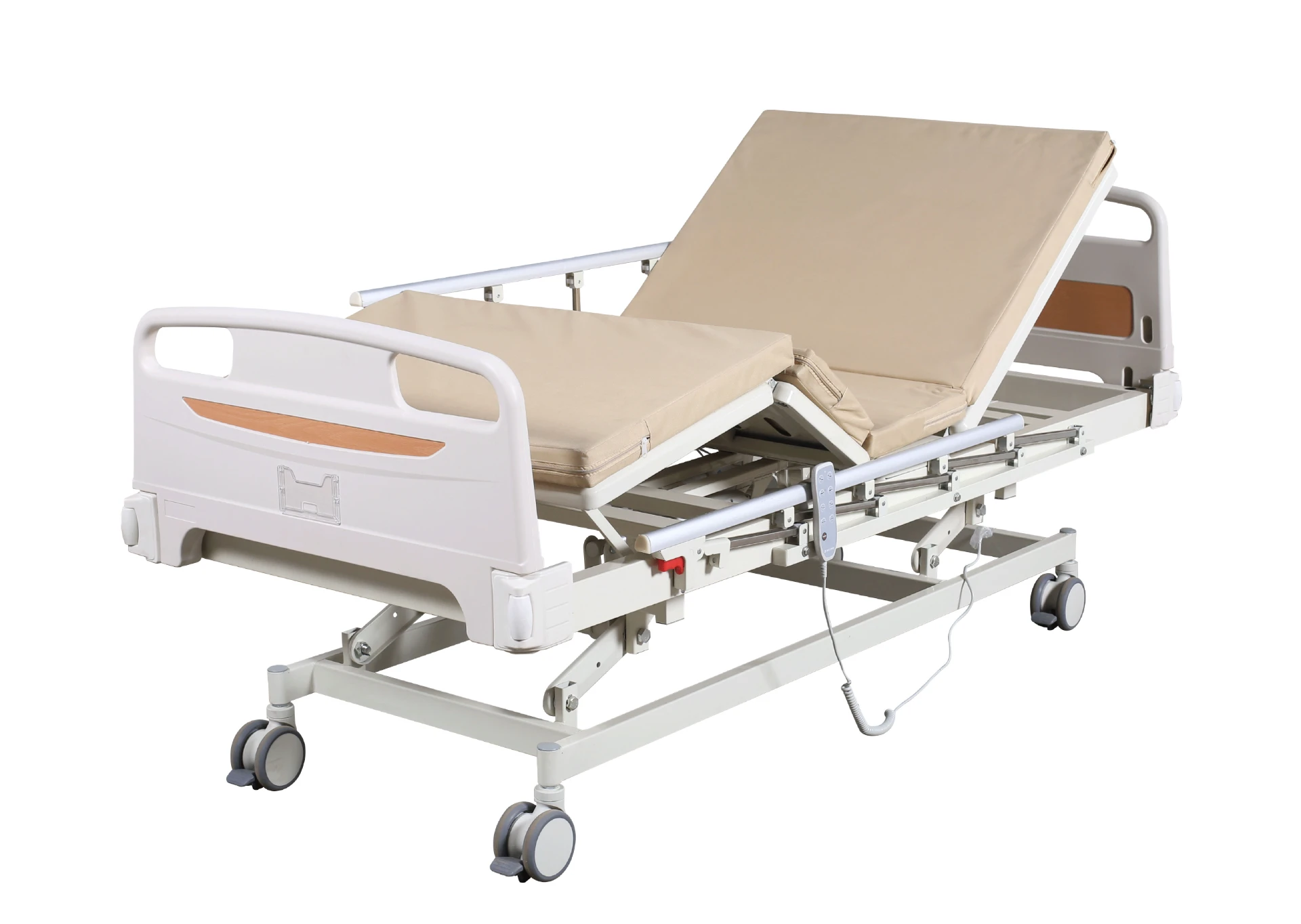
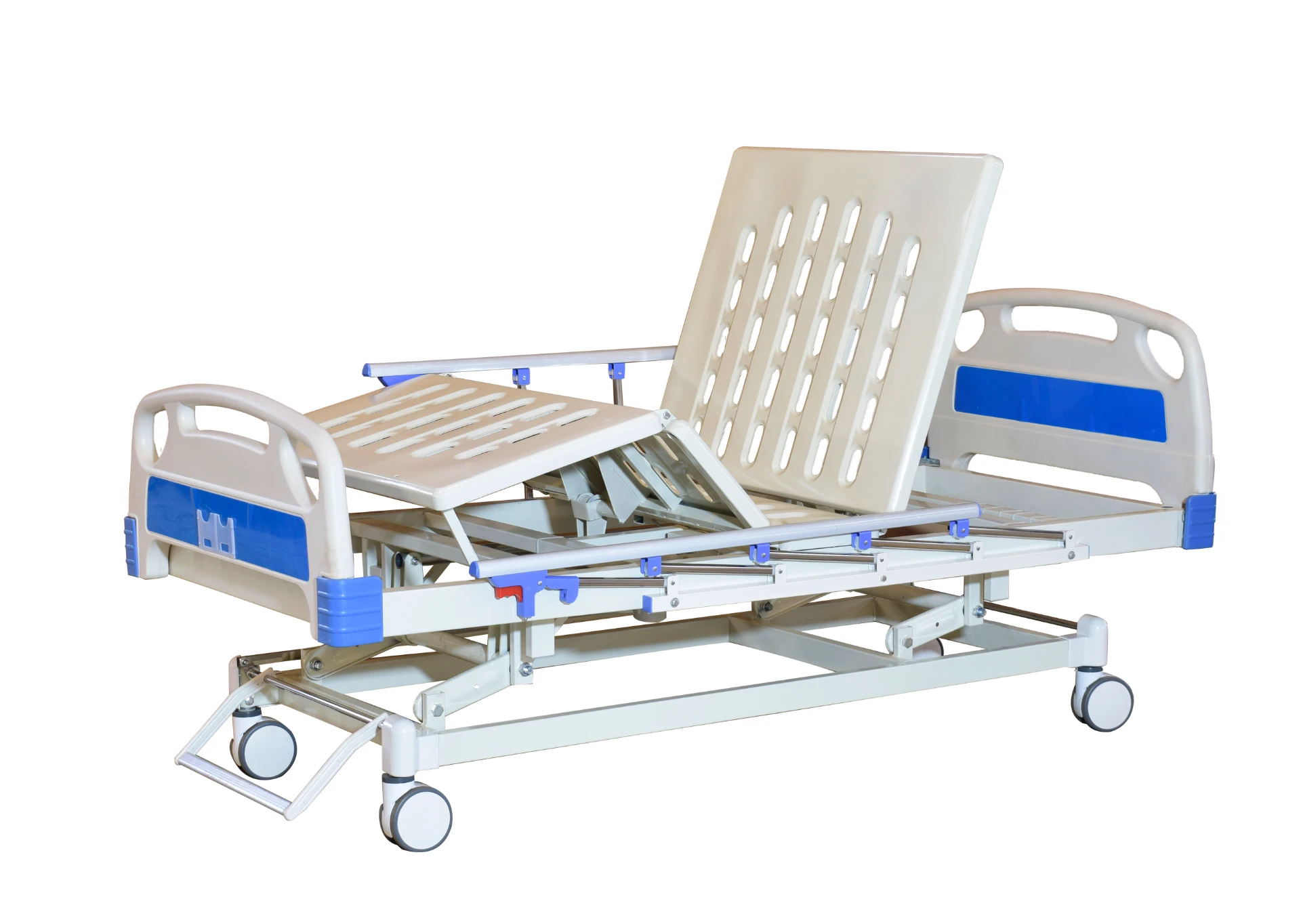
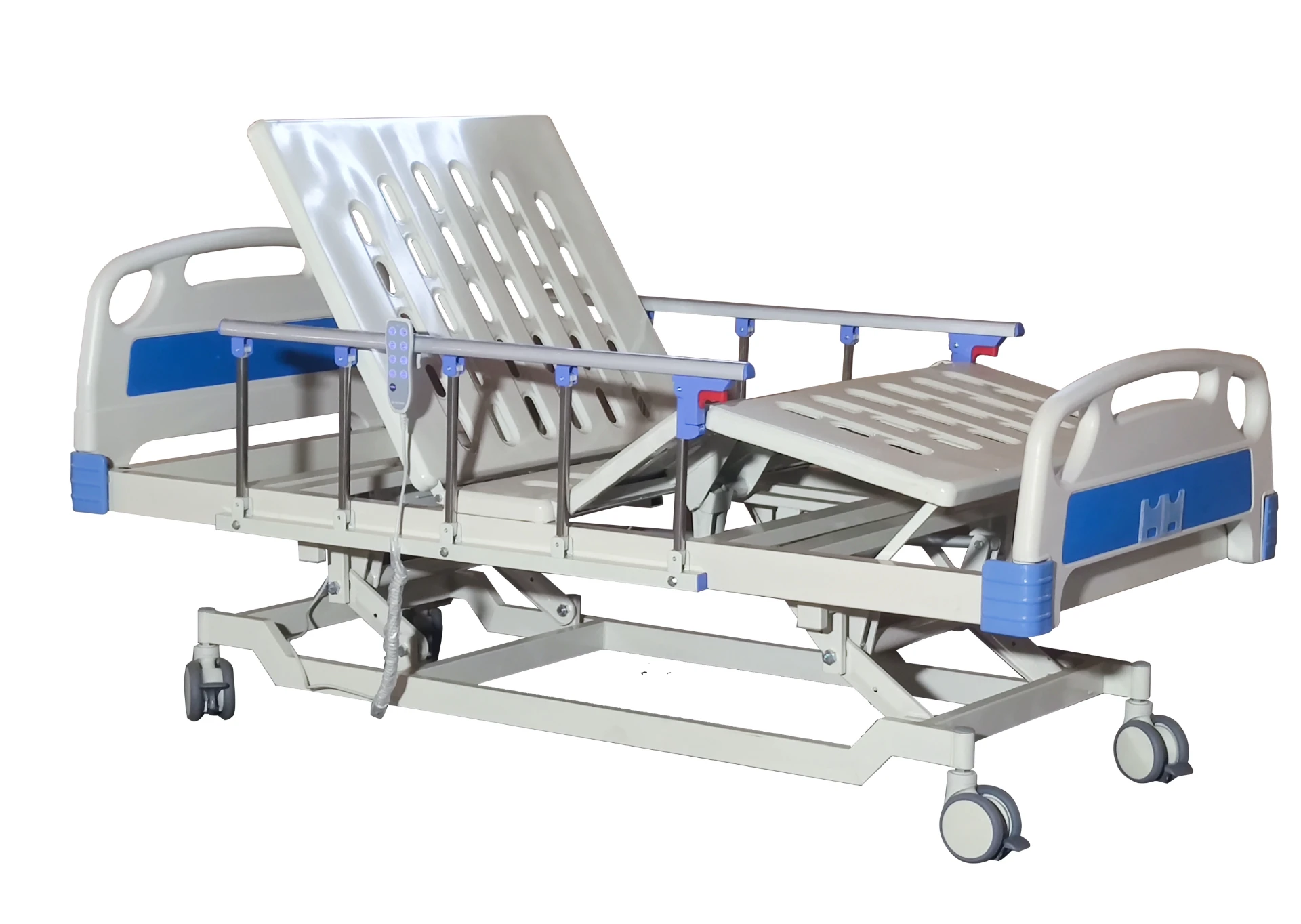
A bed that can adjust height or tilt can literally ease recovery. Good design reduces strain on healthcare workers, too, lowering injury risks and improving workflow.3. Scalability & Flexibility
Modular furniture or mobile equipment carts let hospitals adapt spaces quickly — crucial for emergencies or expanding facilities.4. Cost Efficiency
Budget limits push procurement teams to find products that balance initial cost with longevity and maintenance ease.5. Safety Standards Compliance
ISO and FDA regulations guarantee medical equipment meets critical safety and performance benchmarks. Choosing certified supplies ensures trust and reliability. Mini takeaway: When selecting medical equipment and furniture, durability, comfort, flexibility, cost, and safety aren't just buzzwords — they’re survival factors. ---Global Applications: Where Medical Equipment and Furniture Shine
Across continents and health systems, medical equipment and furniture come in all shapes and sizes — tailored to varying needs: - In high-tech urban hospitals (USA, EU): Advanced imaging machines and electronically controlled beds aid complex surgeries. - Remote rural clinics (Parts of Asia, Africa): Portable diagnostic kits combined with lightweight but sturdy examination tables make basic care possible. - Post-disaster relief (UN, Red Cross missions): Rapid-assembly mobile shelters with essential medical furnishings provide emergency clinics in earthquake or flood zones. - Industrial and mining camps: Temporary medical stations heavily rely on compact and durable hospital furniture to support onsite healthcare. One interesting bit — some regions, like Scandinavia, now favor eco-friendly furniture made from recycled materials. It aligns with broader sustainability goals while meeting healthcare demands. ---Specification Table: Typical Medical Furniture Features
| Feature | Description | Typical Value |
|---|---|---|
| Material | Anti-microbial steel, polymer composites | Stainless Steel 304 |
| Weight Capacity | Max load-bearing for patient safety | Up to 250 kg (550 lbs) |
| Adjustability | Height, tilt, backrest angles | 3-5 settings |
| Mobility | Wheels with locks for easy repositioning | Swivel casters, 360° rotation |
| Cleaning | Smooth surfaces for disinfection | IPX5 or higher |
Why Investing in Quality Medical Equipment and Furniture Pays Off
There’s an obvious rationale: quality equipment prevents accidents and infections, and furniture designed with ergonomic principles helps caregivers avoid musculoskeletal injuries that are surprisingly common in hospitals worldwide. But there’s also the human side. Patients feel safer and more dignified when environment and equipment are thoughtfully planned. I’ve heard hospital staff recount stories where adjustable beds allowed patients with limited mobility to regain some independence — a small but major quality of life boost. Long-term, well-maintained equipment reduces downtime and replacement costs. Socially, it supports equitable access to care, especially in underserved areas. In real terms, a durable hospital bed isn't just furniture — it’s a vessel for healing, hope, and human connection. ---Future Trends in Medical Equipment and Furniture
Technology is already reshaping healthcare settings. Here are some trends worth watching: - Smart Hospital Beds: Integrated sensors monitor patient vitals and movement, alerting staff to emergencies automatically. - Sustainable Materials: Bamboo composites, recycled plastics, and low-carbon steel are entering the market as eco-conscious buyers push for green solutions. - Modular & Portable Designs: Lightweight yet robust, enabling fast deployment in crises or mobile clinics. - Digital Integration: Furniture embedded with charging ports, touchscreens, or wireless device holders is becoming a norm — think of it as furniture frictionlessly cooperating with medical tech. - Automation & Robotics: Automated beds that reposition themselves or adjustable tables inspire visions of hands-free hospital rooms. It feels like the healthcare furniture industry is waking up to the digital and environmental revolutions — finally blending tradition with tomorrow. ---Common Challenges & Practical Solutions
Despite all the progress, several issues remain: - Cost vs. Quality: Low-income regions still struggle to afford high-end, certified equipment. Here, partnerships between governments and NGOs help bridge gaps. - Maintenance & Repairs: Imported machines often sit idle due to lack of trained technicians. “Train-the-trainer” programs and local manufacturing offer solutions. - Supply Chain Disruption: Recent global events proved just how fragile medical equipment supply can be. Stockpiling and local sourcing are new mantras. - Customization: One size rarely fits all. Custom products tailored to local cultures or clinical needs require flexible manufacturing approaches. Addressing these challenges requires a holistic view — marrying technology, policy, and local realities. ---Frequently Asked Questions About Medical Equipment and Furniture
- Q: How do hospitals ensure medical furniture meets hygiene standards?
A: Medical furniture is made from materials like stainless steel and antimicrobial polymers that resist pathogens. Smooth surfaces and ease of disinfection are key design factors to comply with ISO and CDC guidelines. - Q: Can mobile clinics rely on the same quality medical furniture as permanent hospitals?
A: Mobile clinics require lightweight, modular, and durable furniture designed for easy transport. While not always identical, their quality must still meet basic safety and comfort standards. - Q: What role does technology play in modern medical furniture?
A: Tech integrations like patient-monitoring sensors, automated adjustments, and smart controls improve care delivery and staff efficiency in hospitals. - Q: How do NGOs source medical equipment affordably for emergency relief?
A: NGOs often partner with specialized manufacturers offering modular, rapidly deployable, and budget-friendly solutions compliant with international standards. - Q: Are there eco-friendly options for medical furniture?
A: Yes, increasing focus on sustainability is bringing biodegradable materials, recycled composites, and green manufacturing techniques into healthcare furniturescape.
Vendor Comparison: Choosing the Right Supplier for Medical Equipment and Furniture
| Vendor | Product Range | Certifications | Customization level | Lead Time |
|---|---|---|---|---|
| GlobalMed Supplies | Full range - beds, devices, furniture | ISO 13485, FDA | High - tailor-made options | 6-8 weeks |
| HealthEquip Direct | Hospital furniture focus | CE Mark | Medium - modular choices | 4-6 weeks |
| ReliefMed Solutions | Emergency & portable equipment | ISO 13485, WHO prequalification | Low-medium - standard modules | 2-4 weeks |
Conclusion: Why Medical Equipment and Furniture Are an Investment in Health and Humanity
To wrap it all up, medical equipment and furniture do much more than fill hospital rooms—they are fundamental to how healthcare is delivered and experienced worldwide. Their design, durability, and adaptability have ripple effects on quality, safety, and dignity. As the global health landscape evolves, so does the demand for smarter, sustainable, and affordable solutions. Whether you’re a healthcare professional, policymaker, or supplier, understanding these components helps inform smarter investments and responses. And frankly, it feels good knowing that something as tangible as a hospital bed or examination table could be a lifeline for millions. For those interested in exploring top-tier solutions and further insights, please visit our website: medical equipment and furniture provider. ---References
Latest news
-
Ultimate Guide to Choosing Extra Wide Waiting Room ChairsNewsApr.16,2026
-
Guide to Choosing Professional Waiting Room Chairs Wipeable SeatingNewsApr.09,2026
-
Enhance Your Space with Comfortable Wide Waiting Room ChairsNewsApr.07,2026
-
Selecting the Ideal Brown Waiting Room Chairs for a Welcoming SpaceNewsApr.04,2026
-
Choosing Comfortable Patient Waiting Room Chairs for Healthcare FacilitiesNewsMar.31,2026
-
Finding the Best Deals on Affordable and Cheap Reception Chairs for Your BusinessNewsMar.28,2026
-
Enhance Your Business Reception with Comfortable Blue Reception ChairsNewsMar.26,2026
Related Products