Welcome to our websites!


Medical Equipment Furniture - Durable & Ergonomic Solutions for Healthcare Facilities
Understanding Medical Equipment Furniture: Why It Matters Today
At first glance, "medical equipment furniture" might sound like a straightforward category — just some specialized tables, carts, or cabinets for hospitals, right? But dig a little deeper, and you quickly realize its significance stretches well beyond mere storage or convenience. This furniture is the backbone that supports everything from emergency care in remote villages to high-tech surgical suites in urban centers. Globally, as healthcare systems grapple with rising demands, tighter budgets, and calls for sustainability, understanding how medical equipment furniture fits in—and innovates—can mean the difference between efficient patient care and logistical nightmares.
The global medical furniture market is poised to grow robustly, fueled by ageing populations, rising chronic diseases, and expanding healthcare infrastructure worldwide. For example, the World Bank notes healthcare spending as a critical factor in development, and while medical devices get much attention, the furniture supporting them deserves none less. It's an often overlooked but vital part of healthcare delivery systems.
Mini Takeaway: Medical equipment furniture isn't just hospital décor; it's a strategic cornerstone in delivering safe, reliable care on a massive scale.
Global Context: Facing New Healthcare & Logistics Challenges
Globally, healthcare facilities—from New York City hospitals to rural clinics in sub-Saharan Africa—rely heavily on medical equipment furniture to meet their evolving needs. But challenges abound: supply chain disruptions (we all know 2020 reminded us about that), the need for easily sanitized surfaces amid pandemics, and pressure to sustainably source materials. According to the United Nations, strengthening healthcare infrastructure in developing nations is a priority, and appropriate, durable equipment furniture is part and parcel of those efforts.
For instance, the ISO updates standards frequently on medical furniture to ensure safety and hygienic design, signaling an international recognition of how critical this topic is in modern health management.
Mini Takeaway: The global push for healthier populations directly hinges on adaptable, durable, and hygienic medical furniture solutions.
What Is Medical Equipment Furniture, Really?
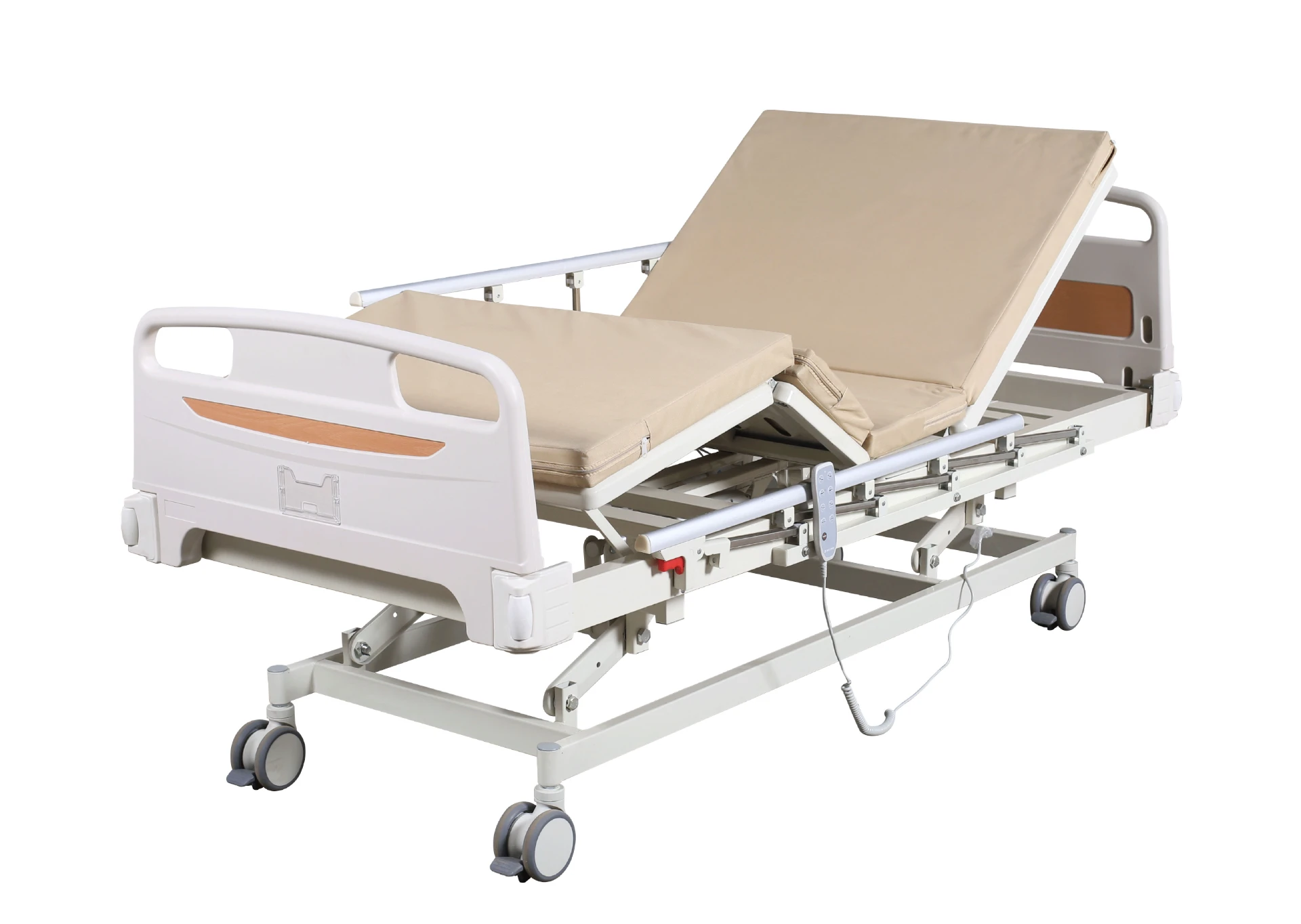
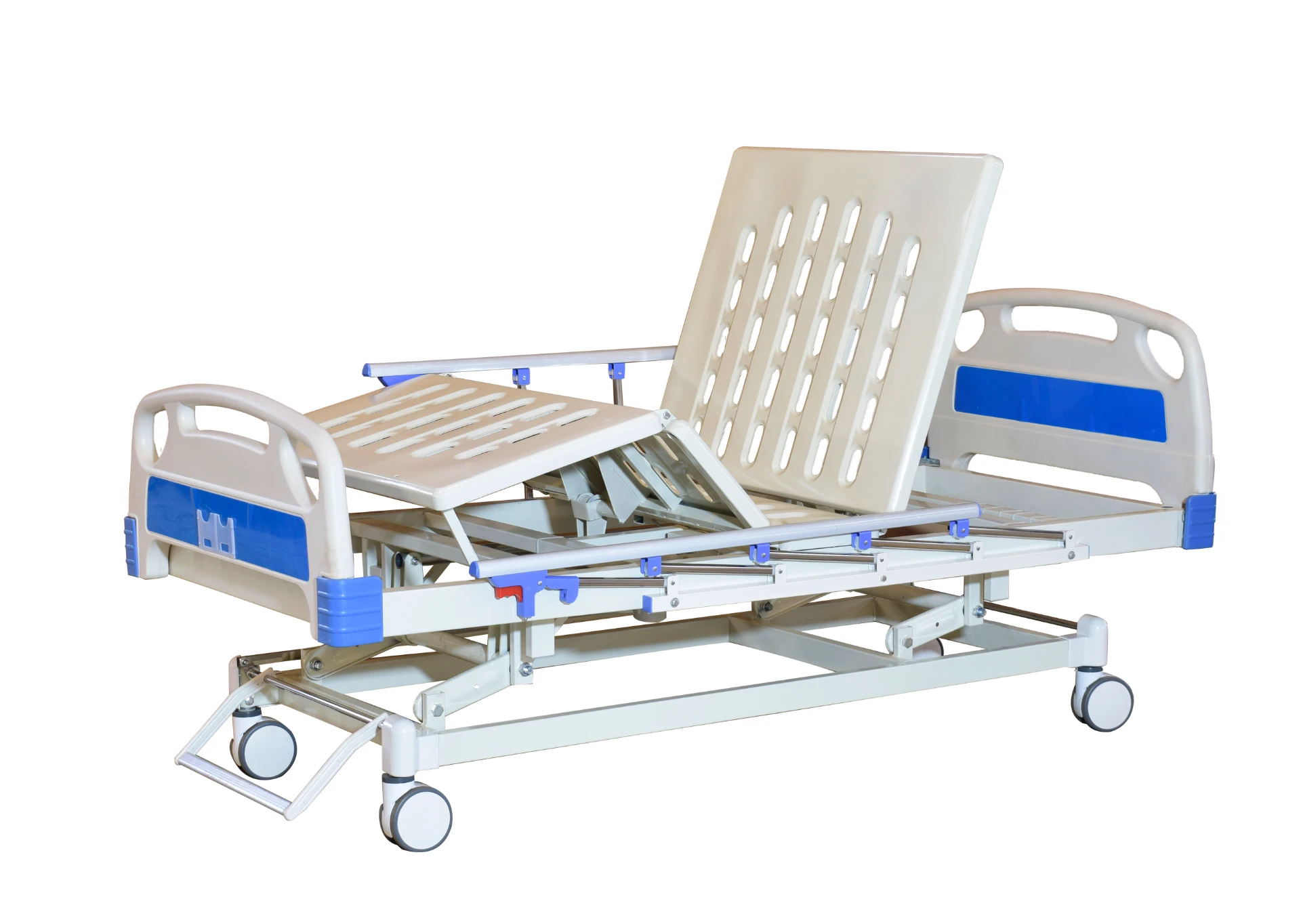
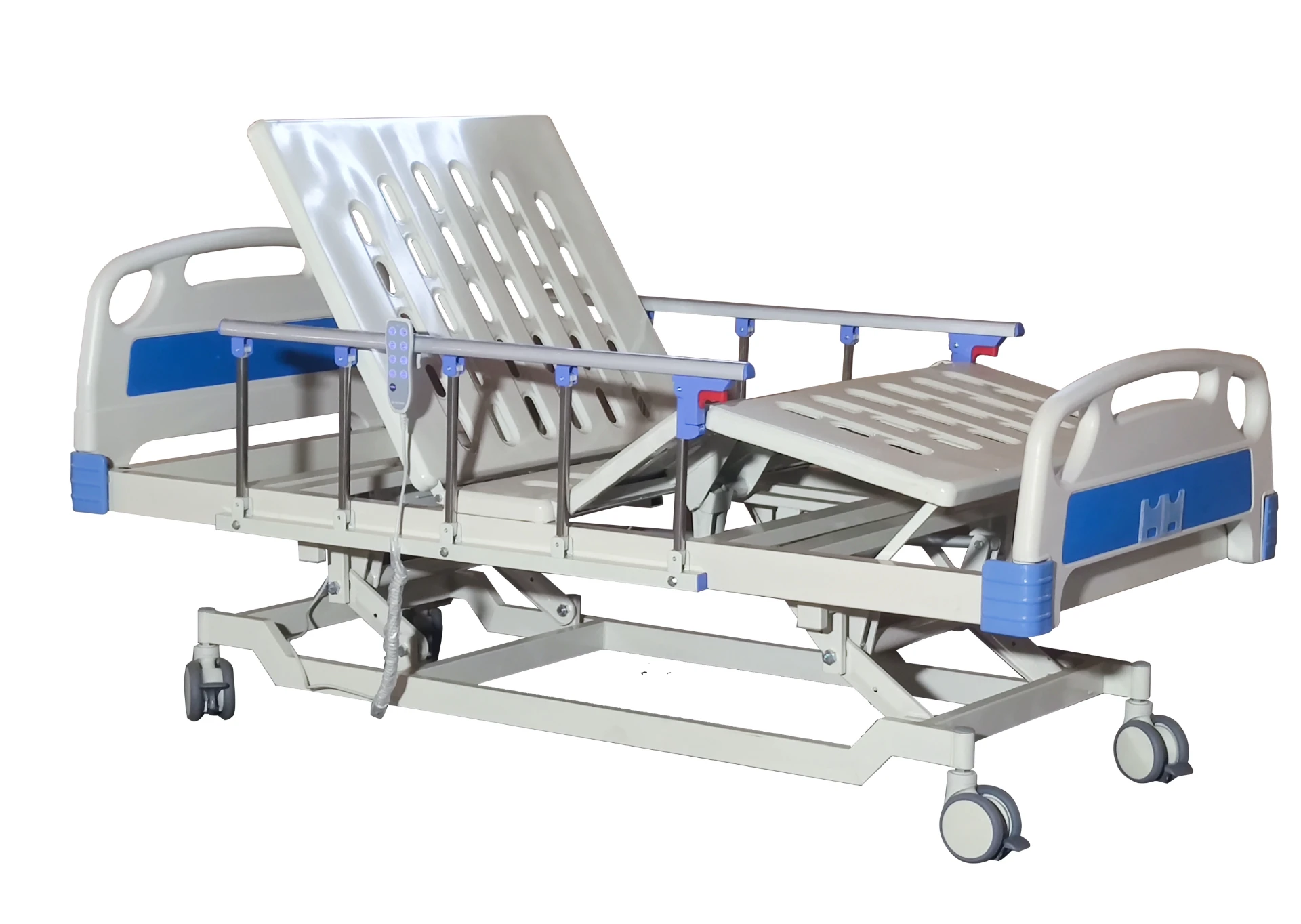
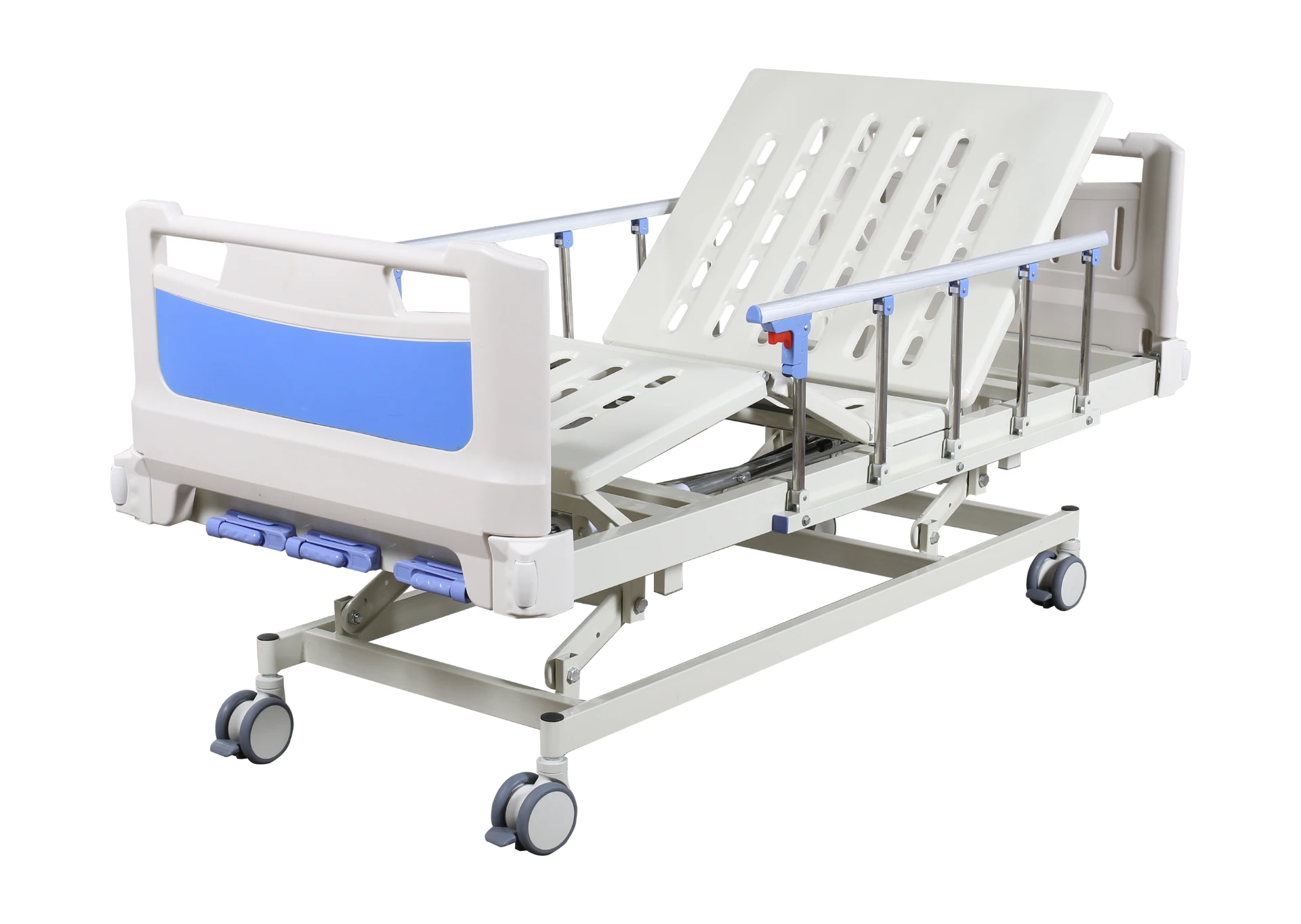
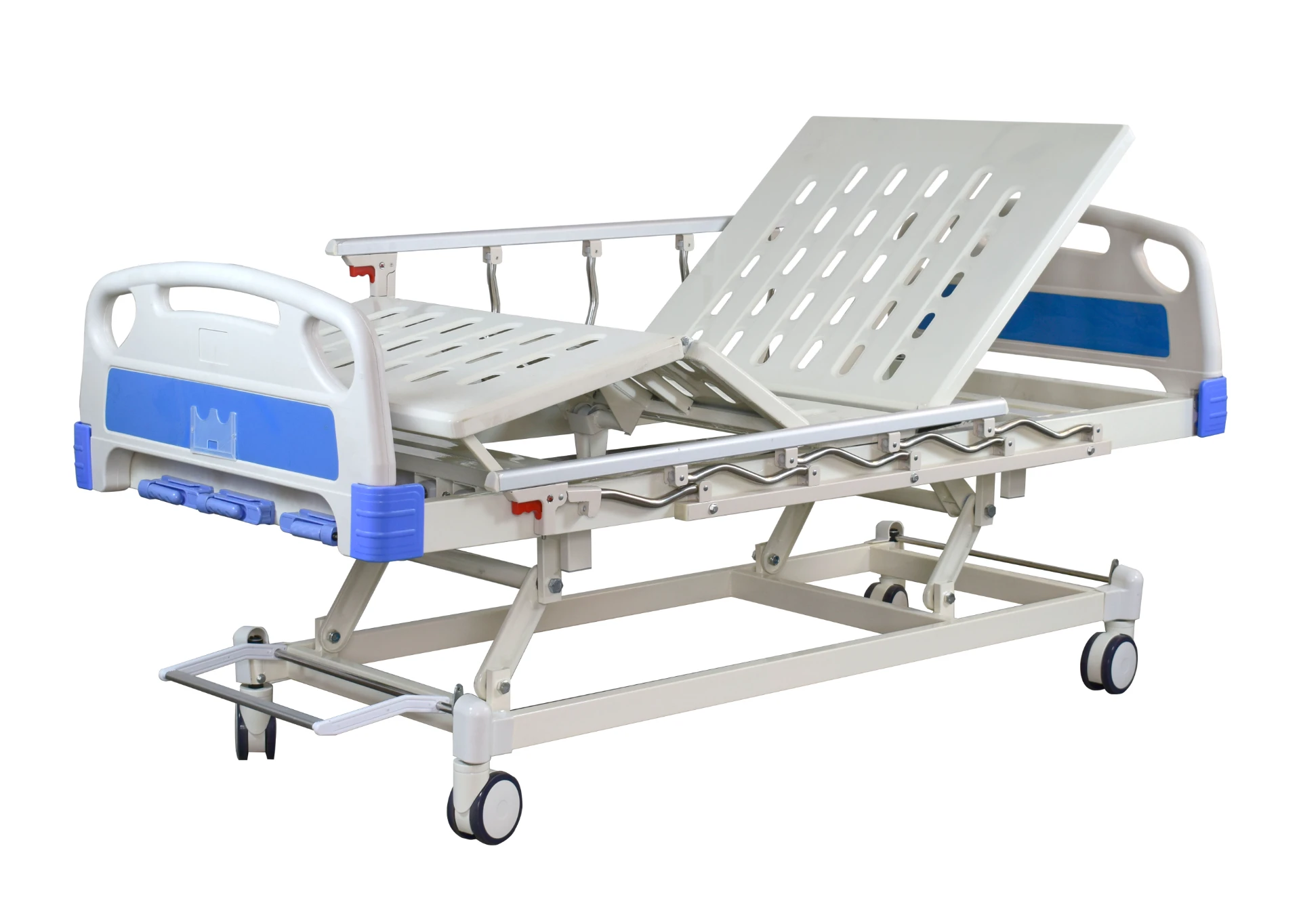
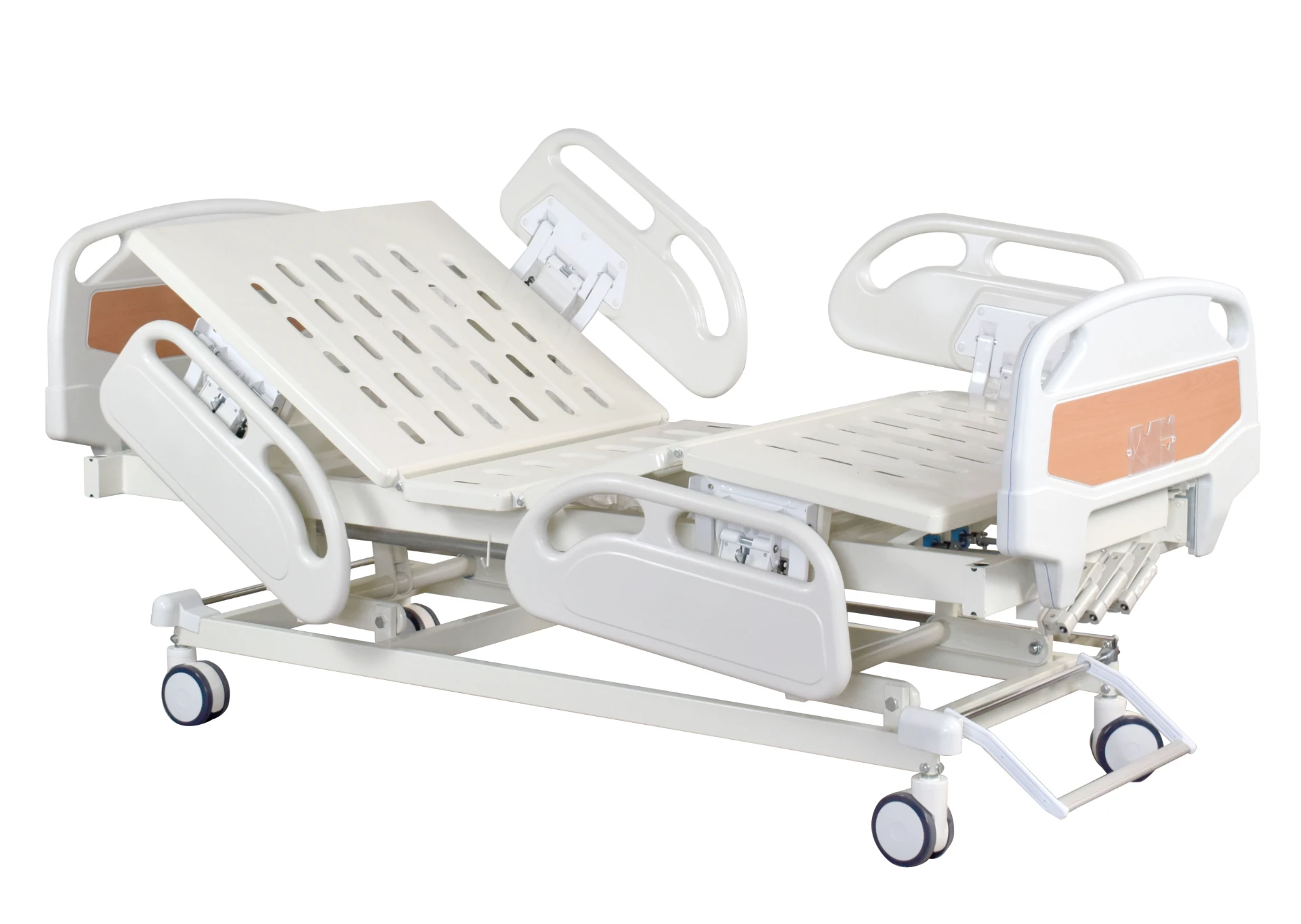
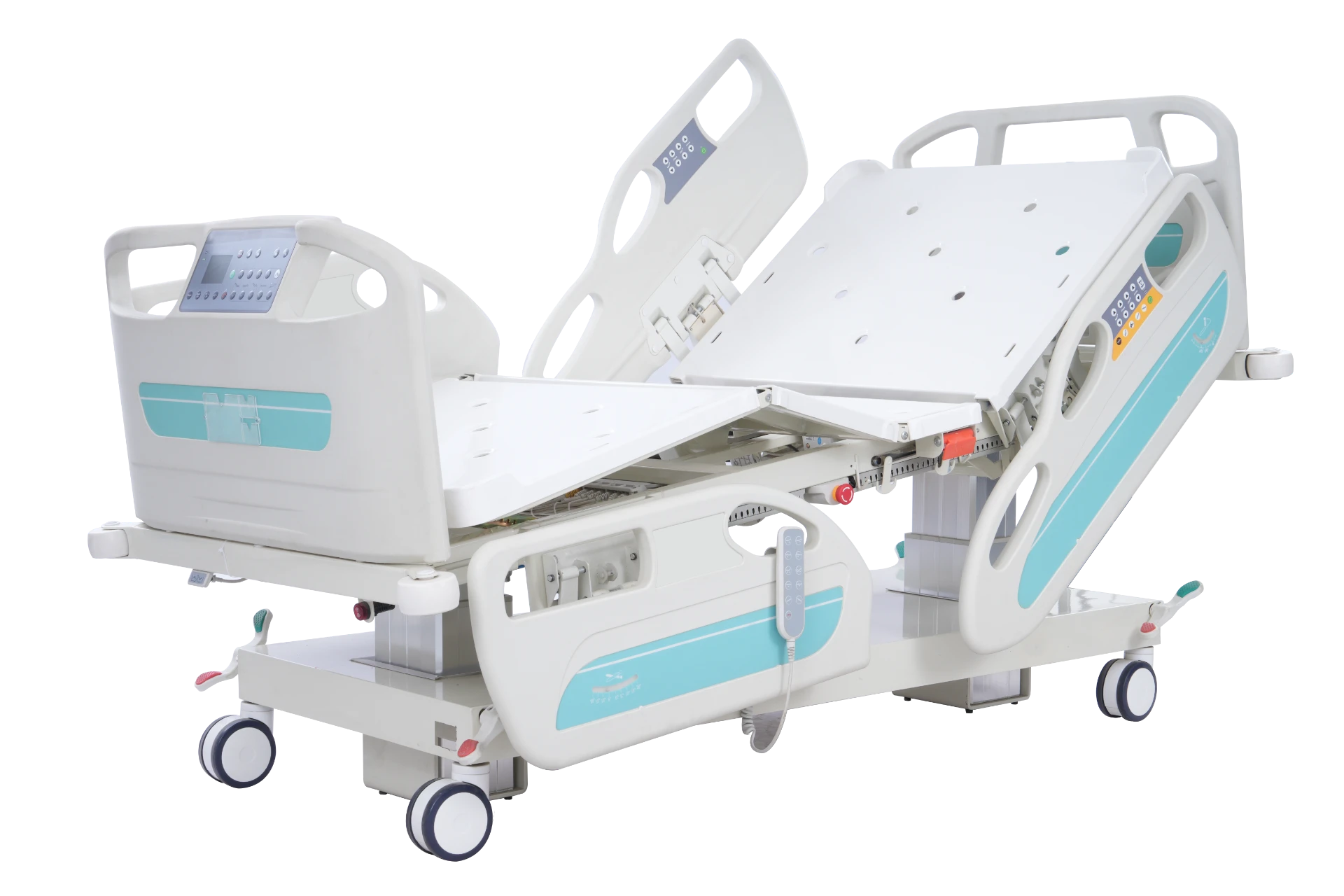
Simply put, medical equipment furniture includes any furniture designed specifically to support medical equipment or healthcare practices. Think beyond just cabinets or mobile carts; we're talking about beds, operating tables, instrument stands, workstations, and storage units, all engineered to meet strict standards of durability, cleanliness, and ergonomics. This furniture bridges the gap between expensive, complex machines and the humans who operate or benefit from them.
In the humanitarian sector, companies specializing in medical equipment furniture help set up functional clinics in disaster zones, making emergency care possible in places otherwise lacking infrastructure.
Mini Takeaway: It’s the thoughtfully designed furniture that makes healthcare equipment usable, safe, and accessible.
Core Components that Make Medical Furniture Work
Durability and Material Quality
Medical facilities demand furniture built to last—think heavy use, chemical-resistant surfaces, and enduring construction materials like stainless steel or antimicrobial composites. With daily sanitation and mechanical stress, subpar materials simply won't cut it.
Ergonomics and Accessibility
How often do you consider the ease of nurses reaching supplies or positioning patients comfortably? Good medical furniture addresses real human factor needs to reduce staff fatigue and improve patient experiences.
Scalability and Modular Design
Rapidly changing healthcare environments benefit from modular furniture that can be reconfigured without costly replacements. This flexibility is crucial in pandemic responses or expanding clinics.
Cost Efficiency
Budget constraints force medical providers to seek affordable options without compromising hygiene or safety. The best designs balance cost and quality cleverly.
Sanitation and Infection Control
Surfaces and designs that minimize microbial growth, allow easy cleaning, and avoid complicated crevices make all the difference when infection control is paramount.
Mobility and Storage Optimization
Items like mobile carts with lockable wheels or compact storage solutions streamline workflows, saving time and reducing errors.
Mini Takeaway: From tough materials to smart ergonomics, several factors play together to make medical furniture practical and indispensable.
Real-World Applications Around the Globe
In post-disaster scenarios like the 2015 Nepal earthquake, rapidly deployable medical furniture enabled temporary hospitals to be functional within days. Hospitals in Europe regularly upgrade their furniture to comply with the latest ISO safety standards, improving staff performance and patient care.
Remote industrial zones benefit significantly from rugged, easy-to-clean furniture that withstands harsh climates—especially when healthcare workers must set up pop-up clinics on short notice. Even in developed regions, innovations in digital integration (like adjustable beds with embedded sensors) are becoming the norm.
Mini Takeaway: Medical equipment furniture serves a broad spectrum—from emergency humanitarian aid to everyday clinical excellence in city hospitals.
Advantages and Long-Term Value
- Cost Savings: Durable furniture reduces frequent replacements and downtime.
- Sustainability: Many modern designs use recycled materials or promote easy recycling after lifecycle end.
- Patient Safety & Comfort: Thoughtful designs address mobility and hygiene, directly impacting care outcomes.
- Staff Efficiency: Reducing fatigue via ergonomic furniture fosters a happier, more productive workforce.
Honestly, when I visited a hospital renovation project recently, nurses appreciated replacing awkward old carts with mobile units that saved minutes each shift. In a busy ward, that adds up to hours a week—time that can mean life or death.
Mini Takeaway: Investing in quality medical equipment furniture is not just smart—it's humane.
Spotlight on Specifications: What to Consider?
| Attribute | Typical Range/Standard | Practical Impact |
|---|---|---|
| Material | Stainless Steel, Laminated Wood, Composite Plastics | Durability & cleaning ease |
| Load Capacity | Up to 300 kg for beds and trolleys | Patient safety & equipment support |
| Mobility | Lockable casters, swivel wheels | Ease of transport within facilities |
| Surface Finish | Antimicrobial coatings, smooth laminates | Infection control & hygiene |
| Dimensions | Industry standard sizes or custom | Fits facility space & equipment needs |
Comparing Leading Medical Equipment Furniture Vendors
| Vendor | Product Range | Innovation Level | Global Reach | Price Range |
|---|---|---|---|---|
| MedFurn Co. | Beds, Carts, Operating Tables | High (Smart adjustable beds) | Americas, Europe, Asia | $$$ |
| HealthEquip Ltd. | Storage & Transport Units | Medium (Modular designs) | Europe, Africa | $$ |
| SafeCare Furnishings | Sanitation-optimized Furniture | High (Antimicrobial finishes) | Global | $$$ |
| ClinicModulars | Modular Systems, Lightweight Units | Medium (Eco-friendly materials) | Asia, Australia | $ - $$ |
Emerging Trends and the Future of Medical Equipment Furniture
Frankly, the future looks pretty exciting. Green manufacturing methods are gaining traction, turning out furniture with lower carbon footprints. Digital transformation is impacting even furniture design—think adjustable beds integrated with IoT sensors that monitor patient vitals or ergonomically optimized carts that streamline inventory tracking.
Automation and robotics will likely partner with modular furniture to create adaptable hospital spaces that reconfigure themselves as patient loads spike or fall. That adaptive agility isn't just cool tech; it may soon define how resilient healthcare systems really are.
Mini Takeaway: Innovation in medical equipment furniture means smarter, greener, and more responsive care environments are on the horizon.
Challenges and Solutions in Medical Equipment Furniture
Of course, no field is without hurdles. Supply chain slowdowns and cost pressures can push providers toward cheaper, less reliable options. Additionally, in many developing regions, furniture delivered doesn’t always meet local needs or maintenance realities. A one-size-fits-all mentality just doesn’t work.
Experts suggest local customization, better staff training, and international collaborations to address these issues effectively. Plus, companies innovating with easy-to-clean surfaces and modular designs make maintenance less daunting, even in challenging settings.
Mini Takeaway: Addressing local needs and embracing innovation can solve many persistent furniture-related challenges in medical care.
FAQ: Your Questions About Medical Equipment Furniture, Answered
- What makes medical equipment furniture different from regular furniture?
- Medical equipment furniture is specially designed to comply with hygiene standards, support medical devices, and withstand rigorous cleaning procedures, unlike consumer-grade furniture.
- How can modular medical furniture improve hospital efficiency?
- Modularity allows rapid reconfiguration of spaces, helping hospitals adapt quickly during emergencies or changing care demands, saving time and resources.
- Is investing in antimicrobial surfaces really worthwhile?
- Yes. These surfaces reduce infection risks and improve patient safety, which can lower healthcare-associated infection rates significantly.
- What challenges should be considered when importing medical furniture internationally?
- Importing requires attention to regulatory compliance, shipping damage prevention, and understanding local climate and usage conditions to ensure durability and functionality.
Wrapping Up: Medical Equipment Furniture Matters More Than You Think
Exploring the world of medical equipment furniture reveals it as a subtle yet critical enabler of quality healthcare. Its impact on safety, efficiency, and sustainability across global health systems cannot be overstated. If you’re involved in healthcare infrastructure or procurement, keeping up with this often overlooked category can unlock serious improvements.
Curious to explore more or upgrade your medical facility’s furnishings? Visit our website: https://www.cnboxin.com — your next step toward smarter healthcare spaces.
References
-
Ultimate Guide to Choosing Extra Wide Waiting Room ChairsNewsApr.16,2026
-
Guide to Choosing Professional Waiting Room Chairs Wipeable SeatingNewsApr.09,2026
-
Enhance Your Space with Comfortable Wide Waiting Room ChairsNewsApr.07,2026
-
Selecting the Ideal Brown Waiting Room Chairs for a Welcoming SpaceNewsApr.04,2026
-
Choosing Comfortable Patient Waiting Room Chairs for Healthcare FacilitiesNewsMar.31,2026
-
Finding the Best Deals on Affordable and Cheap Reception Chairs for Your BusinessNewsMar.28,2026
-
Enhance Your Business Reception with Comfortable Blue Reception ChairsNewsMar.26,2026