Welcome to our websites!


Hospital Simple Bed: Durable, Affordable Patient Care Solutions Worldwide
Understanding Hospital Simple Beds: A Key to Better Healthcare Worldwide
If you work in healthcare or medical supply chains, the term hospital simple bed probably rings a familiar bell. Yet, outside those circles, it’s less talked about, despite being essential globally. Oddly enough, in emergency relief camps or community health clinics, these straightforward beds quietly uphold dignity, safety, and comfort for millions. Their relevance spans remote village clinics in Africa, sprawling urban hospitals in Europe, and everything between. Put simply: a hospital simple bed is the backbone of basic patient care environments. Its design and availability critically influence recovery quality, safety for both patients and nurses, and logistical ease. In today’s world where efficient, affordable healthcare access is a global challenge, understanding how these beds work and why they matter is surprisingly impactful.Mini takeaway: By investing even a little thought into hospital simple beds, we glimpse a vital piece of global healthcare infrastructure — an unsung hero many overlook, but one that literally supports life every day.
Global Context: Why Hospital Simple Beds Matter More Than Ever
Globally, healthcare demands are simultaneously escalating and facing resource constraints. The World Health Organization (WHO) notes that the aging population and chronic diseases are pushing health systems to their limits^1^. Yet, the supply of fundamental equipment — like beds that are easy to deploy, maintain, and afford — is patchy, especially in low-income regions. In disaster zones, refugee camps, or rural health outposts, the availability of hospital simple bed designs that balance durability, functionality, and cost-efficiency is a real game-changer. The UN (United Nations) emphasizes quick deployable and resilient healthcare infrastructure in emergencies^2^. Without reliable beds, nurses struggle to keep patients comfortable, and hygiene standards falter — all impacting recovery outcomes. However, a nagging problem persists: many facilities acquire substandard beds or overly complex, costly models that fail in harsh conditions. That’s precisely where the idea of a simple, robust hospital bed comes into play: offering the right specs for broad application, without needless bells and whistles.Mini takeaway: As health crises multiply and budgets tighten, hospital simple beds are quietly becoming an essential, globally relevant solution — providing scalable care comfort in tough spots.
What Exactly Is a Hospital Simple Bed?
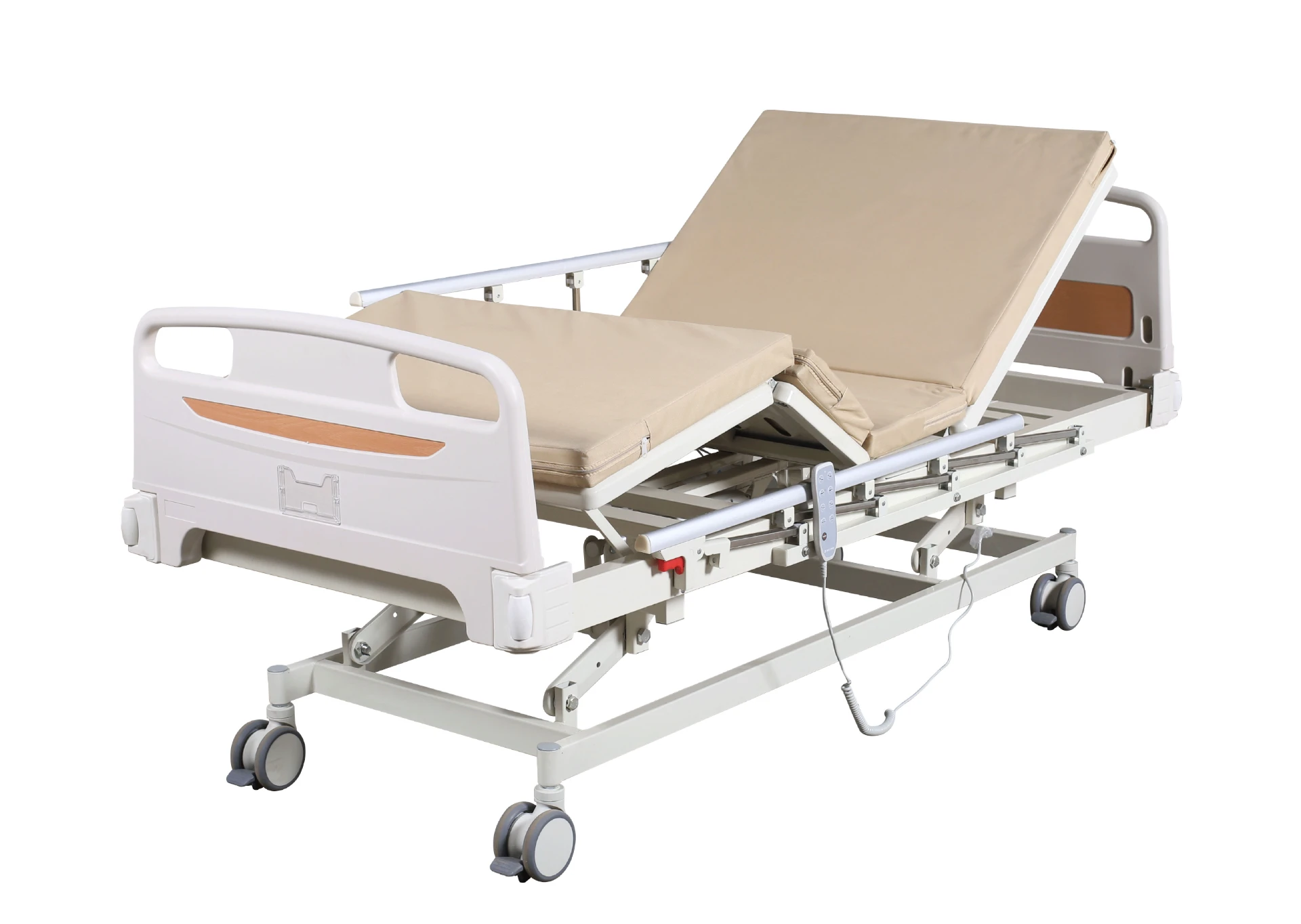
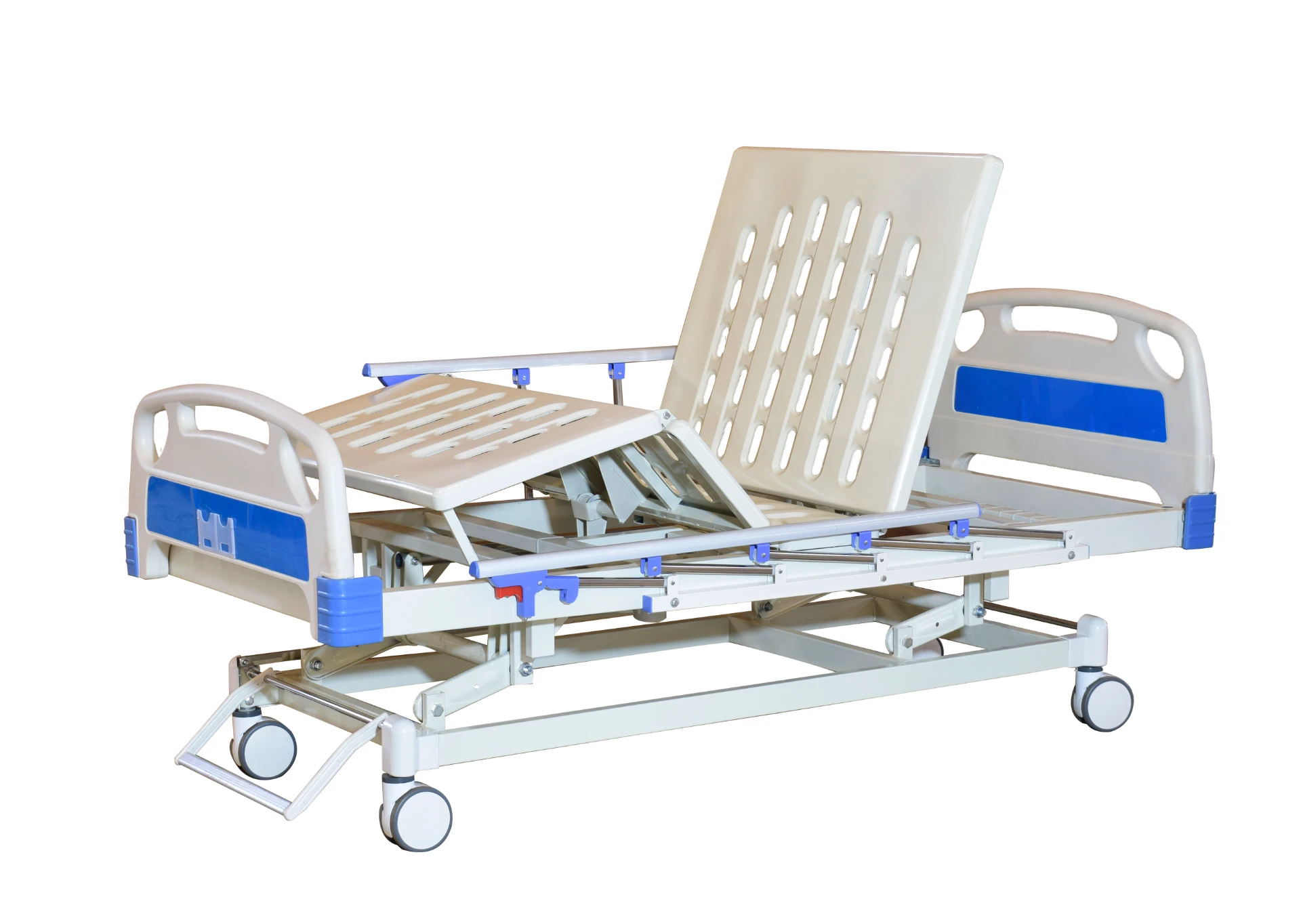
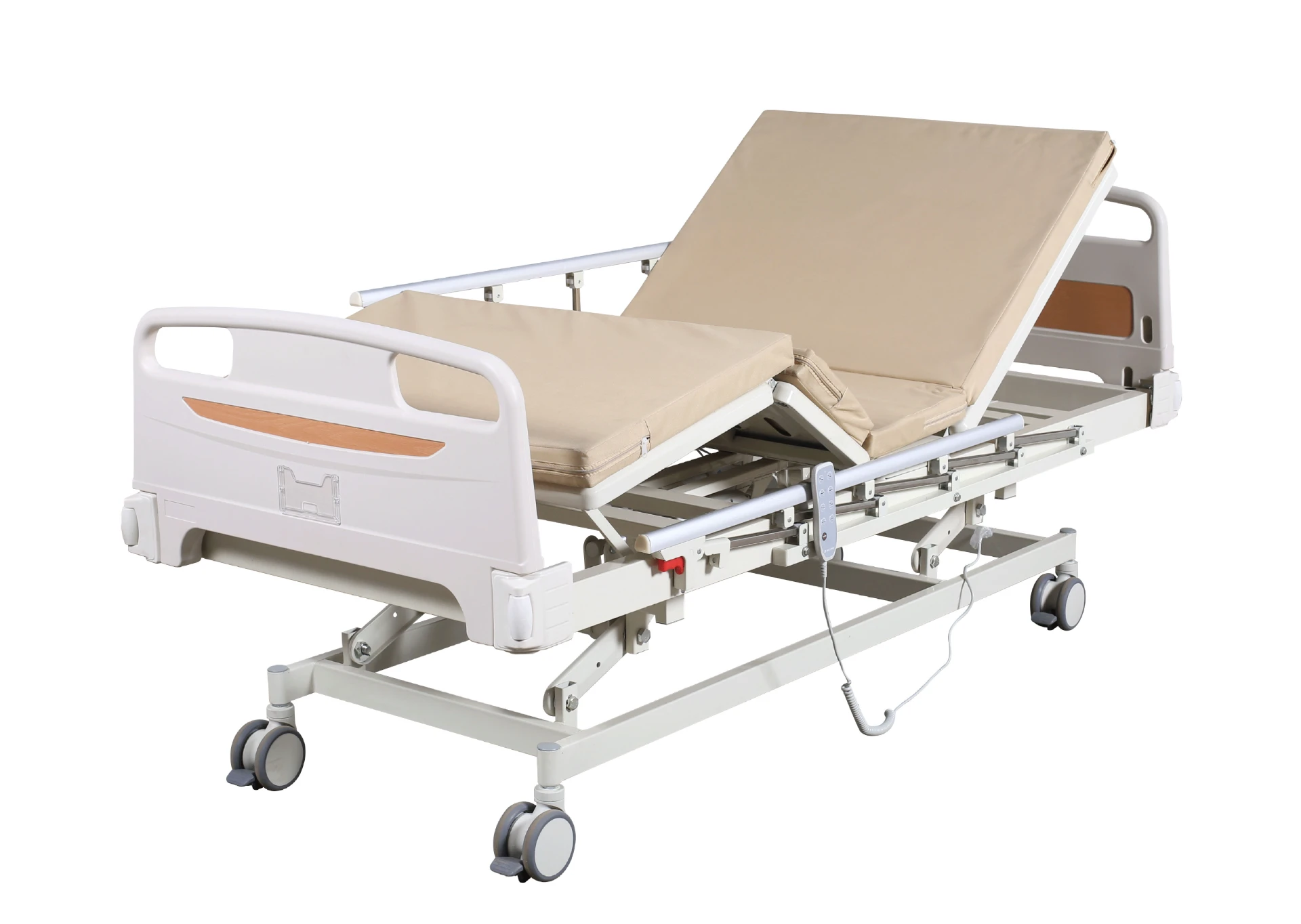
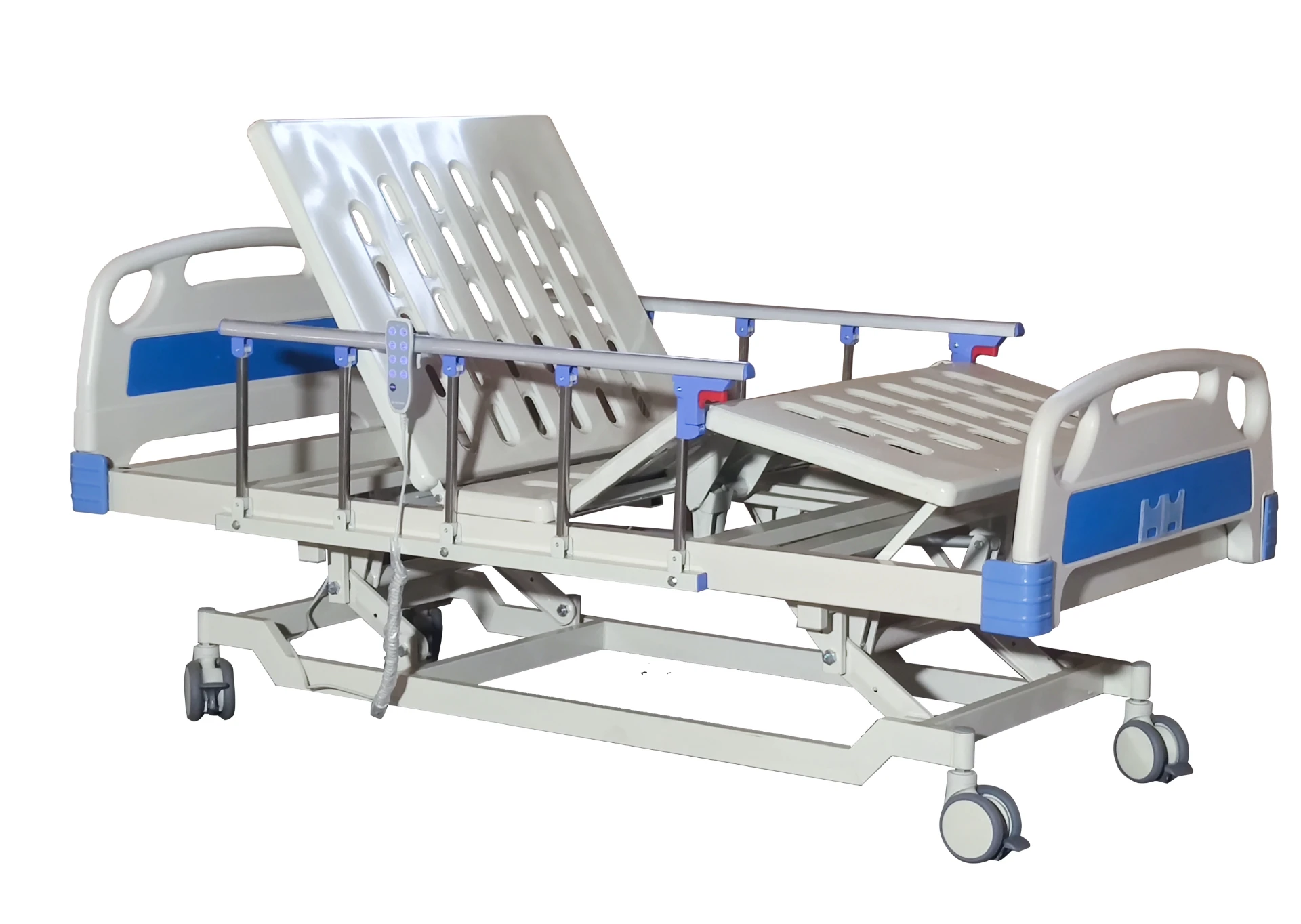
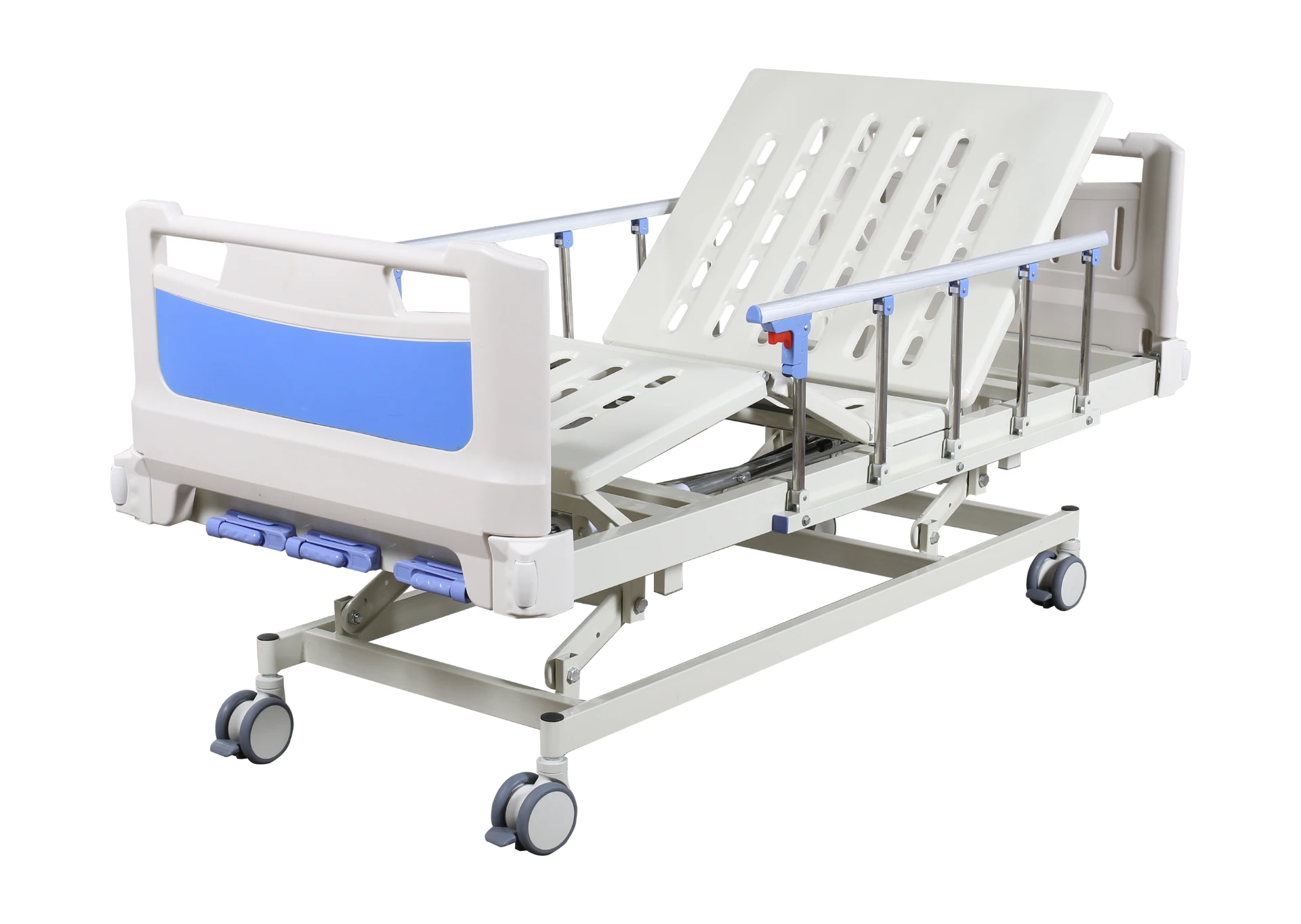
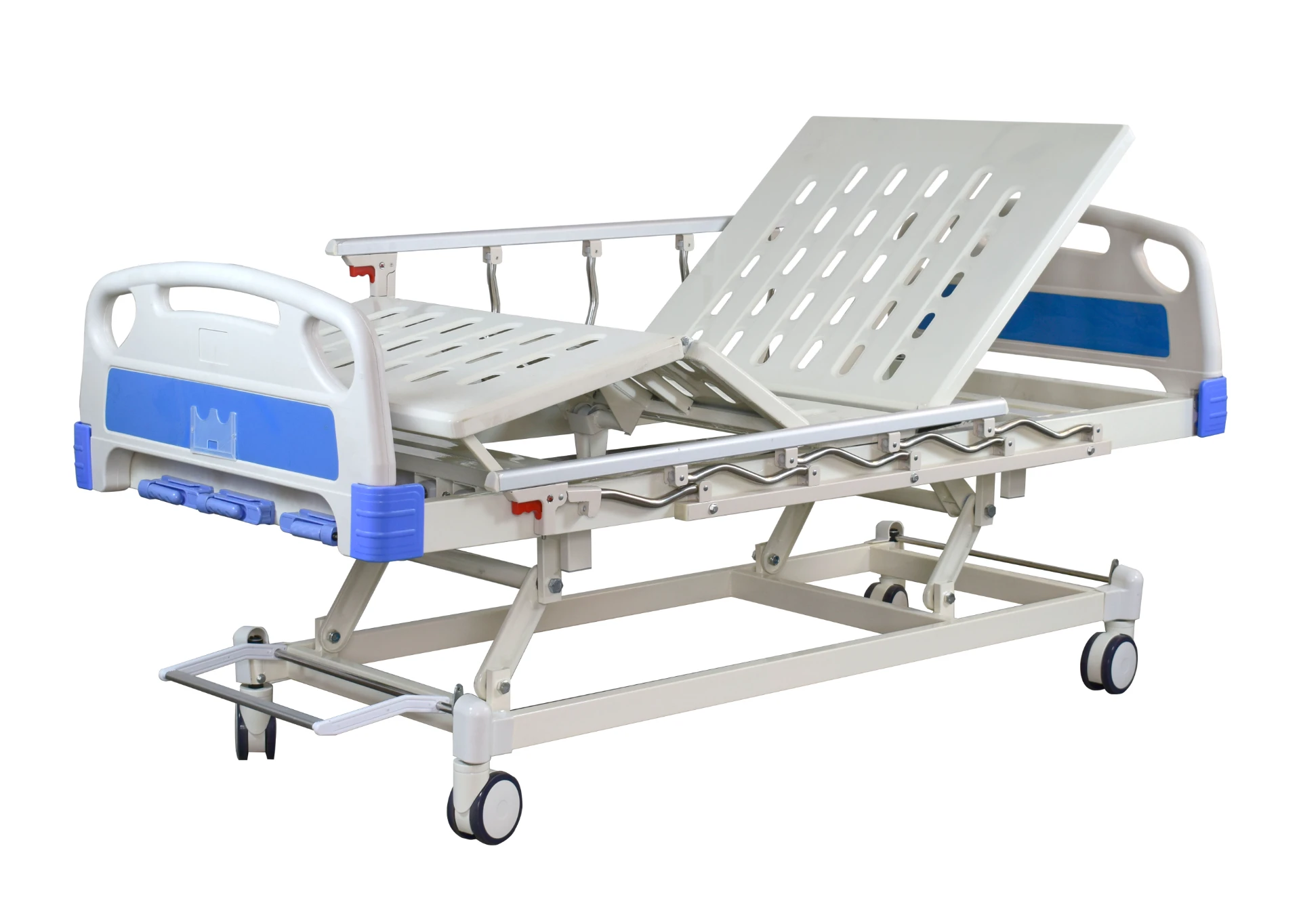
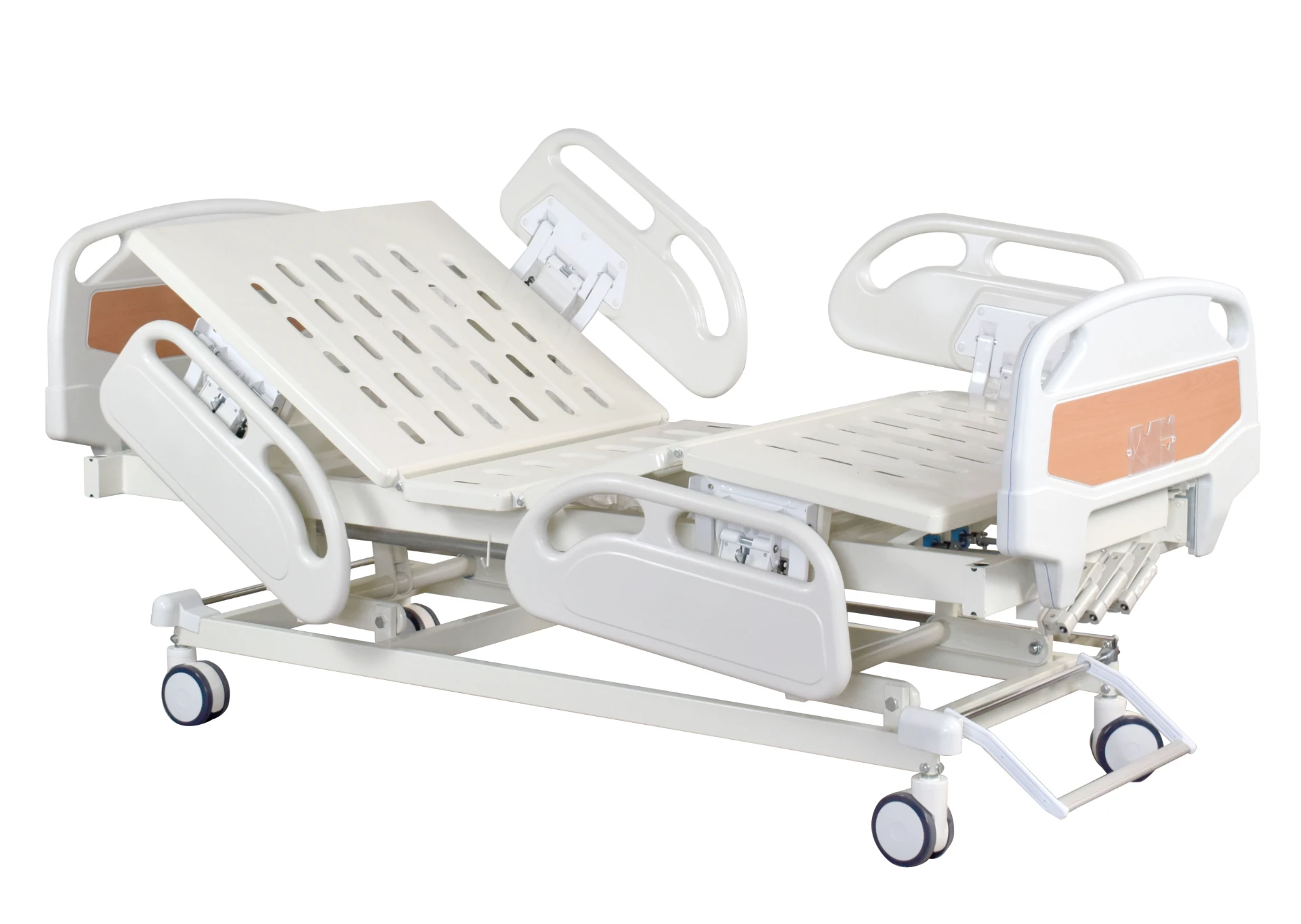
At its core, a hospital simple bed is designed for patient support that prioritizes basic needs — safety, comfort, hygiene, and ease of use — without complex electronic controls or patient-positioning motors. Typically constructed from metal frames and durable yet lightweight panels, they provide a sturdy platform often with manual adjustment options like tilting the head or footboard. These beds connect closely to the evolving needs of healthcare delivery: they’re practical in field hospitals and community clinics where electricity may be unreliable. They’re easy to clean, rapid to deploy, and affordable to maintain. Plus, since hospital simple beds are less prone to technical failures, trusted caregivers lean on them heavily. In humanitarian or crisis settings, they achieve an equilibrium — simple but sufficient. They’re the kind of furniture you don't notice until it’s missing.Mini takeaway: Hospital simple beds are the pragmatists of patient furniture — focusing on smart design and fundamentals, not flashy features.
Key Features That Define Hospital Simple Beds
1. Durability & Material Quality
A good hospital simple bed is mostly metal (steel or aluminum), often powder-coated to resist rust in humid environments. Some use plastic components designed for easy cleaning and longevity. The structural sturdiness supports patients up to 150–200kg, reflecting broad usability.2. Manual Adjustability
While lacking electronics, many come with hand-cranks or simple levers to adjust bed angles. It’s not fancy but offers nursing staff vital flexibility during care routines, especially in settings without power.3. Portability & Assembly
Many models are either foldable or modular, making transport to remote locations or quick setup at camps possible. Some even fit into standard pallets for shipping, aiding disaster-relief NGOs hugely.4. Infection Control & Hygiene
Smooth surfaces, detachable side rails, and materials resistant to disinfectants ensure that hospital simple beds meet hygiene standards — which is critical, especially for infection-prone wards.5. Cost Effectiveness
Designed for affordability, these beds usually cost a fraction of high-end hospital beds, making them scalable for public health projects or emergency procurements.Mini takeaway: The magic of hospital simple beds lies in their balanced specs — rugged but economical, manual but effective, hygienic but practical.
Hospital Simple Beds Around the World: Real Use Cases
- Sub-Saharan Africa: Many non-profits deploy simple beds in newly built rural clinics, where support infrastructure is scarce yet demand high. - Earthquake Response in Asia: In post-disaster field hospitals, hospital simple beds form the initial patient care setup, allowing medics to operate effectively until permanent facilities arrive. - Refugee Camps Middle East: Durable yet affordable beds offer refugees some semblance of normalcy and dignity amid turmoil. - Urban Public Hospitals: Even in well-funded hospitals, simple beds are widely used in overflow wards or short-stay units for cost-efficiency. During the Rohingya refugee crisis, for instance, thousands of these beds helped reduce pressure on existing health infrastructure^3^. In many ways, they’re the unsung heroes that fill gaps during emergencies or in underserved regions.Mini takeaway: From sprawling urban hospital wings to makeshift camps, hospital simple beds adapt gracefully to diverse environments — proving their global worth repeatedly.
Specifications Table: Typical Hospital Simple Bed Model
| Feature | Specification |
|---|---|
| Frame Material | Powder-coated steel |
| Load Capacity | Up to 200 kg (approx. 440 lbs) |
| Adjustable Parts | Manual headrest and footrest tilt |
| Dimensions (L x W x H) | 200 cm x 90 cm x 50 cm (standard) |
| Weight | Approx. 35 kg |
| Side Rails | Detachable, metal |
Vendor Comparison: Selecting the Right Hospital Simple Bed Supplier
| Supplier | Price Range (USD) | Lead Time | Customization Options | After-Sales Support |
|---|---|---|---|---|
| CN Boxin | $220 - $320 | 2-3 weeks | Color, size, accessories | 1-year warranty, spare parts |
| Global Med Beds | $180 - $270 | 3-5 weeks | Basic frame colors only | Limited support |
| Health Equip Co. | $250 - $350 | 1-2 weeks | Custom logos, colors | 24/7 helpline |
The Long-Term Benefits of Hospital Simple Beds
When assessing hospital infrastructure investments, many institutions now recognize that simple beds offer remarkable long-haul value. Here are some reasons why: - Cost Efficiency: Low upfront and maintenance costs free up budgets for treatment and staffing. - Reliability: Fewer moving parts mean less downtime and repair complexity. - Dignity & Safety: Patients feel safer on sturdy beds that don’t suddenly malfunction. - Environmental Sustainability: Simple beds often use longer-lasting materials and avoid energy consumption. - Social Impact: Deploying these beds improves healthcare delivery in underserved areas, helping bridge global equity gaps. Aside from these practicalities, there’s a human element here: staff often express relief working with dependable equipment, while patients gain comfort that feels, frankly, priceless.Mini takeaway: In healthcare, simplicity often translates to dependability, affordability, and better care — and that’s exactly what hospital simple beds deliver.
Emerging Innovations & What the Future Holds
While the classic hospital simple bed is reliable, manufacturers are now exploring subtle innovations that keep the core concept intact but enhance user experience: - Use of lightweight composite materials for easier transport and reduced carbon footprint. - Antimicrobial coatings embedded into bed surfaces to reduce hospital-acquired infections. - Modular add-ons like clip-on trays or IV pole mounts that snap on/off without tools. - Integration with simple digital monitoring devices — think of basic sensors for patient vitals that don't require complex wiring. - Pivotal moves toward eco-friendly manufacturing processes as ISO certification becomes a mandate in many regions. Though “smart hospital beds” get plenty of buzz, many clinicians admit they still prefer simple beds for routine wards — these innovations aim to marry best of both worlds without complicating use.Challenges & Practical Solutions in Hospital Simple Beds
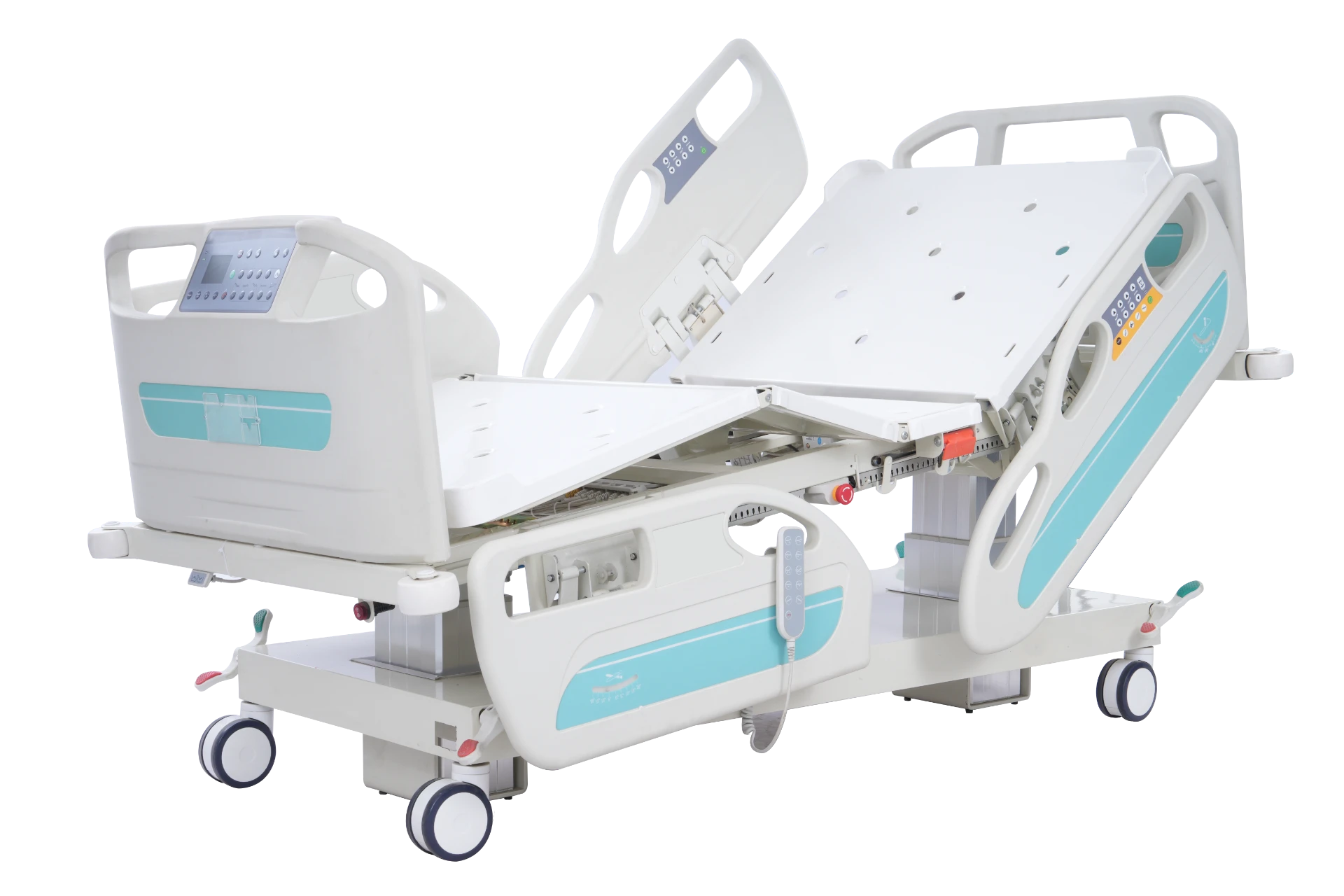
Surely, simple does not mean perfect. Here are some common headaches and how the industry is tackling them: - Weight & Bulk: Simple beds aren’t always lightweight. To help, manufacturers embed foldable frames and break-down designs. - Limited Adjustability: Manual levers limit patient positioning. A growing solution is hybrid models with simple electric assist. - Supply Chain Gaps: Delays in shipping or spare parts can plague remote users — companies are setting up regional hubs for quicker support. - Inconsistent Quality: Not every “simple bed” is created equal. Certification standards like ISO 13485 help guarantee minimum performance. Frankly, these challenges underscore why choosing your bed supplier carefully—not just based on price—is important.FAQ: Your Questions About Hospital Simple Beds Answered
- Q: How long do hospital simple beds typically last?
- A: With proper care, simple hospital beds can last 5–10 years or more. Their minimal mechanical parts mean fewer breakdowns, which is why they’re favored in resource-limited settings.
- Q: Can hospital simple beds be easily shipped to remote or disaster areas?
- A: Absolutely. Many models are foldable or modular for pallet shipping. Lightweight designs also mean they fit into standard transport options — crucial during emergency medical deployments.
- Q: Are hospital simple beds hygienic enough for infection control?
- A: Yes. Properly designed beds feature smooth surfaces, rust-resistant coatings, and detachable parts to facilitate thorough cleaning, aligning with hospital hygiene standards.
- Q: Can these beds be customized for different patient needs or environments?
- A: Most vendors offer options such as size variations, color finishes, and accessories like side rails or IV pole mounts, allowing adaptation to diverse settings and patients.
- Q: Where can healthcare providers find reliable hospital simple beds?
- A: Established suppliers with good track records and after-sales support are key. CN Boxin (hospital simple bed) is well-known for offering durable, affordable solutions worldwide.
Wrapping It Up: Why Hospital Simple Beds Deserve More Attention
It’s easy to overlook the vital role that a hospital simple bed plays in the healthcare system. But whether in a bustling city hospital or an emergency tent miles away from paved roads, these beds are foundation stones for patient care. By embracing products designed with simplicity, durability, and practicality, health services save costs, improve outcomes, and protect dignity — no small achievement in today’s fast-changing world. So next time you consider health infrastructure, spare a thought for the humble hospital simple bed that quietly supports millions. For those seeking dependable equipment that just works, take a look at hospital simple bed offerings. Stay informed, and support solutions that matter. ---References
-
Ultimate Guide to Choosing Extra Wide Waiting Room ChairsNewsApr.16,2026
-
Guide to Choosing Professional Waiting Room Chairs Wipeable SeatingNewsApr.09,2026
-
Enhance Your Space with Comfortable Wide Waiting Room ChairsNewsApr.07,2026
-
Selecting the Ideal Brown Waiting Room Chairs for a Welcoming SpaceNewsApr.04,2026
-
Choosing Comfortable Patient Waiting Room Chairs for Healthcare FacilitiesNewsMar.31,2026
-
Finding the Best Deals on Affordable and Cheap Reception Chairs for Your BusinessNewsMar.28,2026
-
Enhance Your Business Reception with Comfortable Blue Reception ChairsNewsMar.26,2026