Welcome to our websites!


Hospital Style Double Bed: Design, Benefits & Global Impact Explained
Understanding the Hospital Style Double Bed: A Global Perspective
The hospital style double bed is more than just a piece of furniture; it’s a vital element in healthcare infrastructure worldwide. From bustling urban hospitals to remote clinics, these beds significantly affect patient comfort, recovery, and clinical efficiency. In an era where healthcare systems are stretched thin and populations age rapidly, understanding the design, applications, and innovations around hospital style double beds isn’t just technical detail — it’s a pressing global concern.
Why Hospital Style Double Beds Matter Globally
Globally, the demand for quality patient beds is tied tightly to demographic and epidemiological trends. According to the World Health Organization, around 15% of the global population experiences some form of disability, many requiring specialized medical care including appropriate beds. On top of that, recent world events such as the COVID-19 pandemic exposed critical gaps in healthcare preparedness, especially concerning equipment availability. Hospital style double beds play a key role in helping facilities scale care rapidly, maintain hygiene standards, and ensure patient dignity.
Mini takeaway: The hospital style double bed is foundational to healthcare worldwide; its availability and quality directly impact patient outcomes and system resilience.
What Is a Hospital Style Double Bed?
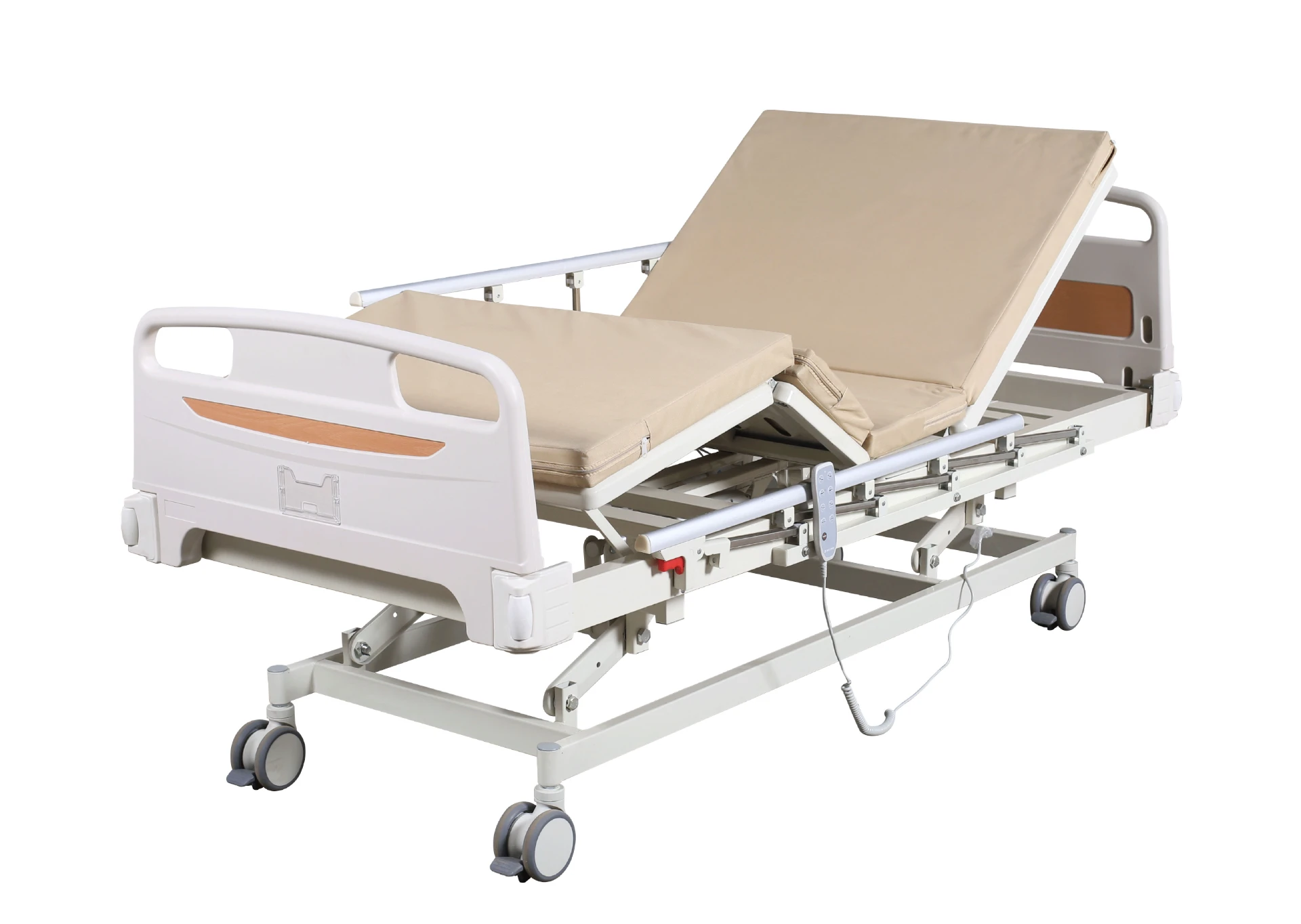
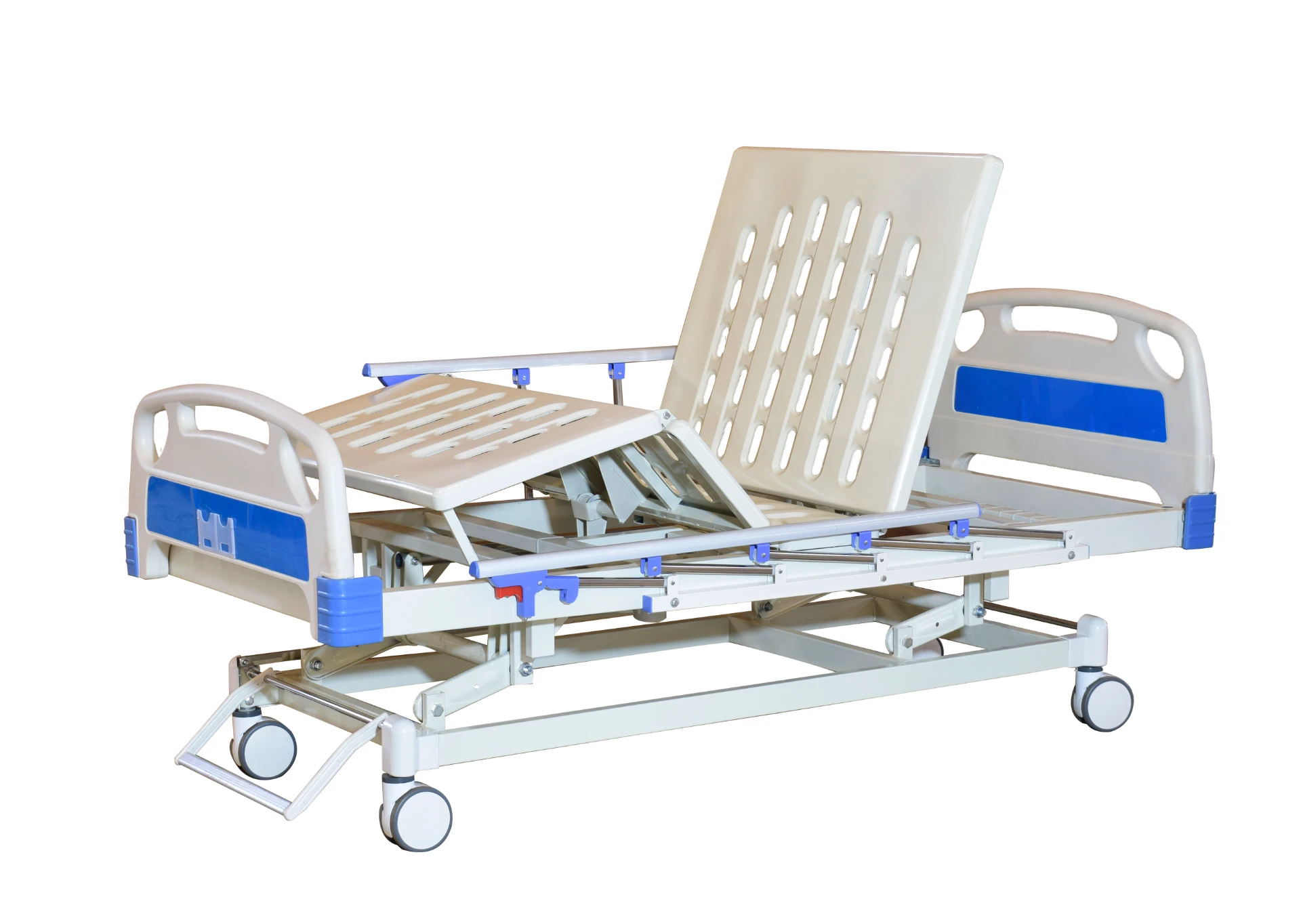
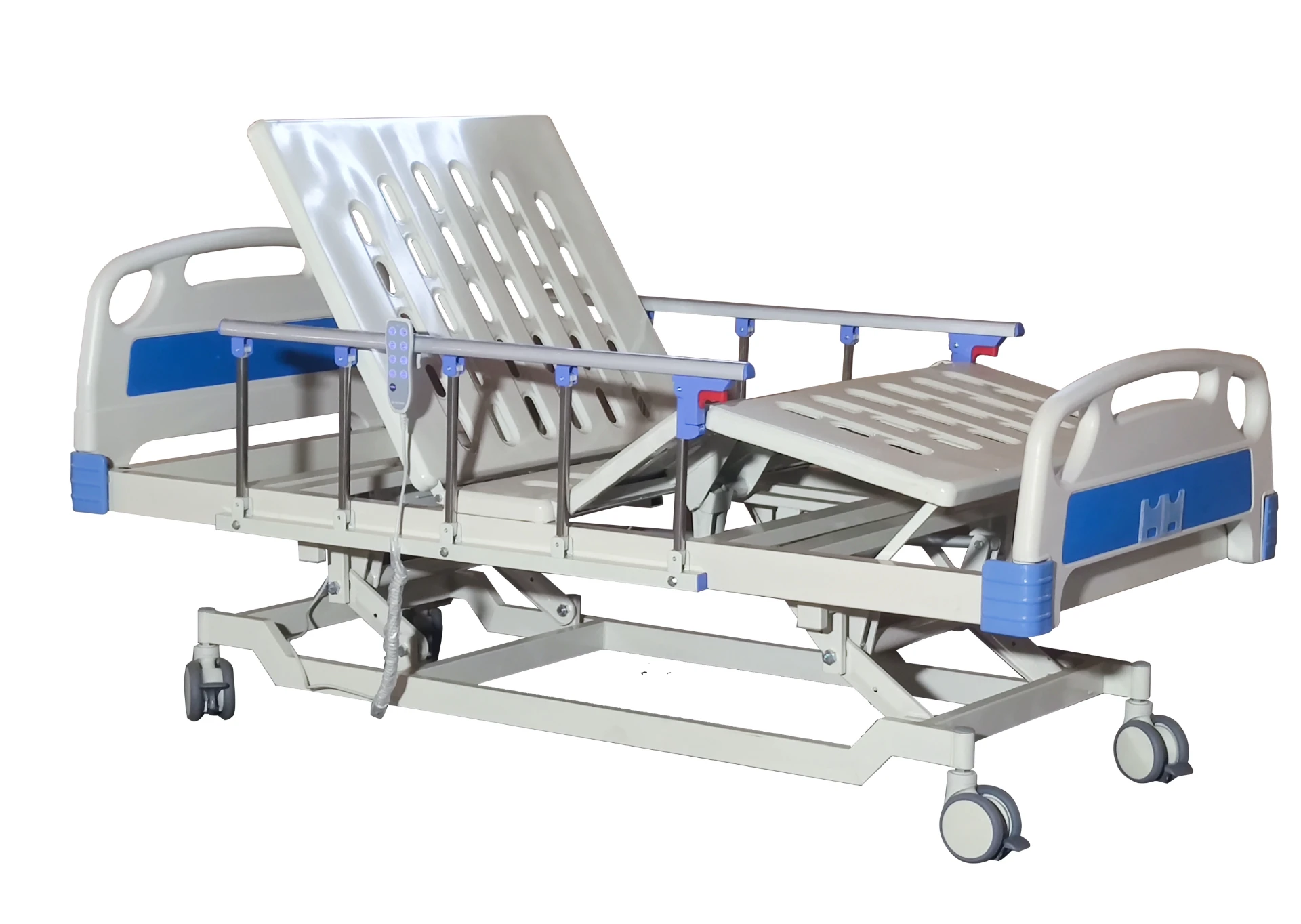
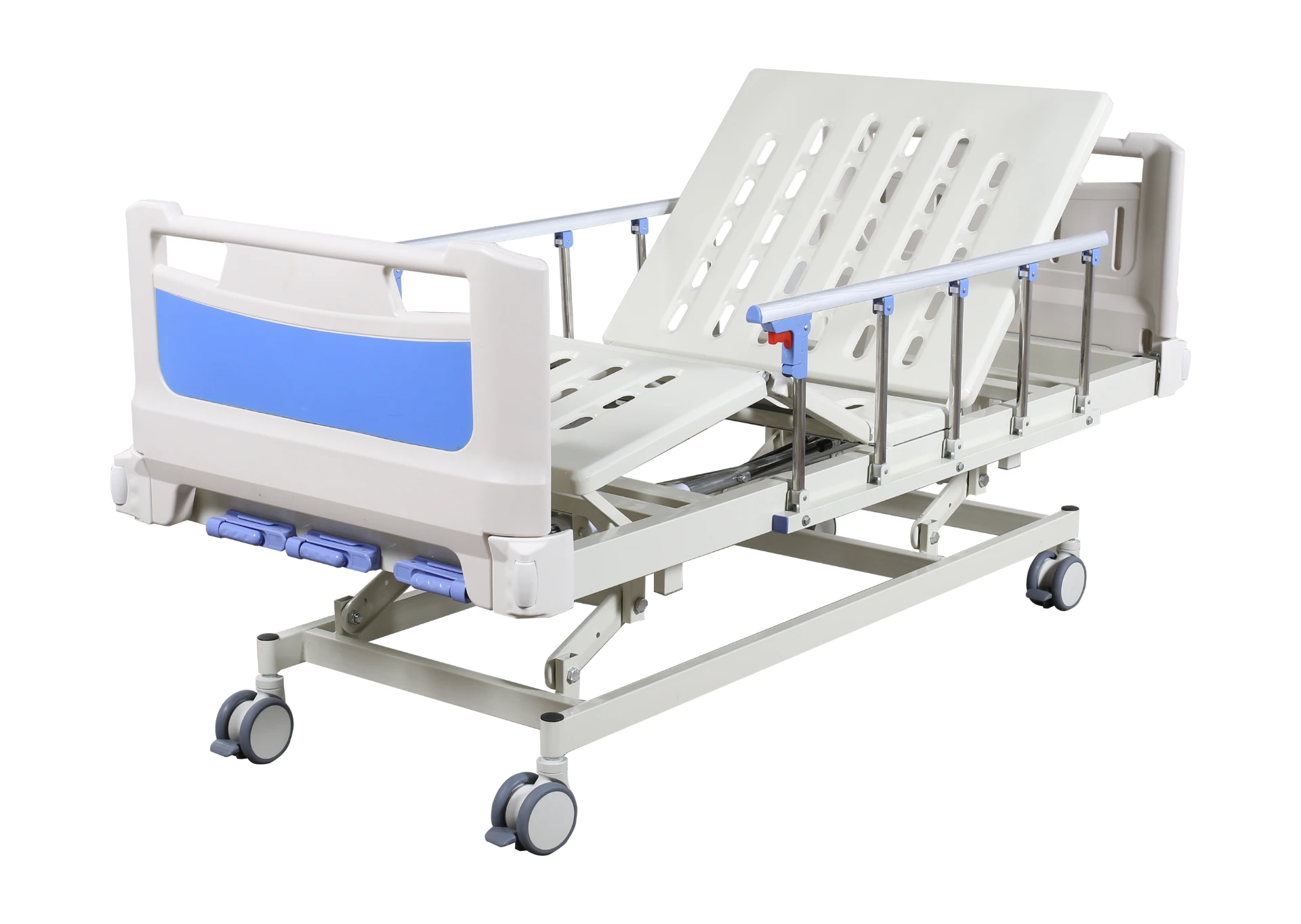
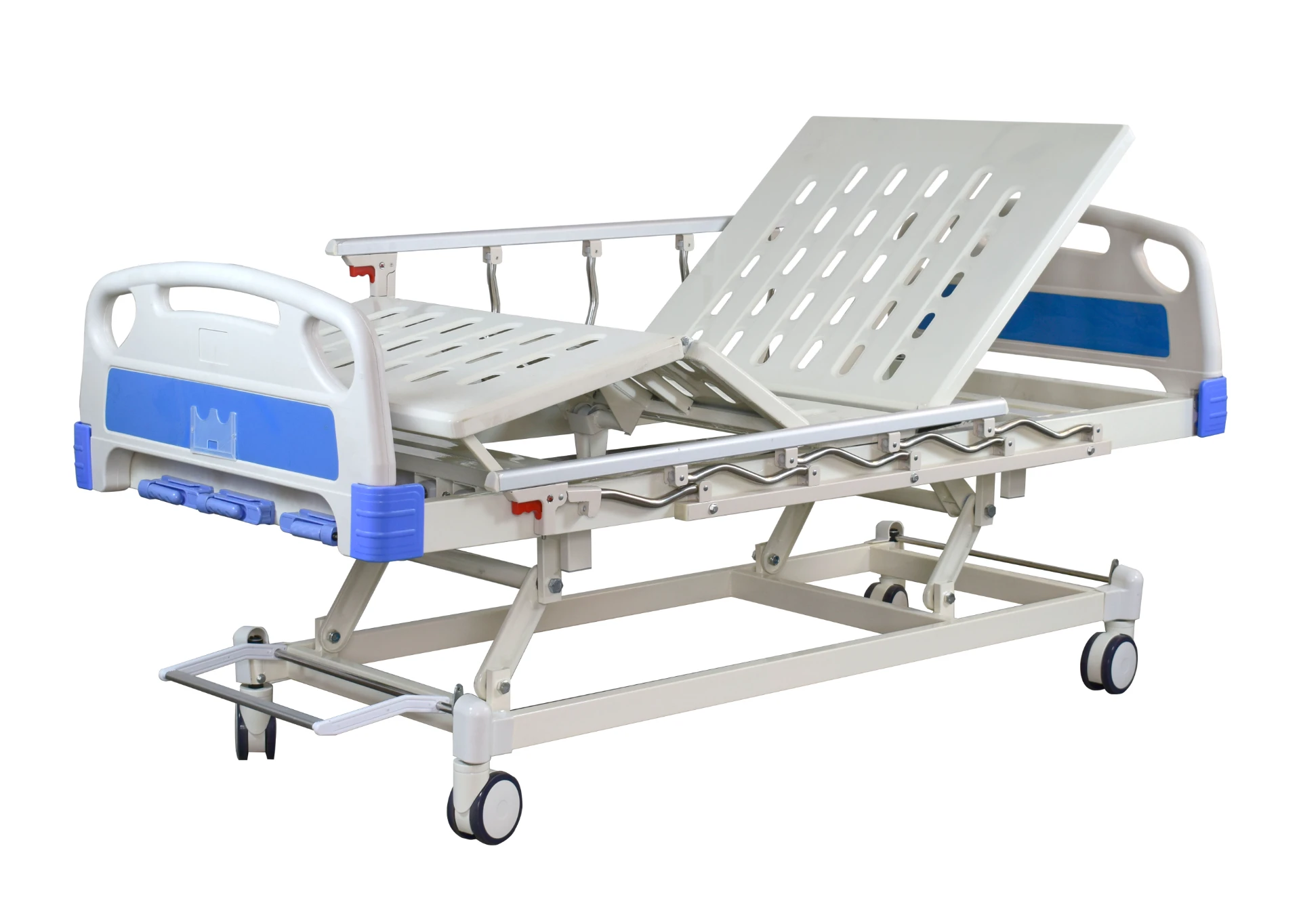
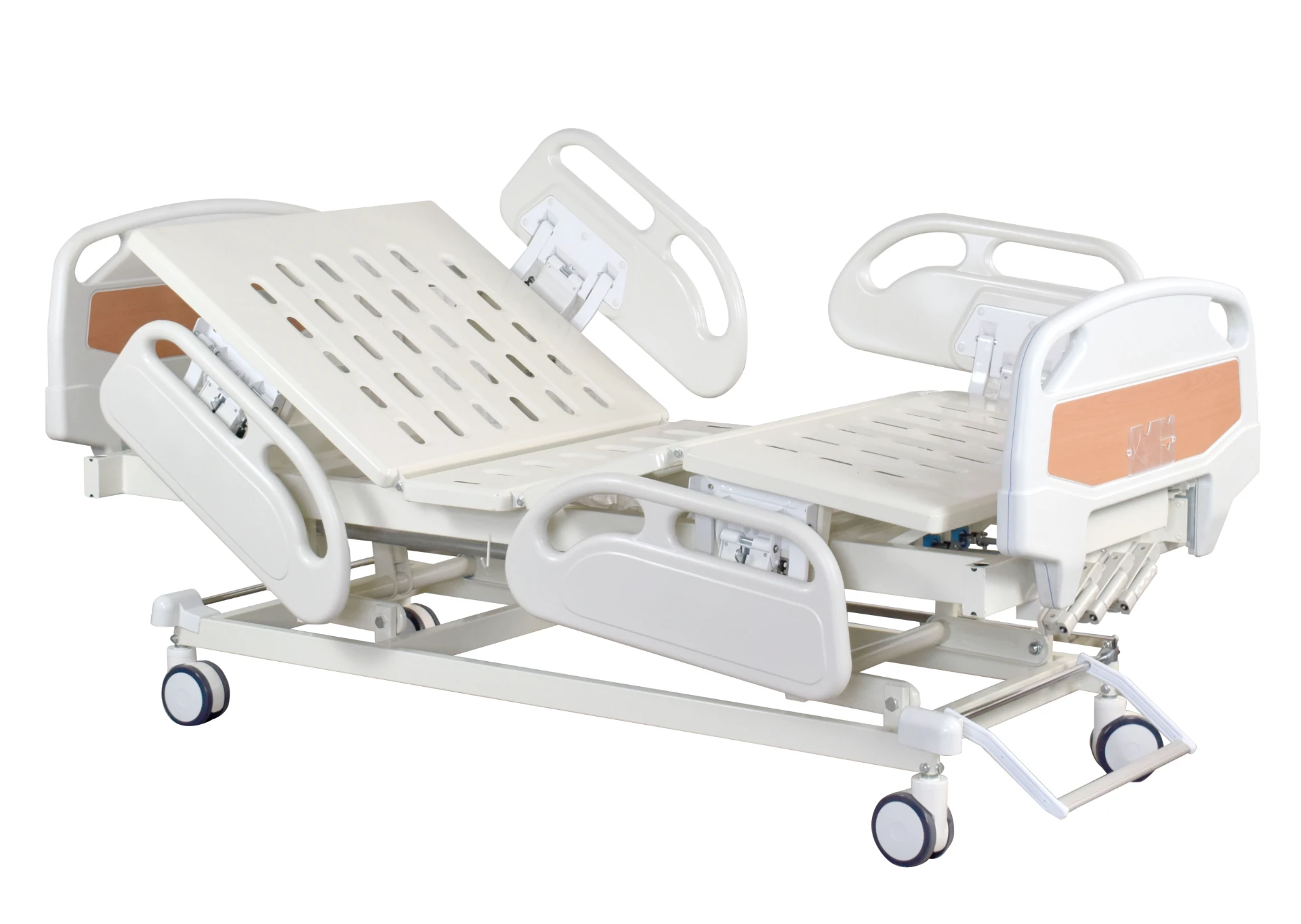
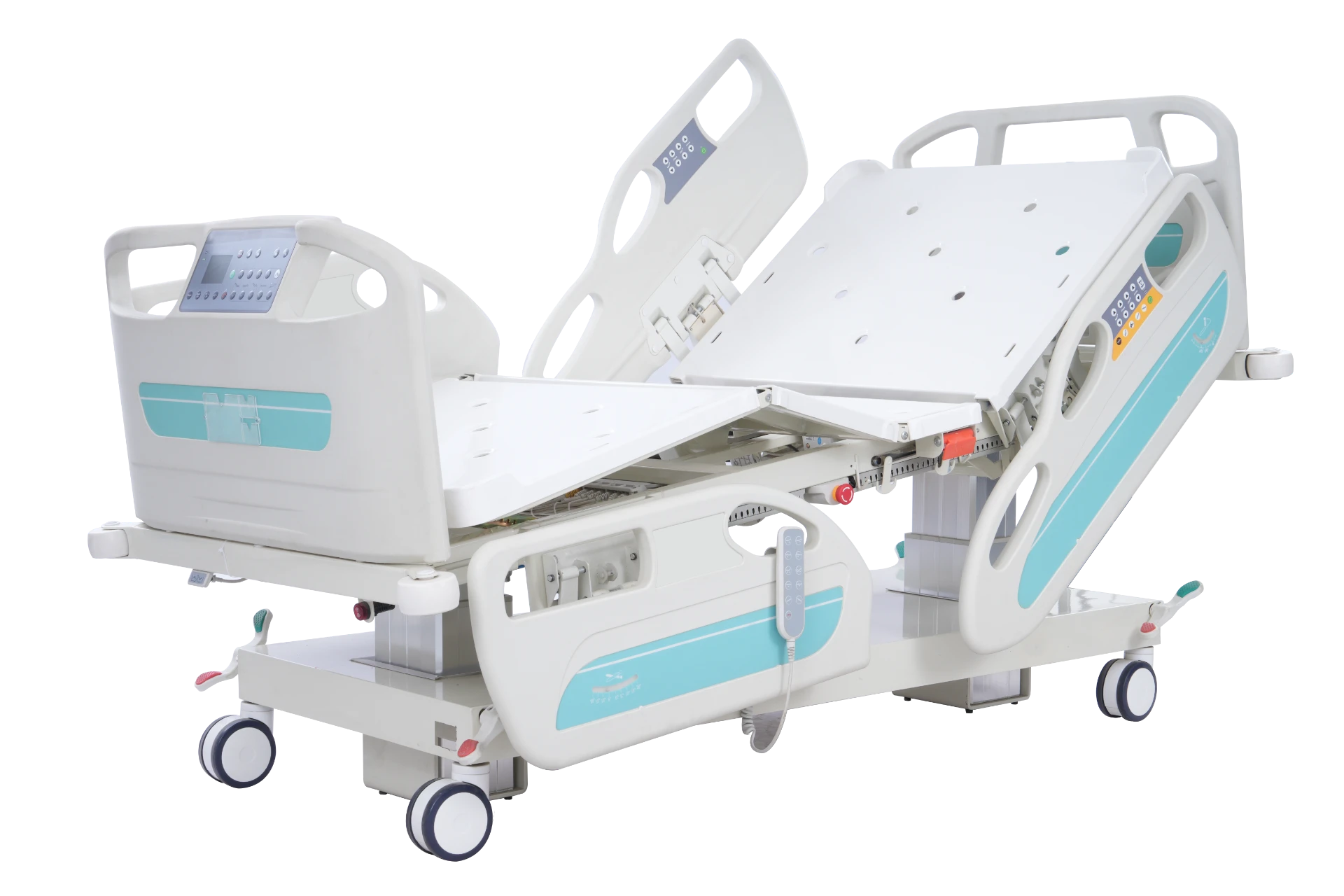
Simply put, a hospital style double bed is a bed designed specifically for patient care with dimensions accommodating either one or two patients, often featuring adjustable sections for head and foot elevation. Unlike regular home beds, these are engineered with healthcare demands in mind: ease of cleaning, patient transfer, and integration with medical equipment. They often feature rails, wheels, and durable, sanitizable surfaces to meet rigorous hygiene standards.
These beds bridge industrial design with medical necessity, aiming to improve patient comfort while supporting caregivers in maintaining safe handling procedures.
Key Aspects of Hospital Style Double Beds
1. Durability and Materials
These beds typically use stainless steel frames or high-grade aluminum for long-term durability and resistance to corrosion — crucial in environments frequently exposed to cleaning agents. Materials must be safe for patients with allergies or sensitivities, too.
2. Adjustability & Patient Comfort
Height adjustability, articulating backrests, and leg supports allow tailored patient positioning for therapeutic needs and pressure ulcer prevention. Motorized controls have become the gold standard, although manual cranks remain common in less-resourced settings.
3. Infection Control Features
Seamless surfaces help prevent fluid seepage, while detachable components make cleaning thorough and efficient. Some beds incorporate antimicrobial coatings, reflecting rising infection control priorities globally.
4. Mobility & Scalability
Lockable caster wheels enable easy transfers within wards or between rooms. Scalability refers here to bed configurations that meet different care levels—ICU, maternity, geriatrics—without replacing entire units.
5. Cost Efficiency
Hospitals, especially in developing nations, balance upfront prices against lifetime value. A bed that lasts longer, reduces maintenance, and enhances efficiency offers clear savings even if the initial cost is higher.
Mini takeaway: The hospital style double bed combines ruggedness, comfort, hygiene, and flexibility — the pillars of effective patient care environments.
Typical Specifications of a Hospital Style Double Bed
| Specification | Details |
|---|---|
| Dimensions (L x W) | 2100 mm x 1200 mm |
| Weight Capacity | Up to 250 kg (per bed) |
| Frame Material | Powder-coated Steel / Aluminum |
| Adjustability | Manual or electric (head, foot, height) |
| Wheels | Lockable castors, 360° swivel |
| Hygiene | Seamless mattress platform, antimicrobial coatings |
Global Applications & Who Benefits?
Hospital style double beds find use almost everywhere healthcare is delivered. In dense urban hospitals in North America and Europe, these beds are central to standard patient wards as well as specialized settings like ICUs and maternity clinics.
Oddly enough, they are also crucial in mobile and field hospitals for disaster relief. For instance, Médecins Sans Frontières often deploys compact-sized hospital style double beds to refugee camps or emergency zones, ensuring swift setup without sacrificing quality of care. Similarly, mining camps and remote industrial regions use robust double beds to guarantee worker wellbeing where medical facilities are limited.
Many governments now recognize that investing in quality patient beds correlates with better health outcomes — fewer bedsores, safer patient transfers, and quicker rehabilitation.
Mini takeaway: Whether in wealthy or resource-poor settings, hospital style double beds support clinical care, emergency response, and occupational safety worldwide.
Vendor Comparison: Major Hospital Bed Manufacturers
| Vendor | Product Range | Innovations | Pricing |
|---|---|---|---|
| Hill-Rom | Full range hospital beds, ICU variants | Smart bed sensors & fall detection | Mid-to-high |
| Invacare | Electric home & clinical beds | Patient positioning aids | Mid-range |
| Stryker | Trauma and ICU beds | Integrated scales, mobility assist | High-end |
| Local OEMs | Basic hospital double beds | Cost-focused simplicity | Low to mid |
Advantages & Long-Term Value of Hospital Style Double Beds
Choosing the right hospital style double bed is quite literally choosing reliability and dignity for patients. The advantages stretch far beyond immediate comfort: they help reduce hospital-acquired infections through their hygienic surfaces, permit better patient monitoring with integrated technologies, and significantly support the caregivers’ physical health by facilitating proper repositioning.
On the sustainability front, modern beds made with recyclable metals and energy-efficient motors lower the environmental impact — a factor increasingly on hospital procurement checklists. Emotionally, a good bed maintains patient self-esteem, a factor sometimes overlooked but crucial in long-term rehabilitation.
Mini takeaway: These beds deliver value through cost savings, sustainability, caregiving support, and patient-centered innovation.
Emerging Trends & Future Innovations
- Smart Beds: Equipped with sensors monitoring vital signs and movement, they provide real-time data helping nurses intervene early.
- Eco-friendly Materials: Manufacturers are exploring bio-based composites and recyclable plastics.
- Automation Enhancements: Voice or app-controlled adjustments contribute to infection control by minimizing touchpoints.
- Modular Designs: Beds that adapt as patient needs evolve, reducing the need for replacements.
Such trends align with a broader digital health shift aiming at predictive care and sustainable operations.
Challenges & Practical Solutions
Affordability remains a thorny issue in low-income regions — many hospitals find quality beds prohibitively expensive. Additionally, maintenance expertise for electric beds is often lacking outside metropolitan areas.
Solutions? Some NGOs collaborate with manufacturers to provide training and warranties, while others fund refurbished bed programs ensuring safe re-use. Locally produced, simplified versions balance functionality and cost, though with trade-offs.
FAQ: Your Concise Hospital Style Double Bed Guide
- Q1: What features should I prioritize when choosing a hospital style double bed?
- A1: Focus on adjustability, weight capacity, easy-to-clean surfaces, and durability. Motorized controls help patient comfort but manual options work where budgets are tighter.
- Q2: How do hospital style double beds help infection control?
- A2: Their materials are designed to resist bacteria and facilitate thorough cleaning, with some models having antimicrobial coatings and seamless surfaces to minimize contamination risk.
- Q3: Can these beds be used outside hospitals?
- A3: Absolutely. They’re often deployed in field clinics, nursing homes, and even home care, especially where patient needs are complex and require clinical-grade support.
- Q4: How long do hospital style double beds typically last?
- A4: With proper maintenance, well-built beds can last 10+ years. Maintenance and timely repairs are key to avoid early replacement.
- Q5: Are energy-efficient hospital beds readily available?
- A5: Increasingly so. Many manufacturers now offer energy-saving motors and standby modes, reducing power consumption without sacrificing functionality.
Conclusion: The Essential Role of Hospital Style Double Beds
All in all, hospital style double beds remain an essential yet often overlooked cog in the complex healthcare machinery. They support better care, improve patient dignity, and form the backbone of efficient medical facilities everywhere. For healthcare professionals and planners, investing in high-quality hospital style double beds is investing in long-term outcomes.
If you’d like to explore durable, patient-friendly beds, or just learn more industry insight, don’t hesitate to visit our website: hospital style double bed.
Mini takeaway: Investing in hospital style double beds is both a clinical necessity and a compassionate decision that pays returns for years.
Final thought: It feels like these beds are quietly transforming hospitals worldwide — until the moment you absolutely need one, and then you really appreciate having the right one.
-
Ultimate Guide to Choosing Extra Wide Waiting Room ChairsNewsApr.16,2026
-
Guide to Choosing Professional Waiting Room Chairs Wipeable SeatingNewsApr.09,2026
-
Enhance Your Space with Comfortable Wide Waiting Room ChairsNewsApr.07,2026
-
Selecting the Ideal Brown Waiting Room Chairs for a Welcoming SpaceNewsApr.04,2026
-
Choosing Comfortable Patient Waiting Room Chairs for Healthcare FacilitiesNewsMar.31,2026
-
Finding the Best Deals on Affordable and Cheap Reception Chairs for Your BusinessNewsMar.28,2026
-
Enhance Your Business Reception with Comfortable Blue Reception ChairsNewsMar.26,2026