Welcome to our websites!


Swivel Hospital Bed: Enhancing Patient Care and Efficiency Globally
The Swivel Hospital Bed: Revolutionizing Patient Care Worldwide
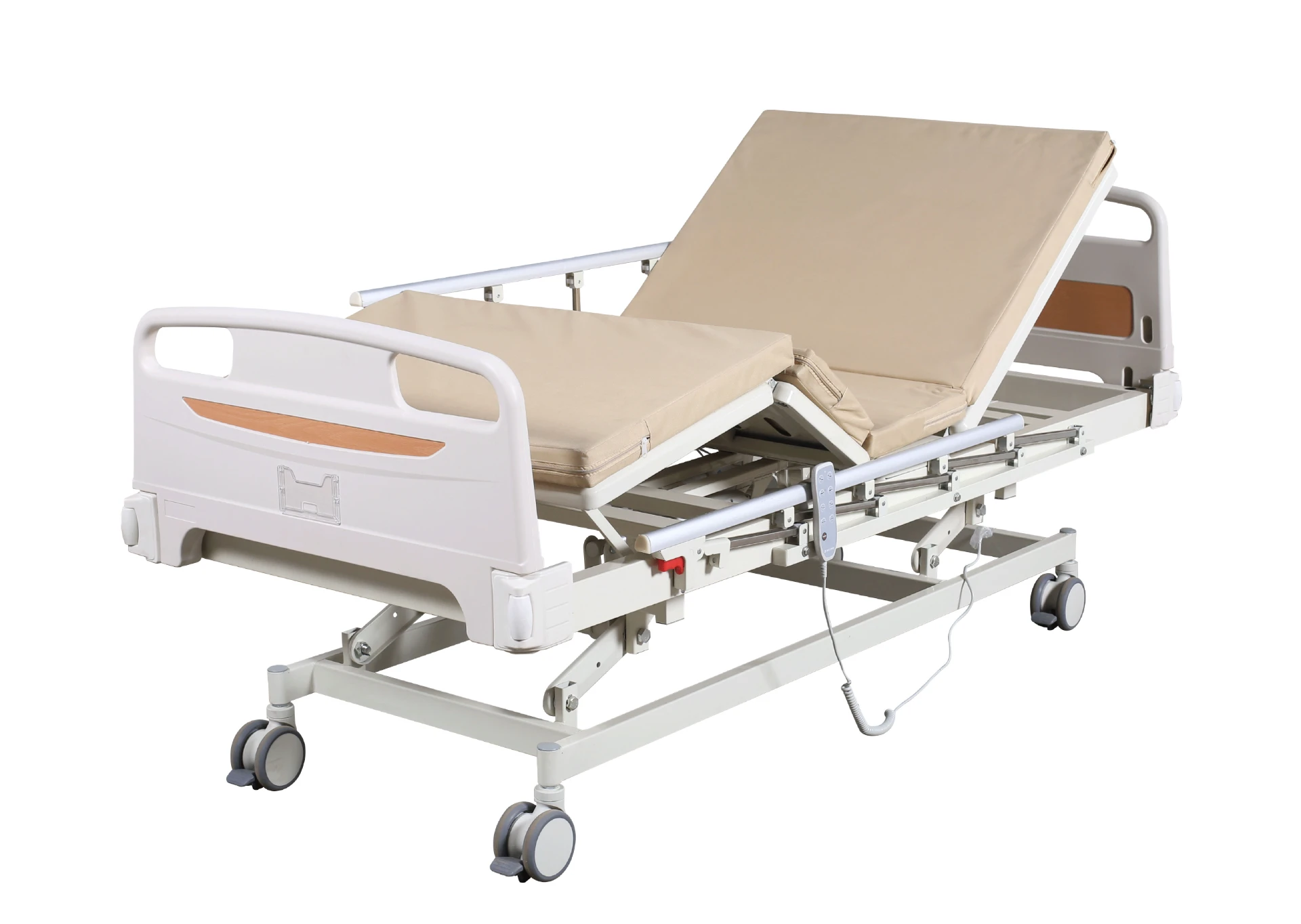
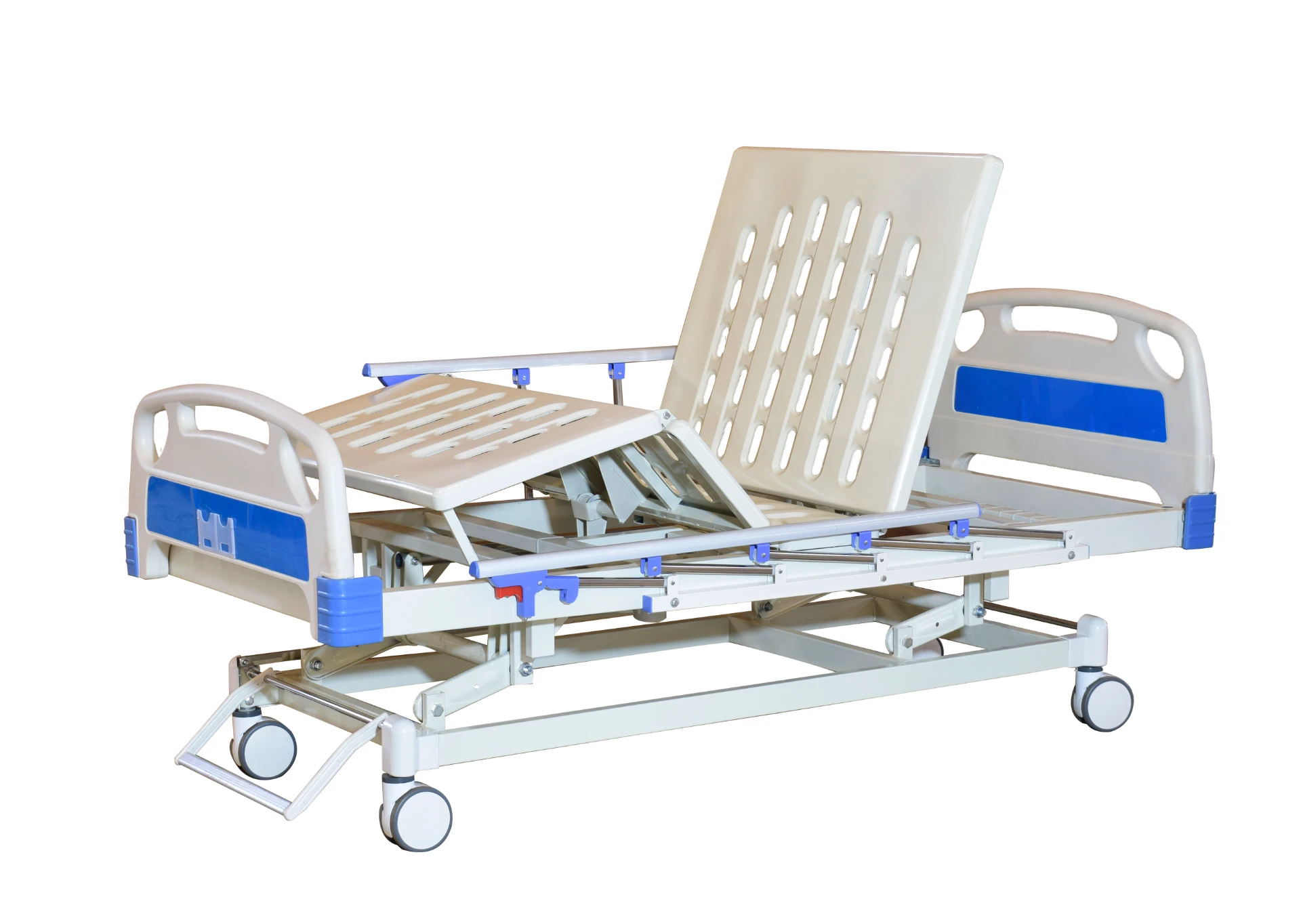
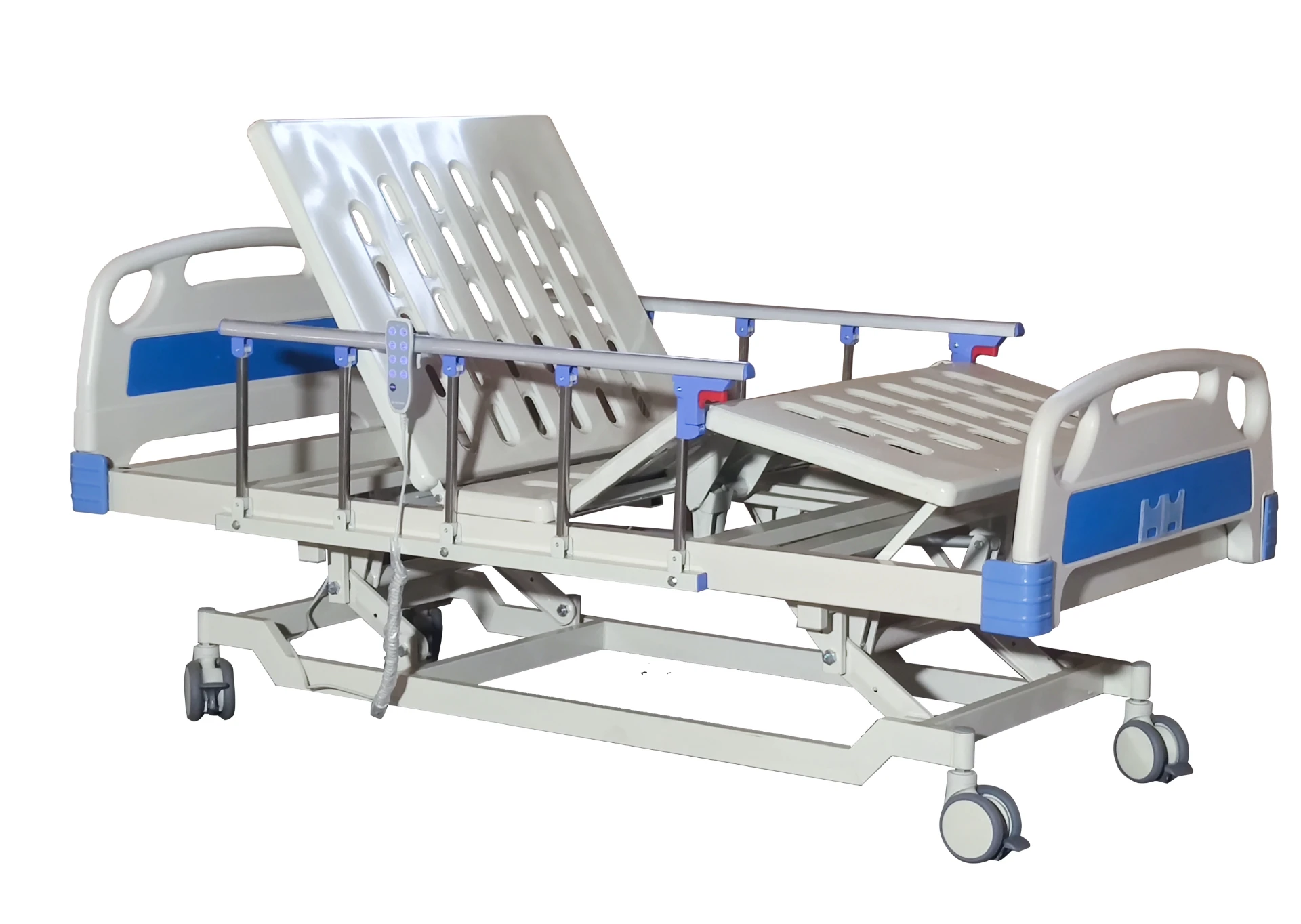
When you think of hospital beds, the typical image is a flat, somewhat impersonal slab with maybe some wheels. But the swivel hospital bed breaks that mold. It’s a clever piece of medical equipment designed to pivot and rotate, offering much more than just a place to lie down. Globally, hospitals and care facilities have increasingly adopted these beds to improve patient comfort, ease caregiver workload, and optimize space — all factors that ultimately impact patient recovery and safety. Understanding these beds is essential, not just for medical professionals but also anyone involved in healthcare procurement or facility design.
Mini takeaway: Swivel hospital beds aren't just fancy furniture; they're key tools empowering better care delivery and patient dignity worldwide.
Global Context: Why Does the Swivel Hospital Bed Matter?
Healthcare systems around the globe face mounting challenges: aging populations, staff shortages, and the growing need for efficient use of space. According to the World Health Organization, the number of people aged 60 years and older is expected to double by 2050, meaning more patients require extended care that emphasizes mobility and comfort.
Meanwhile, hospitals — especially in crowded urban centers or in remote settings — wrestle with cramped spaces and overtaxed staff members. Swivel hospital beds promise ergonomic solutions. They facilitate easier patient repositioning, reduce manual handling risks for nurses, and adapt flexibly to different room layouts.
It’s fascinating to note that the ISO 80601-2-52 standard, which relates to medical beds, has increasingly factored in user-centered design innovations like swiveling mechanisms in recent revisions.
Mini takeaway: Swivel hospital beds respond globally to rising demands on healthcare infrastructure and workforce sustainability.
Defining the Swivel Hospital Bed
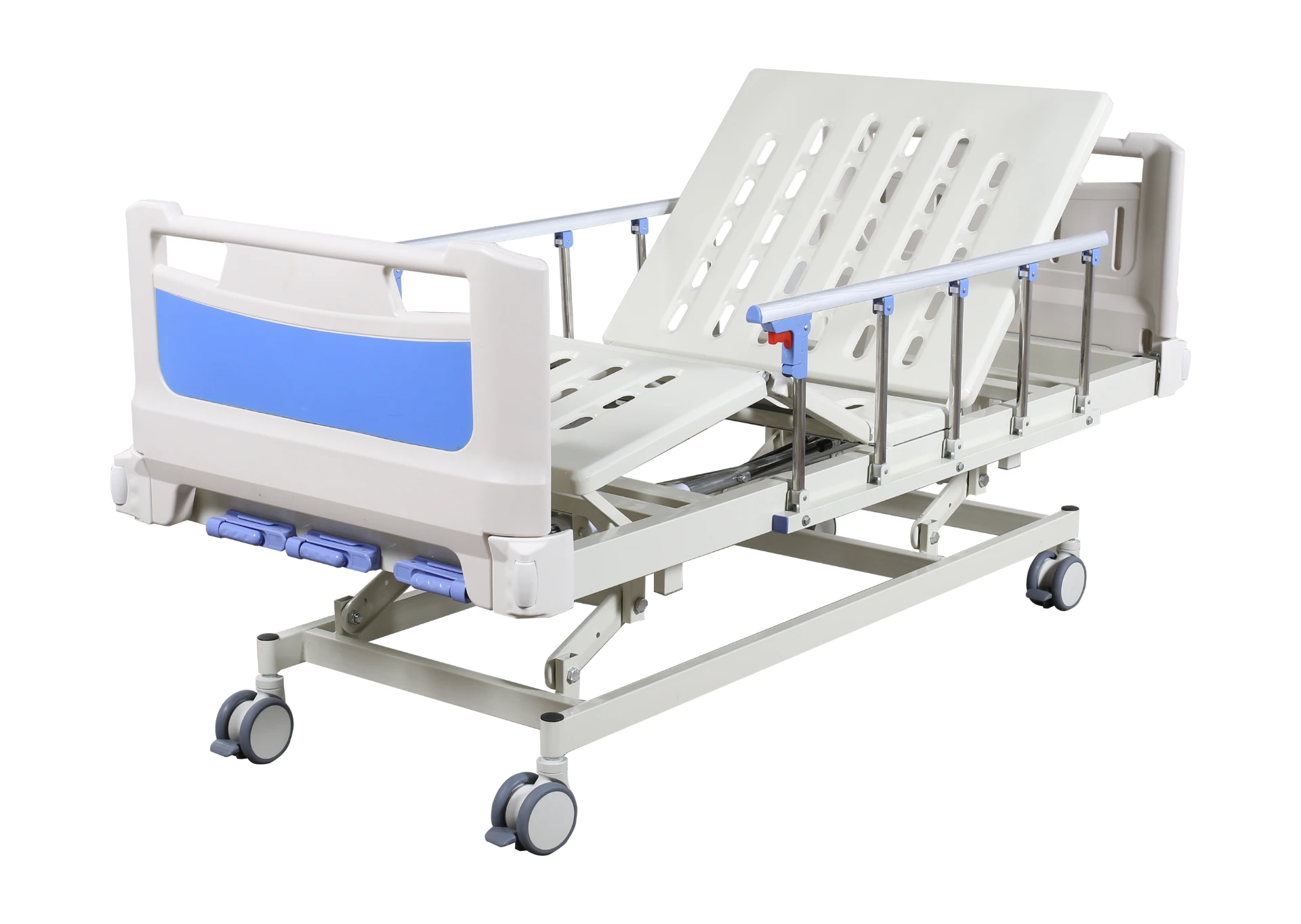
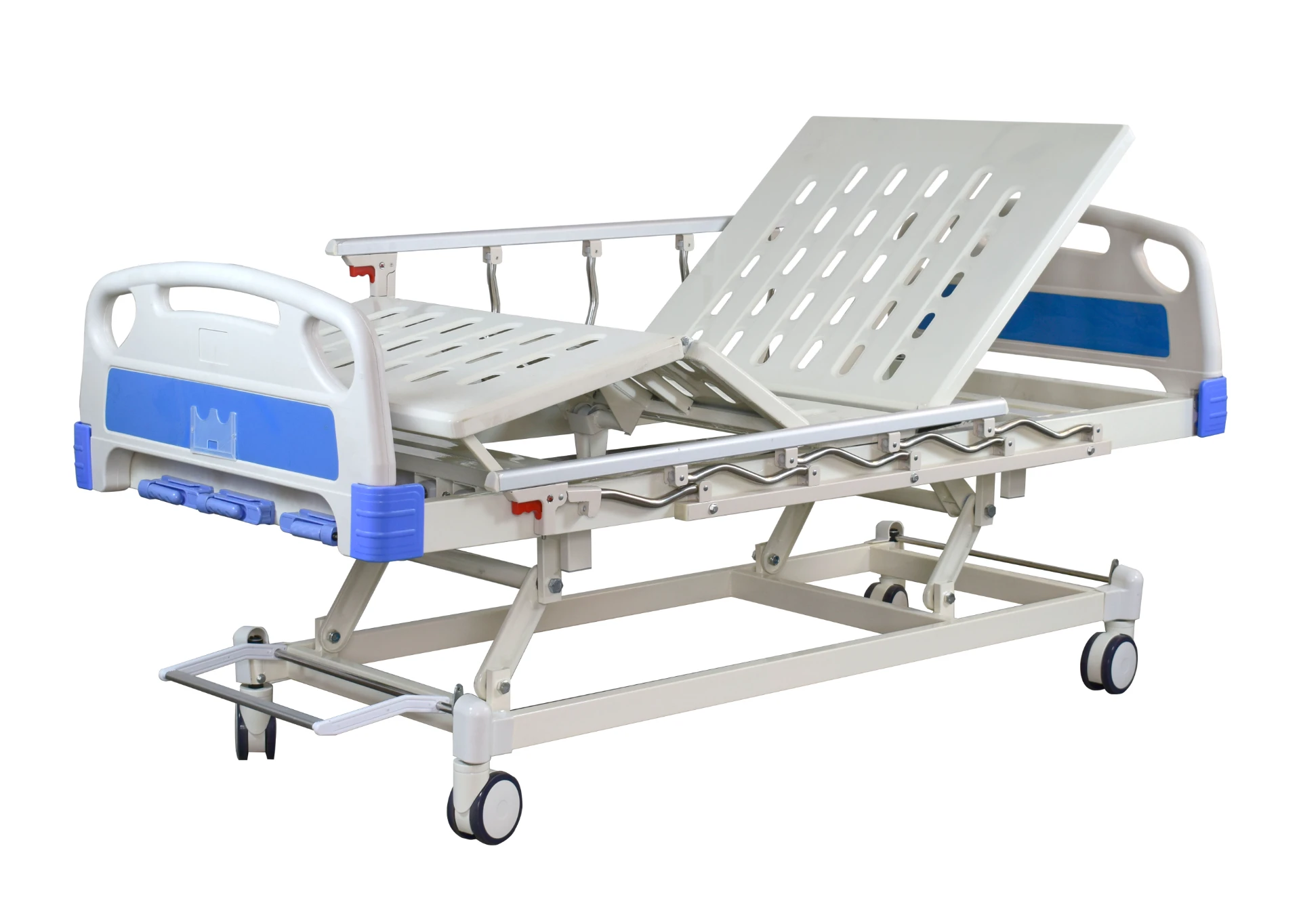
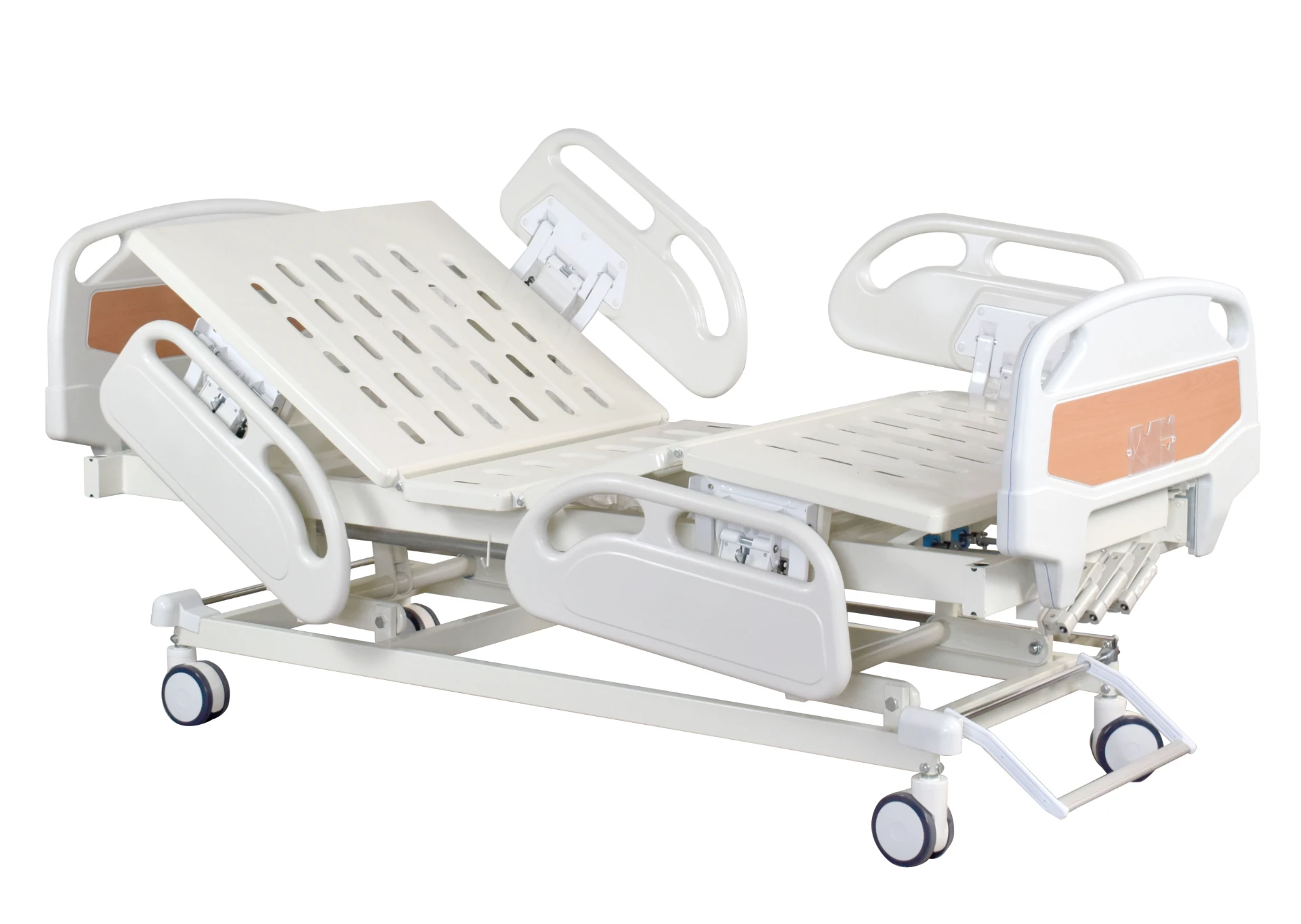
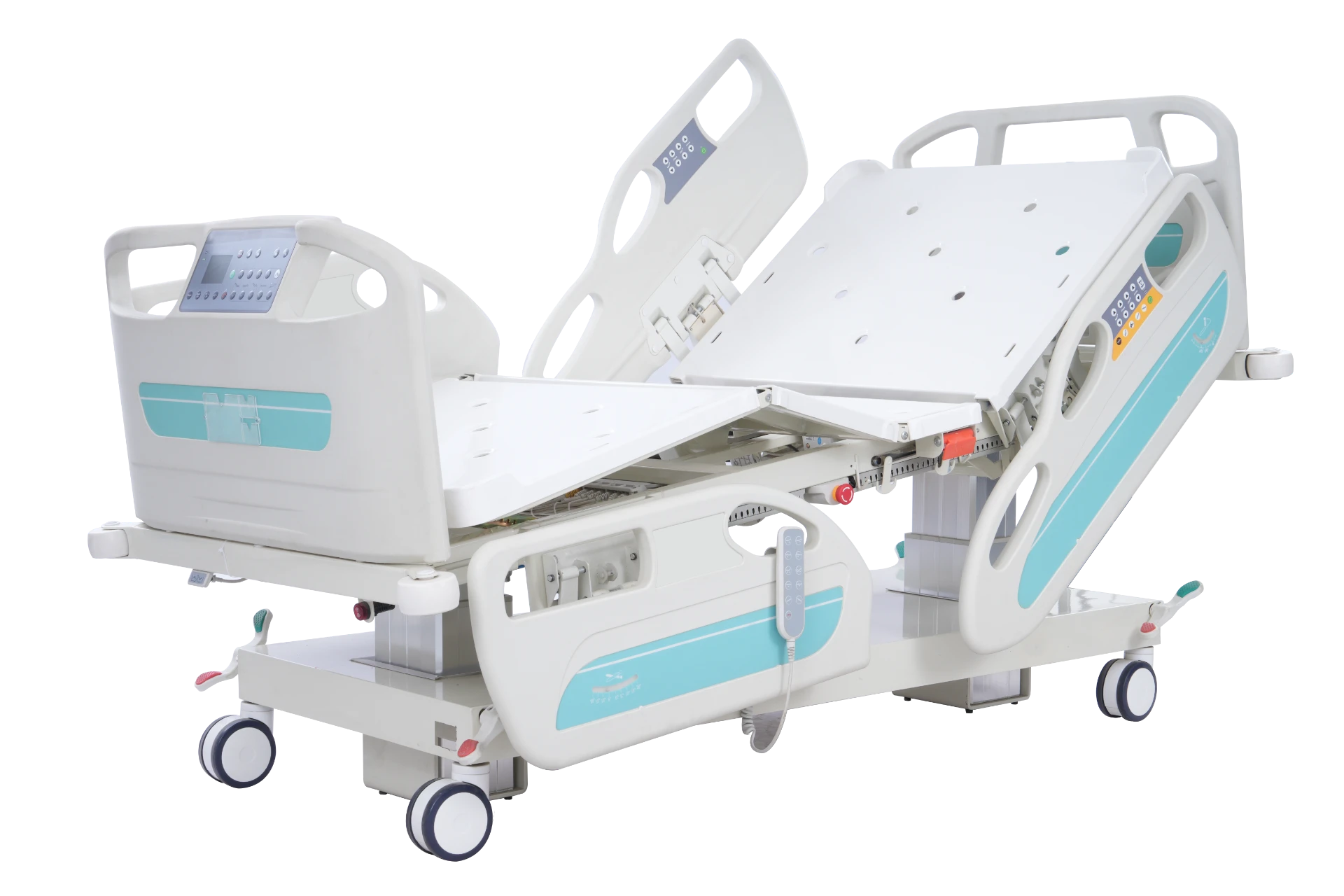
Put simply, a swivel hospital bed is a bed equipped with a rotating platform. The actual mattress base rotates around a central axis — usually up to 90 or 180 degrees — so a patient can be turned sideways, upright, or angled easily without heavy lifting.
These beds often come with motorized controls or manual levers and integrate with standard hospital features like side rails, IV pole mounts, and braking wheels. The swivel functionality directly connects to humanitarian and industrial healthcare needs by improving mobility for patients with limited movement abilities — promoting physical therapy and preventing bed sores.
Mini takeaway: Swivel beds are designed to rotate patients gently and safely, marrying mechanical design with compassionate care.
Key Components of Swivel Hospital Beds
1. Durability and Build Quality
Hospital environments are tough — chemical disinfectants, constant movement, weight changes. Swivel beds are built with high-grade steel or aluminum frames and coated in corrosion-resistant paint. This guarantees long-term reliability, essential for safety and infection control.
2. Mobility and Maneuverability
Casters and brakes on the base enable smooth movement and stability. The bed’s swivel mechanism must balance smooth rotation with firm locking to avoid accidental movement, which can jeopardize patient safety.
3. Adjustable Controls and Automation
Many models now include electric actuators that facilitate rotation and height adjustments via easy-to-use controls or remote devices. This means less strain on nursing staff and increased patient autonomy.
4. Patient Comfort and Safety Features
Soft mattress platforms, secure side rails, and ergonomic design reduce risks like pressure ulcers. The swivel angle is adjustable to allow sitting up or repositioning, aiding respiratory function and circulation.
5. Space and Scalability
The compact turning radius allows these beds to fit effectively in tight hospital rooms or temporary clinics, a big plus in disaster relief or overcrowded urban hospitals.
6. Cost Efficiency and Maintenance
Though more expensive upfront compared to traditional beds, the long-term reduction in patient handling injuries and quicker patient recovery times offers cost savings overall. Plus, many parts are modular and easy to replace, reducing downtime.
Mini takeaway: The clever blend of durability, comfort, mobility, and technology underpins the swivel hospital bed’s value in healthcare settings.
Swivel Hospital Bed Specifications at a Glance
| Feature | Typical Spec | Details |
|---|---|---|
| Rotation Range | 90° to 180° | Allows smooth lateral turning |
| Weight Capacity | Up to 450 kg (990 lbs) | Supports bariatric patients |
| Adjustability | Height & Tilt | Motorized or manual |
| Power Source | Battery & AC | Emergency use friendly |
| Materials | Steel frame, antimicrobial coating | Durable and hygienic |
Leading Vendors Compared
Not all swivel hospital beds are created equal. Here’s a side-by-side with some notable manufacturers:
| Vendor | Rotation Mechanism | Price Range (USD) | Warranty | Notable Feature |
|---|---|---|---|---|
| MedTurn Systems | Electric motorized swivel | $5,500 - $7,800 | 5 years | Remote control for caretakers |
| ClinComfort Beds | Manual lever swivel | $3,800 - $5,200 | 3 years | Lightweight aluminum frame |
| PivotMed Solutions | Hybrid manual/electric | $6,000 - $8,000 | 4 years | Antimicrobial mattress option |
Global Applications & Use Cases
Swivel hospital beds have found their way into a wide spectrum of settings:
- Post-disaster relief operations: Rapid deployment hospitals utilize these beds to manage high patient volumes and support quick repositioning when medical staff are scarce.
- Long-term care facilities: Elder care homes use swivel beds to improve elderly patient mobility, reducing caregiver injuries and enhancing dignity.
- Urban tertiary hospitals: Space constraint makes compact swiveling beds preferable for ICU and emergency departments.
- Remote industrial health clinics: Sites like mining camps implement swivel hospital beds for accident victim management, where traditional beds aren’t practical.
Mini takeaway: From city hospitals to disaster zones, swivel beds dramatically improve care delivery logistics and patient outcomes.
Advantages & Long-Term Value
In practical terms, swivel hospital beds reduce the risk of musculoskeletal injuries among healthcare workers by simplifying patient turning. This improves workforce sustainability. Plus, these beds enhance patient safety by minimizing heavy manual lifting and fostering quicker interventions.
On an emotional level, patients feel a greater sense of dignity and comfort. The ability to adjust position easily, even in severe mobility cases, has psychological benefits — part of holistic healing.
Financially, the cost-effectiveness comes over time: fewer staff injuries, faster healing times, and lower turnover rates for both patients and staff.
Mini takeaway: Swivel beds aren’t just equipment—they’re investments in human and economic health.
Future Trends & Innovations
Oddly enough, the future looks even brighter. We’re seeing integration of smart sensors that track patient movement and bed angle in real-time, enabling predictive healthcare alerts. Materials research heads toward recyclable, lightweight composites that don’t sacrifice strength or hygiene.
Automation and AI will help beds optimize positioning automatically for pressure relief and even assist in early detection of complications through embedded vitals sensors. Green hospital initiatives push for energy-efficient components.
Ultimately, these beds will blend mobility, intelligence, and sustainability in unprecedented ways.
Challenges & Solutions
Challenges remain though — swivel mechanisms must balance ease of use with stringent safety. Initial costs can be a barrier, especially for facilities in low-income regions. Maintenance requires trained technicians, and interoperability with other hospital systems can vary.
Innovative modular design and international partnerships encourage local assembly and service networks. Training programs and scalable pricing models also help mitigate challenges.
FAQ: Frequently Asked Questions About Swivel Hospital Beds
- What makes a swivel hospital bed better than a traditional hospital bed?
- Swivel hospital beds allow easy lateral rotation, reducing manual patient handling and improving comfort and safety. They also save space and can be adjusted remotely, enhancing caregiver efficiency.
- How durable are swivel hospital beds in harsh environments?
- Most swivel beds are built with corrosion and wear-resistant materials tailored for hospital use, lasting several years with proper maintenance—even in challenging climates.
- Are swivel hospital beds more expensive than standard hospital beds?
- Yes, upfront costs are higher due to additional mechanical components and technology, but long-term cost savings from reduced injuries and enhanced patient outcomes often offset this.
- Can swivel hospital beds be customized for bariatric patients?
- Many manufacturers offer models supporting high weight capacities, with reinforced frames and wider platforms suitable for bariatric care.
- How do swivel hospital beds contribute to infection control?
- Their antimicrobial coatings and easy-clean surfaces help prevent cross-contamination, supporting hospital hygiene standards.
Conclusion: A Call to Action
In summary, the swivel hospital bed represents a meaningful leap toward combining patient comfort with caregiver efficiency and operational sustainability. Whether in thriving urban hospitals or remote care points, these beds shape better healthcare environments overall.
If you’re considering upgrades or new facility designs, exploring swivel hospital beds could be the step that genuinely transforms patient care in your institution.
Visit our website https://www.cnboxin.com to discover tailored solutions and expert guidance.
It’s amazing how a simple twist can make such a big difference.
References
-
Ultimate Guide to Choosing Extra Wide Waiting Room ChairsNewsApr.16,2026
-
Guide to Choosing Professional Waiting Room Chairs Wipeable SeatingNewsApr.09,2026
-
Enhance Your Space with Comfortable Wide Waiting Room ChairsNewsApr.07,2026
-
Selecting the Ideal Brown Waiting Room Chairs for a Welcoming SpaceNewsApr.04,2026
-
Choosing Comfortable Patient Waiting Room Chairs for Healthcare FacilitiesNewsMar.31,2026
-
Finding the Best Deals on Affordable and Cheap Reception Chairs for Your BusinessNewsMar.28,2026
-
Enhance Your Business Reception with Comfortable Blue Reception ChairsNewsMar.26,2026