Welcome to our websites!


Orthopedic Mattress for Hospital Bed: Enhancing Patient Comfort & Recovery Globally
Understanding the Orthopedic Mattress for Hospital Bed: Comfort Meets Care
When someone talks about hospital comfort, an orthopedic mattress for hospital bed might not immediately come to mind. Yet, it plays a surprisingly central role in patient recovery and healthcare quality worldwide. Oddly enough, this specific type of mattress addresses a global challenge: providing both therapeutic support and comfort for those who spend extended time bedridden.
The benefits of orthopedic mattresses extend beyond mere comfort. They help reduce pressure ulcers, improve spinal alignment, and contribute to faster healing times. In an age where healthcare systems face increasing pressure—from aging populations to chronic illnesses—understanding the role of these mattresses can make a significant difference in care delivery and patient outcomes.
Global Context: Why Orthopedic Mattresses Matter
The World Health Organization estimates that by 2050, 22% of the global population will be over 60 years old. This demographic shift means more people will require long-term hospital stays or home care that involve bed rest. According to ISO standards related to hospital equipment, mattress quality impacts patient safety and hygiene, which is critical in preventing hospital-acquired infections.
In hospitals across North America, Europe, and increasingly in Asia-Pacific, the demand for orthopedic mattresses designed specifically for hospital beds is rising rapidly. However, many regions still struggle with affordability and availability—raising questions about cost-effectiveness and durability in different healthcare environments.
What Is an Orthopedic Mattress for Hospital Bed?
Simply put, an orthopedic mattress for hospital bed is a specialized mattress designed to support proper body alignment, reduce pressure points, and enhance comfort for patients who may be bedridden for extended periods. Unlike conventional mattresses, these are built with materials and structures that distribute weight evenly, often incorporating foam layers, gel pads, or air cells.
The “orthopedic” label suggests relevance not just for comfort but for therapeutic and rehabilitative use. In modern medical practice, these mattresses help prevent bedsores, support spinal health, and accommodate a wide range of clinical needs—from post-surgical recovery to chronic disease management.
Core Components: What Makes an Orthopedic Mattress Work?
1. Pressure Redistribution
Pressure redistribution is critical. These mattresses reduce high-pressure points by spreading patient weight evenly, preventing tissue damage. Foam types vary, usually from memory foam to high-resilience polyurethane foam, or even specialized viscoelastic materials.
2. Durability and Hygiene
Hospital mattresses must stand up to rigorous cleaning protocols. The outer cover is often fluid-resistant, antimicrobial, and washable to meet hospital hygiene standards. Durability means the mattress maintains support and shape over time.
3. Adjustability
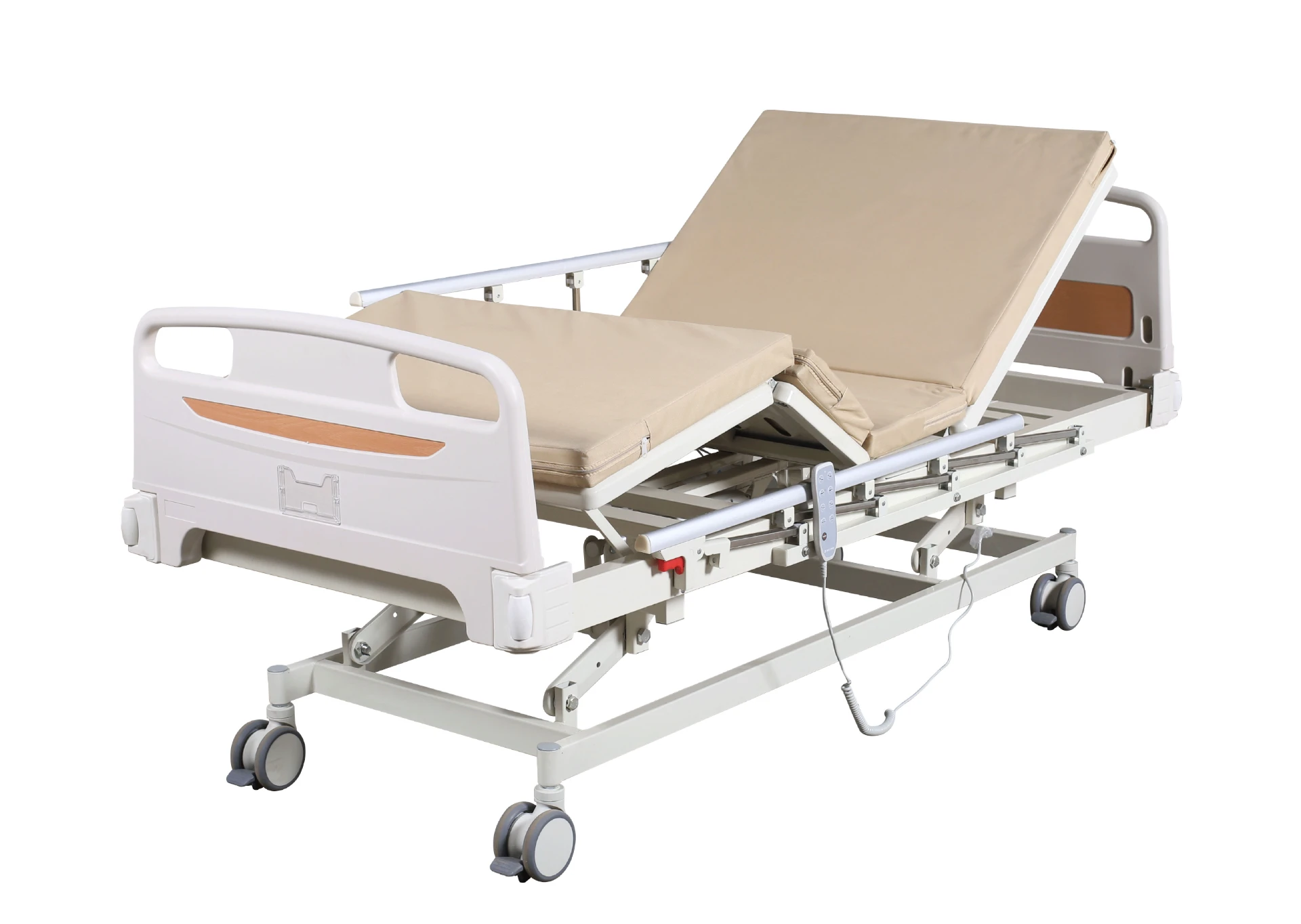
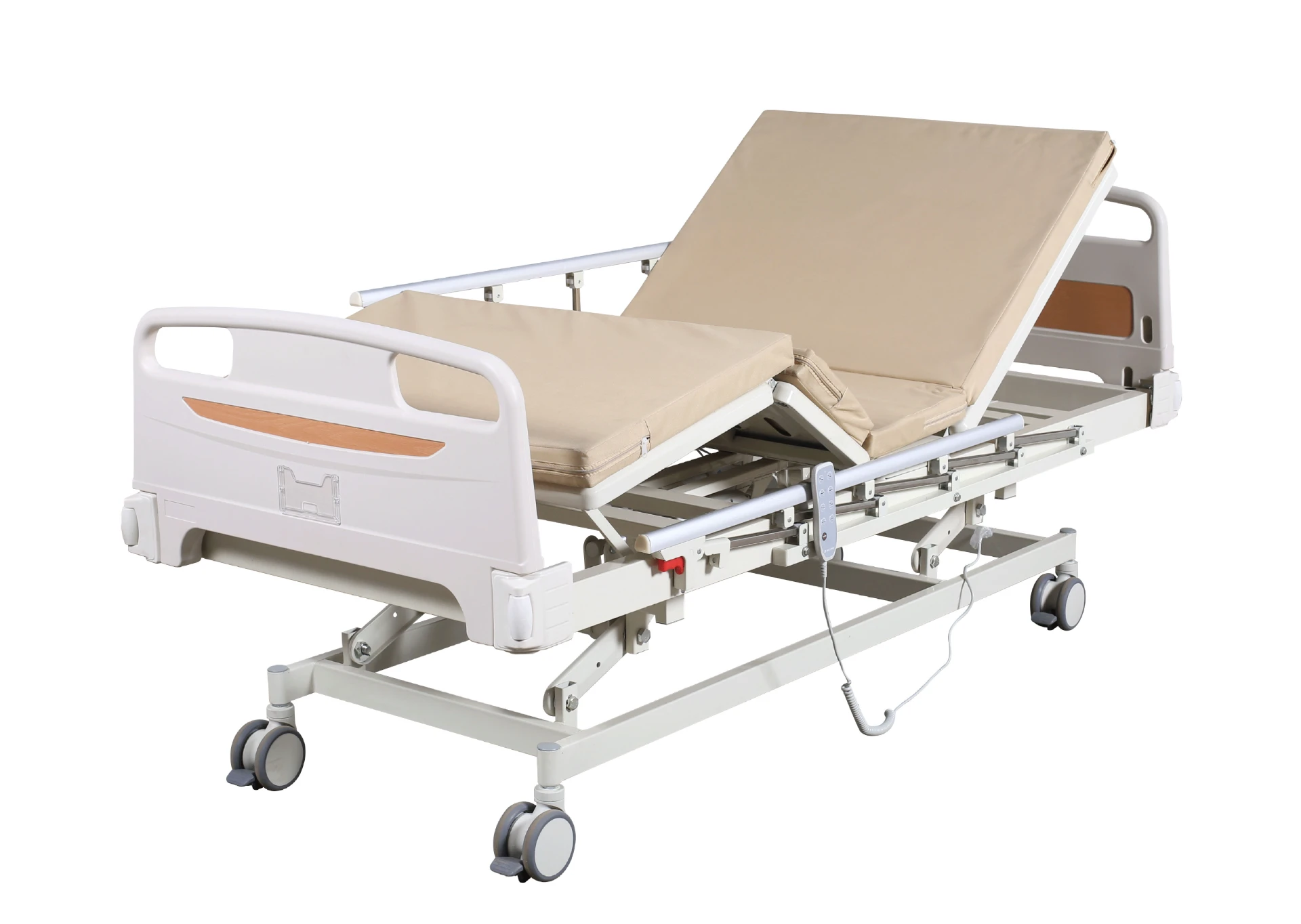
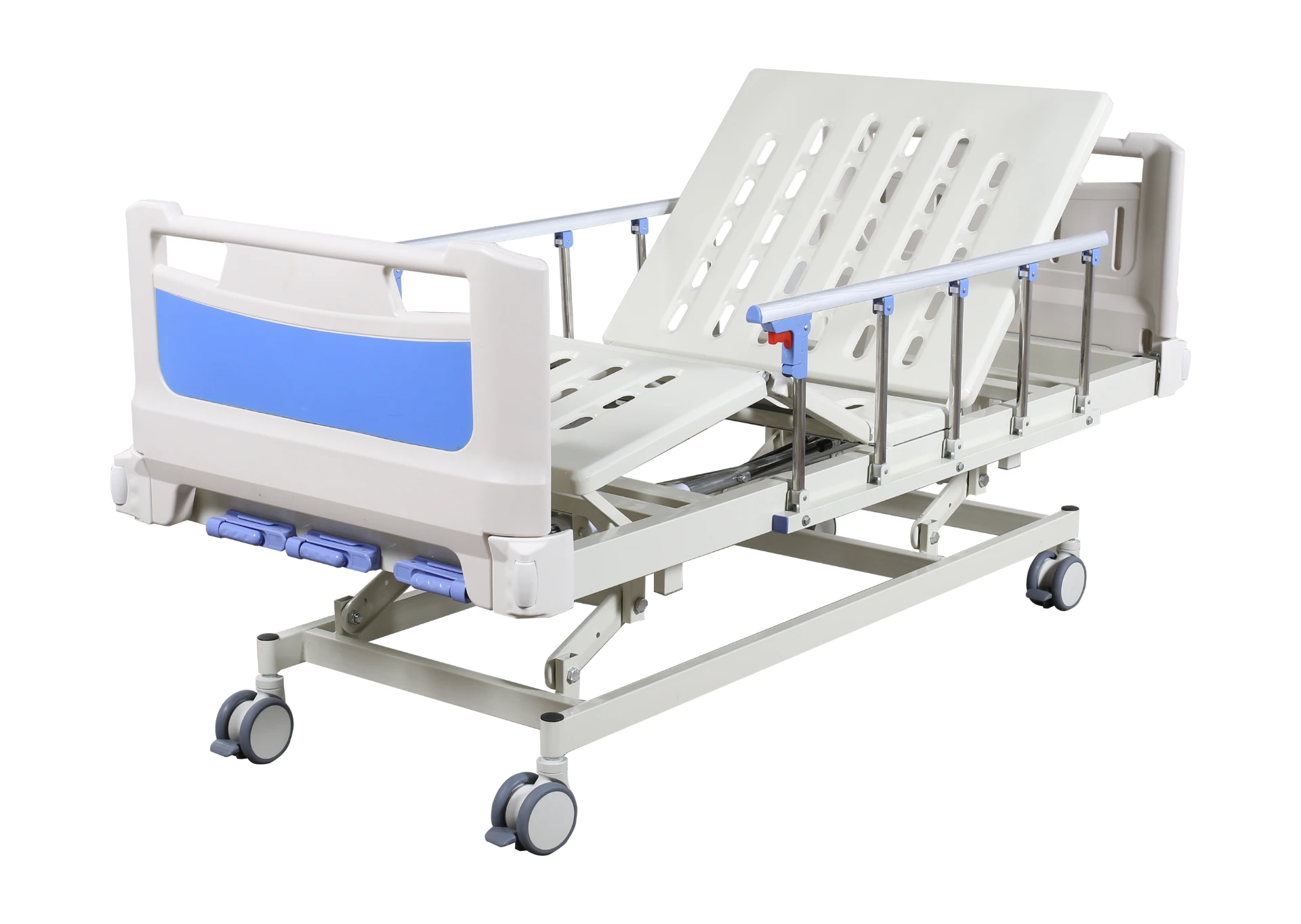
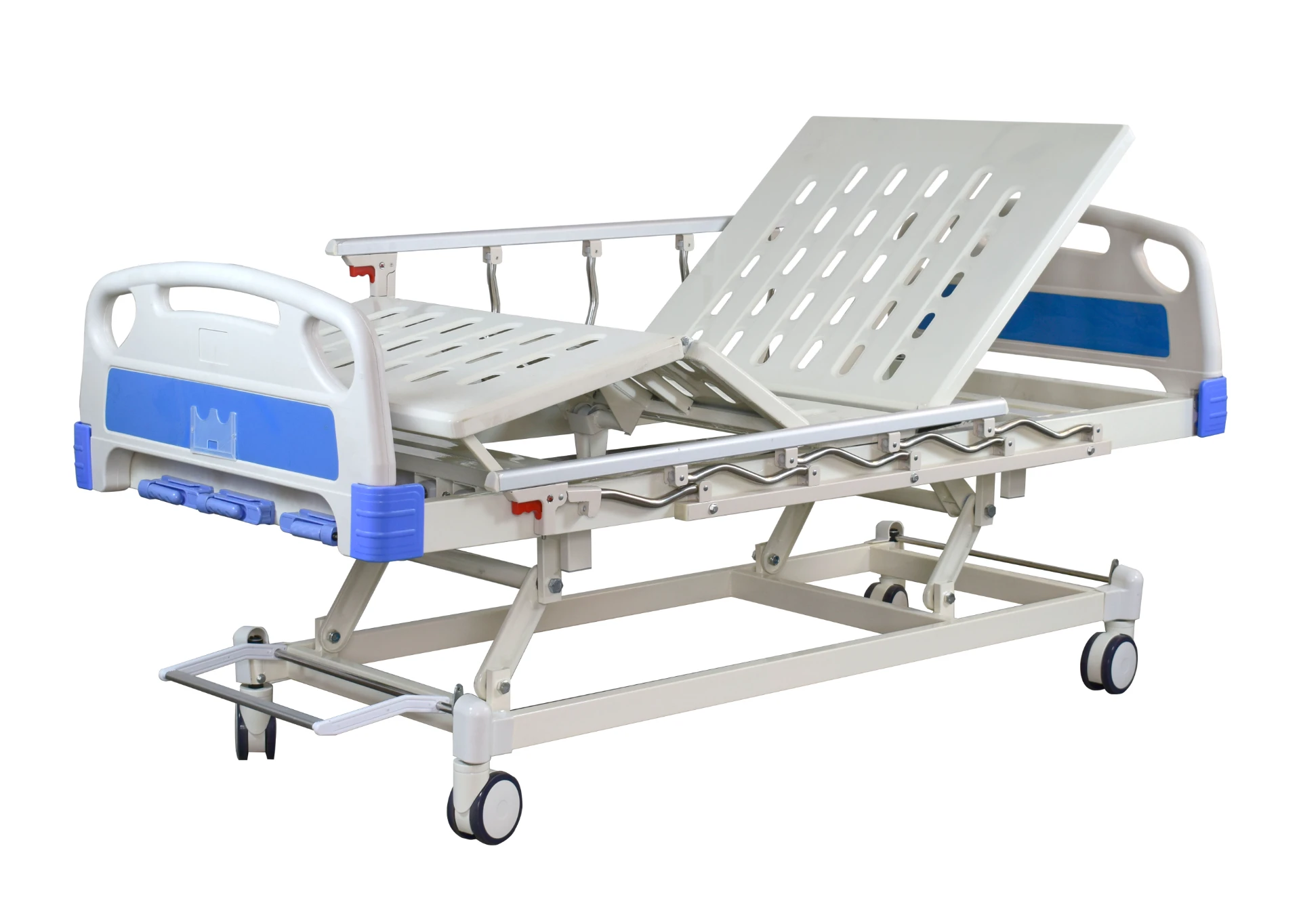
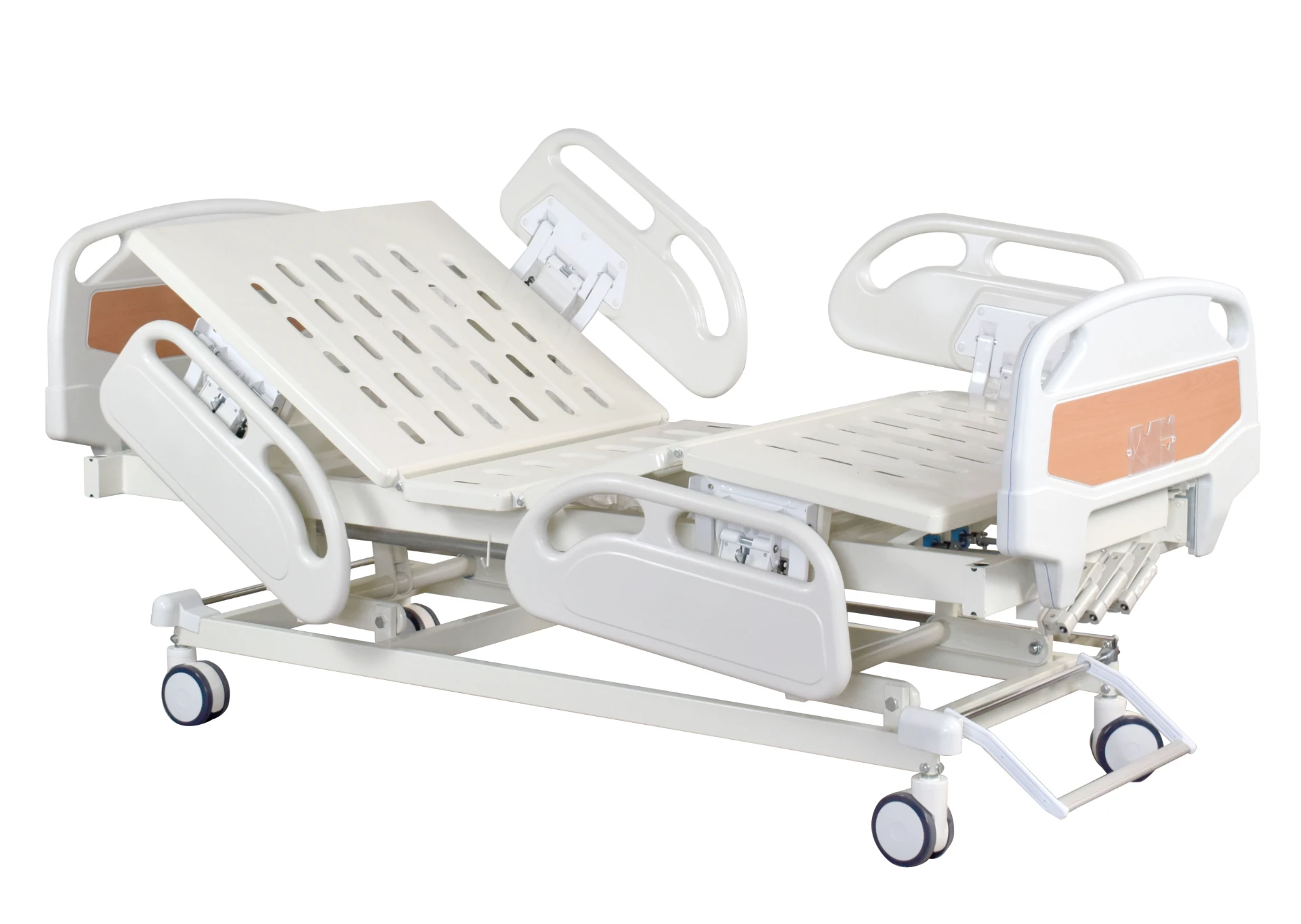
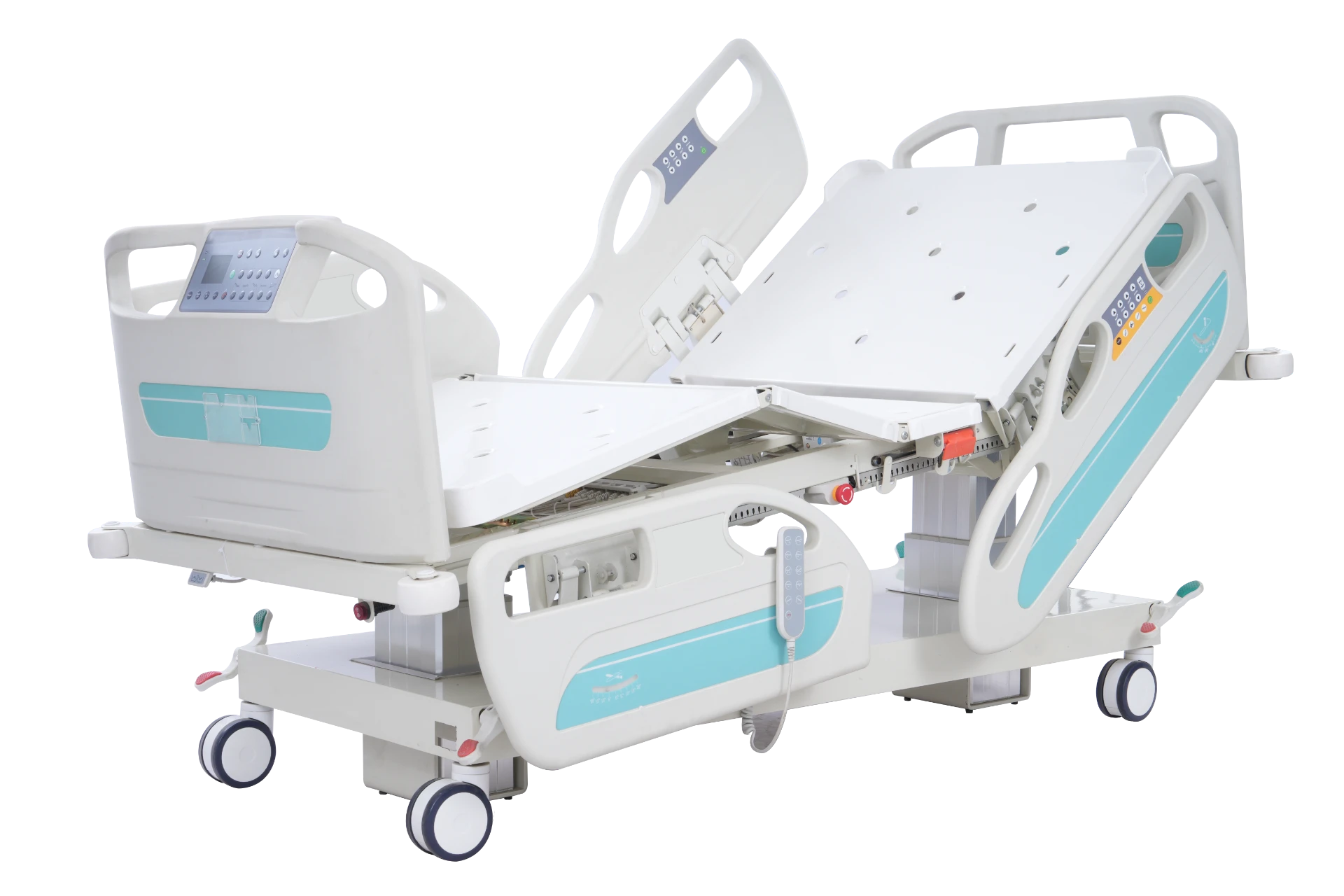
Considering the adjustable nature of many hospital beds, the mattress must flex without compromising support. This protects the patient’s spine and pressure points even as the bed elevates or reclines.
4. Thermoregulation
Patients in long-term care often struggle with temperature regulation. Some orthopedic mattresses now include breathable, gel-enhanced layers that help dissipate heat, adding comfort and reducing night sweats or skin irritation.
5. Weight Capacity
Hospitals accommodate a diverse patient population. High weight capacities of 300 pounds and above ensure the mattress supports a wide range without premature wear or sagging.
Orthopedic Mattress Specifications Overview
| Specification | Typical Value | Notes |
|---|---|---|
| Material | High-density memory foam + gel layer | Balance of comfort & pressure relief |
| Thickness | 8-12 inches (20–30 cm) | Depends on bed type & patient needs |
| Cover Fabric | Waterproof, antimicrobial PVC or polyurethane | Ensures hygiene & easy maintenance |
| Weight Capacity | Up to 350 lbs (160 kg) | Supports wide patient range |
| Certification | ISO 13485:2016 / FDA Approved Materials | Ensures clinical safety standards |
Mini takeaway: The orthopedic mattress for hospital bed is engineered to combine therapeutic benefits with hygiene and durability, tailored specifically to clinical environments and patient needs.
Global Applications and Use Cases
Orthopedic mattresses aren’t just a luxury in wealthy urban hospitals. Far from it—their impact is global and critical in various contexts:
- Post-disaster relief camps: In emergencies, quick deployment of medical beds equipped with orthopedic mattresses can greatly reduce patient suffering from injuries and ensure dignity.
- Long-term care facilities: Aging populations in Europe and Japan rely on these mattresses to manage chronic conditions, reducing hospital stays.
- Remote industrial zones: Mining and offshore medical units use orthopedic mattresses to promptly treat workers with injuries or fatigue-related ailments.
- Military medical units: Lightweight, durable orthopedic mattresses help treat injured personnel in field hospitals.
For more in-depth applications and product options, check out specialist resources like orthopedic mattress for hospital bed.
Advantages and Long-Term Value
The advantages here feel both practical and emotional. From a healthcare provider’s standpoint, fewer pressure ulcers and faster patient mobilization means lower treatment costs and improved throughput. Patients, on the other hand, experience dignity and comfort even when immobile—something that truly matters but often goes unnoticed.
Environmentally, investing in durable, repairable orthopedic mattresses reduces medical waste—a growing concern in healthcare. Selecting mattresses with recyclable or eco-friendly materials is becoming a key trend as hospitals aim for sustainable operations.
Vendor Comparison: Leading Orthopedic Mattress Manufacturers
| Vendor | Key Features | Price Range | Warranty |
|---|---|---|---|
| ComfortMed | Memory foam + gel layer, antimicrobial cover | $550–$700 | 5 years |
| HealFlex | Customized firmness, breathable fabrics | $650–$850 | 7 years |
| SafeRest Medical | Fluid-resistant, fire retardant, high durability | $500–$650 | 3 years |
Future Trends & Innovations
The future looks promising. One area receiving serious attention is integrating smart technologies into orthopedic mattresses. Imagine sensors that monitor pressure points or patient movement, alerting staff before a bedsore can develop.
Materials science innovations, like bio-based foams or self-cleaning covers utilizing nanotechnology, could revolutionize hygiene and sustainability. Digital transformation in hospitals also supports interoperability between beds and electronic health records.
Challenges & Solutions
Of course, challenges persist. Cost remains a significant barrier, especially in developing countries. Storage and cleaning logistics can also complicate adoption.
To address these, modular mattress designs allow easy repair and replacement of worn layers rather than full mattress swaps. Innovative funding models and NGO partnerships help increase access in low-resource settings.
FAQ: Orthopedic Mattress for Hospital Bed
- Q: What makes an orthopedic mattress better for hospital beds than regular mattresses?
A: Orthopedic mattresses provide enhanced pressure redistribution, durability, and hygienic materials designed for medical use, helping prevent pressure ulcers and ensuring patient comfort during extended bed rest. - Q: How often should an orthopedic hospital mattress be replaced?
A: Typically, these mattresses should be replaced every 5 to 7 years, depending on usage intensity, maintenance, and material quality. Regular inspection for sagging or cover damage is essential. - Q: Are orthopedic mattresses for hospital beds easy to clean?
A: Yes, they generally feature fluid-resistant, antimicrobial covers that can be wiped down or laundered as per hospital sanitation protocols to maintain hygiene and prevent infections. - Q: Can orthopedic mattresses accommodate adjustable hospital beds?
A: Absolutely, most are designed with flexibility in mind, allowing the mattress to bend with the bed’s recline or elevation settings without losing support. - Q: Are these mattresses covered by medical insurance?
A: Coverage varies by country and policy. Many insurance plans cover orthopedic mattresses prescribed for medical conditions, but it’s best to confirm with your provider.
Conclusion
To sum it all up, the orthopedic mattress for hospital bed offers a blend of comfort, safety, and therapeutic support that’s vital in today’s healthcare world. From boosting patient recovery to reducing healthcare-associated complications, their value cannot be overstated.
Whether you’re a healthcare provider seeking reliable bedding solutions or a caregiver looking to enhance recovery environments, exploring options and innovations in this field is a wise step. For more comprehensive insights and options, feel free to visit our website.
It’s funny how something as seemingly simple as a mattress can hold such importance — a quiet hero in hospital rooms worldwide.
References
-
Ultimate Guide to Choosing Extra Wide Waiting Room ChairsNewsApr.16,2026
-
Guide to Choosing Professional Waiting Room Chairs Wipeable SeatingNewsApr.09,2026
-
Enhance Your Space with Comfortable Wide Waiting Room ChairsNewsApr.07,2026
-
Selecting the Ideal Brown Waiting Room Chairs for a Welcoming SpaceNewsApr.04,2026
-
Choosing Comfortable Patient Waiting Room Chairs for Healthcare FacilitiesNewsMar.31,2026
-
Finding the Best Deals on Affordable and Cheap Reception Chairs for Your BusinessNewsMar.28,2026
-
Enhance Your Business Reception with Comfortable Blue Reception ChairsNewsMar.26,2026