Welcome to our websites!


High-Quality Hospital Furniture and Equipment: Global Standards and Innovations
Understanding Hospital Furniture and Equipment: Why It Matters Globally
Hospital furniture and equipment form the essential backbone of healthcare environments worldwide. Beyond mere chairs or beds, these elements support patient care, enhance safety, and improve workflow efficiency. As global health challenges expand — whether from aging populations or sudden crises like pandemics — understanding the role and impact of hospital furnishings becomes ever more critical. After all, quality hospital equipment can mean the difference between efficient treatment and chaos during high-demand periods.
Mini takeaway: Hospital furniture isn’t just accessories — it’s a vital part of healthcare delivery that impacts patient outcomes and system resilience globally.
The Global Scene: Why Hospital Furniture and Equipment Demand Is Rising
Worldwide, healthcare infrastructure is under pressure to evolve. According to the World Bank and WHO, global hospital admissions and outpatient visits have grown steadily in the last decade. This surge drives demand for reliable hospital furniture and equipment that meet diverse standards — from high-income countries with advanced tech needs to developing regions grappling with infrastructure gaps.
Oddly enough, the sector also faces challenges in supply chain disruptions and sustainable sourcing, which raises questions about how manufacturers and providers can meet this rising need responsibly.
For example, ISO standards help unify safety and quality expectations across global markets, yet regional differences in materials, design preferences, and budget constraints remain significant.
Basically, the pressure to balance quality, cost, and adaptability has never been higher.
Mini takeaway: Meeting global healthcare demands requires hospital furniture and equipment that are versatile, robust, and compliant with international quality frameworks.
What Exactly Are Hospital Furniture and Equipment?
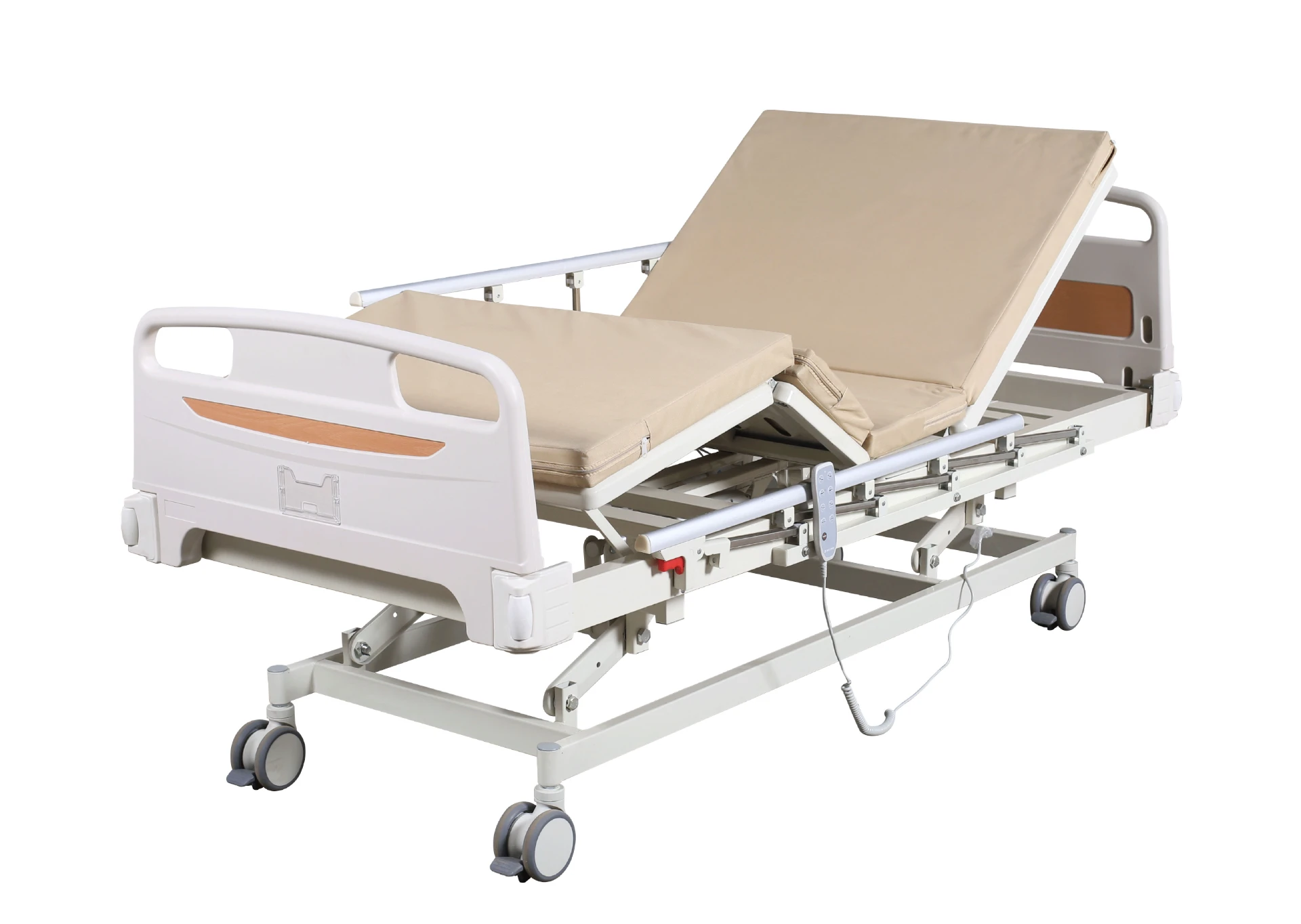
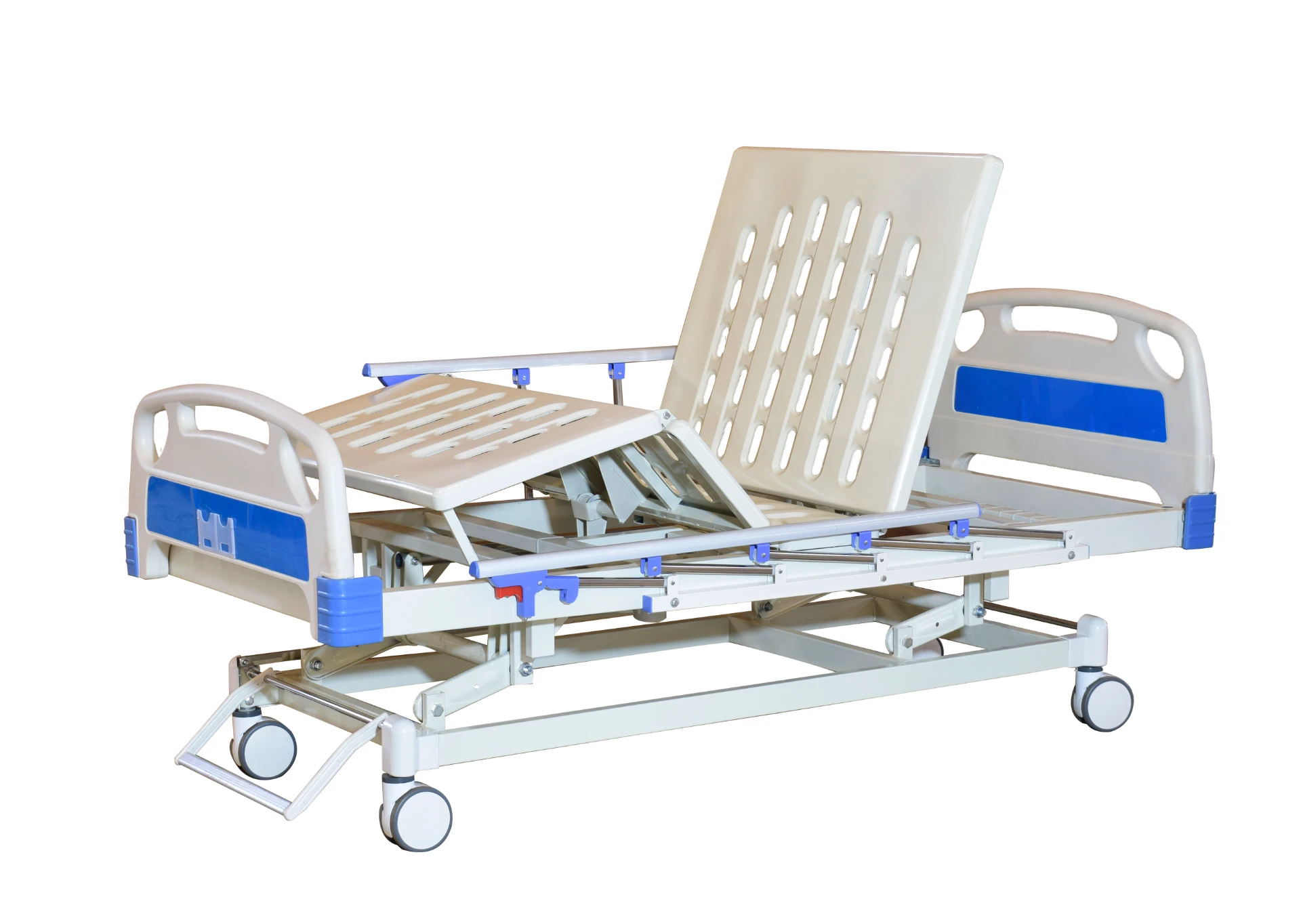
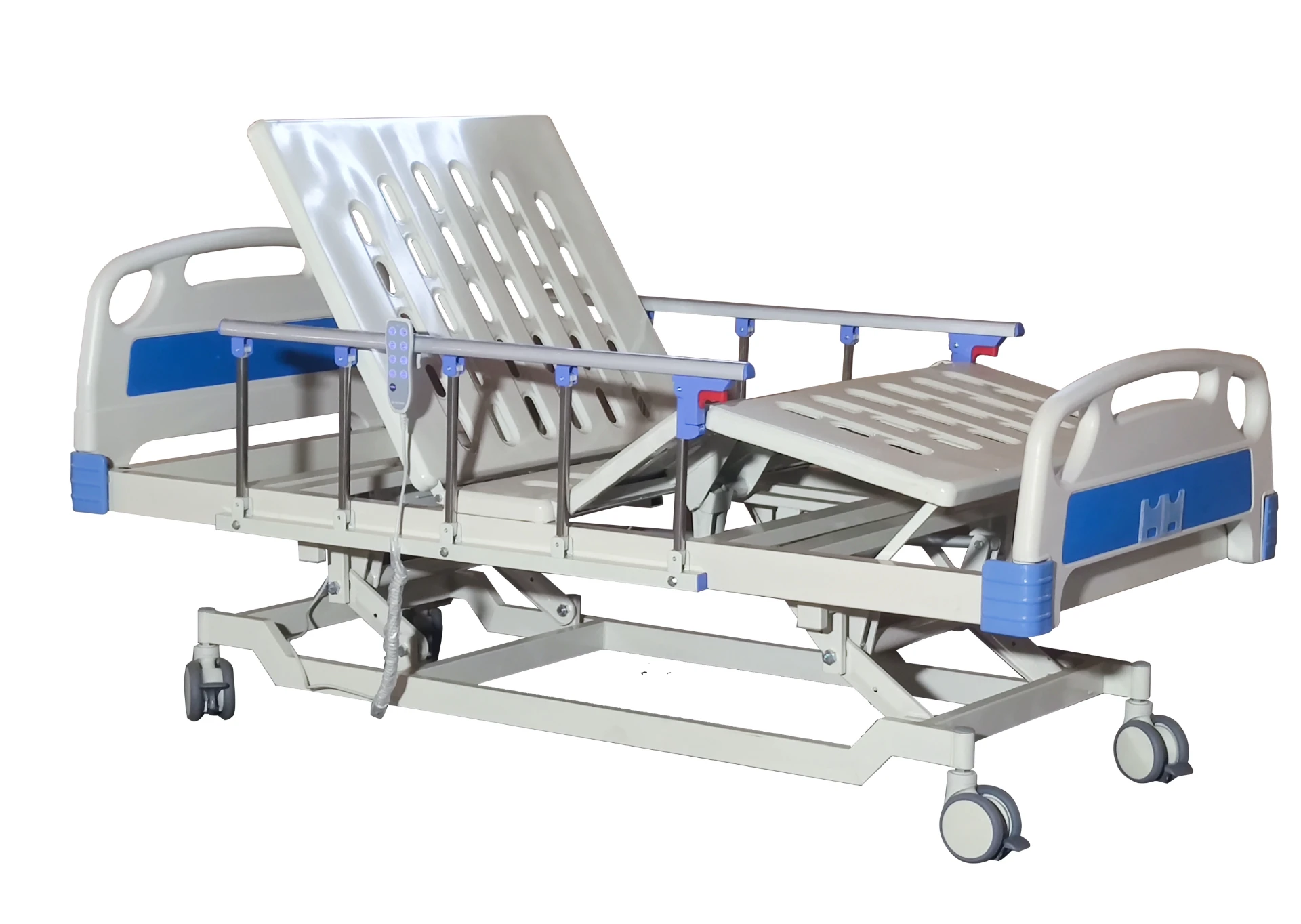
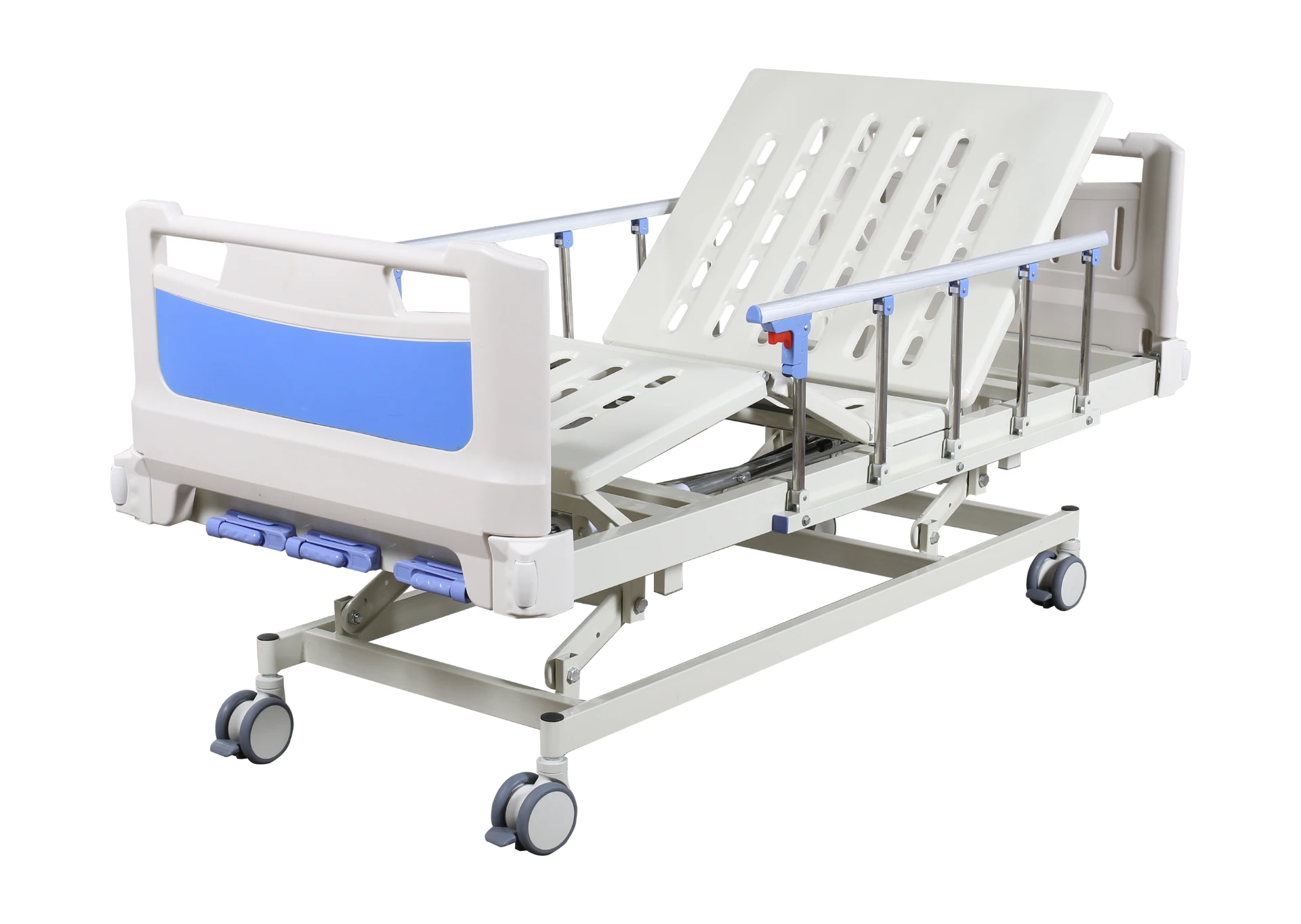
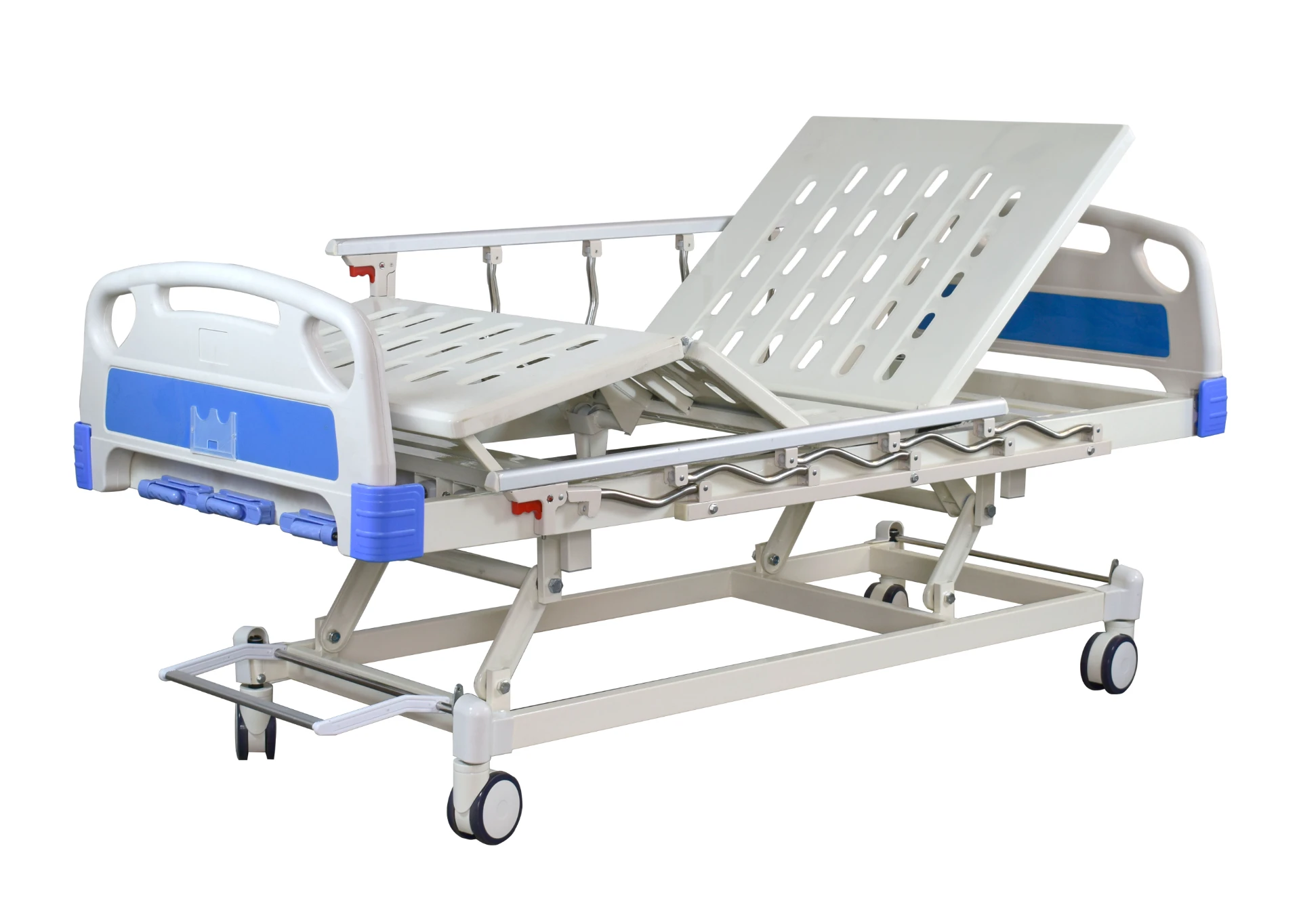
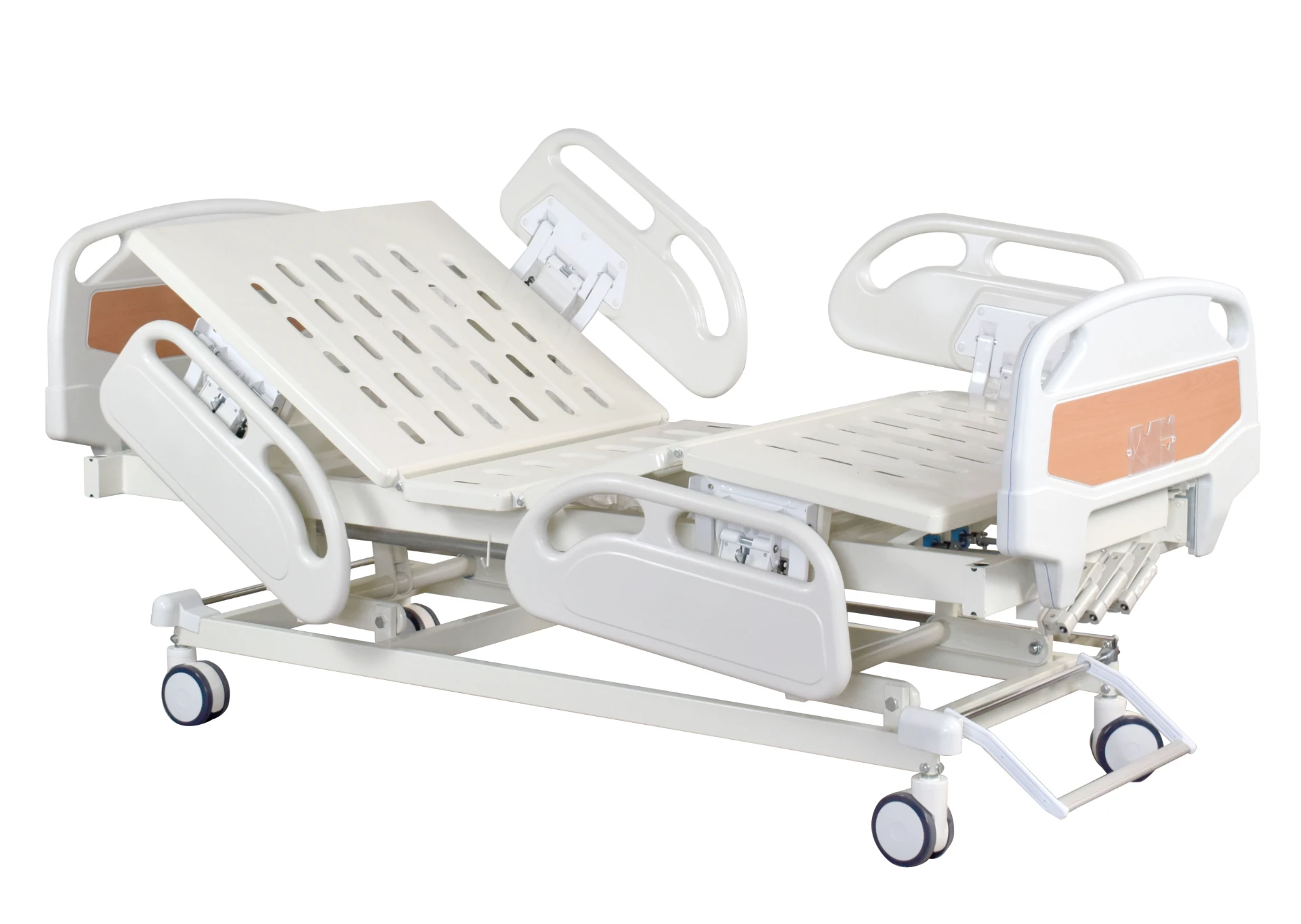
In simple terms, hospital furniture includes beds, bedside cabinets, chairs, trolleys, and lockers used within healthcare facilities. Equipment extends to diagnostic devices, surgical tables, IV stands, monitors, and more. Together, they create the physical environment where care is delivered, linking patient comfort and safety with medical functionality.
From a humanitarian perspective, they’re crucial in emergency setups and long-term care centers alike. A sturdy hospital bed, for instance, can facilitate patient mobility and recovery, while ergonomic chairs assist healthcare workers during prolonged shifts.
Mini takeaway: Hospital furniture and equipment are the tangible elements that help translate clinical expertise into actual patient care and safety.
Key Aspects to Consider for Hospital Furniture and Equipment
Durability and Hygiene
Hospital environments are harsh — lots of cleaning chemicals, frequent use, and unavoidable wear. Furniture must be built with materials like stainless steel, antimicrobial coatings, or treated polymers to withstand this and resist pathogens. This isn’t just luxury — it’s infection control 101.
Ergonomics and Patient Comfort
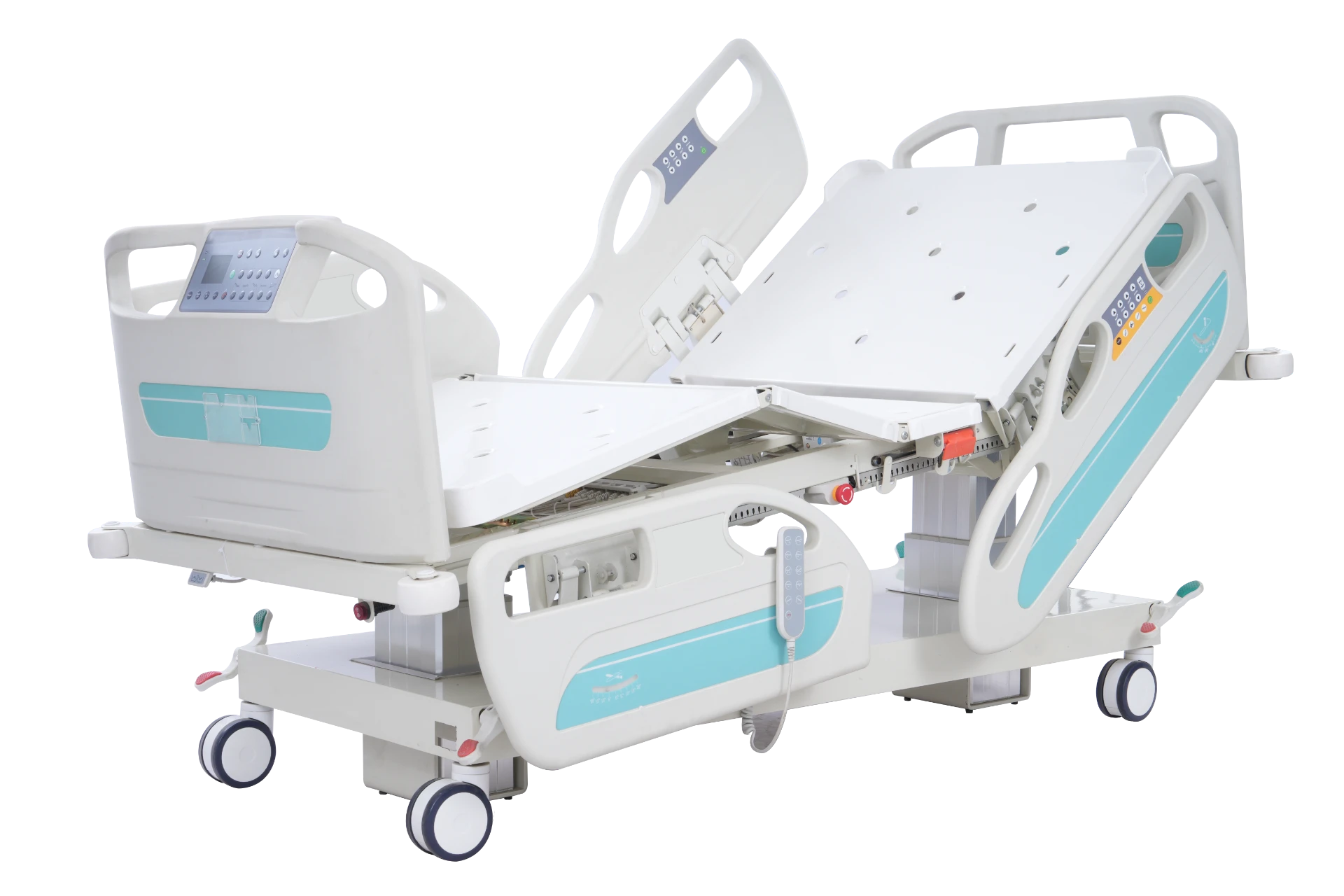
Patients come in all shapes and ailments. Adjustable beds with supportive mattresses and easily reachable controls can greatly impact not only comfort but also recovery speed and prevention of complications like bedsores.
Cost Efficiency & Maintenance
As budgets tighten, hospitals look to furniture and equipment that offer longevity with predictable maintenance costs. Modular designs giving easy part replacement or upgrades score points here.
Scalability and Adaptability
Hospitals sometimes reconfigure wards quickly. Furniture that stacks, folds, or adapts to different spaces helps organizations stay nimble. This became glaringly important during COVID-19 when some hospitals turned regular wards into ICUs almost overnight.
Compliance and Safety Standards
Adhering to ISO and local healthcare regulations ensures not only user safety but also grants access to international tenders in many cases. It’s a non-negotiable for most serious healthcare providers.
Mini takeaway: These core factors are the foundation that can make or break hospital furniture’s functionality in real world medical settings.
Real-World Applications of Hospital Furniture and Equipment
In post-disaster relief operations — think earthquakes or floods — rapid deployment of robust hospital furniture becomes a lifeline. Portable beds, collapsible examination tables, and compact storage units allow medical teams to set up field hospitals efficiently.
In developed urban hospitals, advanced beds with integrated electronics monitor vital signs, while surgical stools and lighting adapt to highly specialized procedures.
Remote industrial zones with hazardous conditions rely on rugged, easy-to-clean furniture that can stand up to grit and rough handling.
Organizational examples include Médecins Sans Frontières (Doctors Without Borders), which depends heavily on durable hospital equipment scaled for rapid transport and setup. Similarly, hospital furniture and equipment manufacturers now collaborate closely with humanitarian agencies to refine designs that meet these demanding conditions.
Mini takeaway: From the frontline of disasters to the heart of city hospitals, hospital furniture adapts to very different but equally crucial roles.
Advantages and Long-Term Value of Investing in Quality Hospital Furniture
- Cost Savings: While upfront costs can seem high, durable and modular furniture reduces replacement and repair spend over time.
- Sustainability: Many manufacturers now offer eco-friendly materials and recycling programs, reducing environmental impact.
- Safety and Dignity: Good quality beds and patient chairs aren’t just functional; they help preserve a person’s dignity and comfort during vulnerable times.
- Innovation Boost: Patients and staff alike benefit from ergonomically designed furniture that incorporates the latest healthcare insights.
- Trust and Reliability: Proven quality and compliance inspire confidence among medical staff and patients alike.
It feels like investing here is a win-win; both the healthcare system and the individual benefit in tangible ways beyond just the numbers.
Looking Ahead: Trends Shaping Hospital Furniture and Equipment
The future is definitely green and digital. More manufacturers embrace recyclable composites and low-emission materials.
Digital transformation means furniture embedded with IoT sensors to monitor usage, wear, and patient conditions remotely. Automation could soon let beds adjust themselves based on patient data without nurse intervention.
Policy developments worldwide push for higher standards in ergonomic workplace conditions for health workers — so ergonomic chairs and adjustable equipment are gaining importance fast.
Challenges and Smart Solutions
Despite progress, challenges persist: high upfront costs, supply chain bottlenecks, and sometimes a gap between manufacturer promises and on-the-ground realities.
Yet, expert advice stresses early planning and collaborative procurement processes to overcome these hurdles.
Innovative leasing models or outcome-based contracts increasingly help hospitals acquire advanced furniture without crippling capital investments — a trend worth watching.
FAQ: Common Questions About Hospital Furniture and Equipment
- What materials make hospital furniture more durable and hygienic?
- Typically, stainless steel, treated polymers, and antimicrobial coatings are preferred because they resist corrosion, can withstand harsh cleaning agents, and minimize infection risks.
- How does modular furniture benefit hospital operations?
- Modular units simplify maintenance, allow easier transport, and enable rapid space reconfigurations—a lifesaver in emergency wards or during sudden patient surges.
- Is investing in higher-end hospital beds cost-effective?
- Yes, despite a higher upfront price, these beds reduce long-term costs by improving patient recovery outcomes and lowering maintenance needs.
- How is sustainability addressed in hospital furniture manufacturing?
- Manufacturers increasingly use recycled materials, improve product lifecycles, and offer take-back or recycling programs to lessen environmental impact.
- Can portable hospital furniture be used internationally?
- Absolutely. Many designs prioritize international standards and transportability, making them suitable for NGOs and global relief efforts.
Product Specification Table
| Item | Material | Dimensions (L×W×H) | Weight Capacity | Special Features |
|---|---|---|---|---|
| Adjustable Hospital Bed | Steel frame, antimicrobial paint | 210×90×55 cm | 250 kg | Electric height/wedge adjustments, side rails |
| Mobile IV Stand | Stainless steel | 140×40×40 cm | N/A | Height adjustable, lockable wheels |
| Patient Chair | Welded aluminum frame, PU cushioning | 60×60×90 cm | 120 kg | Stackable, easy-clean surface |
Vendor Comparison Table
| Vendor | Product Range | Compliance & Certifications | Lead Time | Sustainability Initiatives |
|---|---|---|---|---|
| MaxCare Medical | Full hospital furniture, diagnostic equipment | ISO 13485, CE Mark | 6-8 weeks | Uses recycled steel, low-VOC paints |
| HealthEquip Solutions | Modular furniture, mobile devices | FDA approved, ISO 9001 | 4-6 weeks | Green packaging, equipment leasing |
| Global Med Furnishings | Basic to advanced hospital furniture | CE Mark, ISO 14001 | 8-10 weeks | Solar-powered factory, waste reduction |
In Conclusion: Why Hospital Furniture and Equipment Are Worth the Investment
We’ve seen that the humble hospital chair or adjustable bed holds outsized importance — touching everything from patient dignity to sustainability. In a world increasingly focused on resilient and adaptive healthcare, investing in quality hospital furniture and equipment is less about cost and more about long-term value and impact.
So, if you’re seeking reliable, modern medical furniture solutions, do take a peek at hospital furniture and equipment. They balance innovation, compliance, and thoughtful design — helping caregivers deliver their best every day.
References
-
Ultimate Guide to Choosing Extra Wide Waiting Room ChairsNewsApr.16,2026
-
Guide to Choosing Professional Waiting Room Chairs Wipeable SeatingNewsApr.09,2026
-
Enhance Your Space with Comfortable Wide Waiting Room ChairsNewsApr.07,2026
-
Selecting the Ideal Brown Waiting Room Chairs for a Welcoming SpaceNewsApr.04,2026
-
Choosing Comfortable Patient Waiting Room Chairs for Healthcare FacilitiesNewsMar.31,2026
-
Finding the Best Deals on Affordable and Cheap Reception Chairs for Your BusinessNewsMar.28,2026
-
Enhance Your Business Reception with Comfortable Blue Reception ChairsNewsMar.26,2026