Welcome to our websites!


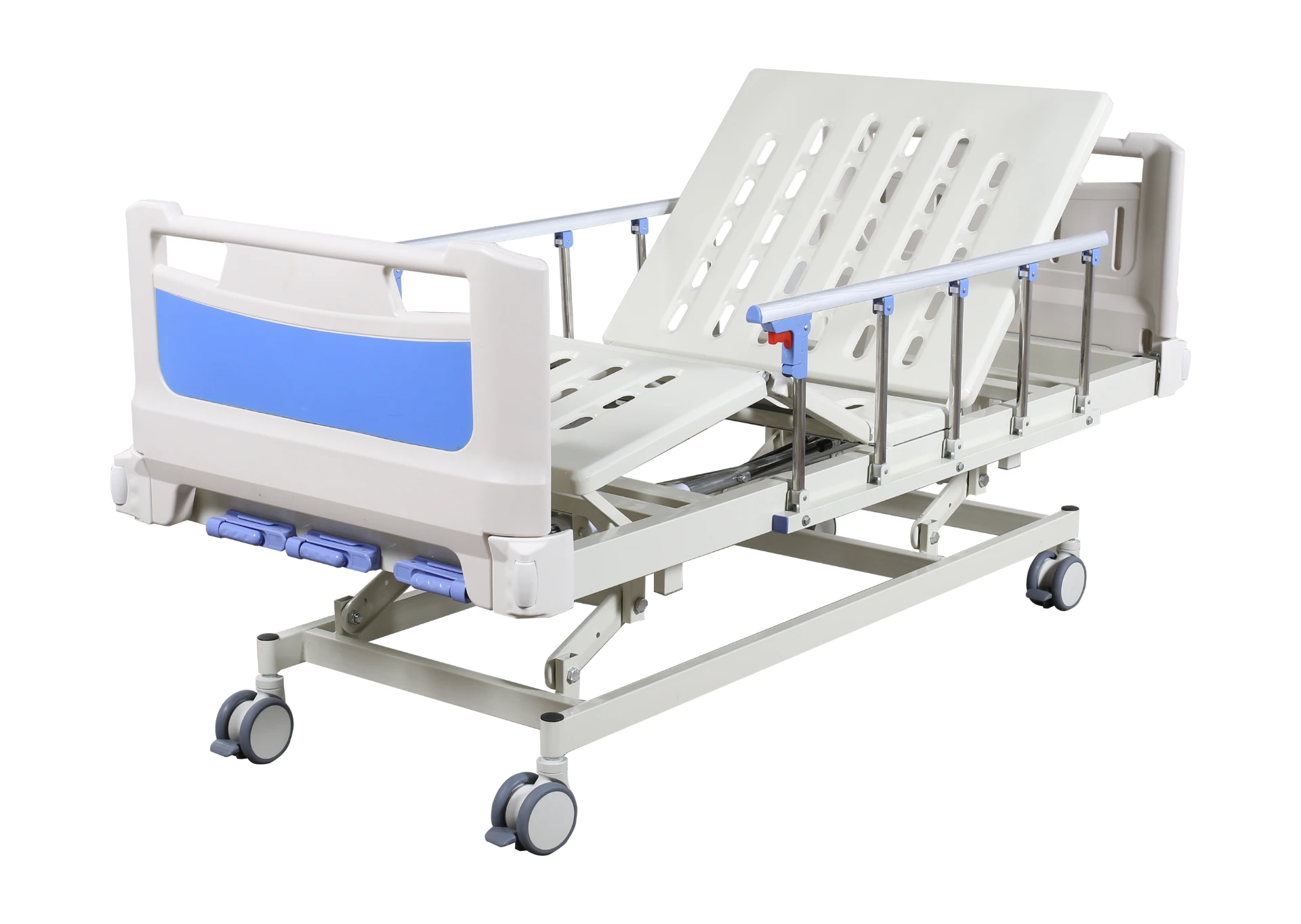
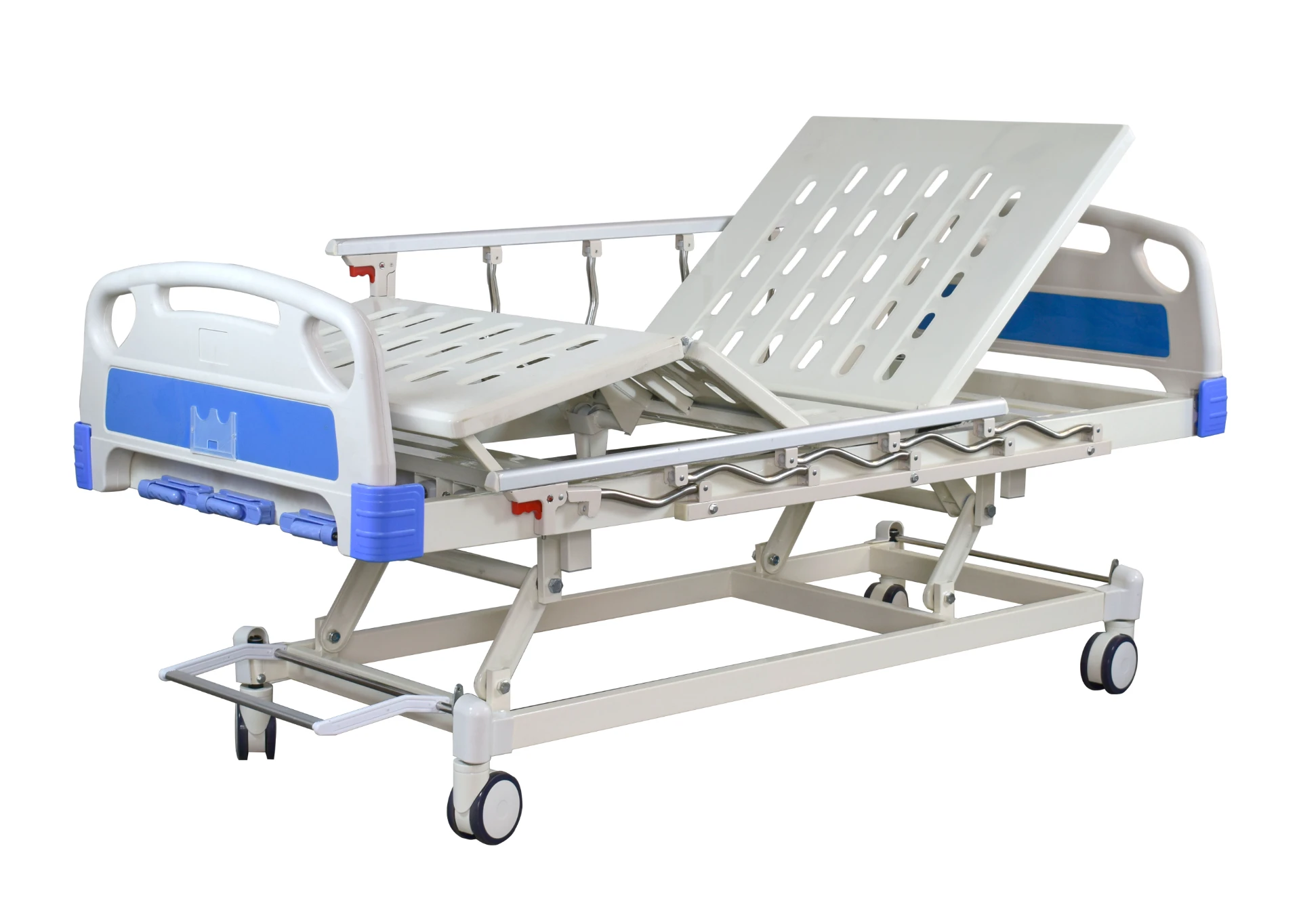
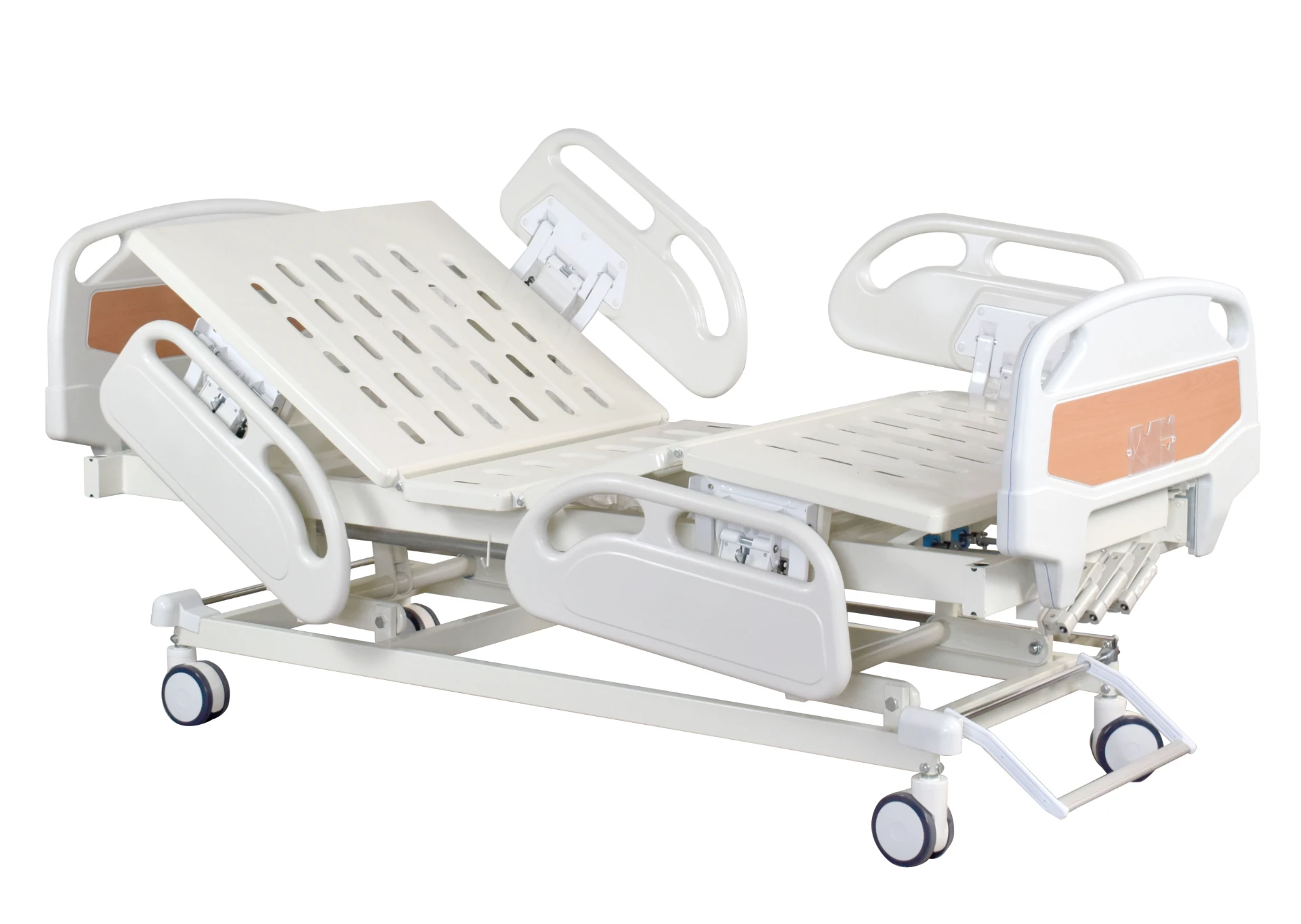
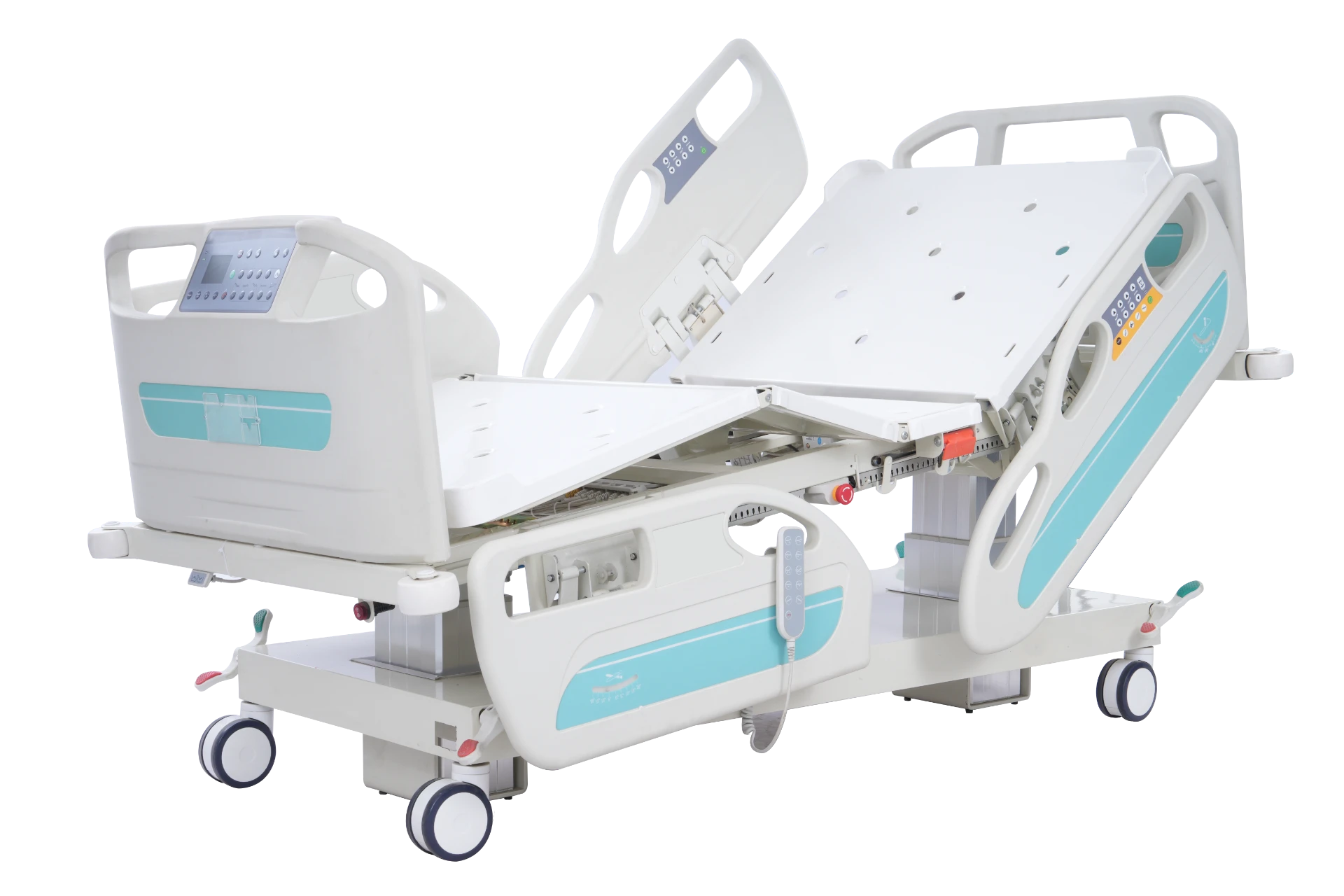
Hospital Folding Chair Bed – Space-Saving, Durable Medical Furniture for Healthcare Needs
Understanding Hospital Folding Chair Beds: Why They Matter Globally
Hospital folding chair beds might not be the flashiest medical equipment, but they quietly play a critical role in healthcare facilities worldwide. Especially in places where space is limited or patient overflow is common, these versatile pieces of furniture are lifesavers—quite literally. Beyond everyday hospital wards, they pop up in emergency rooms, temporary clinics, and disaster relief setups, proving their value across borders and cultures.
It’s a topic worth understanding because the right design can improve patient comfort, ease caregiver work, and help hospitals optimize space—an increasingly precious commodity. Plus, with global healthcare infrastructure stretched thin, knowing how these beds work and why they matter is surprisingly useful.
The Big Picture: Global Relevance of Hospital Folding Chair Beds
Globally, healthcare systems face an ongoing challenge—providing effective care in tight spaces with limited resources. According to WHO statistics, over 50% of hospitals experience bed shortages in peak times, particularly in low and middle-income countries (WHO). Enter the hospital folding chair bed: a dual-purpose solution marrying seating and sleeping functionalities.
The World Bank's health indicators also emphasize that smaller, multipurpose equipment can reduce infrastructural strain and cut costs, making it easier to expand care quickly, like during a sudden influx of patients in pandemics or natural disasters. This connection to global humanitarian and industrial healthcare contexts can't be overstated.
For example, in fast-growing urban centers in Asia or Africa, limited hospital space meets rising demand, so folding chair beds often come to the rescue, offering adaptable seating and makeshift beds that don’t eat up permanent floor area.
What Exactly Is a Hospital Folding Chair Bed?
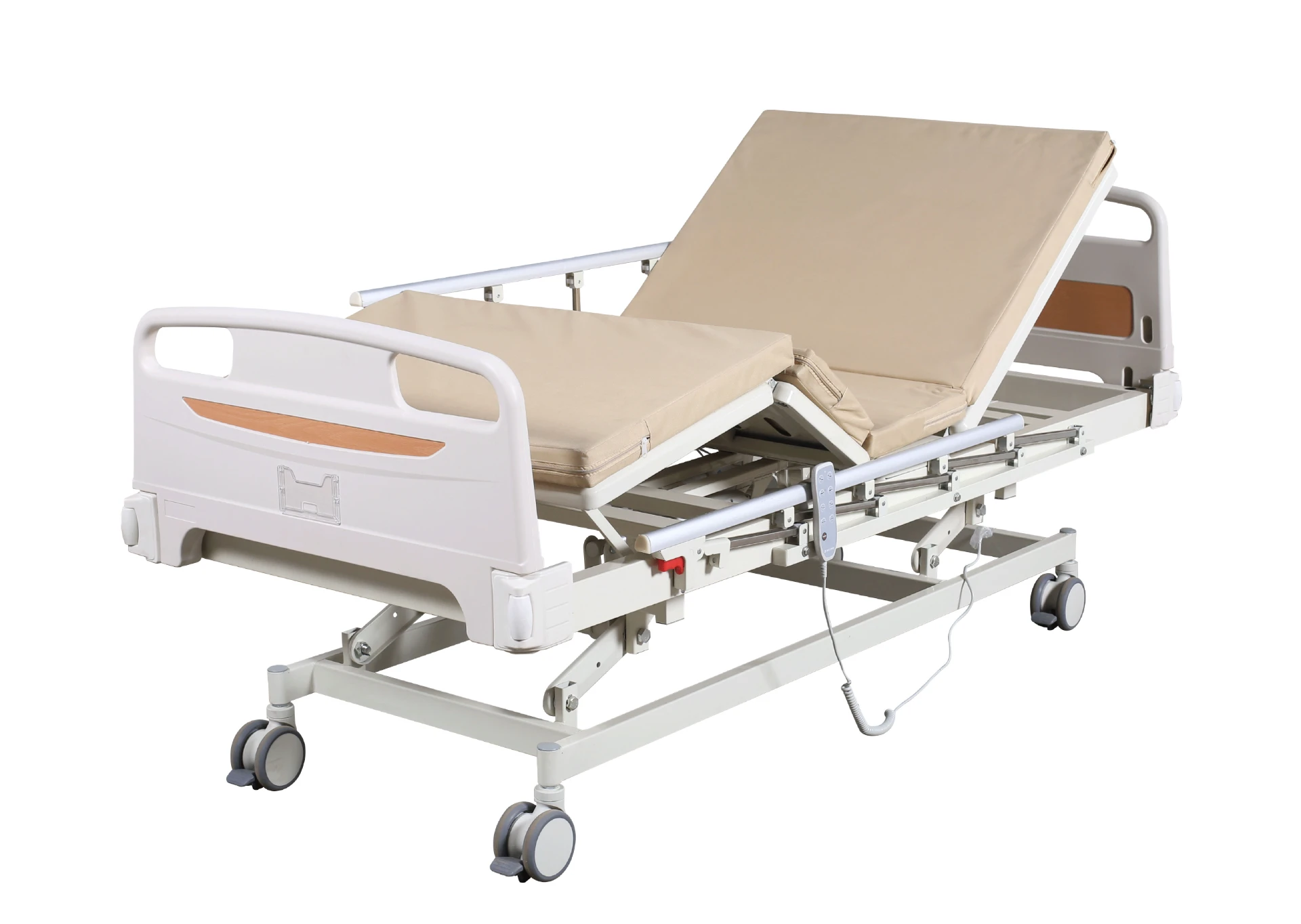
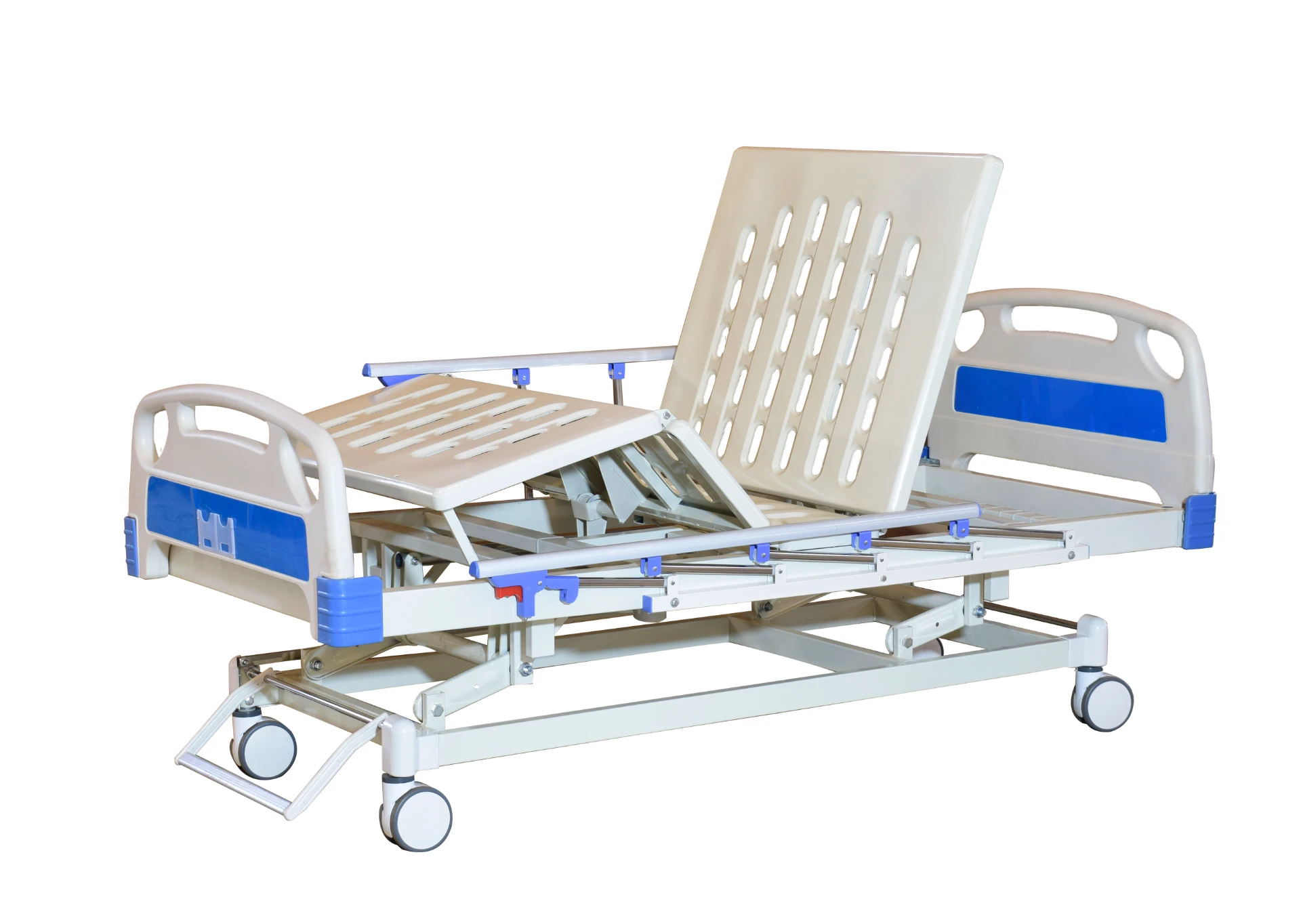
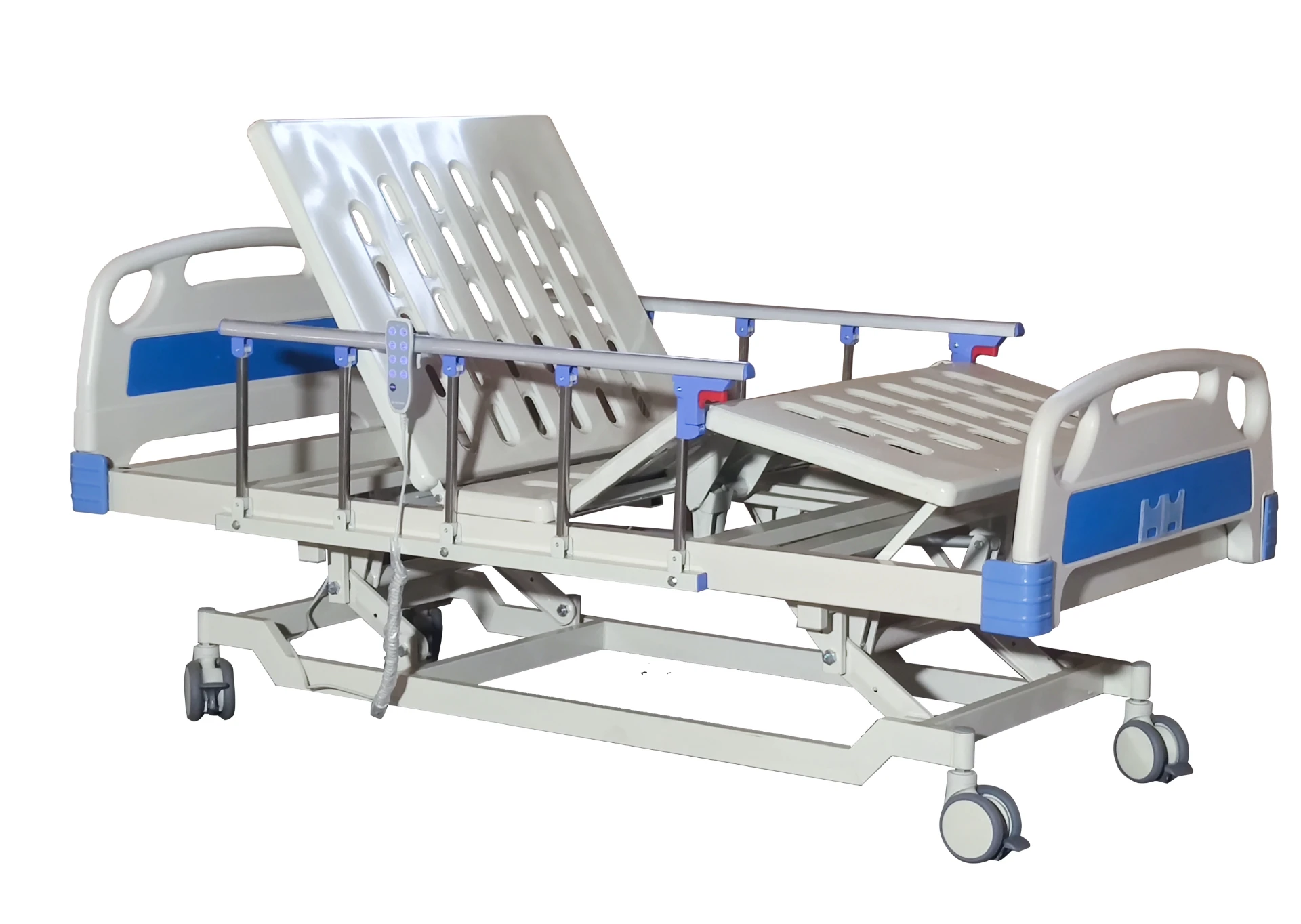
Put simply, a hospital folding chair bed is a specially designed piece of furniture that functions as both a comfortable chair and a patient bed. It folds out or unfolds to transform between these two modes, making it ideal for settings where patients may need to rest but permanent beds aren’t available or practical.
Think of it as a hybrid, bridging the gap between the mobility of a chair and the horizontal rest offered by a bed. These beds cater not just to patients but also to visiting family members, overnight caregivers, or medical staff needing short rests.
Its connection to modern healthcare and humanitarian needs is quite direct: it provides essential flexibility and mobility without sacrificing patient comfort. It’s a simple idea, but the design finesse behind materials, stability, and usability is what makes it crucial.
Core Components That Make These Beds Work
1. Durability and Materials
Many engineers say the strength of the frame and the quality of upholstery are non-negotiable. Hospital folding chair beds typically use lightweight metals—like aluminum or steel alloys—for the frame, providing strength without excessive weight. The cushions usually have antimicrobial, waterproof coverings, vital for infection control.
2. Comfort and Ergonomics
An often overlooked but critical factor is patient comfort. The cushions must strike a delicate balance—not too firm to cause pressure ulcers, not too soft to lose support. Ergonomic designs with adjustable backrests and leg supports ensure patients can shift positions easily.
3. Compact Folding Mechanism
The folding function is central: it ought to be simple enough for staff to operate quickly, yet secure when locked in either chair or bed position. Smooth hinges and robust locking systems reduce wear and safety risks.
4. Portability and Weight
A folding chair bed that’s too heavy limits its flexibility. Models designed for easy transport often include wheels or carry handles, especially for use in temporary clinics or field hospitals.
5. Cost Efficiency and Ease of Maintenance
Hospitals prefer affordable options that can stand daily use and are easy to clean. Some models prioritize modular components so worn parts can be swapped rather than requiring full replacement, reducing long-term costs.
Hospital Folding Chair Beds in Global Use
The applications for folding chair beds in healthcare environments range widely:
- Emergency Rooms and ICUs: Temporary beds for family members or short-stay patients.
- Disaster Relief: NGOs and government agencies deploy them for field hospitals after floods, earthquakes, or pandemics.
- Remote Industrial Zones: Mining camps and construction sites use them for onsite clinics with limited space.
- Urban Clinics: Space-efficient solutions for outpatient care where room is scarce.
Take for example the 2010 Haiti earthquake relief efforts—international teams relied heavily on folding chair beds to set up rapid medical infrastructure almost overnight, proving their ruggedness and ease of transport.
Advantages & the Lasting Impact of Folding Chair Beds
There are plenty of logical, emotional, and practical reasons these beds remain popular:
- Cost Savings: Multi-use furniture reduces the need for separate beds and chairs.
- Space Efficiency: Folding design helps optimize crowded healthcare settings.
- Patient Dignity & Safety: Comfortable design supports recovery and respects privacy.
- Reliability: They withstand frequent use, moving, and cleaning.
- Social Impact: By enabling better care environments, they foster trust between patients and providers.
Honestly, it feels like these beds embody a little bit of medical innovation that solves both technical and human problems simultaneously.
Technical Specification Table
| Specification | Detail |
|---|---|
| Frame Material | Aluminum alloy, powder coated |
| Weight Capacity | Up to 150 kg (330 lbs) |
| Dimensions (Folded) | 80 x 65 x 30 cm |
| Dimensions (Unfolded as bed) | 190 x 65 x 40 cm |
| Weight | Approx. 12 kg (26 lbs) |
| Cover Material | Antimicrobial, waterproof PU leather |
| Fold Mechanism | Manual pivot with safety lock |
Vendor Comparison at a Glance
| Feature | Vendor A | Vendor B | Vendor C |
|---|---|---|---|
| Price Range | $180–$220 | $200–$250 | $150–$190 |
| Warranty | 2 years | 3 years | 1 year |
| Materials Used | Aluminum & PU Leather | Steel & Vinyl | Aluminum & Synthetic Leather |
| Portability | Lightweight with wheels | Heavier, no wheels | Lightweight, foldable |
| Best Use Case | Hospitals & outpatient clinics | Disaster relief & temporary units | Community health & home care |
Future Trends & Innovations
Interestingly, the future of hospital folding chair beds looks smarter and greener. We’re seeing innovations like antimicrobial nanomaterials embedded in upholstery, self-cleaning surfaces, and the use of recycled metals in frames. Digital integration isn’t far off either—a few pioneering models feature sensor-embedded cushions that monitor patient vitals or detect movement, feeding data back to nurses.
Then there’s the sustainability push—manufacturers aim to minimize waste by adopting modular designs and sustainable packaging. Plus, automation in assembly might lower costs, making quality hospital folding chair beds more widely accessible.
Common Challenges and How They're Being Tackled
No product is perfect. Folding chair beds sometimes struggle with mechanical wear from frequent folding, or spongy cushions losing shape over time. Transporting heavier models in rough terrain can be a pain, too.
Innovators often address durability by upgrading hinge materials and applying durable coatings. Ergonomic redesigns improve comfort while cutting down pressure points. Vendors are also offering custom versions with choices of wheels or without, depending on anticipated use.
FAQ: Your Questions About Hospital Folding Chair Beds
- Q1: How easy is it to clean and sanitize a hospital folding chair bed?
- A1: Most hospital folding chair beds use antimicrobial, waterproof materials like PU leather or vinyl which can be wiped down with hospital-grade disinfectants, making them well-suited for infection control protocols.
- Q2: Can these beds support heavier patients safely?
- A2: Yes, quality models often have weight capacities ranging from 120 to 150 kg (265-330 lbs), but it’s important to check vendor specs carefully if higher loads are expected.
- Q3: Are hospital folding chair beds suitable for long-term use?
- A3: They’re designed primarily for short-term or temporary rest, such as overnight stays or emergency setups. Prolonged use might require traditional hospital beds for full support.
- Q4: Can these beds be shipped internationally for emergency response?
- A4: Definitely; their compactness and relatively light weight make them ideal for rapid international deployment. Many NGOs rely on them for this reason.
Conclusion
In the grand scheme, hospital folding chair beds symbolize a smart compromise—efficient, affordable, and practical solutions that healthcare facilities globally can rely on. For hospitals battling space and budget constraints, or relief agencies needing quick deployments, this multi-functional furniture fits the bill beautifully.
If you want to explore sturdy, well-crafted hospital folding chair beds, or find out how they can integrate into your facility, visit hospital folding chair bed to browse options and connect with trusted vendors.
References:
1. World Health Organization. "Health Systems Strengthening" – www.who.int
2. World Bank Health Indicators – databank.worldbank.org
3. Wikipedia: Hospital Bed – en.wikipedia.org
-
Ultimate Guide to Choosing Extra Wide Waiting Room ChairsNewsApr.16,2026
-
Guide to Choosing Professional Waiting Room Chairs Wipeable SeatingNewsApr.09,2026
-
Enhance Your Space with Comfortable Wide Waiting Room ChairsNewsApr.07,2026
-
Selecting the Ideal Brown Waiting Room Chairs for a Welcoming SpaceNewsApr.04,2026
-
Choosing Comfortable Patient Waiting Room Chairs for Healthcare FacilitiesNewsMar.31,2026
-
Finding the Best Deals on Affordable and Cheap Reception Chairs for Your BusinessNewsMar.28,2026
-
Enhance Your Business Reception with Comfortable Blue Reception ChairsNewsMar.26,2026