Welcome to our websites!


Hospital Furniture Equipment: Essential Solutions for Modern Healthcare
Why Hospital Furniture Equipment Matters More Than You Think
Hospital furniture equipment plays a surprisingly crucial role in modern healthcare, yet it often flies under the radar. At first glance, beds, carts, and cabinets might seem like mere background elements. But in real terms, these pieces of equipment influence patient outcomes, staff efficiency, and even infection control. Around the world, as hospitals struggle with increasing patient loads and tighter budgets, understanding the importance of high-quality hospital furnishings can be a game-changer.
Globally, the healthcare industry invests billions annually into infrastructure, where hospital furniture equipment forms the backbone of patient care environments. Navigating this topic with care not only benefits medical staff and patients but also helps organizations make smart, durable procurement choices. Honestly, it’s one of those details that really adds up.
The Global Context: How Hospital Furniture Equipment Fits Into Healthcare Today
According to the World Health Organization, over half of healthcare-acquired infections are linked to environmental factors, including furniture and equipment surfaces. It’s true — the durability and design of hospital furniture equipment often determine sanitation levels and safety. Meanwhile, the global hospital care market is growing at around 5% annually, spurred by aging populations and emerging markets expanding their healthcare access.
However, challenges remain. Many hospitals, especially in developing countries, contend with outdated or poorly constructed furnishings that can compromise care. This is why the right hospital furniture equipment is more than a luxury; it’s an urgent operational need.
What Exactly Is Hospital Furniture Equipment?
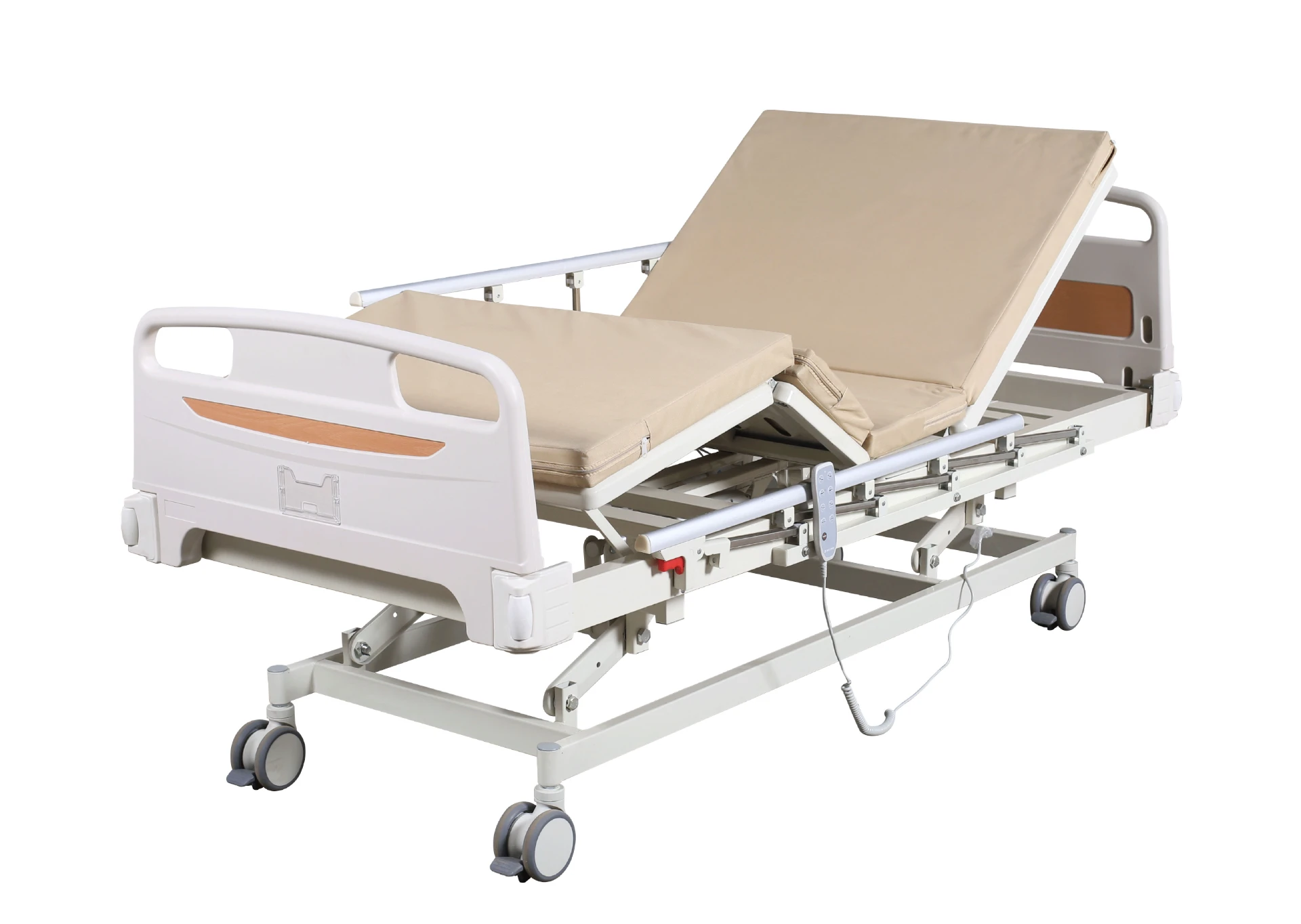
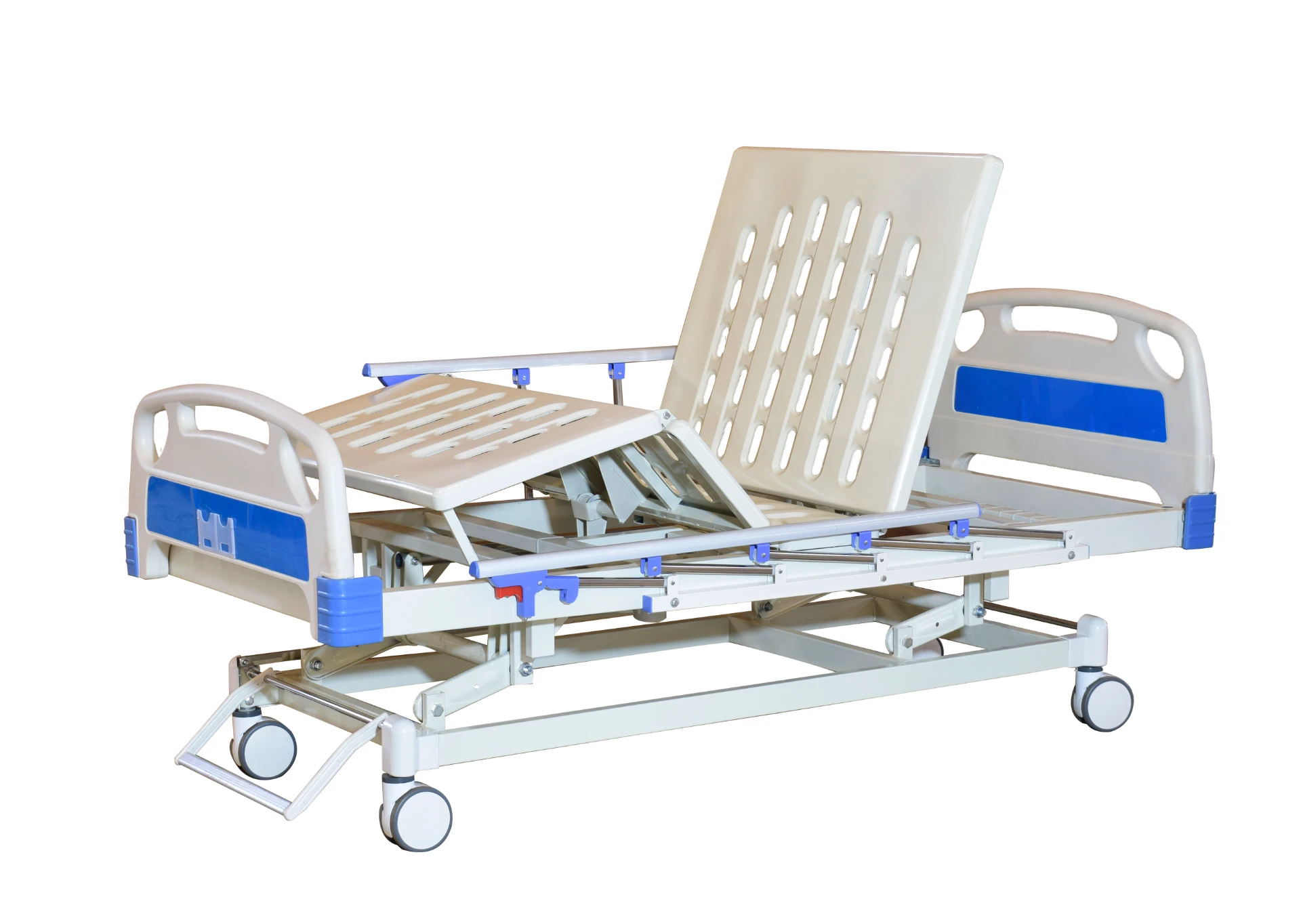
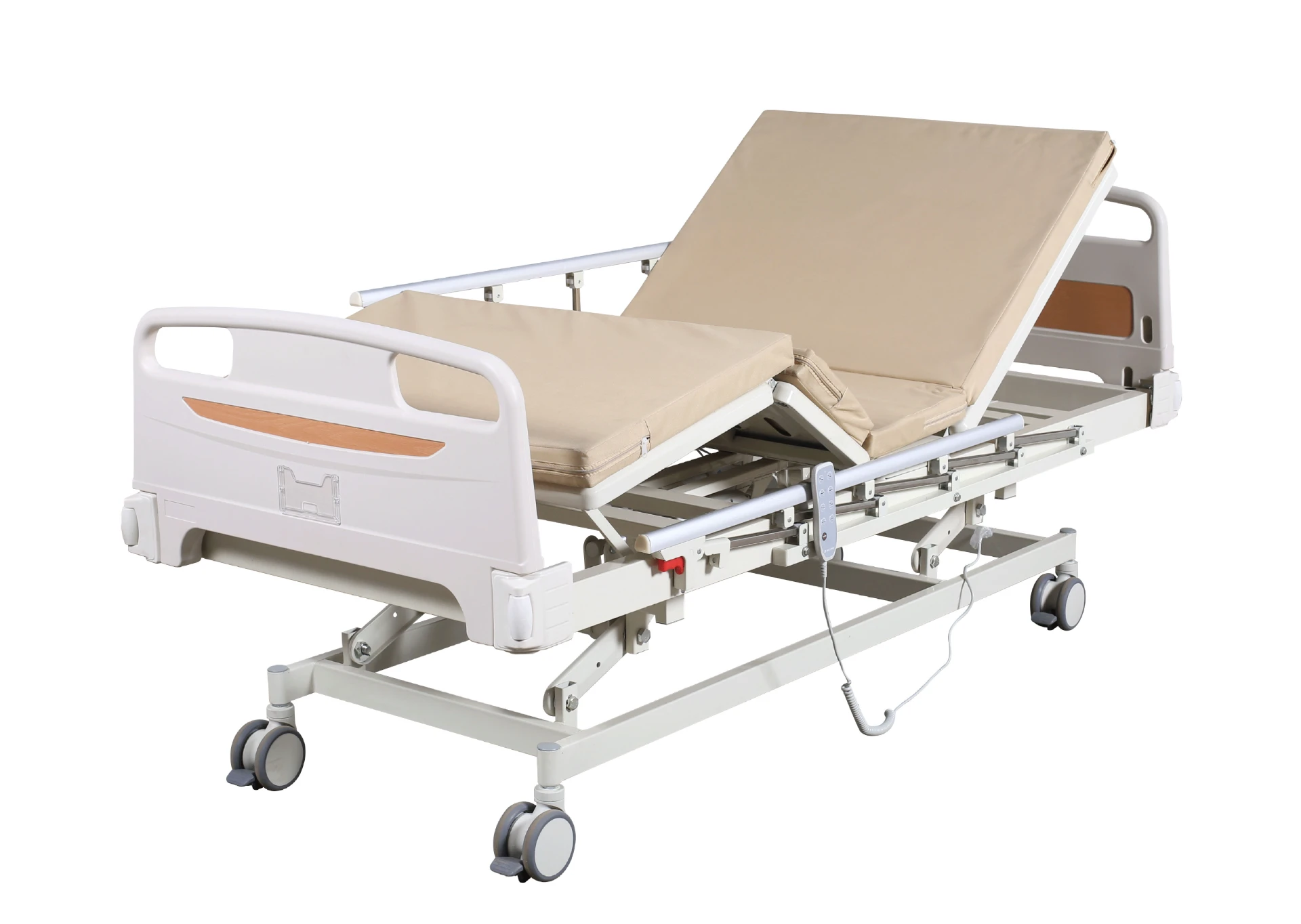
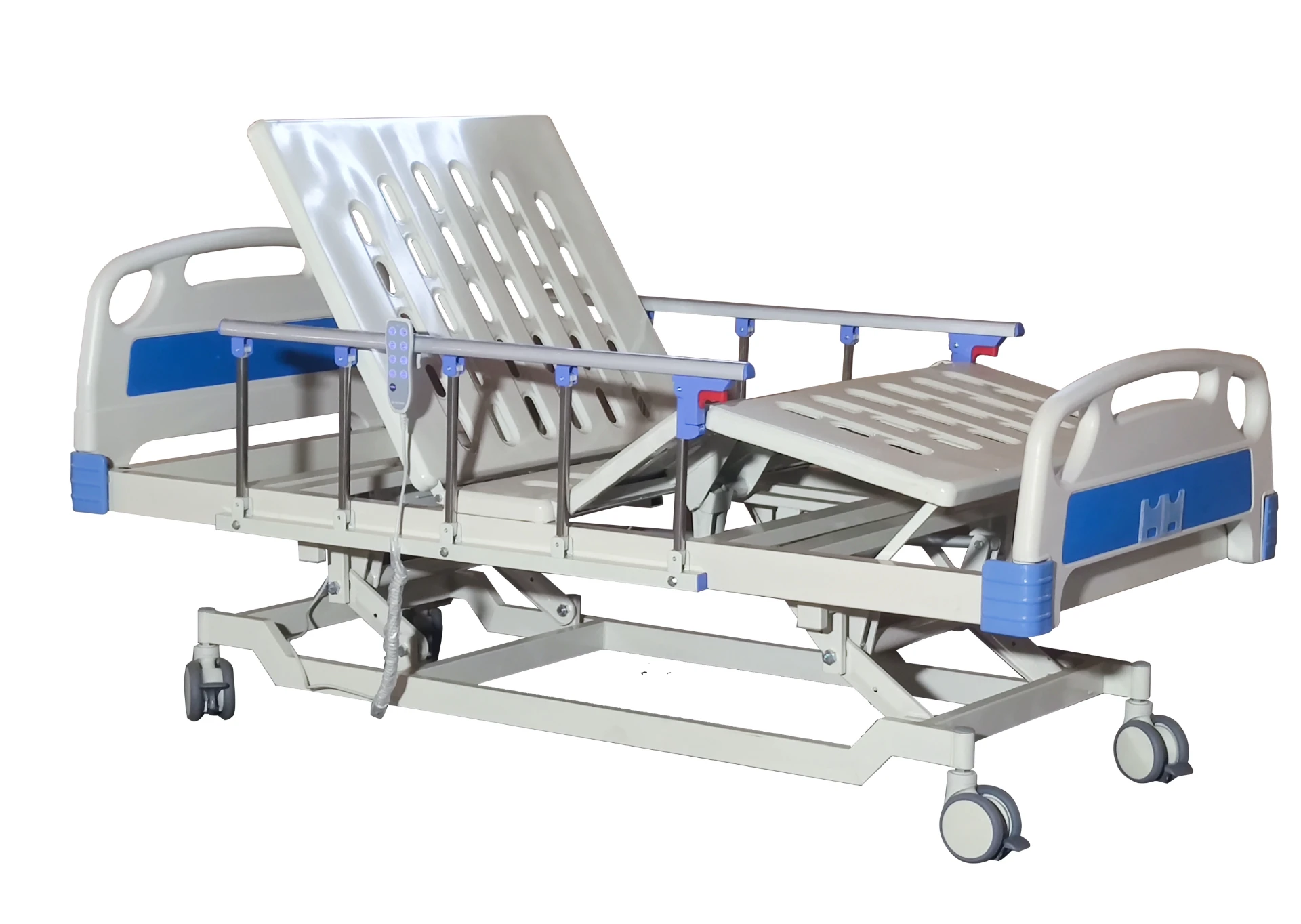
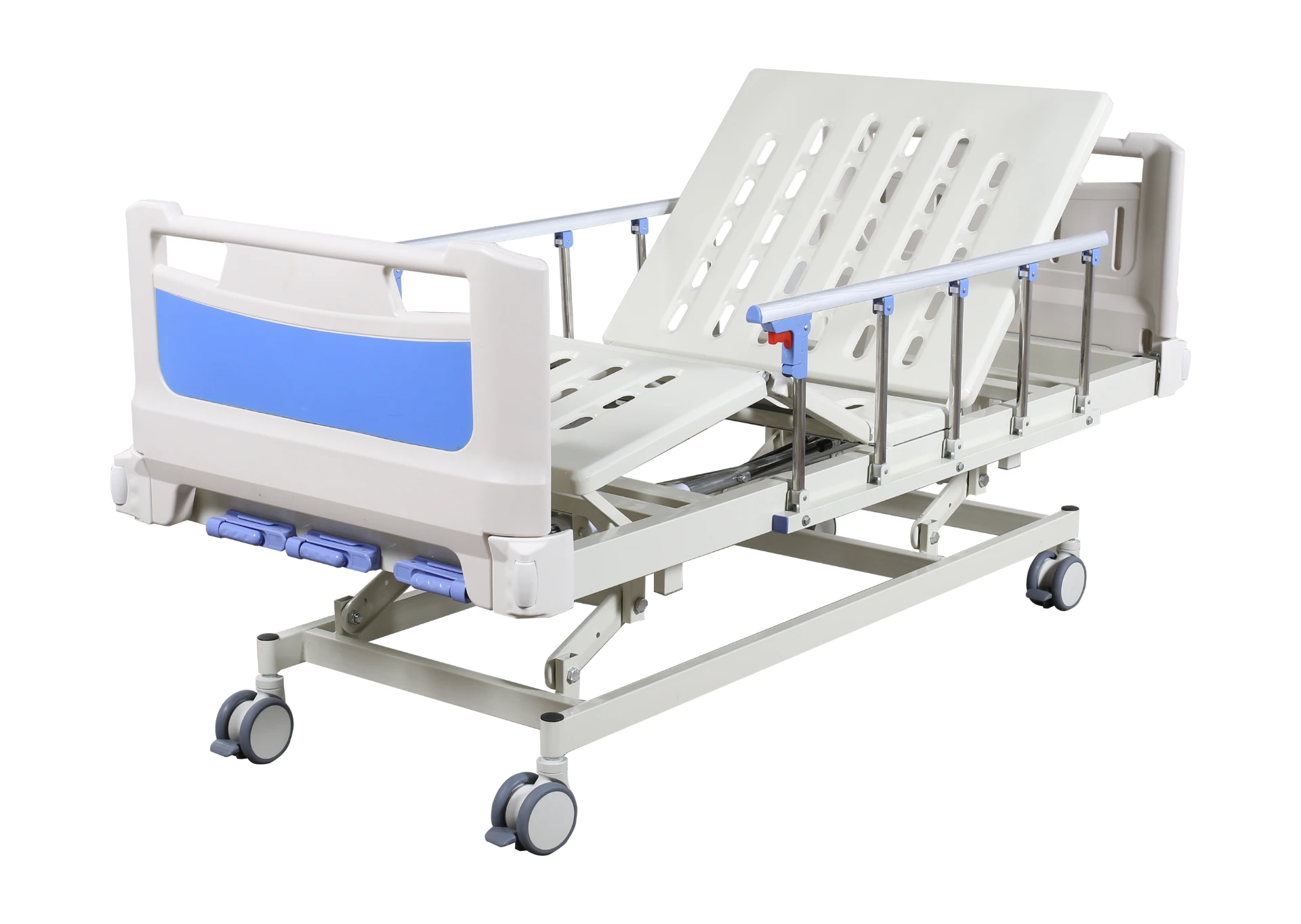
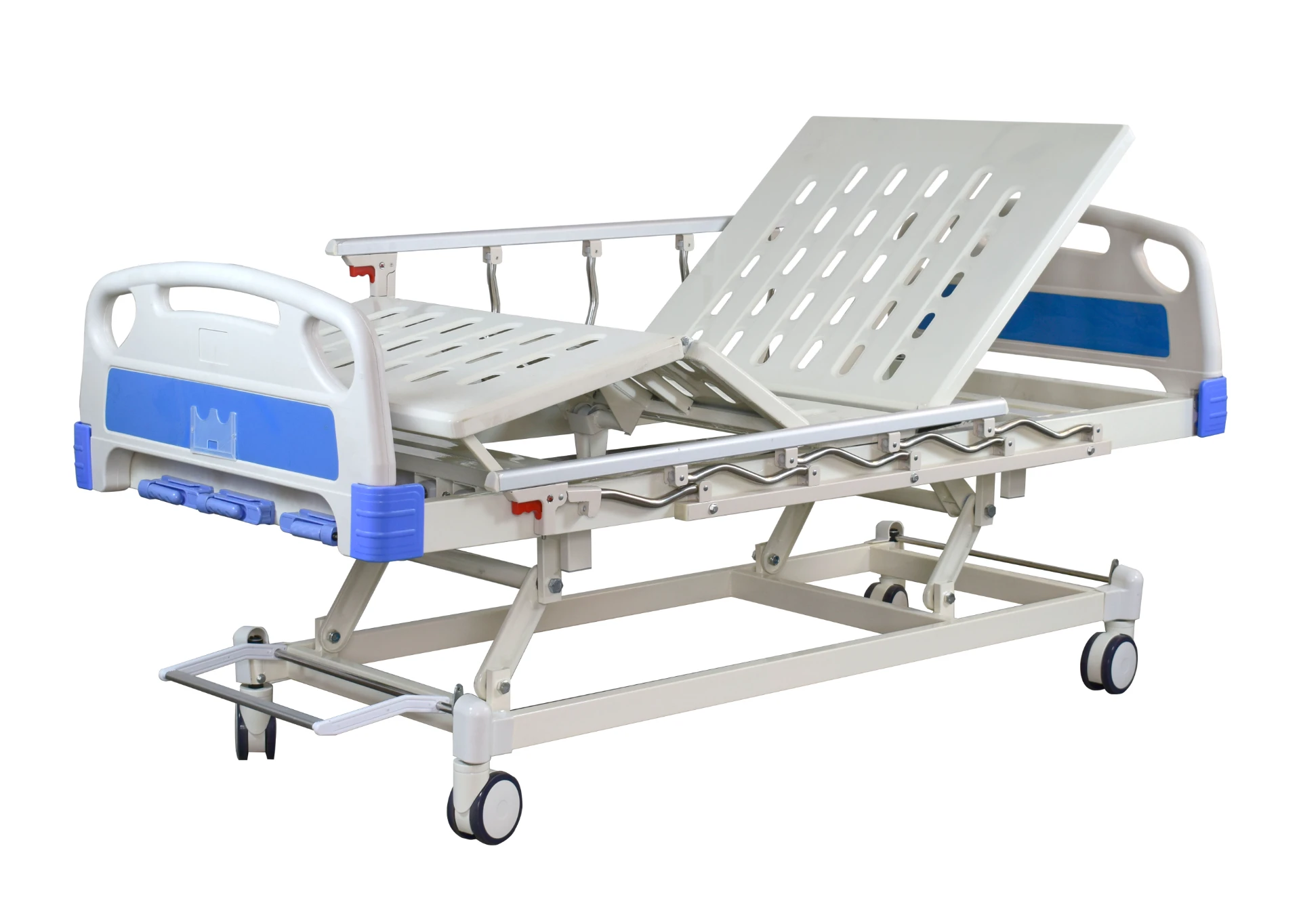
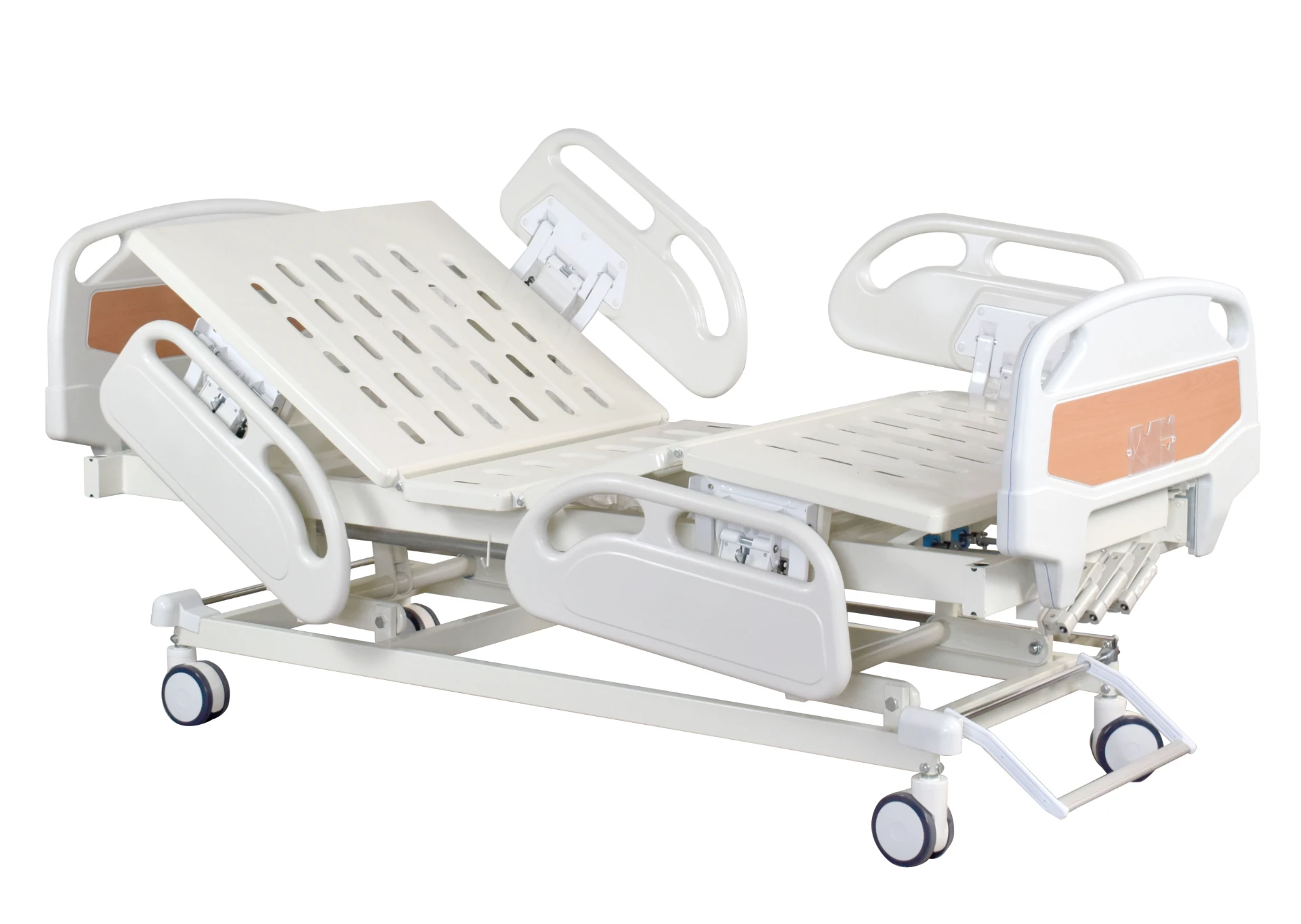
Simply put, hospital furniture equipment encompasses all the specialized fixtures, devices, and furniture designed specifically for healthcare settings. This includes patient beds, bedside cabinets, overbed tables, IV stands, examination chairs, and storage trolleys—pretty much anything that's crafted for a hospital environment.
Its design isn’t random. Safety, hygiene, and ergonomics are baked into these products because hospitals aren’t just offices or homes — they’re critical care zones where human lives depend on reliable equipment. And as healthcare moves toward patient-centric models, the role of hospital furniture equipment grows even more central, responding not only to clinical needs but patient comfort and dignity.
Core Components and Factors Behind Great Hospital Furniture
1. Durability Under Clinical Stress
Hospital furniture must endure intense daily use, regular disinfecting, and occasional rough handling. It’s common to see treatments with steel frames or heavy-duty polymers because longevity means reducing replacement cycles — crucial when budgets are tight.
2. Infection Control and Hygiene Design
Many manufacturers now focus on smooth surfaces, seamless joints, and antimicrobial coatings to prevent germs harbored in crevices — a big problem when hospitals battle resistant bacteria strains.
3. Comfort and Ergonomics
For patients, comfort isn’t just about soft cushions. Proper support can speed recovery, while ergonomic design helps nurses and doctors minimize strain — which ironically reduces staff turnover.
4. Scalability and Modular Features
Facilities often need to adjust to sudden surges in patient numbers. Modular hospital furniture equipment—think stackable chairs or fold-away options—offers adaptability, a lifesaver during emergencies or renovation pushes.
5. Cost Efficiency and Maintenance
Good equipment balances upfront investment with maintenance ease. Many engineers argue that a slightly higher initial cost often saves money in the long term due to fewer repairs.
Worldwide Applications and Use Cases
In post-disaster relief efforts, mobile hospitals rely heavily on quickly deployable yet durable furniture equipment to provide immediate care under makeshift conditions. For example, during the 2010 Haiti earthquake response, portable hospital beds and foldable exam tables were vital to rapid setup.
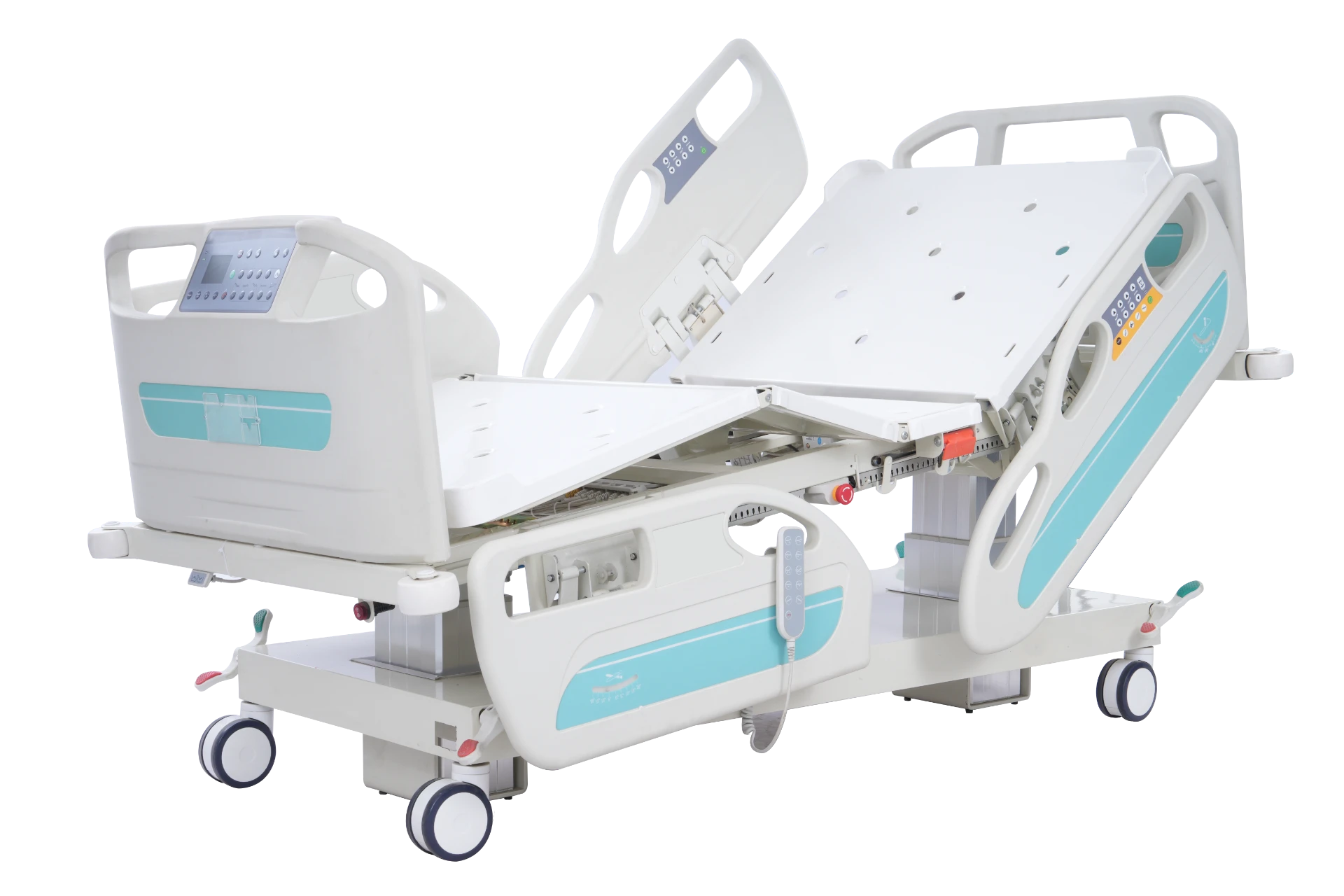
Meanwhile, in developed nations’ permanent hospitals, innovations like adjustable electronic beds, nurse call systems integrated into furniture, and smart storage solutions improve workflow efficiency and patient monitoring.
Remote industrial zones, where medical teams might fly in temporarily, benefit from lightweight but highly durable furniture—often sourced from vendors who specialize in portable healthcare solutions.
Mini Takeaway:
Hospital furniture equipment adapts from permanent surgical suites to emergency war zones, proving it’s as versatile as it is necessary.
The Advantages and Long-Term Value of Smart Hospital Furnishings
- Financial Savings: Durable equipment reduces replacement cycles and downtime.
- Safety and Infection Reduction: Hygienic designs minimize disease transfer.
- Patient Well-being: Comfortable furniture boosts recovery and dignity.
- Staff Efficiency: Ergonomic furniture reduces injury and fatigue for medical workers.
- Sustainable Choice: Many products are now made from recyclable materials, aligning with global green initiatives.
In essence, investing in top-tier hospital furniture equipment reflects a hospital’s commitment to quality care and future-proofing their facilities.
What the Future Holds: Trends and Innovations
Looking ahead, there’s a definite push towards “smart” hospital furniture equipment, integrating IoT sensors to monitor patient movement or bed occupancy automatically. Combined with AI-driven analytics, this could boost patient safety and hospital logistics.
Meanwhile, sustainability is becoming non-negotiable. Expect more use of renewable materials, lower VOC emissions, and modular designs that allow for reuse rather than disposal. Automation in cleaning surfaces—think UV-light embedded furniture—is also on the rise, revolutionizing hygiene protocols.
Facing Challenges and Tackling Them Head-On
Despite advances, some hospitals still face barriers like budget constraints, inconsistent supply chains, and lack of standardization. A common issue is the “one-size-fits-all” approach, where furniture isn’t tailored to specific clinical needs.
Some innovative companies are facilitating customization through digital platforms, allowing healthcare providers to specify dimensions, materials, and functions. This shift toward a “made-for-you” model promises to solve mismatches and waste while improving satisfaction.
FAQ: Practical Answers About Hospital Furniture Equipment
Q1: What features should I prioritize when buying hospital beds?
A: Look for adjustable height and sections, robust frame materials, easy-clean surfaces, and compatibility with accessories like IV poles. Comfort plus hygiene is key.
Q2: How can hospital furniture equipment improve infection control?
A: Choose items with antimicrobial coatings, smooth surfaces, and minimal joints to avoid dirt build-up. Regular maintenance also matters.
Q3: Are modular hospital furnishings a good investment?
A: Absolutely. They allow flexible space use, adapt to changing patient demographics, and support rapid deployment during emergencies.
Q4: Can hospital furniture be eco-friendly without compromising durability?
A: Yes. Many manufacturers now use recycled materials and sustainable processes while maintaining strength and compliance with health standards.
Q5: Where can I find reliable suppliers of hospital furniture equipment?
A: Check out trusted vendors like hospital furniture equipment specialists, who often offer certification compliance and post-sale support.
Hospital Furniture Equipment Specifications at a Glance
| Equipment | Material | Weight Capacity | Hygienic Features | Adjustability |
|---|---|---|---|---|
| Electronic Patient Bed | Steel frame with polymer surface | 250 kg (550 lbs) | Antimicrobial paint, smooth joints | Fully adjustable sections and height |
| Overbed Table | Aluminum and hard plastic top | 25 kg (55 lbs) | Easy wipe, anti-bacterial coating | Height adjustable, tilt feature |
| IV Stand | Stainless steel | N/A | Corrosion resistant, easy clean | Adjustable height |
Comparing Hospital Furniture Equipment Vendors
| Vendor | Product Range | Customization Options | Certifications | Lead Time |
|---|---|---|---|---|
| CN Boxin | Full suite including beds, trolleys, storage | Highly customizable | ISO 13485, CE | 4-6 weeks |
| MedEquipCo | Focus on beds and tables | Standard sizes only | FDA, CE | 6-8 weeks |
| HealthFixtures Ltd. | Diverse, incl. surgical lights, furniture | Limited customization | ISO 9001 | 5-7 weeks |
Final Thoughts on Hospital Furniture Equipment
In the end, hospital furniture equipment is much more than just “stuff in a hospital.” It’s a silent guardian of safety, dignity, and healing. The more we understand its value — in design, material science, and functionality — the better equipped we are to improve healthcare globally. As hospitals worldwide face evolving challenges, investing in the right equipment becomes a meaningful form of care itself.
To explore trusted solutions and innovations in this space, visit hospital furniture equipment providers who blend quality with deep industry insight.
References
-
Ultimate Guide to Choosing Extra Wide Waiting Room ChairsNewsApr.16,2026
-
Guide to Choosing Professional Waiting Room Chairs Wipeable SeatingNewsApr.09,2026
-
Enhance Your Space with Comfortable Wide Waiting Room ChairsNewsApr.07,2026
-
Selecting the Ideal Brown Waiting Room Chairs for a Welcoming SpaceNewsApr.04,2026
-
Choosing Comfortable Patient Waiting Room Chairs for Healthcare FacilitiesNewsMar.31,2026
-
Finding the Best Deals on Affordable and Cheap Reception Chairs for Your BusinessNewsMar.28,2026
-
Enhance Your Business Reception with Comfortable Blue Reception ChairsNewsMar.26,2026