Welcome to our websites!


Durable Hospital Bed Guide: Industrial Design & Vendor Comparison
Hospital Bed: A Veteran’s Perspective on Industrial Design and Practicality
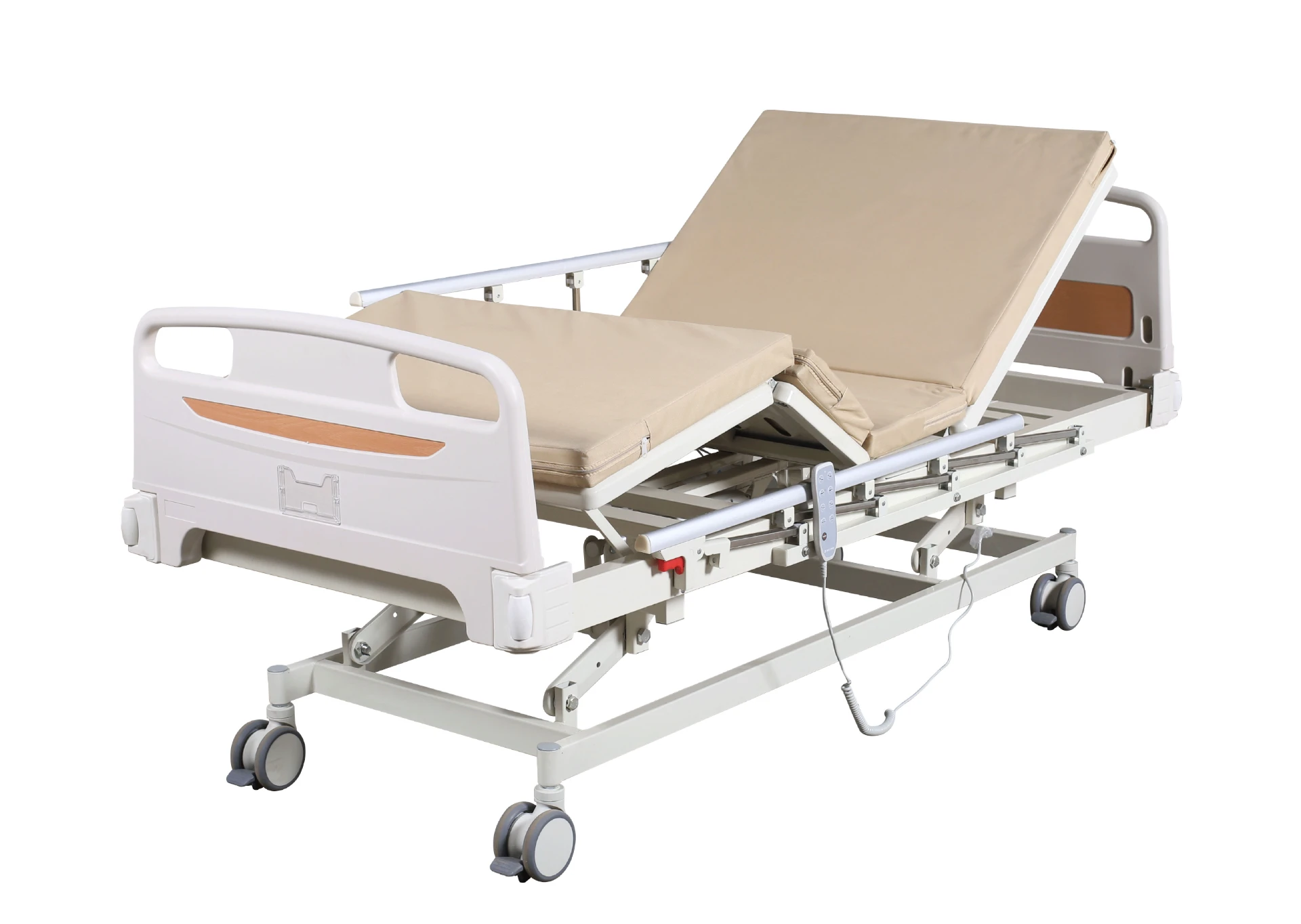
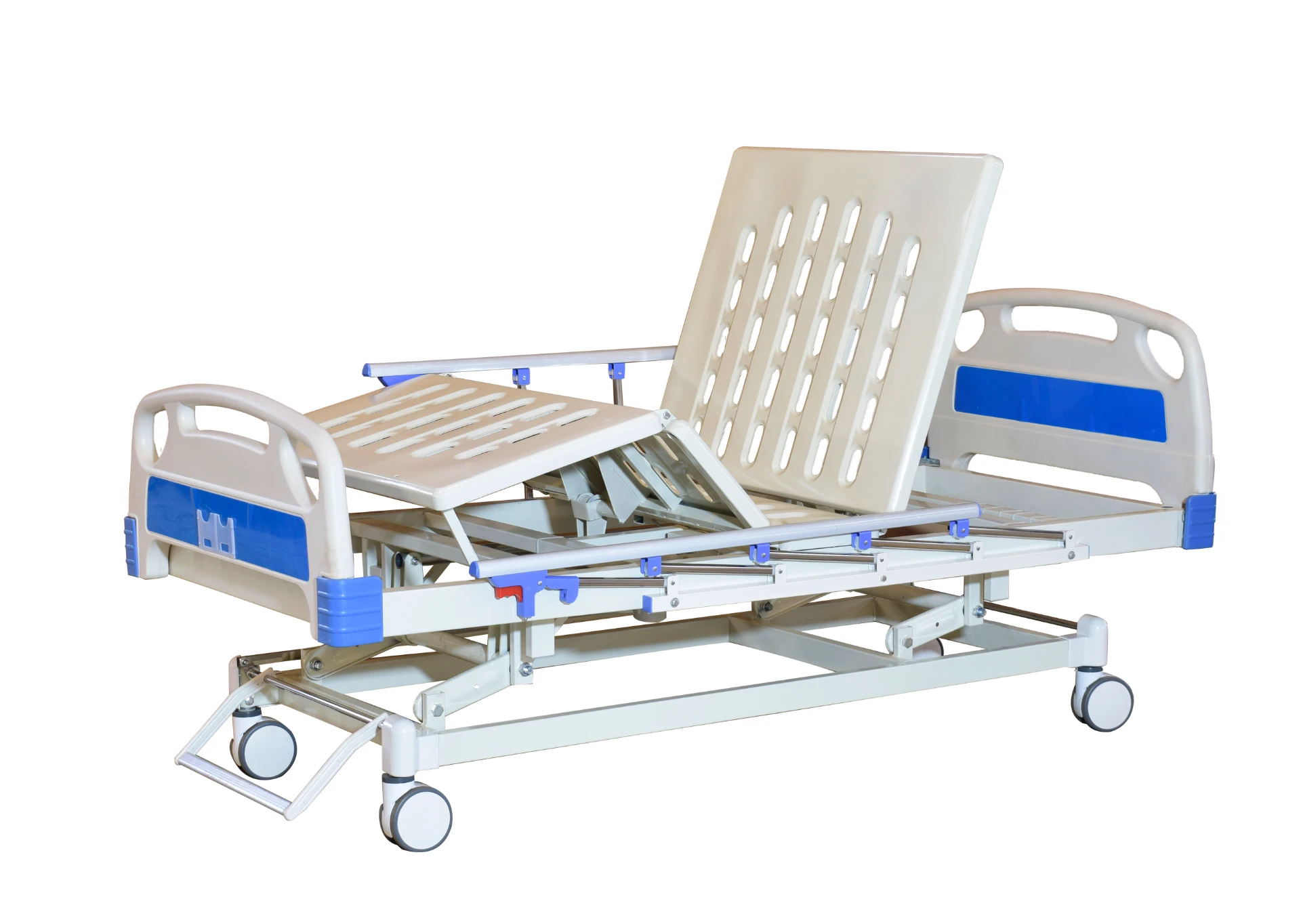
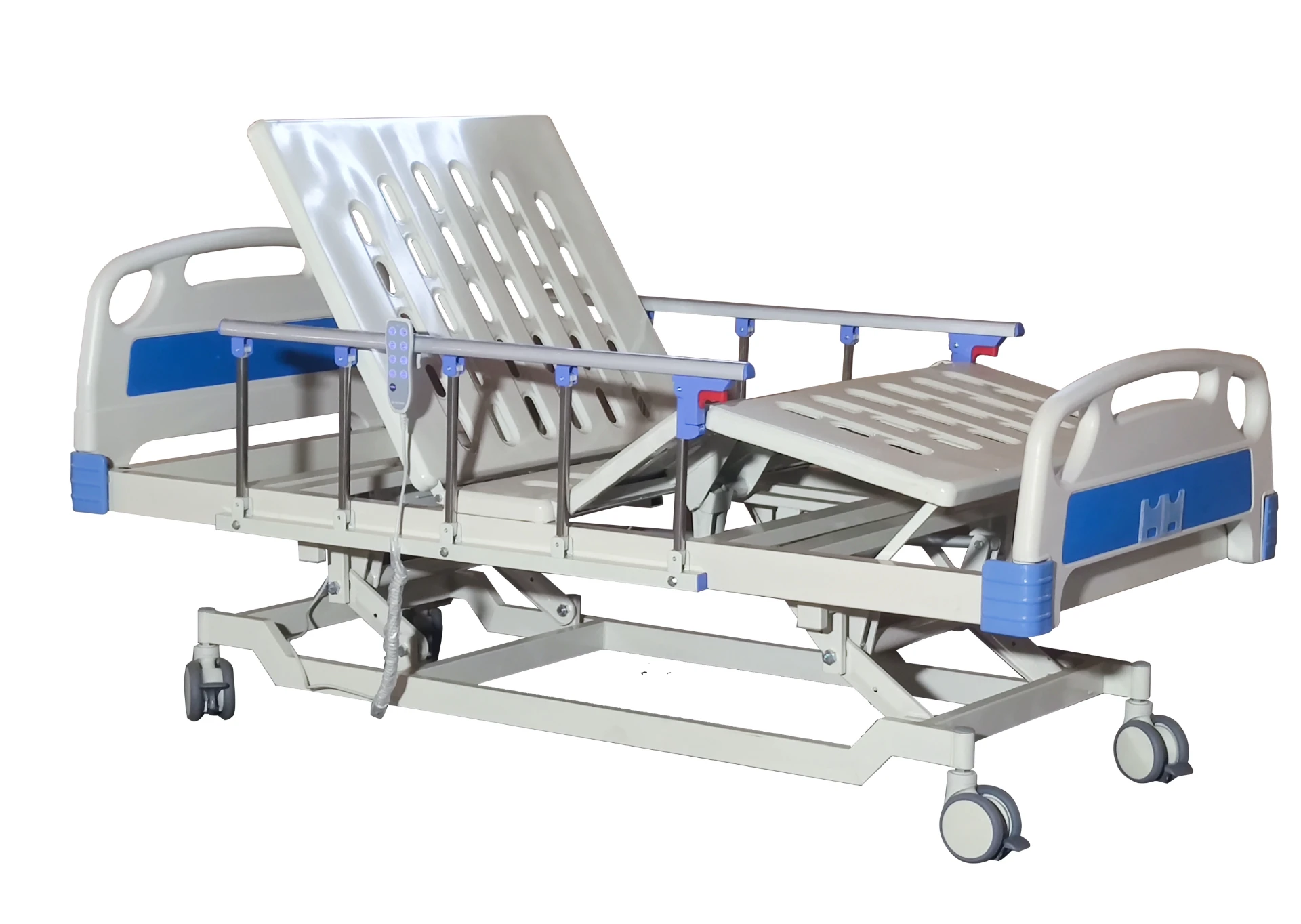
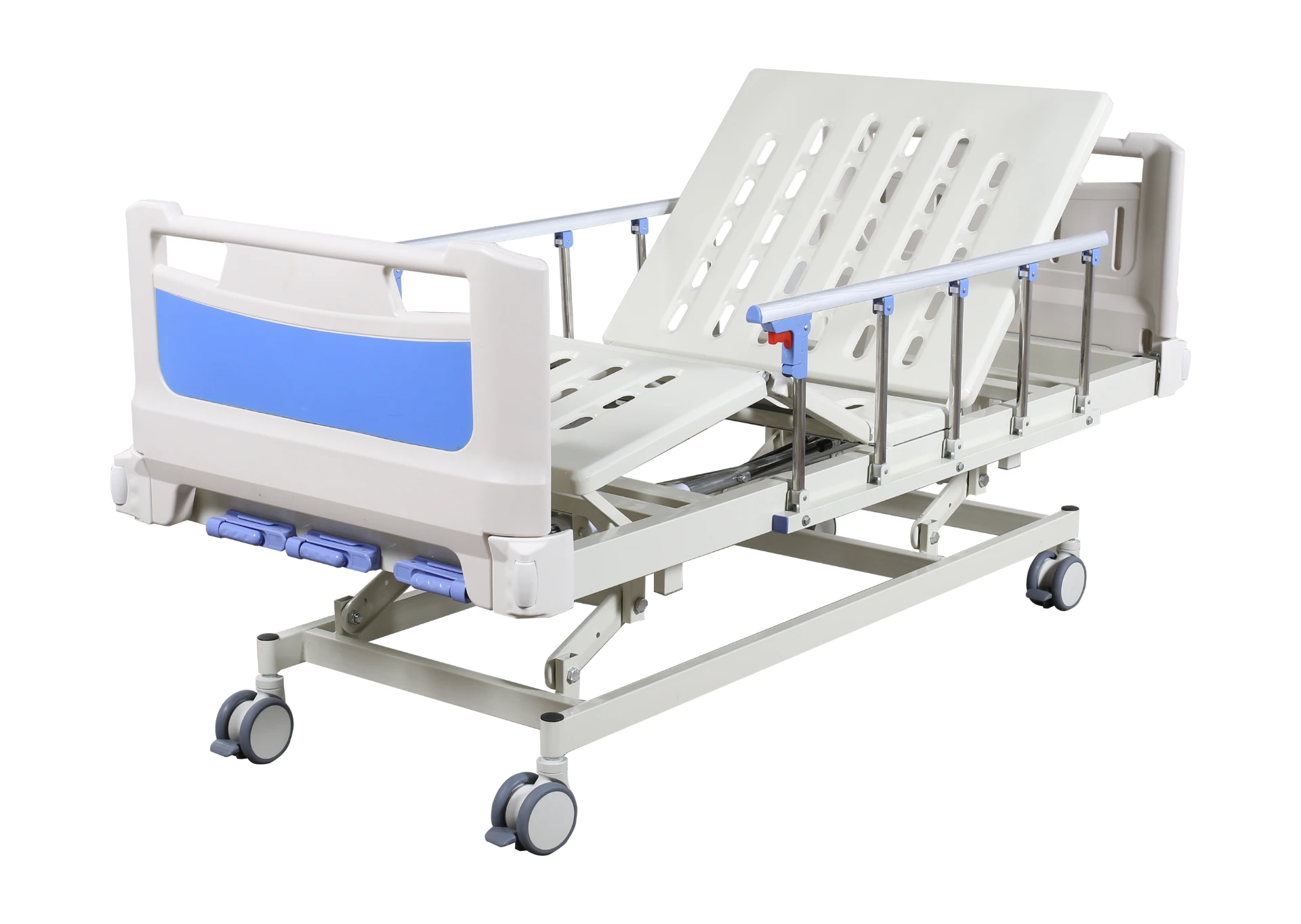
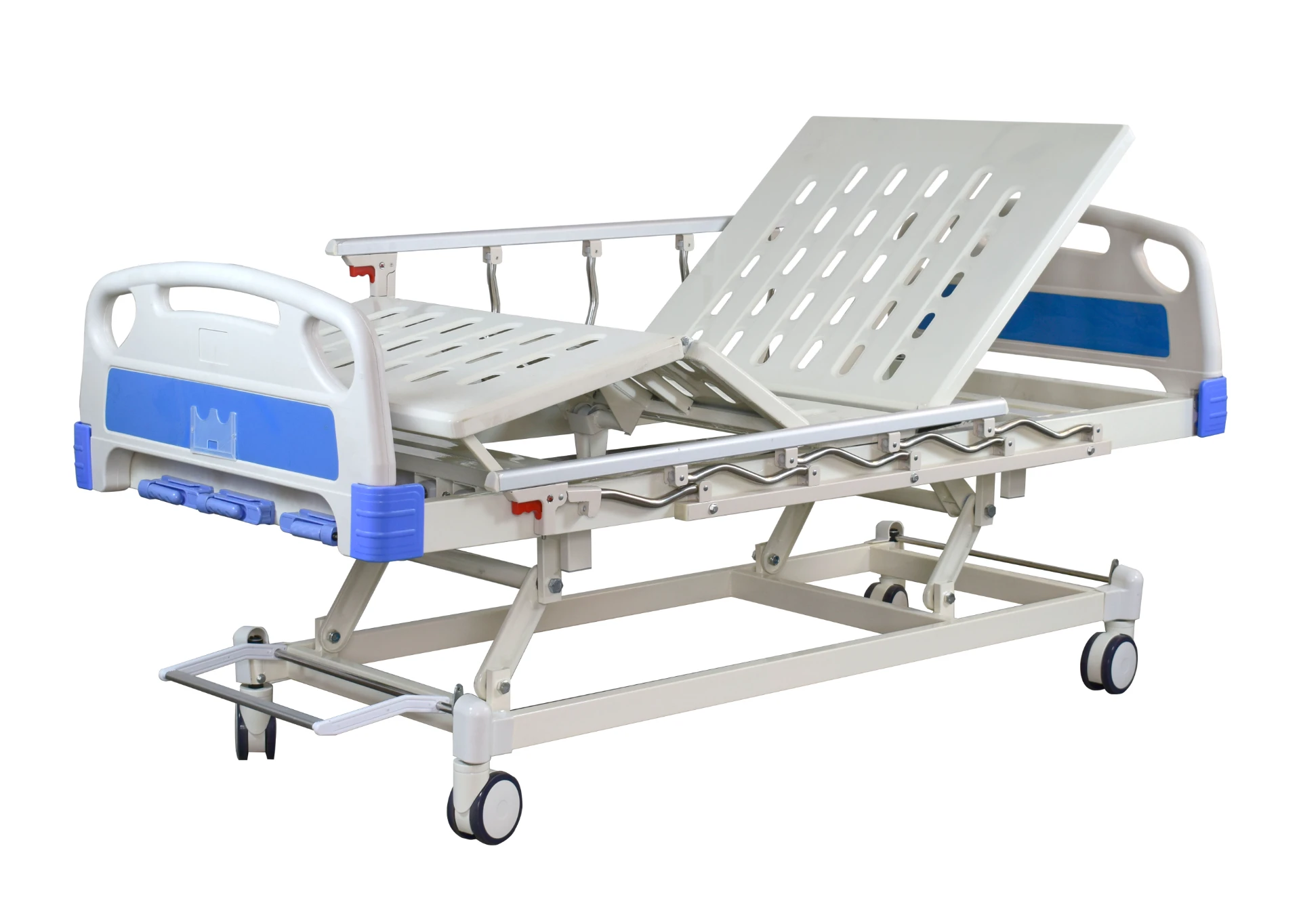
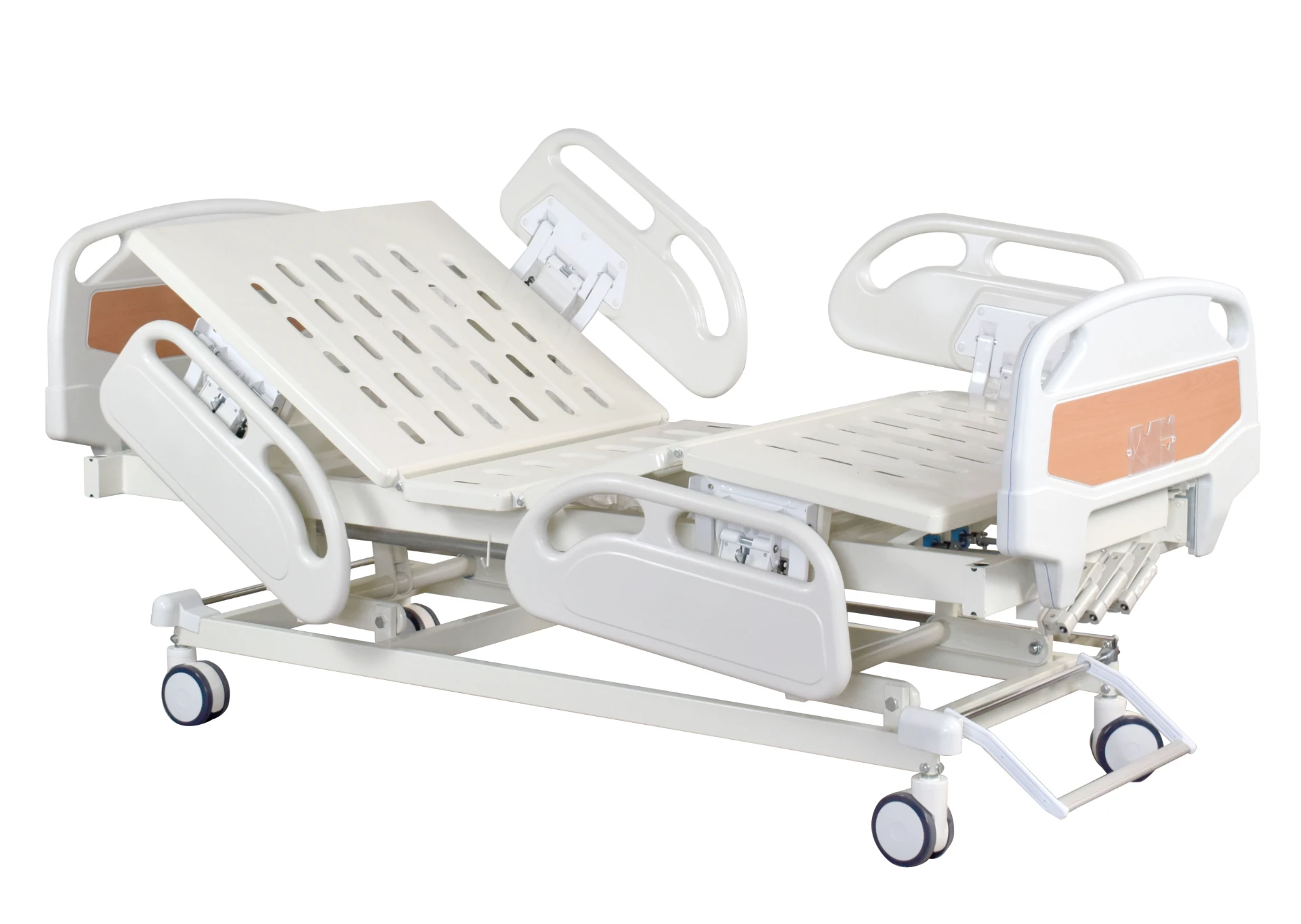
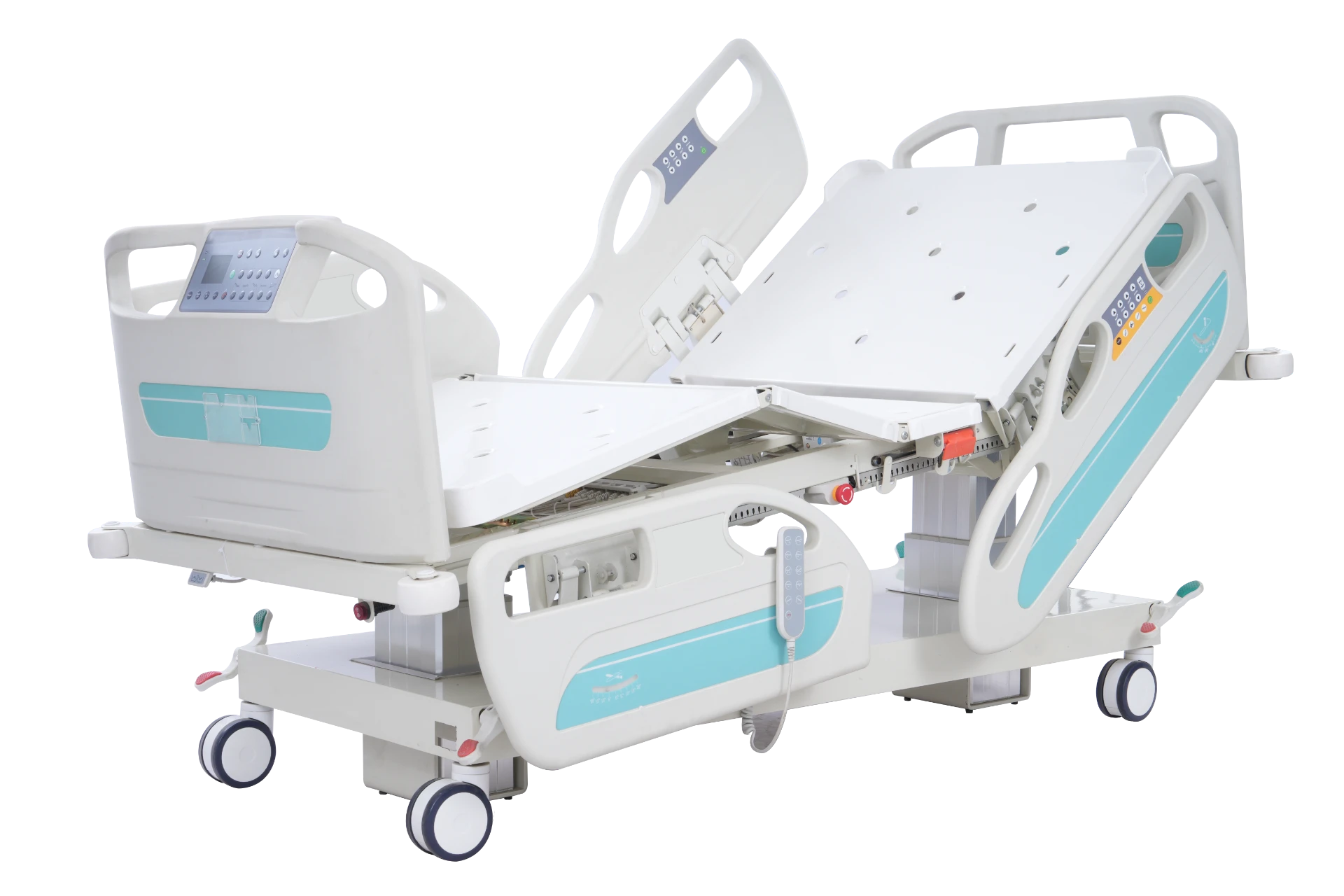
Having spent over a decade working alongside engineers and procurement teams in the industrial equipment sphere, I’ve grown particularly appreciative of the intricacies behind hospital beds. Oddly enough, these pieces of equipment might seem simple at first glance, but they’re truly marvels of engineering and thoughtful design. Frankly, a hospital bed isn’t just a frame with wheels—it’s the intersection of patient safety, comfort, and ease of use for healthcare workers, all while enduring the constant wear of a tough environment.
You see, in real terms, the best hospital beds rest on a foundation of sturdy materials. Often, powder-coated steel frames are favored for their durability and resistance to corrosion—critical when cleanliness and longevity are priorities. The mattress platforms typically support different adjustable sections controlled hydraulically, electrically, or manually, catering to everything from simple patient repositioning to critical post-operative care.
What caught my eye during some recent factory inspections was the subtle but important difference in customization options. Many engineers I spoke to emphasize modular parts—headboards, footboards, IV pole mounts, and side rails—that can be swapped or upgraded as hospital needs evolve. This modularity also helps with repair and maintenance, reducing downtime and costs. In fact, it’s worth noting that proper testing under simulated loads and repetitive cycles is standard to ensure safety and functionality over years of use.
I recall a story from a client hospital where a new line of hospital beds had been introduced. The nurses commented on how the intuitive controls and smooth height adjustments not only made patient handling easier but also helped reduce fatigue—a small but meaningful ergonomic win. These beds weren’t just equipment; they played a part in improving patient outcomes and staff wellbeing.
With all this in mind, selecting a hospital bed often comes down to balancing features, cost, and vendor reliability. Below is a quick snapshot of a typical high-grade hospital bed’s specifications to get a feel for what’s often offered:
| Specification | Details |
|---|---|
| Frame Material | Powder-coated steel with antibacterial finish |
| Adjustability | Electric actuators - height, backrest, knee section |
| Weight Capacity | Up to 250 kg (550 lbs) |
| Wheels | Lockable, 125 mm diameter with central brake system |
| Side Rails | Foldable, powder-coated aluminum |
| Electrical Safety | Compliant with IEC 60601-1 standards |
Of course, not every supplier is created equal. If you’re evaluating options, here’s a straightforward side-by-side comparison for a few well-known vendors, based on my experience and public specs (and yes—I’ve worked with all three at different points):
| Vendor | Customization | Warranty | Lead Time | Pricing Range |
|---|---|---|---|---|
| MediEquip Co. | High (Modular design) | 3 years comprehensive | 4-6 weeks | $$$ |
| HealthTech Systems | Medium (Standard configs) | 2 years | 3-5 weeks | $$ |
| ComfortCare Beds | Low (Limited options) | 1 year | 2-4 weeks | $ |
If you dig a little deeper into specific model lines, you’ll find plenty of nuanced features. Some beds now incorporate hospital bed pressure management systems, integrated nurse call buttons, and even connectivity options for remote monitoring. It feels like the future of hospital beds is to offer both physical reliability and a smart interface to aid healthcare teams — which is fascinating.
Looking back, the biggest takeaway is that hospital beds are not just furniture; they’re carefully engineered tools that enhance care delivery while surviving a tough industrial environment. You really appreciate their design when you’ve seen how many cycles, how much rough handling, and how many different user needs they must accommodate.
In the end, choosing the right hospital bed means understanding both the technical specs and how it fits the people who actually use it every day.
Sources:
1. IEC 60601-1 - Medical Electrical Equipment safety standards documentation
2. Industry reports on hospital bed design & ergonomics (2019-2023)
3. Personal interviews & factory visits, 2016-2023
-
Ultimate Guide to Choosing Extra Wide Waiting Room ChairsNewsApr.16,2026
-
Guide to Choosing Professional Waiting Room Chairs Wipeable SeatingNewsApr.09,2026
-
Enhance Your Space with Comfortable Wide Waiting Room ChairsNewsApr.07,2026
-
Selecting the Ideal Brown Waiting Room Chairs for a Welcoming SpaceNewsApr.04,2026
-
Choosing Comfortable Patient Waiting Room Chairs for Healthcare FacilitiesNewsMar.31,2026
-
Finding the Best Deals on Affordable and Cheap Reception Chairs for Your BusinessNewsMar.28,2026
-
Enhance Your Business Reception with Comfortable Blue Reception ChairsNewsMar.26,2026