Welcome to our websites!


What You Need to Know About Normal Hospital Bed Price: Global Insights & Buyer’s Guide
Understanding Normal Hospital Bed Price: What It Means Globally and Why It Matters
When we talk about the normal hospital bed price, it might sound like a narrow topic, but it’s really an important piece in the puzzle of healthcare accessibility worldwide. Hospital beds aren’t just furniture—they’re crucial medical assets that embody comfort, safety, and functionality for patients and caregivers alike. Knowing how these prices add up and what they reflect helps governments, hospitals, and humanitarian agencies alike plan budgets better, optimize procurement, and ultimately deliver better care.
Globally, the cost of hospital beds varies significantly depending on features, material quality, and regional factors. But why does it matter? Simply put, the affordability of these beds directly impacts how many health facilities can upgrade their wards or expand capacity, which in turn influences patient outcomes and recovery experiences.
Mini takeaway:
Normal hospital bed prices signify more than dollars — they tell the story of healthcare quality and accessibility on a global scale.
The Global Context: A Price With Worldwide Impact
Let’s zoom out a bit. According to the World Health Organization (WHO), the global average of hospital bed density is around 2.7 beds per 1,000 people, though this fluctuates wildly. Developed countries tend to top 4 or 5 per 1,000, while many lower-income countries have less than 1.
What does this mean financially? The normal hospital bed price itself, considering basic models, usually hovers around $400 to $1,200 per unit globally, but it can spike beyond $3,000 when you factor in advanced features and certifications. For emerging economies trying to scale healthcare infrastructure rapidly, controlling this cost is often a huge headache.
Then you’ve got the challenges of sudden demand surges—as seen during pandemics or natural disasters—where rapid procurement at reasonable prices becomes critical, yet difficult.
Mini takeaway:
The normal hospital bed price plays a pivotal role in resource allocation and emergency readiness worldwide.
What Exactly Is “Normal Hospital Bed Price”?
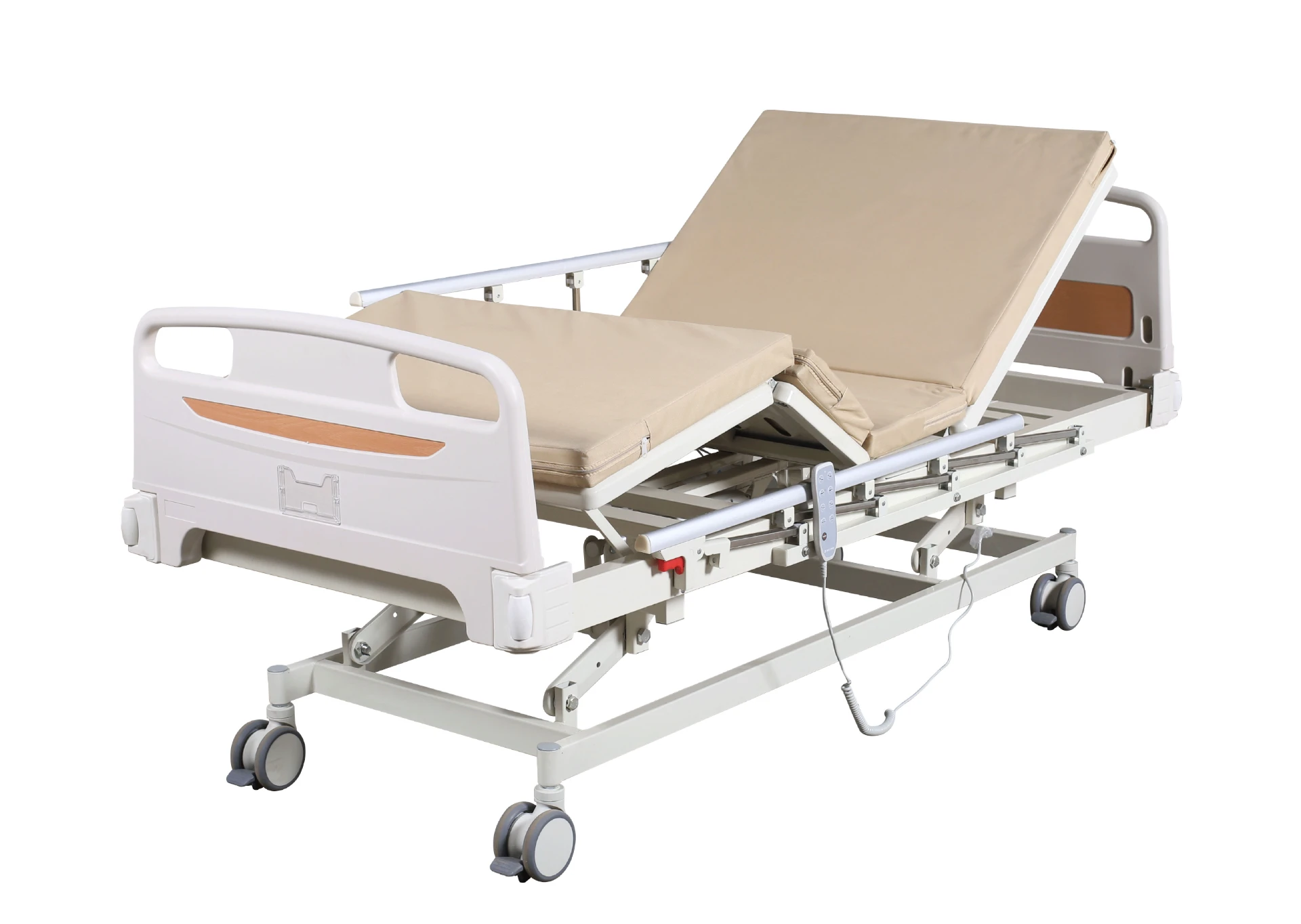
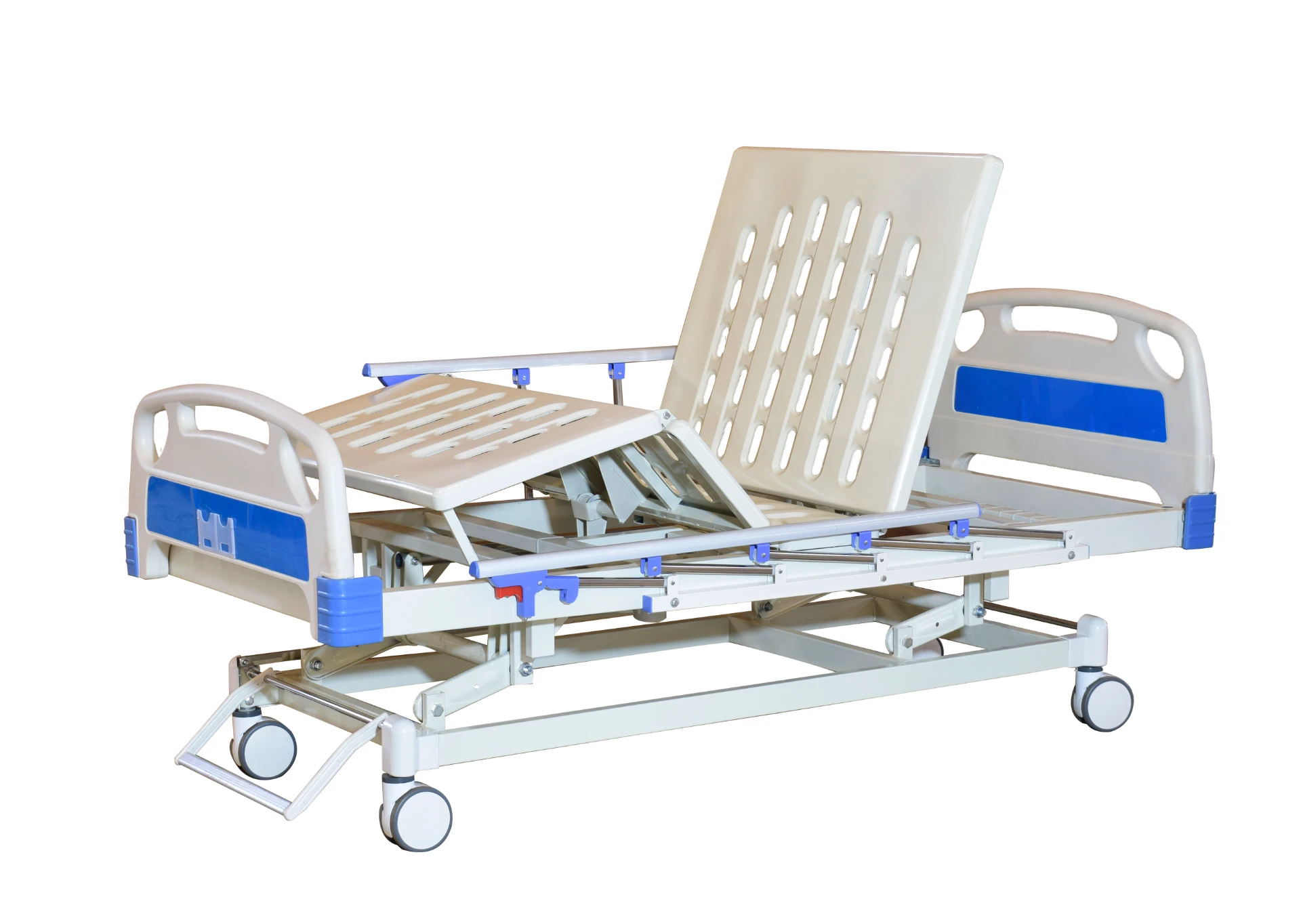
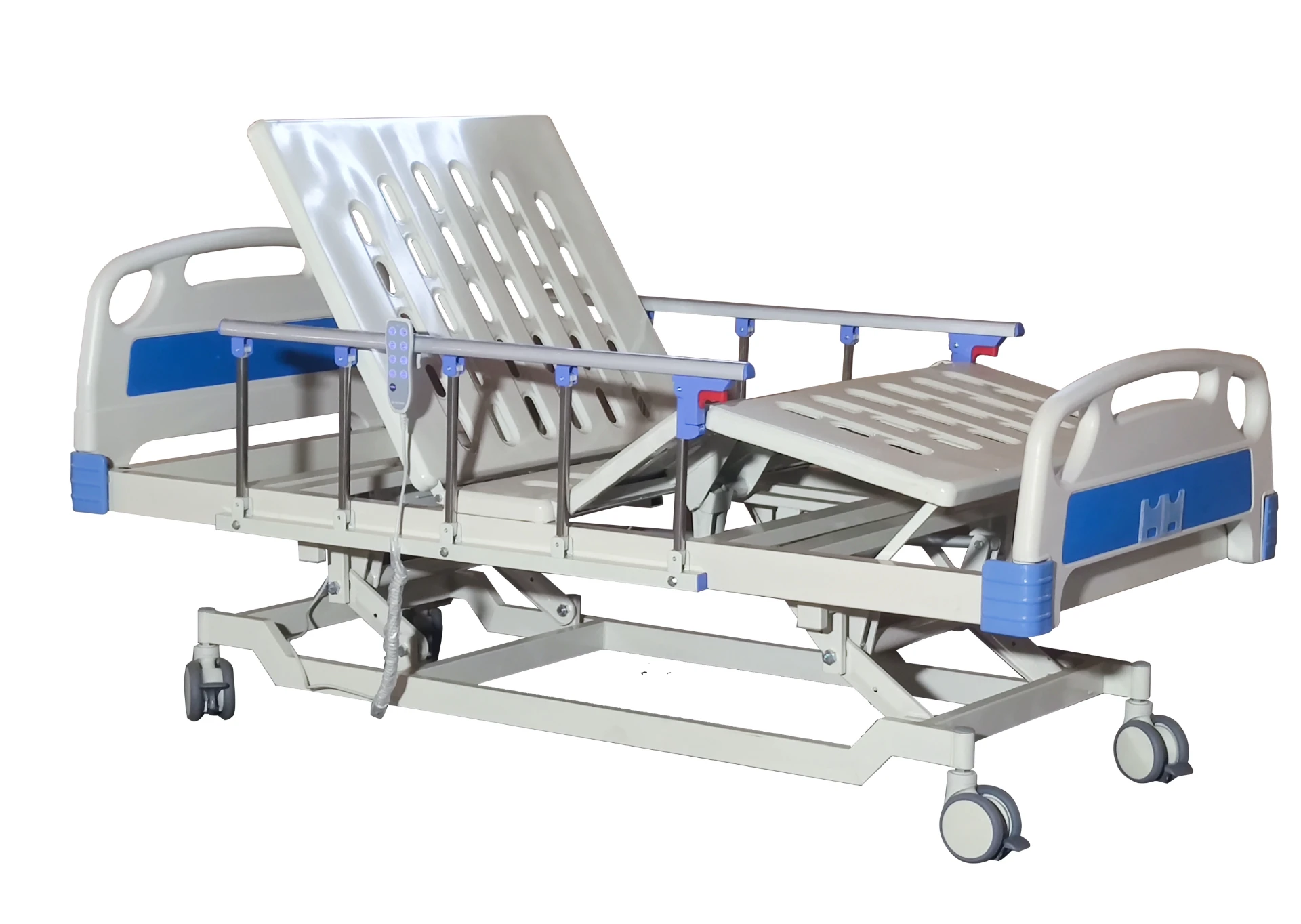
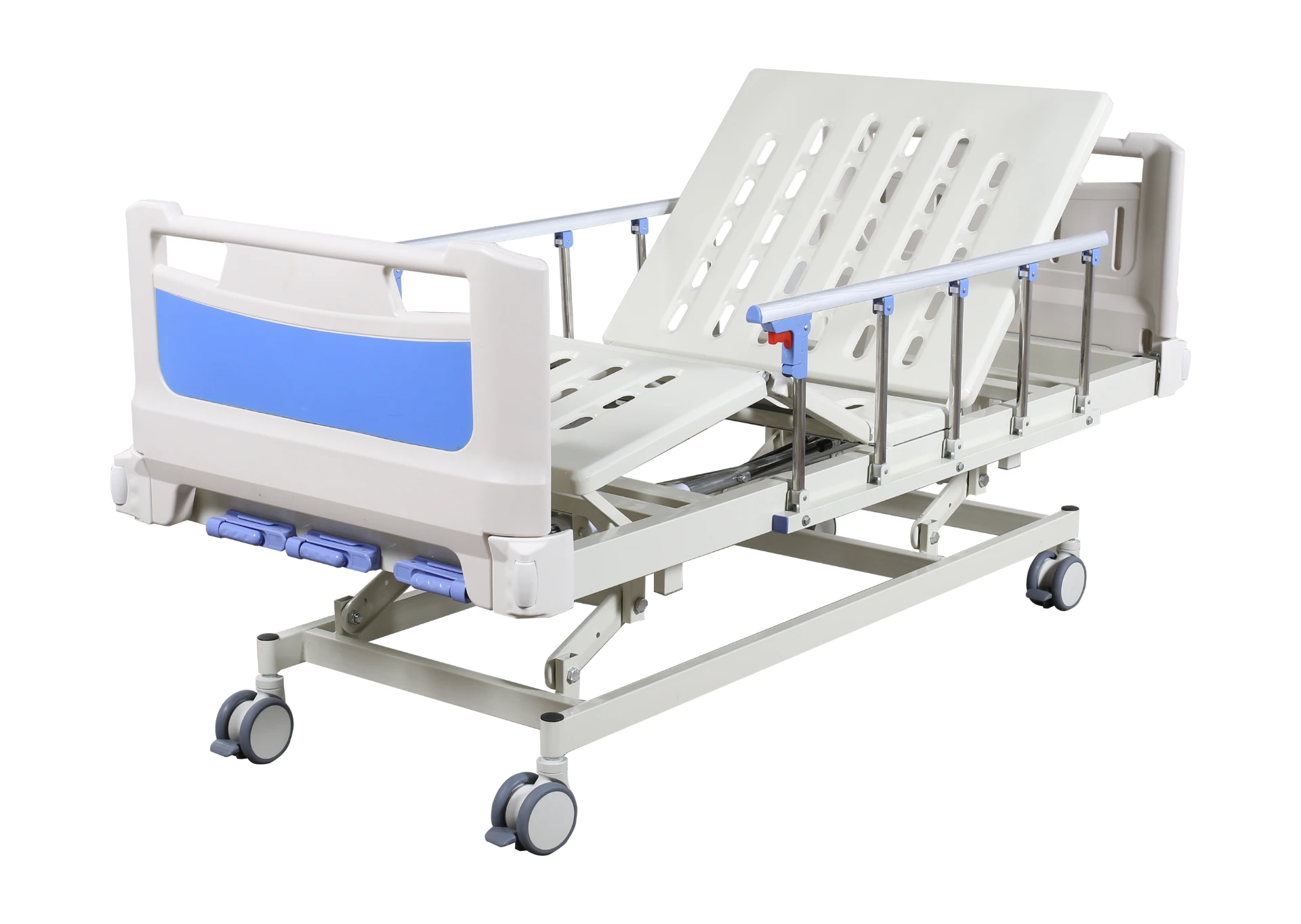
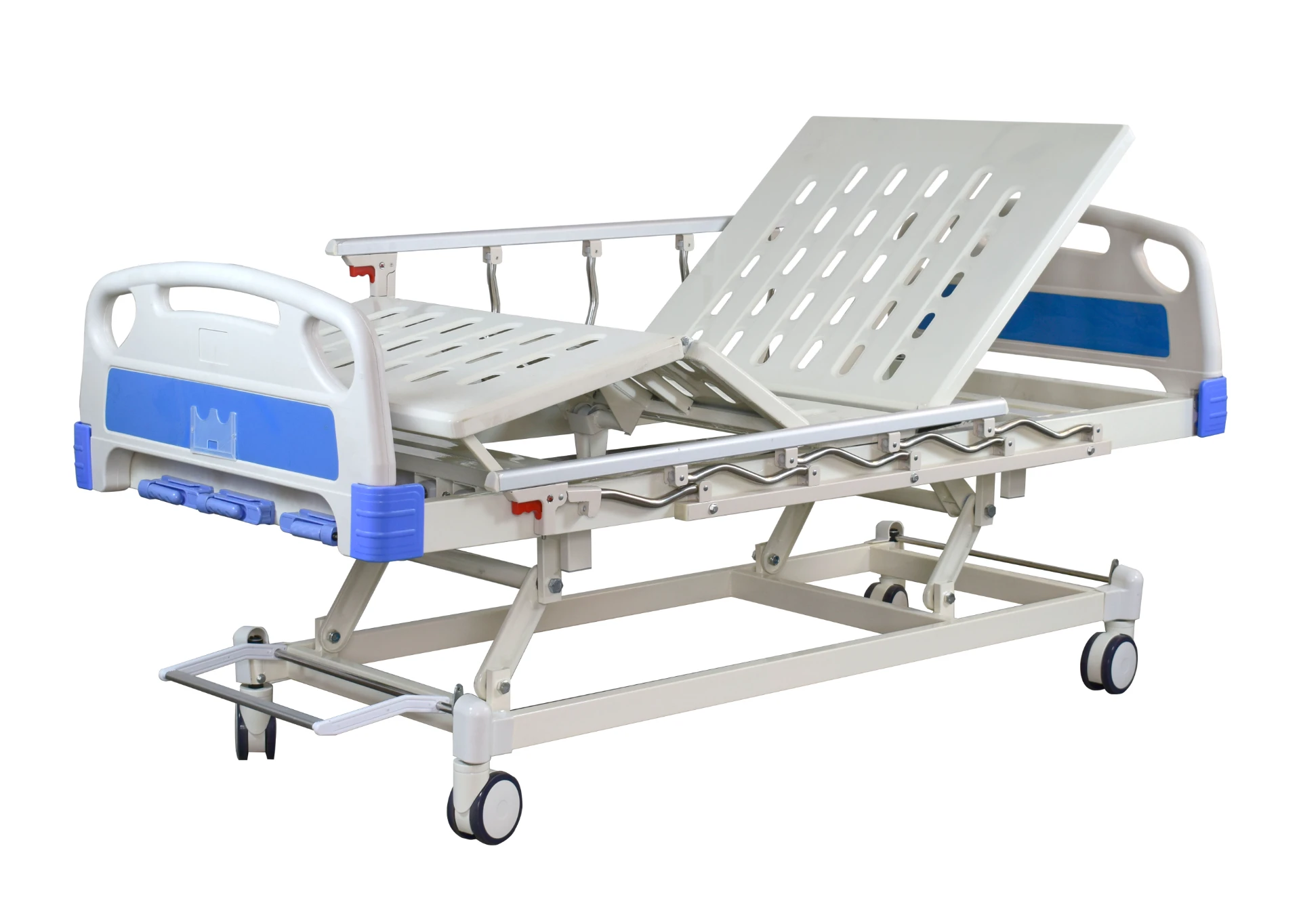
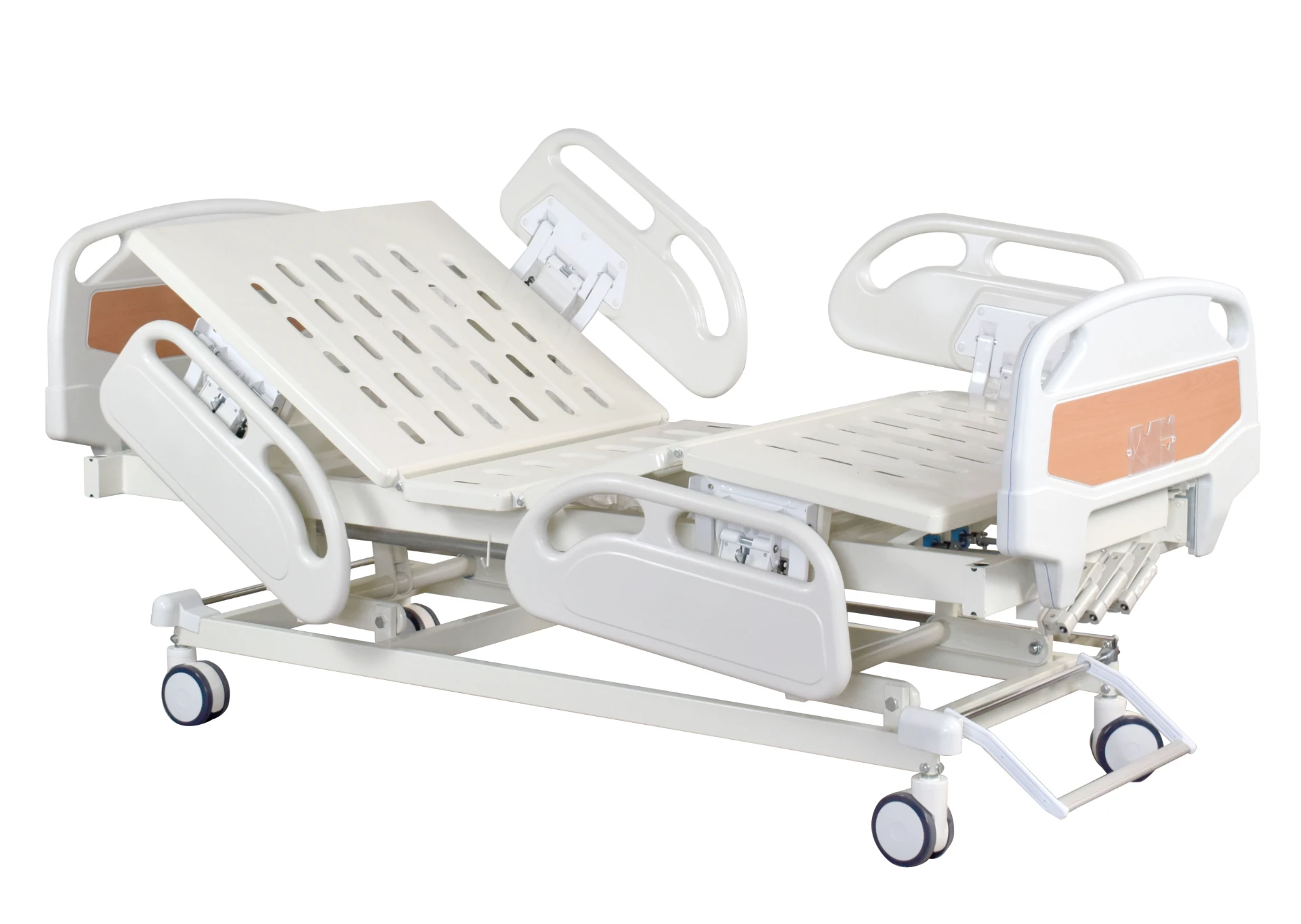
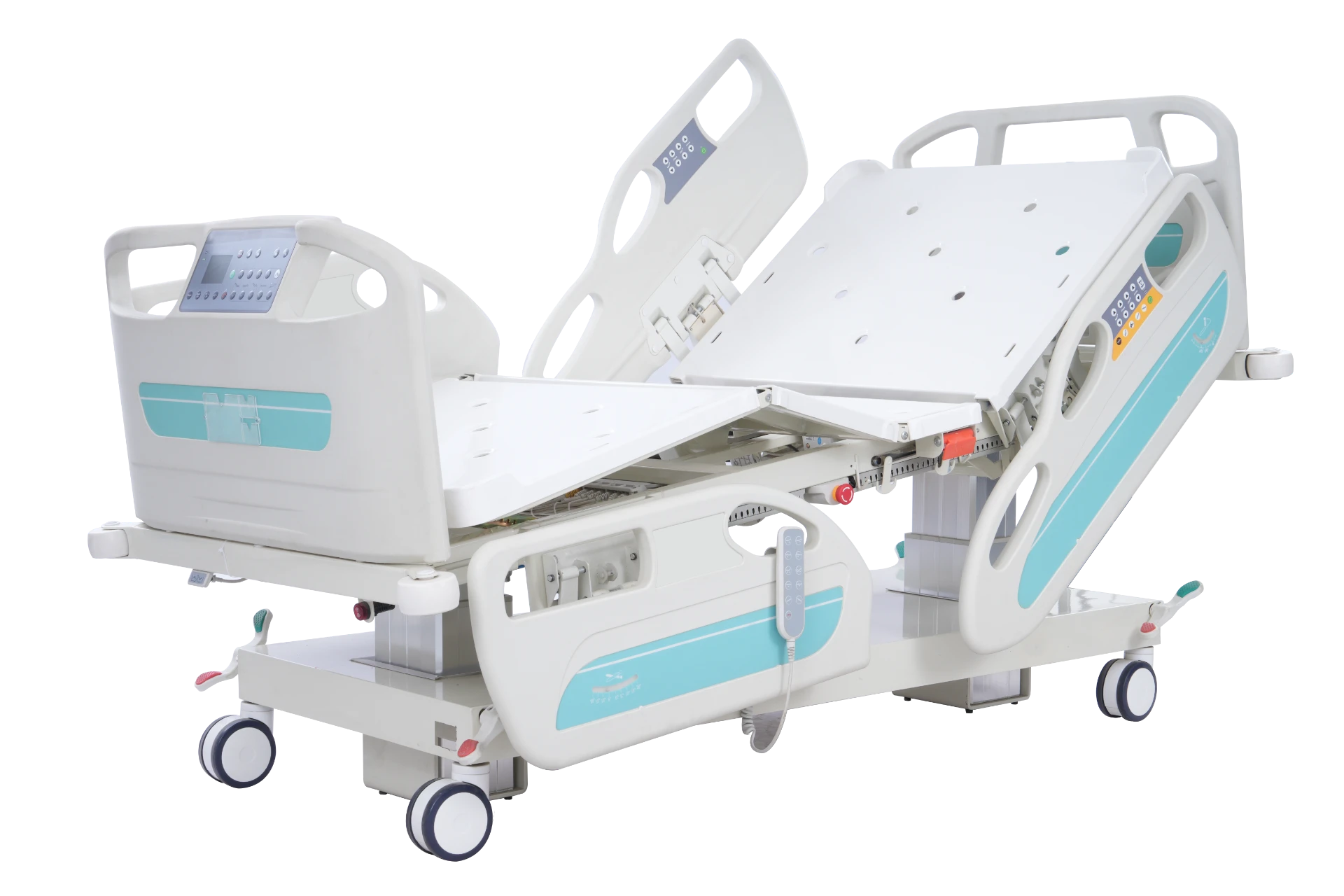
So, breaking it down simply, the "normal hospital bed price" refers to the average cost required to purchase a standard, non-specialized hospital bed. This isn’t about deluxe ICU beds or high-tech smart beds—it’s about the workhorse beds that fill most general wards.
These beds are generally adjustable for patient comfort (manual or semi-electric), built sturdily for repeated sanitation, and designed to support basic patient mobility. The pricing thus connects directly to manufacturing costs, key materials, labor standards, and logistical considerations in healthcare equipment supply chains.
In modern healthcare ecosystems—whether in a bustling city hospital or a remote clinic—it’s such “normal” beds that form the backbone of patient care infrastructure.
Mini takeaway:
The normal hospital bed price means affordable, practical patient support—essential in healthcare and humanitarian efforts alike.
Core Components Influencing Hospital Bed Pricing
Durability and Material Quality
Hospital beds need to withstand heavy use and constant cleaning with disinfectants. Steel frames and high-grade polymers add longevity but push prices higher. A balance between durability and cost-efficiency is key.
Adjustability and Features
Manual cranks vs. electric motors for height and positioning, locking wheels, and ergonomic rails affect pricing. Often, facilities weigh functionality versus upfront investment.
Compliance and Safety Certifications
Standards like ISO 13485 or FDA approval add layers of cost due to testing and regulatory inspections. These certifications ensure that beds meet specific quality and safety benchmarks.
Supply Chain and Import Costs
Shipping, customs, and local taxes can sometimes add surprisingly large overheads, especially in countries with limited local manufacturing.
Brand Reputation and After-Sales Service
Trusted manufacturers may charge premiums justified by warranties and technical support, which can reduce total cost of ownership over time.
Mini takeaway:
Price depends on not just physical specs but also compliance, support, and supply logistics.
Global Applications and Use Cases at a Glance
- Emergency & Disaster Relief: Organizations like Médecins Sans Frontières (MSF) procure many beds—often needing affordable, durable units shipped fast to crisis zones.
- Rural Clinics in Africa & Asia: These institutions often opt for manual, sturdy beds that last through rough handling and minimal maintenance.
- Developed Urban Hospitals: Might invest in semi-electric beds with more advanced features to improve patient mobility and care.
- Long-Term Care Facilities: Require adjustable beds promoting patient comfort over extended periods, which may trend toward higher-priced models.
Mini takeaway:
The normal hospital bed price is crucial in diverse contexts, balancing affordability and utility across regions and sectors.
Advantages and Long-Term Value of Choosing Right
Picking a cost-effective normal hospital bed isn’t just about the bottom line. It’s about ensuring patients are treated in beds that support dignity, comfort, and safety. Proper beds reduce risks of bedsores, ease caregiver strain, and enhance infection control.
Furthermore, robust beds withstand repeated use without replacement, supporting sustainability by limiting waste. Socially, they foster trust in healthcare institutions when patients feel cared for properly.
As I’ve heard from procurement officers, a reliable hospital bed is often called the “silent hero” of ward management—quietly impactful but essential.
Mini takeaway:
The right-priced hospital bed enhances patient care and sustainability over the long run.
Future Trends: Innovations Shaping Hospital Bed Pricing
Looking ahead, several trends are nudging the price curve and features of hospital beds:
- Green Manufacturing: Using recycled or less energy-intensive materials is gradually becoming standard, affecting material costs.
- Digital Integration: Smart beds with sensors for vitals monitoring or movement detection carry premium pricing but promise enhanced clinical outcomes.
- Modular Designs: Allowing easier shipping and assembly, lowering logistics costs, potentially driving down the price tag.
- Automation & Robotics: From motorized positioning to fault self-diagnosis, automation will shake up bed price and functionality.
Mini takeaway:
While technology adds upfront cost, it may offer savings and better care that reshape the normal hospital bed price’s value proposition.
Challenges & Solutions in Procurement and Use
Despite advances, several hurdles persist:
- Price Fluctuation: Raw material volatility makes pricing unstable, complicating budgeting.
- Quality Variations: Inexpensive beds may lack durability, causing more frequent replacements.
- Supply Chain Disruptions: Especially during global crises, delays or tariffs spike prices beyond usual ranges.
Industry experts often recommend:
- Negotiating directly with manufacturers for bulk pricing
- Opting for certified beds despite higher initial cost, given long-term savings
- Building local partnerships to reduce import dependency
Mini takeaway:
Strategic planning and partnerships can help ease the normal hospital bed price challenges effectively.
Quick FAQ About Normal Hospital Bed Price
- Q: What factors most influence the cost of a normal hospital bed?
- A: Primarily materials, adjustability features, certifications, and shipping costs. Higher-spec beds naturally cost more.
- Q: How can hospitals in developing countries get affordable but reliable beds?
- A: Often by sourcing from trusted regional manufacturers, opting for manual models, and ensuring certifications despite budget constraints.
- Q: Is it better to buy cheap beds frequently or invest in higher-priced, durable options?
- A: Investing in durable beds reduces replacement costs, downtime, and improves patient care long term.
- Q: How do global crises affect hospital bed pricing?
- A: Demand surges create supply shortages, often driving prices up temporarily and complicating procurement.
Summary and Call to Action
Understanding normal hospital bed price is more than just knowing a number — it’s about grasping how healthcare systems manage quality, affordability, and patient well-being. The reasonable procurement of these beds ensures better care environments and supports sustainable, resilient health infrastructures.
If you’re involved in healthcare procurement or facility management, keep an eye on evolving trends and choose suppliers that blend quality, compliance, and cost-effectiveness. Visit our site for expert insights and a range of hospital bed options fitted for your needs.
| Feature | Standard Model | Semi-Electric Model |
|---|---|---|
| Frame Material | Powder-coated steel | Powder-coated steel |
| Height Adjustability | Manual crank | Electric motor |
| Weight Capacity | 150 kg | 180 kg |
| Wheel Locks | Yes | Yes |
| Certification | ISO 13485 | ISO 13485 + FDA |
| Price Range (USD) | $400–$800 | $900–$1,200 |
| Vendor | Price Range (USD) | Certifications | Delivery Time | After-Sales Service |
|---|---|---|---|---|
| MedEquip Co. | $450–$950 | ISO 13485 | 2–4 weeks | Standard 1-year warranty |
| Global Beds Inc. | $700–$1,300 | ISO 13485, FDA | 3–5 weeks | Extended 2-year warranty + on-site support |
| Care Comfort Ltd. | $400–$800 | ISO 13485 | 1–3 weeks | Remote troubleshooting & standard warranty |
Oddly enough, when you dig beneath the surface, what looks like a simple furniture purchase is an exercise in balancing cost, quality, long-term value, and patient dignity. Hopefully, this walkthrough helps offer clarity and confidence to healthcare buyers navigating the sometimes confusing market of hospital beds.
Takeaway: Price is a starting point, but value rests in quality, compliance, and supplier partnership.
References:
-
Ultimate Guide to Choosing Extra Wide Waiting Room ChairsNewsApr.16,2026
-
Guide to Choosing Professional Waiting Room Chairs Wipeable SeatingNewsApr.09,2026
-
Enhance Your Space with Comfortable Wide Waiting Room ChairsNewsApr.07,2026
-
Selecting the Ideal Brown Waiting Room Chairs for a Welcoming SpaceNewsApr.04,2026
-
Choosing Comfortable Patient Waiting Room Chairs for Healthcare FacilitiesNewsMar.31,2026
-
Finding the Best Deals on Affordable and Cheap Reception Chairs for Your BusinessNewsMar.28,2026
-
Enhance Your Business Reception with Comfortable Blue Reception ChairsNewsMar.26,2026