Welcome to our websites!


Understanding the Patient at Hospital Bed: Global Importance & Future Trends
Understanding the Patient at Hospital Bed: A Critical Component of Healthcare Delivery
When we think of healthcare, images of bustling hospitals, skilled doctors, and modern equipment often come to mind. But among the essentials in patient care stands one humble yet vital element: the patient at hospital bed. This simple phrase embodies much more than just a person lying down; it marks the heart of medical treatment, comfort, and recovery. Globally, ensuring good care at the hospital bedside is crucial for both patient outcomes and healthcare efficiency. Understanding the dynamics around this central figure is fundamental, whether you're a healthcare professional, policy maker, or even a curious learner.
Introduction: The Global Context of Patient Care at Hospital Beds
Healthcare systems across the world share a common challenge: providing optimal, dignified care where it matters most — at the patient’s bedside. According to the World Health Organization (WHO), over 40% of hospital patients globally face risks related to inadequate bedside care, like infections or delayed treatments. The patient at hospital bed isn't just a passive recipient but an active focus of medical attention, communication, and equipment use.
Oddly enough, despite advances in digital healthcare, the physical space around the patient remains critical. Designing hospital beds and the related care environment balances technology and human touch. Hospitals worldwide invest billions yearly in improving this cornerstone of healthcare — from ergonomic beds to bedside monitoring systems.
Defining the Patient at Hospital Bed
Simply put, the patient at hospital bed refers to the individual receiving healthcare physically positioned within the hospital room or ward on a bed designed for medical care. This concept spans not just the bed itself but also encompasses the immediate caregiving context—nurses attending, medical devices attached, and the environmental conditions that support healing.
This element is a critical junction point between modern medical technology, human caregiving, and patient experience. It’s where diagnostics, treatment, and comfort intersect — a microcosm of broader healthcare systems. Fundamentally, it ensures that patients are cared for safely and effectively, respecting their dignity and improving recovery chances.
Key Components in Ensuring Optimal Patient Care at Hospital Beds
1. Comfort & Ergonomics
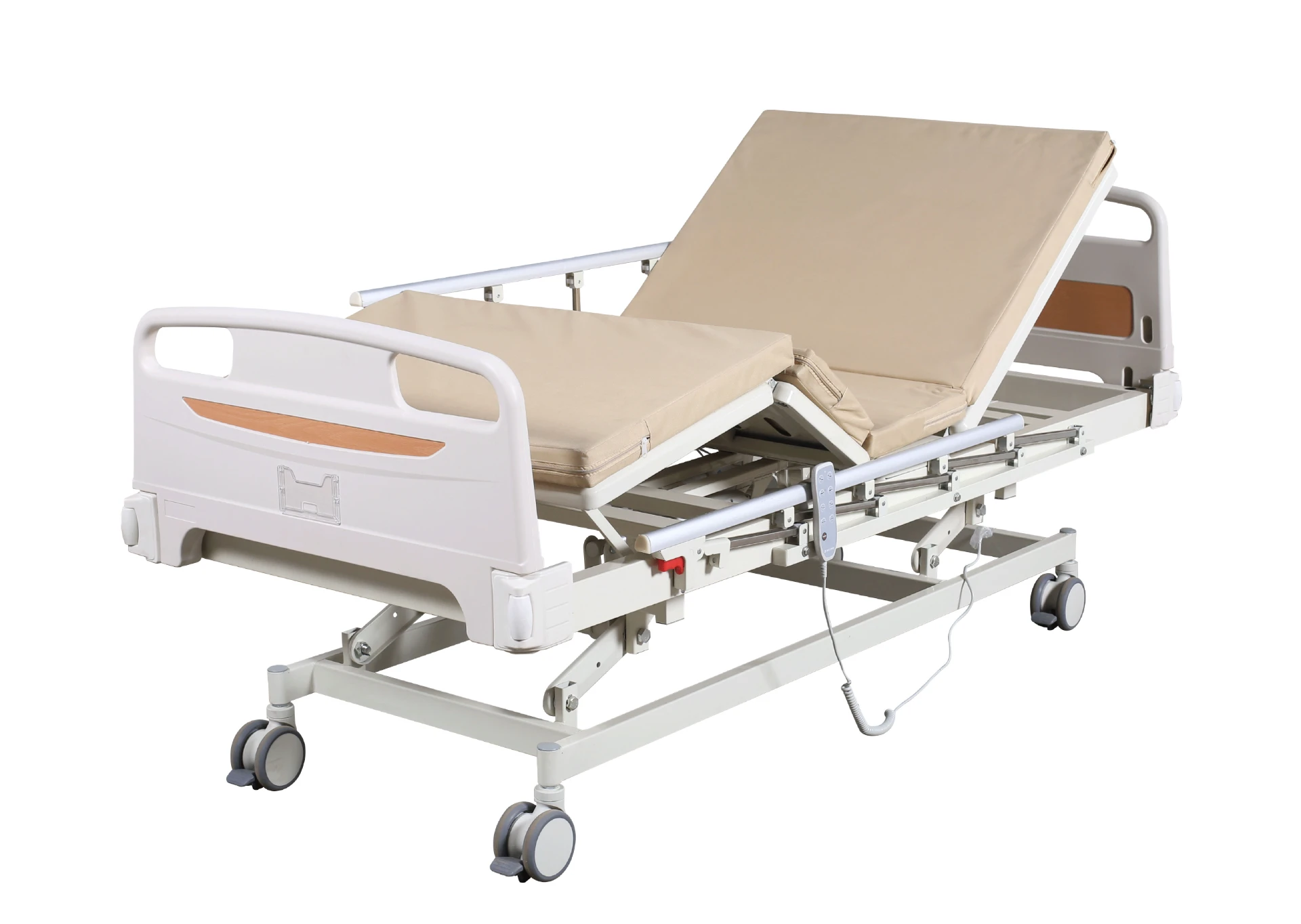
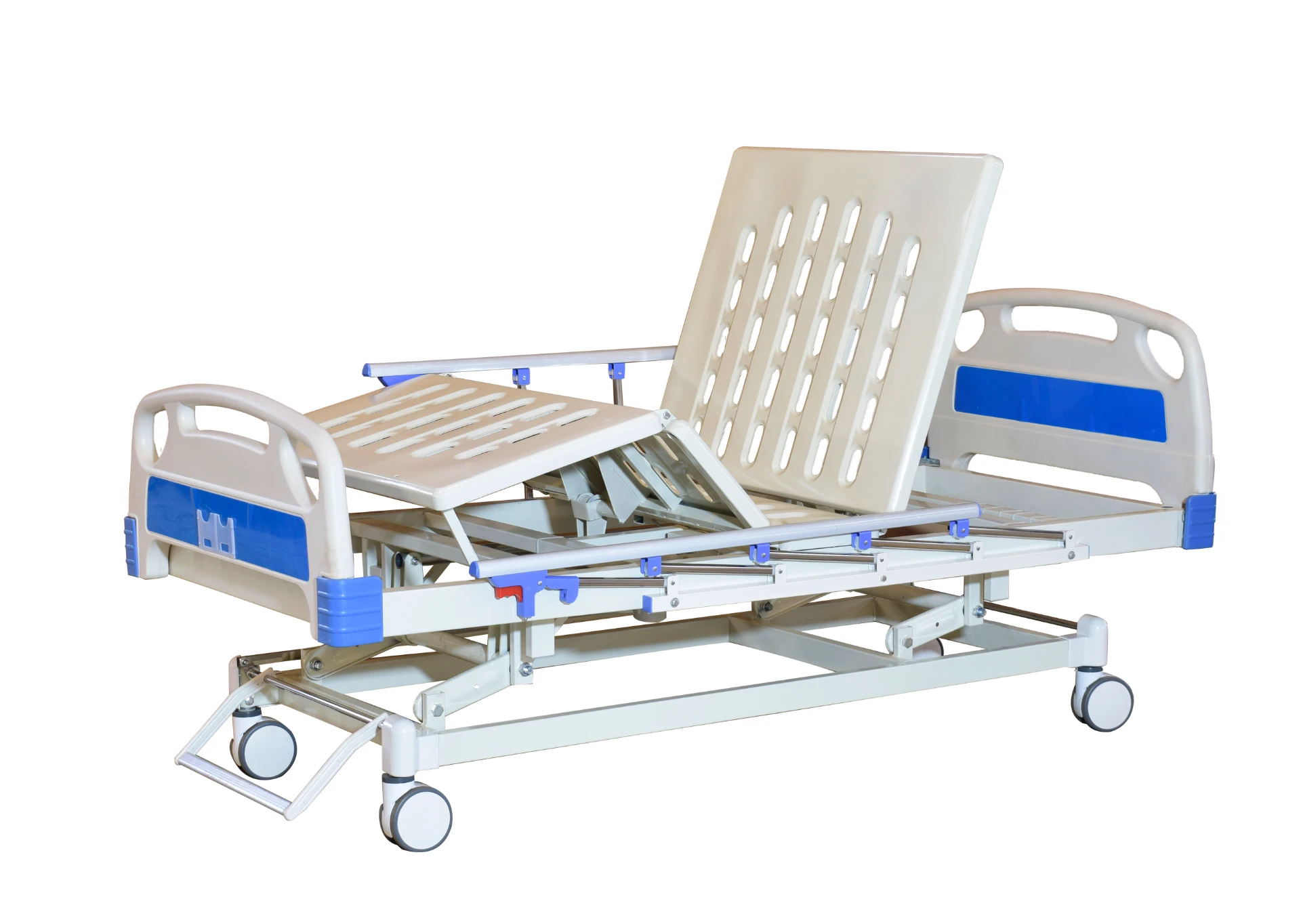
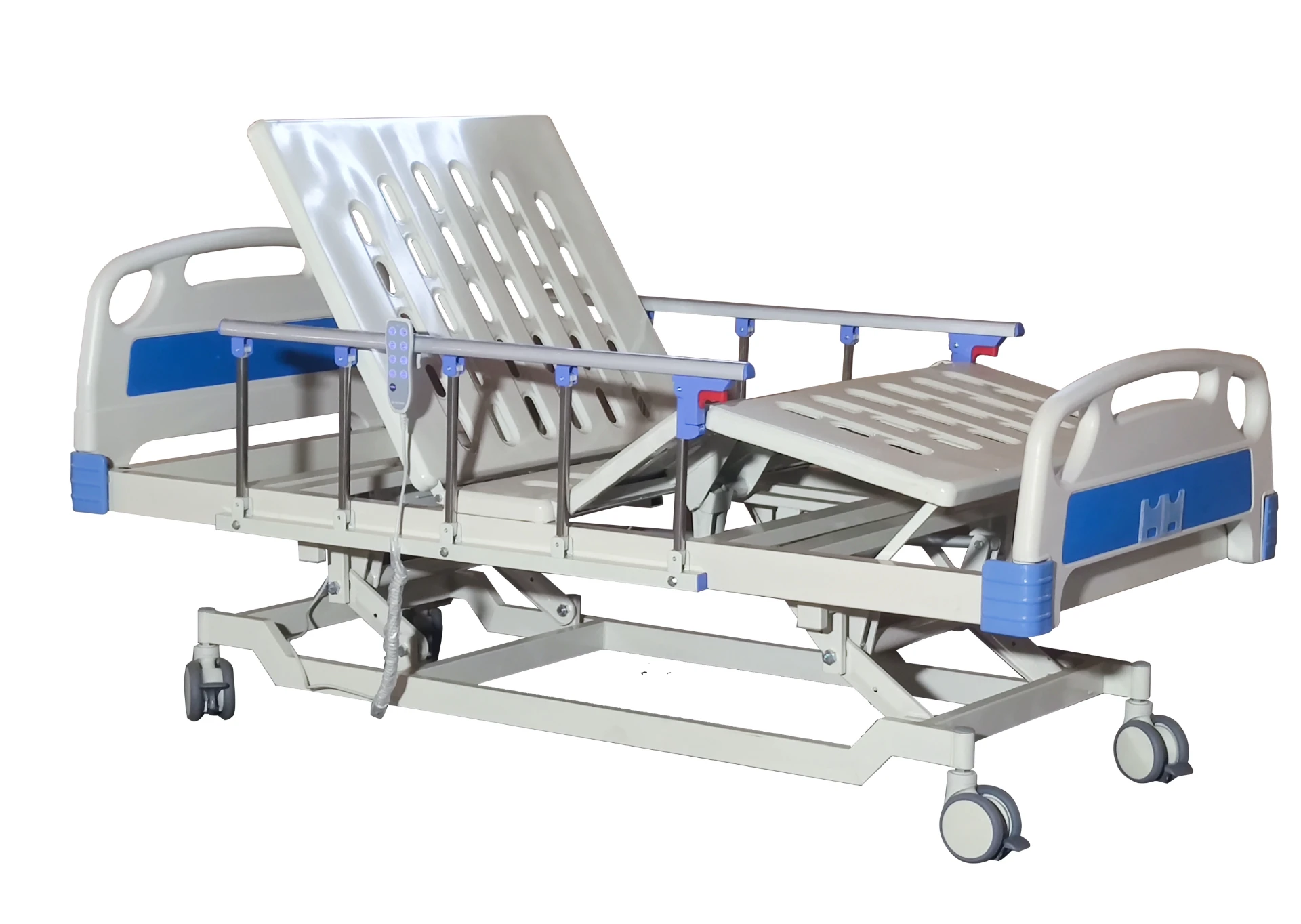
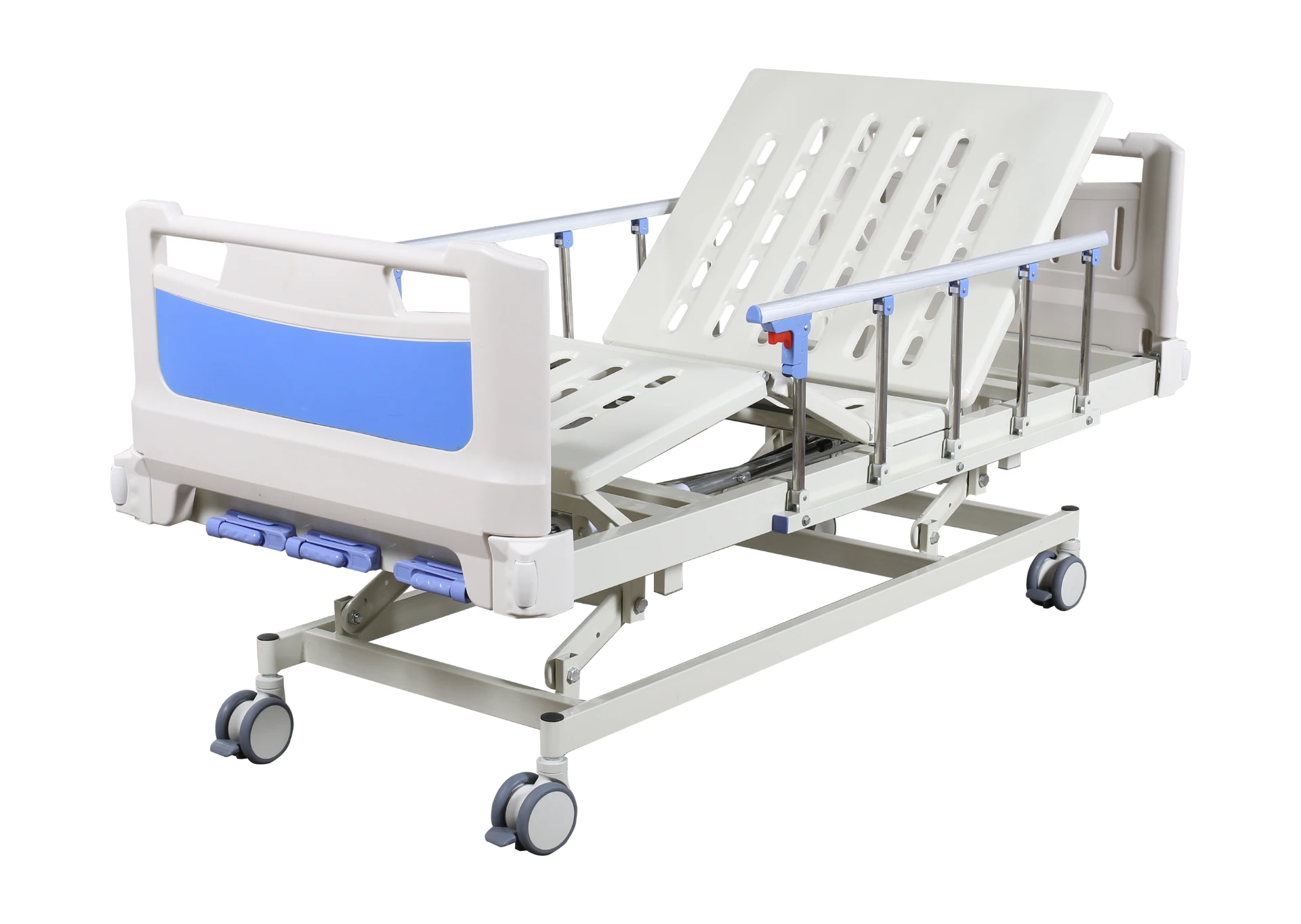
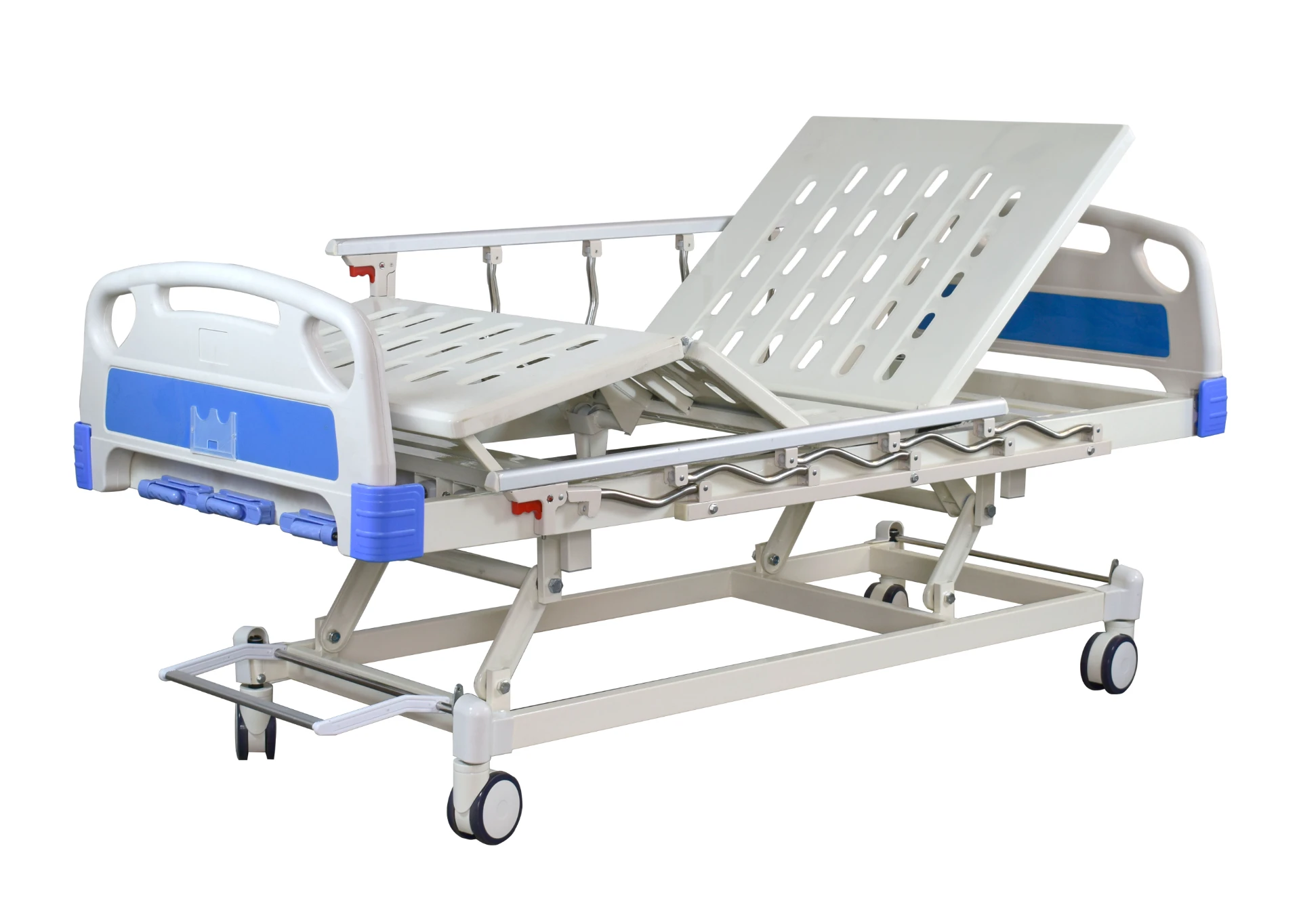
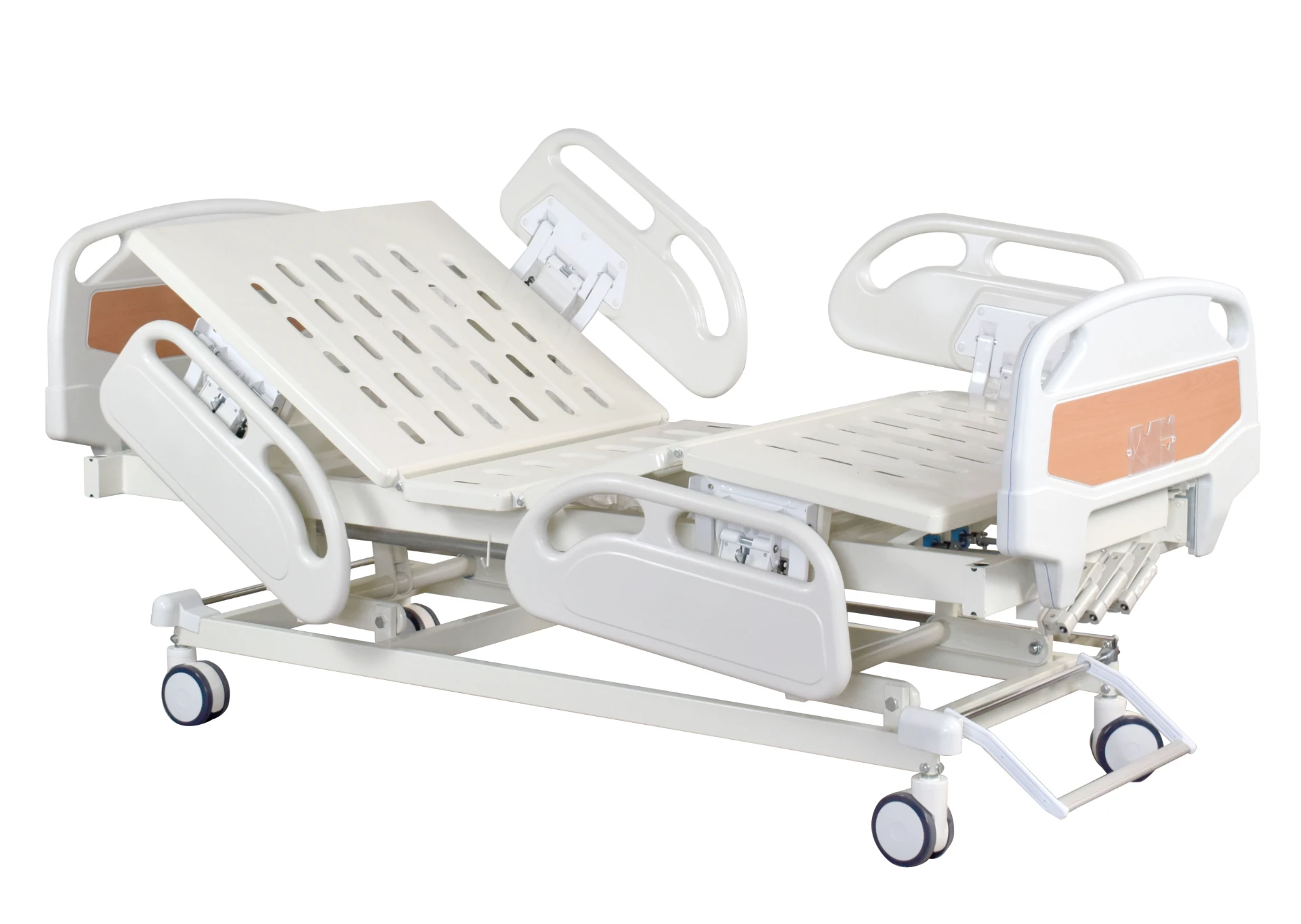
A good hospital bed supports patient comfort without compromising medical access. Adjustable height, backrest angles, and cushioning matter greatly. Ergonomics reduce bedsores and enhance mobility. Many contemporary designs now integrate pressure redistribution and allow patients more independence.
2. Safety Features
Safety rails, locking wheels, and emergency release mechanisms minimize falls and accidents. Especially for elderly or critical patients, these features promote security without making the patient feel confined. Balancing protection and freedom is delicate but essential.
3. Integration with Medical Equipment
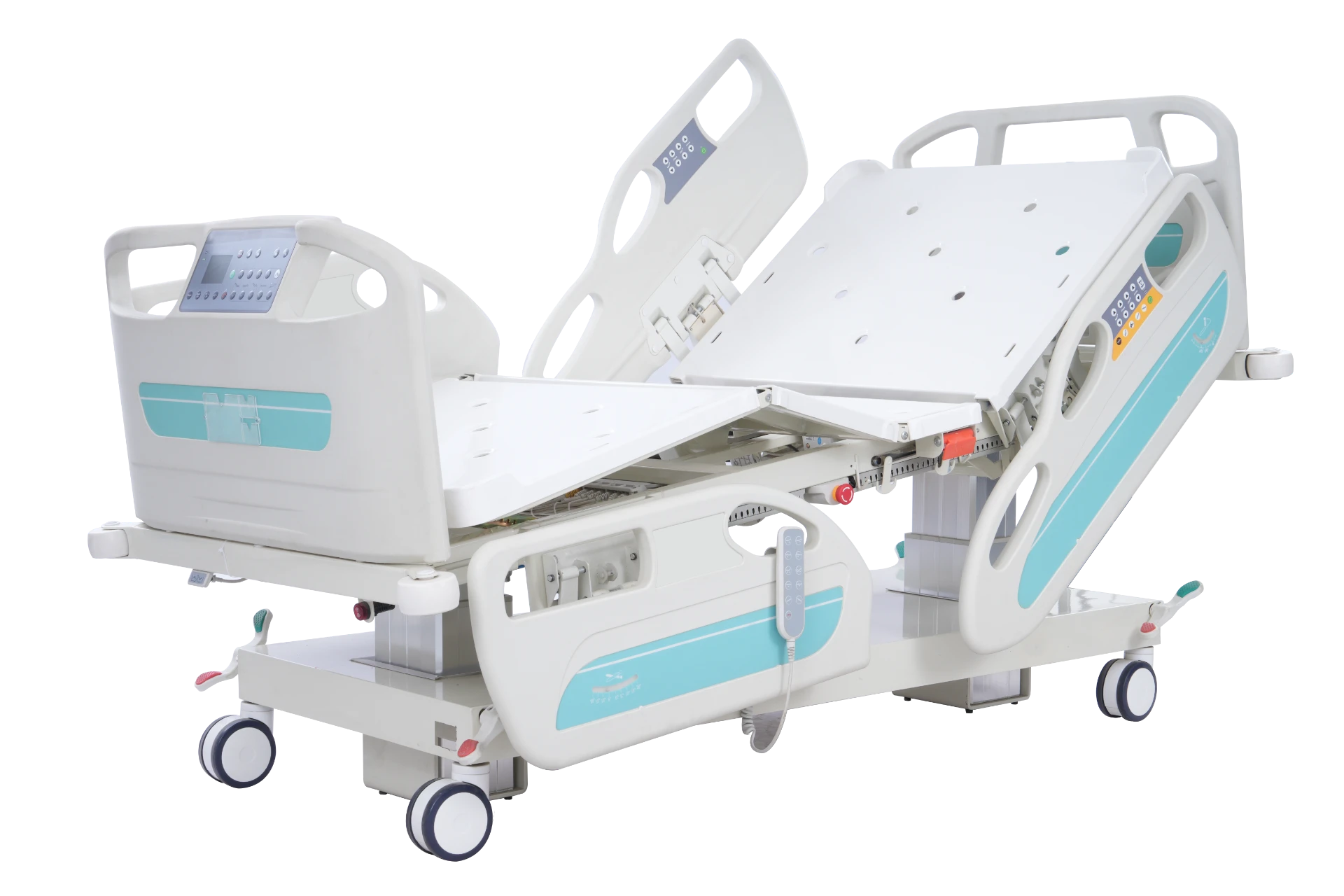
Modern hospital beds often include built-in connectors for IV lines, monitors, and respirators. This integration helps streamline care and reduce clutter, enhancing nurse efficiency. The patient at hospital bed thus becomes a hub, linking various devices to the person.
4. Cleanability & Infection Control
Materials used in beds and surrounding surfaces need to be easy to disinfect. Infection control remains a global healthcare priority, and the patient’s immediate environment must minimize risks of hospital-acquired infections.
5. Technology & Monitoring
Increasingly, beds come with sensors tracking patient movement, heart rate, or temperature. This data helps prompt timely interventions, sometimes before patients or nurses even realize issues. The rise of smart beds showcases innovation aimed directly at improving outcomes.
Mini Takeaway: The patient at hospital bed is much more than a passive state—it’s a dynamic environment involving comfort, safety, technology, and infection control essential in modern healthcare.
Global Applications & Use Cases
The idea of the patient at hospital bed spans continents and settings—from high-tech hospitals in Europe to field hospitals in disaster zones. For instance:
- Europe and North America: Hospitals use smart beds integrated with electronic health records. Nurses receive alerts about patient needs or bed exits, reducing falls.
- Asia’s Aging Populations: Beds with enhanced ergonomic features support a growing elderly demographic, improving quality of life.
- Post-disaster Relief: Mobile hospital beds deployed in temporary shelters offer rapid care to displaced populations, ensuring dignity despite chaos.
- Remote Industrial Zones: Patient beds equipped with telemedicine setups connect patients with distant specialists, expanding care access.
In all, the patient at hospital bed concept scales from typical urban hospitals to crisis response and rural healthcare frameworks.
Advantages & Long-Term Value of Optimized Patient Bed Care
Good patient care at the hospital bed brings benefits beyond immediate health:
- Improved Outcomes: Comfortable patients recover quicker, face fewer complications (like pressure ulcers), and often need shorter hospital stays.
- Economic Sense: Enhanced patient monitoring reduces emergency interventions and repeated admissions, saving costs.
- Dignity & Trust: The patient’s experience is prioritized, fostering trust between caregivers and patients’ families.
- Social Impact: Hospitals become safer and more humane environments, promoting community health standards.
Frankly, it feels like investing in this micro-level patient experience builds macro-level health resilience—a lesson global healthcare systems have learned the hard way.
Future Trends & Innovations in Patient Care at Hospital Beds
Looking ahead, expect several exciting developments to transform how patients engage with their beds:
- Green Technologies: Eco-friendly materials and energy-efficient bed designs help hospitals reduce their carbon footprint.
- Digital Integration: AI-driven analytics from bed sensors will assist in personalized care plans.
- Automation: Motorized adjustments and robotic assistance will support patient mobility and reduce caregiver strain.
- Telehealth Expansion: Beds equipped with real-time video and vitals monitoring will make remote consultations seamless.
These innovations signal a future where the patient at hospital bed is connected, comfortable, and empowered like never before.
Challenges & Solutions
Despite advances, issues remain. High costs limit access in low-income regions. Inadequate staff training can reduce technology’s benefits. Infection risks persist where cleaning protocols are weak.
However, experts suggest:
- Modular Designs: Flexible beds that adapt to multiple clinical needs can stretch budgets.
- Training Programs: Investments in nurse education improve technology use and patient safety.
- Global Standards: Adopting ISO and WHO guidelines can help unify quality and infection control practices.
Ultimately, it takes coordinated efforts between manufacturers, healthcare providers, and policymakers.
Product Specifications: Example Patient Hospital Bed Model
| Feature | Specification |
|---|---|
| Bed Size | 84" x 36" (Adjustable) |
| Weight Capacity | 450 lbs |
| Adjustability | Motorized backrest & height |
| Safety Features | Side rails, lockable wheels |
| Material | Aluminum frame, antimicrobial mattress |
| Smart Features | Integrated patient movement sensors |
Vendor Comparison: Leading Hospital Bed Providers
| Vendor | Price Range | Key Features | Global Reach |
|---|---|---|---|
| MedEquip Corp | $2500–$4000 | Smart bed tech, durable frame | North America, Europe |
| HealTech International | $2000–$3500 | Ergonomic design, antimicrobial surfaces | Asia, Africa |
| Globocare Solutions | $2800–$4500 | Extensive safety features, IoT ready | Worldwide |
Frequently Asked Questions About Patient at Hospital Bed
- Q1: How does a hospital bed improve patient recovery?
- A well-designed hospital bed improves recovery by providing optimal positioning, reducing pressure sores, facilitating nursing care, and integrating monitoring tools that alert staff to patient needs promptly.
- Q2: Are smart hospital beds cost-effective for all healthcare facilities?
- Smart beds involve higher upfront costs but often save money long-term by preventing complications, reducing staff workload, and shortening hospital stays, making them cost-effective especially in larger or critical care settings.
- Q3: How can remote hospitals implement patient monitoring at the bedside?
- Remote hospitals can install modular, technology-enabled beds with telehealth capabilities, allowing specialists to monitor vital signs remotely, improving access to expert care despite geographic limitations.
- Q4: What standards should hospital beds meet to ensure safety?
- International standards like ISO 60601 for medical electrical equipment and guidelines from the FDA and WHO ensure hospital beds meet safety, durability, and hygiene criteria essential for patient care.
Conclusion
Reflecting on the patient at hospital bed concept reveals it as a cornerstone of modern healthcare — where technology, comfort, and human compassion converge. Investing in advanced, safe, and adaptable hospital beds isn’t just about equipment; it’s about dignified patient-centered care that spans continents and cultures. For hospitals ready to take that next step toward improved patient outcomes and operational excellence, exploring options at CNBoxin offers a promising start.
One subtle truth stands out: the more we enhance the patient at hospital bed experience, the more we uplift healthcare itself.
References
-
Ultimate Guide to Choosing Extra Wide Waiting Room ChairsNewsApr.16,2026
-
Guide to Choosing Professional Waiting Room Chairs Wipeable SeatingNewsApr.09,2026
-
Enhance Your Space with Comfortable Wide Waiting Room ChairsNewsApr.07,2026
-
Selecting the Ideal Brown Waiting Room Chairs for a Welcoming SpaceNewsApr.04,2026
-
Choosing Comfortable Patient Waiting Room Chairs for Healthcare FacilitiesNewsMar.31,2026
-
Finding the Best Deals on Affordable and Cheap Reception Chairs for Your BusinessNewsMar.28,2026
-
Enhance Your Business Reception with Comfortable Blue Reception ChairsNewsMar.26,2026