Welcome to our websites!


Buy Hospital Recliners for Sale – Comfort & Care Solutions for Healthcare Facilities
Hospital Recliners for Sale: A Closer Look at Comfort, Care & Practicality
At first glance, hospital recliners might seem like just another type of furniture — but they’re so much more. These pieces play an essential role in healthcare environments worldwide. With growing demands for patient comfort and care efficiency, understanding what makes these recliners crucial isn’t just a niche concern; it matters globally. They help ensure dignity for patients, ease the workload for healthcare providers, and improve recovery outcomes. As healthcare facilities expand and modernize, hospital recliners for sale become a key investment. So, let's peel back the layers and explore why these specialized chairs hold an important place in modern medicine — and why industry insiders pay close attention.
The Worldwide Importance of Hospital Recliners
Healthcare systems around the world are under immense pressure. According to the World Health Organization, over 1 billion people need rehabilitation services, and billions more require long-term care. Beds alone aren’t always enough. Patients and their families need functional, safe, and comfortable seating during long hospital stays or visits. The global healthcare furniture market is projected to grow significantly, and within that, recliners account for a noteworthy segment.
The challenges? Standard chairs just don’t cut it. Hospitals need seating that supports various clinical needs, is easy to sanitize, and fits diverse patient profiles — elderly, disabled, or post-surgical. So solutions like hospital recliners for sale tackle these pressing issues, allowing healthcare providers to offer better care with fewer complications from poor seating.
What Exactly Are Hospital Recliners?
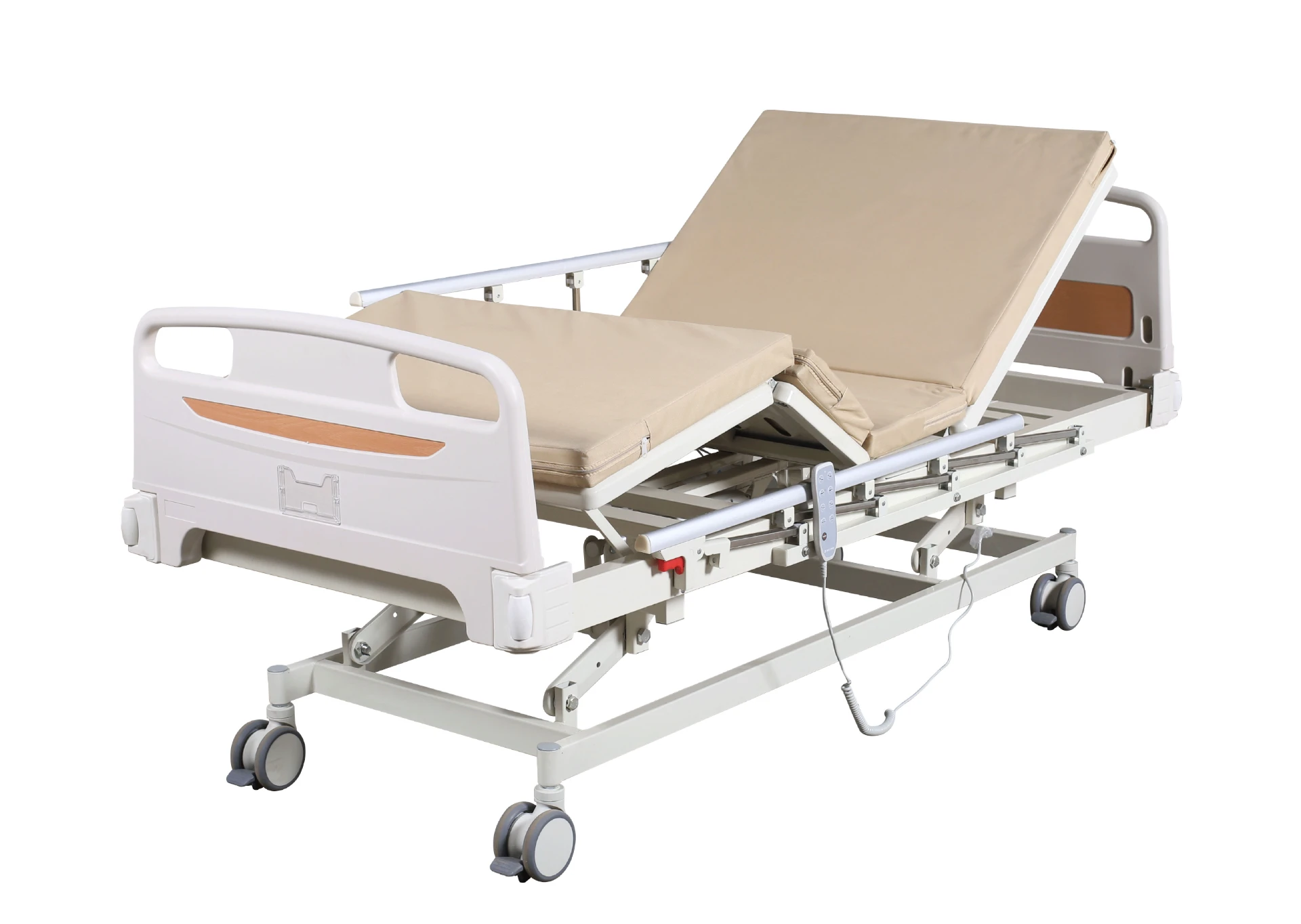
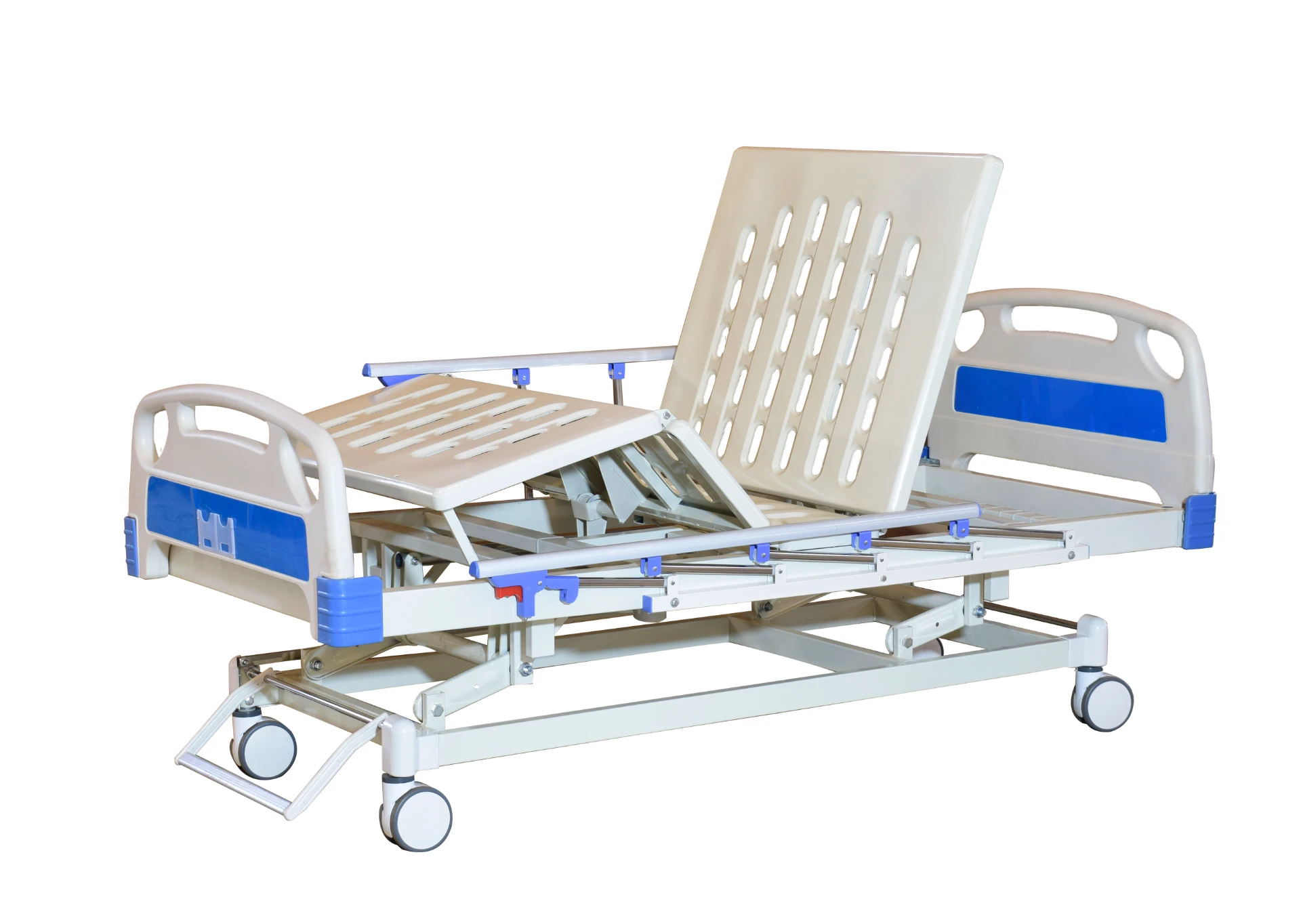
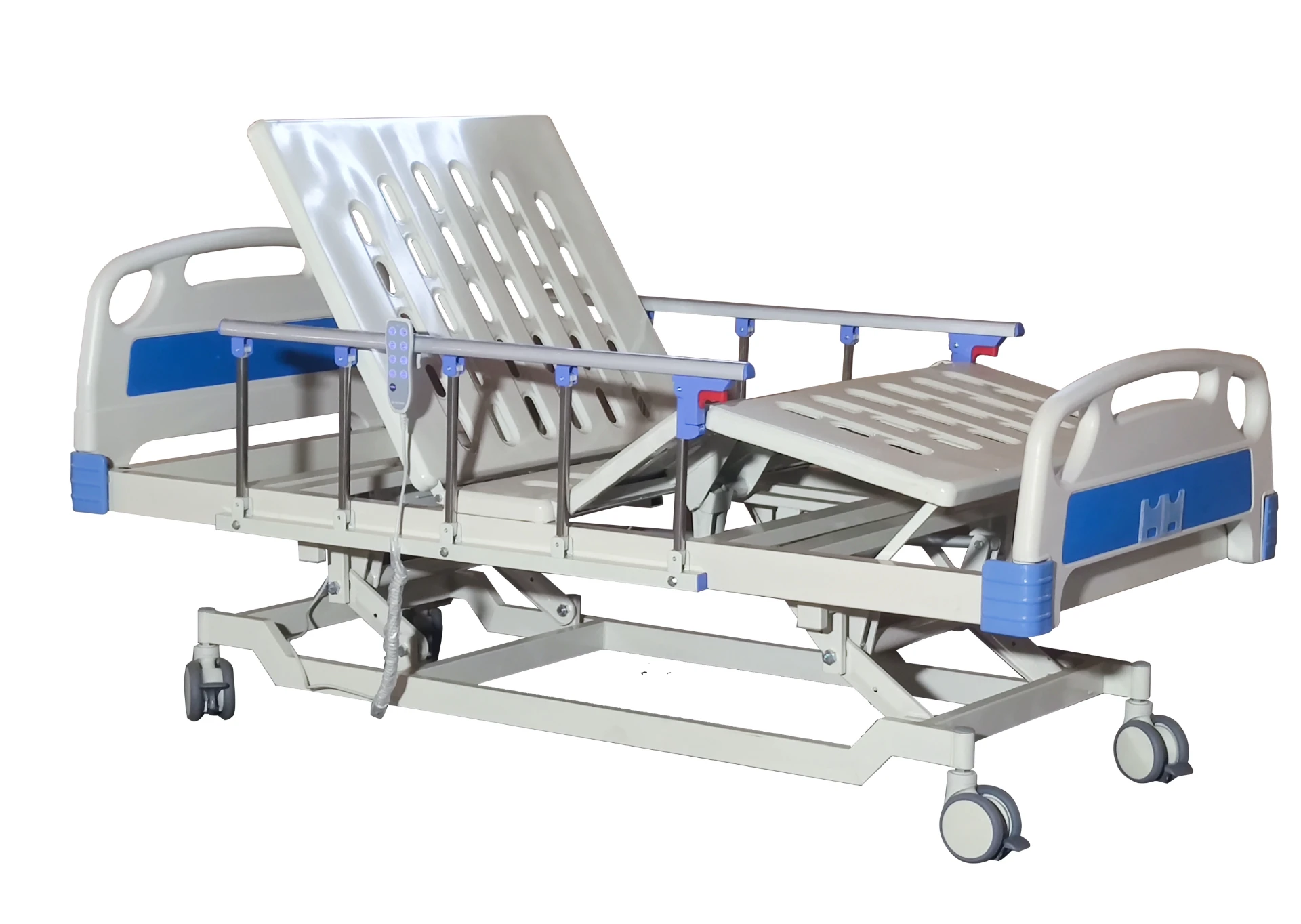
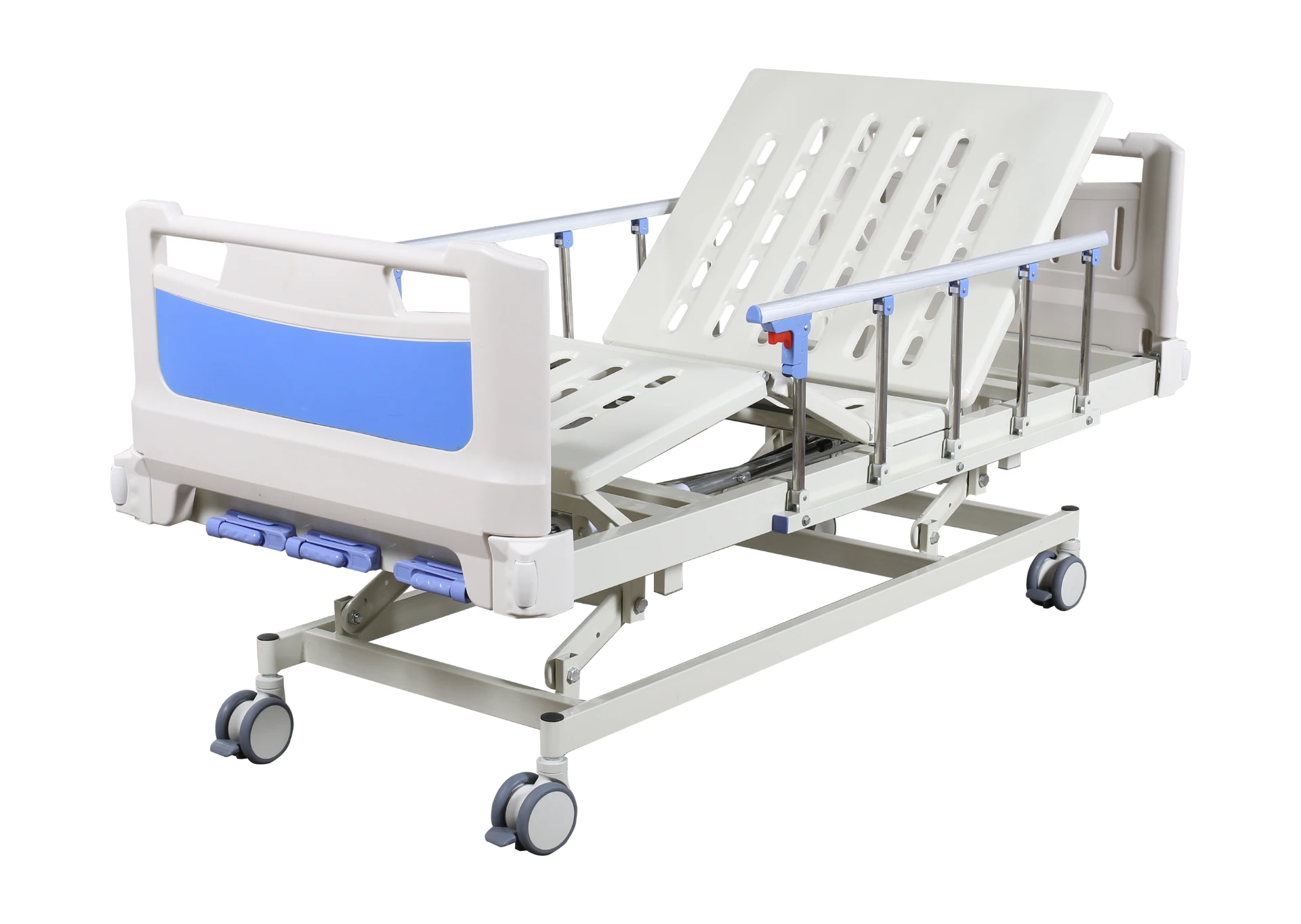
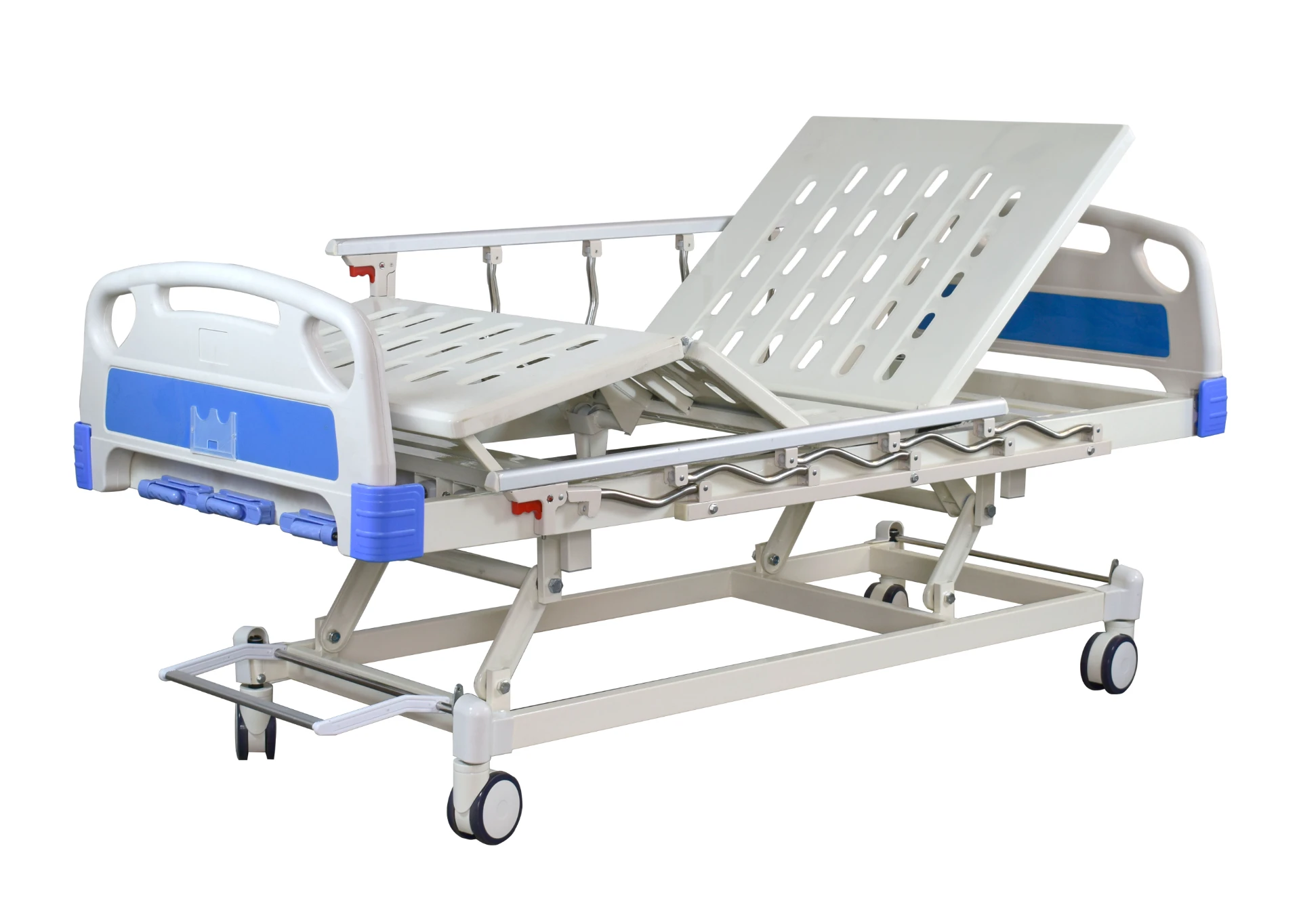
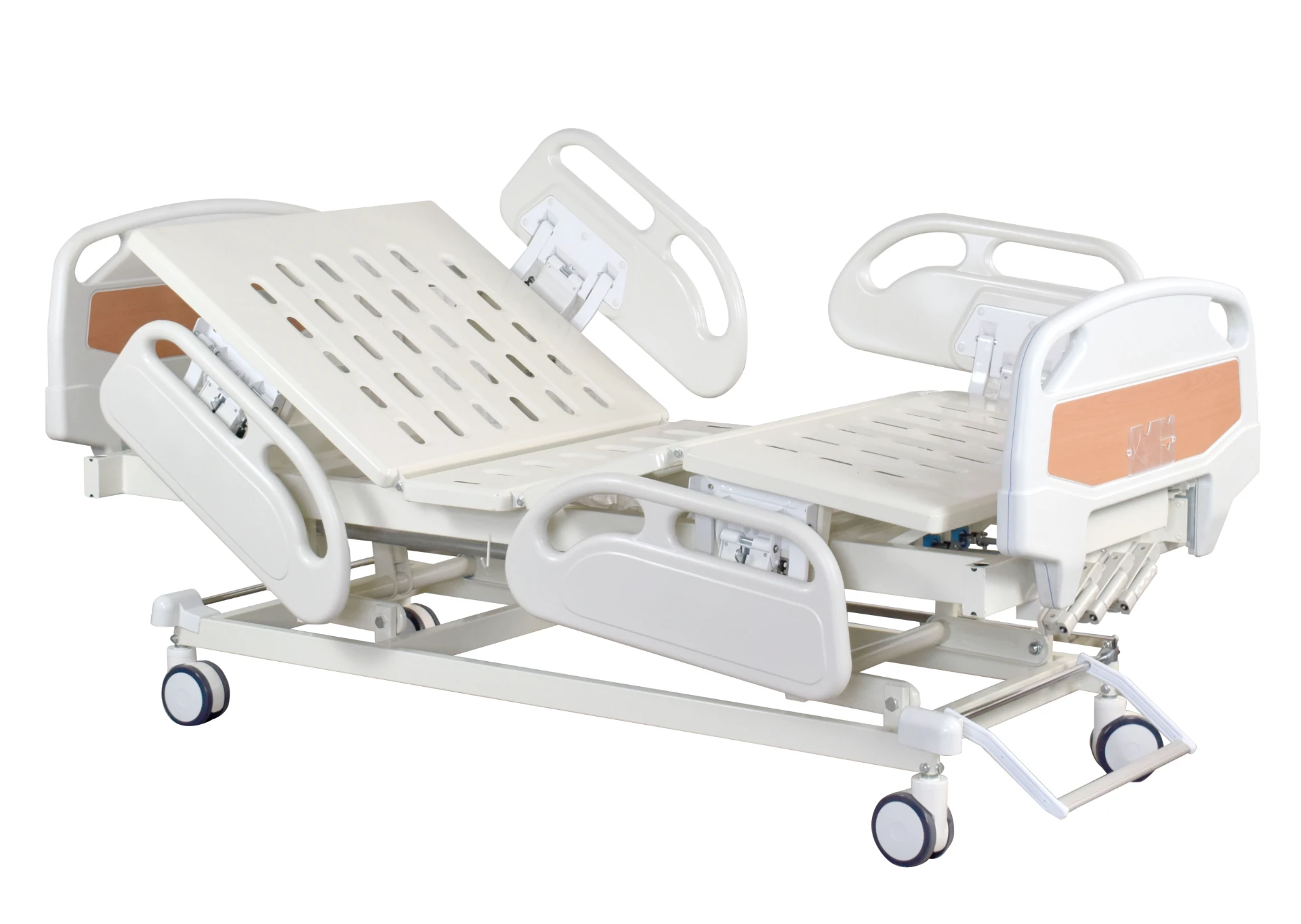
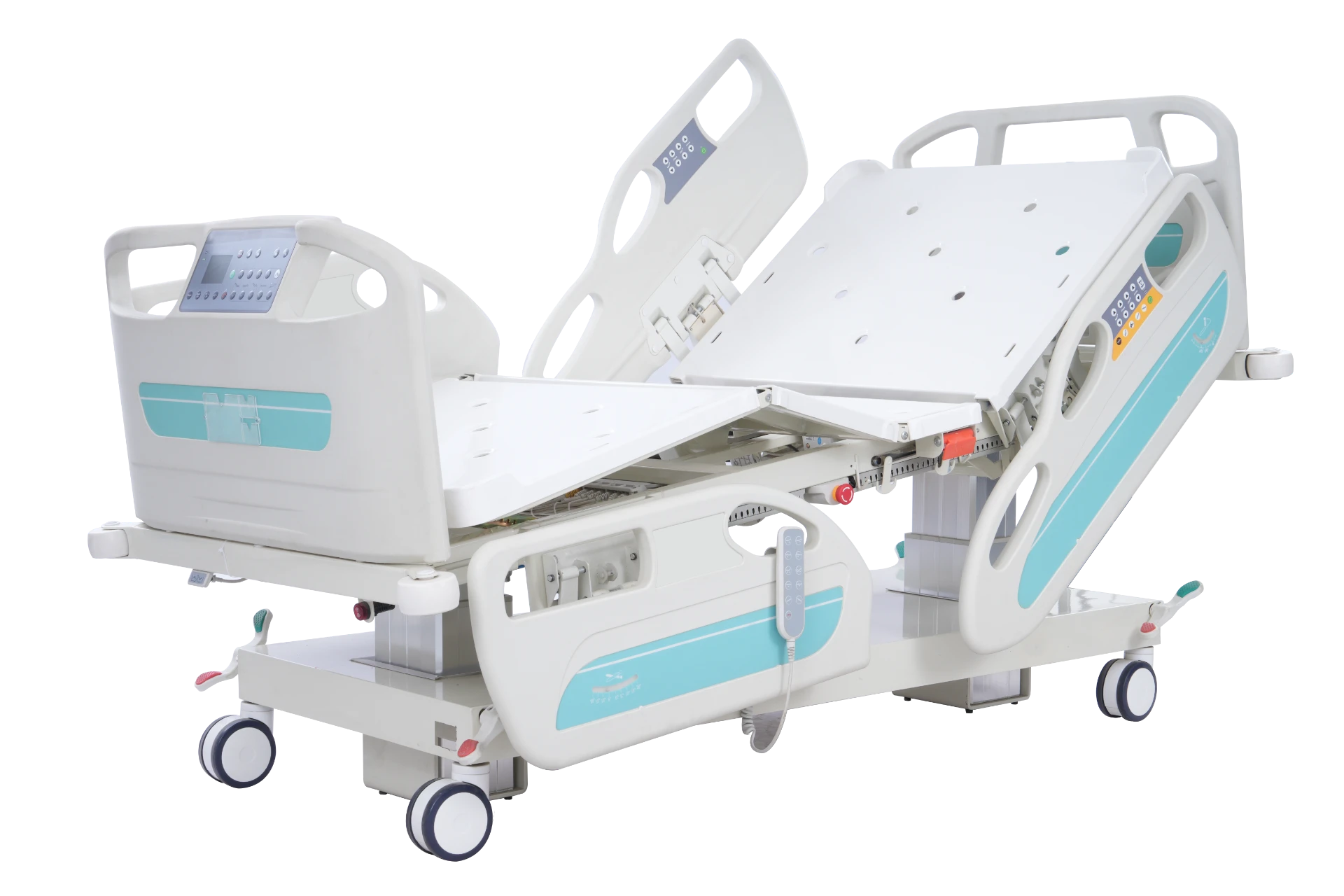
Simply put, hospital recliners are specially designed chairs that allow patients to sit comfortably while offering adjustable features such as reclining backs, leg rests, and often mobility options. Think of them as combining comfort, safety, and practicality. Unlike consumer recliners, these are medical-grade, made to comply with strict hygiene and durability standards, often incorporating materials resistant to cleaning chemicals and built to withstand heavy use.
They are also tailored to support healthcare workflows — for example, allowing caregivers to easily reposition patients or assisting patients during recovery from surgeries or illnesses, reducing risks like bedsores or circulation problems. So in a way, hospital recliners are the unsung heroes of the care environment, quietly making patient stays more bearable and efficient for staff.
Key Components & Factors When Choosing Hospital Recliners
1. Durability & Hygiene
Hospital recliners must stand up to constant cleaning — often with harsh disinfectants — and rough treatment. Most are built from steel frames and covered in antimicrobial, waterproof vinyl or synthetic fabrics. Durability prevents costly replacements due to wear and tear, which can disrupt hospital operations.
2. Comfort & Ergonomics
Adjustable backrests, smooth reclining mechanisms, and cushioned support help patients relax. Ergonomics reduce strain on joints and support proper posture, which matters for long post-op stays or elderly patients. Oddly enough, what looks like a simple chair can hugely impact recovery quality.
3. Scalability & Versatility
Hospitals come in all sizes. A small clinic might need just a few recliners, but large hospitals demand large quantities and modular designs. Options like folding designs or multipurpose use (visitor chairs doubling as recovery seats) add value.
4. Cost Efficiency
While quality comes at a price, investing in well-built recliners can reduce maintenance costs and improve patient throughput by enhancing comfort and safety. Bulk purchases or vendor partnerships often help hospitals save.
5. Safety Features
Features like lockable wheels, anti-tip designs, and easy-to-clean surfaces help avoid accidents and infections—a major incentive for hospital procurement teams.
| Feature | Specification |
|---|---|
| Frame Material | Powder-coated steel |
| Upholstery | Antimicrobial PVC vinyl, waterproof |
| Weight Capacity | Up to 250 kg (550 lbs) |
| Adjustable Positions | Five (including flat recline) |
| Mobility | Four lockable casters |
| Dimensions (LxWxH) | 100 cm x 75 cm x 110 cm |
| Warranty | 3 Years |
Real-World Applications Around the Globe
From high-tech hospitals in Europe to developing clinics in rural Asia, hospital recliners serve a universal purpose. In post-disaster relief efforts—say after flooding or earthquakes—temporary clinics often rely on portable, easy-to-clean recliners to provide quick comfort to displaced patients.
In North America and Western Europe, recliners assist long-term care centers by increasing independence for elders who would otherwise struggle with beds. Remote industrial healthcare units, such as mining sites in Australia or oil rigs in the Middle East, also benefit from robust and compact recliners that can stand up to harsh conditions.
Certain NGOs and humanitarian organizations emphasize affordable, durable recliners in their procurement to improve dignity and reduce infection rates in low-resource environments—a practical nod to global health equity.
Advantages That Go Beyond the Surface
- Cost-savings: Reduced replacements, fewer bedsores, faster patient recovery.
- Sustainability: Use of recyclable materials and longer product lifespan.
- Patient dignity: Comfortable seating improves mental well-being during prolonged hospital stays.
- Staff efficiency: Ergonomics and mobility ease caregiver tasks.
Frankly, these advantages add up to a more humane, efficient healthcare experience — which is what every hospital strives for. It’s an investment in trust and innovation that patients tend to appreciate deeply.
Emerging Trends in Hospital Recliner Technology
Looking forward, expect to see more reclining chairs featuring IoT integrations for patient monitoring, antimicrobial nanocoatings, and even sustainable materials like bamboo-based composites. Automation in reclining mechanisms powered by low-voltage motors is becoming more common. Green energy initiatives push manufacturers towards eco-friendly packaging and production.
Digital health is also encouraging recliners equipped with sensors that can track patient posture and movement patterns, feeding data back to nurses or doctors to prevent falls or pressure ulcers. Overall, the blend of comfort, technology, and sustainability is gaining steady momentum.
Challenges and How Industry Pros Tackle Them
The biggest hurdles? Cost restrictions in smaller clinics, balancing hygiene with comfort, and standardizing specs across regions. Vendors innovate by offering modular designs, rental or leasing programs, and easy-to-clean fabrics resistant to frequent disinfection.
Manufacturers partner with healthcare providers for field tests, making adjustments based on real feedback—a smart, iterative approach we see as a best practice. This close collaboration also ensures compliance with ISO healthcare furniture standards, further boosting safety and trust.
Vendor Comparison: Top Hospital Recliner Suppliers
| Vendor | Price Range | Lead Time | Customization | Warranty |
|---|---|---|---|---|
| HealthComfort Inc. | $850–$1,200 | 2–3 weeks | Color, upholstery, mobility options | 3 years |
| CareEase Solutions | $700–$900 | 1–2 weeks | Fabric choice, reclining angles | 2 years |
| MedSeat Corp. | $950–$1,400 | 3–4 weeks | Bespoke designs, accessory add-ons | 5 years |
Frequently Asked Questions About Hospital Recliners for Sale
1. What factors should I consider before buying a hospital recliner?
Look for durability, comfort features, maintainability, and safety attributes. The chair should support medical use cases, easy cleaning, and patient mobility. Check warranty terms and vendor reputation too.
2. Are hospital recliners hygienic for infection control?
Yes. Most use antimicrobial, waterproof materials that withstand hospital-grade disinfectants. Surfaces are designed smooth to reduce bacteria harboring spots.
3. Can hospital recliners be customized for different patient needs?
Absolutely. Many vendors offer options like adjustable armrests, leg supports, or fabric choices to meet specific clinical or patient comfort requirements.
4. How long do hospital recliners typically last?
With proper maintenance, a good-quality recliner will last 5–10 years in clinical settings. Warranty periods and usage intensity affect lifespan.
5. Where can I find affordable hospital recliners for sale?
There are multiple suppliers globally. For a curated selection with reliability, consider checking specialized platforms such as hospital recliners for sale. They provide vetted products suitable for different budgets.
Final Thoughts & Next Steps
Hospital recliners might not capture headlines like cutting-edge medical devices, but their impact resonates deeply within healthcare systems. By blending comfort, safety, and smart design, they enhance patient dignity and ease caregiver workload — a win-win in a demanding field. Whether you represent a hospital procurement team, an NGO, or a rehabilitation center, understanding how to select the right hospital recliners for sale positions you to make smarter, more sustainable healthcare decisions.
Ready to upgrade your facility’s seating? Take a look at current market offerings by visiting hospital recliners for sale. Because behind every patient’s recovery, there’s a chair that helps make a difference.
References:
1. World Health Organization – Rehabilitation Services Data (https://www.who.int)
2. ISO 60601-2-52: Medical Electrical Equipment - Particular Requirements for the Safety of Medical Recliners
3. Global Healthcare Furniture Market Report, MarketsandMarkets 2023
-
Ultimate Guide to Choosing Extra Wide Waiting Room ChairsNewsApr.16,2026
-
Guide to Choosing Professional Waiting Room Chairs Wipeable SeatingNewsApr.09,2026
-
Enhance Your Space with Comfortable Wide Waiting Room ChairsNewsApr.07,2026
-
Selecting the Ideal Brown Waiting Room Chairs for a Welcoming SpaceNewsApr.04,2026
-
Choosing Comfortable Patient Waiting Room Chairs for Healthcare FacilitiesNewsMar.31,2026
-
Finding the Best Deals on Affordable and Cheap Reception Chairs for Your BusinessNewsMar.28,2026
-
Enhance Your Business Reception with Comfortable Blue Reception ChairsNewsMar.26,2026