Welcome to our websites!


Discover Reliable Hospital Furniture Companies for Quality Healthcare Supplies
Hospital Furniture Companies: Why They Matter Now More Than Ever
When you think about healthcare, hospital furniture doesn't exactly jump out as the headline star. Still, these companies form an essential backbone in the ecosystem, quietly enabling healthcare providers to deliver effective, safe, and dignified care. From sturdy inpatient beds to ergonomic treatment chairs, the quality and design of hospital furniture impact patient outcomes, staff safety, and even the overall atmosphere of healthcare facilities worldwide. Understanding the role and evolution of hospital furniture companies offers insights into a sector that’s both highly specialized and surprisingly dynamic — something that matters globally, especially in today’s rapidly shifting healthcare landscapes.
The Global Context: Why Hospital Furniture Companies Are Crucial Today
Across the globe, healthcare systems are under increasing pressure: aging populations, rising chronic disease rates, and unpredictable emergencies like pandemics or natural disasters. According to the World Health Organization, over 19% of hospital costs are often attributed to infrastructure and equipment upkeep, where furniture forms a significant chunk. Around 70% of healthcare facility users report better satisfaction and safety when medical furnishings meet international standards. Yet, a big challenge remains — how do hospital furniture companies innovate and supply units that are reliable, hygienic, and affordable worldwide, especially to under-resourced regions?
From the UN’s push on sustainable development goals to ISO standards on medical equipment, the growing demand for adaptable furniture that can withstand heavy use, comply with stringent hygiene protocols, and still offer ergonomic comfort is compelling manufacturers to rethink traditional designs. It’s a vital problem space — and one the best hospital furniture companies tackle every day.
What Exactly Are Hospital Furniture Companies?
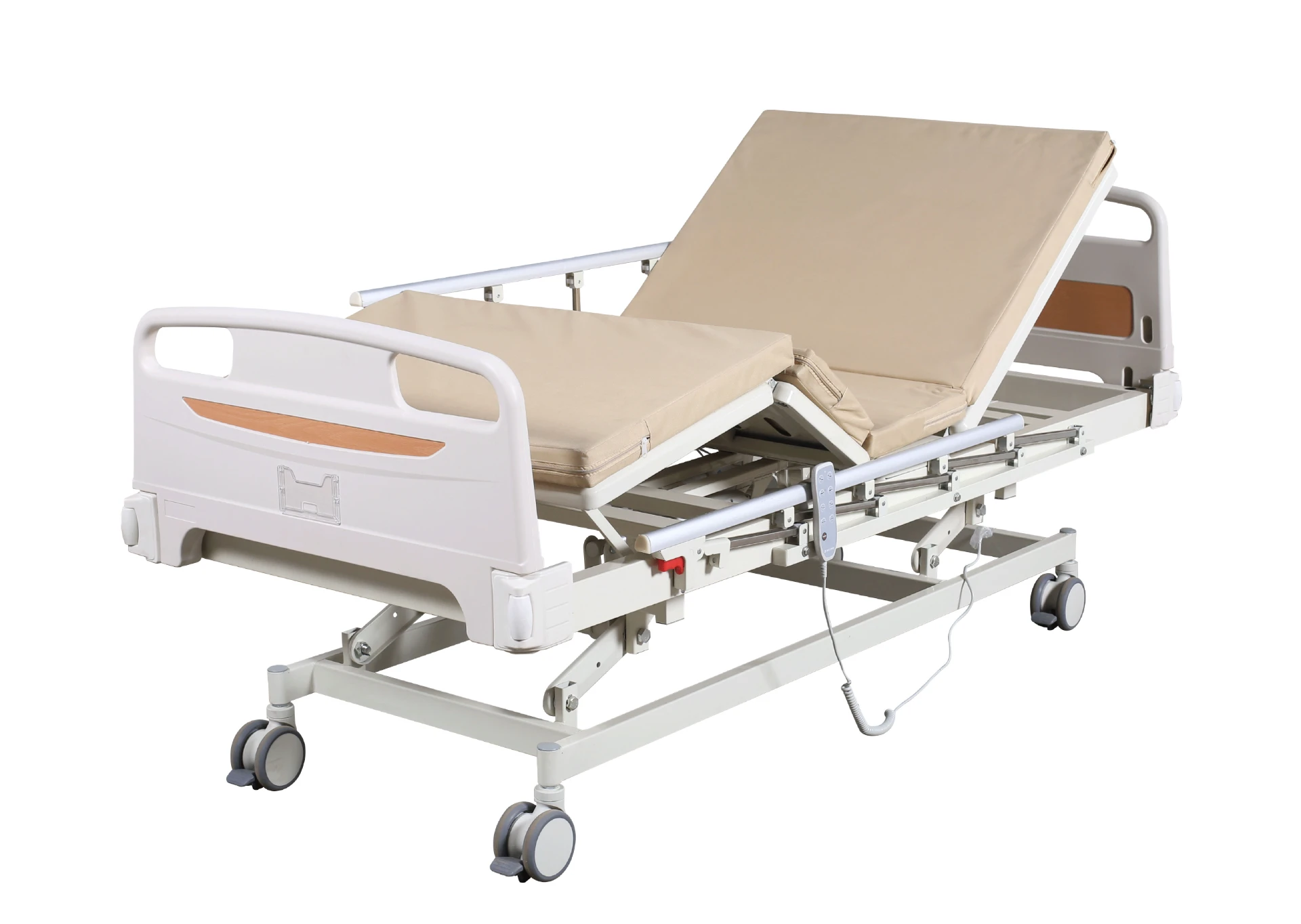
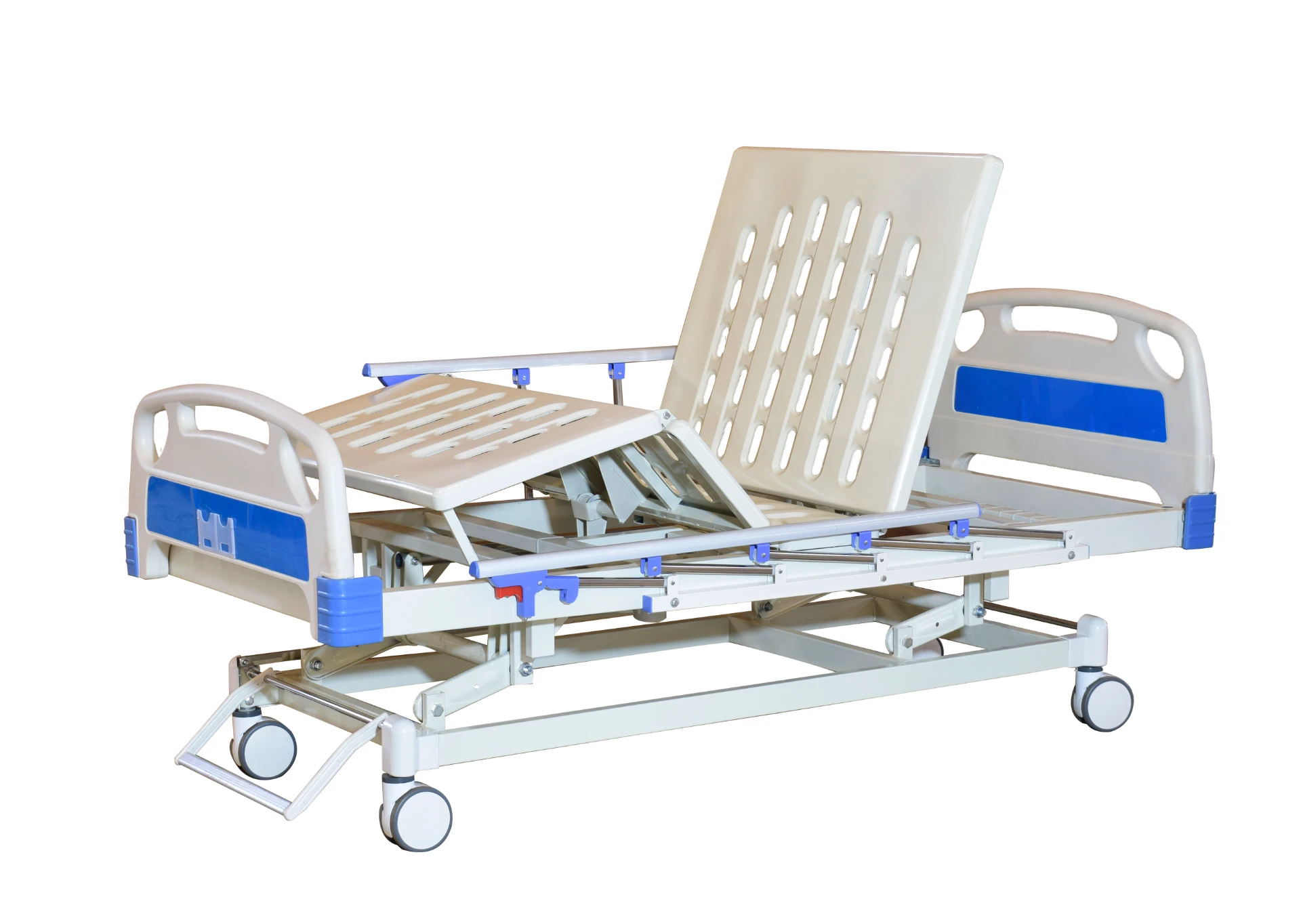
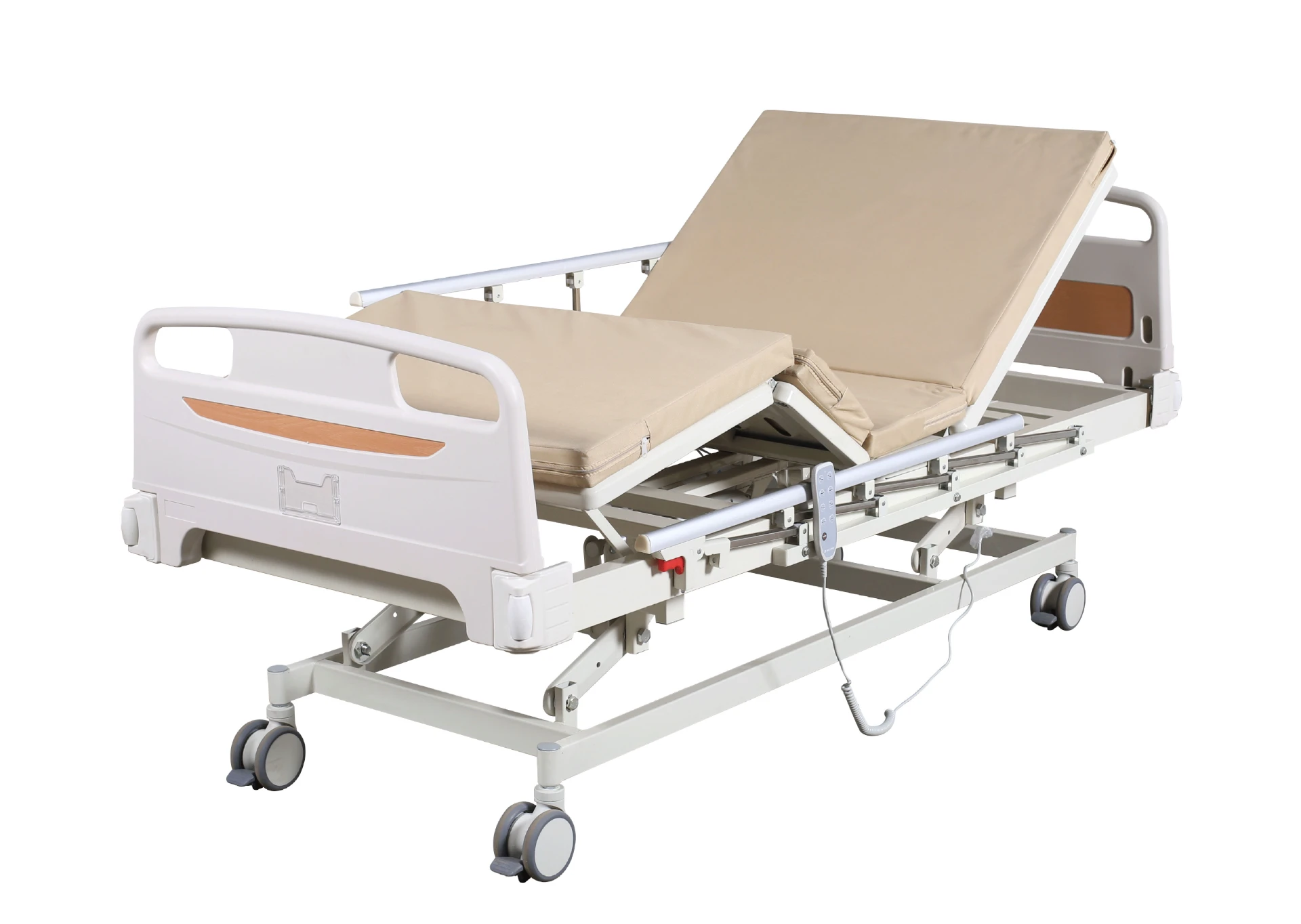
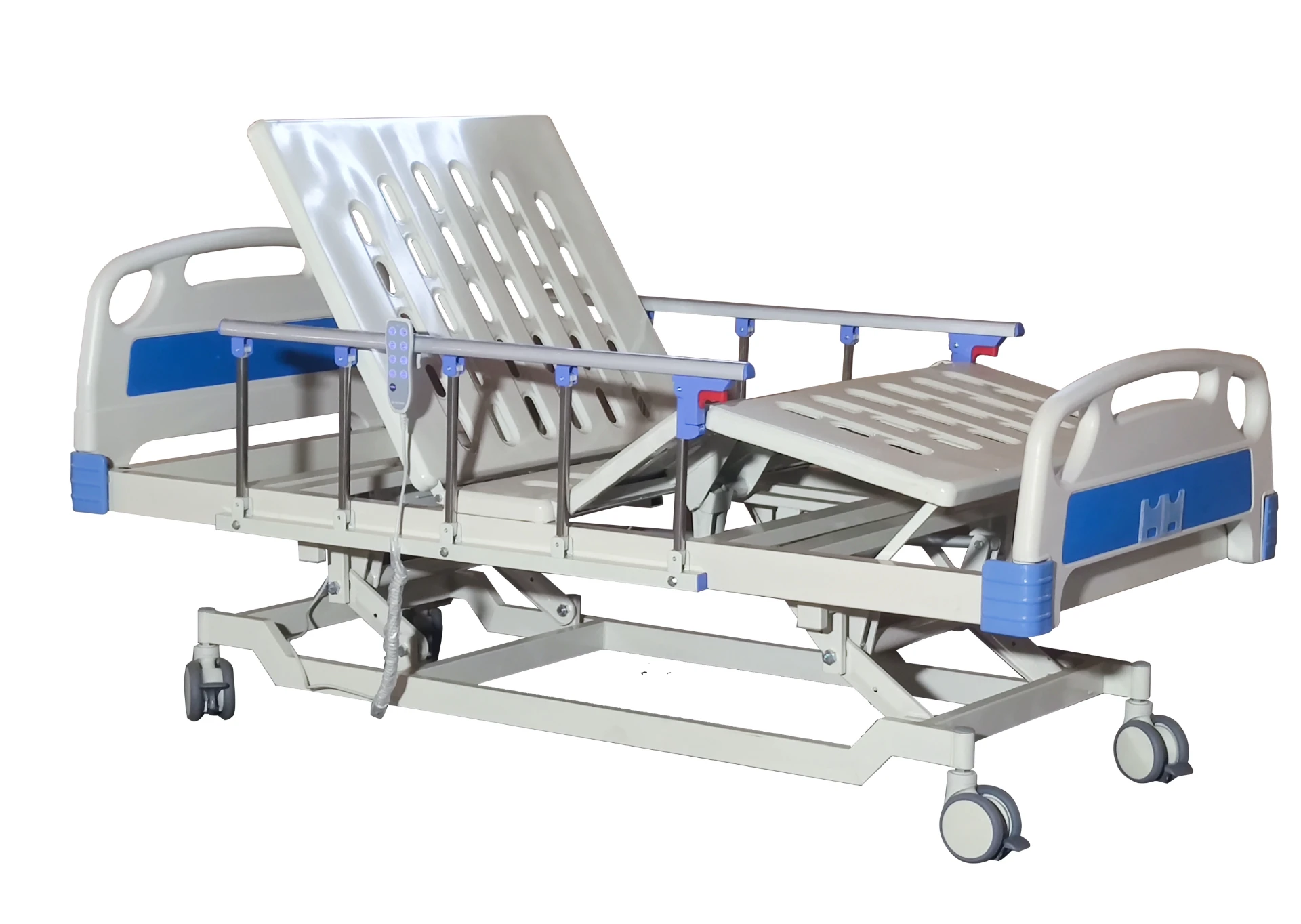
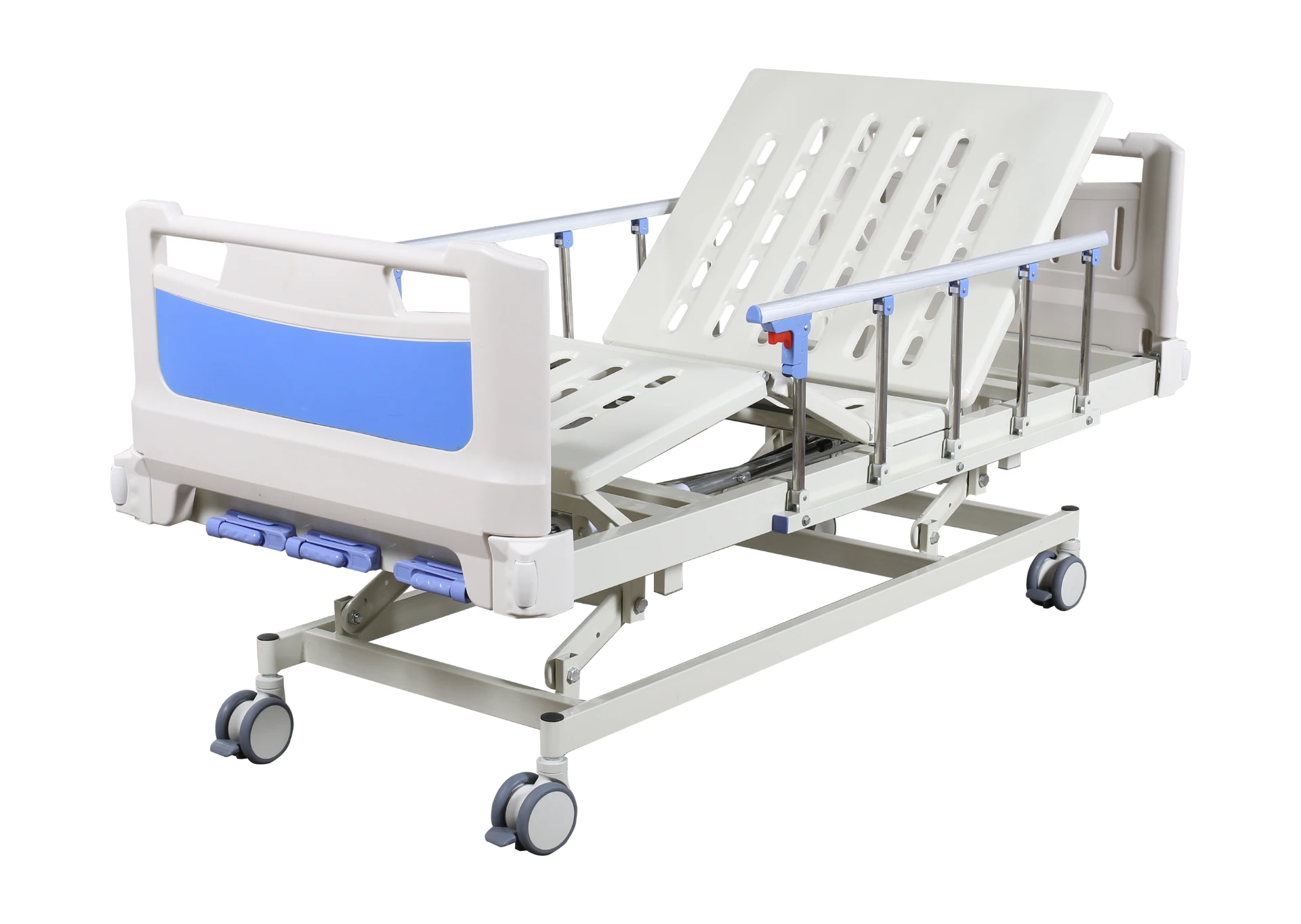
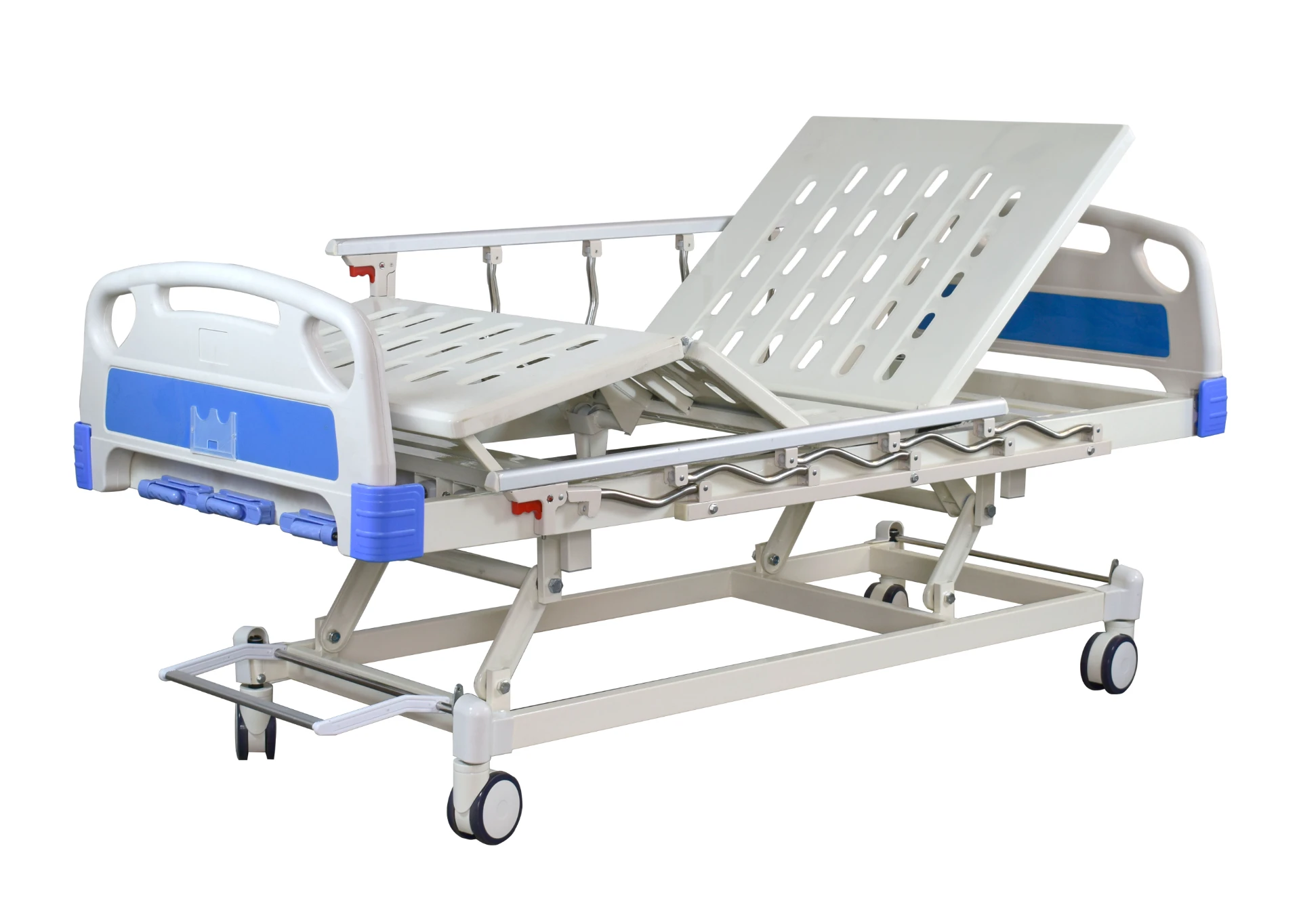
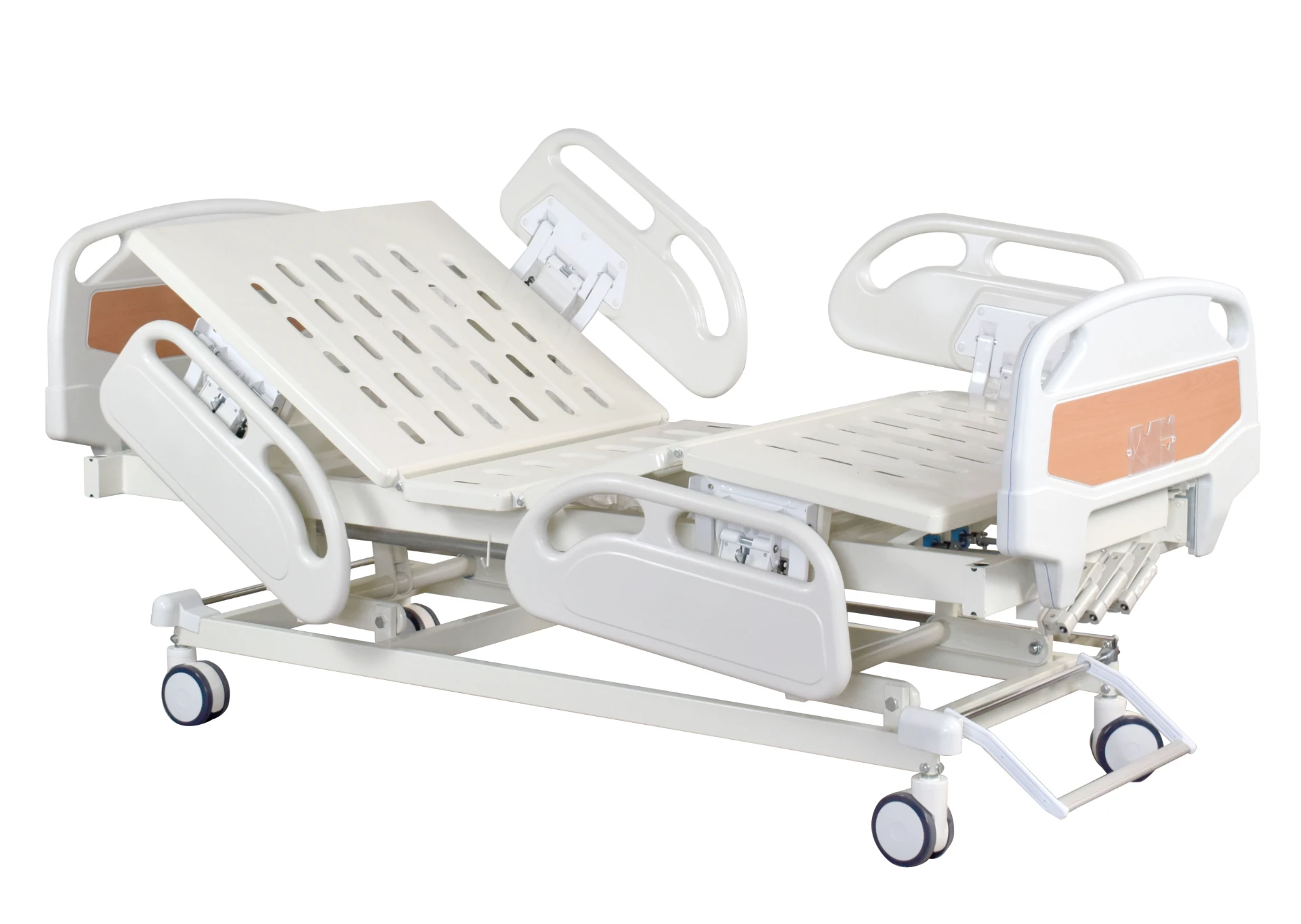
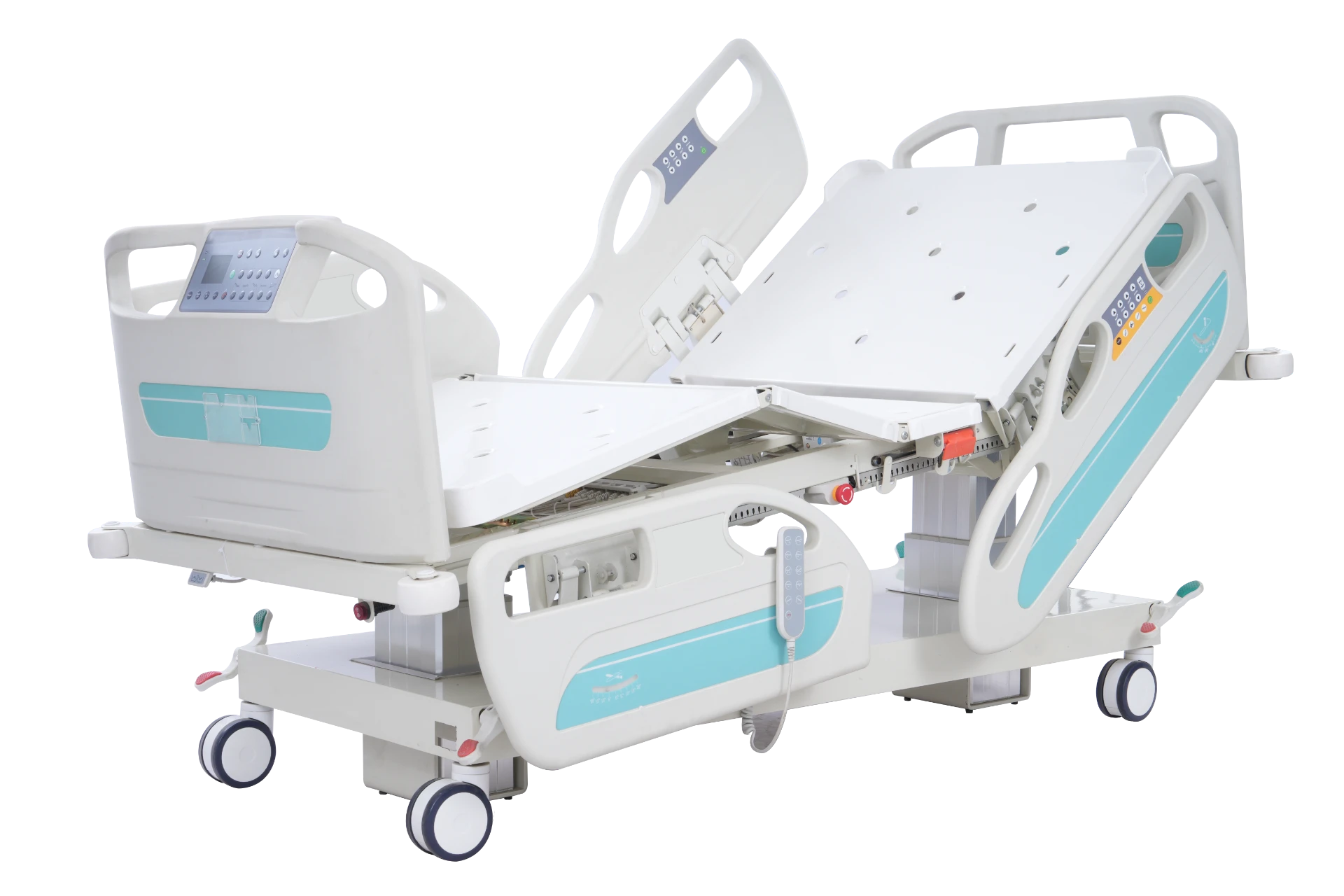
In simple terms, these companies design, manufacture, and supply specialized furniture tailored for clinical environments. This ranges from adjustable beds and stretchers to overbed tables, bedside cabinets, and waiting area seating. Unlike typical furniture manufacturers, hospital furniture companies must integrate safety standards, infection control features, and durability in often harsh, fast-paced settings.
Their work intersects with both modern technology and humanitarian needs — ensuring comfort for patients, efficiency for staff, and sometimes rapid deployment in emergencies or remote locations. It’s a niche industry but hugely impactful.
Key Aspects That Define Hospital Furniture Providers
Durability and Hygiene
Hospital furniture must withstand constant cleaning with harsh chemicals and frequent use over years. Materials like stainless steel, antimicrobial plastics, and high-density foams help sustain hygiene without sacrificing longevity.
Ergonomics and Patient Comfort
Adjustable beds and treatment chairs aim to reduce patient discomfort and help staff with lifting or positioning. The right design can literally speed recovery and reduce pressure ulcers.
Cost Efficiency
Balancing affordability with quality is a constant juggling act. Bulk manufacturing, modular designs, and long product life cycles help companies manage costs.
Scalability and Customization
Hospitals vary wildly: large urban centers vs. rural clinics, pediatrics vs. geriatrics. The best furniture companies offer customizable solutions to suit diverse needs.
Compliance With Regulations
Adhering to ISO standards, FDA approvals, or equivalent regulatory bodies ensures safety and market access.
Mini takeaway:
Hospital furniture companies blend advanced materials with patient-centered design, balancing cost and regulation to meet a variety of healthcare demands.
How Hospital Furniture Companies Make a Difference Worldwide
From big urban hospitals in the U.S. and Europe to remote clinics in Africa and Asia, the output of these companies affects countless lives. In disaster zones, rugged, mobile hospital beds can mean the difference between chaos and coordinated care. In aging societies like Japan or Germany, adjustable beds that reduce nurse injuries improve both worker satisfaction and patient experience.
NGOs often rely on suppliers who can provide modular, lightweight furniture for field hospitals that are shipped and installed quickly. In fact, companies partnering with organizations such as Médecins Sans Frontières highlight how innovation in this space has direct humanitarian impact.
Meanwhile, emerging markets increasingly demand robust yet affordable solutions, pushing manufacturers to adopt cost-effective production techniques while maintaining quality.
Mini takeaway:
The versatility and reliability of hospital furniture produced by these companies are critical in diverse settings — from high-tech urban hospitals to emergency field clinics.
Advantages and Long-Term Value of High-Quality Hospital Furniture
- Cost Savings: Durable, modular furniture reduces replacement cycles.
- Improved Safety: Ergonomic designs help prevent staff injuries and patient falls.
- Hygiene: Easy-to-clean surfaces help reduce hospital-acquired infections.
- Patient Dignity: Comfortable, adjustable equipment contributes to better care experience.
- Environmental Impact: Many companies now use sustainable materials reducing carbon footprint. li>
It’s easy to think about furniture as “just stuff,” but in hospitals, it carries emotional weight and practical necessity. People recover on those beds, families wait on those chairs... it’s all part of trust-building that quality healthcare requires.
Hospital Furniture Product Specification Table
| Product | Material | Adjustability | Weight Capacity | Compliance | Price Range |
|---|---|---|---|---|---|
| Electric Hospital Bed | Steel frame, PU foam | Head & foot adjustable | Up to 250 kg | ISO 13485, FDA | $800 - $1500 |
| Overbed Table | Wood laminate, steel | Height adjustable | N/A | ISO 9001 | $120 - $300 |
| Rolling Stretcher | Aluminum frame, vinyl | Foldable sides | 150 kg | ISO 13485 | $400 - $700 |
Comparing Top Hospital Furniture Vendors
| Vendor | Product Range | Global Reach | Innovations | Sustainability Initiatives |
|---|---|---|---|---|
| MediSafe Furnishings | All major hospital furniture | 120+ countries | Antimicrobial coatings | Recycled steel use |
| CarePlus Solutions | Focused on beds & trolleys | Europe & Asia mainly | IoT bed monitoring | Energy saving facilities |
| HealPro Global | Wide hospital & clinic range | North America & Middle East | Smart patient positioning | Biodegradable cushions |
Where Are Hospital Furniture Companies Heading?
It's not just about beds that go up and down anymore. The future is about "smart" hospital furniture embedded with sensors to monitor patient vitals, alert nurses, or even automate adjustments to maximize comfort and reduce ulcers. Sustainability is also on everyone’s lips — expect more use of recycled materials and eco-friendly manufacturing processes.
Digital transformation means hospital furniture companies need responsive supply chains, rapid customization, and remote diagnostics. And oddly enough, lightweight but ultra-strong materials inspired by aerospace tech have started creeping in. The next decade could surprise us with how much a bed or chair can do.
Common Challenges and How Innovators Are Solving Them
A constant headache is balancing cost with the demands of durability and hygiene. In places with limited budgets, furniture tends to be reused beyond safe limits. Companies are addressing this by modular designs allowing cheap replacement parts and by offering leasing models rather than outright sales. Also, training healthcare staff on maintenance extends lifespans — a factor often overlooked.
Another challenge is logistics — transporting bulky furniture internationally. Some companies design “flat-pack” hospital furniture or foldable units, hybrid models that arrive faster, easier, and assembled with minimal tools.
Finally, with increasing regulatory complexity, manufacturers invest heavily in compliance teams and testing labs to avoid costly recalls or bans.
FAQ: Frequently Asked Questions About Hospital Furniture Companies
- What types of hospital furniture are essential for a new clinic?
- At minimum, adjustable hospital beds, overbed tables, patient chairs, and storage units are critical. Selecting durable, easy-to-clean materials that meet local healthcare standards is also vital to ensure safety and comfort.
- How do hospital furniture companies ensure compliance with international standards?
- Most leading companies maintain rigorous quality management systems certified by ISO 13485 or equivalent. They conduct regular product testing for mechanical safety, electrical compliance (where relevant), and infection control to meet or exceed regulatory requirements.
- Are there customization options available for different hospital departments?
- Yes, modern hospital furniture manufacturers often provide tailored solutions — pediatrics requires smaller, more colorful designs, while intensive care units need highly adjustable, technology-integrated beds, for example.
- How long does typical hospital furniture last under regular use?
- With proper maintenance, quality hospital beds and chairs can last anywhere from 5 to 15 years. Factors such as usage intensity, cleaning chemicals, and environment play a role in longevity.
- Can hospital furniture companies support emergency or mobile clinics?
- Absolutely — many specialize in lightweight, foldable, or modular furniture designed for rapid deployment in field hospitals or disaster zones. These solutions balance ease of transport with durability and hygiene.
In Conclusion: The Long-Term Benefits of Partnering With Hospital Furniture Companies
In the grand scheme, investing in quality hospital furniture companies isn't just about buying beds and chairs. It’s an investment in safety, dignity, and efficiency. These suppliers often act as unsung heroes behind the scenes, ensuring healthcare facilities deliver reliable and compassionate care. Their innovation ripple effects touch patients, nurses, and entire communities.
So whether you’re a hospital admin, procurement manager, or just curious about how furniture shapes healthcare, it’s clear that partnering with the right manufacturer matters. For those wanting to explore comprehensive options, customization, or reliable supply chains, hospital furniture companies like the ones reviewed here offer solutions that balance innovation, compliance, and sustainability.
Take a look — it’s where practical design meets real healthcare needs.
References
-
Ultimate Guide to Choosing Extra Wide Waiting Room ChairsNewsApr.16,2026
-
Guide to Choosing Professional Waiting Room Chairs Wipeable SeatingNewsApr.09,2026
-
Enhance Your Space with Comfortable Wide Waiting Room ChairsNewsApr.07,2026
-
Selecting the Ideal Brown Waiting Room Chairs for a Welcoming SpaceNewsApr.04,2026
-
Choosing Comfortable Patient Waiting Room Chairs for Healthcare FacilitiesNewsMar.31,2026
-
Finding the Best Deals on Affordable and Cheap Reception Chairs for Your BusinessNewsMar.28,2026
-
Enhance Your Business Reception with Comfortable Blue Reception ChairsNewsMar.26,2026