Welcome to our websites!


Recliner Chair Medical Equipment – Comfort, Care & Innovation for Healthcare
Understanding Recliner Chair Medical Equipment: A Global Necessity
Recliner chair medical equipment isn’t just a piece of furniture—it’s a vital component in healthcare settings worldwide, offering comfort and support to patients who often face mobility challenges. As populations age and medical care becomes more focused on patient dignity and recovery comfort, these chairs occupy a crucial role. Beyond hospitals and clinics, their importance spans nursing homes, rehabilitation centers, and even home care environments, making their design, durability, and accessibility matters of broad significance.
Globally, the demand for specialized medical seating solutions is rising. The World Health Organization estimates that over 1 billion people live with some form of disability - many of whom benefit from supportive seating. Moreover, the accessibility and ergonomic design of recliner chairs help reduce risks related to prolonged immobility like pressure ulcers or respiratory difficulties.
The Global Landscape: Bridging Comfort and Care
With global populations aging rapidly, the market for recliner chair medical equipment is expanding significantly. According to ISO standards on medical furniture (ISO 10993), quality and safety have become more stringent in recent years — which is good news for users. But there’s a challenge: affordability versus quality. In low-income countries, access to well-designed recliner chairs may be limited despite the tremendous need.
This imbalance highlights why health providers and humanitarian organizations seek reliable, cost-effective recliner chairs that provide both comfort and hygiene standards without breaking budgets. The recliner chair medical equipment industry has to balance innovation with scalability and affordability.
What Exactly Is Recliner Chair Medical Equipment?
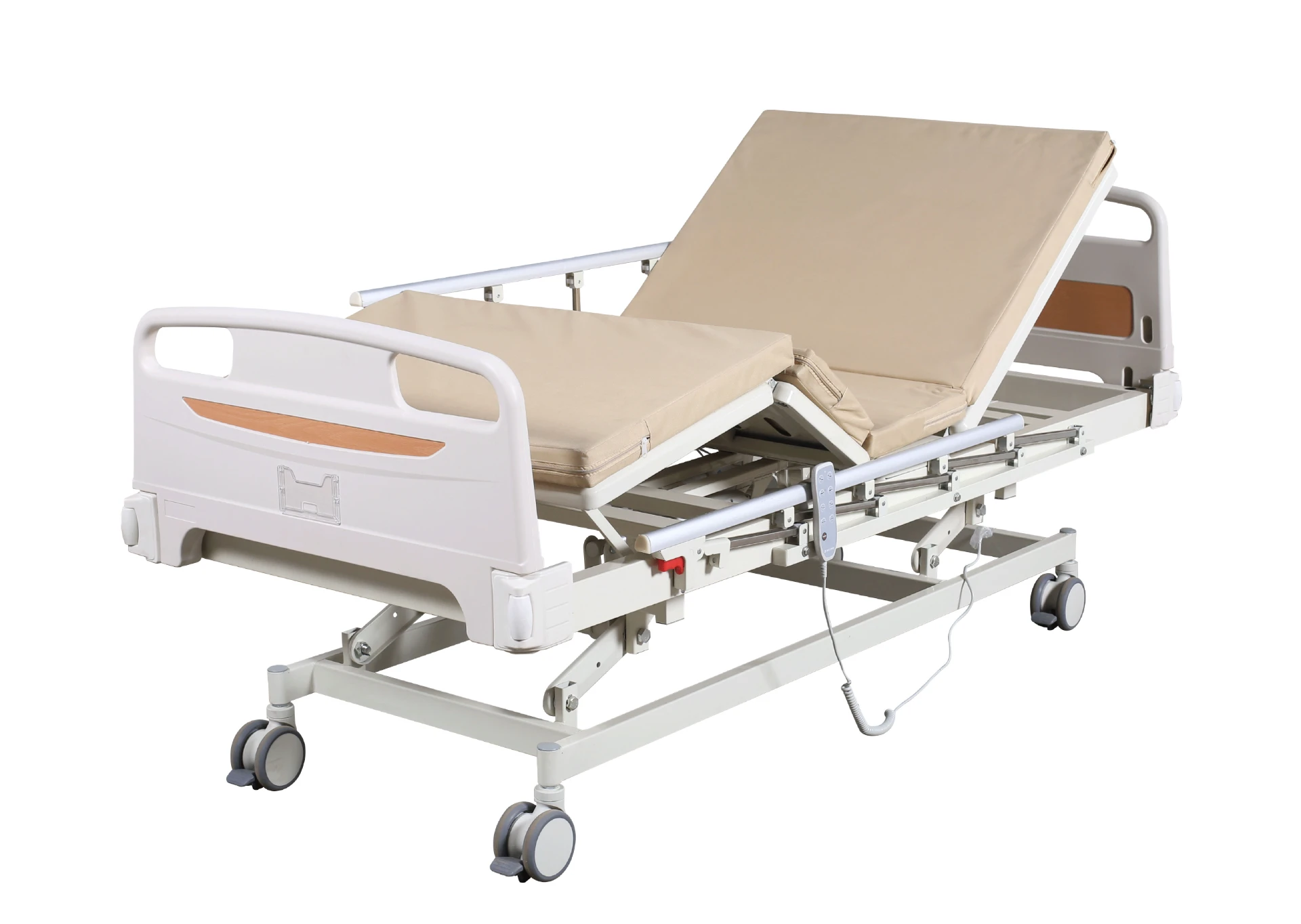
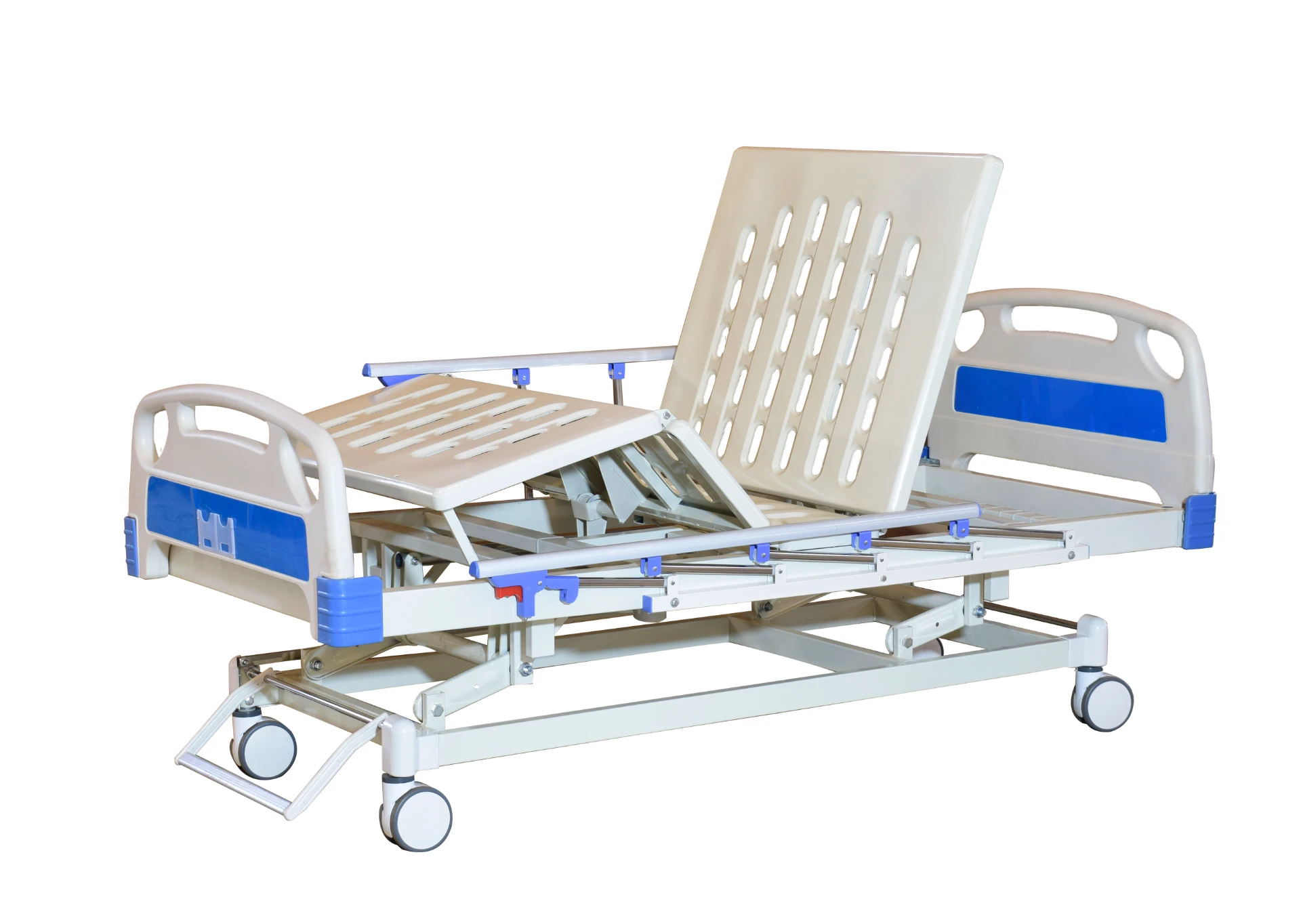
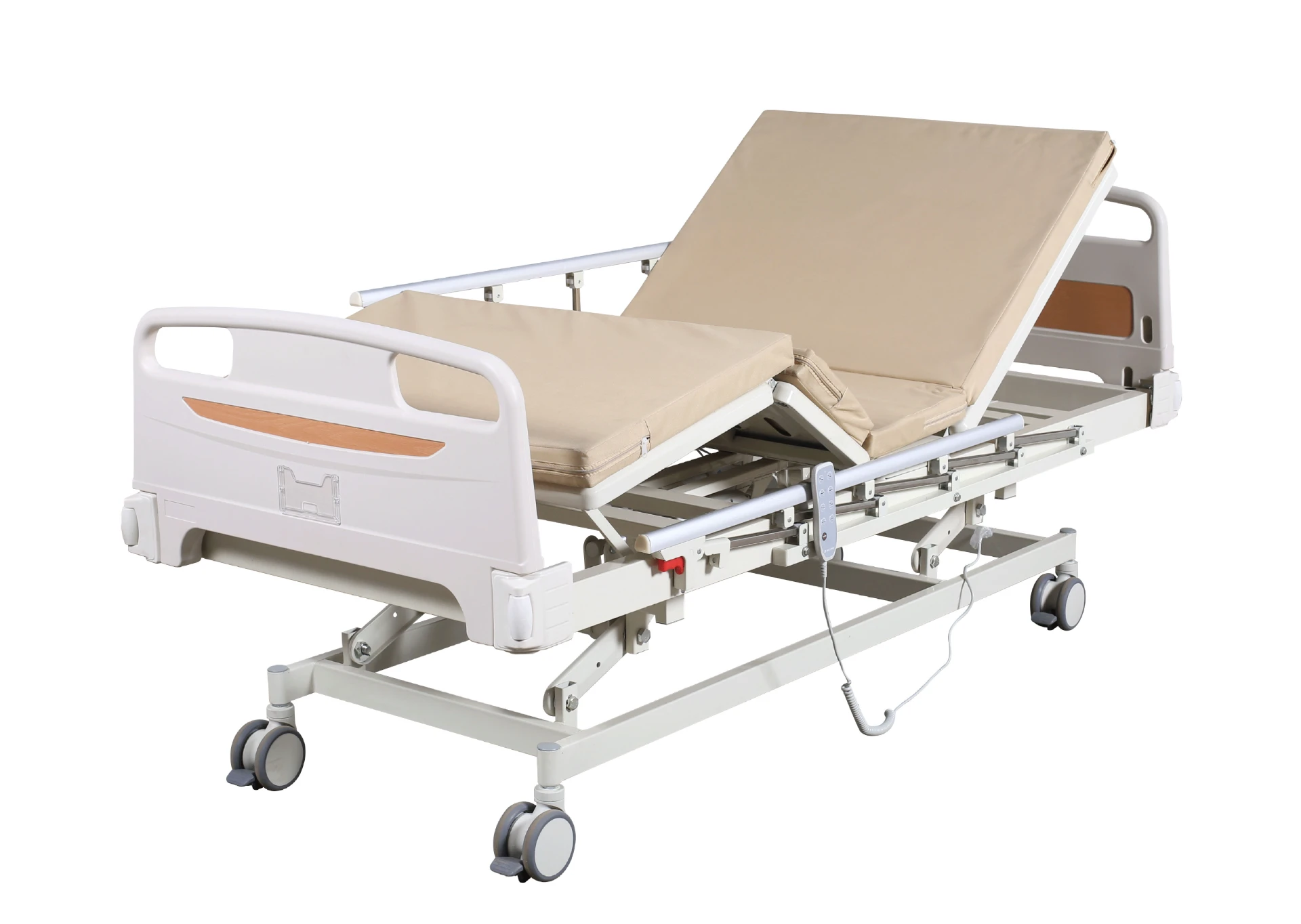
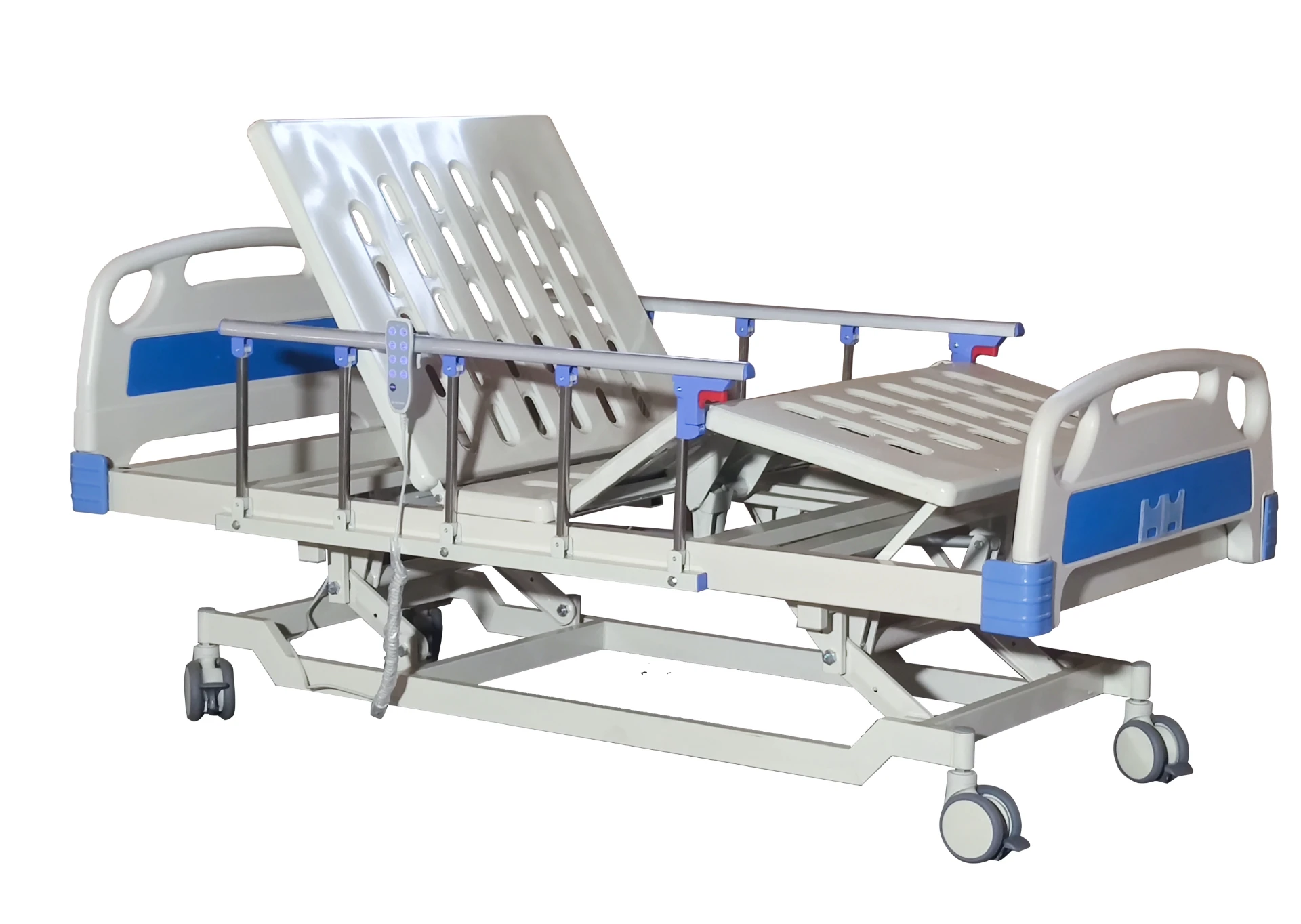
Simply put, a recliner chair medical equipment piece is a chair designed for patient comfort and medical use that can be adjusted to various positions — usually reclining and sometimes elevating leg rests — to support recovery and reduce bodily strain. Unlike typical recliners at home, these come manufactured to strict hygienic, ergonomic, and safety standards.
They often integrate easy-clean surfaces, antimicrobial fabrics, and easy-to-use controls (electric or manual). Functionally optimized for medical settings, they assist caregivers in repositioning patients and reduce extra strain on nursing teams. You could say, they’re the unsung heroes of patient mobility.
Key Features That Make a Difference
1. Ergonomics and Comfort
Medical recliners are designed for long-term sitting with pressure distribution in mind — preventing bedsores and muscle strain with adjustable back and footrests.
2. Durability & Hygiene
These chairs must withstand constant use and frequent sanitation, so materials like PU leather or vinyl that resist stains and microbes are common. Frames are usually powder-coated steel for robustness.
3. Ease of Operation
Controls need to be intuitive and user-friendly—think remote buttons or simple levers—to allow patients or nurses to adjust positions easily.
4. Mobility & Weight Capacity
Many models feature lockable wheels for easy transfer and stability, and weight capacities range widely to accommodate different patient needs safely.
Recliner Chair Medical Equipment In Action: Real-World Use Cases
You’ll find these recliner chairs in bustling urban hospitals in Europe, post-disaster field hospitals in Southeast Asia, or elderly care homes in North America. Take, for example, a rehabilitation center in Germany where recliner chairs with electric positioning have enhanced patient independence during recovery post-stroke — a small but powerful quality-of-life improvement.
Humanitarian groups involved in disaster relief often include portable recliner chairs in their medical kits to stabilize trauma patients or elderly individuals temporarily displaced. In rural clinics of Africa, simple manual recliners help make long-term treatments more bearable for patients facing mobility constraints.
The worldwide reach of these chairs is proof of their essential role in healthcare and social care alike.
Mini Takeaway:
Recliner chair medical equipment’s adaptability to varied environments — from high-tech hospitals to field clinics — underlines its critical place in modern patient care.
Product Specification Table for a Typical Medical Recliner Chair
| Specification | Details |
|---|---|
| Material | Powder-coated steel frame; PU leather upholstery |
| Weight Capacity | Up to 150 kg (330 lbs) |
| Dimensions (L×W×H) | 100 × 70 × 110 cm (fully upright) |
| Adjustment Type | Electric motorized recline with manual override |
| Mobility | 4 lockable caster wheels |
| Cleaning | Antimicrobial, wipe-clean surfaces |
How Leading Vendors Compare
| Vendor | Product Range | Price Range | Warranty | Notable Feature |
|---|---|---|---|---|
| MedComfort Inc. | Manual & Electric recliners | $800 - $1800 | 5 years | Antimicrobial fabrics |
| HealthSeat Solutions | Electric recliners with tech integration | $1200 - $2500 | 7 years | Smart position memory |
| CarePlus Furnishings | Budget-friendly models | $500 - $1100 | 3 years | Lightweight and portable |
Why Investing in Quality Recliner Chair Medical Equipment Matters
The true value extends beyond mere comfort. For patients, it means dignity — not being confined to uncomfortable positions that exacerbate pain or fatigue. For caregivers, efficient recliner chairs reduce physical strain and boost treatment outcomes.
Long-term, these chairs contribute to lowering healthcare costs by reducing complications related to poor positioning, such as pressure ulcers. Sustainability also enters the picture, with many modern chairs designed for longevity and easy maintenance, supporting hospital budgets and environmental goals alike.
Emerging Trends and Innovations
The future of recliner chair medical equipment leans heavily on tech advancements. We’re seeing chairs that integrate IoT sensors to monitor patient position and alert staff when repositioning is needed—reducing risks of immobility complications. Material science is improving too, with antimicrobial and breathable fabrics that enhance hygiene and user comfort.
Sustainability efforts also encourage manufacturers to use recyclable materials and energy-efficient motors. Some new designs even tap green energy, like solar panels, for powering recliner adjustments in remote or off-grid facilities.
Overcoming Challenges
Despite all these benefits, challenges remain. The biggest ones? Affordability in resource-limited settings and the balance of durability with weight. Heavy chairs can be hard to move, yet cheaper materials often sacrifice lifespan. To tackle this, modular designs and standardized parts help in maintenance and repair.
Additionally, training caregivers on proper use and cleaning is critical. Only the right usage maximizes a chair’s benefits and prevents damage, ensuring safety for users.
FAQ: Practical Questions About Recliner Chair Medical Equipment
- Q: What key features should I look for in a recliner chair for medical purposes?
- A: Focus on ergonomic support, easy adjustability (electric/manual), durable and antimicrobial materials, weight capacity suitable for the intended user, and mobility options like lockable casters.
- Q: Can recliner chairs help reduce patient pressure ulcers?
- A: Absolutely. Adjustable reclining helps redistribute pressure, improving blood circulation and reducing skin breakdown risks. Combined with proper care, this greatly aids prevention.
- Q: How portable are most medical recliner chairs?
- A: Portability varies. Lightweight models with lockable caster wheels support room-to-room mobility, but heavy electric models may be less easy to move without assistance.
- Q: Are there eco-friendly options for recliner chair medical equipment?
- A: Yes, manufacturers increasingly use recyclable materials and energy-efficient motors. Some newer chairs incorporate sustainable fabrics and even renewable energy options for power.
- Q: How do I maintain and clean these chairs in healthcare settings?
- A: Use manufacturer-recommended cleaning agents compatible with antimicrobial fabrics, routinely disinfect surfaces, and inspect mechanical parts regularly to ensure optimal functioning.
Conclusion: Comfort and Care for the Long Haul
Investing in recliner chair medical equipment is not just a matter of convenience; it’s a commitment to patient dignity, caregiver efficiency, and long-term healthcare sustainability. In a world where quality care increasingly means comfort and adaptability, these chairs quietly revolutionize recovery experiences everywhere. Whether in a high-tech hospital ward or a makeshift relief station, they offer consistency and compassion wrapped in solid engineering.
Thinking about upgrading your facility or expanding your medical equipment inventory? Visit our website: https://www.cnboxin.com to explore the latest in recliner chair innovations.
References
-
Ultimate Guide to Choosing Extra Wide Waiting Room ChairsNewsApr.16,2026
-
Guide to Choosing Professional Waiting Room Chairs Wipeable SeatingNewsApr.09,2026
-
Enhance Your Space with Comfortable Wide Waiting Room ChairsNewsApr.07,2026
-
Selecting the Ideal Brown Waiting Room Chairs for a Welcoming SpaceNewsApr.04,2026
-
Choosing Comfortable Patient Waiting Room Chairs for Healthcare FacilitiesNewsMar.31,2026
-
Finding the Best Deals on Affordable and Cheap Reception Chairs for Your BusinessNewsMar.28,2026
-
Enhance Your Business Reception with Comfortable Blue Reception ChairsNewsMar.26,2026