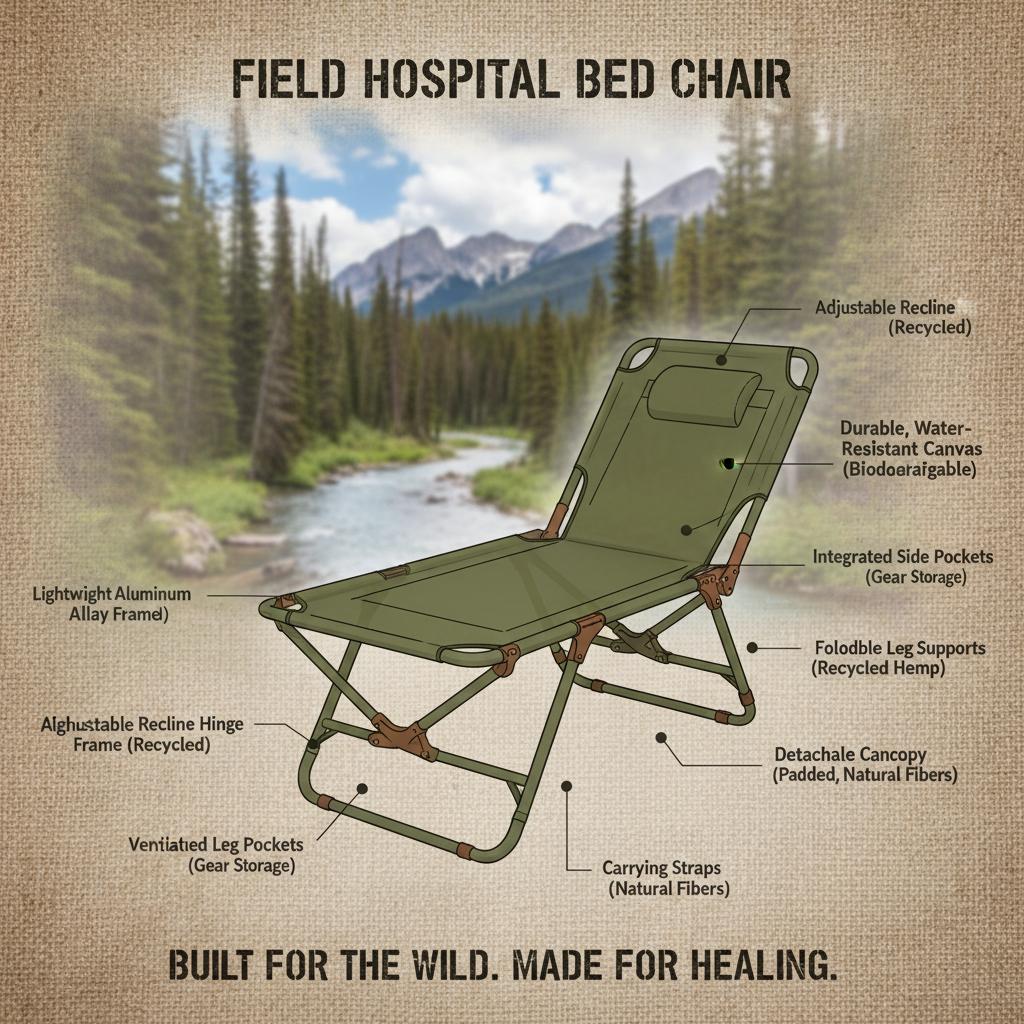
The modern healthcare environment is undergoing a significant shift toward patient-centric care, where the physical comfort of the patient is seen as a critical component of the healing process. A hospital recliner bed serves as a versatile bridge between a traditional clinical bed and a comfortable lounge chair, providing essential support for patients who are transitioning from acute care to recovery. By allowing patients to sit up or recline with ease, these specialized pieces of furniture help reduce the psychological stress of long-term hospitalization.
Globally, the demand for advanced medical furniture is rising as aging populations in developed nations and improving healthcare infrastructure in emerging markets necessitate more ergonomic solutions. The integration of a hospital recliner bed into dialysis centers, infusion clinics, and emergency departments has proven to enhance both patient satisfaction and clinical efficiency. These beds are not merely for comfort; they are engineered to facilitate respiratory function, improve circulation, and allow caregivers to perform treatments without compromising the patient's stability.
Understanding the technical nuances and ergonomic benefits of the hospital recliner bed is essential for hospital administrators and procurement specialists aiming to optimize patient flow. From the selection of antimicrobial fabrics to the precision of the reclining mechanisms, every detail contributes to a safer, more dignified experience for the patient. This guide explores the global context, technical components, and future innovations that define the current standard of medical reclining solutions.
Global Relevance and Industry Context of Hospital Recliner Beds
The global healthcare market is seeing an unprecedented surge in the adoption of specialized patient furniture, driven by the World Health Organization's emphasis on integrated care. In many regions, the transition from traditional static seating to the hospital recliner bed is seen as a critical step in reducing hospital-acquired complications such as pressure ulcers and pneumonia. Statistics indicate that early mobilization and upright positioning significantly lower the risk of deep vein thrombosis (DVT) in elderly patients.
However, the industry faces a constant struggle between cost-efficiency and clinical durability. Many facilities in developing economies still rely on outdated equipment that lacks the ergonomic support needed for long-duration treatments. The introduction of standardized, ISO-compliant reclining beds helps bridge this gap, ensuring that patients regardless of geography receive a baseline of dignity and physical support during their recovery process.
Defining the Hospital Recliner Bed in Modern Healthcare
At its core, a hospital recliner bed is a specialized medical device designed to provide a seamless transition between a seated position and a fully reclined state. Unlike a standard home recliner, these beds are constructed from medical-grade steel and upholstered in high-performance, non-porous materials that can withstand rigorous chemical disinfection protocols. They are engineered specifically for patients who cannot remain in a traditional bed but are too fragile for standard chairs.
The connection to modern humanitarian needs is profound; in overcrowded clinics or temporary field hospitals, these beds maximize space while providing high-level care. They allow for "active resting," where a patient can be monitored and treated in a position that optimizes blood flow and oxygenation, which is particularly vital for those undergoing chemotherapy or dialysis.
By integrating features like adjustable headrests, lumbar support, and effortless gliding mechanisms, the hospital recliner bed transforms the clinical environment from a place of sterile confinement into a space of therapeutic healing. It recognizes that the physical posture of a patient directly influences their psychological state and overall recovery speed.
Core Components and Engineering Factors
Durability is the primary engineering pillar of the hospital recliner bed. To handle the constant wear and tear of a 24/7 clinical setting, the frame is typically reinforced with heavy-duty powder-coated steel. This ensures that the structure does not warp under the weight of bariatric patients or fail during the frequent adjustments required by nursing staff.
Material science plays a huge role in the efficacy of a hospital recliner bed. The use of antimicrobial vinyl or polyurethane fabrics prevents the colonization of healthcare-associated infections (HAIs). These materials are chosen not only for their hygiene but for their breathability and pressure-redistributing properties, which are essential for preventing skin breakdown.
Ergonomic scalability is the third critical factor. Modern designs incorporate adjustable footrests and multi-angle backrests to accommodate patients of various heights and weights. This scalability ensures that the bed provides optimal lumbar support, reducing the physical strain on the patient's spine and improving the overall comfort during long-term treatment sessions.
Global Applications and Clinical Use Cases
The application of the hospital recliner bed extends across various specialized medical departments. In oncology wards and infusion centers, these beds are the gold standard, as they allow patients to remain comfortable during multi-hour drug administrations. The ability to subtly shift position helps manage the fatigue and nausea often associated with chemotherapy, making the process more tolerable for the patient.
In emergency departments and triage zones, the mobility and rapid adjustability of these beds are invaluable. For instance, in post-disaster relief operations where space is limited and patients may have varying levels of stability, the hospital recliner bed provides a stable platform for immediate care while allowing for easy transport between stations.
Efficiency Comparison of Hospital Recliner Bed Types
Long-Term Value and Patient Advantages
The long-term value of investing in a high-quality hospital recliner bed is measured in both clinical outcomes and operational savings. By reducing the incidence of pressure sores and improving pulmonary function through upright positioning, hospitals can decrease the average length of stay for recovering patients. This not only frees up critical bed space but also reduces the overall cost of care per patient.
Beyond the numbers, there is an emotional dimension of safety and dignity. Patients often feel vulnerable in a clinical setting; the familiarity and comfort of a reclining chair provide a sense of autonomy and normalcy. When a patient feels secure and physically supported, their trust in the medical staff increases, leading to better compliance with treatment plans and a more positive overall healthcare experience.
Future Trends in Medical Reclining Technology
The next generation of the hospital recliner bed is moving toward full digitalization and smart integration. We are seeing the emergence of beds equipped with embedded pressure-sensing mats that alert nursing staff when a patient has remained stationary for too long, effectively automating the prevention of bedsores. These systems integrate directly with the hospital's electronic health records (EHR), providing real-time data on patient positioning.
Sustainability is also becoming a primary driver of innovation. Manufacturers are now exploring biodegradable yet durable polymers and recycled steel for the frames to reduce the carbon footprint of medical furniture production. The shift toward "green hospitals" means that the longevity and recyclability of a bed are now just as important as its clinical function.
Furthermore, automation through AI-driven motors is allowing for "micro-adjustments" that mimic natural human movement. This subtle shifting of weight helps maintain blood flow and reduces muscle stiffness without requiring manual intervention from caregivers, thereby reducing the physical burden on the nursing workforce.
Overcoming Challenges in Recliner Deployment
One of the primary challenges in deploying the hospital recliner bed is the initial capital expenditure. High-end ergonomic beds are more expensive than traditional chairs, leading some facilities to hesitate. However, the solution lies in a "Total Cost of Ownership" analysis, where the reduction in complication-related costs and the increase in patient throughput far outweigh the initial purchase price.
Another limitation is the physical footprint of these beds in cramped clinical spaces. To overcome this, designers are creating modular and foldable versions that maintain full stability while occupying significantly less square footage when not in use. This allows clinics to maximize their capacity without sacrificing the quality of patient comfort.
Finally, training staff to utilize the full range of adjustable features is often overlooked. Expert insights suggest that implementing a standardized training module for nursing staff ensures that the hospital recliner bed is used to its full potential, ensuring that patients receive the exact angle of inclination required for their specific medical condition.
Analysis of Hospital Recliner Bed Implementation Dimensions
|
Bed Model Type
|
Clinical Application
|
Durability Score (1-10)
|
Patient Comfort Level
|
| Manual Economy |
General Outpatient |
7 |
Moderate |
| Electric Luxury |
Private Recovery Suite |
9 |
Exceptional |
| Bariatric Heavy-Duty |
Obesity Care Unit |
10 |
High Support |
| Infusion Specialized |
Chemotherapy Center |
8 |
High |
| Portable Folding |
Emergency Field Care |
6 |
Standard |
| Smart-Sensing Bed |
ICU/Step-down Unit |
9 |
Dynamic |
FAQS
A hospital recliner bed is specifically engineered for extended use, offering a full range of motion from seated to nearly flat. Unlike standard chairs, they feature medical-grade, antimicrobial upholstery and reinforced frames capable of supporting bariatric weights, making them suitable for patients undergoing long treatments like dialysis or chemotherapy.
Maintenance involves using hospital-approved, non-corrosive disinfectants on the upholstery to prevent biofilm buildup. For the mechanical components, periodic lubrication of the reclining joints and checking the tension of electric motors (if applicable) is recommended every six months to ensure smooth operation and safety.
Yes, they are increasingly popular for home care. They provide a safer alternative for patients with limited mobility, allowing caregivers to transition patients from a sleeping to a sitting position without heavy lifting, thus reducing the risk of caregiver injury and increasing patient independence.
Absolutely. By allowing for frequent and easy changes in position, these beds help redistribute pressure across different areas of the body. Many models also include high-density foam or air-cell cushions specifically designed to minimize pressure on the sacrum and heels.
Depending on your patient demographic, you should choose between standard (up to 300 lbs) and bariatric (500-1000 lbs) models. It is critical to ensure the bed is rated for at least 20% more than the average patient weight to ensure long-term structural integrity and safety.
Electric mechanisms provide greater precision and ease of use for both the patient and the caregiver, which is essential for frail patients. Manual recliners are more cost-effective and reliable in power-outage scenarios, but electric models significantly reduce the physical labor required by nursing staff.
Conclusion
The hospital recliner bed represents a critical intersection of engineering, ergonomics, and empathy in modern medicine. By prioritizing patient comfort through durable materials, adjustable positioning, and infection-control standards, these beds directly contribute to faster recovery times and higher patient satisfaction. From the specialized needs of oncology wards to the urgent demands of emergency triage, the versatility of the reclining bed ensures that care is delivered with both efficiency and dignity.
Looking forward, the integration of smart sensors and sustainable materials will further refine the role of medical furniture in the healing process. We encourage healthcare providers and facility managers to view these beds not as a luxury, but as a strategic investment in patient outcomes and staff wellbeing. For those seeking industry-leading solutions in medical furniture, we invite you to explore our comprehensive range. Visit our website: www.cnboxin.com